Open season defines the times when it’s legal to hunt specific wildlife according to local regulations. This guide breaks down everything you need to know about open season hunting, including key factors that influence these timeframes, legal requirements, and regional variations.
Here’s what we’ll show you:
- Discover how hunting seasons are determined and why they matter.
- Learn the meaning behind common hunting terms like “bag limits” and “closed season.”
- Understand regional variations in hunting regulations across the USA.
- Explore the latest hunting techniques to maximize success during open season.
Let’s dive in to understand how open season hunting works and how you can prepare for a successful hunt with Hunting Locator.
Understanding Hunting Seasons
Open season hunting is all about sustainability. In the USA, hunting seasons are strictly regulated to protect wildlife populations and maintain ecological balance. Open season refers to designated periods when it is legal to hunt certain species, timed to coincide with peak population levels and avoid vulnerable periods like breeding or birthing seasons. State wildlife agencies determine these seasons using data on animal migration, population health, and environmental factors.
States decide when hunting is allowed based on population trends, migration, and public consultation, ensuring responsible wildlife management. For example, deer hunting typically starts in the fall when populations are at their healthiest. Similarly, federal regulations oversee migratory species like waterfowl to ensure they aren’t overhunted during their seasonal movements.
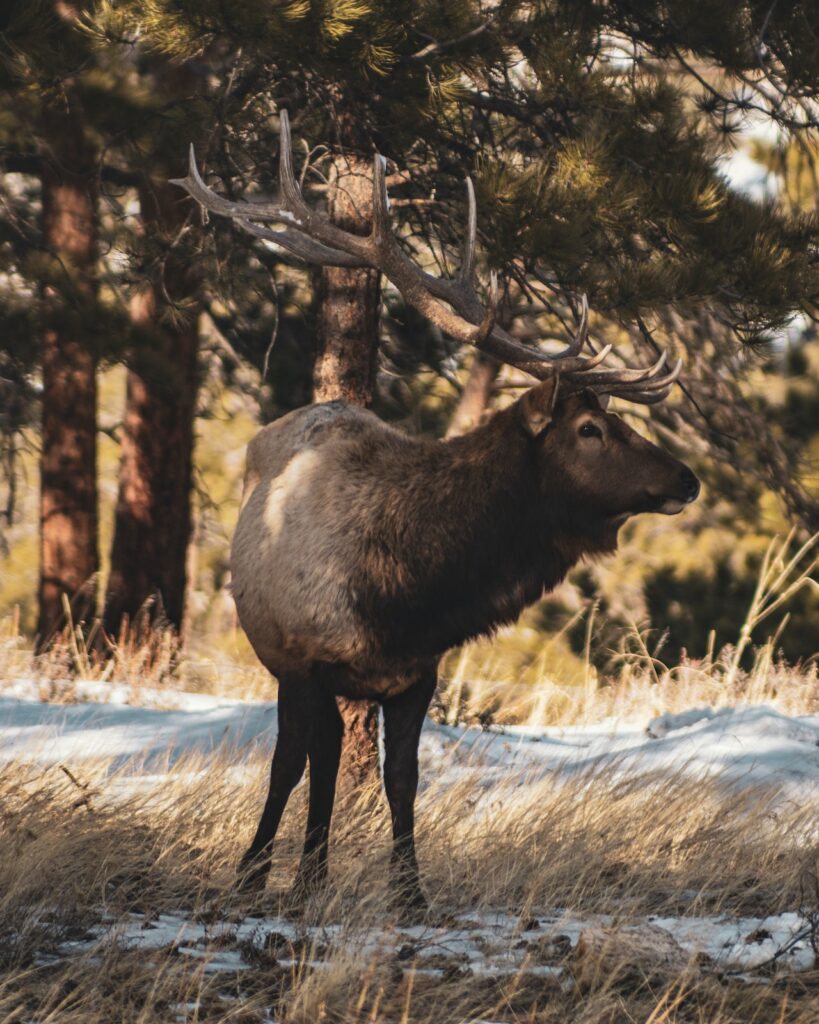
Hunting Season Terminology
Before diving further, it helps to know some common hunting season terminology:
- Bag Limits: This term refers to the maximum number of animals you can harvest during a specific period.
- Closed Season: Any period when hunting is not allowed for certain species.
- Controlled Hunts: Special hunting opportunities with limited permits to control animal populations or manage hunting pressure.
- General Open Season: The broader period when hunting is allowed without needing special permits.
Understanding these terms ensures you stay compliant and fully enjoy your hunting experience while protecting wildlife.
How States Determine Open Seasons
Determining hunting seasons involves more than just setting dates on a calendar. Before you head out, always check your local, state, and federal regulations to ensure you’re up to date on all requirements for your area. Staying informed helps you avoid potential issues and ensures you’re hunting within legal guidelines. States rely on factors like wildlife population surveys, migration studies, and citizen input to set these periods. The timing typically depends on:
- Population Levels: Hunting seasons are scheduled when animal populations are most abundant, ensuring a sustainable harvest.
- Breeding Cycles: Open seasons avoid peak breeding times, minimizing stress and ensuring young animals can grow to maturity.
- Migration Patterns: Migratory birds and other species have specific open seasons based on when they are most available in a particular region.
This careful regulation allows hunters to enjoy their sport while ensuring that wildlife populations remain stable.

Regional Variations in Open Season
Hunting regulations vary greatly by region across the United States. Each region offers unique hunting opportunities and challenges based on local wildlife populations, climate, and ecological conditions. Below, we explore how hunting seasons differ in the Northeast, Southeast, Midwest, West, and Alaska, highlighting key species and regional hunting practices.
Northeast: White-Tail Deer and Archery Hunts
In the Northeast, the hunting season often starts earlier compared to other regions due to cooler climates and different migration patterns. White-tail deer are the primary big game in this region, and archery hunting is particularly popular during early fall. Bag limits are closely monitored to maintain deer population levels, and hunters often use primitive tools like traditional bows during specific hunting periods. This region is known for a mix of public and private land access, requiring hunters to be familiar with specific state regulations.
Southeast: Wild Hogs and Flexible Hunting Opportunities
The Southeast offers diverse hunting opportunities, with species like wild hogs available for hunting year-round in many states, such as Texas. Wild hogs are considered invasive, leading to fewer restrictions and more flexible hunting seasons. The region also has significant populations of white-tail deer and turkeys, with seasons typically starting later in the fall. Bag limits and hunting regulations vary, and hunters often need to navigate a patchwork of public and private land access options.
Midwest: White-Tail Deer and Shotgun Hunts
The Midwest is renowned for its white-tail deer hunting, attracting big game hunters from across the country. The region often has specific seasons for shotgun hunting, in addition to archery and muzzleloader options. Land access can vary significantly, with many hunters using private leases for better access to prime hunting grounds. Bag limits are usually strict to ensure sustainable deer populations, and hunter safety courses are often required to obtain hunting permits.
West: Elk, Moose, and Challenging Terrain
In the West, hunting seasons are defined by the migration routes of large game such as elk and moose. This region is characterized by rugged terrain, and digital scouting with drones and terrain mapping tools are increasingly used by hunters to locate game. Bag limits are strictly enforced, and hunters need to be aware of both state and federal regulations, especially in areas that overlap with wildlife management areas. The use of optics and advanced game cameras is common, given the challenging landscapes and wide-ranging habitats of the game species.
Alaska: Caribou, Black-Tail Deer, and Extended Seasons
Alaska offers some of the most unique hunting opportunities in the United States, with extended open seasons for species like caribou and black-tail deer. Due to the extreme climate and remote locations, hunting seasons are often longer to accommodate access challenges. Hunters in Alaska must be well-prepared with appropriate safety gear and a thorough understanding of local wildlife behavior. Moose and bear are also popular targets, with specific regulations to ensure sustainable populations. The use of primitive tools is allowed in some areas, and hunter safety certification is a must, given the demanding conditions.
It’s important to know the specific rules for your area, as hunting regulations and species availability vary widely.
Special Hunting Seasons and Opportunities
Besides the general open season, there are also special hunting opportunities, such as for waterfowl, furbearers, or small game. These seasons often vary by location and aim to provide hunters with more chances to hunt without impacting key species’ long-term sustainability.
- Spring Turkey Hunting: Typically a special season to manage turkey populations while providing a unique hunting experience.
- Muzzleloader and Archery Seasons: Many states have special seasons for different types of hunting methods, encouraging varied skill use and reducing overall pressure during the general open season.
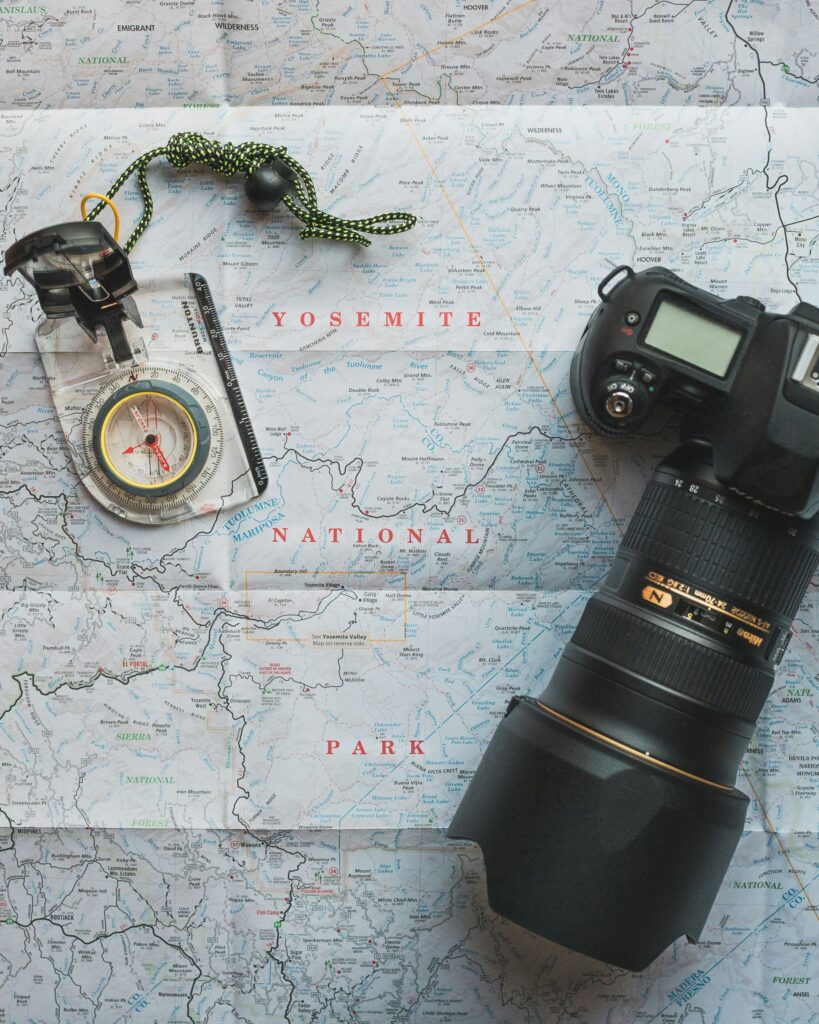
Innovative Hunting Techniques to Maximize Success During Open Hunting Seasons
To make the most of open season hunting, many hunters are adopting innovative hunting techniques that leverage technology to increase their chances of success. These methods not only improve efficiency but also provide better insights into animal behavior and habitat.
- Terrain and Game Mapping: Using digital tools and apps to map out hunting areas is increasingly popular. These platforms allow hunters to understand terrain features, animal trails, and optimal hunting spots, which can significantly improve planning and strategy during the open season.
- Hunting Journal Software: Keeping a digital hunting journal helps track animal sightings, weather conditions, and successful hunts. Over time, this data becomes invaluable for predicting movement patterns and adjusting strategies based on historical success rates, leading to more informed decisions during open seasons.
- Digital Scouting with Drones and Game Cameras: Drones provide a bird’s-eye view of large hunting areas, allowing hunters to scout terrain and locate game from afar without disturbing them. Meanwhile, game cameras set up in strategic locations offer real-time insights into animal activity, helping hunters determine the best times and locations to hunt. These techniques are particularly useful for scouting migration paths and understanding daily routines of game species.
Integrating these innovative technologies with traditional hunting methods can greatly improve the overall hunting experience, especially during tightly regulated open seasons when timing and location are critical.
Knowing how to effectively scout for deer is a crucial skill, particularly during open season. This article provides practical scouting tips to enhance your success.
Legal and Ethical Considerations
Ethical hunting is about more than just following the law; it’s about respecting wildlife, understanding their role in the ecosystem, and practicing sustainable methods to ensure future generations can enjoy the same opportunities.
Understanding the rules and regulations around hunting leases is essential to ensuring a safe and lawful experience, especially during open season. This guide provides a comprehensive overview.
Whether you’re a hunter or a landowner, understanding how hunting leases work can help you make the most of open season hunting opportunities while adhering to best practices.
Hunter Safety and Certification
Staying safe while hunting is not just about following the law; it’s about protecting yourself and others. Safety certification is often a mandatory step for hunters, and it plays a crucial role in promoting responsible hunting practices. Below, we’ll break down the key components of hunter safety and certification, including course requirements, essential gear, equipment use, and fostering a culture of ethical hunting.
Hunter Safety Courses and Requirements
To legally hunt during open season, many states require hunters to complete a hunter safety certification course. These courses cover essential skills, including firearm safety, spatial awareness, and ethical hunting practices. Completing a hunter-ed program is often mandatory, and it typically includes both classroom learning and practical training sessions, such as a live fire range component to ensure participants understand how to handle firearms safely.
Essential Safety Gear
Wearing appropriate safety gear—like hearing protection, eye protection, and optics—is also critical for ensuring a safe hunting experience. Proper apparel, including blaze orange or other highly visible clothing, helps hunters remain visible to others in the field, reducing the risk of accidents. Eye and ear protection are essential for mitigating the risks associated with firearm discharge, while spatial awareness training helps hunters be conscious of their surroundings, ensuring both their safety and the safety of others.
Use of Optics and Equipment
In addition to safety gear, hunter safety courses often cover the use of optics, such as scopes and binoculars, which enhance a hunter’s ability to spot and accurately identify game. Courses also emphasize the importance of understanding hunting regulations to stay compliant with laws regarding bag limits, closed seasons, and restricted hunting zones.
Cultivating a Responsible Hunting Culture
Certification isn’t just a legal necessity; it’s about cultivating a responsible hunting culture where safety and respect for wildlife are paramount. Understanding hunter education requirements and completing all necessary training prepares hunters to engage in their sport responsibly. By participating in hunter safety courses, hunters also learn about ethical practices that promote sustainable hunting and respect for the environment, ensuring that wildlife populations are preserved for future generations.
Key Takeaways
- Open Season is the time when it’s legal to hunt specific species, set by local wildlife regulations.
- Each state determines its seasons based on population levels, breeding periods, and migration.
- There are special hunting seasons for species like turkeys, furbearers, and small game to provide diverse opportunities.
- Innovative hunting techniques such as terrain mapping, digital scouting, and hunting journal software can maximize hunting success during open seasons.
- Hunter safety certification is often required to hunt, emphasizing the importance of ethical and safe hunting practices.
Conclusion
Understanding open season hunting is essential for every hunter in the USA. Not only does it ensure you comply with local laws, but it also helps protect wildlife populations for future generations. Whether you’re a seasoned hunter or just starting, always check your state’s specific guidelines before heading out. For the latest hunting opportunities or to find hunting leases across the country, explore Hunting Locator’s offerings and make sure you’re ready for the next open season.


