Before you suit up, grab your weapon, and get outdoors, there are a few things to get straight. Here’s how we’ll help you:
- We’ll show you a quick overview of Louisiana’s hunting dates and daily bag limit or total bag limits.
- We’ve got a short recap of the most important regulations for hunting permits and hunting rules.
- We’ll guide you to some of the best places to launch your hunting expedition.
This guide is your key to unlocking an experience that goes beyond the hunt, connecting you with the heart of the bayou. Seasoned hunter or beginner, prepare for a journey that’s not just about the catch, but about embracing the wild spirit of Louisiana.

The Allure of Hunting in Louisiana
Louisiana, often referred to as the Sportsman’s Paradise, offers a unique and diverse hunting experience that attracts enthusiasts from all over the country. The state’s rich and varied landscapes, ranging from dense forests and marshlands to vast wetlands, provide an ideal habitat for a wide array of game species. This natural bounty, combined with a deep-rooted hunting culture, makes Louisiana a premier destination for hunters.
Here’s what the Louisiana Wildlife and Fisheries Department says about the state:
“Louisiana has long been associated with its incredible access to hunting and fishing opportunities. Our Sportsman’s Paradise offers small and big game hunting as well as freshwater, inshore and offshore fishing – in a single weekend for the committed. The traditions of hunting and fishing have been passed on from generation to generation and kept alive with a passion to be with family in the outdoors.
Maybe it’s the joy of mastering this very human pursuit, or the pride in sustainability—in putting wild game on the table and knowing exactly where it came from. Perhaps it’s the fact that, despite the quiet nature of these moments, the best days are the ones spent immersed in the great outdoors, returning home with a story to share. Whatever drives you, there’s so much more to hunting than the hunt.”
The 2023-2024 hunting season in Louisiana presents an exciting opportunity for both seasoned hunters and newcomers.
This season is expected to be particularly vibrant, thanks to the state’s effective wildlife management practices and the diverse ecosystems that support a healthy population of game.
Hunters can look forward to pursuing a variety of species, each offering its own unique challenge and reward.
Louisiana Hunting Season Dates, Bag Limits
The Louisiana Department of Wildlife and Fisheries (LDWF) has meticulously planned the hunting seasons to ensure sustainable wildlife populations while providing ample opportunities for hunters on public hunting land in Louisiana. Here are some of the key seasons and species to look out for:
Deer Season
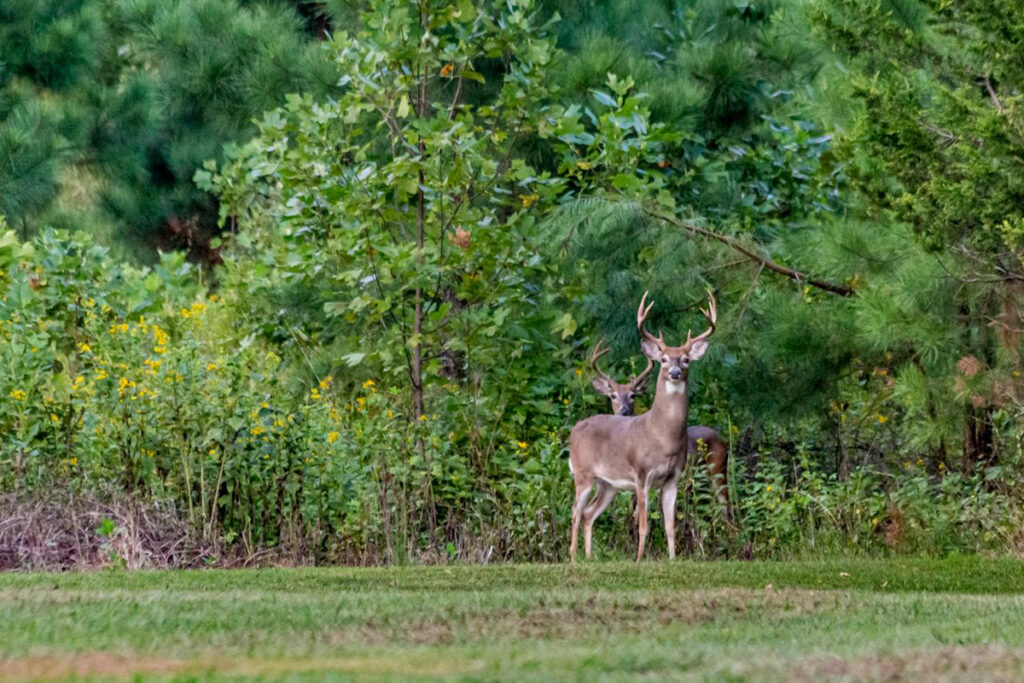
Louisiana is renowned for its Whitetail deer hunting. The season typically spans from September to February, with specific dates varying by zone. The state’s deer population is well-managed, offering hunters a chance to bag a trophy buck or simply enjoy a day in pursuit of these majestic animals. Many areas offer limited deer hunting but there are still hundreds of thousands of acres of land with plenty of game for hunters.
Waterfowl Season
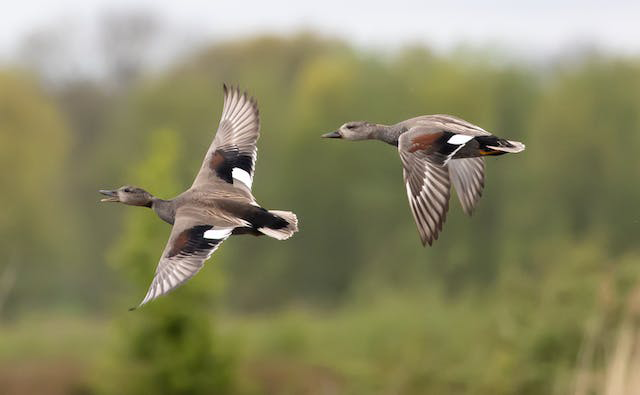
The state’s geographical position along the Mississippi Flyway makes it a top waterfowl hunting destination. Hunters can expect to find a variety of ducks and geese, with the season generally running from November to March. The marshlands and coastal areas provide an ideal setting for duck hunting in Louisiana. Hunters travel from thousands of miles away because of the huge number of waterfowl hunting opportunities.
Alligator Season
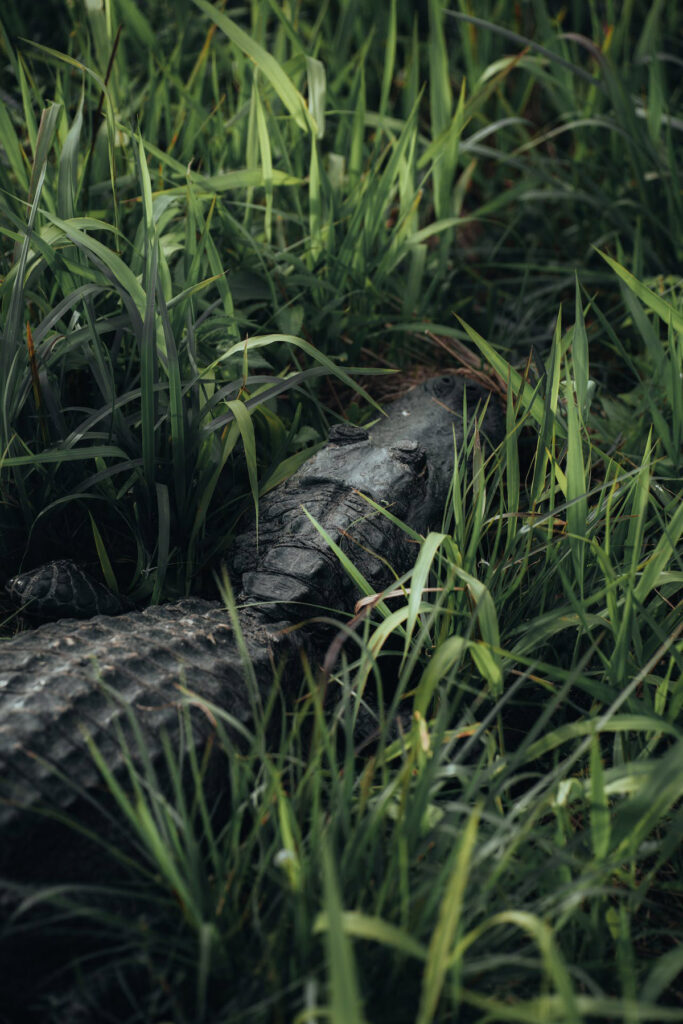
Louisiana’s alligator hunting is an experience unlike any other. The season usually starts in late August and runs for 30 days. It’s a highly regulated hunt, reflecting the state’s commitment to conservation and sustainable use of its wildlife resources. But, once you get your alligator hunting license, you can join in the chase for Louisiana’s biggest predator.
Small Game
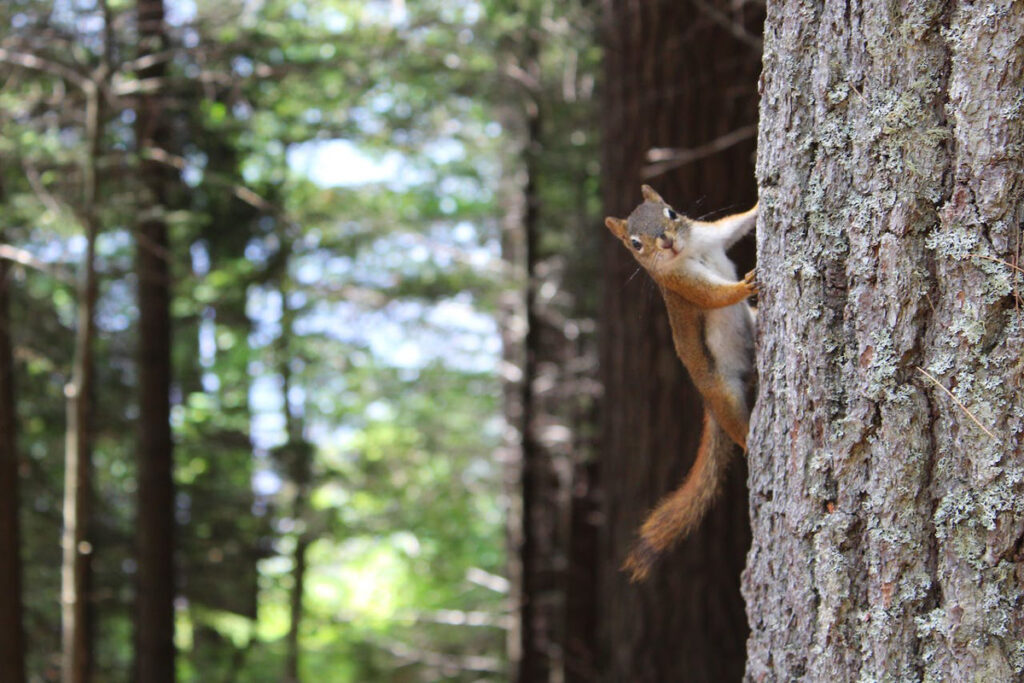
For those interested in small game, Louisiana offers abundant opportunities to hunt species like squirrels, rabbits, and quail. These seasons typically run from October to February, providing a long window for hunters to enjoy the pursuit.
Each of these seasons is governed by specific regulations, including dates, bag limits, and permitted hunting methods. Hunters are encouraged to familiarize themselves with these rules to ensure a legal and ethical hunting experience.
Areas, Dates, Bag Limits
Here is a summary for the bag limits and season dates for various game species in Louisiana for the 2023-2024 hunting season:
| Game Species | Area/Zone | Season Dates | Bag Limits | Possession Limits |
| Deer (Archery) | 1-10 | Varies by area | Either-sex | – |
| Deer (Primitive Firearms) | 1-10 | Varies by area | Either-sex | – |
| Deer (Firearms, Still-hunt only) | 1-10 | Varies by area | Either-sex | – |
| Deer (Firearms, With or w/o dogs) | 1-10 | Varies by area | Either-sex | – |
| Mourning and White-winged Doves | North Zone | Sept. 2-24, Oct. 7 – Nov. 12, Dec. 23 – Jan. 21 | 15 in aggregate | 45 in aggregate |
| South Zone | Sept. 2-17, Oct. 14 – Nov. 26, Dec. 16 – Jan. 14 | 15 in aggregate | 45 in aggregate | |
| Woodcock | – | Dec. 18 – Jan. 31 | 3 | 9 |
| Teal (Blue-winged, Green-winged, Cinnamon) | – | Sept. 15-30 | 6 | 18 |
| King and Clapper Rails | – | Sept. 15-30, Nov. 11 – Jan. 3 | 15 in aggregate | 45 in aggregate |
| Sora and Virginia Rails | – | Sept. 15-30, Nov. 11 – Jan. 3 | 25 in aggregate | 75 in aggregate |
| Gallinules | – | Sept. 15-30, Nov. 11 – Jan. 3 | 15 | 45 |
| Snipe | – | Nov. 2 – Dec. 3, Dec. 16 – Feb. 28 | 8 | 24 |
| Canada Geese | East Zone | Nov. 4 – Dec. 3, Dec. 16 – Jan. 28 | 1 | 3 |
| West Zone | Nov. 4 – Dec. 3, Dec. 11 – Jan. 7, Jan. 13-28 | 1 | 3 | |
| Light Geese (Snow, Blue & Ross’) | – | – | 20 | None |
| White-fronted Geese | – | – | 3 | 9 |
| Quail | – | Nov. 18 – Feb. 29 | 10 | 30 |
| Rabbit | – | Oct. 7 – Feb. 29 | 8 | 24 |
| Squirrel | – | Oct. 7 – Feb. 29, May 4-26 | 8 | 24 |

Please note that the specific dates for deer hunting vary greatly by area and method. Additionally, for some species like deer, the bag limits may be subject to additional regulations not specified in the summary. Hunters are advised to consult the 2023-2024 LDWF Hunting Regulation pamphlet for more detailed information and precise hunting regulations.
Louisiana Hunting Regulations, Licensing and Fees
Everyone knows the importance of hunting education and following the rules. These keep people safe, preserve the variety and abundance of game species, and add to the rich heritage of hunting passed from one generation to another.
In this section, let’s take a look at the most relevant regulations you should keep in mind.
Updated Louisiana Hunting Regulations
Navigating the hunting regulations in Louisiana is crucial for a legal and ethical hunting experience. The Louisiana Department of Wildlife and Fisheries (LDWF) updates these regulations annually to ensure sustainable wildlife management and hunter safety. For the 2023-2024 season, several updates and reminders are particularly noteworthy:
- Zone-Specific Regulations: Louisiana is divided into multiple hunting zones, each with its own set of dates and rules. This zoning system helps manage wildlife populations effectively and allows for region-specific conservation efforts. Hunters must be aware of the zone they plan to hunt in and adhere to the specific regulations of that zone.
- Bag Limits and Season Dates: Each game species has designated season dates and bag limits, which are essential for maintaining healthy populations. These limits vary depending on the species and the hunting zone. Overharvesting not only disrupts ecological balance but also leads to legal penalties.
- Method of Take: The regulations also specify permissible methods of take for each species. This includes the type of firearms, bows, or other equipment that can be used. Certain methods are restricted or allowed only during specific seasons to ensure humane hunting practices and safety.
The Bottom Line: While you are planning your hunt, check the specific location you plan to hunt. Research its season dates, bag limits, and the species of wildlife you are permitted to hunt.

Licensing Requirements and Fees
To hunt legally in Louisiana, obtaining the appropriate hunting license and permits is mandatory. These requirements vary based on residency, age, species, and the type of hunting equipment used. Key points include:
- Basic Hunting License: All hunters are required to have a Basic Hunting License to hunt or transport wild birds or quadrupeds in Louisiana. This license is the foundation upon which other specific permits and stamps are added.
- Specialized Permits and Stamps: Depending on what and how you plan to hunt, additional permits or stamps may be required. For example, deer tags, turkey permits, and Federal Duck Stamps are necessary for hunting specific species. Similarly, hunters using archery equipment or primitive firearms must obtain additional permits.
- License Fees: The cost of hunting licenses and permits varies for residents and nonresidents. Youth licenses are typically offered at a reduced rate. It’s important to budget for these costs when planning your hunting season.
- Where to Purchase: Licenses and permits can be purchased online through the LDWF website, at local LDWF offices, or at authorized vendors throughout the state.
| License/Permit Type | Resident, Military, and Student Fee | Nonresident Fee | Nonresident Native 10-Day | Nonresident 5-Day |
| Basic Hunting | $20 | $200 | $20 | $65 |
| Deer | $15 | $100 | $15 | $35 |
| Waterfowl | $12 | $50 | $12 | $35 |
| Federal Duck Stamp | $27.22 | – | – | – |
| HIP Certification | Free | – | – | – |
| Turkey | $12 | $50 | $12 | $35 |
| Youth Hunting | $5 | $5 | – | – |
| WMA Access Annual Permit | $20 | $20 | – | – |
| WMA Access 5-Day Permit | $5 | $5 | – | – |
| Game Breeder’s License | $25 plus one-time $50 facility inspection fee | – | – | – |
| Senior Hunting/Fishing (born before June 1, 1940) | Free | – | – | – |
| Senior Hunting/Fishing (born between June 1, 1940 and May 31, 1962) | $5 | – | – | – |
| Louisiana Sportsman’s Paradise | $100 | $400 | $100 | $120 |
| Nonresident Hunting Preserve (October 1-April 30) | – | $15 | – |
Understanding and adhering to these regulations and licensing requirements is not only a legal obligation but also a part of responsible hunting. It ensures that hunting practices contribute positively to wildlife conservation and the safety of all involved. Hunters are encouraged to visit the LDWF website for the most current information and to ensure compliance with all regulations for the 2023-2024 hunting season.
Essential Hunting Equipment
The right equipment is crucial for a successful and safe hunting experience. In Louisiana, the diverse range of game species means hunters need to be well-equipped for different hunting scenarios. Here’s a guide to essential hunting gear for the 2023-2024 season:
- Firearms and Ammunition: For deer, waterfowl, and small game hunting, selecting the right firearm and ammunition is key. Shotguns are preferred for waterfowl and small game, while rifles are commonly used for deer hunting. It’s important to use the correct caliber or gauge and ammunition type for the game being hunted.
- Archery Equipment: Bow hunting is increasingly popular in Louisiana, especially for deer and small game. A compound bow, recurve bow, or crossbow, along with suitable arrows or bolts, are essential. Ensure the equipment meets the state’s regulations for draw weight and broadhead specifications.
- Camouflage and Clothing: Appropriate clothing is vital for both concealment and protection. Camouflage patterns should match the environment you’re hunting in. Also, consider weather-appropriate gear, including waterproof and insulated clothing for cold and wet conditions.
- Safety Gear: Safety should always be a priority. This includes wearing blaze orange during certain seasons, using safety harnesses when hunting from tree stands, and carrying a first aid kit.
- Navigation and Communication Tools: Given the vast and varied landscapes of Louisiana, a GPS device, compass, and reliable communication tools like a cell phone or a two-way radio are important for navigation and safety.
- Lease agreement with the landowner: If you plan to hunt on private lands, you can find a lot of awesome hunting leases in Louisiana. Take a look at leases and download a sample hunting lease agreement.
Best Hunting Locations in Louisiana
Louisiana offers a wealth of hunting locations, ranging from public lands to private hunting leases. Each area offers unique hunting experiences:
- Wildlife Management Areas (WMAs): Louisiana’s WMAs provide excellent public hunting opportunities. These areas are managed by the LDWF and offer diverse habitats suitable for various game species. Some popular WMAs include Sherburne, Dewey W. Wills, and Maurepas Swamp.
- State Wildlife Refuges: Several state wildlife refuges in Louisiana allow hunting. These refuges are critical for conserving wildlife habitats and offer unique hunting experiences, especially for waterfowl and small game.
- National Parks and Forests: Places like Kisatchie National Forest offer hunting opportunities with specific regulations. These areas are known for their scenic beauty and diverse ecosystems.
- Private Lands: For those seeking a more exclusive hunting experience, private lands and hunting leases are available. These often provide managed habitats and can offer high-quality hunting for deer, turkey, and other species.
- Conservation Areas: Louisiana’s conservation areas, such as White Lake Wetlands Conservation Area, offer specialized hunting opportunities, often managed through lottery systems to ensure sustainable hunting practices.
When planning a hunt in any of these locations, it’s important to familiarize yourself with the specific rules and regulations that apply. Whether you prefer the challenge of public land hunting or the managed environments of private leases, Louisiana’s diverse landscapes provide a rich hunting ground for all enthusiasts.
Top Public Hunting Lands in Louisiana
Jackson-Bienville WMA
This expansive 32,185-acre WMA is a haven for hunters of all skill levels. Located in north-central Louisiana, it boasts a diverse landscape of bottomland hardwood forests, rolling hills, and mixed pine-hardwood stands. Jackson-Bienville WMA is renowned for its abundant deer population, with an estimated 40,000 whitetails roaming its boundaries. Hunters can also expect to encounter a variety of other game species, including turkey, squirrel, rabbit, and bobcat.
Clear Creek WMA
Encompassing 156,000 acres in western Louisiana, Clear Creek WMA is a hunter’s paradise. The WMA features a mosaic of habitats, including rolling hills, mixed pine-hardwood forests, and numerous streams and sloughs. This diversity of habitats supports a thriving population of deer, turkey, squirrel, and rabbit. Clear Creek WMA is particularly well-known for its exceptional deer hunting, with an estimated 30,000 whitetails residing within its borders.
Sabine WMA
Located in northwestern Louisiana, Sabine WMA encompasses a vast 128,000 acres. The WMA’s diverse landscape includes bottomland hardwoods, upland pine forests, and extensive marsh areas. This variety of habitats provides ample opportunities for hunters to pursue a wide range of game species, including deer, turkey, waterfowl, alligator, and feral pig. Sabine WMA is home to an estimated 25,000 whitetail deer, making it a popular destination for deer hunters.
Three Rivers and Red River WMAs
These contiguous WMAs, encompassing 200,000 acres along the Mississippi River floodplain, offer exceptional waterfowl hunting opportunities. The WMAs’ diverse habitats, including bottomland hardwoods, flooded rice fields, and cypress swamps, provide ample food and cover for ducks, geese, and other waterfowl species. Three Rivers and Red River WMAs are estimated to host over 1 million waterfowl during peak migration periods, making them a top destination for waterfowl enthusiasts.
Sherburne WMA
Spanning 165,000 acres in southeastern Louisiana, Sherburne WMA is a hunter’s dream come true. The WMA features a diverse landscape of bottomland hardwoods, cypress swamps, and numerous lakes and bayous. This rich habitat supports a thriving population of deer, turkey, waterfowl, alligator, and other game species. Sherburne WMA is particularly well-known for its exceptional waterfowl hunting, with an estimated 500,000 ducks and geese visiting the WMA annually.
Preparing for the Hunt
Preparation is key to a successful and enjoyable hunting experience in Louisiana. Whether you’re a seasoned hunter or new to the sport, proper planning can make all the difference. Here are some essential preparation steps for the 2023-2024 hunting season:
- Scouting and Research: Spend time scouting potential hunting areas. Familiarize yourself with the terrain, game movement patterns, and local regulations. Utilize online resources, maps, and scouting apps to gather as much information as possible.
- Equipment Check: Ensure all your hunting gear is in good working condition. This includes checking your firearms or bows, sharpening knives, and testing your camping gear if you plan to stay outdoors.
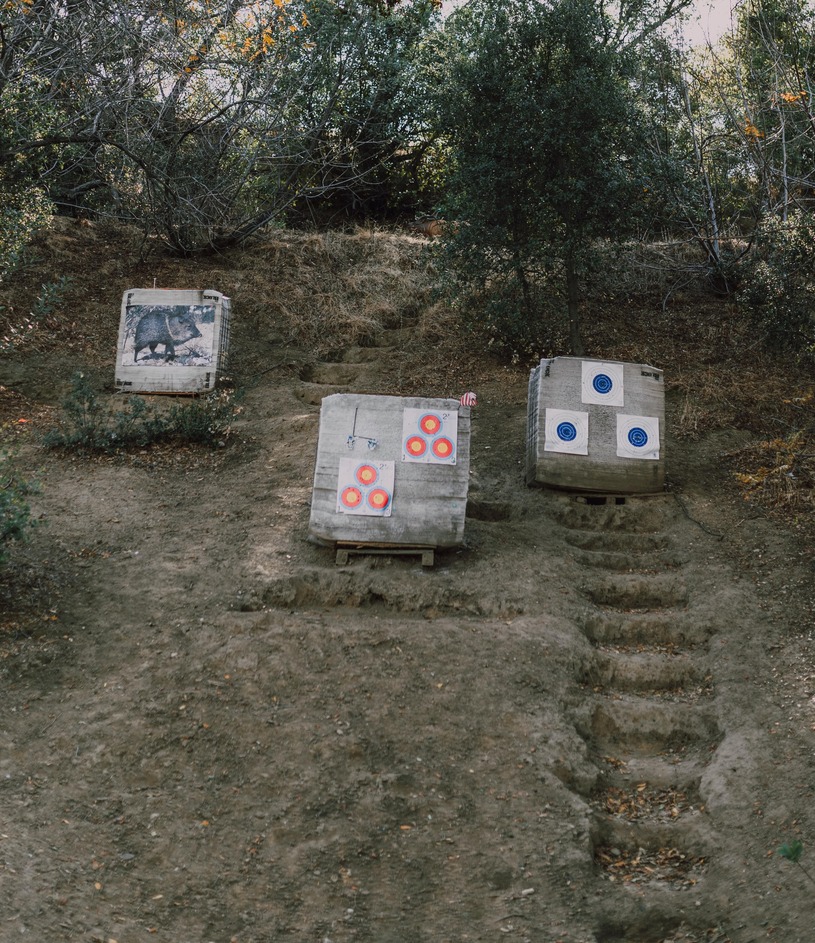
- Practice Shooting: Spend time at the range practicing with your firearms or archery equipment. Accuracy and safety are paramount, so make sure you are comfortable and proficient with your chosen hunting tool.
- Safety Precautions: Review safety protocols, especially if hunting in groups. Make sure everyone understands the importance of firearm safety, communication, and emergency procedures.
- Legal Compliance: Double-check that you have the correct licenses and permits, and that you are fully aware of the hunting regulations for the area and game you are targeting.
Conservation and Wildlife Management
Hunting in Louisiana is not just a sport but also a vital part of wildlife conservation and management. The LDWF implements various programs and initiatives to ensure sustainable hunting practices and the preservation of wildlife habitats:
- Sustainable Harvesting: Adhering to bag limits and season dates is crucial for maintaining healthy wildlife populations. These regulations are based on scientific research and are designed to ensure the long-term sustainability of game species.
- Habitat Conservation: Participate in or support conservation efforts that aim to protect and restore habitats. This can include volunteering for habitat restoration projects or supporting organizations that work towards wildlife conservation.
- Ethical Hunting Practices: Practice fair chase principles and strive for quick, humane harvests. Respect the wildlife and the environment, and follow the principle of “leave no trace” to minimize your impact on natural habitats.
- Education and Advocacy: Stay informed about conservation issues and advocate for responsible hunting practices. Educate others, especially new hunters, about the importance of conservation in maintaining the balance of ecosystems.
- Supporting Wildlife Research: Participate in wildlife surveys and research programs if possible. Data collected from hunters can be invaluable for wildlife management and research.
By combining careful preparation with a commitment to conservation, hunters in Louisiana can enjoy a fulfilling season while contributing positively to the state’s rich natural heritage. Remember, responsible hunting today ensures that future generations can also enjoy the bountiful hunting opportunities that Louisiana has to offer.
Frequently Asked Questions (FAQs)
What are the dates for deer hunting season in Louisiana?
The deer hunting season in Louisiana varies by zone and method. Generally, it spans from September to February, but specific dates should be checked on the LDWF website or the latest hunting regulations pamphlet.
Do I need a special license to hunt waterfowl in Louisiana?
Yes, in addition to the Basic Hunting License, you need a Louisiana Duck Stamp and a Federal Duck Stamp to hunt waterfowl. Migratory bird hunters also need a Harvest Information Program (HIP) certification.
Can non-residents hunt in Louisiana?
Non-residents are welcome to hunt in Louisiana but require non-resident licenses and permits, which can be purchased through the LDWF.
Are there any restrictions on the type of firearms I can use for hunting in Louisiana?
Yes, there are restrictions based on the game and season. For example, during certain deer seasons, only primitive firearms may be used. Always check the current regulations for specific details.
Is hunter education mandatory in Louisiana?
Hunter education is mandatory for anyone born on or after September 1, 1969. However, there is an option for a one-time deferral, allowing a person to hunt without completion of the course for one year.
Conclusion
Whether you are looking for the next trophy buck or joining in the migratory bird hunting, Louisiana has what you’re looking for. Before we finish, we want to show you three key websites for Louisiana hunters:
- Louisiana Department of Wildlife and Fisheries (LDWF): The primary source for hunting regulations, licensing, and conservation programs in Louisiana.
- National Rifle Association (NRA) Hunter Education: Offers comprehensive online hunter education courses, including safety training.
- Ducks Unlimited: Provides resources and information on waterfowl conservation and hunting.
These are full of great resources for hunting regulations, firearms safety, and duck hunting tips.
If you’re ready to get off the crowded public hunting lands and onto a brilliant parcel of hunting land, check out the hunting leases in Louisiana.