This guide is your ultimate resource for planning your next South Dakota hunting trip. We’ll cut through the complexity of regulations, highlight key season dates, explore the variety of species you can pursue, and reveal the best ways to find prime hunting spots – both public land and private land. Think of this as your compass for navigating the vast hunting and fishing opportunities South Dakota offers.
Here’s what you’ll unlock in this guide:
- License & Season Cheat Sheet: Get a clear overview of South Dakota hunting license types, costs, and the crucial dates for major game species.
- Major Game Deep Dives: Learn specific strategies, season details, and important rules for pursuing top species like pheasants, deer, turkey, waterfowl, and antelope.
- Where to Hunt: Discover how to access millions of acres of public land and learn the secrets to finding and hunting private land, including how Hunting Locator can help.
Ready to gear up for your SD adventure? Let’s get started.
Quick Overview: South Dakota Hunting Seasons Dates, Licenses, and Regulations
Planning any South Dakota hunting trip starts with understanding the essentials: who needs what license, when each season runs, and the core rules. The South Dakota Game, Fish and Parks (SD GFP) manages wildlife and sets the regulations to ensure sustainable populations and quality hunting experiences. Hunting license sales are a major funding source for conservation efforts, directly benefiting the habitat and species hunters enjoy. SD GFP also publishes an annual report tracking spending by hunters.
First, let’s look at the common hunting license types you might need. To apply, applicants typically need to create a user profile on the State Game and Fish website. Remember, costs can change, so always check the official SD GFP website for current pricing.
| License/Permit Name | Brief Description | Resident Cost (USD) | Non-Resident Cost (USD) |
|---|---|---|---|
| Small Game License | Hunt small game (pheasant, grouse, partridge, quail, rabbit, squirrel) & predator/varmints. | $35 | N/A |
| 1-Day Small Game License | Hunt small game for one day & predator/varmints for license year. | $13 | N/A |
| Youth Small Game License | Resident youth under 16 hunts small game, predator/varmints, furbearers (no trapping). | $6 | N/A |
| Nonresident Small Game License | Non-residents hunt small game & predator/varmints (valid for two 5-day periods, essentially a 10-day license split into two trips). | N/A | $121 |
| Nonresident Youth Small Game Lic. | Non-resident youth (must be at least 12 years old) under 18 hunts small game & predator/varmints. | N/A | $36 |
| Combination License (Adult) | Residents 18+ fish & hunt small game/predator-varmints. | $55 | N/A |
| Combination License (Senior) | Resident seniors 65+ fish & hunt small game/predator-varmints. | $31 | N/A |
| Predator/Varmint License | Hunt (no trapping) coyote, fox, skunk, prairie dog, etc.. | $31 | $80 |
| Furbearer License | Trap & hunt furbearers (coyote, fox, raccoon, badger, bobcat, beaver, etc.). | $31 | $260 |
| Antelope Archery | Hunt antelope with archery equipment. | $45 | $375 |
| Antelope Firearms | Hunt antelope with firearms. (No application fee) | $45 | $375 |
| Deer Archery | Hunt deer with archery equipment. | $45 | $375 |
| Deer Firearms (Various Regions) | Hunt deer with firearms in specific regions (East River, West River, Black Hills). (No application fee) | $45 | $375 |
| Deer Muzzleloader | Hunt deer with a muzzleloader. | $45 | $375 |
| Elk (Various Regions) | Hunt elk in specific regions (Black Hills, Prairie); typically limited draw. (Non-residents generally cannot hunt elk). | Varies | N/A |
| Turkey (Spring/Fall, Various) | Hunt wild turkey during specific seasons/regions; some limited draw. | Varies | Varies |
| Nonresident Waterfowl License | Hunt waterfowl (ducks, geese); typically requires lottery application. | N/A | $190 |
| Habitat Stamp | Required for individuals 18+ purchasing any hunting, fishing, or trapping license. Contributes to habitat/access. | $10 | $25 |
| Federal Waterfowl Stamp | Required for hunting migratory waterfowl (ducks, geese). | Federal Req. | Federal Req. |
| Bison | License to hunt bison (limited draw, typically resident only). (No application fee). | Varies | N/A |
Note: This isn’t exhaustive; mentored, landowner, and other specific licenses exist. Costs are based on available 2025 data and subject to change. Non-residents are allowed to apply for deer and antelope licenses, but generally not for elk, bighorn sheep, or mountain goat. A preference point system is used for limited draw firearm antelope, deer, and bison licenses. It is mandatory for license holders to have the license in their possession while hunting.
Now, let’s look at the general season dates and bag limits for popular game species. Remember, specific dates and unit rules can vary significantly, especially for big game which often involves lottery draws for limited tags. Always consult the official SD GFP Hunting Handbook for the year you plan to hunt.
| Species Name | Specific Season Name | Tentative 2025-2026 Season Dates | Bag Limits (Daily/Possession) | Notes/Restrictions |
|---|---|---|---|---|
| Pheasant | Youth Only | Sep 27 – Oct 5, 2025 | 3/15 (Roosters) | Roosters only |
| Pheasant | Resident Only | Oct 11 – Oct 13, 2025 | 3/9 (Roosters) | Roosters only, Public Land Only |
| Pheasant | Traditional | Oct 18, 2025 – Jan 31, 2026 | 3/15 (Roosters) | Roosters only |
| White-tailed Deer | Archery | Sep 1, 2025 – Jan 1, 2026 | License-based | Varies by license |
| White-tailed Deer | Firearm – West River | Nov 15 – Nov 30, 2025 | License-based | Unit/license specific |
| White-tailed Deer | Firearm – East River | Nov 22 – Dec 7, 2025 | License-based | Unit/license specific |
| White-tailed Deer | Firearm – Black Hills | Nov 1 – Nov 30, 2025 | License-based | Unit/license specific |
| White-tailed Deer | Muzzleloader | Dec 1, 2025 – Jan 1, 2026 | License-based | Varies by license |
| White-tailed Deer | Youth Antlerless | Specific dates, check handbook | License-based | Res & Non-Res youth; Hunter Ed required |
| Mule Deer | Archery | Sep 1, 2025 – Jan 1, 2026 | License-based | Varies by license |
| Mule Deer | Firearm – West River | Nov 15 – Nov 30, 2025 | License-based | Unit/license specific |
| Wild Turkey | Spring Prairie | Apr 12 – May 31, 2025 | License-based | Male only |
| Wild Turkey | Spring Black Hills | Apr 26 – May 31, 2025 | License-based | Male only |
| Wild Turkey | Fall Prairie | Nov 1, 2025 – Jan 31, 2026 | License-based | Varies by license |
| Wild Turkey | Fall Black Hills | Nov 1, 2025 – Jan 31, 2026 | License-based | Varies by license |
| Ducks | Varies by Zone | Late Sep/Oct – Jan | 6 (Traditional) / 3 (3-Duck) | Species/Sex Specific limits apply |
| Geese (Canada) | Unit 1 | Oct 1 – Dec 16, 2025 | 8/Unlimited | None |
| Geese (Canada) | Unit 2 | Nov 3, 2025 – Feb 15, 2026 | 4/Unlimited | None |
| Geese (Light) | Statewide (Fall) | Sep 27, 2025 – Jan 9, 2026 | 50/Unlimited | None |
| Geese (Light) | Spring Conservation Order | Feb 17 – May 15, 2025 | Unlimited | Snow, Blue, Ross’ only; special rules apply |
| Geese (White-fronted) | Statewide | Sep 27 – Dec 9, 2025 | 3/9 | None |
| Pronghorn Antelope | Archery | Aug 16 – Oct 31, 2025 | License-based | Often Buck only |
| Pronghorn Antelope | Firearms | Oct 4 – Oct 19, 2025 | License-based | Varies by license |
| Prairie Grouse | General Season | Sep 21, 2025 – Jan 31, 2026 | 3/15 (Combined) | Sharp-tailed Grouse & Greater Prairie Chicken combined limit |
| Gray/Hungarian Partridge | General Season | Sep 21, 2025 – Jan 31, 2026 | 5/15 | None |
| Mourning Dove | General Season | Sep 1 – Nov 9, 2025 | 15/45 | Migratory Bird Cert. Required |
| Cottontail Rabbit | General Season | Sep 1, 2025 – Mar 31, 2026 | 10/30 | None |
| Tree Squirrel | General Season | Sep 1, 2025 – Mar 31, 2026 | 5/15 | Red, Gray, Fox only |
| Coyote | General Season | Nov 1, 2025 – Apr 30, 2026 | Unrestricted | License required during season |
South Dakota Pheasant Hunting
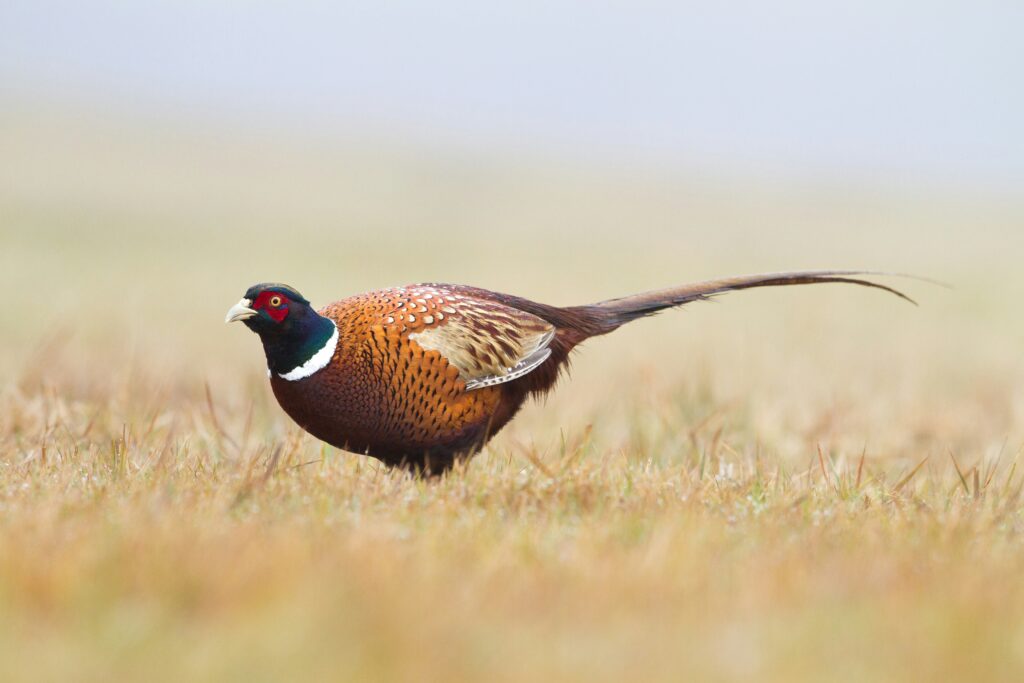
You can’t talk about South Dakota hunting without starting with pheasants. The state is legendary, the undisputed “Pheasant Capital of the World,” boasting an estimated population of over 7 million pheasants and an incredible average harvest of 1.2 million roosters annually over the past decade. The season opener in October is practically a state holiday. These hardy, beautiful wild birds thrive in SD’s mix of agriculture and grasslands, making for some of the most exciting upland hunting anywhere. A pheasant hunting trip here attracts residents and non-residents alike and is a rite of passage for many hunters.
South Dakota Pheasant Hunting Seasons
The state offers several distinct pheasant hunting opportunities. The Youth Pheasant Season (late Sept – early Oct) gives young hunters (12-17) a head start, accompanied by an unarmed adult. Next comes the Resident-Only Pheasant Season (mid-Oct weekend) allowing SD residents three days on public lands before the main event. The Traditional Pheasant Season is the big one, running from mid/late October through January 31st, open to residents and non-residents alike. Daily shooting hours for these seasons are 10 a.m. Central Time to sunset. Finally, licensed private shooting preserves often offer extended seasons, typically from September through March, with potentially different hours and bag limits. The general bird hunting season typically spans September to January.
South Dakota Pheasant Hunting Regulations
While generally straightforward, keep these key pheasant hunting regulations in mind:
- Roosters Only: Only male pheasants (roosters) with their distinct colorful plumage and spurs are legal to harvest. Hen pheasants are protected.
- Bag/Possession Limits: The daily bag limit is 3 roosters. The possession limit is 15 roosters during the Traditional and Youth seasons (accrued at 3 per day), and 9 during the Resident-Only season.
- Non-Toxic Shot: Required when hunting on state GPAs, WPAs, some federal lands (like USFWS refuges), and state parks system lands. Lead shot is generally permissible on private land and most Walk-In Areas, but check specific area rules.
- Bird Transport: When transporting harvested birds, you must leave the head, a fully feathered wing, or a leg naturally attached for identification purposes until you reach your final destination. If freezing birds, package no more than two per package.
- Licensing: Ensure you have the correct Small Game License (resident or non-resident) and a Habitat Stamp if you’re 18 or older. Resident license costs are around $35 for small game or $55 for a combination license, while non-residents typically purchase a license valid for two 5-day periods for $121.
South Dakota Deer Hunting
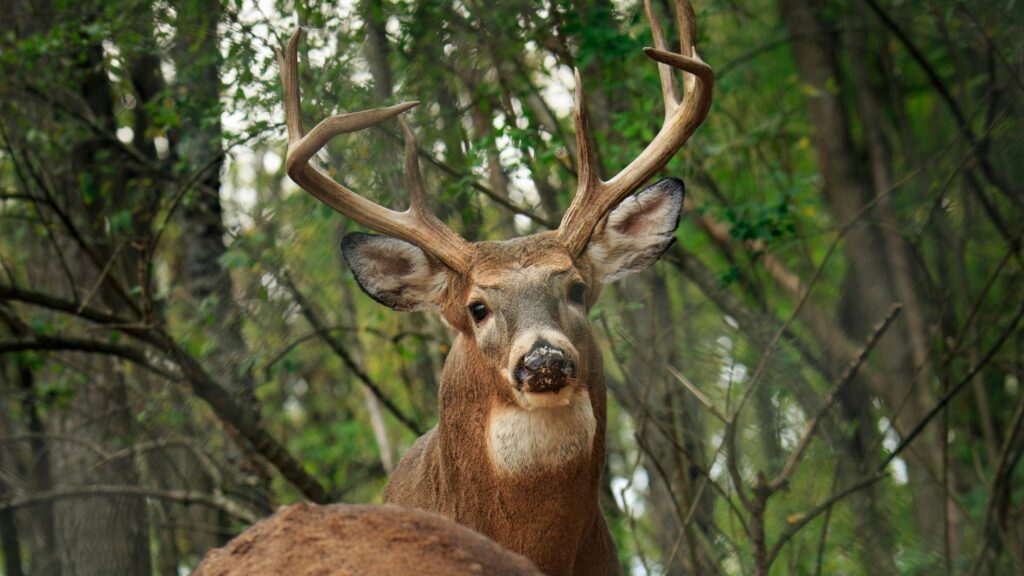
Deer are South Dakota’s most popular big game species, with healthy populations of both white-tailed and mule deer found across the state. Whitetails are widespread, thriving in farmland, river bottoms, and the Black Hills, while mule deer favor the more open rangelands and breaks of the west river region. The state offers a variety of seasons managed through lottery draws for firearm tags and over-the-counter opportunities for archery, including a youth antlerless deer season for residents and non-residents. Non-residents are allowed to apply for deer licenses.
South Dakota Deer Hunting Seasons
South Dakota provides numerous season dates for deer hunters. The statewide Archery Season offers the longest window, typically running from September 1st through January 1st. Firearm Seasons are broken down by region and usually occur in November. Key firearm seasons include West River (often prime mule deer country), East River (whitetail focus), and the Black Hills (both species). There’s also a Muzzleloader Season typically in December through January 1st. Special Mentored Youth and Apprentice seasons provide opportunities for new hunters. Many firearm licenses, especially for desirable units or species (like mule deer or specific buck tags), are limited and require applying through the SD GFP lottery system, often involving preference points. There is generally no application fee for deer licenses.
South Dakota Deer Hunting Regulations
Successfully navigating a South Dakota deer hunt means knowing the key rules:
- Tagging & Transport: Immediately upon harvest, the tag must be signed, dated, and attached to the animal. Specific rules apply for transporting the carcass, especially regarding CWD management zones. Generally, the head or hind quarter with evidence of sex must remain naturally attached until final processing.
- Legal Weapons: Specific requirements exist for firearms (minimum caliber/energy) and archery equipment (minimum draw weight, broadhead types). Check the handbook for details.
- Blaze Orange: Hunters must wear at least one exterior article of clothing in fluorescent orange while hunting big game with a firearm in South Dakota.
- CWD Management: Chronic Wasting Disease (CWD) is present in SD, particularly west river and the Black Hills. Strict regulations govern carcass transport out of CWD Management Areas (only cut/wrapped meat, quarters, heads/hides generally allowed). Testing harvested deer is recommended.
- Limited Licenses & Draws: Many firearm tags are limited entry. Understand the application process, deadlines (often June for fall hunts, earlier for some like Special Buck), unit boundaries, and the preference point system.
South Dakota Turkey Hunting
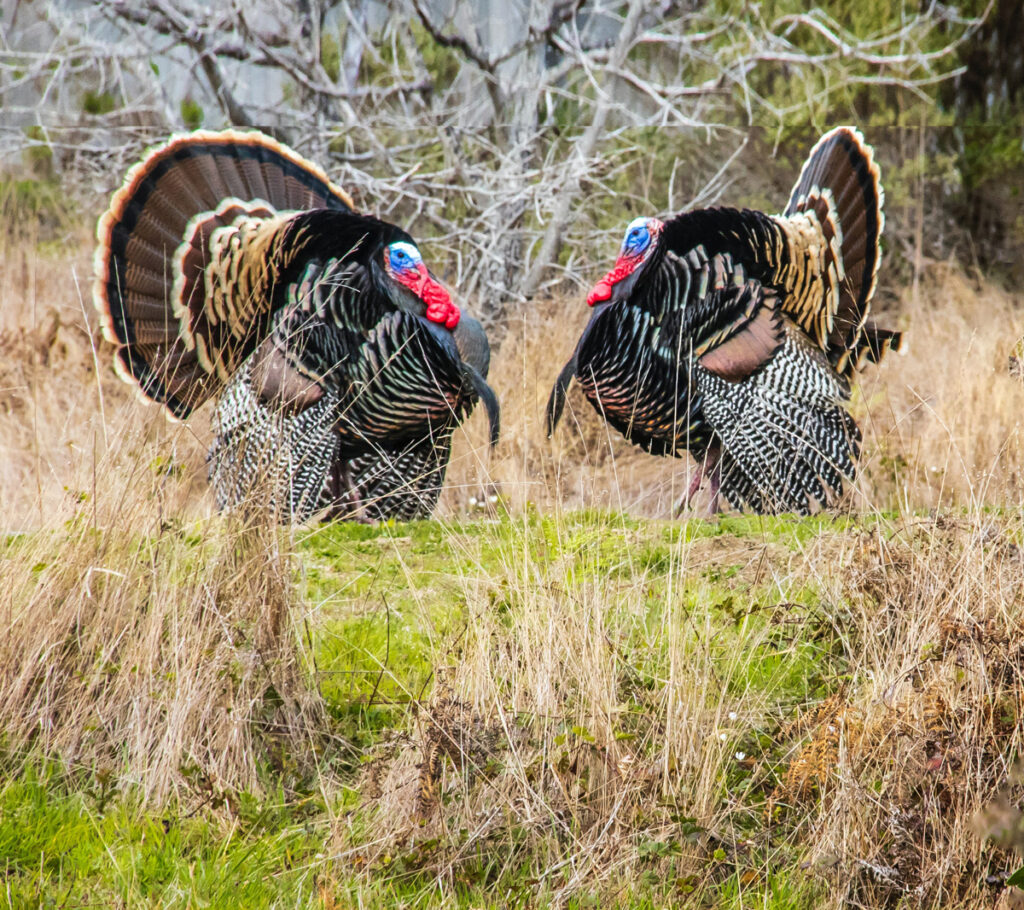
Wild turkeys offer exciting spring and fall hunting opportunities across South Dakota. Spring seasons focus on calling in gobblers, while fall seasons often involve locating flocks and hunting birds of either sex (depending on the license).
South Dakota Turkey Hunting Seasons
Spring turkey seasons typically run from mid-April through May, with separate seasons for the Prairie units and the Black Hills. Archery and Mentored Youth seasons often coincide with these. Fall turkey seasons generally open November 1st and run through January 31st, again with Prairie and Black Hills designations. Some licenses, particularly non-resident spring tags for the Black Hills, are limited and require applying through a draw.
South Dakota Turkey Hunting Regulations
Keep these key turkey regs in mind:
- Spring Harvest: Spring turkey tags are typically valid only for male turkeys (gobblers or bearded hens).
- Roost Shooting: It is illegal to shoot turkeys while they are in a tree or roost.
- Legal Weapons: Shotguns, muzzleloading shotguns, and bow-and-arrow are legal means of take. Rifles are generally not permitted for turkey.
- Tagging: Like big game, harvested turkeys must be properly tagged according to regulations.
- Licensing: Ensure you have the appropriate turkey license for the specific season and unit you intend to hunt.
South Dakota Waterfowl Hunting
With its position in the Central Flyway and abundant wetlands (especially WPAs), South Dakota waterfowl hunting is a major draw. Hunters can pursue a variety of ducks and geese during generous seasons.
South Dakota Waterfowl Hunting Seasons
Duck season dates vary based on three zones: High Plains, Low Plains North/Middle, and Low Plains South, generally running from late September or October into January. Goose seasons also vary. Canada Goose seasons are split into different units with dates often starting in October and running into February in some units. Light Goose (Snow, Blue, Ross’) seasons include a fall hunt (late Sept – early Jan) and a special Spring Conservation Order (mid-Feb – mid-May) with liberal rules (electronic calls, unplugged shotguns, no bag limits) to help control overabundant populations. White-fronted Goose season typically runs late September to early December.
South Dakota Waterfowl Hunting Regulations
Key things for waterfowl hunters to know:
- Licenses & Stamps: In addition to a Small Game License and Habitat Stamp, waterfowl hunters need a SD Migratory Bird Certification (obtained free when buying license) AND a Federal Waterfowl Stamp (Duck Stamp). Non-residents often need a specific Nonresident Waterfowl License, typically obtained via lottery.
- Non-Toxic Shot: Absolutely required for all waterfowl hunting statewide.
- Bag Limits (Ducks): SD offers a choice: a “Traditional” daily limit of 6 ducks with specific species/sex restrictions (e.g., limits on mallard hens, pintails, etc.) OR a “3-Duck Option” allowing 3 ducks of any species or sex. Check the handbook for current species-specific limits within the traditional bag.
- Bag Limits (Geese): Vary by species and unit/season. Canada goose limits differ between Unit 1 (daily 8) and Unit 2 (daily 4). Light geese have a daily limit of 50 in the fall and are unlimited during the spring conservation order. White-fronted geese have a daily limit of 3.
- Shooting Hours: Generally one-half hour before sunrise to sunset, but check the handbook.
South Dakota Antelope Hunting
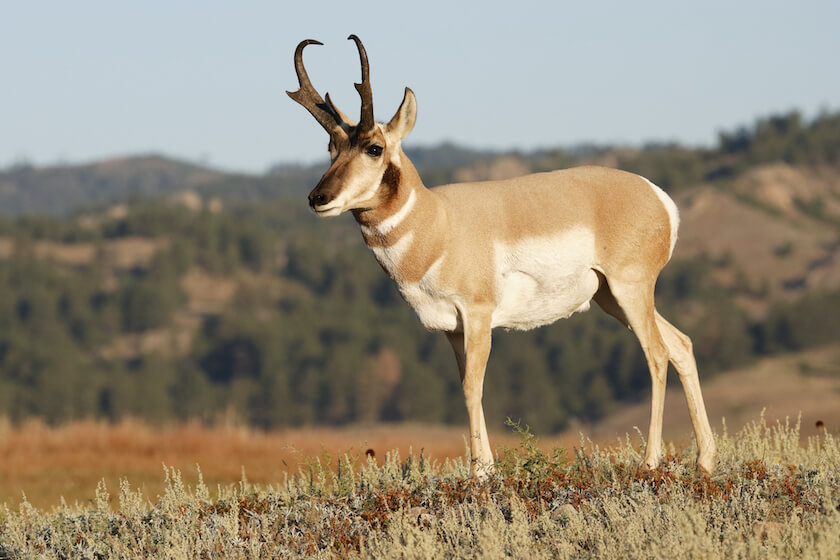
The swift pronghorn antelope offers a challenging and exciting hunt, primarily on the open grasslands of western South Dakota. Known for incredible eyesight and speed, pursuing antelope requires patience, good optics, and often long-range shooting skills. Non-residents are allowed to apply for antelope licenses.
South Dakota Antelope Hunting Seasons
The Archery Antelope season typically opens in mid-August and runs through October, closing during the firearm season. The Firearms Antelope season is a shorter hunt, usually in early to mid-October. Many antelope licenses, for both archery and firearms, are limited and allocated through a lottery draw system, often requiring preference points for success. There is generally no application fee for antelope licenses.
South Dakota Antelope Hunting Regulations
Key antelope rules include:
- Limited Licenses: Most tags require applying through the SD GFP draw system. Know the deadlines and unit choices.
- Sex Restrictions: Some licenses may be buck-only, especially during the archery season, while firearm licenses might offer either-sex or doe/fawn tags depending on the unit and management goals.
- Tagging & Transport: Similar rules apply as for deer regarding tagging immediately upon harvest and transporting the animal.
- Private Land: Much antelope habitat is on private land, so securing permission or finding public access is crucial.
- Guiding Restrictions: Outfitters are generally restricted to guiding antelope hunts only on private lands.
South Dakota Minor Game Species Hunting
Beyond the headliners, SD offers great hunting for other species, perfect for extending your trip or enjoying a mixed-bag hunt.
South Dakota Sharp-tailed Grouse & Greater Prairie Chicken Hunting Information
South Dakota offers excellent hunting opportunities for sharptail grouse and prairie chickens. These native prairie birds, often combined in the regulations as prairie grouse, inhabit the grasslands and cropland edges across central and west river South Dakota. The hunting season runs from September 21st through January 31st. The daily bag limit is 3 combined, possession 15. Requires a Small Game License. Hunting often involves walking large tracts of grasslands or focusing on edges near food sources. Well trained dogs can be very helpful.
South Dakota Gray Partridge & Hungarian Partridge Hunting Information
Hunters in South Dakota can also encounter Hungarian partridge in their hunts. Also known as “Huns,” these small, covey-loving birds are found statewide, often in similar habitat to pheasants. The season runs concurrently with grouse (late Sept – Jan), with a daily bag limit of 5, possession 15. Requires a Small Game License. They often hold tight and flush explosively.
South Dakota Mourning Dove Hunting Information
Mourning dove populations run high in South Dakota and cover much of the state. The hunting season is open statewide from September 1st to November 9th. The daily bag limit for mourning doves in South Dakota is 15, and the possession limit is 45. Hunters need a Small Game License or any Combination License, and all dove hunters must also obtain a South Dakota Migratory Bird Certification. Hunting is prohibited in state parks and recreation areas, except for a portion of Angostura Recreation Area.
South Dakota Cottontail Rabbit Hunting Information
Rabbit season offers a long opportunity, running from September 1st through March 31st. The daily bag limit is 10, possession 30. Requires a Small Game License. Rabbits can be found in brushy cover, shelter belts, and edge habitats statewide. Good option for beginners or a winter hunt.
South Dakota Tree Squirrel Hunting Information
Hunt red, gray, and fox squirrels from September 1st through March 31st. Daily limit is 5, possession 15. Requires a Small Game License. Look for them in wooded areas, especially oak and hickory stands in the eastern part of the state and the Black Hills.
South Dakota Coyote Hunting Information
Coyote hunting season runs November 1st through April 30th, with no bag limits. Requires a Predator/Varmint license or any other valid SD hunting license during this period (residents don’t need one from May 1-Oct 31 if only hunting varmints). Calling coyotes can be effective, especially during winter months. Be aware of regulations regarding night hunting and specific rules in Custer State Park.
Where to Hunt in South Dakota
Finding the right spot is key to any hunting trip. South Dakota’s hunting landscape is a diverse mix of prairie, farmland, the Black Hills, and river corridors, with approximately 80% of the land being privately owned. This blend necessitates that hunters understand both public and private land access options. Public land hunting and access to privately leased land for hunting is available through South Dakota’s Game, Fish & Parks.
Best Public Lands
Don’t overlook the vast opportunities on public land! South Dakota Game, Fish & Parks manages over 750,000 acres of public land for hunting, and combined with other programs and federal lands, hunters have millions of acres to explore. Key areas include:
- Game Production Areas (GPAs): State-managed lands excellent for wildlife, especially upland birds and deer. Over 750,000 acres are managed by SD GFP in total, including GPAs.
- Waterfowl Production Areas (WPAs): Federal lands focused on waterfowl but great for pheasants and deer too. Remember non-toxic shot requirements.
- Walk-In Areas (WIAs): South Dakota provides more than 1.2 million acres of leased private land available for walk-in hunting. Maps updated annually. Excellent for pheasants. Respect landowner property, use designated parking areas, and stay on foot (no driving off designated trails).
- School and Public Lands: Over 750,000 acres, mostly west river. Requires public road access.
- National Forests & Grasslands: Huge areas like the Black Hills National Forest (deer, turkey) and National Grasslands (Buffalo Gap, Fort Pierre) offer big game and upland opportunities, often off the beaten path.
- CREP Lands: Private lands in conservation programs often leased for public access, providing quality habitat.
Resource: The South Dakota Public Hunting Atlas, published annually, is your essential tool for locating these areas (available in print, online, and via mobile app). South Dakota offers easy access to public hunting lands for pheasant hunting.
Guided Hunts
For a potentially easier or more specialized hunt, especially for big game, waterfowl, or high-volume pheasant hunting, consider hiring a guide or staying at a hunting lodge. Numerous outfitters across SD offer packages including lodging, meals, guides, and dogs. Private land opportunities for hunters are abundant with many lodges and outfitters offering packages. For example, Northern Plains Outfitters focuses on providing clients with the best possible hunting packages, typically requiring a 50% deposit to secure dates, with hunters arriving after 3:00 PM the day before the hunt. Non-shooting guest rates there range from $150-$200 per night. Guided hunts provide expertise and often access to managed private land. Research reputable guides through SD GFP resources or hunting organizations. Remember, guiding for deer and antelope is generally restricted to private land.
Private Land Hunting
With most of South Dakota being privately owned, gaining access here opens up vast opportunities. Even self-guided hunting options exist with access to over 100,000 acres of private land through certain programs or leases.
- Asking Permission: A time-honored tradition. Approach landowners respectfully well before the season. Be clear, offer help, and strictly follow their rules if granted permission. Building trust is key.
- Leasing Land: Many hunters lease land directly from landowners for exclusive hunting rights. Finding these leases can involve local contacts or online platforms.
- Buying Land: For the dedicated hunter, purchasing hunting land offers ultimate control and long-term access. Look at our full list of South Dakota hunting land for sale.
Simplify Your Private Land Search: Finding that ideal lease or property to purchase can be time-consuming. Hunting Locator is designed to bridge the gap between hunters and landowners. It’s an online marketplace connecting you directly with South Dakota landowners offering hunting leases or selling land. You can easily search listings, filter by acres or location, view details, and contact owners—all in one place. For landowners, Hunting Locator offers a free platform to showcase their property to a large audience of serious, vetted hunters looking for opportunities. It makes finding or offering private land hunting opportunities simpler and more efficient. Whether you’re looking for a weekend lease or your own piece of the South Dakota country, Hunting Locator can help you create that connection. Check out our South Dakota hunting leases to find your next spot.
FAQ
What is the Habitat Stamp used for?
Funds from the Habitat Stamp go directly towards creating and improving wildlife habitat on public lands or leasing private land for public access through programs like Walk-In Areas.
How does the preference point system work generally?
For seasons with limited license availability (firearm antelope, deer, bison), unsuccessful applicants in the first drawing for their first choice often accrue preference points, increasing their chances of drawing a license in future years.
What are the hunter education requirements?
Individuals under the age of 16 need to complete a hunter safety course (like SD’s HuntSAFE) to obtain a hunting license. South Dakota offers a free-of-charge HuntSAFE course available online and in-person. SD recognizes certifications from other states. Youth hunters need this certification for the youth antlerless deer season. Non-residents under 16 must provide their hunter safety card certification number when applying.
Are electronic calls legal?
Yes, electronic calls are permitted for some species, most notably during the Spring Light Goose Conservation Order. Check specific regulations for the game you’re pursuing.
What are the general rules for transporting game?
For big game, the tag must remain attached, and evidence of sex (head or hindquarter with organs) must usually stay with the meat until final processing. Specific rules exist, especially concerning CWD zones. Check the handbook.
Where can I find CWD information?
The SD GFP website has dedicated pages on Chronic Wasting Disease, including maps of affected areas, transport rules, and carcass disposal site locations.
The Final Shot
South Dakota hunting offers an incredible diversity of experiences, rooted in a strong conservation heritage and fueled by abundant wildlife. From the iconic roar of flushing pheasants to the challenge of a west river mule deer hunt or a morning of waterfowl hunting on the prairie potholes, there’s something here for every hunter. By understanding the licenses, seasons, and regulations, respecting the land and landowners, and utilizing resources like the Public Hunting Atlas and platforms like Hunting Locator, you can plan and execute a truly memorable South Dakota hunting trip. Wearing blaze orange is always recommended for safety, even when not required for small game. Look forward to creating your own SD adventure!
Ready to explore hunting opportunities? Check out Hunting Locator for lease and land listings across South Dakota.


