Understanding County-Specific Hunting Seasons in Texas
When it comes to hunting in Texas, one size does not fit all. You can’t just get a Texas hunting license and go shoot stuff. The state’s diverse landscape and wildlife populations mean that hunting seasons can vary significantly from one county to the next.
It’s crucial for hunters to understand these variations to ensure a legal and successful hunting experience.
Texas is big, very big and its regions have different hunting seasons
Texas is vast and varied. The hunting season in the Panhandle, for instance, can be quite different from what you’d find in the Piney Woods or the Gulf Coast. This diversity is due to several factors, including climate, habitat, and wildlife species distribution. For example, deer populations in West Texas might require different management strategies compared to East Texas, leading to different season dates and bag limits.
Wildlife Population Management
County-specific seasons are often a response to wildlife management needs. Texas Parks and Wildlife Department (TPWD) closely monitors wildlife populations, adjusting hunting seasons to manage these populations effectively. In some counties, you might find extended seasons or additional tags available, especially if there’s a need to control overpopulation or manage certain wildlife diseases.
Local Regulations and Community Input
Local regulations also play a role. Some counties may have specific ordinances that affect hunting seasons, often in response to community needs or concerns. It’s not just about wildlife management; it’s also about balancing the interests of hunters, landowners, and residents.
This means staying informed about local regulations is as important as understanding state-wide rules.
Special Seasons and Opportunities
Don’t overlook special hunting opportunities that might be unique to certain counties. For example, some counties may offer special youth hunting weekends or managed hunts for specific game species.
These opportunities not only provide unique hunting experiences but also contribute to wildlife management and conservation efforts.
Staying Informed
The key to navigating these variations is staying informed. Regularly check the TPWD website for the latest information on county-specific hunting seasons. Remember, regulations can change from year to year, so what was true last season might not apply this year.
Understanding county-specific hunting seasons in Texas is a dynamic and essential part of responsible hunting. It’s about respecting the law, contributing to wildlife conservation, and ensuring the sustainability of hunting for future generations.
Major Game Animals in Texas
Texas offers a lot of variety for anyone with a hunting license. There are many more species that just antlered bucks and wood ducks. hunt for desert bighorn sheep, antelopes, and javelina.
Here’s a short list of the most popular game species in Texas:
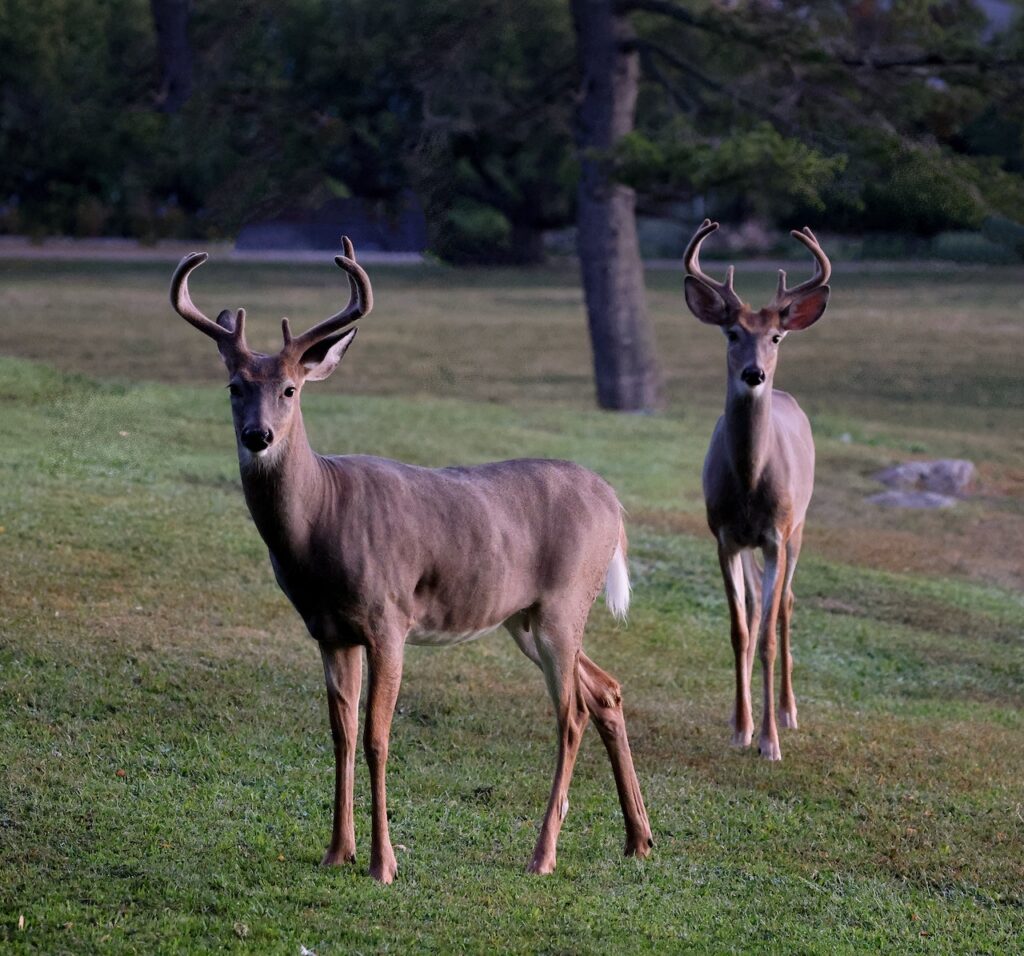
- White-tailed Deer: The white-tailed deer is the most common big game animal not only in Texas but across the entire United States. These graceful creatures are recognized by their distinctive white tail, which they raise as a warning signal. They thrive in a variety of habitats, from thick forests to open plains, and are known for their ability to adapt to different environments.
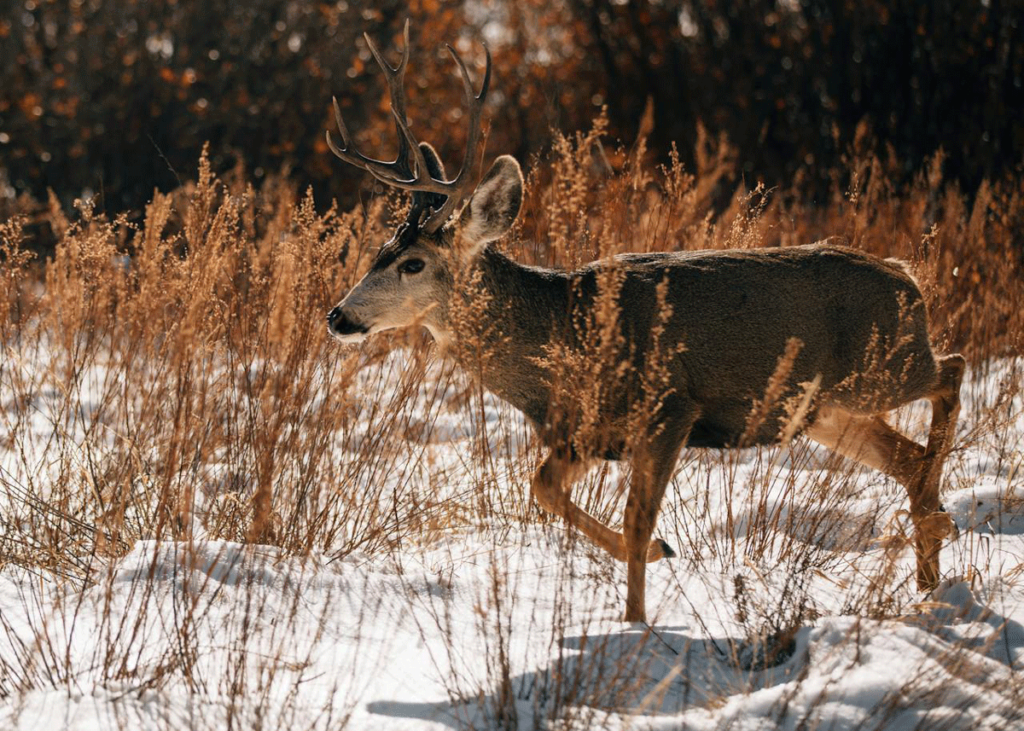
- Mule Deer: Mule deer, characterized by their large ears similar to those of a mule, are mainly found in the rugged terrain west of the Pecos River and in some areas of the Texas Panhandle. They prefer arid, open lands and are known for their unique bounding leap, called stotting, which allows them to move quickly across rough terrain.
- Pronghorn Antelope: The pronghorn antelope, known for its speed and distinctive horns, is mostly found in the open and semi-open areas of the Trans-Pecos, the Panhandle, and the southern Rolling Plains regions of Texas. These animals are not true antelopes but are a unique species native to North America, famous for being the continent’s fastest land mammal.
- Desert Bighorn Sheep: Desert Bighorn Sheep inhabit the rugged mountain ranges of the Trans-Pecos region in Texas. These majestic animals are adapted to life in arid environments and are known for their impressive curved horns. They are skilled climbers and can navigate steep, rocky terrain with ease.
- Collared Peccary or Javelina: The collared peccary, commonly known as the javelina, is found in the arid or semi-arid regions of Texas, especially in the South Texas brush country, the Trans-Pecos desert grasslands, and the oak-juniper woodlands of the Edwards Plateau. These social, pig-like animals have a distinct dark collar around their neck and shoulders and are known for their omnivorous diet.
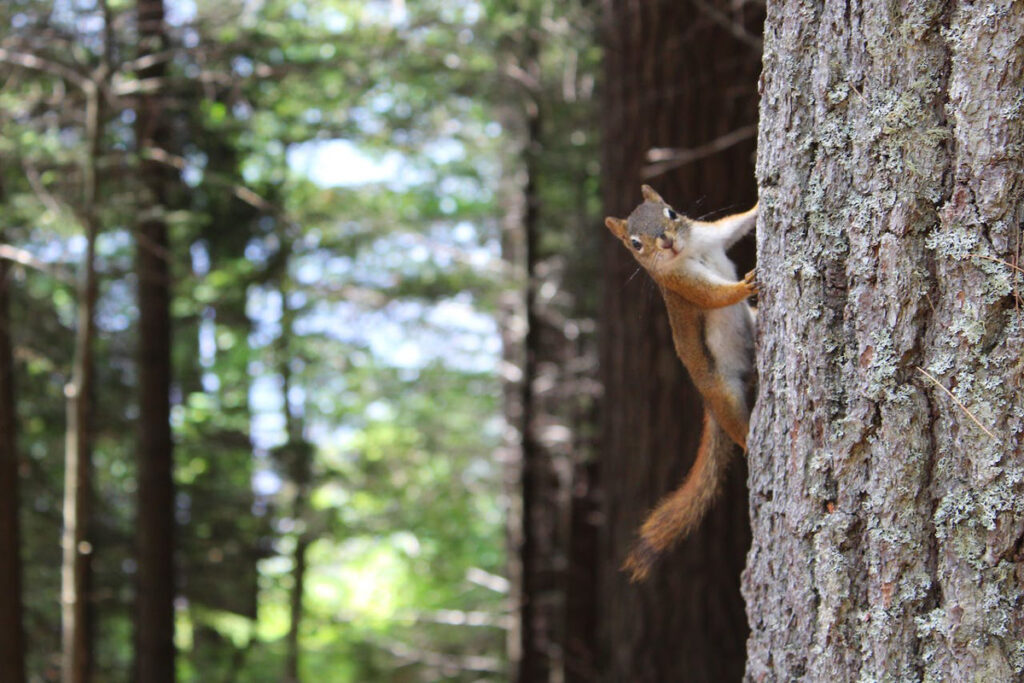
- Squirrels: In Texas, both the gray (or cat) squirrel and the red (or fox) squirrel are considered game animals. The gray squirrel, typically found in wooded areas, is larger and has a bushy tail, while the smaller red squirrel, with a reddish coat, prefers pine forests. Both species are known for their agility in trees and play a significant role in forest ecology.
Detailed Hunting Seasons for Game Animals and Birds
Get ready for your next hunting adventure with these easy-to-follow tables. We’ve put together all the important details about when and where you can hunt different game animals and birds across Texas.
Whether you’re excited to track down white-tailed deer, set your sights on mule deer, or are looking forward to dove season, these tables make it simple to know the rules. They show you the hunting seasons for each animal, split up by areas like North Zone or Panhandle, and tell you exactly when these seasons start and end.
Javelina Hunting Seasons
| Zone | Season Dates |
| North Zone | October 1, 2023 – February 25, 2024 |
| South Zone | September 1, 2023 – August 31, 2024 |
Mule Deer Hunting Seasons
| Season Type | Location | Season Dates |
| General | Panhandle | November 18 – December 3, 2023 |
| General | Trans-Pecos | November 24 – December 10, 2023 |
| Archery | 59 of 254 counties | September 30 – November 3, 2023 |

Pronghorn Hunting Seasons
| Season Type | Location | Season Dates |
| General | 41 of 254 counties | September 30 – October 15, 2023 |
Squirrel Hunting Seasons
| Zone | Season Type | Season Dates |
| East Texas | Regular | October 1, 2023 – February 25, 2024 |
| East Texas | Regular | May 1-31, 2024 |
| Other open counties | Regular | September 1, 2023 – August 31, 2024 |
| East Texas | Youth-only | September 23 – 24, 2023 |
White-tailed Deer Hunting Seasons
| Zone | Season Type | Location | Season Dates |
| North Zone | General | November 4, 2023 – January 7, 2024 | |
| South Zone | General | November 4, 2023 – January 21, 2024 | |
| North Zone | Special Late | January 8-21, 2024 | |
| South Zone | Special Late | January 22 – February 4, 2024 | |
| Archery | 252 of 254 counties | September 30 – November 3, 2023 | |
| Muzzleloader | 90 of 254 counties | January 8-21, 2024 |
Upland Game Birds Hunting Seasons
Chachalaca
| Location | Season Dates |
| Cameron, Hidalgo, Starr & Willacy Counties | October 28, 2023 – February 25, 2024 |
Pheasant
| Location | Season Type | Season Dates |
| Panhandle | Regular | December 2 – 31, 2023 |
Quail
| Location | Season Type | Season Dates |
| Statewide | Regular | October 28, 2023 – February 25, 2024 |
Turkey Hunting Seasons
Rio Grande Turkey
| Season | Location | Season Dates |
| Fall | North | November 4, 2023 – January 7, 2024 |
| Fall | South | November 4, 2023 – January 21, 2024 |
| Spring | North | March 30 – May 12, 2024 |
| Spring | South | March 16 – April 28, 2024 |
Eastern Turkey
| Location | Season Type | Season Dates |
| East Texas | Spring | April 22 – May 14, 2024 |
Migratory Game Birds Hunting Seasons
Dove
| Zone | Season Dates |
| North | September 1 – November 12, 2023 & December 15-31, 2023 |
| Central | September 1 – October 29, 2023 & December 15, 2023 – January 14, 2024 |
| South | September 14 – October 29, 2023 & December 15, 2023 – January 21, 2024 |
Duck
| Location | Season Dates |
| High Plains Mallard Management Unit | October 28-29, 2023 & November 3, 2023 – January 28, 2024 |
| North Zone | November 11-26, 2023 & December 2, 2023 – January 28, 2024 |
| South Zone | November 4-26, 2023 & December 9, 2023 – January 28, 2024 |
Goose
| Type | Location | Season Dates |
| Early Canada Goose | East | September 9-24, 2023 |
| Light & Dark Geese | West | November 4, 2023 – February 4, 2024 |
| Light & Dark Geese | East | November 4, 2023 – January 28, 2024 |
Other Animals Hunting Seasons
Alligator
| Location | Season Dates |
| 22 Counties & Special Properties | September 10-30, 2023 |
Rabbits and Hares
| Location | Season Type |
| Statewide | No closed season |

As you gear up for your hunting trips in Texas, remember that these tables are just a starting point. For the most current and detailed information, including any last-minute changes to hunting seasons, zones, or regulations, always check the Texas Parks and Wildlife Department’s official website. You can visit https://tpwd.texas.gov/regulations/outdoor-annual/hunting/seasons/statewide/ for up-to-date information.
Texas Hunting Season by County
Texas is a diverse and expansive state, offering hunters a multitude of opportunities. To make the most of your hunting experience, it’s important to familiarize yourself with the county-specific hunting seasons in Texas. From wildlife management needs to local ordinances, there are many factors that influence the regulations and bag limits for each species.
North Texas: Panhandle and Prairies
North Texas, encompassing the Panhandle and Prairies regions, is known for its vast open spaces and diverse wildlife. Key counties include Potter, Randall, and Lubbock, among others, offering a rich hunting experience.
Hunting Seasons:
| Game Species | Season Dates |
| Deer | General: Nov 4, 2023 – Jan 7, 2024; Special Late: Jan 8-21, 2024 |
| Turkey | Fall: Nov 4, 2023 – Jan 7, 2024; Spring: Mar 30 – May 12, 2024 |
| Dove | Sep 1 – Nov 12, 2023; Dec 15-31, 2023 |
East Texas: Piney Woods
East Texas is characterized by its lush Piney Woods. Counties like Tyler, Jasper, and Newton provide a dense, forested habitat ideal for various game species.
Hunting Seasons:
| Game Species | Season Dates |
| Squirrel | Oct 1, 2023 – Feb 25, 2024; May 1-31, 2024 |
| Eastern Turkey | Spring: Apr 22 – May 14, 2024 |
| Duck | Regular season varies (Nov-Jan) |
Central Zone: Hill Country
Central Texas, known for its Hill Country, features rolling hills and scenic landscapes. Counties such as Travis, Hays, and Williamson are prime locations for bird hunting.
Hunting Seasons:
| Game Species | Season Dates |
| Dove | Sep 1 – Oct 29, 2023; Dec 15, 2023 – Jan 14, 2024 |
| Quail | Oct 28, 2023 – Feb 25, 2024 |
| Turkey | Fall & Spring seasons (similar to North Texas) |
South Texas: Brush Country
South Texas, particularly the Brush Country, is known for its rugged terrain. Counties like Webb, Starr, and Hidalgo offer unique hunting opportunities.
Hunting Seasons:
| Game Species | Season Dates |
| Javelina | Sep 1, 2023 – Aug 31, 2024 |
| Deer | General: Nov 4, 2023 – Jan 21, 2024; Special Late: Jan 22 – Feb 4, 2024 |
| Dove | Sep 14 – Oct 29, 2023; Dec 15, 2023 – Jan 21, 2024 |
West Texas: Trans-Pecos and Mountains
West Texas, encompassing the Trans-Pecos region and Mountains, is a haven for hunters seeking rugged landscapes. Key counties include El Paso, Hudspeth, and Culberson.
Hunting Seasons:
| Game Species | Season Dates |
| Mule Deer | Panhandle: Nov 18 – Dec 3, 2023; Trans-Pecos: Nov 24 – Dec 10, 2023 |
| Pronghorn | Sep 30 – Oct 15, 2023 |
| Pheasant | Dec 2-31, 2023 |
Coastal Texas: Gulf Coast
Coastal Texas along the Gulf Coast, including counties like Galveston, Brazoria, and Matagorda, offers unique hunting experiences near the waterways.
Hunting Seasons:
| Game Species | Season Dates |
| Alligator | Sep 10-30, 2023 (22 counties & special properties) |
| Duck | Regular season varies (Nov-Jan) |
| Goose | Early Canada Goose: Sep 9-24, 2023 (East) |
Statewide Regulations for Small Game
There are three other main regulations regarding other small game that can be hunted:
- Rabbits and Hares: No closed season statewide.
- Snipe Season: Regular season from November 4, 2023, to February 18, 2024.
- Woodcock Season: Statewide regular season from December 18, 2023, to January 31, 2024.
What to Do Next
After familiarizing yourself with the hunting seasons for various game animals and birds in Texas, it’s time to take the next steps in planning your hunting adventure. Whether you’re looking to understand county-specific regulations, find private land to lease, navigate the ins and outs of lease agreements, or explore public land options, this guide will help you get started.
Investigating Specific County Regulations
Each county in Texas may have unique regulations that affect your hunting experience. It’s essential to research these local rules to ensure you’re hunting legally and ethically. Check out resources like deer hunting in Texas and hog hunting in Texas for insights into specific county regulations and tips for hunting popular game species.
Finding Private Land to Lease for Hunting
Private land leases can offer exclusive hunting opportunities. To find the right land for your needs, consider exploring listings for hunting leases in Texas. You can also read about the best hunting areas in Texas to help narrow down your search for the perfect hunting spot.
Creating and Using a Hunting Lease Agreement
Once you’ve found private land to lease, it’s crucial to have a proper hunting lease agreement in place. This agreement outlines the terms and conditions between the landowner and the hunter. For guidance on setting up an agreement, visit hunting lease agreement. This resource can help ensure that both parties understand and agree to the lease terms.
Deciding to Hunt on Public Lands
If you prefer not to lease private land, Texas offers ample public hunting lands. These areas are managed to provide sustainable hunting opportunities while conserving wildlife. For information on where to find these areas, check out public hunting land in Texas. You’ll find a variety of options, from open plains to dense forests, suitable for different types of hunting.
Each of these steps is crucial in planning a successful and enjoyable hunting trip in Texas. By carefully considering your options and preparing accordingly, you can look forward to a rewarding hunting season.