Key Takeaways about Kentucky Turkey Season
| Legal hunting hours are from 30 minutes before sunrise to 30 minutes after sunset. |
| Spring season dates: April 13 – May 5, 2024. |
| Spring season bag limit: 2 bearded turkeys. |
| Youth-Only weekend: April 6-7, 2024, for youths aged 15 and under. |
| Fall season dates for shotgun: Oct. 26 – Nov. 1 and Dec. 7 – 13, 2024. |
| Fall season dates for archery: Sept. 7, 2024 – Jan. 20, 2025. |
| Fall season allows the harvest of turkeys of either sex, depending on the hunting method and zone. |
Introduction to Kentucky Turkey Season
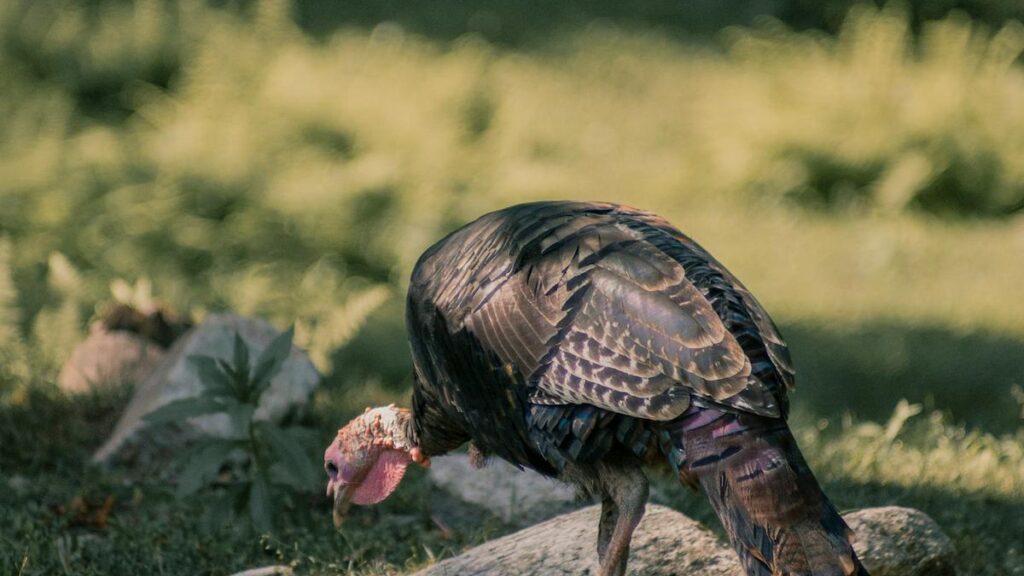
Kentuck’s turkey season lets you shoot turkeys with visible beards in the spring and either gender in the fall. As long as you stick to the shooting hours and do not exceed your season count for the limit of turkeys, you will love the thrill of the gobbler chase in the Bluegrass State.
What else do you need to know?
Is Hunting Turkeys Good for Kentucky and for Hunters?
Ready to have your mind blown? Check out these stats that show us why hunting is good for everyone:
- Elk hunting alone contributes $3.5 million dollars to the state’s economy, especially in the poorer Appalachian regions.
- Over a third of hunters use public lands for hunting. This adds about $182 per acre to the state’s economy through tax revenue and retail purchases.
- Careful harvest management means the wild turkey population in Kentucky has grown from about 2,000 birds in 1978 to over 200,000 in recent years.
As you can see, hunters play a role in managing the turkey population while the turkey permit requirements and two-bird season limit protect the flock from over hunting. Hunters work together with the Department of Fish and Wildlife to maintain a healthy turkey flock.
Kentucky Turkey Season Dates
The Kentucky Turkey Season is divided into two primary segments: the spring and fall seasons. Each season has its unique charm, rules, and opportunities for hunters.
Spring Turkey Season: The 2024 Spring Turkey Season is scheduled to begin on April 13 and continue through May 5. This season is characterized by the vibrant mating displays and calls of turkeys, offering hunters the chance to engage with these magnificent birds during their most active period. The spring season also includes a special Youth Turkey Permit weekend, which in 2024, will take place on April 6-7, encouraging youth hunters to learn and participate in turkey hunting under the guidance of experienced adults.
Fall Turkey Season: While the fall season is primarily focused on turkey population control and meat harvest, it presents a different set of challenges and experiences for hunters. The 2024 Fall Turkey Season hunting dates for shotgun hunters are October 26 through November 1 and December 7 through December 13. Archery turkey hunting, which has gained popularity for its added challenge, extends from September 7, 2024, to January 20, 2025.
Bag Limits: The Kentucky Department of Fish & Wildlife sets specific bag limits to ensure the healthy management of the turkey population. The spring turkey hunting laws allow hunters to harvest two bearded turkeys, the emblem of the male turkey’s maturity. The fall season’s bag limits are designed to balance the turkey population, allowing hunters to take one turkey of either sex, depending on the hunting method and zone.
Spring vs. Fall Turkey Season
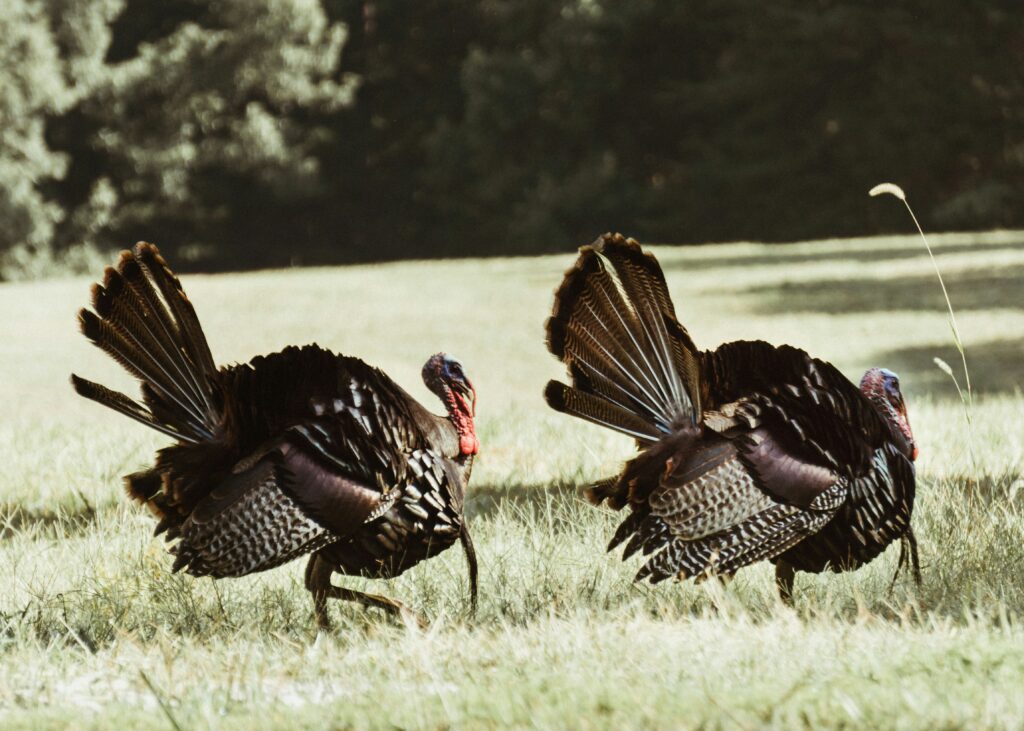
Turkeys are turkeys, regardless of the time of year. But the gobblers o act differently during the spring and fall. Here’s what to expect when you’re out hunting:
- The spring season is predominantly about the pursuit of bearded male turkeys or gobblers, which are more vocal and active during this period. The thrill of calling and interacting with these birds is a highlight for many hunters.
- The fall season offers a different experience, focusing on turkey flock dynamics and food sources. Hunters use different tactics, such as flock scattering and calling back, to hunt turkeys in the fall.
Kentucky’s Turkey Season is a cherished time for hunters, offering a blend of tradition, sport, and conservation.
Kentucky Turkey Hunting Regulations and Licenses
Everyone knows you can’t just walk into the field and start blasting away at anything that moves. There are rules to follow and regulations to stick to. Let’s get these out of the way so you can start planning your next hunt.
Licensing Requirements
Before setting foot in the field, hunters must secure the appropriate licenses, which serve as both a right to hunt and a contribution to conservation efforts. Kentucky offers various licenses to cater to different groups, including residents, non-residents, adults, and youths.
- Resident and Non-resident Licensing: Adult hunters of Kentucky are required to have a valid Kentucky hunting license along with a spring turkey permit or a fall turkey permit, depending on the season. Non-residents must also obtain a non-resident hunting license and the respective turkey permit for the season they wish to hunt in.
- Youth Hunting Licenses: Kentucky encourages young hunters to learn and participate in turkey hunting. Youths aged 15 and under can take advantage of the youth hunting licenses, which are available at a reduced cost. These licenses also come with specific turkey permits for the spring and fall seasons.
Legal Hunting Equipment
Kentucky specifies legal hunting equipment for turkey hunting to ensure humane harvests and to maintain the challenge of the hunt.
- Approved Firearms and Archery Equipment: Hunters may use shotguns no larger than 10 gauge and no smaller than .410 bore, with shot sizes no larger than number 4. Archery equipment, including crossbows, compound bows, and recurve bows, are also permitted. All equipment must meet state regulations to ensure safety and effectiveness.
- Prohibited Methods and Equipment: The use of bait, electronic calling devices, or any method that could be considered unsporting or that could harm the turkey population is strictly prohibited. Hunters are encouraged to practice fair chase principles and adhere to ethical hunting practices.
Understanding and adhering to Kentucky’s turkey hunting regulations and licensing requirements is essential for all hunters.
Turkey Hunting on Leased and Public Lands in Kentucky
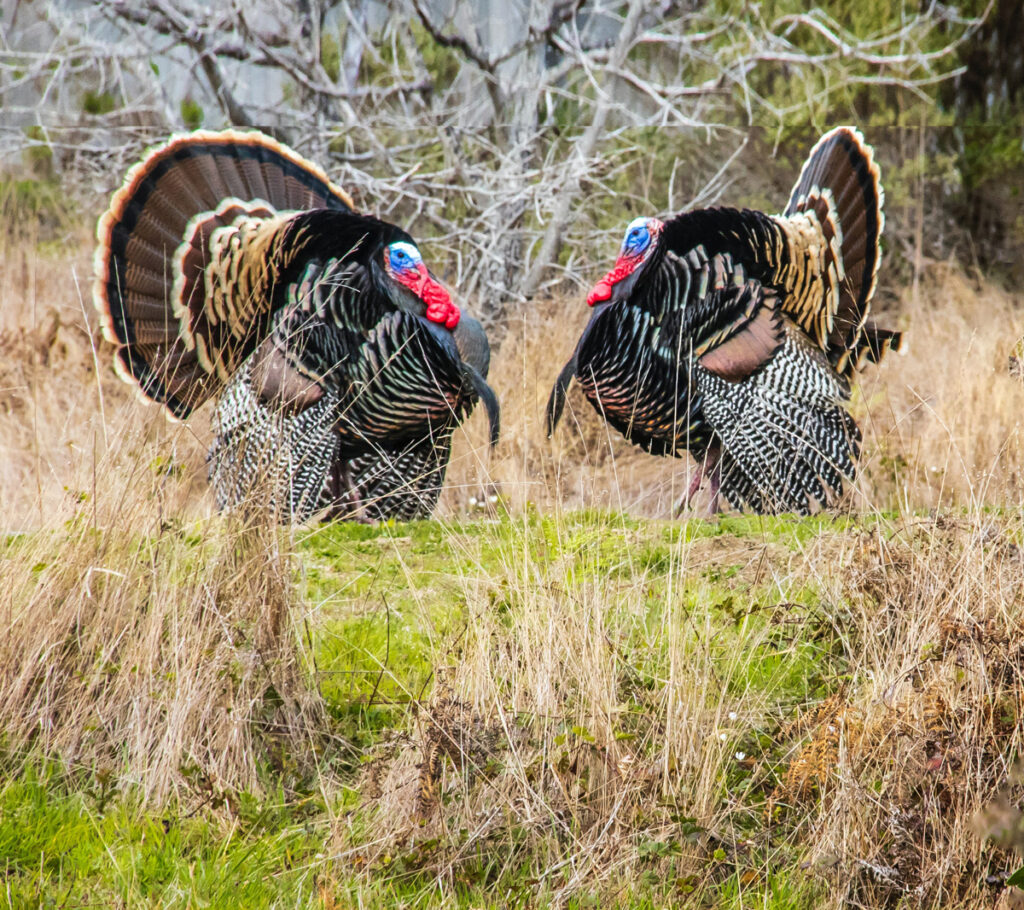
Kentucky’s vast landscapes offer abundant opportunities for turkey hunting, with both public lands and private leases available to hunters seeking the thrill of the chase. Understanding the nuances of hunting in these different settings can greatly enhance the hunting experience. Here’s a guide to navigating the opportunities and challenges of turkey hunting on leased and public lands in Kentucky.
Overview of Public Land Hunting Opportunities
Kentucky is home to an extensive network of Wildlife Management Areas (WMAs), national forests, and other public lands that provide habitats for wild turkeys.
Here are the five WMAs with the highest numbers of turkeys harvested last year:
- Peabody WMA (122 turkeys): Peabody Wildlife Management Area (WMA) is located in Ohio and Muhlenberg counties in west-central Kentucky and is a favored destination for bird watching, particularly during the winter due to the diversity of raptors and sparrows it attracts. Originally a surface-mined landscape, the area has been reclaimed and features a mix of grasslands, young forest tracts, and bodies of water that support a variety of wildlife. Visitors are required to have a permit to explore off the main roads, and the area also offers public hunting during the fall and winter seasons.
- Taylorsville Lake WMA (22 turkeys): Taylorsville Lake Wildlife Management Area spans 9,419 acres across Spencer, Anderson, and Nelson counties in Kentucky. This area surrounds the Taylorsville Lake and features diverse terrain including hilly woodlands, open ridge tops, and flat river bottoms. It offers numerous recreational activities like wildlife viewing, hunting, and has facilities for boating with access through six ramps on the lake. A shooting range and designated mobility-impaired access are also available, with specific areas open under statewide hunting regulations during the spring.
- John A. Kleber WMA (21 turkeys): John A. Kleber Wildlife Management Area, sprawling across 4,464 acres in Owen and Franklin counties in Kentucky, is a destination that blends forested areas with narrow ridge tops and floodplains. The terrain supports a variety of wildlife activities, including deer and turkey hunting. The WMA also features a shooting range and a small pond that supports fishing, enhancing its appeal for outdoor enthusiasts. These facilities are part of the area’s commitment to providing accessible outdoor recreation and wildlife management.
- Kentucky River WMA (15 turkeys): The Kentucky River Wildlife Management Area (WMA), covering 3,643 acres in Henry and Owen counties, features a diverse landscape including river flood plains, uplands, old fields, and oak-hickory forests. It offers various recreational activities like hunting, which follows statewide rules, and fishing in designated areas. The WMA is accessible from multiple points along US-127 near Monterey, KY, and offers mobility-impaired access in specific tracts. This area is managed by the Kentucky Department of Fish and Wildlife Resources and partially funded by the Heritage Lands Conservation Fund, emphasizing its importance in conservation and public use.
- Dr. James R. Rich WMA (11 turkeys): Dr. James R. Rich Wildlife Management Area, located in Owen County, Kentucky, spans 2,265 acres and is predominantly forested, with steep hillsides, ridge tops, and floodplains. This WMA is accessible via KY 227, KY 1474, and Red Oak Road, and offers quota hunts with a check-in station at the nearby John A. Kleber WMA. The area is dedicated to the conservation and public enjoyment of wildlife and natural habitats.
If you’re new to hunting on public land, then you may want to check out this guide:
If you already know what you’re doing, find the best spot for your next hunt with this list of public hunting land in Kentucky.
Are Private Hunting Leases Worth It?
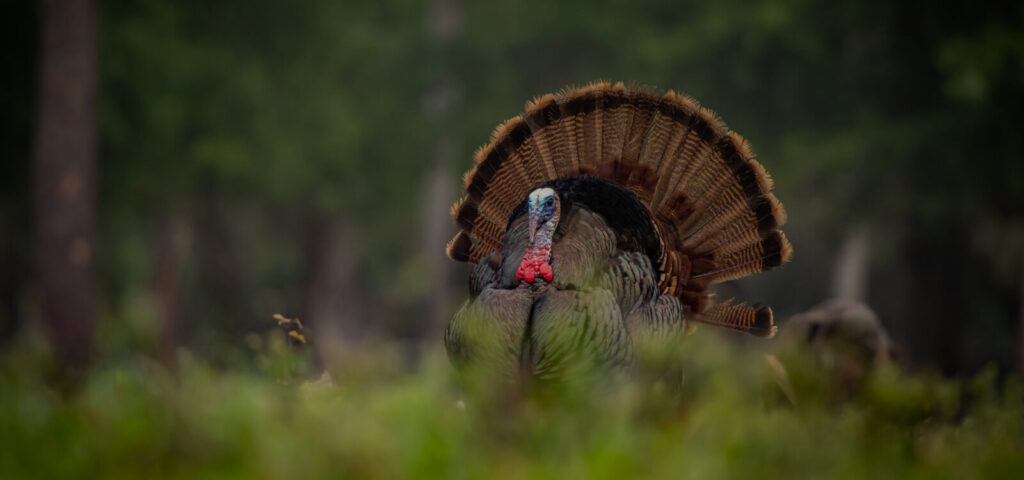
Hunting on private land is much more effective. 94.2% of all the turkeys harvested last year were harvested on private lands. That’s probably because, as you know, turkeys are smart. The pressure on public lands from other hunters makes the birds skittish and harder to bag.
So get yourself a private hunting lease with loads of acres for hunting. You will be far more likely to have a successful hunt.
Here are tips on finding and securing a lease:
- Networking: Connecting with local hunting clubs, landowners, and through online hunting forums can lead to opportunities for leasing land for turkey hunting.
- Research: Utilize online resources like Hunting Locator and county property records to identify potential leasing opportunities and contact landowners directly.
- Agreements: Once a lease is secured, ensure all terms, including duration, permitted hunting practices, and any restrictions, are clearly outlined in a written agreement.
You’ll definitely want a hunting lease agreement. These are a huge benefit for hunters and landowners alike. They lay out when you can hunt, how you can hunt, and what you’ll do to preserve the natural wildlife in the area. They aren’t that complicated though. If you want a bit of help, check out our article all about the hunting lease agreement.
If you’re ready to plan your hunt, here is a list of the top hunting leases in Kentucky.

FAQs on Kentucky Turkey Season
What are the legal hunting hours for turkey season in Kentucky?
Legal hunting hours are from 30 minutes before sunrise to 30 minutes after sunset.
Can youths participate in turkey hunting in Kentucky? What are the requirements?
Yes, youths aged 15 and under can hunt during the Youth-Only weekend; they need a Kentucky hunting license and spring turkey permit, except those under 12 who are exempt.
What is the spring turkey season bag limit in Kentucky?
The spring turkey season bag limit is two bearded turkeys.
How does Kentucky manage its turkey population for conservation?
Kentucky uses hunting regulations, habitat management, and research to sustainably manage and conserve turkey populations.
Conclusion: A Sustainable Future for Kentucky Turkey Hunting
Kentucky’s turkey hunting seasons are a testament to successful wildlife management and conservation efforts. Through responsible hunting practices and adherence to regulations, hunters play a crucial role in sustaining the turkey population for future generations. The partnership between hunters, conservationists, and wildlife agencies ensures the health of these majestic birds and their habitats. As we look forward to future seasons, the commitment to conservation and sustainable hunting practices will continue to make turkey hunting in Kentucky a cherished tradition and a model for wildlife stewardship.


