Before diving into the details, let’s highlight a few key points this guide will cover:
- Turkey Hunting Seasons: Learn about the spring and fall hunting seasons, including specific dates and bag limits.
- License and Permit Requirements: Understand the different licenses needed for residents and non-residents, and the associated costs.
- Hunting Regulations: Get familiar with the rules on legal equipment, hunting hours, and tagging and reporting your harvest.
With these essentials in mind, let’s move on to explore the specifics of the Indiana turkey hunting seasons.

Indiana Turkey Hunting Seasons
Indiana has both spring and fall wild turkey hunting seasons. The spring season is the most popular, with a statewide bag limit of one bearded or male turkey per hunter.The 2024 spring turkey season dates are:
- Youth season: April 20-21, 2024
- Regular season: April 24 – May 12, 2024
Hunting hours during the spring season are one-half hour before sunrise to sunset. A valid spring turkey hunting license and Game Bird Habitat stamp privilege are required, unless the hunter has a lifetime comprehensive hunting, lifetime comprehensive hunting and fishing, or resident youth hunt/trap license. The fall turkey season allows the harvest of one bird of either sex and is split into two segments:
- Oct. 1–27, 2024 (archery only)
- Dec. 7, 2024–Jan. 5, 2025 (archery only)
- Oct. 16–27, 2024 (firearms season in select counties)
Fall firearms season counties are selected based on criteria like forest cover, spring harvest metrics, and regional turkey population trends within the state. Hunter orange is required when the fall season overlaps with deer muzzleloader season from Dec. 7–22, 2024.Turkeys harvested in the fall must be checked in using the CheckIN Game system within 48 hours. Legal equipment for fall includes shotguns, muzzleloading shotguns, bows, and crossbows, with specific requirements for gauges, shot sizes, and loads.
Turkey Hunting License Requirements

Getting ready to hunt wild turkeys in Indiana? It’s essential to know the licensing requirements and fees before heading out. Here’s a quick guide to help you understand what you need to get your hunting license and turkey permit, whether you’re a resident or non-resident, adult or youth.
| Category | License | Game Bird Habitat Stamp | Total Cost |
|---|---|---|---|
| Resident Adults | Spring Turkey License – $32 | $11 | $43 |
| Non-Resident Adults | Spring Turkey License – $175 | $11 | $186 |
| Resident Youth (17 and under) | Youth Hunt/Trap Combo License – $12 | Not Required | $12 |
| Non-Resident Youth (with IN resident family) | Youth Hunt/Trap Combo License – $12 | Not Required | $12 |
| Non-Resident Youth (no IN resident family) | Same as Resident Adult Fees | $11 | $43 |
Resident adults will need a spring turkey license costing $32, plus an $11 game bird habitat stamp, bringing the total to $43. Non-resident adults will pay significantly more, with a spring turkey license costing $175 and the same $11 stamp, totaling $186.
Youth hunters have a more affordable option. Resident youth can obtain a youth hunt/trap combo license for just $12, which covers all hunting and trapping privileges, including turkey hunting, with no additional stamps required. Non-resident youth with an Indiana resident parent, grandparent, or legal guardian can also purchase this $12 youth license. Other non-resident youth will pay the same fees as resident adults, which is still more affordable than non-resident adult fees.
Special cases include lifetime hunting license holders and resident disabled American veterans, who can hunt turkeys without needing an additional turkey stamp but must still register their turkey in the CheckIN Game system. Annual hunting license holders, non-residents, and resident senior “fish for life” license holders, however, need both a turkey hunting license and a game bird habitat stamp to hunt turkeys in Indiana.
Click here to buy a hunting license for Indiana.
With your licenses in order, you’re ready to dive into the next crucial aspect: understanding the specific turkey hunting rules. Let’s move on to ensure you’re fully prepared for a successful and legal hunting experience.
Indiana Turkey Hunting Rules
Here are some key regulations for turkey hunting in Indiana:
- Hunter orange requirements – Turkey hunters must wear hunter orange while hunting from December 9-24, 2023, when the season overlaps with deer muzzleloader season.
- Fair chase rules – It is illegal to use dogs, live decoys, recorded calls, electronic decoys, or bait while hunting wild turkeys in Indiana. An area is considered baited for 10 days after removal of bait.
- Legal hunting equipment:
- Shotguns of .410 caliber and 10, 12, 16, 20, or 28 gauge loaded with shot sizes 4, 5, 6, 7, 7½, or Tungsten Super Shot 8, 9 and 10.
- Muzzleloading shotguns between 10 and 20 gauge with the same legal shot sizes.
- Bow and arrow
- Crossbows
- Hunting hours – From one-half hour before sunrise to sunset statewide. On DNR Division of Fish & Wildlife properties, spring hours end at noon CT or 1pm ET to allow for mushroom hunting.
- Tagging and reporting – Hunters must immediately complete a temporary transportation tag upon harvest with their name, address, turkey sex, license number, and date. Turkeys must be registered within 48 hours through CheckIN Game online, by phone for a $3 fee, or at a check station. The confirmation number is recorded on the transportation tag.
By following these regulations for hunter orange, fair chase, legal equipment, hunting hours, and tagging/reporting, turkey hunters can ensure a safe, ethical, and law-abiding experience in the field. Proper licensing, as covered in the previous section, is also mandatory.
Youth Turkey Hunting Regulations

If you’re gearing up to take your young hunter out for their first wild turkey hunt in Indiana, mark your calendars for April 20-21, 2024. This special youth wild turkey season is a fantastic opportunity for kids 17 and under to get out into the field. Just make sure you’re there to accompany them, as they need an adult who’s at least 18 years old by their side. Your young hunter will need a valid license to participate, like the resident youth hunt/trap combo license, or if you’re visiting from out of state, a youth turkey hunting license along with a game bird habitat stamp privilege. Remember, you don’t need a license yourself unless your child has an apprentice license.
Now, let’s talk about what your young hunter can expect. They’re allowed to take one bearded or male wild turkey during the spring season, which includes both this special youth weekend and the regular spring turkey season. Make sure they follow all other turkey hunting regulations and know they can use any legal shotgun, bow and arrow, or crossbow. As the adult partner, your job is to assist and support them—you can help with calling, but you can’t take a turkey yourself or carry any hunting weapons. The only exception is a handgun that you’re legally allowed to carry.
Essential Gear for Indiana Turkey Hunting
When preparing for a successful turkey hunt in Indiana, having the right gear is essential. Here are some key items to include:
- Turkey calls – Bring a variety of calls like locator calls, box calls, diaphragm calls, and pot calls to effectively communicate with and attract turkeys. Include extra strikers, surface lids, and conditioners for pot calls.
- Camouflage clothing – Wear clothing with effective camouflage patterns that blend with the spring foliage to stay concealed. Layer your clothing to adapt to changing weather conditions.
- Turkey hunting vest – A vest keeps all your essential gear organized and close at hand while in the field.
- Gloves and face mask – Gloves protect your hands and a face mask helps conceal you from the keen eyesight of turkeys. Bring extras in case they get wet or lost.
- Proper footwear – Invest in comfortable, durable hunting boots designed for various terrains and weather. Well-fitted boots provide vital support and protection.
- Shotgun and accessories – Include a turkey choke tube to shape pellet spread, a sling for hands-free carrying, a cleaning kit for maintenance, extra shells, a buttstock shell holder for quick reloading, and gun oil wipes to protect against moisture.
- Miscellaneous items – A headlamp for low-light conditions, pruning tool for clearing shooting lanes, rangefinder for archery, blinds for added concealment, and decoys to bring turkeys into range.
By gearing up with these essential items tailored to the challenges of spring turkey hunting in Indiana, you can increase your chances of a successful hunt.
Public Land Hunting Opportunities
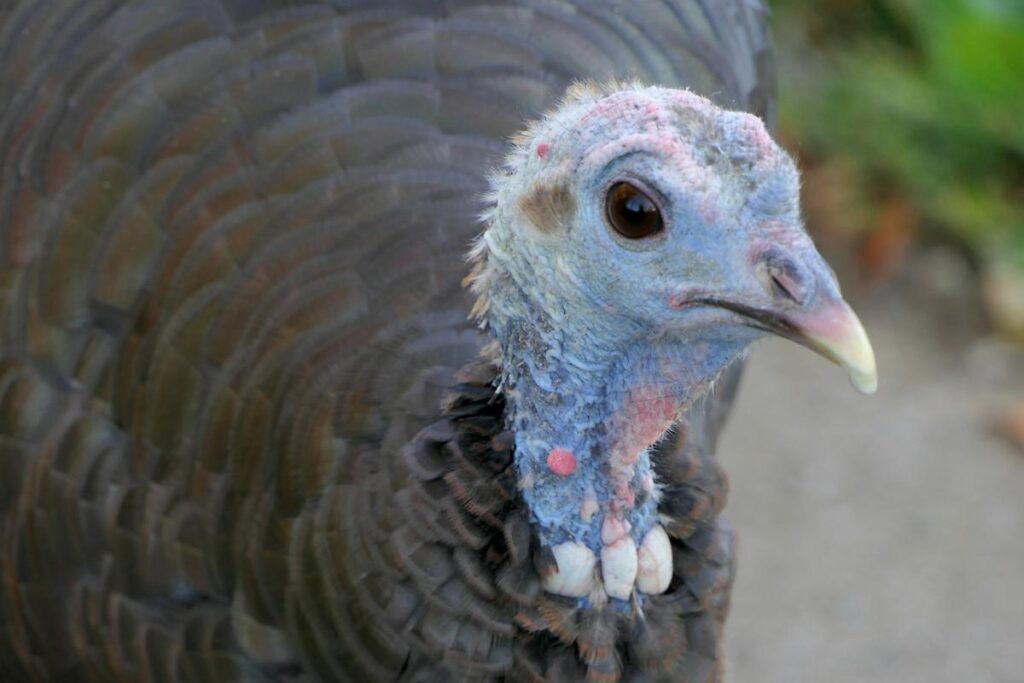
Indiana offers several excellent public land hunting opportunities for turkey hunters. Here are some of the top public hunting areas in the state:
- Hoosier National Forest – Spanning over 200,000 acres in southern Indiana, the Hoosier National Forest provides diverse hunting opportunities. Its extensive trail network and well-managed hunting areas make it a prime destination for turkey hunters.
- Jasper-Pulaski Fish and Wildlife Area – Located in northwest Indiana, this public hunting area is known for its excellent turkey hunting. It is far enough from major cities that it tends to be less crowded than some other public lands.
- Morgan-Monroe State Forest – Encompassing over 24,000 acres in central Indiana, the Morgan-Monroe State Forest offers a challenging yet rewarding turkey hunting experience. The mature forests and trail system provide ideal habitat for wild turkeys.
- Muscatatuck National Wildlife Refuge – Situated in southeastern Indiana, this 7,700-acre refuge features diverse habitats including wetlands, hardwood forests, and open fields that attract wild turkeys. Hunting is allowed during specific seasons with the proper permits.
- Patoka River National Wildlife Refuge – This 22,000-acre refuge in southwestern Indiana consists of wetlands and bottomland forests managed to maintain healthy wildlife populations, including turkeys. Controlled hunts help ensure a quality hunting experience.
Click here to see all the public hunting land in Indiana.
New to being out there with everyone else? Read our guide on How to Hunt Public Land.
When planning a turkey hunt on public land in Indiana, be sure to check the specific regulations and permit requirements for each property. Scouting ahead of time, being prepared to cover ground to find less pressured areas, and hunting on weekdays can help increase your chances of success on public land.
Locating Private Hunting Leases
Hunting Locator is an online platform that connects hunters with private landowners offering hunting leases across the United States. We provide a streamlined way to search for and secure quality hunting opportunities on private land. Here’s how to use Hunting Locator to find and obtain a hunting lease:
- Create an account on HuntingLocator.com. Membership provides access to their extensive database of hunting leases, outfitters, and guides.
- Use the search filters to narrow down available leases by state, game species, price range, and other criteria. Hunting Locator allows you to specify exactly what you’re looking for. Check out the Indiana Turkey Hunting Leases.
- Browse the detailed listings, which include information on the property, available game, lease terms, pricing, and landowner contact info. Listings may also have photos, maps, and other helpful details about the hunting opportunity.
- Contact landowners directly through the Hunting Locator platform to express your interest, ask questions, and discuss lease terms. Communicating through the site keeps all your conversations organized.
- Once you find a suitable property, work with the landowner to review and sign a lease agreement. Hunting Locator provides resources to help with this process, like sample hunting lease agreements.
Many hunters have successfully found hunting leases through Hunting Locator. As one user shared, “After losing our lease of 16 years in 2022, I found Hunting Locator and was able to secure a new lease within 2 weeks of joining the organization. It was a super easy process and the team was amazing.”

Indiana Turkey Hunting FAQs
What is the bag limit for turkey hunting in Indiana?
The spring season bag limit is one bearded or male wild turkey per hunter. In the fall, hunters are allowed to harvest one bird of either sex.
What licenses and stamps are required to hunt turkeys in Indiana?
Hunters must have a valid turkey hunting license and a Game Bird Habitat Stamp, except for those who hold a lifetime comprehensive hunting, lifetime comprehensive hunting and fishing, or resident youth hunt/trap license, as these already include the Game Bird Habitat Stamp privilege.
What are the legal hunting hours for turkey hunting in Indiana?
Hunting hours are from one-half hour before sunrise to sunset statewide. On DNR Fish & Wildlife properties during the spring season, hunting ends at noon CT or 1pm ET.
What equipment is legal for turkey hunting in Indiana?
Legal equipment includes shotguns of .410 caliber and 10, 12, 16, 20, or 28 gauge loaded with shot sizes 4, 5, 6, 7, 7½, or Tungsten Super Shot 8, 9 and 10; muzzleloading shotguns between 10 and 20 gauge; bows; and crossbows.
How do I tag and report a harvested turkey?
Immediately after harvest, complete a temporary transportation tag with your full name, address, turkey sex, license number, and date. Register the turkey within 48 hours through the CheckIN Game system online, by phone, or at a check station. Record the confirmation number on the tag.
What are the key rules for turkey hunting in Indiana?
Hunters must wear hunter orange when the season overlaps with deer muzzleloader season. Using dogs, live decoys, recorded calls, electronic decoys, and bait is prohibited. Turkeys must be tagged and reported properly upon harvest.


