Whether you’re managing a sprawling hunting lease or a small private plot, it’s essential to have a solid plan in place for how to keep people off your property. In this guide, we’ll break down the best legal and practical tactics for keeping your property secure, so you can focus on what matters most—safe, uninterrupted hunting. From marking boundaries to building a network of local support, these are proven ways to make sure your land is respected.
Here’s what we’ll dig into:
- The legal tools you need to secure your property and hunting rights
- Practical, effective ways to mark boundaries and deter intruders
- Surveillance and upkeep tactics that make your presence known
- How to team up with local law enforcement and neighbors for extra backup
If you’re serious about keeping your land safe and your hunting undisturbed, these strategies will help you set clear boundaries and enforce them—no nonsense, just results.
This guide is super long – feel free to use this Table of Contents to jump around.
Understanding Property Rights and Trespassing Laws
Before you start putting up fences or installing cameras, it’s crucial to understand the foundation of property rights and trespassing laws. Knowing your rights—and the limitations of those rights—will help you make informed decisions about securing your land. This section covers the essential legal principles for landowners and hunters, so you’ll have the knowledge to protect your property confidently and legally.
Every landowner has unique needs based on their property type, location, and usage. But one thing is consistent: trespassing laws are often the backbone of effective land protection. Let’s dive into the key legal concepts, from property boundaries to enforceable signage, and ensure you know exactly where you stand.
Property Boundaries and Boundary Markers
Establishing clear property boundaries is the first step in asserting your rights as a landowner. Trespassers may sometimes claim ignorance of boundary lines, so visible markers are essential in deterring such claims and setting the stage for enforceable property protection.
- Professional Land Surveys: Start by having your property professionally surveyed. This can give you precise boundary lines, often necessary for legal disputes. The American Land Title Association (ALTA) provides guidelines for comprehensive property surveys.
- Boundary Markers and Signs: Use painted trees, posts, or fencing to mark boundaries. Many states, like Texas and Missouri, have “purple paint laws” that allow landowners to use painted trees as legal markers against trespassers.
Checklist for Boundary Marking:
- Schedule a professional survey.
- Choose boundary markers based on your terrain and state laws.
- Use durable markers that can withstand weather conditions.
- Inspect markers regularly to ensure they’re visible and intact.
No Trespassing Signs and Legal Notice
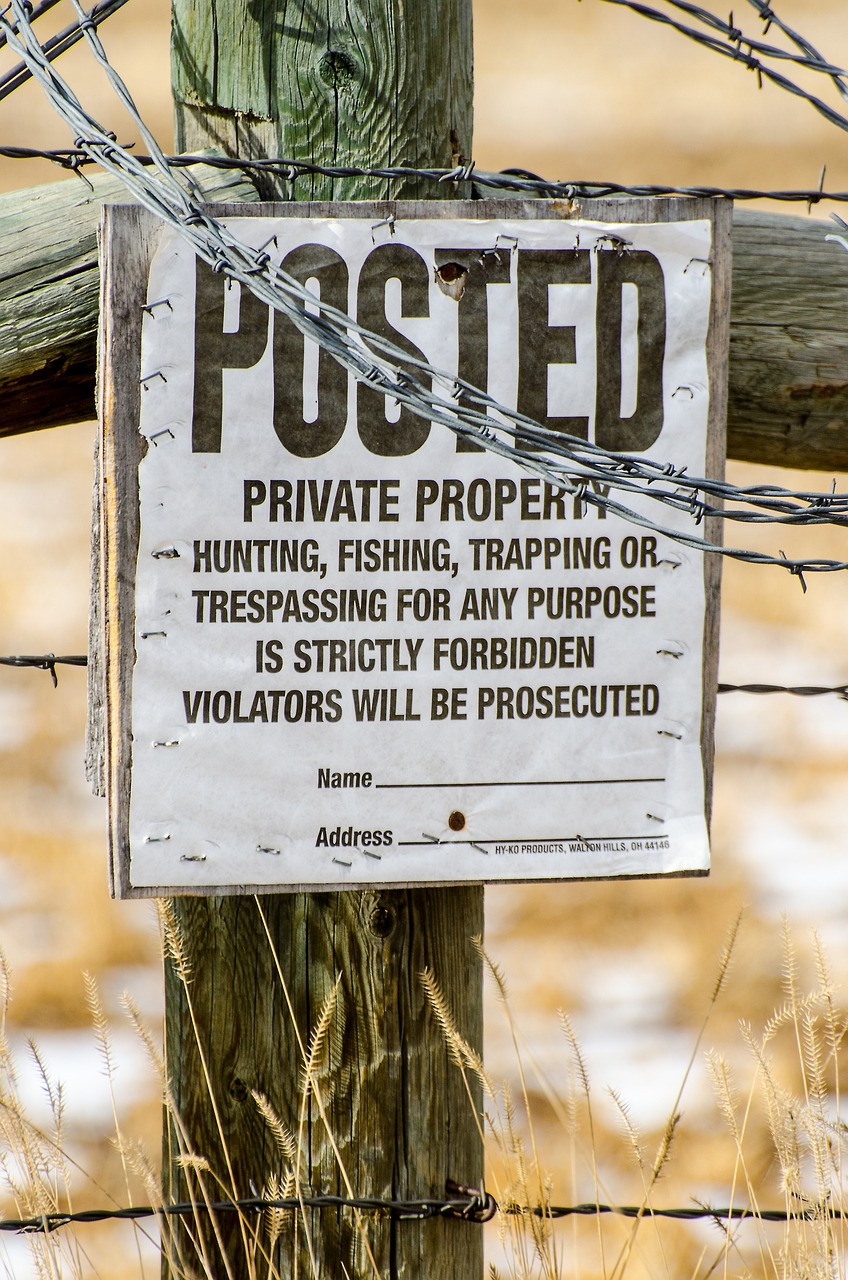
“No Trespassing” signs are a simple but powerful tool. They not only establish clear intent but also provide legal grounds for action if someone crosses onto your property without permission. However, for these signs to be legally enforceable, they often need to meet specific requirements.
- Placement and Spacing: Place signs at regular intervals along property lines, especially near entry points. Some states require spacing every 100-200 feet for signs to hold legal weight.
- Wording and Size: Use clear, bold wording such as “Private Property – No Trespassing.” Make sure the signs are visible from a distance, with large lettering that complies with local ordinances.
- Multilingual Options: In areas with diverse populations, consider signs in multiple languages to cover any potential language barriers.
Pro Tip: Check your state’s requirements for no-trespassing signs. The National Agricultural Law Center provides resources on state-specific trespassing laws.
Sign Placement Tips:
- Place signs along all access points, including driveways, trails, and any breaks in natural boundaries.
- Consider reflective or glow-in-the-dark signs for visibility at night.
- Inspect and replace signs regularly to ensure they’re legible and intact.
Trespassing Laws and Legal Action
Understanding trespassing laws is essential, as they dictate what actions you can legally take against unauthorized individuals on your land. Trespassing laws vary by state, but here’s a general breakdown of what’s typically allowed:
- Types of Trespassing: There are generally two types—civil and criminal trespassing. Civil trespassing often involves cases where trespassers unknowingly enter private land, while criminal trespassing usually requires a knowingly unlawful entry.
- Penalties and Legal Enforcement: Many states impose fines or even jail time for criminal trespassing. Repeat offenses may carry higher penalties, especially if signs are posted or if trespassing is done with malicious intent.
- Documenting Incidents: Always document trespassing incidents. If you need to involve law enforcement or take civil action, photos, videos, and detailed notes can serve as essential evidence.
| Trespassing Types | Description | Common Consequences |
|---|---|---|
| Civil Trespassing | Unintentional entry onto private property | Cease and desist, fines |
| Criminal Trespassing | Knowingly entering private property without permission | Fines, jail time, higher penalties for repeat offenses |
For more specific information on your state’s trespassing laws, check resources like FindLaw’s Trespassing Laws by State.
Working with Law Enforcement and Game Wardens
Building a relationship with local law enforcement and game wardens can significantly enhance your ability to keep trespassers off your property. Conservation officers and game wardens often patrol rural areas, and establishing a mutual understanding can be beneficial.
- Establish a Contact Point: Reach out to your local game warden or conservation officer to introduce yourself and provide an overview of your property boundaries. Most officers appreciate landowners taking proactive steps to prevent illegal hunting and trespassing.
- Enforcement Support: In cases where trespassers repeatedly ignore no-trespassing signs or warnings, law enforcement can assist in enforcing boundaries. Having a documented history of your interactions with trespassers can make it easier for officers to intervene.
- Neighborhood Watch Networks: Consider forming or joining a landowner group with neighboring properties to monitor and report suspicious activity. This informal support system can be valuable in rural areas where law enforcement response times may be longer.
Property Surveillance Laws
If you plan to monitor your land with cameras, it’s important to understand the legal boundaries of property surveillance. Surveillance laws vary by state, particularly regarding the use of trail cameras on private land.
- Camera Placement: Avoid placing cameras in areas where there might be an expectation of privacy (like restrooms, leased cabins, etc.). Public-facing areas, like entry points and common trails, are generally acceptable.
- Signage for Surveillance: Some states require property owners to notify individuals of surveillance. Signs like “This Property is Under Surveillance” can serve as a legal precaution and a deterrent.
- Data Storage and Documentation: Keep footage organized and easily accessible, especially if you need to use it as evidence. Many cellular trail cameras store data in the cloud, making it easy to share with law enforcement if needed.
For more information on property surveillance, Reolink’s Guide on Legal Property Surveillance offers an overview of state-specific guidelines and best practices.
By understanding these legal foundations, you’re setting up a strong defense for your land and hunting rights. Whether through signage, surveillance, or a network of support, these tools empower you to protect your property confidently and within the law. Let’s move on to practical, hands-on deterrents and see how to make your boundaries even harder to cross.
Establishing and Marking Property Boundaries
Setting clear, unmistakable boundaries is one of the simplest yet most effective ways to protect your property. Boundary markers and physical indicators send a strong message to potential trespassers that they’re entering private land. This section covers the best ways to mark boundaries, the tools available, and tips for keeping these markers visible year-round.
Knowing the exact boundaries of your property also strengthens your legal position. Trespassers may sometimes claim they “didn’t know” they were on private property. Having clear boundary markers can help prevent this defense and make enforcement much easier.
Professional Land Surveys and Boundary Definition
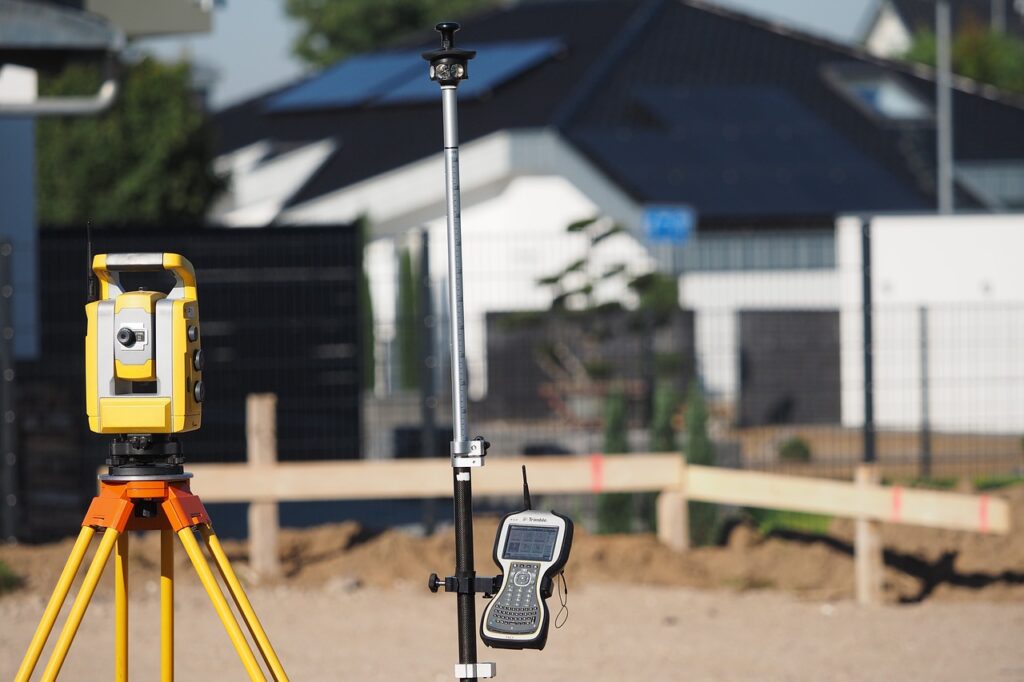
If you haven’t had a formal survey done, consider it a worthwhile investment. A professional survey defines precise property lines and may even be legally required for certain property disputes. In many cases, the surveyor will place permanent markers along the boundary, which can be useful for establishing visible and legally enforceable lines.
- Why a Survey Matters: A survey ensures your boundaries are accurately recorded and visible, reducing future conflicts. For large or rural properties, this is especially useful as natural boundaries may shift over time.
- Finding a Surveyor: Look for licensed land surveyors who are familiar with rural properties and hunting lands. Resources like the American Congress on Surveying and Mapping (ACSM) can help you locate a professional in your area.
Boundary Markers and Property Line Maintenance
Marking your property lines visibly is essential to deter trespassers and clearly define where your land begins and ends. Here are some of the most effective ways to mark boundaries:
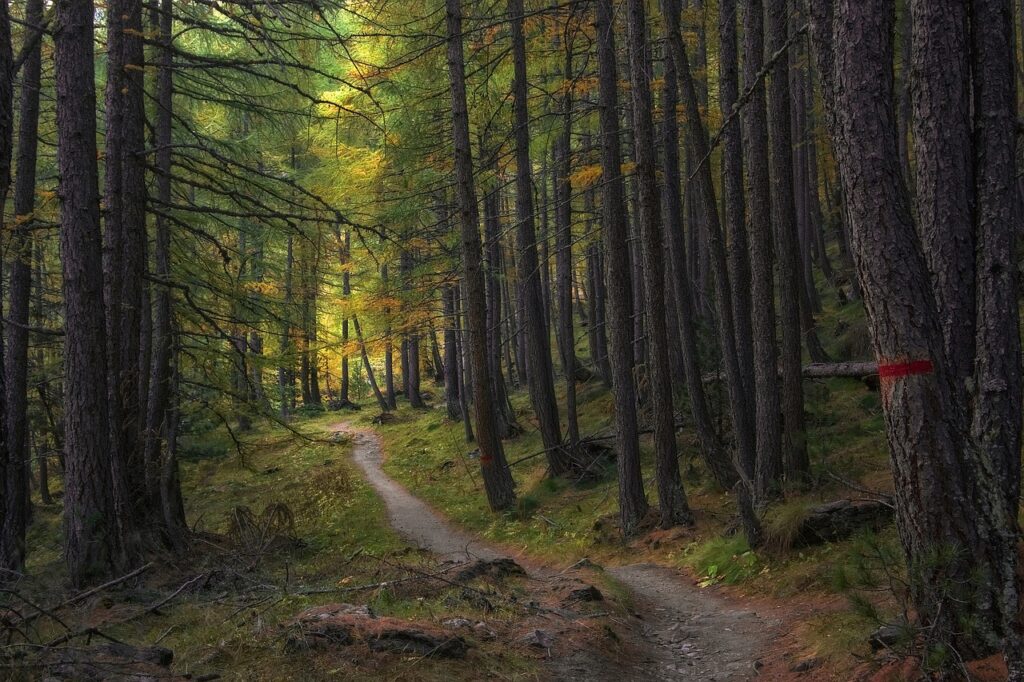
- Painted Trees or Posts: In states like Texas and Missouri, “purple paint laws” allow landowners to use specific colors to mark boundaries, which serve as a legal indicator of private property. Painted trees or posts are a low-maintenance, weather-resistant option.
- Fencing: While fencing an entire property can be costly, selective fencing around vulnerable entry points or along popular trails can serve as an effective barrier. Choose durable materials like chain-link or barbed wire for high-traffic areas.
- Signage: Adding “No Trespassing” or “Private Property” signs along the boundary lines at regular intervals strengthens the message. Make sure signs are placed at eye level and are large enough to be seen from a distance.
Boundary Marker Checklist:
- Confirm your boundary lines with a professional surveyor.
- Paint trees or posts at regular intervals along property lines.
- Place signs at all entry points, including driveways, trails, and gaps in natural barriers.
- Inspect markers annually to maintain visibility.
Using “No Trespassing” Signs to Establish Intent
“No Trespassing” signs are a simple yet powerful way to communicate property boundaries. These signs establish legal intent, indicating that anyone who crosses them is knowingly trespassing, which is crucial if you need to take legal action later. However, for these signs to hold up legally, they must be correctly placed and maintained.
- Positioning for Maximum Visibility: Signs should be visible at every entry point to your property, particularly along driveways, trails, and any gaps in natural barriers. Place them at eye level and angle them toward approaching paths.
- Legal Requirements: Some states have specific requirements for sign placement and wording. For example, signs may need to be posted every 100 feet to be legally enforceable. Check with your local government or refer to the National Agricultural Law Center’s resources for your state’s specific rules.
- Wording Suggestions: Use clear, bold language like “Private Property – No Trespassing.” In areas with diverse populations, consider signs in multiple languages to ensure everyone understands the message.
Pro Tip: Reflective or glow-in-the-dark signs can increase nighttime visibility, adding an extra layer of deterrence for nighttime trespassers.
Additional Marking Techniques for Large Properties
For larger properties, traditional signage and fencing may not be practical for the entire boundary. Consider these additional techniques to mark your land:
- Boundary Paint Systems: In addition to purple paint laws, some states allow specific boundary paint systems that indicate no trespassing. Check your state’s guidelines to see if this option is available.
- Natural Barriers: Use dense vegetation like thorny shrubs or hedgerows to create a natural boundary. Not only does this improve your property’s aesthetic, but it also serves as a barrier to entry.
- Drones for Boundary Patrol: If you manage a particularly large property, consider using drones to inspect boundary lines and check the status of signs and markers. Drones equipped with cameras allow you to monitor the perimeter without physically patrolling it.
| Marking Technique | Best Use Case | Cost Level | Maintenance Requirements |
|---|---|---|---|
| Painted Trees/Posts | Rural or wooded boundaries | Low | Repaint every 1-2 years |
| Fencing | High-traffic areas or entry points | Medium to High | Regular checks and repairs |
| Signage | Entry points, driveways, gaps | Low | Replace weather-damaged signs |
| Natural Barriers | Large properties with wildlife corridors | Medium | Prune or replant as needed |
| Drone Patrol | Large or remote properties | High | Battery maintenance and data storage |
Seasonal Boundary Checks and Maintenance
Boundary markers can become obscured or damaged over time, especially in areas with harsh weather or dense vegetation. A seasonal maintenance routine ensures that your markers remain visible and effective.
- Spring: Check for any winter damage to fencing, signage, and boundary markers. Clear overgrown vegetation around boundary markers.
- Summer: Trim back trees and bushes that could obscure signs. Repaint any faded markers.
- Fall: Inspect markers before hunting season, ensuring they’re clear and accessible for both hunters and any patrolling law enforcement.
- Winter: If accessible, make note of any areas where snow or ice has damaged fencing or markers.
Regularly maintaining your boundary markers and signs ensures they remain visible and effective, setting a clear expectation for anyone near your property lines.
By implementing these boundary-marking techniques, you’re not only reinforcing your legal position but also establishing a physical presence that discourages unauthorized entry. In the next section, we’ll look at how to boost your property’s security with surveillance and monitoring tactics that help you keep a close watch on all corners of your land.
Surveillance and Monitoring Techniques
Once you’ve set clear boundaries, the next step is to monitor your land effectively. Surveillance is crucial, not only for catching trespassers in the act but also for documenting activity that may support legal action. In this section, we’ll cover different monitoring strategies that help protect your property, ensure hunting safety, and maintain a watchful eye over wildlife.
Using property surveillance tools like trail cameras, drones, and motion-activated lighting can provide an extra layer of deterrence while helping you manage your land responsibly. These techniques can be adapted based on property size, terrain, and specific monitoring needs.
Trail Cameras for Property Surveillance
Trail cameras are one of the most effective tools for monitoring rural property and game management areas. They’re easy to set up, relatively inexpensive, and, if positioned correctly, can provide extensive coverage of your land. Trail cameras also offer a non-intrusive way to monitor both wildlife and human activity, making them an ideal choice for hunting leaseholders and landowners.
- Choosing the Right Camera Type: Cellular trail cameras allow real-time monitoring by sending photos and videos directly to your phone or computer, while standard trail cameras require manual retrieval of footage. Cellular models are ideal for remote or hard-to-access areas.
- Strategic Placement for Maximum Coverage: Position cameras at known entry points, along game trails, and near deer stands or hunting blinds. This approach ensures you’re capturing potential trespassers as well as documenting wildlife patterns. For larger properties, use multiple cameras to cover the entire perimeter.
- Camouflaging Your Cameras: Trail cameras can be hidden in dense vegetation, camouflaged on tree trunks, or even placed inside decoy boxes to avoid theft or vandalism. Be mindful to position them discreetly to capture valuable footage without alerting intruders.
| Type of Camera | Pros | Best Use |
|---|---|---|
| Cellular Trail Camera | Real-time monitoring, remote access | Large properties, hard-to-reach areas |
| Standard Trail Camera | Budget-friendly, good for regular checks | Easily accessible locations, entry points |
| Drone Surveillance | Provides aerial views, quick scanning | Large or expansive properties |
Motion-Activated Lights and Night Surveillance
Trespassing often occurs under cover of darkness, especially during hunting seasons when game activity is high. Installing motion-activated lights at entry points or high-traffic areas can discourage nighttime intruders and increase property safety.
- Where to Install: Position lights around access points, property gates, and along paths leading to hunting blinds or deer stands. This lighting not only deters trespassers but also helps illuminate pathways for authorized hunters and visitors.
- Light Sensitivity and Range: Select lights with adjustable sensitivity and range to tailor coverage to your specific needs. LED lights with a wide-angle range and high lumen output provide the most effective coverage.
- Maintenance and Power Source: Consider solar-powered models if electricity is unavailable, and ensure lights are checked seasonally to maintain effectiveness.
Pro Tip: Adding a “Property Under Surveillance” sign near motion-activated lights can amplify their deterrent effect, as potential intruders are less likely to risk being caught on camera.
Drone Surveillance for Large Properties
For landowners managing hundreds of acres, drones provide a cost-effective and efficient way to survey large areas quickly. Drones equipped with cameras can cover vast stretches of property, document trespassing incidents, and even assist in wildlife conservation by monitoring game trails and wildlife corridors.
- Legal Considerations: Always check local laws before using drones for surveillance. The Federal Aviation Administration (FAA) regulates drone usage, particularly in rural areas, so ensure you’re compliant. FAA’s Guide to Drone Use offers more details on flying drones for property surveillance.
- Strategic Patrols: Use drones for scheduled patrols of the property perimeter, focusing on boundary markers, fence lines, and entry points. For particularly remote areas, drones can be invaluable for assessing potential damage to fencing or detecting trespassers.
- Documentation for Evidence: Drones allow you to document activity and gather evidence discreetly. High-resolution footage or stills can be essential in court if you need to prove repeated trespassing incidents.
Enhancing Surveillance with Technology and Notifications
Combining traditional surveillance tools with smart technology offers additional layers of protection. Cellular trail cameras and drones can provide real-time updates, while mobile apps allow you to monitor your property from anywhere. Here are a few advanced tactics:
- Real-Time Alerts: Many cellular trail cameras and motion sensors can send instant notifications to your smartphone, alerting you to movement on your property. This feature is especially useful for those who live off-site or have large hunting leases to manage.
- Geo-Tagging Markers: Use GPS to map out your property markers, hunting blinds, and other points of interest. Apps like OnX Hunt or HuntStand allow you to store these locations and track activity, making it easier to assess and manage your land.
- Cloud Storage for Video and Photos: Some cellular trail cameras and drones store footage directly in the cloud. This is helpful for organizing and accessing records, especially if you plan to share them with law enforcement or conservation officers.
Regular Property Patrols and Seasonal Surveillance Adjustments
While technology is a powerful tool, nothing beats the value of regular property patrols. Routine inspections not only help you stay familiar with your property but also deter trespassers who may be looking for easy entry points. Adjust your surveillance efforts based on the season to keep up with changing activity.
- Patrol Frequency and Routes: Establish a schedule for patrolling boundary markers, game trails, and deer stands. Vary your routes and patrol times to keep patterns unpredictable.
- Seasonal Adjustments: Increase patrol frequency during hunting seasons and holiday periods when trespassing activity is often higher. During spring and summer, focus on maintaining fences and signage to prevent unauthorized entry.
- Community Collaboration: Consider partnering with neighbors or nearby hunting clubs to create a cooperative patrol network. Sharing information and coordinating surveillance can improve overall property security and provide additional sets of eyes on the ground.
By employing these surveillance and monitoring techniques, you create an environment that’s not only difficult to access without permission but also closely monitored. Whether you’re managing a small rural property or a vast hunting lease, effective surveillance keeps your land, wildlife, and hunting rights protected. Up next, we’ll discuss practical methods for setting up physical deterrents that reinforce your boundaries and keep unwanted visitors out.
Physical Deterrents and Landscaping Tactics
In addition to surveillance, physical deterrents provide a strong, visible boundary that can keep potential trespassers at bay. By combining structural barriers like fencing with natural deterrents such as dense vegetation, you create an environment that discourages unauthorized access without compromising the natural feel of your property. These strategies are especially valuable for large, rural properties where fencing every boundary may not be practical.
Let’s look at how to use fencing, natural barriers, and landscaping techniques to create a physical line of defense on your land.
Fencing and Gated Entry Points
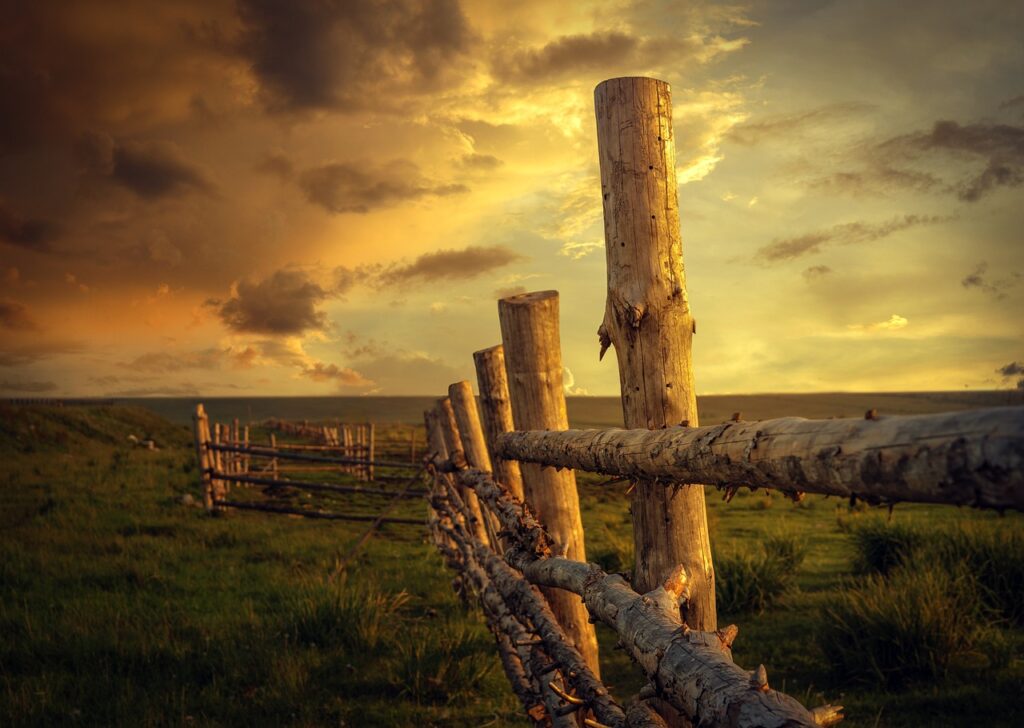
Fencing is one of the most effective ways to control access to your land. While installing a full perimeter fence can be costly, targeted fencing in high-traffic or vulnerable areas can still be very effective. Gates at entry points serve as additional deterrents and provide controlled access to authorized hunters, family, or friends.
- Types of Fencing: Choose fencing based on your property’s needs and terrain. Options include barbed wire for rural areas, chain-link fencing for durability, or electric fencing for maximum security.
- Strategic Placement: If fencing the entire perimeter isn’t feasible, focus on areas that are most likely to be accessed, such as trails, roads, and breaks in natural barriers.
- Gates for Controlled Access: Install gated entry points with locks at main access routes. Combining gates with “Private Property” and “No Trespassing” signs strengthens the visual message that unauthorized access is not allowed.
| Type of Fence | Best Use | Durability | Cost Level |
|---|---|---|---|
| Barbed Wire | Remote or rural areas | High | Low |
| Chain-Link | High-traffic areas, near roads | Very High | Medium |
| Electric Fencing | Sensitive areas, livestock protection | High | High |
Natural Barriers: Thorny Vegetation and Dense Shrubs
If fencing isn’t an option across your entire property, natural barriers can provide a low-maintenance, eco-friendly alternative. Thorny or dense vegetation along property lines creates a natural, physical boundary that’s difficult for trespassers to cross.
- Thorny Shrubs and Bushes: Plants like barberry, pyracantha (firethorn), and blackberry bushes are effective for creating an intimidating natural barrier. These plants have dense growth patterns and sharp thorns that deter intruders.
- Evergreen Screens: Fast-growing evergreen trees, such as Leyland cypress or arborvitae, provide year-round privacy and make it difficult to see into the property. Planting these trees along the boundary helps create a visual screen that also serves as a physical deterrent.
- Layered Planting Strategy: Combine tall trees with medium-sized shrubs and ground cover to create a multi-layered barrier. This technique not only adds depth to the property’s landscape but also makes it more challenging for intruders to navigate.
Tip: If your property is in a region with specific wildlife corridors, be mindful of creating barriers that could disrupt natural migration patterns. Consult with a local wildlife conservation office for guidance on habitat-friendly landscaping.
Earthen Berms and Terrain Modification
Creating obstacles in the terrain can further discourage trespassing. Strategic modifications like earthen berms and trenches serve as physical barriers without requiring extensive structures or materials.
- Earthen Berms: Raised earth mounds or berms can be placed along property boundaries to create a visual and physical barrier. Berms are particularly effective when combined with thorny vegetation or fencing, as they add an additional layer of deterrence.
- Ditches or Trenches: Digging shallow ditches or trenches around the property perimeter can make it more challenging for vehicles or people to cross easily. These modifications are particularly useful for properties with livestock, as they help contain animals and deter intruders.
| Terrain Modification | Best Use | Benefits | Drawbacks |
|---|---|---|---|
| Earthen Berms | Large properties, natural barriers | Adds elevation, blends with landscape | Requires initial construction |
| Ditches/Trenches | Livestock areas, property edges | Cost-effective, easy to implement | Limited deterrent for foot traffic |
Defensive Landscaping and Habitat Management
Landscaping can be designed to both protect your property and improve its habitat for wildlife. This approach is ideal for hunters and landowners interested in maintaining an appealing, ecologically friendly environment that also deters unauthorized access.
- Defensive Landscaping: Use dense plantings of thorny bushes or tall grasses along property edges to make crossing more challenging. Tall ornamental grasses, such as switchgrass or big bluestem, create seasonal screens that blend with natural surroundings.
- Habitat-Friendly Barriers: Planting native shrubs and trees not only deters intruders but also enhances the habitat for game species. Species like wild plum, elderberry, and hazelnut provide both cover and food for wildlife, promoting game populations while establishing a natural property boundary.
- Edge Feathering: Edge feathering involves planting progressively shorter vegetation (e.g., trees, shrubs, grasses) along property borders. This technique creates a “soft” transition zone that deters entry, provides habitat for wildlife, and helps manage erosion.
Seasonal Maintenance of Physical Barriers
Physical barriers are only effective if they’re regularly maintained. Fences can sag, plants can overgrow, and berms may erode over time. Seasonal maintenance ensures that your physical deterrents remain effective year-round.
- Spring: Inspect fencing for any damage from winter weather. Prune back vegetation and replant shrubs if needed.
- Summer: Mow around fences, gates, and planted barriers to keep them visible and functional. Check for any issues caused by seasonal growth.
- Fall: Reposition or reinforce any damaged berms, clear out dead vegetation, and prune shrubs. Prepare barriers for winter weather by checking for weak spots.
- Winter: If accessible, inspect barriers after snow or ice storms to ensure fences or berms haven’t been damaged.
Regular maintenance keeps these barriers effective and demonstrates that your property is actively managed, making it less attractive to trespassers looking for an easy target.
By combining fencing, natural barriers, and terrain modifications, you create multiple layers of physical deterrence that discourage trespassing without disrupting the property’s natural appeal. In the following section, we’ll explore how to build partnerships with neighbors, law enforcement, and local hunting clubs to reinforce property security and establish a community watch network.
Building Community and Law Enforcement Partnerships
One of the most effective ways to protect your property is by building a network of allies who can help you monitor and secure your land. Strong connections with neighbors, game wardens, and local law enforcement can reinforce your efforts and create a larger deterrent for trespassers. When a community unites to protect private property and hunting rights, it sends a clear message: unauthorized access won’t be tolerated.
In this section, we’ll cover the steps to establish cooperative relationships with those around you and leverage their support for additional security.

Working with Neighbors for Mutual Protection
Creating a network with neighboring landowners can amplify property protection. Neighbors can act as extra sets of eyes and alert you to unusual activity. For properties located in rural or remote areas, this network is especially valuable, as law enforcement response times may be longer.
- Establish a Communication System: Set up a group chat or email chain with neighboring landowners to quickly share information about suspicious activity, trespassers, or upcoming hunting seasons. Apps like WhatsApp or neighborhood-focused apps like Nextdoor can be helpful for real-time communication.
- Coordinate Patrols: Organize regular patrols of shared boundary areas or key access points. By rotating patrol schedules, you and your neighbors create an unpredictable presence that can discourage potential trespassers.
- Agree on Mutual Boundaries and Access Policies: Discuss boundary markers and signage with neighbors to ensure clear, consistent messaging across property lines. This unified approach can make it harder for trespassers to claim confusion over property boundaries.
Pro Tip: Join or create a neighborhood watch program if your area has one. This formalizes the community’s commitment to property protection and often includes guidance from local law enforcement.
Connecting with Game Wardens and Conservation Officers
Game wardens and conservation officers play a crucial role in enforcing wildlife and hunting regulations on private land. Establishing a relationship with them not only helps deter poachers but also provides a direct line for reporting suspicious or illegal hunting activities on your property.
- Meet Your Local Game Warden: Introduce yourself and provide details about your property boundaries, access points, and any specific issues you’ve faced with trespassers or poachers. Game wardens often cover large areas, so having a direct connection can lead to faster response times.
- Regular Communication: Stay in touch with game wardens, especially before and during hunting seasons. Sharing information about legal hunting grounds, posted property, and boundary markers helps them keep an eye out for any trespassers who may be violating hunting regulations.
- Offer Access for Patrols: If you’re comfortable with it, offer game wardens access to your property for routine patrols. Having their presence on your land—even occasionally—reinforces the idea that your property is closely monitored and protected.
For more information on connecting with conservation officers, see U.S. Fish & Wildlife Service’s resources on conservation enforcement.
Inviting Law Enforcement to Use Your Property
Many rural law enforcement agencies are open to collaborations with landowners, especially if the property can be used for training exercises or occasional patrols. Establishing this relationship provides a law enforcement presence on your land, increasing the perception that it’s actively monitored.
- Training Opportunities: Offer to host off-duty training exercises for local officers or game wardens on your property. This can be especially beneficial if you have unique terrain or a large area, as it provides a realistic setting for rural patrol training.
- Recreational Access for Officers: In some cases, law enforcement officers may appreciate recreational access, such as fishing or camping, on your property. Allowing them limited use creates a positive relationship and an added level of watchfulness on your land.
- Emergency Access Planning: Collaborate with local authorities to set up emergency access routes through your property. Having a designated access route familiar to law enforcement or emergency responders can improve response times in case of an accident or trespassing incident.
Developing a Relationship with Local Hunting Clubs
Local hunting clubs are often made up of responsible hunters who value property rights and hunting ethics. By building a relationship with these clubs, you can gain allies who respect your land and are likely to report suspicious activity.
- Collaborative Hunts and Events: Consider hosting events, such as seasonal hunts or conservation projects, with local hunting clubs. This builds goodwill and can lead to reciprocal respect and protection.
- Set Clear Rules and Boundaries: If you allow hunting clubs to access your land, establish clear rules about boundaries, hunting seasons, and property boundaries. Members of the club can then help reinforce these boundaries by reminding other hunters or by reporting trespassers.
- Encourage Ethical Hunting Practices: By promoting ethical hunting practices and mutual respect for land ownership, you strengthen your network of people who are willing to protect your land. Ethical hunters understand the importance of respecting posted property and can be valuable allies in deterring poaching or other illegal activities.
Building a Local Network: Practical Tips
Creating a network of support takes time, but the benefits of having a community invested in your property’s security are well worth the effort. Here are some practical tips for building and maintaining these relationships:
- Host Seasonal Meetups: Invite neighbors, local hunting clubs, and conservation officers for a seasonal meetup on your property. This informal event can help establish familiarity, exchange contact information, and create a shared commitment to property protection.
- Share Property Maps and Contact Info: Provide trusted neighbors and law enforcement contacts with maps of your property boundaries, access points, and important features like hunting blinds or game trails. This helps them understand the layout of your land and respond more effectively if needed.
- Document Incidents Together: If you or a neighbor witnesses suspicious activity, document it and share information. Whether it’s trespassing, illegal hunting, or damage to property fencing, having a shared record strengthens any case if law enforcement intervention is needed.
By building a network of local support, you’re creating a protective shield around your property. Neighbors, game wardens, conservation officers, and ethical hunters all contribute to a community-wide effort to respect property boundaries and deter trespassers. This not only strengthens security but also fosters a sense of shared responsibility for protecting rural properties and hunting rights.
Next, we’ll look at some final tips on maintaining a comprehensive land management strategy to keep your property secure and your hunting grounds undisturbed.
Maintaining a Comprehensive Land Management Strategy
Securing your property against trespassers isn’t a one-time effort—it requires consistent management, regular updates, and adaptability. A comprehensive land management strategy brings together boundary maintenance, surveillance, community partnerships, and ongoing assessments to keep your land protected year-round. This final section will provide tips on sustaining your land security efforts, adapting to new challenges, and ensuring your property remains an ideal space for hunting and wildlife conservation.
With a proactive approach, you can manage your land in a way that safeguards your hunting rights, supports game habitats, and deters trespassers effectively.
Routine Property Inspections and Boundary Checks
Regular property inspections are key to identifying and addressing any vulnerabilities in your land’s defenses. Checking your property frequently for signs of trespassing, damage, or wear on physical barriers allows you to make quick repairs and adjustments.
- Seasonal Checks: Perform thorough boundary inspections at the start of each season. This includes checking fencing, “No Trespassing” signs, boundary markers, and any natural barriers. For hunting season, make sure all signs and markers are visible and clearly indicate hunting regulations on your property.
- Trail Camera Maintenance: Replace batteries, clear memory cards, and check positioning on all trail cameras. Ensuring these cameras are functional and placed correctly is crucial for capturing any suspicious activity.
- Documenting Issues: Keep a detailed log of all inspections, repairs, and incidents. Documentation can be crucial for legal action if repeated trespassing occurs and is also valuable for planning future land management updates.
Adaptive Security Strategies
Every property is unique, and as you implement security measures, you’ll gain insights into what works best for your specific needs. Adjust your strategies as you observe seasonal changes, patterns in trespassing incidents, or new developments in technology.
- Seasonal Adjustments: Increase patrols, surveillance, and community coordination during hunting seasons, when trespassing activity often peaks. Similarly, in winter, check that fencing and signage are visible above any snow cover.
- Technology Upgrades: Stay informed about new property surveillance technologies. Cellular trail cameras, motion sensors, and drones are constantly evolving, with new features like improved battery life, solar charging, and cloud storage that can enhance your security capabilities.
- Community and Law Enforcement Feedback: Maintain open communication with neighbors, game wardens, and local law enforcement. Regular check-ins can provide valuable insights on local issues, like poaching trends or shifts in wildlife activity, allowing you to adapt your strategies accordingly.
Pro Tip: Consider using online mapping tools to document changes in your property’s layout, new hunting blinds, game trails, or other points of interest. Apps like OnX Hunt or Google Earth can help you track these adjustments visually.
Comprehensive Record-Keeping and Incident Documentation
Keeping detailed records of all land management activities, property issues, and trespassing incidents strengthens your legal standing and provides a foundation for evaluating your security efforts.
- Incident Logs: Document each trespassing incident, including dates, times, locations, and any photos or video evidence captured. This information helps track patterns and provides evidence if you need to involve law enforcement.
- Property Maintenance Records: Maintain a record of boundary maintenance activities, fencing repairs, and equipment updates. This demonstrates a clear commitment to property management, which can be useful in court if you need to pursue legal action against persistent trespassers.
- Neighbor and Law Enforcement Reports: If neighbors or law enforcement report issues related to your property, include these in your records. Establishing a documented history of cooperation and communication with local authorities can add weight to your case if needed.
Conservation and Habitat Management
As a landowner and hunter, you likely have an interest in preserving your land for future generations. Proactive habitat management not only improves the quality of your hunting grounds but also benefits local wildlife populations, creating a balanced ecosystem that supports game species.
- Wildlife Conservation: Manage your property to create a healthy habitat for game species. Practices like selective planting, managing game trails, and creating wildlife corridors help support populations of deer, turkey, and other game animals.
- Sustainable Hunting Practices: Work with local conservation officers or hunting clubs to promote ethical hunting and habitat stewardship. Practicing responsible hunting on your land discourages poaching and illegal hunting by reinforcing the ethical standards of the hunting community.
- Long-Term Stewardship Plans: If you plan to pass your land down to future generations, consider developing a land stewardship plan that includes guidelines for maintaining security, habitat management, and hunting ethics. This can ensure your property remains well-maintained and secure for years to come.
Planning for Emergencies and Unexpected Challenges
Preparedness is essential for effective land management. Developing a plan for emergencies, such as property damage from natural events or trespasser-related incidents, keeps you ready for any unexpected challenges.
- Emergency Access Routes: Work with local law enforcement to designate emergency access routes on your property. This can expedite response times if a trespassing incident escalates or if medical assistance is needed.
- Legal Preparedness: Consult with a property rights attorney to understand your legal options and ensure you’re prepared to take action if trespassing incidents persist. Having an attorney’s guidance can help you navigate the nuances of local property and hunting laws.
- Rapid Response Contacts: Maintain an updated list of contacts, including neighbors, game wardens, and local law enforcement. In case of a serious incident, having this list on hand can help you quickly gather support or notify authorities.
Consistency is Key
The effectiveness of your land management strategy relies on consistency. By regularly inspecting, adapting, and documenting your efforts, you create a secure environment that discourages unauthorized access. Remember that trespassers often look for easy targets, and a well-maintained, actively monitored property sends the message that your land is anything but an easy target.
Comprehensive land management is about more than just deterring trespassers—it’s about creating a secure, sustainable, and respectful environment for hunting, wildlife, and future generations. By following these practices, you’re not only protecting your property but also upholding the values that make hunting and land ownership fulfilling.
Hunting Locator: A Trusted Resource for Landowners and Hunters
Hunting Locator offers a comprehensive range of resources to help landowners and hunters make the most of their hunting leases. Whether you’re exploring the benefits of leasing your land, preparing property for hunting, or navigating the legal aspects, Hunting Locator provides valuable insights and guidance to support your goals. Here are some essential resources to get you started:
- Understanding Hunting Leases – This page breaks down the basics of hunting leases, explaining how they work, the benefits for landowners and hunters, and the key considerations to keep in mind when entering a lease agreement.
- How to Start Earning with Hunting Leases: A Beginner’s Guide – A step-by-step guide on leasing your land for hunting, from initial preparations to marketing strategies. Perfect for landowners looking to get started with their first lease.
- Choosing Lease Types – Explore the different types of hunting leases available, including short-term and annual leases, and learn which might be the best fit for your property and goals.
- How to Assess and Enhance Your Land’s Value for Hunting – This resource offers practical tips for evaluating and improving your property to make it more appealing to hunters, with insights on habitat management, access points, and other value-adding features.
- Hunting Lease Legal Essentials – A must-read for any landowner, this page covers the legal aspects of hunting leases, including liability insurance, lease agreements, and important state regulations.
- How to Determine the True Value of Your Hunting Lease – Learn the factors that influence hunting lease pricing, from location and property size to game quality and amenities. This guide helps landowners set competitive lease rates.
Each of these resources equips you with the knowledge needed to maximize your property’s potential, manage leases effectively, and ensure a successful, safe experience for all parties involved.


