How much is a hunting lease? In this guide, we’re breaking down the 11 most important factors that influence hunting lease pricing. Some are basic, like property size or game quality, while others—like surrounding land use or exclusivity—can catch landowners by surprise. We’ll also cover 20 add-ons that boost your lease value and ways Hunting Locator can help landowners find the right hunters at the right price.
So, if you’re looking to make the most of your land’s potential, here’s your complete guide to setting a fair, competitive lease price.
Top 11 Factors Affecting Hunting Lease Pricing
| Factor | Adjustment Value | Explanation |
|---|---|---|
| Habitat Quality | +10% to +30% | Diverse habitats (forests, wetlands, food plots) support game, increasing lease value. |
| Game Quality & Population | +5% to +25% | Trophy-quality animals or high species diversity attract higher rates. |
| Property Size | -5% to +15% | Larger tracts are often more desirable, but layout and access also matter. |
| Cover Type | -15% to +20% | Hardwoods and mixed forests tend to raise value more than monoculture fields. |
| Accessibility & Infrastructure | +5% to +20% | Roads, trails, blinds, and amenities like campsites or lodging justify premium pricing. |
| Surrounding Land Use | -10% to +10% | Adjacency to agricultural lands or quiet wilderness boosts value; proximity to urban or heavily trafficked lands can lower it. |
| Historical Success | +5% to +15% | A record of past successful hunts builds reputation and attracts serious hunters. |
| Management Practices | +10% to +30% | Land actively managed for game health, predator control, and habitat quality adds to lease value. |
| Exclusivity & Access Terms | +10% to +30% | Exclusive access or extended season access increases value compared to shared leases. |
| Wildlife Certification Programs | +10% to +20% | Participation in recognized programs like QDMA certifies land quality, appealing to conservation-focused hunters. |
| Unique Property Features | +5% to +20% | Natural features like rivers, lakes, and historical landmarks enhance appeal. |
For those new to leasing, how to start earning with hunting leases covers the essential first steps, from assessing your land’s suitability to listing it for the right audience. This guide provides practical advice to help you get started and avoid common pitfalls.
Evaluating your property’s hunting potential is crucial for setting the right lease price. In how to assess and enhance your land’s value for hunting, we go over some of the same factors but we also include a calculator to help you see how things like game density, cover types, and water sources actually change the lease value. It’s also got tips to enhance each factor for a more profitable lease.
1. Habitat Quality
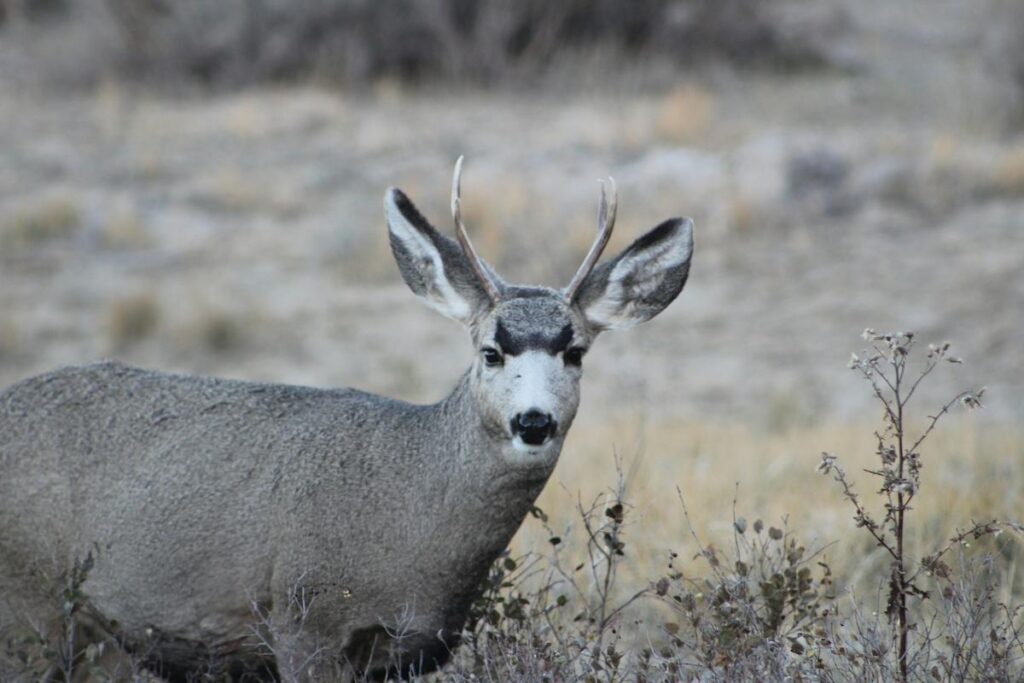
High-quality habitat is the foundation of a valuable hunting lease. The more diverse and well-maintained your property’s habitat, the more it appeals to hunters looking for serious game activity. Properties with lush forests, food plots, and year-round water sources become game hotspots.
Elements That Boost Habitat Quality
Landowners should prioritize a few key features to increase their lease’s value:
- Diverse Vegetation: A mix of forests, fields, and brushland creates a balanced environment for game species, providing both food and cover.
- Water Sources: Lakes, streams, and ponds keep game on your land, especially during dry seasons.
- Food Plots: Planted areas give hunters a major draw. Food plots cost to establish, but they can bump your lease rates substantially.
The Cost of Poor Habitat Quality
Properties with limited cover types, no water access, or barren landscapes face lower lease values. Investing in habitat improvements, like food plots or tree plantings, can raise your land’s appeal and ultimately bring in higher rates.
For landowners just starting out, getting a firm grasp on understanding hunting leases is essential. Knowing the basics about hunting leases—including common structures, benefits, and challenges—will make setting up and pricing a lease far easier. This foundational knowledge helps landowners make informed decisions to maximize income and enhance their property’s appeal.

2. Game Quality & Population
Nothing justifies a high lease price like quality game. Hunters are after results—so trophy animals and high-density game populations on your property mean you can set a premium price.
Why Game Quality Matters
Hunters don’t just want to see animals; they want to see the right ones. Trophy bucks, mature turkeys, and high-success game properties bring in hunters who are willing to pay more. If your land has produced Boone-and-Crockett-worthy animals, you’re already in the premium league.
Key Indicators of Game Quality
- Species Diversity: Properties supporting multiple huntable species are more versatile and more valuable.
- Game Density: Dense populations mean hunters can expect more sightings, which is what they’re after.
- Harvest Record: If you’ve got photos or records of successful hunts, they’re gold for proving value.
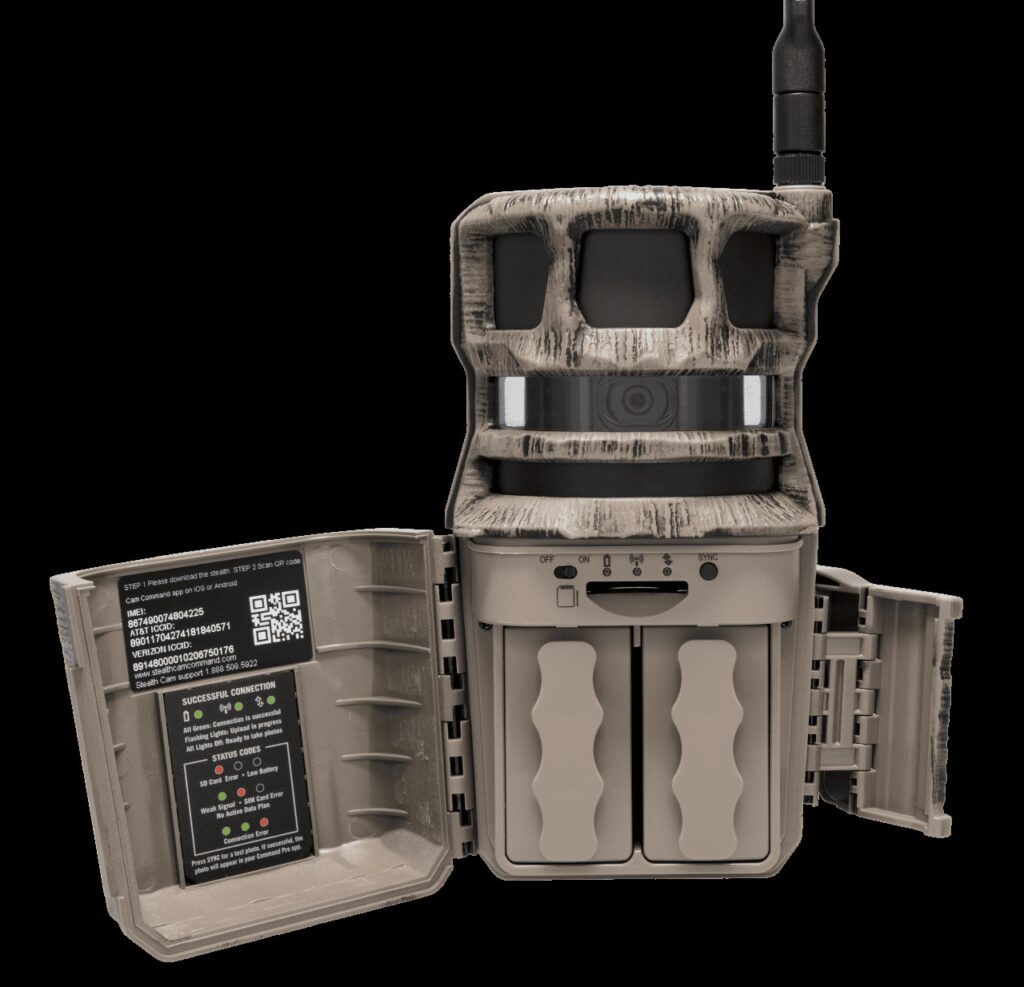
Investing in game monitoring, like trail cameras, lets you showcase the quality of your property. It’s evidence hunters can trust.
Setting up a hunting lease isn’t just about income; it’s about creating a mutually beneficial arrangement. In why hunting leases offer a win-win for landowners and hunters, we break down the key ways hunting leases can support conservation goals, offer controlled land use, and establish steady income. This article highlights why leasing can be a smart move for your property.

3. Property Size
The size of your land plays into your pricing, but it’s not as simple as “bigger is better.” Size matters—yet so does layout and huntability.
How Size Impacts Value
Bigger properties generally allow more hunting options, which makes them desirable. Large tracts that support multiple hunting parties or offer varied terrain can justify higher lease prices.
When Size Isn’t Everything
Smaller parcels (under 100 acres) can still command strong rates if they’re laid out to maximize game movement. Natural funnels, clear access points, and private zones can make smaller properties just as appealing. On the flip side, a large tract without good game flow or accessibility may actually reduce lease value.
Successful hunting leases come down to more than just having game on the property. In what makes a successful hunting lease, we outline key elements like accessibility, game density, and habitat management that attract hunters and encourage repeat lessees.
4. Cover Type
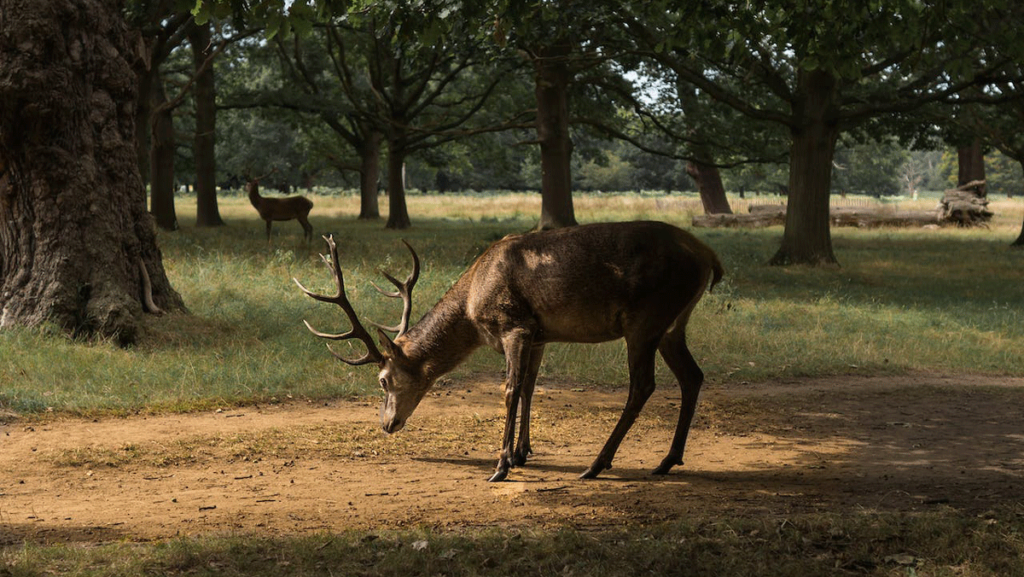
Cover type affects game presence—and therefore, lease value. Hunters want landscapes where animals feel secure, with a variety of cover types to support different game needs.
High-Value Cover Types
- Mature Hardwoods: Oak and other hardwoods provide essential food sources and cover.
- Mixed Vegetation: Properties with a blend of woods, brush, and open fields are versatile for various game species.
- Riparian Zones: Areas near water not only attract waterfowl but also offer cover for big game.
Less Desirable Cover
Single-type forests, like pine plantations or recently clear-cut areas, don’t support as much game diversity. For landowners, diversifying cover types or allowing natural growth can make your land more attractive.
5. Accessibility & Infrastructure
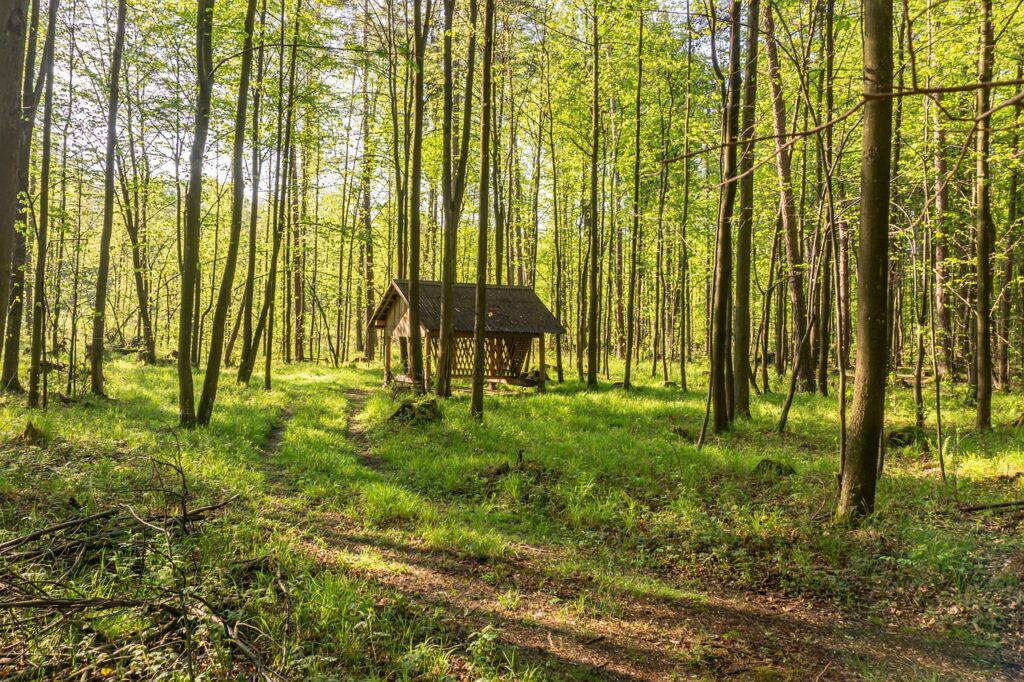
Good access and quality infrastructure can make or break a hunting lease. Properties with proper trails, parking, and shelters are easier for hunters to use, and they’ll pay for that convenience.
Infrastructure Features That Add Value
- Roads and Trails: Maintained paths keep hunters mobile and can be a big selling point.
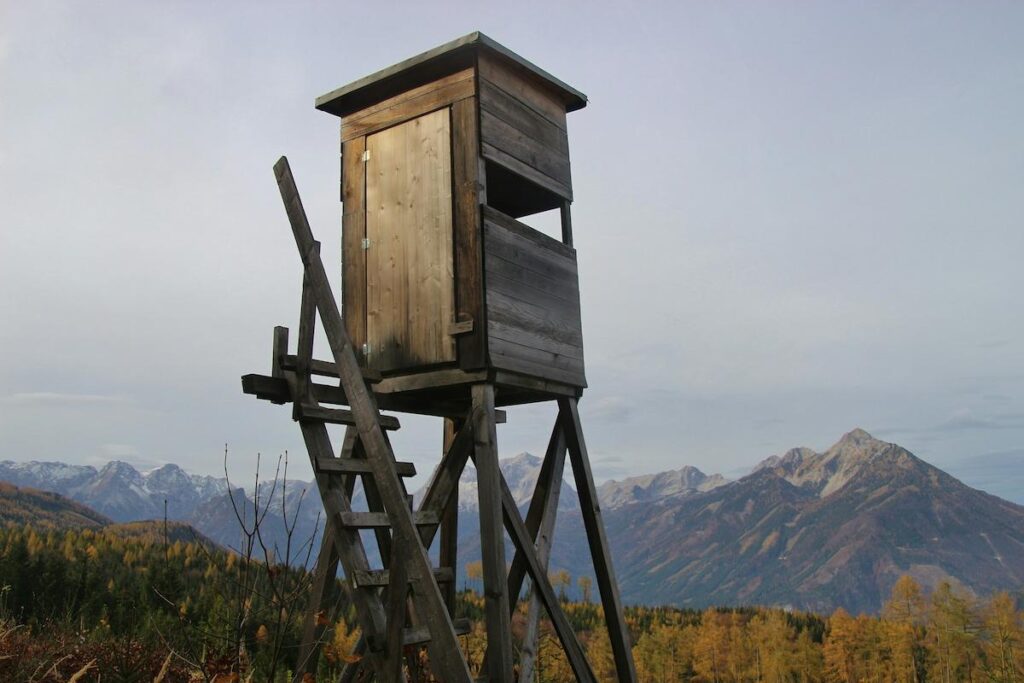
- Stands and Blinds: Pre-installed hunting blinds or stands save hunters setup time.
- Campsites or Lodging: Campsites, cabins, or RV hookups can elevate a property’s value, especially for multi-day hunts.
Without these amenities, your property may feel less user-friendly, which can push down the price.
6. Surrounding Land Use
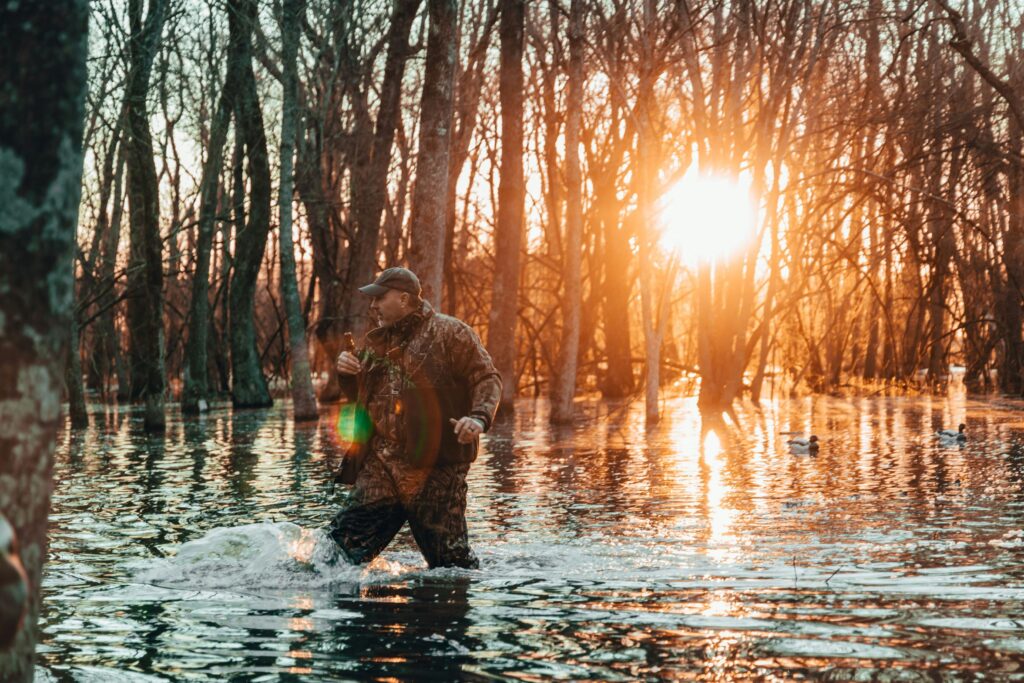
Land use around your property affects its desirability. Hunters value peace, quiet, and natural surroundings, so neighboring activities play a big role in lease pricing.
Favorable Neighboring Land Uses
- Adjacent Farmland: Crop lands attract game and provide food sources for animals year-round.
- Quiet Wooded Areas: Neighboring forests provide buffer zones that make hunting more effective.
- Protected or Conservation Lands: These reduce pressure on your property and encourage game presence.
Negative Influences
Properties next to busy highways, public hunting grounds, or urban areas often see reduced value. Too much human activity drives game away and can affect a hunter’s experience.
7. Historical Success
A strong hunting record can boost your lease value considerably. If your land consistently produces game, that’s a big selling point for hunters looking for proven success.
Benefits of a Track Record
Lessees want to know that a property is worth their time. Documented history—like trophy photos, testimonials, or harvest data—proves that hunters can expect results on your land. For returning lessees, these success stories build trust and help justify higher prices.

8. Management Practices
Good management practices make a property appealing. Hunters want to know the land is managed for long-term game health and quality. By practicing conservation and habitat management, you create a haven for game that keeps hunters coming back.
Effective Practices
- Predator Control: Managing predator populations supports higher game densities.
- Sustainable Harvest Plans: Keeping game populations healthy by balancing harvest limits.
- Food and Mineral Supplements: Controlled feeding programs keep game in good condition, making your property more attractive.
Hunters who value conservation and ethical hunting are drawn to properties with active management, and they’re often willing to pay more.
Habitat improvements can greatly impact lease appeal and pricing. What steps to take to create ideal wildlife habitats on your property outlines practical steps like planting food plots, installing water sources, and managing vegetation to attract more game.
9. Exclusivity & Access Terms
Exclusive leases and extended access rights increase lease value. Hunters prefer leases where they know they won’t be interrupted by other parties.
Exclusive Rights and Flexibility
- Exclusive Access: Single-group access lets hunters control the entire property, which many prefer.
- Extended Season Access: Offering pre-season scouting, or year-round access, can make the lease more attractive to serious hunters.
Shared leases can lower the value since they limit a hunter’s experience and may lead to crowding.
Granting exclusive hunting rights can mean a higher lease value, but non-exclusive leases may bring in more overall income. What you need to know about exclusive vs. non-exclusive hunting rights explains the pros and cons of each arrangement, so you can determine which suits your property best.

10. Wildlife Certification Programs
Land certified by recognized programs, like the Quality Deer Management Association (QDMA), is a draw for hunters interested in quality, conservation-minded leases.
The Value of Certification
Certifications signal that your land is high-quality and managed sustainably, appealing to serious hunters who prioritize conservation. Certification can command a premium, particularly for hunters invested in the ethical and sustainable hunting movement.
Certain species bring in higher demand and rates, making species-specific hunting leases an attractive option. This article explores how focusing on a specific species can draw in specialized hunters willing to pay a premium.

11. Unique Property Features
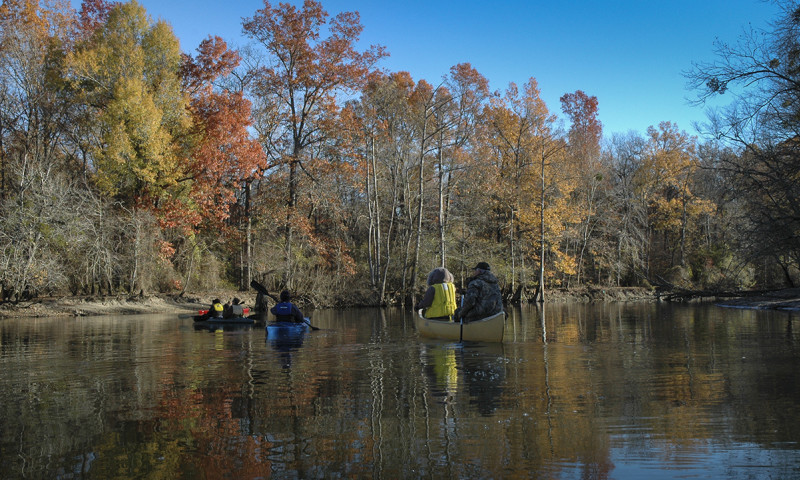
Special features like rivers, lakes, or historic elements can make a property stand out and justify higher rates.
Features that Attract Attention
- Water Access: Rivers and lakes attract game and create more diverse hunting options.
- Scenic Views and Terrain: Hills, valleys, and forested landscapes make for a more immersive experience.
- Historic or Cultural Sites: Unique landmarks or historic elements can appeal to hunters seeking a memorable experience beyond the hunt.
Add-Ons to Boost Lease Value
Ensuring your property is optimized for hunting takes some upfront work, but it can greatly improve lease value. Preparing your property offers advice on assessing your land, improving habitat, and making your property more appealing to hunters.
We’ve got a bunch more ideas for you to think about. These are all things you could do as add-ons to a standard hunting lease.
- Use Trail Cameras for Proof: Trail cameras provide a reliable way to monitor and showcase game activity on your land. Install five or six cameras in high-traffic areas. Offer edited footage to prospective hunters, or set up a subscription-based live feed so they can see game activity in real time.
- Create Food Plots: Planting food plots attracts game by supplying a reliable food source. Designate an open area, and plant clover, turnips, or other game-attracting plants. This investment can make your land a hotspot for hunting.
- Install Blinds and Stands: Well-placed blinds and tree stands give hunters convenient options without needing to set up their own. Position blinds near water sources or trails and ensure they’re stable and secure. List these as amenities to boost lease interest.
- Offer ATV Access: Many hunters appreciate the ease of using ATVs to navigate large or rugged properties. Set up clear, designated ATV paths and offer optional ATV rentals if you have them. Consider adding a per-day fee for ATV access.
- Provide Camping Facilities: On-site camping facilities—like tent sites, RV hookups, or even cabins—enhance your property’s appeal. Set up a few leveled tent spots or install RV pads with electricity and water access. This will attract hunters looking for multi-day hunts.
- Add Access to Fishing Spots: If your land includes streams, ponds, or lakes, fishing can be a valuable add-on. Stock ponds with fish if needed, and clearly mark fishing zones. Hunters may be willing to pay extra for access during off-hours or seasons.
- Allow Pre-Season Scouting: Giving hunters access for pre-season scouting helps them understand the property’s layout and game presence. Offer scheduled weekends for scouting where hunters can check game trails, set up cameras, and plan their strategies.
- Conduct Guided Hunts: Not every hunter wants to go it alone. Hire a qualified guide (or guide it yourself if you’re experienced) to help with hunting strategy and terrain navigation. Offer this as an add-on fee to give a premium experience.
- Offer Meat Processing Partnerships: Team up with a local processor to provide convenient meat processing for hunters. Arrange for easy drop-off points or partner discounts. Hunters appreciate the convenience of nearby processing, especially after a successful day.
- Designate Photography Zones: Wildlife photography attracts non-hunters who are still interested in experiencing your land’s natural beauty. Create a few designated photography areas and rent these spots by the hour, especially during seasons when hunting is low.
- Implement Predator Control Programs: Managing predator populations (e.g., coyotes, hogs) can improve game populations and land appeal. Consider offering predator hunts in the off-season. It’s a bonus income source and boosts your property’s appeal by supporting game health.
- Partner with Local Lodging: If camping isn’t an option, collaborate with nearby lodges or hotels to create package deals. Reach out to local hotels, lodges, or B&Bs, and negotiate discounted rates for hunters. This adds value for out-of-town guests.
- Provide Accessible Hunting Options: Creating accessible blinds, paths, and entry points widens your audience to hunters with mobility needs. Add wheelchair-accessible blinds, smooth entry paths, or handrails to attract a more inclusive range of hunters.
- Offer Hunting Dog Facilities: Some hunters want to bring their dogs for tracking and retrieval. Designate safe areas where dogs can be exercised or kenneled. Consider including a cleaning station or water access, adding appeal for hunters with tracking dogs.
- Set Up Shooting Ranges: A practice range lets hunters sight their rifles and practice shooting skills. Designate a safe area as a shooting range with clear backstops and proper signage. Charge a per-day access fee or include it as an add-on.
- Enhance Privacy with Boundary Markers: Ensure hunters feel secure and undisturbed by marking clear boundaries and no-trespass zones. Add visible signage around the property and explain any neighboring land uses to boost confidence in a secure hunt.
- Organize Off-Season Wildlife Viewing: Attract visitors year-round with off-season wildlife viewing tours. Set up observation spots and organize seasonal tours for non-hunters. This allows income during off-seasons and showcases the property’s game.
- Provide Local Hunting Resources: Compile a list of local resources like bait shops, taxidermists, and meat processors. Hand out this guide with every lease, making the experience more streamlined and convenient for hunters.
- Offer Flexible Payment Options: Hunters appreciate flexible payment structures, especially for higher-priced leases. Consider offering monthly payment plans or seasonal payment schedules to make the lease more accessible and attractive.
- Add Livestock-Free Zones: If livestock grazing occurs on your land, designate “game-only” zones where hunters know they won’t encounter livestock. This keeps hunting safe and uninterrupted, making your lease more desirable.
Different types of hunting leases can impact both income potential and land management needs. Choosing lease types guides landowners through the pros and cons of common lease options, from short-term to annual leases and species-specific agreements, to help you choose the best fit for your goals.
Deciding between a short-term or annual lease can impact how you manage both game and income. How to select between short-term and annual hunting leases covers the advantages and drawbacks of each type, helping you decide which aligns best with your goals.
How Hunting Locator Can Help
Hunting Locator connects landowners with hunters looking for quality leases. From listing your property’s unique features to helping you set competitive prices, Hunting Locator provides a platform where landowners find the right hunters who value their land’s potential. With tools for customized listings and marketing, we’re here to help you make the most of your property.
Safety is a key consideration for both landowners and hunters. Why safety first: identifying and mitigating hazards on hunting land provides a checklist to spot and address potential risks, creating a safer experience and protecting your liability.
Navigating Legal Essentials
Legal aspects are critical for successful and worry-free hunting leases. Navigating legal essentials covers everything from drafting agreements to understanding landowner liability, so you can lease with confidence and clarity.
How to Draft a Rock-Solid Hunting Lease Agreement
A well-written lease agreement protects both you and the lessee. How to draft a rock-solid hunting lease agreement provides essential tips and clauses to include, ensuring you have a comprehensive and clear contract in place.
Why Liability Insurance is Crucial for Hunting Landowners
Liability insurance provides vital protection for landowners against accidents or damage claims. Why liability insurance is crucial for hunting landowners explains the benefits of coverage, helping you safeguard yourself while leasing your land.
What State Regulations You Must Know Before Leasing Your Land
Every state has different regulations for hunting leases, from season dates to access requirements. What state regulations you must know before leasing your land covers the essentials to ensure compliance and avoid legal issues while leasing out your property.
Conclusion
Setting the right price for a hunting lease isn’t just about numbers. It’s about recognizing what your land offers and making it appealing to hunters. By understanding and optimizing these 11 factors—and adding value through custom options—you can maximize lease revenue while giving hunters the experience they’re after. To list your property and attract the right hunters, check out Hunting Locator and get started.


