North Carolina has plenty of wild turkeys, beautiful country and a turkey hunting heritage that spans generations. Whether you’re an experienced hunter or a first timer looking to get in on the spring rush, understanding the rules and best practices is key to a safe and successful season. 2025 has a few new wrinkles—like a youth season and specific Sunday hunting restrictions—that every turkey hunter needs to know. By the time you finish reading this, you’ll be ready to hunt turkeys in North Carolina with confidence.
Here’s a quick summary of what you’ll find in this article:
- 2025 NC Turkey Season Dates & No Fall Season
- Youth Season Rules, Bag Limits and License Exemptions
- Sunday Hunting Hacks & How to Stay Legal
- Habitat Insights and Tips for Prime-Time Success
- How to Get Private Land Access (and a look at Public Game Lands)
Ready to plan your spring turkey hunt? Let’s get started.
The NC Turkey Season
North Carolina is often overlooked by hunters who focus on bigger states but it delivers a lot of opportunity to harvest a male or bearded turkey every spring. The state’s varied habitat—coastal swamps and agricultural plains to rugged mountain forests—supports big flocks of wild turkeys. In fact you can run into vocal gobblers at first light across the state.
To manage and protect these turkey populations the NCWRC has a carefully structured season. One thing that may surprise newcomers is there is no fall turkey season here—turkey hunting is a spring only deal. Biologists have found that focusing hunting pressure on the breeding season helps keep flocks stable. Hunters in turn get a time of year when turkeys are vocal and responsive to calls and decoys.
Why This Matters
- Breeding Behavior: Spring is the time to call in male or bearded turkeys because they’re actively looking for hens.
- No Fall Season: Since you can’t hunt in the fall you need to plan for the April-May window.
- Conservation Success: Limiting harvest to spring also helps the state maintain healthy populations so hens can raise poults without additional hunting pressure in the fall.
2025 NC Season Dates and Structure
The 2025 turkey hunting season in North Carolina is divided into two segments:
| Season Type | Dates | Target | Notes |
|---|---|---|---|
| Youth Season | April 5 – April 11, 2025 | Male or Bearded Turkey | For hunters under 18 (only one turkey may be taken) |
| Statewide Spring Season | April 12 – May 10, 2025 | Male or Bearded Turkey | Uniform across all counties, no regional splits |
Youth Season Highlights
- Runs April 5 – April 11 (a full week) for youth hunters under 18.
- Designed to give younger hunters a chance to hunt turkey with fewer crowds.
- If you’re under 16 you’re an exempt hunter when accompanied by a fully licensed adult (18+).
- 16 and 17-year-olds must have a hunting license (plus a hunter education card) but can participate in the special youth week.
- Youth can only harvest one turkey during this period; that bird counts towards your total season limit.
Regular Spring Season Highlights
- Begins April 12 and ends May 10, 2025.
- One turkey per day, with a total seasonal bag limit of two bearded turkeys (although only one can be taken in the youth season if you participated).
- Applies statewide: mountain counties, Piedmont, coastal regions and game lands all have these same dates.
- Shotguns are the typical choice since using a handgun or rifle for turkey is prohibited.
Why No Fall Season?
North Carolina focuses on the spring breeding window so the state avoids overlapping hunts that could disrupt turkey population growth. Hens need to nest and raise poults without excessive disturbance so there are sustainable flocks for future seasons.

Must-Know Regulations and Bag Limits
Staying legal is key. Whether you’re an experienced hunter or a first timer here are the main rules to keep you in compliance:
Daily and Seasonal Bag Limits
- 1 turkey per day (must be a male or bearded turkey).
- Total season limit: 2 bearded turkeys, including youth and regular spring seasons.
- If you take a bird in the youth season that counts towards your 2-bird overall limit.
Tagging and Reporting
- Immediately tag your turkey with the big game harvest report card that came with your license.* You must report harvests within a reasonable time frame using the NCWRC’s reporting system. This updates the official big game harvest report for state records.
- License exempt hunters (youth under 16, certain older adults or individuals with special exemptions) still need a report card to record their turkey.
Weapons and Baiting Rules
- Handguns and rifles are not allowed for turkey hunting, shotguns and archery equipment are permitted.
- Hunting over or within 300 yards of a bait site is illegal. An area is considered baited until 10 days after all bait is removed.
- Possession of live wild turkeys or live birds indistinguishable from wild turkeys is strictly forbidden.
Sunday Hunting
- Sunday hunting is allowed on private and some public game lands but firearm use is restricted between 9:30 a.m. and 12:30 p.m.
- Plan accordingly if you want to hunt Sunday mornings—no shotgun blasts are allowed during those morning hours.
- Check if specific public lands allow Sunday hunting. Some do, some don’t.
Why These Rules Matter
Rules like restricted firearms, bag limits and baiting laws aren’t just about fairness; they protect the resource. North Carolina’s assistant chief of wildlife management often says it’s about balancing opportunity with sustainability. If every rogue hunter used bait or took multiple gobblers per day, populations could crash and undermine the harvest numbers we enjoy today.
Youth Hunting Essentials: Safety and Mentorship
Youth is key to North Carolina’s turkey hunting future. The dedicated youth season emphasizes the importance of mentorship and hunter safety.
- Hunter Education – Anyone born after a certain age cutoff (usually 1970s or similar) must complete a hunter education card course before licensing. Check the NCWRC website or local resources for free or low-cost hunter ed classes.
- Supervision – Hunters under 16 are exempt from licensing if they’re supervised by a licensed adult of at least 18 years old. This adult must be in close proximity to advise and handle any safety situations.
- Bag Limit – Youth can only take one turkey during the youth season. Taking a second must wait until the regular spring season starts and the overall limit is two bearded turkeys.Permit Hunts – Some special permit hunts on designated game lands are available for youth or novice hunters. These often have controlled hunting environments or additional guidance.
- Building Tradition – The spring youth week is a great time for parents, grandparents or mentors to pass on turkey calling skills, decoy placement and general outdoorsmanship to the next generation of hunters.
Sunday Hunting Restrictions Explained
Sunday hunting in North Carolina was banned in the past but recent changes now allow it under certain conditions. For turkey hunters the key is:
- Firearm use on Sundays is not allowed between 9:30 a.m. and 12:30 p.m.
- After 12:30 p.m. you can resume shotgun hunting if the public or private land in question allows Sunday hunting.
Why the 9:30 a.m. to 12:30 p.m. Ban?
Local traditions and considerations – like church services – led to a compromise. The Sunday morning partial restriction is an effort to balance the interests of hunters and non-hunting communities. Licensed adult turkey hunters often scout or listen for gobbles in that morning time then hunt in the early afternoon.
Habitat, Behavior and Strategies for Prime Time Success
When you hunt turkeys in North Carolina, understanding local habitat is half the battle. Eastern wild turkeys love diverse terrain with roosting trees, open areas for strutting and reliable food sources. The breeding cycle aligns with spring green-up:
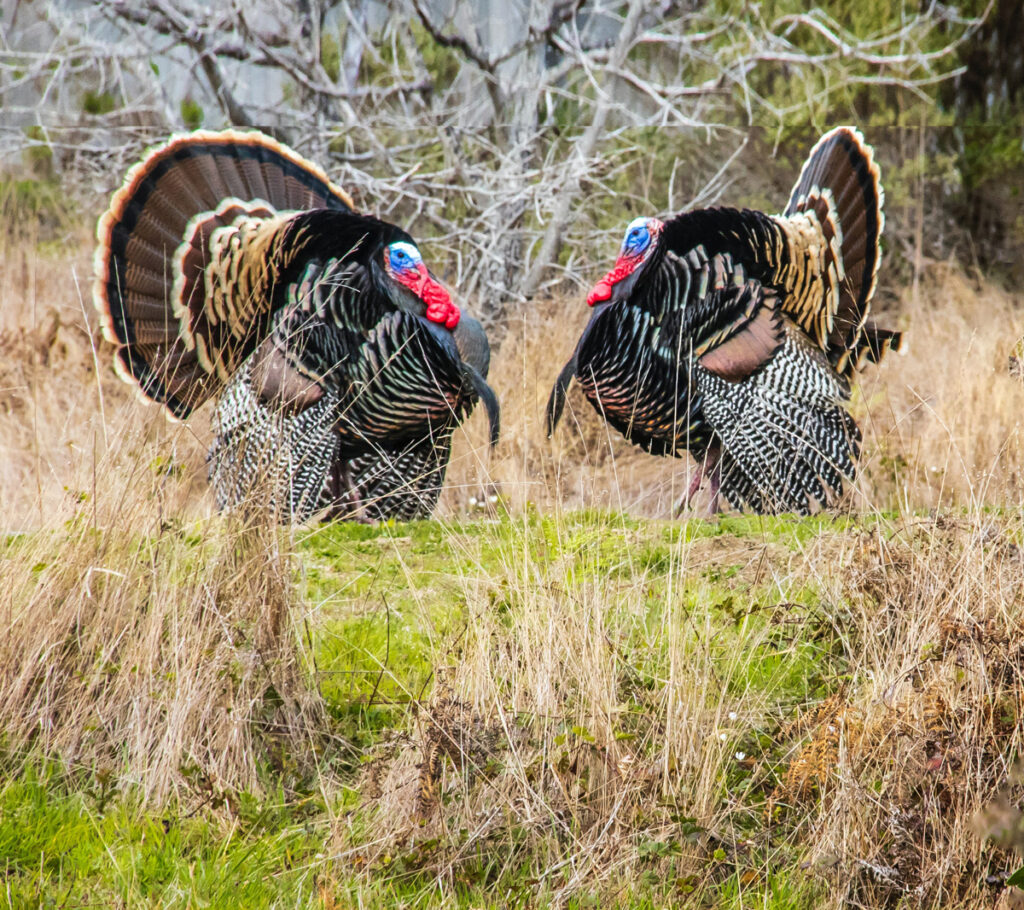
- Breeding & Gobbling: As days get longer toms (male turkeys, commonly called gobblers) start to get loud, especially at morning dawn and near roost sites.
- Decoys & Calls: Using hen or jake decoys can attract a lonely tom. Box calls, slate calls and mouth calls all work if you adapt to the conditions.
- Time of Day: Many hunters swear by early morning hunts because toms fly down from roosts at sunrise. However, late morning hunts – right after the Sunday restriction lifts – can be productive if gobblers separate from hens.
- Avoiding Bait: Don’t put corn or other feed near your blind or decoys. A property is still considered baited for 10 days after you remove the feed.
Seasonal Weather Patterns
- April in North Carolina can have cool mornings and warm afternoons so layering is key.
- Rainy spells may reduce gobbling but some dedicated hunters find success by quietly sneaking into feeding areas during drizzle.
Scout the Right Spot
- Food Sources: Look for fields, oak stands or edges where birds are foraging for seeds and insects.
- Roost Trees: Turkeys often roost near water sources like river bottoms or swampy hardwoods.
- Fresh Sign: Tracks, scratchings and droppings can confirm birds are using an area.
Putting in the time to learn a property’s turkey habits sets you up to see more birds and harvest responsibly.
Public vs. Private Land Access: Pros, Cons and Opportunities
North Carolina’s turkey population thrives on both game lands and private properties. Each has its advantages:
Public Game Lands
- Pros:
- Cheaper (sometimes free except for required licenses/permits).
- Large tracts of land to roam around.
- Some areas are well-managed to keep turkeys.
- Cons:
- Competition: Popular areas can get crowded especially on opening day or weekends.
- Restrictions: Not all public lands allow Sunday hunting or may require additional permits.
- Prime Areas: Certain wildlife management areas in the eastern counties have high turkey densities. But you need a permit hunt for some hotspots so check the NCWRC website.
Private Land Leases
- Pros:
- Less hunting pressure. You might have exclusive access and more relaxed gobblers.
- Flexibility in scheduling including Sunday hunts if local rules allow.
- Control over how you manage or improve habitat if it’s a long-term lease.
- Cons:
- Cost: Leasing can be expensive and prime turkey land is in high demand.
- Availability: Finding the right acreage at the right price can be tough on short notice.
Hunting Locator
If private land access is your style or you just want a spot to get away from the crowds—Hunting Locator makes it easy by connecting you with pre-vetted private landowners across North Carolina. Visit their North Carolina hunting leases page for transparent pricing and property info or check out North Carolina land for sale if you’re ready to buy your own piece of prime hunting ground. It’s the easiest way to get a top-notch hunting experience.

Safety Tips, Hunter Etiquette and Avoiding Violations
Turkey hunting is fun but it requires extra caution. Unlike deer hunting where blaze orange is standard in gun seasons—turkey hunters typically wear full camouflage to fool sharp-eyed toms. Here are some hunter safety reminders:
- Identify Your Target 100% – Before you pull the trigger make sure you’re aiming at a male or bearded turkey and not a decoy or another hunter. Gobbler calls and advanced camouflage can make it tough to tell.
- Wear Orange When Moving – Even if not required in some turkey seasons consider wearing a small fluorescent orange garment when walking to or from your spot. You can remove it once you’re settled.
- Avoid Stalking Calls – If you hear a tom gobble don’t creep directly toward the sound. Turkey hunting accidents often happen when two hunters are sneaking up on the same gobbler.
- Know the Baiting Laws – The 300-yard rule can catch unsuspecting hunters off guard. If you think a spot might be baited steer clear to avoid a ticket.
- Respect Property Lines – Always confirm your boundaries on private land. On game lands check for posted signs and respect all designated zones.
- Check Firearm Restrictions – Using a rifle or handgun to hunt turkeys is illegal in North Carolina. Stick to shotguns or archery gear.
- Consider Others – If you see another hunter parked in an area or hear someone working a gobbler give them space. Courtesy goes a long way in building a positive hunting community.
Following these guidelines not only keeps your hunt safe but also preserves the ethics that make turkey hunting so respected in the Tar Heel State.

Other Resources
For a deeper dive into deer hunting opportunities across the state, check out our guide on Deer Hunting in North Carolina. It covers prime hunting locations, season details, and tips for a successful hunt.
Curious about all the season dates and regulations? Our complete breakdown of the Hunting Season in NC outlines key dates, game species, and licensing requirements to help you plan your next trip.
Before heading out, make sure you’re up to speed on lease agreements and hunting laws by reading our post on Hunting Lease Rules and Regulations. Understanding these guidelines can help you avoid costly mistakes and ensure a smooth hunting experience.
FAQ
How many turkeys can I kill in 2025?
You can kill two bearded turkeys total for the season. One of those can be during youth week if you participate and the other during the regular spring season (April 12–May 10, 2025).
Do I need a special permit to hunt on public game lands?
Some public lands require a permit hunt for turkeys. Others allow general access with your basic hunting license and game lands privilege. Always check the NCWRC’s website or local office for rules on the game lands you plan to visit.
Can I hunt on Sundays?
Yes, but with restrictions. You can’t use firearms between 9:30 a.m. and 12:30 p.m. on Sundays. On certain public lands Sunday hunting may be prohibited or require a special permit. Check local rules before you go Sunday hunting.
Are youth hunters really exempt from all licenses?
Youth under 16 are license exempt hunters when accompanied by a licensed adult (18+). However, they still need a big game harvest report card to report any turkey harvested. 16 and 17 year olds must have a regular license.
What if I see corn or feed on a property but didn’t put it there?
The property is considered baited if feed is present or was present in the last 10 days. If you’re not sure, it’s best to avoid hunting within 300 yards of that feed site. Officers can ticket you even if you didn’t put the bait there.
The Bottom Line
North Carolina offers a great opportunity to turkey hunt in beautiful forests, fields and wetlands. Season opens with a youth segment from April 5–11 and then the main season from April 12–May 10. By following bag limits, Sunday firearm restrictions and using common sense around baiting and safety you’ll have a legal hunt and set yourself up for a tradition.Looking to get away from the crowds or just want a spot to yourself? Don’t forget private land leases can make your turkey season. Hunting Locator can help you get that perfect piece of North Carolina ground so you can focus on the hunt. From bag limits to the thrill of hearing a tom boom at dawn the North Carolina turkey season is a spring highlight for many hunters. Now’s the time to prepare, scout and gear up so you’re in position for a hunt to remember.
Ready to go? Gear up, follow the rules and chase those strutting toms responsibly. Good luck and may your calls ring true in the Carolina dawn this April.


