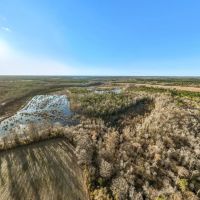
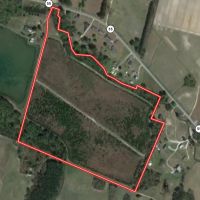
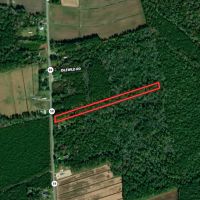
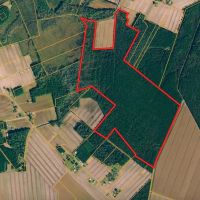
Hunting Land for Sale in NC
Discover essential agencies and guidelines that shape North Carolina hunting land. Below, you’ll find helpful links to official government sources, along with a preview of Hunting Locator’s tools and information on north carolina land prime for whitetail deer, wild turkey, and other common game species.
North Carolina Wildlife Resources Commission
The North Carolina Wildlife Resources Commission (NCWRC) is your main authority for hunting regulations, bag limits, and license details, whether your hunting property sits in the coastal plains or the blue ridge mountains. Check their Fishing, Hunting & Trapping Regulations page for season updates and consult the What to Hunt section to understand which animals—like black bear or whitetail deer—thrive in your region.
If you’re considering land for sale in eastern north carolina or near the outer banks, the NCWRC’s interactive map can help identify areas rich in abundant wildlife. This is particularly valuable if you own a private country estate in Craven County, Pitt County, or rural Rowan County and want to hunt whitetail deer or wild turkey.
NC State Extension
For legal and practical insights on managing your north carolina land, NC State Extension’s resources detail liability, property care, and important considerations such as north carolina water rights. Even if you’re transforming a hunting tract into a modern log home or a private country estate, these guidelines help ensure a smooth process.
Whether you’re assessing a future timber investment potential or carving out a wooden walkway leading to a swamp land area, NC State Extension’s farm-related materials can apply to hunting properties, private residential development, or a mix of both.
Liability and Legal Considerations for Hunting Property
Staying compliant and safe is paramount when investing in hunting land. From potential residential development to a great hunting retreat, understanding liability helps protect your finances and your peace of mind in north carolina.
Landowner Liability Resources
Landowners in NC have varying obligations depending on how land is used. If you plan to maintain a thriving pine stand planted for timber land or have a portion dedicated to a few horses, liability rules can differ. Written agreements and insurance clauses often address topics like road frontage, gated and paved driveways, or if your property boasts a quaint little community aspect.
Properties in Davie County NC or Cabarrus County might have different local codes, especially if you’re near numerous rivers or planning a rural living setup. Consulting reliable liability materials ensures your hunting land remains a safe, unique property with minimal legal risks.
Recreational Use Statutes
North Carolina offers recreational use protections for landowners, but these can change if you’re charging fees or planning a private country estate that includes a hunting tract. Whether your property is in Beaufort County or Tyrrell County, verifying your responsibilities for safety measures—like signage or deer sign postings—keeps your land safe for you and your guests.
For more detailed info on property rights or local ordinances, check official NCWRC pages or contact the North Carolina Department of Environmental Quality. Familiarity with these statutes is invaluable when you’re balancing a legacy farm concept or the possibility of a big buck country investment.
North Carolina Hunting Overview
North Carolina offers an incredible variety of habitats, from swamp land in the coastal plains to rolling hills in the piedmont region, all the way to the lush blue ridge mountains. This diversity supports common game species like whitetail deer, black bear, and wild turkey, making it ideal for hunting land for sale.
Geographic Diversity
Looking to purchase a rural hunting property with extensive acreage? Eastern North Carolina features abundant wildlife, prime for those who want to hunt whitetail deer in a thriving pine stand. Meanwhile, the piedmont region boasts rolling hills that can double as farmland or timber land.
In the mountains near Pisgah National Forest or Uwharrie National Forest, you might find a modern log home spot with a breathtaking view. Each county—be it craven county, hyde county, or rural rowan county—holds unique opportunities for a future timber investment potential, thanks to planted pines or planted mixed age timberland.
Game Species and Seasons
North Carolina’s hunting season covers whitetail deer, black bear, and wild turkey, with bag limits and rules varying by zone. If your land offers planted pines or big open fields, you may attract deer sign throughout the year. Common game species also include ducks and small game, though deer remain a favorite.
Consult Hunting Season in NC for the latest dates. Whether your hunting tract is set near the outer banks or tucked into a barrier islands region, regulations apply statewide. This ensures each property remains a haven for abundant wildlife now and in the future.
Hunting Regulations
Bag limits, tagging procedures, and legal weapon types can vary. Some counties encourage minimal disruption for a private country estate, while others permit expanded hunts. If you spot potential for a big buck in your newly acquired property, always confirm local guidelines before heading out.
Official state documents clarify essential practices. Check the 2024–25 Regulations Digest or see Deer Hunting in North Carolina for in-depth coverage. Following these rules preserves your land’s natural beauty and helps you build a safe, thriving environment for wildlife.
Public and State-Run Lease Options
Even when purchasing a hunting property or building a private country estate, you might benefit from exploring public or state-run areas that complement your investment. These lands can serve as overflow hunting spots or additional recreational property for your family.
NC Department of Environmental Quality’s Game Lease Program
The Game Lease Program connects hunters to select state-owned land, including spots in Pitt County or Beaufort County known for excellent hunting land. Though these areas are leased, studying their habitat management can inspire ideas for your own unique property.
Whether you plan to develop a residential section or keep your new acreage fully wild, learning about official stewardship practices benefits your property in the long run. Many of these public tracts feature a thriving pine stand or future timber investment potential—tips you can adapt on your own land.
National Forests and Other Public Lands
National forests, like Pisgah National Forest or Uwharrie National Forest, provide open hunting opportunities under federal and state guidelines. Even if your land for sale is a prime location for a modern log home, you might still enjoy exploring these nearby public areas for additional recreation.
Use Where to Hunt resources to identify roads and boundaries around your property. Though not a replacement for your own private estate, a blend of public and private hunting resources can expand your love for north carolina land and its abundant wildlife.
Hunt Clubs (Mention Only)
Some hunters opt for clubs to share costs and scheduling. While you might prefer a private country estate or a large rural living setup, hunt clubs exist statewide—especially in big buck country zones—offering community and group hunts. Research local listings if you ever want to tap into collective hunting or friend-group outings.
Planning Tools and Resources
After finding hunting land for sale in NC—whether it’s a secluded property boasts planted mixed age timberland or a potential for residential development—having the right planning tools ensures you maximize its value. From targeted mapping to weather checks, small steps keep you safe and prepared.
Mapping and Property Research
When scoping out North Carolina Public Hunting Land or analyzing a North Carolina Hunting Land for Sale listing, call chase furlough or call caitlyn bass for immediate assistance on crucial details. They can guide you on road frontage specifics, north carolina water rights, or whether the land offers planted pines that can become a legacy farm or a future timber investment.
County GIS can reveal everything from swamp land sections to a gated and paved driveway that enhances property access. If you’re aiming for a unique property with a potential for a few horses and a recreational property aspect, these resources offer an invaluable investment opportunity for big or small budgets.
Weather and Safety
Sudden storms or floods may affect coastal plains and barrier islands, while snowfall can impact the mountainous regions near the blue ridge mountains. Checking forecasts ensures safe travel along a rural road frontage or a wooden walkway leading down to a creek.
Communicate your plans to family or neighbors—especially when evaluating new land for sale in north carolina. Maintaining a first-aid kit and navigation tools is crucial whether you’re chasing black bear in the hills or simply touring a prime location for an upcoming sale in North Carolina.
Additional Tips and Contact Information
Make the most of your newly acquired land by staying updated on official announcements and using Hunting Locator’s platform. With the right guidance, your hunting tract can become a great hunting retreat, offering natural beauty and rural living for generations.
Hunting Locator Assistance
For advice on structuring a Hunting Lease Agreement or discovering how to Hunt Whitetail Deer effectively, visit our blog. We also feature updated Hunting Land for Sale in NC listings. Call chase furlough or call caitlyn bass for immediate assistance if you’ve found a property that interests you.
Whether you’re eyeing a private estate in Craven County or a property in Davie County NC near High Rock Lake, our team can help match you to extensive acreage or an established timber land. From big buck country to hidden corners of the piedmont region, we’ll guide you in making a smart, long term land investment.
Official Hotlines and Local Resources
- NCWRC Helpline: Via ncwildlife.org, inquire about local hunting season changes or rules for black bear and wild turkey.
- County Extension Offices: Excellent for tips on thriving pine stand management, local climate data, or modern log home considerations.
If your property boasts rolling hills, a thriving pine stand planted for future timber, or simply a prime location near numerous rivers, these resources ensure safe, productive land use. They help you protect your land’s natural beauty and fully enjoy the hunting opportunities that north carolina offers.