This guide is your key to unlocking an incredible South Dakota deer hunting season. We’re diving deep into everything you need to plan your adventure, from understanding the complex season dates and license draws to discovering prime public land spots and even how to find exclusive private land opportunities. Think of this as your personal playbook for navigating the Mount Rushmore State’s diverse deer hunting seasons.
Here’s what you’ll discover inside:
- Key Dates & Regs Simplified: We break down the essential sd deer hunting season info, license requirements, and critical rules like CWD precautions.
- Where the Deer Are: Uncover the best regions for whitetail deer vs. mule deer, plus how to access millions of acres of public ground and find private spots.
- Insider Tips for Success: Boost your odds with proven tactics for scouting, understanding deer behavior during the rut, and choosing the right gear for South Dakota’s unique terrain.
Ready to start planning? Let’s get into the details of making your South Dakota hunt a reality.
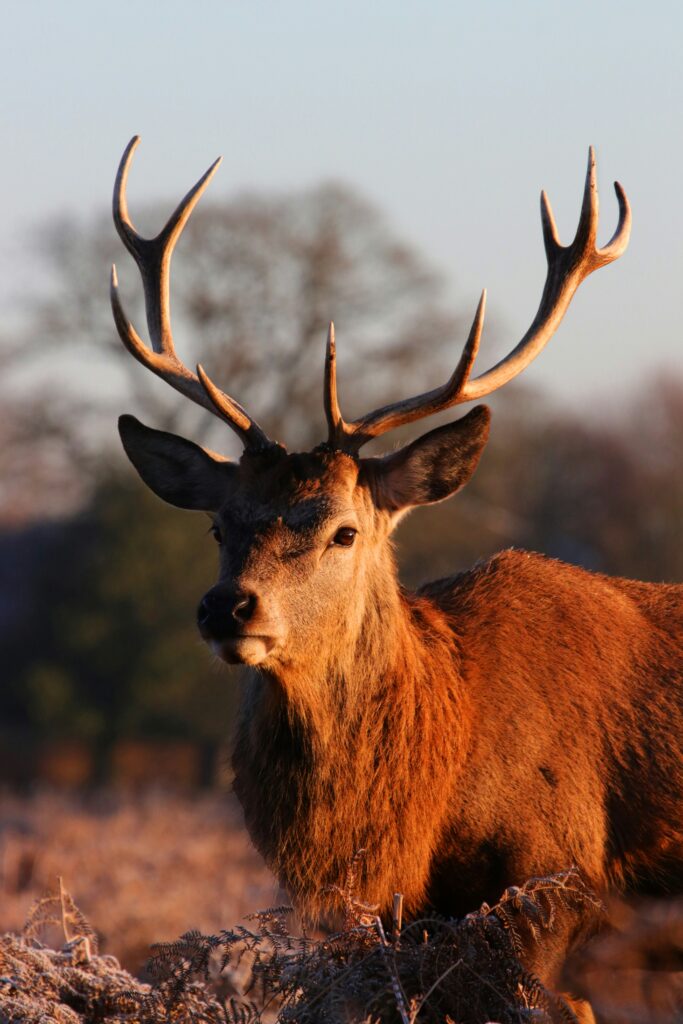
South Dakota Deer Hunting Season: The Big Picture
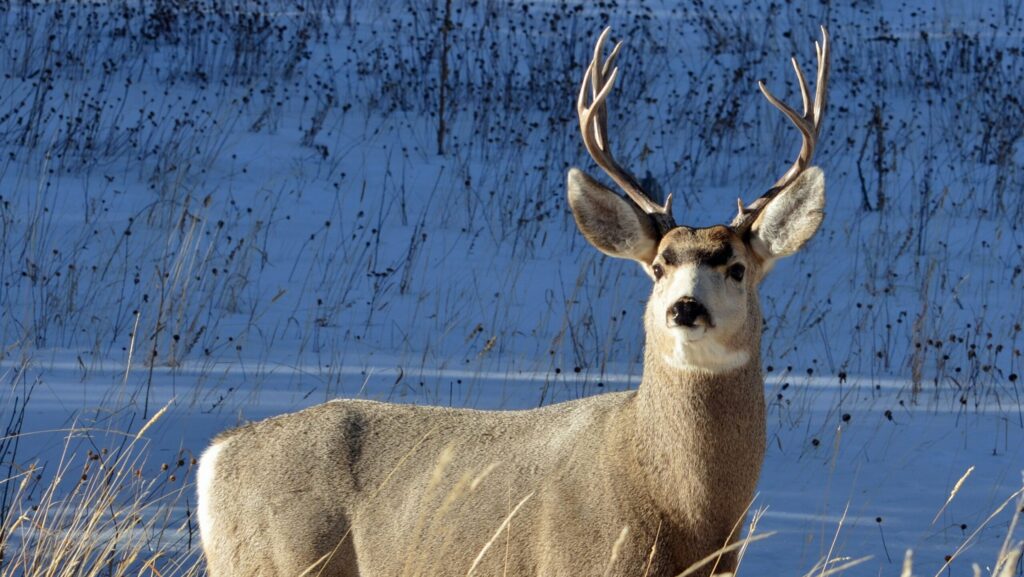
Deer hunting in South Dakota is more than a pastime; it’s a cornerstone of wildlife management and a significant economic driver. Thanks to the dedicated efforts of the South Dakota Department of Game, Fish and Parks (SD GFP), the state’s deer populations have rebounded significantly since the early 20th century, making hunting remains a popular and sustainable activity since the 1950s. You’ll find abundant White-Tailed Deer across the state, especially east of the Missouri River, while Mule Deer dominate the western prairies, river bottoms, and rugged Badlands. The famed Black Hills region offers opportunities for both big game species.
While numbers can fluctuate year to year due to weather and habitat conditions, South Dakota generally boasts healthy deer populations, estimated around 440,500 pre-season in 2023. Hunter success rates are often favorable compared to neighboring states, with an average annual harvest of roughly 47,000 White-Tailed Deer in recent years. This robust population supports diverse deer hunting seasons, ensuring plenty of opportunities for deer hunters.
Here’s a quick look at the main season types and general timeframes:
| Season Type | Typical Timeframe | Common License/Tag Types | Unit Specific? |
|---|---|---|---|
| Archery | Sept 1 – Jan 1 | Any Deer, Any Whitetail, Antlerless Whitetail, Private Land Only | Generally No |
| Firearm (West River) | November | Any Deer, Any Whitetail, Antlerless Whitetail, Any Mule Deer, etc. | Yes |
| Firearm (East River) | Late Nov – Early Dec | Any Deer, Any Whitetail, Antlerless Whitetail | Yes |
| Firearm (Black Hills) | November | Any Deer, Any Whitetail, Antlerless Whitetail, Any Mule Deer, etc. | Yes |
| Firearm (Mentored/Youth) | Sept 1 – Jan 1 | Mentored Deer Tag (Restrictions Apply) | Yes |
| Muzzleloader | Dec – Jan 1 | Any Deer, Antlerless Whitetail | Yes |
Note: Always check the official SD GFP regulations for specific dates and rules for the year you plan to hunt.
Before you can hunt, you’ll need the proper licenses and potentially permits. Understanding the requirements is crucial:
- Base License & Habitat Stamp: Most hunters need a general hunting license (resident or non-resident) and a Habitat Stamp before applying for or buying deer tags.
- Deer Tags: Specific tags are required for each deer season and unit. Many firearm tags are issued through a lottery (preference point system).
- Hunter Education: Hunters under 16 need to complete a HuntSAFE course. South Dakota recognizes certifications from other states meeting IHEA-USA standards.
Interested in other game? Check out these resources:
- South Dakota Hunting Seasons – This post covers all the hunting seasons in SD. Whether you’re after deer, antelope, turkey, pheasant, or even predators, you can find information here about the season dates, bag limits, and the license you’ll need to hunt your chosen species.
- South Dakota Pheasant Hunting – The Rushmore State is the pheasant capital of the world. Hunters flock to the state every year to fill their bags with these prized game birds. Read this post to learn all about when to hunt, where to hunt, and how to get your license and papers in place so you can be stalking the field with your dog when the season opens.
Cracking the Code: South Dakota Deer Hunting Seasons
South Dakota offers a fantastic variety of deer hunting seasons, catering to different preferences and hunting styles. Knowing the details of each season is the first step to planning your trip. Let’s break down the main ones:
Archery Season: The Long Game
The statewide archery season typically offers the longest window, running from September 1 all the way to January 1. If you’re a resident, you can usually grab an archery tag over-the-counter (OTC). Non-residents aiming for public land need to enter a draw with an April deadline, though private-land-only tags might be available OTC later. Tags often cover “Any Deer,” giving you flexibility for either whitetail or mule deer, though some units offer specific antlerless tags. Remember the gear requirements: bows need a minimum draw weight of 30 pounds for deer, and specific rules apply to arrows and broadheads. This season is perfect if you enjoy the challenge of getting close and want ample time in the field.
Firearm Seasons: Prime Time Opportunities
Firearm seasons are the most popular and are generally managed through a lottery system to maintain quality hunting remains. These seasons are often unit-specific, meaning your tag is only valid within certain boundaries.
- West River Prairie Deer: This hunt, typically in November, is a favorite for targeting both mule deer and whitetail deer in the state’s iconic western landscapes. Licenses are mainly draw-based (June deadline), and non-residents can apply. You might draw an “Any Deer” tag or one specific to mule deer hunts or whitetail hunts, including antlerless options depending on the unit. This is classic South Dakota prairie hunting.
- East River Prairie Deer: Occurring from late November into early December, this season focuses on the whitetail deer populations east of the Missouri River. It’s primarily a resident-only draw (June deadline), offering “Any Deer” and antlerless whitetail tags. Expect to hunt agricultural areas, shelterbelts, and river bottoms.
- Black Hills Deer: The Black Hills offer a unique experience, with hunts for both species occurring in November. Both residents and non-residents can apply for these draw licenses (June deadline). Tag types vary by unit within the Hills and can include “Any Deer,” species-specific tags (Any Whitetail, Any Mule Deer), and antlerless options. This hunt combines forest terrain with potential prairie edges.
- Special Buck Seasons: Looking for a mature trophy? The Special Buck seasons (West River Special Buck and East River) offer dedicated opportunities but often require significantly more preference points to draw. Application deadlines are usually earlier, often in April. These are highly sought after hunts for serious trophy hunters.
- Mentored/Youth Deer: Running from mid-September to January 1, this season encourages new hunters. Licenses are available for resident and non-resident youth (under specific age rules) who must be accompanied by a qualified adult. There might be restrictions on the species, sex, or unit you can hunt.
For all firearm seasons, ensure your rifle or handgun meets the minimum energy requirements and uses appropriate expanding bullets. Fluorescent orange outerwear is also mandatory for firearm big game hunting (excluding turkey and mountain lion).
Muzzleloader Season: Late Season Challenge
If you enjoy the traditional challenge of muzzleloader hunting, this deer season, typically in December and extending into January, might be for you. “Any Deer” tags are generally available through a draw, often limited to residents. Antlerless whitetail tags might also be offered. Legal muzzleloaders have specific caliber requirements (.44+ for rifles, .50+ for handguns), and telescopic sights are not permitted. This late season can be cold, but offers a quieter hunt after the main firearm seasons conclude.
Always double-check the SD GFP Handbook for the current year’s exact season dates, application deadlines (often Central Time), and specific regulations before you apply online or head afield.
Licenses and Permits: Your Ticket to the Hunt
Navigating the South Dakota licensing system is crucial for a smooth deer hunting trip. It might seem complex, but breaking it down makes it manageable. You generally need a base license before you can even think about deer tags.
Hunting Licenses: The Foundation
Before applying for any specific deer tags, most hunters need two things:
- Base Hunting License: Residents typically need a Resident Small Game or Basic Hunting License, while non-residents need a Non-Resident Small Game or Basic Hunting License.
- Habitat Stamp: Anyone 18 or older applying for or purchasing a hunting license generally needs to buy a Habitat Stamp. Funds from this stamp support wildlife habitat projects across the state.
Think of these as your entry ticket – you need them first.
Deer Permits (Tags): Getting Specific
This is where it gets more detailed, especially for the popular firearm seasons which rely heavily on a lottery draw system.
- The Draw System: Most firearm deer licenses (West River, East River, Black Hills, Muzzleloader, Special Buck) are allocated through a lottery managed by the South Dakota Game, Fish and Parks (SD GFP). You apply online through their portal, usually well before the season.
- Application Deadlines: Pay close attention! Deadlines for fall firearm seasons are typically in June (though Special Buck and non-resident archery are often earlier, around April). Missing a deadline means waiting another year. Mark your calendar!
- Preference Point System: This system rewards loyalty. If you apply for a limited license as your first choice and are unsuccessful in the first drawing, you receive a preference point. More points increase your odds in future draws. Using your points is mandatory for your first choice in the first draw. There’s a small fee for residents ($5 in 2024) and a higher one for non-residents ($10 in 2024) to gain a point if unsuccessful. You can also choose to just buy a point without applying for a license. Understanding how many points are typically needed for your desired unit type choice is key – check the SD GFP draw statistics from previous years.
- Unit Choices: When applying, you must select a specific hunting unit. Licenses are generally valid only within that unit’s boundaries. Study the SD GFP maps carefully to understand where you can legally hunt.
- Resident vs. Non-Resident: While non-residents can apply for many licenses (like West River and Black Hills firearm, or archery tags), quotas are often smaller than for residents. East River firearm tags, for example, are generally resident-only. Residency requires establishing a domicile in South Dakota for 90+ consecutive days and not claiming residency elsewhere. License quotas ensure opportunities are balanced.
- License Types: Depending on the unit and season, you might apply for:
- “Any Deer” (either species, either sex)
- “Any Whitetail”
- “Antlerless Whitetail”
- “Any Mule Deer”
- “Antlerless Mule Deer”
- Special Buck License
- Over-the-Counter (OTC) Options: Some licenses don’t require a draw. Resident archery tags are typically OTC. Non-resident private-land-only archery tags might also be OTC. Occasionally, leftover firearm tags from the draws become available OTC, but these are less predictable.
- Costs: Fees vary. In 2024, resident tags ranged from $5 (youth) to $45+ (Any Deer/Special Buck). Non-resident tags are significantly higher, around $375 for “Any Deer” and $650 for Special Buck. Remember to factor in the Habitat Stamp ($10 resident, $25 non-resident in 2024) and any preference point fees. Application fees themselves are generally not charged for deer.
Always consult the official SD GFP website or Hunting Handbook for the most current license information, application deadlines, fees, and residency rules. The system aims for fairness in maintaining populations at levels compatible with the habitat and providing diverse hunting opportunities.
Where to Hunt Deer in South Dakota: Public Land, Private Land, and Guided Hunts
South Dakota offers a fantastic mix of places to pursue deer, from vast stretches of public land to exclusive private tracts. Knowing your options helps you tailor your hunt to your preferences and budget.
Best Public Lands for Deer Hunting
With over 5 million acres accessible to the public, you’ve got options! Don’t overlook these prime areas:
- Game Production Areas (GPAs): Managed by SD GFP specifically for wildlife, these often hold good deer numbers and provide excellent habitat.
- Walk-In Areas (WIAs): These are private lands leased by GFP for public hunting access. Respect the rules, as access depends on landowner cooperation. You can find maps of WIAs on the GFP website – a great way to expand your hunt area.
- National Forests & Grasslands: The Black Hills National Forest is a massive area offering chances at both whitetail and mule deer in forested terrain. In the west, National Grasslands like Fort Pierre and Grand River hold strong mule deer populations in prairie environments.
- Waterfowl Production Areas (WPAs): Managed by the U.S. Fish and Wildlife Service, these wetlands and surrounding uplands can also be productive spots for deer hunters, especially whitetails.
- School and Public Lands: State or county-owned lands might also be open. Always verify access rules before hunting.
Generally, if you’re after mule deer, focus your efforts west river, including the Badlands, Missouri River Breaks, and parts of the Black Hills. For higher densities of white tailed deer, look to the eastern regions, agricultural areas, and river bottoms statewide, including within the Black Hills.
Remember, most firearm licenses are unit-specific. Use the SD GFP mapping tools to overlay unit boundaries with public land layers. It’s your responsibility to stay within your designated unit. Don’t forget areas like Custer State Park or near Wind Cave National Park may have specific regulations or limited hunting opportunities, so check those details carefully.
Ready to hunt? Look at our list of South Dakota Public Hunting Lands to find the right spot to bag your next buck.
Guided Hunts
If you’re short on time, new to the area, or want access to prime private ground, a guided hunt is a great option. Numerous outfitters and lodges across South Dakota specialize in whitetail and mule deer hunts. Services often include:
- Scouting and stand placement
- Expert guiding during the hunt
- Access to private ranches or leases
- Lodging and meals
- Field care and retrieval assistance
Costs vary widely based on the outfitter, hunt duration, trophy potential, and services included. Research reputable outfitters through hunting directories, online reviews, or organizations. Keep in mind that guiding on public land or WIAs is generally not permitted, so guided hunts typically mean access to private property.
Private Land Hunting
The vast majority of South Dakota is privately owned. Hunting here requires landowner permission – no exceptions. Trespassing is taken seriously.
- Asking Permission: Building relationships with landowners is key. Approach them respectfully well before the season, clearly explain who you are and what you’re asking for, and be prepared to offer help with chores or follow specific rules they set. A good relationship can lead to years of access.
- Leasing Private Land: For exclusive access, leasing hunting rights is common. This can range from leasing a small parcel from a farmer to joining a large lease covering thousands of acres. Finding these opportunities can be challenging. Word-of-mouth helps, but increasingly, hunters turn to online platforms.
This is where Hunting Locator shines. Finding quality private land to lease or even buy can feel like searching for a needle in a haystack. Hunting Locator streamlines that process, connecting deer hunters directly with landowners offering leases across South Dakota and the entire country. Instead of spending weeks making calls or knocking on doors, you can browse available properties, filter by acreage or county, see photos, and contact owners directly through the platform. For landowners, it’s a free way to list their property and reach thousands of serious, vetted hunters looking for opportunities. Hunting Locator bridges the gap, making private land use for hunting more accessible and efficient for everyone involved. Whether you want to lease for a season or find that perfect piece of ground to call your own, it’s the go-to resource.
South Dakota Deer Hunting Tips for Success
Tagging a South Dakota deer takes more than just showing up. Success often comes down to preparation, strategy, and adapting to the conditions. Here are some top tips:
- Scout Smart: Pre-season scouting is crucial. Use online mapping tools (like those available to Hunting Locator Premium members ) to identify potential public areas or get an aerial view of your private lease. Look for funnels, pinch points, water sources, and bedding areas. On the ground, search for fresh sign like tracks, rubs, and scrapes. Glassing from high points is effective, especially in the open west river country.
- Understand Deer Behavior & The Rut: Know when the rut typically peaks (usually mid-to-late November). Bucks become more active and less cautious. Rattling antlers and using grunt tubes can be very effective during this time. Understand how deer use different habitats – prairie deer often relate to shelterbelts and draws, while Black Hills deer use timber for cover and openings for feeding.
- Master These Hunting Techniques:
- Stand/Blind Hunting: Ideal for patterned whitetails near food sources, trails, or bedding areas. Patience is key.
- Spot-and-Stalk: Highly effective for mule deer in open terrain. Use quality optics to locate deer from afar, then plan a careful approach using terrain and wind to your advantage.
- Still-Hunting: Slowly and quietly move through likely habitat, stopping often to look and listen. Good for covering ground in thicker cover like river bottoms or timber.
- Play the Wind & Control Your Scent: Always know the wind direction and use it to your advantage, approaching or setting up downwind of where you expect deer to be. Minimize your human scent by using scent-eliminating sprays, soaps, and storing clothes properly.
- Choose the Right Gear: Ensure your firearm or archery equipment is legal and sighted in. For rifle hunting, common calibers like .270, .30-06, or .308 are excellent choices. Quality binoculars are essential for glassing. Dress in layers to adapt to changing weather, and don’t forget fluorescent orange during firearm seasons.
- Hunt Key Times & Conditions: Dawn and dusk are often peak activity times. However, don’t overlook midday movement, especially during the rut or in cold weather when deer might move to sunny slopes. Weather changes (like an incoming cold front) can trigger activity.
- Know CWD Regulations & Meat Care: Be aware of Chronic Wasting Disease (CWD), a fatal brain disease affecting deer. It’s present in parts of South Dakota, mainly west river and the Black Hills. Follow SD GFP guidelines on carcass transport and disposal, especially if hunting in CWD zones. Consider getting your harvested deer tested. Field dress your deer promptly and cool the carcass quickly to ensure quality meat. Have a plan for packing out your deer, especially if hunting far from a road.
- Mule Deer vs. Whitetail Tactics: Adapt your approach. Mule deer often rely on their eyesight in open country – glassing and long-range observation are key. Whitetails tend to stick closer to cover – focus on transition zones, food sources, and understanding wind currents in relation to bedding areas.
FAQ
How does the SD deer draw work?
Most firearm licenses use a lottery. You apply online by the deadline, selecting your unit/season. Unsuccessful applicants in the first drawing get a preference point, increasing odds next year. Points are mandatory for your first choice. Draw results are usually posted online.
How many preference points do I need for unit X?
It varies greatly by unit, season, residency, and tag type (special buck tags need the most). Check the SD GFP website for “Draw Statistics” from previous years – this gives the best estimate of points needed for specific unit type choices. Some units take many points, others might be drawn with zero or one.
What are the CWD regulations/zones?
CWD is primarily found west river and in the Black Hills/Fall River counties, but regulations apply statewide. Key rules involve carcass transport – generally, only cut-and-wrapped meat, quarters, heads/antlers, and hides can leave the unit of harvest for positive units. Whole carcasses cannot be transported out of CWD units. Check the SD GFP website for current CWD zone maps and detailed transport/disposal rules. Testing your harvested deer is recommended, especially in affected areas.
Best units for Mule Deer?
Generally, look to the western half of the state. Units in the Black Hills, Badlands regions, Perkins and Harding counties, and along the major river breaks (Missouri River, Cheyenne River) are known for good mule deer hunts. Check harvest data on the GFP site.
Best units for Whitetails?
Whitetail deer are abundant statewide, but densities are highest east of the Missouri River. River corridors (James River, Big Sioux River), agricultural areas with wooded draws, and parts of the Black Hills offer excellent whitetail hunting. Eastern units often have higher license quotas for whitetails.
When is the rut in South Dakota?
The peak breeding activity, or rut, typically occurs from early November through early December, often peaking around mid-to-late November. This is when bucks are most active and responsive to calls/rattling.
Can non-residents easily get tags?
It depends. Archery tags for public land require a draw, but private-land-only tags might be OTC. Firearm tags for desirable units (West River, Black Hills) can be competitive in the draw, requiring preference points. Some units/seasons have better non-resident odds than others. Research draw statistics to gauge your chances for a specific hunt.
What rifle caliber is recommended?
Any caliber producing at least 1,000 ft-lbs of energy at the muzzle with soft-point/expanding bullets is legal. Common choices like .243 Win, 6.5 Creedmoor, .270 Win, .308 Win, and .30-06 Springfield are more than adequate for both mule deer and whitetails in South Dakota. Choose a caliber you shoot accurately.
Are electronic callers or baiting legal?
Electronic callers are generally legal for deer hunting. Baiting for big game species is prohibited on GFP-managed lands year-round. On private land, baiting is restricted from August 1 to February 1 and again from March 15 to May 31 to prevent disease spread and unnatural concentrations of deer, especially during critical periods and hunting seasons. Always check current regulations.
The Final Shot
South Dakota deer hunting offers an incredible experience, blending diverse landscapes with healthy populations of both whitetail and mule deer. From the sprawling prairies of the west river country to the rolling hills and forests of the east and the unique terrain of the Black Hills, there’s an adventure waiting for every hunter. Understanding the seasons, mastering the preference point system, and knowing where to find reliable access – whether on vast public land or through connections made via platforms like Hunting Locator – are key to crafting your perfect hunt. By doing your homework, respecting the regulations set by the South Dakota Department of Game, Fish and Parks, and putting in the effort afield, you’re setting yourself up for a memorable and potentially successful hunt in the heart of pheasant country. Good luck, hunt safe, and enjoy your time #SDInTheField!


