But turning that dream hunt into reality requires some planning. This guide is your roadmap to navigating the South Dakota pheasant hunting season. We’ll break down the various season dates, decode the license requirements, help you discover prime locations on both public land and private land, and share essential tips to make your hunt successful and safe. Get ready to create some unforgettable memories!
Here’s a sneak peek at what we’ll cover:
- Season Essentials: Get the lowdown on Youth, Resident-Only, and Traditional pheasant hunting season dates, bag limits, and key regulations for 2025-2026.
- Finding Your Spot: Explore millions of acres of public hunting ground and learn how to gain access to exclusive private land opportunities.
- Proven Hunting Strategies: Learn effective techniques for flushing birds, leveraging weather conditions, working with dogs, and choosing the right gear for a great time afield.
Let’s get started making your South Dakota pheasant hunting adventure one for the books!
South Dakota Pheasant Hunting: A Quick Look
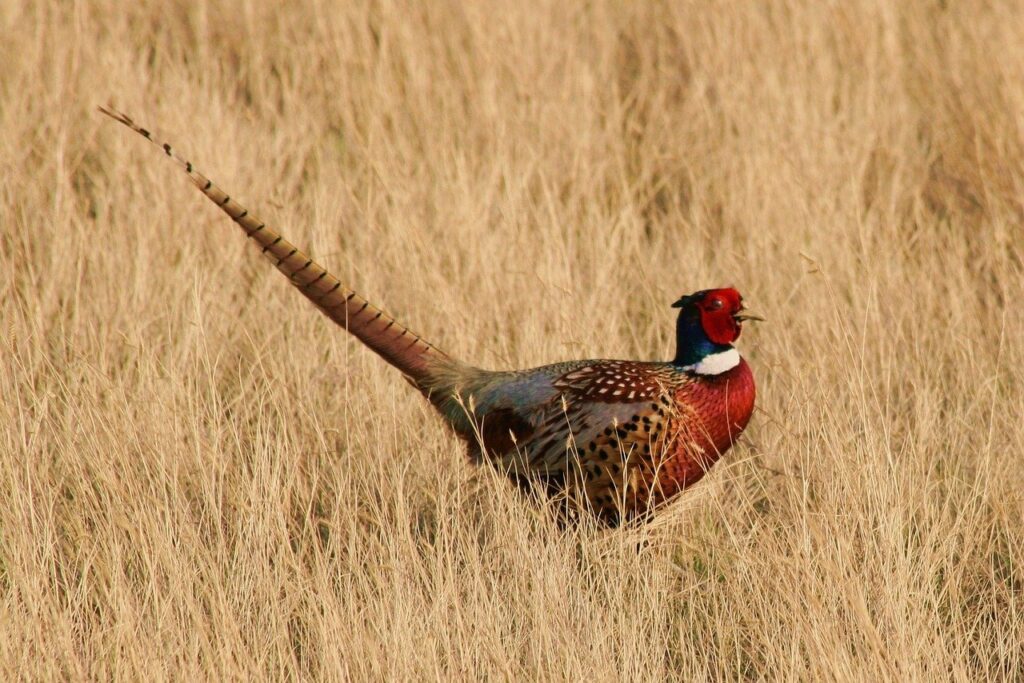
South Dakota isn’t called the Pheasant Capital by accident. With an average annual harvest of around 1.2 million roosters, the sheer number of birds is astounding. This success is built on excellent natural habitat – those iconic rolling hills, vast prairies dotted with corn fields, wetlands, and crucial shelter belts – combined with dedicated conservation efforts and landowner cooperation. Planning starts with understanding the basic framework.
Here’s a table summarizing the key dates and regulations for the upcoming 2025-2026 season (always verify with the official SD GFP Trapping Handbook):
| Category | Details |
|---|---|
| Youth Pheasant Season Dates | September 27 – October 5, 2025 |
| Resident-Only Season Dates | October 11 – October 13, 2025 |
| Traditional Pheasant Season Dates | October 18, 2025 – January 31, 2026 |
| Daily Bag Limit (All Seasons) | 3 rooster pheasants |
| Possession Limit (Traditional/Youth) | 15 rooster pheasants (accrues at 3 per day) |
| Possession Limit (Resident-Only) | 9 rooster pheasants (accrues at 3 per day) |
| Shooting Hours (All Seasons) | 10:00 a.m. Central Time to sunset |
| Blaze Orange Requirement | Strongly recommended for safety, but not legally required for small game |
| Non-Toxic Shot Requirement | Required on specific public land (GPAs, WPAs, some federal lands, etc. – check handbook details) |
| Harvested Bird Transport | Head, fully feathered wing, or leg must remain attached for identification until final destination |
| License Requirement | Small Game License + Habitat Stamp (age 18+) |
| Hunter Education Required | Yes, for hunters under 16 years old |
Beyond the dates and limits, remember these crucial points before your hunt:
- Licensing: Both residents and non-residents need a valid Small Game License and, if 18 or older, a Habitat Stamp.
- Hunter Education: If you were born after December 31, 1966, you likely need proof of hunter education, especially if you’re under 16. South Dakota accepts certifications from other states.
- Regulations Handbook: The SD GFP Hunting and Trapping Handbook is your official guide. Read it carefully for details on shooting hours, transport rules, public land specifics, and more.
If you’re after more than just pheasants, South Dakota offers many great hunting experiences. There are deer, turkey, and antelope seasons to fill out your hunting calendar. Here’s a post with lots more information about all the South Dakota Hunting Seasons.
South Dakota Pheasant Seasons Decoded
South Dakota cleverly structures its pheasant hunting season to offer distinct opportunities for different groups of hunters. Knowing which season applies to you is key.
Youth Pheasant Season (Sept 27 – Oct 5, 2025)
This is a great chance to introduce young hunters (ages 12-17) to the tradition before the main crowds arrive. Both resident and non-resident kids can hunt statewide on public land and private land (with permission). The key rules are:
- Must have a hunter safety certificate and appropriate license.
- Must be accompanied by an unarmed adult.
- Public road rights-of-way are mostly closed, except those next to open public hunting lands.* 3 rooster pheasants; 15 rooster pheasants. It’s a low-pressure environment perfect for teaching and making memories.
Resident-Only Pheasant Season (Oct 11 – Oct 13, 2025)
South Dakota residents get a three-day head start! This season allows residents with a valid license to hunt on public land statewide. This includes GPAs, WPAs, School Lands, National Grasslands, and certain federal lands.
- Hunting is only on designated public lands.
- Road rights-of-way rules are the same as the youth season.
- 3 rooster pheasants; 9 rooster pheasants (lower than the traditional season). It’s a great opportunity for locals to get out early and enjoy the hunt.
Traditional Pheasant Season (Oct 18, 2025 – Jan 31, 2026)
This is the main event, drawing hunters from all over. Open to both residents and non-residents with the proper licenses, this long season allows hunting statewide on both public land and private land (with permission).
- Some areas (like certain National Wildlife Refuges or Game Bird Refuges) have later opening dates (often December 1st or later) – check the handbook!
- 3 rooster pheasants; 15 rooster pheasants. This season spans the fall colors into potentially snowy late-season hunts, offering diverse conditions and great hunting throughout.
Preserve Seasons (Generally Sept 1 – Mar 31)
Want to extend your pheasant hunting? Licensed private shooting preserves offer hunts outside the traditional season dates, typically from September through March. These are private operations where birds are often released.
- Requires a specific preserve license or a standard Small Game License.
- Shooting hours are usually sunrise to sunset.
- Bag limits and rules may differ from statewide regulations – check with the specific preserve lodge. Preserves offer a controlled hunting experience, often with guides, dogs, and bird processing, making them a popular option, especially for corporate groups or those seeking guaranteed action.
South Dakota Hunting Licenses and Permits: Get Legal for the Hunt
Before you can hunt roosters across the prairie, you need the right paperwork. South Dakota makes it easy, but knowing your options is key.
Hunting Licenses
The foundation of your pheasant hunting trip is the correct license.
For Residents:
- Small Game License: The basic license for pheasant and small game hunting.
- Combination License: Small game and fishing.
- Youth Small Game License: For 12-17 year olds.
- 1-Day Small Game License: If you’re only going for a short trip.
- Habitat Stamp: Required for 18+ year olds with their first license purchase of the year. $10 funds habitat work and public access.
For Non-Residents:
- Nonresident Small Game License: The main license for out-of-state pheasant hunters. It’s valid for two 5-day periods you must choose when you buy the license. Plan ahead!
- Nonresident Youth Small Game License: For 12-17 year olds, also valid for two 5-day periods.
- Nonresident Shooting Preserve Licenses: If you’ll only hunt on a licensed preserve, you have options: annual Nonresident Shooting Preserve License, 5-Day Preserve License, or 1-Day Preserve License.
- Habitat Stamp: Required for 18+ year olds with their first license purchase of the year. $25 for non-residents.
Buy licenses online at the SD GFP’s “Go Outdoors South Dakota” website or mobile app or at many license agents across the state (check the SD GFP site for a list). Online purchases may have a small agent fee. You can carry a digital copy of your small game license on your phone.
Permits
For South Dakota pheasant hunting, you don’t need special permits beyond the Small Game License and Habitat Stamp. Unlike big game, there’s no draw for general pheasant licenses. However, some tribal lands or special management areas may require additional permits – always check local rules if hunting outside standard state or federal public land.
Hunter Education Requirements
Safety first! South Dakota requires hunter education for young hunters. Anyone under 16 years old MUST complete a state-approved HuntSAFE course before buying any hunting license.
Top Spots for a Great Hunting Experience
With millions of acres open to hunting, the question isn’t if you can find a place to hunt pheasants in South Dakota, but where to focus your efforts. The state has plenty of public land and opportunities on private land.
Best Public Lands for Pheasant Hunting
South Dakota loves public access. Here are the main types of land to explore:
- Game Production Areas (GPAs): State-owned lands managed for wildlife. These often have great habitat like food plots, dense nesting cover and wetlands. Good starting points.
- Walk-In Areas (WIAs): Private land leased by SD GFP for public foot access. These are working farms and ranches with diverse habitat from crop stubble to grasslands. Maps are updated annually, so check the latest Public Hunting Atlas. Respect landowner rules – access depends on their continued participation.
- Waterfowl Production Areas (WPAs): Managed by the US Fish & Wildlife Service, these federal lands are great for waterfowl but also hold pheasants, especially in the surrounding upland grasses and cattail sloughs. Non-toxic shot is required here.
- School and Public Lands: Large tracts, mostly in western and central South Dakota, managed by the state. Access must be via public roads unless you have permission to cross private land.
- National Grasslands: Big areas like the Fort Pierre and Buffalo Gap National Grasslands offer prairie hunting, often with fewer hunters than eastern areas but more walking required.
- CREP Lands (Conservation Reserve Enhancement Program): Private lands enrolled in conservation programs, often with great grassland habitat. Some CREP lands are enrolled in public access programs like WIAs.
The South Dakota Public Hunting Atlas is a must-have. Get the free printed version, use the online map or download the GoOutdoorsSD app. It shows boundaries for all GPAs, WIAs, WPAs, School Lands and more. You can filter by county and see what’s available near where you’ll be staying. Hotspots mentioned include the Aberdeen and Huron areas and counties like Lyman, Brule, Spink and Beadle but good hunting can be found statewide.
Guided Hunts & Lodges
For a hassle-free and often high-success hunting experience consider a guided hunt. South Dakota is full of pheasant hunting lodge operations catering to guests looking for great hunting and comfort.
- What to Expect: Services range from basic day guides with dogs to all-inclusive lodge packages with meals, lodging, guides, bird processing and sometimes even airport pickup. Many lodges manage prime hunting land, often a mix of native prairie, crop fields (corn, milo), food plots and shelter belts.
- Benefits: Guides know the land and bird behavior, well-trained pointing and flushing dogs enhance the hunt, access to well-managed private land means more birds and the camaraderie and convenience are a big draw. It’s a great way to enjoy a trip with family or friends without worrying about logistics.
- Finding an Outfitter: Research online. Look for reviews, check their website for package details and photos and don’t hesitate to call and ask questions. Reputable lodges often book up well in advance especially for peak dates. Hunting Locator’s business directory can also be a resource for finding guides and lodges.
Private Land Hunting
While public land is abundant, a lot of South Dakota pheasant hunting occurs on private land. Gaining access requires permission or leasing.
- Asking Permission: The tradition of knocking on doors still exists, especially in less pressured areas. Be polite, introduce yourself, explain your intentions, offer references if possible and respect the landowner’s decision (and their property if granted access). Building relationships takes time but can yield great hunts.
- Leasing Land: For exclusive access, groups or individuals often lease land directly from landowners. When you’re ready for an upgraded hunting experience, browse our list of available South Dakota Hunting Leases.
- Buying Land: For the ultimate long-term solution, buying your own prime hunting land is an option. Check out our listings of rural real estate list farms, ranches and recreational hunting properties across South Dakota.
Finding that perfect private spot to lease or buy can be tough. That’s where Hunting Locator comes in. We simplify the search by connecting pheasant hunters directly with landowners offering hunting leases or selling property across South Dakota. Instead of relying on luck or word-of-mouth, you can browse listings online, filter by location and acreage, view property details and contact landowners or agents directly through a secure platform.
For landowners, Hunting Locator provides a free and easy way to list their land and reach thousands of serious hunters looking for opportunities. We streamline the process, making it easier for hunters to find quality private land and for landowners to benefit from their habitat. Whether leasing for a season or investing in your own piece of Dakota pheasant hunting heaven, Hunting Locator is a valuable tool.
South Dakota Pheasant Hunting Tips
You’ve got your license, scouted some spots now it’s time to hunt! Here are some tips to increase your odds and enjoyment in the field:
- Hunt Edges and Transitions: Pheasants love edge cover – where corn meets grass, where a slough meets a shelter belt or where a food plot borders thick nesting cover. Work these transition zones thoroughly.
- Use Blockers and Drivers: Especially in larger fields or cattail sloughs, having hunters walk (“drive”) the cover while others post at the end (“block”) can prevent crafty roosters from running out the sides or flushing wild at the far end. Communicate clearly and maintain safe zones of fire.
- Walk Smart, Not Just Hard: Walking in a zigzag pattern helps cover more ground and can surprise birds holding tight. Pause frequently; the silence often makes nervous birds flush. Let your dogs work, trust their noses.
- Hunt Mornings and Late Afternoons: Pheasants are most active feeding during the first few hours after legal shooting time (10 a.m. CT) and again in the late afternoon before roosting. Midday can be slower, but don’t give up – birds might be loafing in heavy cover.
- Leverage the Weather: Don’t shy away from nasty weather! Cold, wind and snow often concentrate birds in heavy cover like cattail sloughs or thick shelter belts, making them hold tighter and easier to approach. Sunny, calm days might mean birds are more spread out or flush wilder.
- Trust Your Dog: If you’re hunting with dogs, let them do their job. Learn to read their body language. A good bird dog is invaluable for finding hidden pheasants and retrieving downed birds, preventing loss. Keep them hydrated and safe.
- Gear Up Right:
- Shotgun: 12 or 20 gauge are most common. Choose a load (#5 or #6 shot usually) appropriate for pheasants. Remember non-toxic shot (steel, bismuth) is required on many public lands.
- Clothing: Dress in layers you can adjust. Waterproof boots are essential. Blaze orange (hat, vest or jacket) is highly recommended for safety, even if not legally required.
- Vest: A good bird vest carries shells, water, snacks, harvested birds and your license.
- Essentials: Water, snacks, basic first-aid kit, knife, GPS or mapping app (like Hunting Locator’s tools ), and protective eyewear.
- Safety First, Always: Treat every firearm with respect. Know your target and what’s beyond it. Communicate with your hunting partners. Never shoot towards roads, buildings or livestock. Wear blaze orange. Follow all SD GFP regulations. Discover the Turn In Poachers (TIPs) hotline number and report violations. Be fire-aware in dry conditions.
- Respect the Land: Whether public land or private land, leave it better than you found it. Pack out trash, avoid damaging fences or crops and respect designated parking areas and trails. Thank landowners if you have permission. Ethical hunting ensures the tradition continues for generations.
FAQs
Do I really need a dog for pheasant hunting in South Dakota?
While you can hunt without one, dogs dramatically increase your success and enjoyment. They find birds you’d walk past, flush them effectively and recover downed pheasants that might otherwise be lost. If you don’t have your own, consider hunting with friends who do or hiring a guide with trained dogs.
How crowded does South Dakota get during pheasant season?
Opening weekend of the traditional season (mid-October) is famously busy, especially on easily accessible public land near major towns. Hunting pressure generally decreases during weekdays and later in the season (December/January). If you prefer solitude, aim for mid-week hunts, explore larger tracts of public land requiring more walking or seek access to private land.
What’s the best time of year to plan a pheasant hunting trip?
There’s no single “best” time – it depends on your preferences!
Early Season (Oct/Nov): Generally milder weather, lush cover, potentially more birds spread out. Can be crowded opening week.
Mid-Season (Late Nov/Early Dec): Weather gets colder, crops are usually harvested concentrating birds in remaining cover, rutting deer activity adds excitement.
Late Season (Dec/Jan): Cold, potentially snowy. Birds bunch up in the thickest cover (cattails, dense shelter belts, unharvested food plots). Can be fantastic hunting if you know where to look and brave the elements. Fewer hunters are typically out.
Can I bring my harvested pheasants back home out of state?
Yes, but you must follow transportation regulations. Generally, the head, a fully feathered wing or a leg must remain attached to each bird for identification purposes until it reaches its final destination. Check specific state-to-state transport rules. If freezing birds, package them with no more than two per package.
Where is non-toxic shot required?
It’s mandatory on state GPAs, Water Access Areas, State Parks system lands, US Army Corps of Engineers land along the Missouri River, US Bureau of Reclamation Wildlife Production Areas managed by SD GFP, and US Fish & Wildlife Service National Wildlife Refuges and WPAs. It’s generally a good idea to use non-toxic shot on all public land. Lead shot is usually allowed on private land and most WIAs, but always verify.
Do I have to wear blaze orange?
No, it’s not required for small game hunting in South Dakota. However, it’s strongly recommended for safety. Wearing a blaze orange hat and/or vest makes you highly visible to other hunters, significantly reducing the risk of accidents.
Where can I get my birds processed?
Many pheasant hunting lodge operations offer bird cleaning, packaging and freezing services for their guests. You can also find local lockers or game processors in many towns throughout pheasant country – ask locals or your lodge for recommendations.
What are the legal shooting hours?
For all pheasant hunting seasons (Youth, Resident-Only, Traditional), legal shooting hours are 10:00 a.m. Central Time to sunset daily. Note that shooting hours on private licensed shooting preserves can differ (often sunrise to sunset).
The Final Shot: Why South Dakota Endures
South Dakota pheasant hunting is more than just bagging birds; it’s about the tradition, the wide-open spaces, the camaraderie with family and friends and the memories created afield. The state’s commitment to habitat, public access and managing its incredible pheasant population ensures this hunting experience remains world-class, year after year. Whether you’re a novice hunter or a seasoned veteran, chasing roosters across the Dakota plains is an adventure you won’t soon forget. Plan your trip, respect the resource, hunt safely and soak in the atmosphere. We hope you have a great time and make memories that last a lifetime.
Ready to find your perfect hunting spot or connect with landowners? Explore lease and land opportunities across South Dakota on Hunting Locator.


