Essential Criteria for The Best Duck Hunting States
Whether you’re hunting mallards on the East Coast or looking for seasonal duck breeding grounds along the Mississippi River, there are some things you’ll want to keep in mind. Let’s take a quick look at the six essentials for the perfect waterfowl hunting destination.
Weather Conditions
Weather significantly influences duck migration patterns and hunting success. Ideal duck hunting states offer a climate that coincides with peak migration periods, ensuring a dense population. Hunters should seek out states with conditions that support diverse weather patterns, facilitating natural duck behaviors and movements.
Hunting Grounds
The availability of hunting grounds, particularly the balance between public lands and private reserves, is crucial. States with well-managed wildlife conservation areas provide sustainable hunting opportunities. Hunters benefit from states with extensive, responsibly managed public lands that support waterfowl habitats and hunting activities.
Duck Species
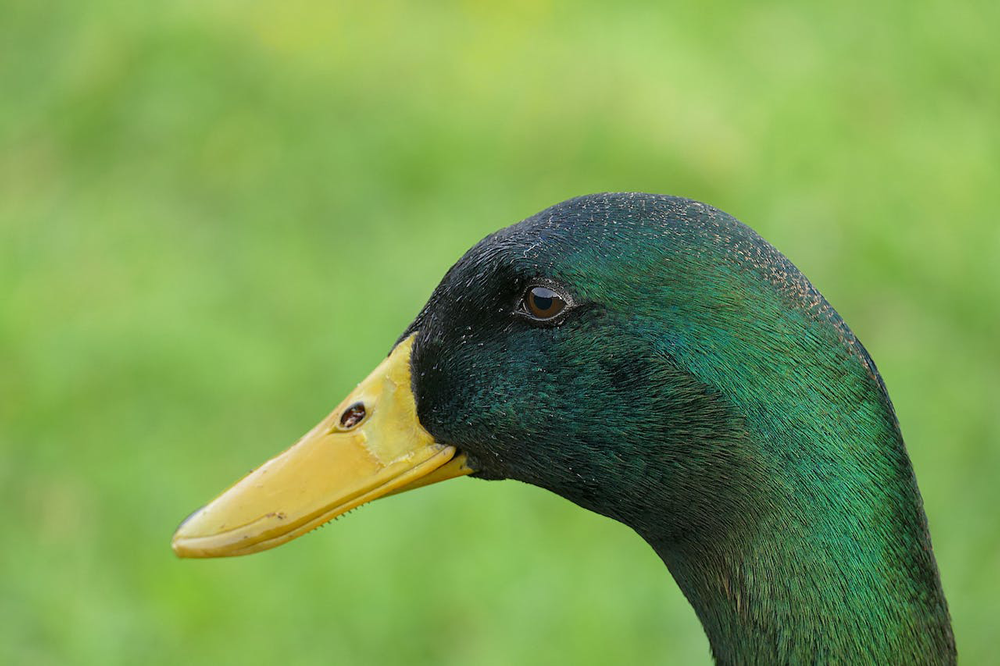
The variety of duck species, both native and migratory, defines a state’s hunting appeal. Trophy ducks or rare species add a challenging yet rewarding aspect to the hunt. States that serve as habitats to a wide range of ducks offer hunters a more enriching experience, with opportunities to spot and hunt unique and coveted species.
Here’s a link to a complete duck species guide.
Local Regulations
Understanding and adhering to local hunting regulations is essential. Each state’s laws, including permits and licenses required, bag limits, and hunting season dates, must be factored into the decision-making process. Compliant states that provide clear and concise regulations make for a hassle-free hunting experience.
Amenities and Culture
States that offer robust amenities such as hunting lodges, gear rentals, and guide services enhance the overall hunting expedition. Additionally, a rich local hunting culture can enrich the experience through community, tradition, and shared knowledge, contributing significantly to the allure and satisfaction of duck hunting in that state.
Top States Known for Duck Hunting Opportunities
Several states in the United States are renowned for their exceptional waterfowl season. Let’s explore some of these top states:
Duck Hunting in the Mississippi Flyaway
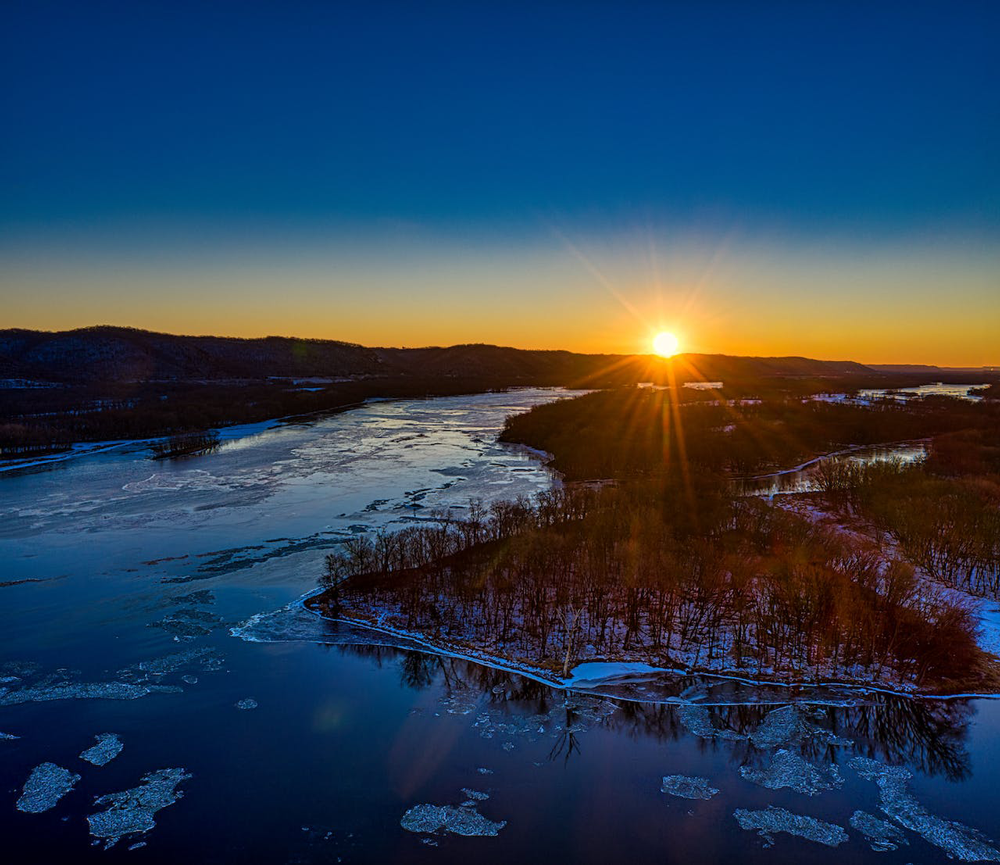
The Mississippi Flyaway is one of North America’s main migratory routes for waterfowl, stretching from the Gulf of Mexico to central Canada. This corridor is a prime hunting territory due to its rich and varied habitats, which offer ample food, water, and shelter for millions of ducks and geese. As such, it provides some of the most abundant and diverse duck hunting opportunities in the United States, attracting enthusiasts from across the country.
Louisiana: A Duck Hunting Haven
In the heart of the Mississippi Flyaway, Louisiana’s diverse ecosystems, from the marshes to the deltas, make it a paradise for ducks and hunters alike. The region boasts an array of species and public hunting areas accessible to all.
Louisiana’s Diverse Duck Species
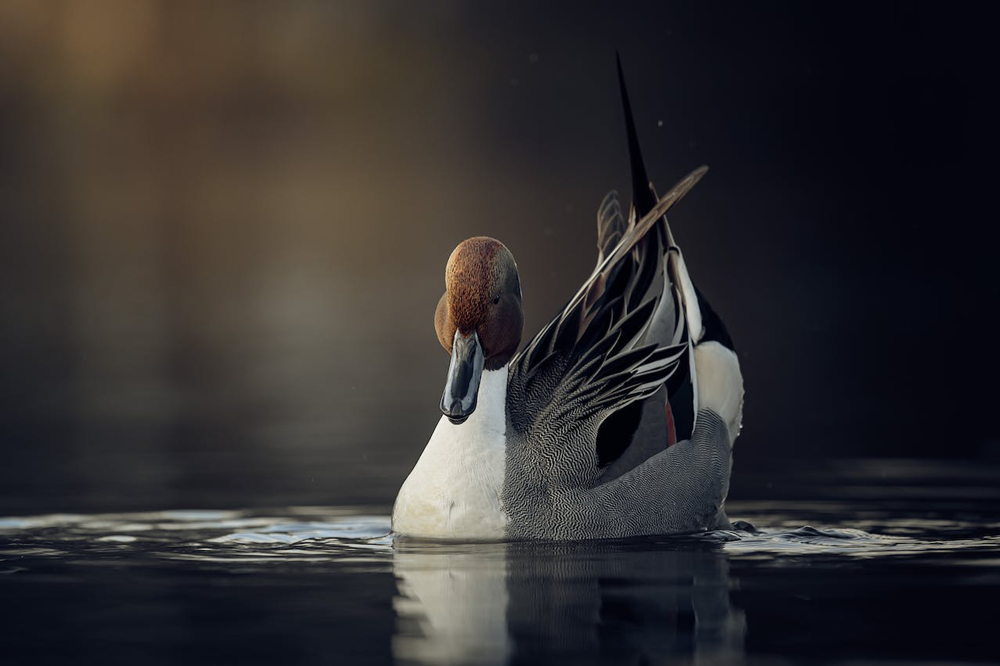
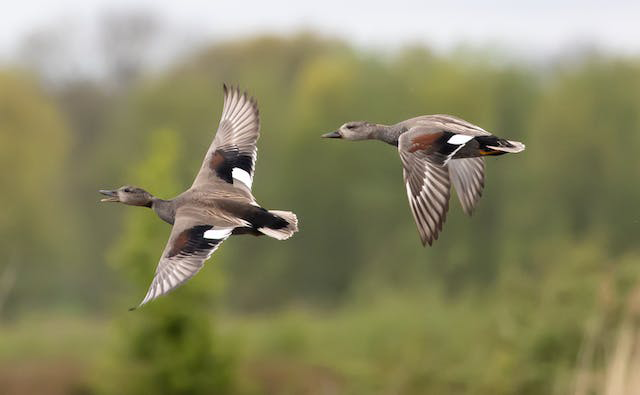
Louisiana is a treasure trove of waterfowl species. Hunters commonly encounter pintails, the acrobatic buffleheads, and the plentiful gadwalls, affectionately known as “gray ducks” in the region.

Ideal Hunting Times and Locations
With over 1.5 million acres of public hunting land, opportunities are vast throughout the season. Areas like Richard K. Yancey WMA and Atchafalaya Delta WMA offer sprawling habitats teeming with waterfowl, while Pass a Loutre WMA provides a more secluded hunting experience with less pressure and a rich historical backdrop.
Arkansas: The Duck Capital of the World
Arkansas’s fertile alluvial plains are a magnet for ducks, making locations like Stuttgart an international draw for waterfowl enthusiasts.
Attraction of the Alluvial Plains
The Mississippi Flyway channels a multitude of ducks into Arkansas’s welcoming habitat. This natural bounty is reflected in the impressive variety of over 24 duck species available to hunters.
Legal Framework and Community Backing
With a robust legal framework in place, Arkansas ensures sustainable hunting practices. The state provides clear guidelines and regulations, which are easily accessible for hunters to ensure they contribute positively to the waterfowl conservation efforts.
Mississippi: The Magnolia State’s Waterfowl Hotspots
Mississippi’s public areas, such as Howard Miller, Mahannah, and Malmaison WMAs, are celebrated for offering some of the most productive duck hunting in the state.
Best Hunting Spots in Mississippi
The top WMAs—Howard Miller, Mahannah, and Malmaison—outshine others with their high duck harvest numbers, providing hunters with excellent opportunities for success.
Licensing and Regulations
Mississippi hunters must follow specific licensing and seasonal regulations. These rules are in place to maintain the state’s vibrant waterfowl populations and ensure a fair and ethical hunting experience.
Minnesota: The Underrated Waterfowl Wonderland
Often overshadowed by its neighbors, Minnesota is, in fact, a top-tier destination with a myriad of duck and goose hunting opportunities.
A Paradise of Lakes
Minnesota’s plethora of lakes and wetlands offer a rich habitat for ducks. The state might not be the first to come to mind for many hunters, but it certainly delivers an exceptional hunting experience.
Regulations and Community Support
Minnesota’s Department of Natural Resources provides comprehensive support and detailed regulations, including a waterfowl hunting guide that ensures hunters are well-prepared for the season. The state has specific zones with tailored hunting dates to optimize the hunting experience for each species.
By immersing themselves in the unique characteristics of each state, hunters can enjoy the full breadth of the Mississippi Flyaway’s offerings, from Louisiana’s bustling deltas to Minnesota’s tranquil lakes.
Duck Hunting Region #2 Central Flyaway
Texas
Texas offers a rich tapestry of ecosystems, making it a prime destination for duck hunters seeking variety and challenge. With its diverse habitats, from coastal wetlands to inland lakes, Texas supports an impressive array of duck species. Hunters in the Lone Star State can expect to encounter a plethora of waterfowl, including dabbling ducks like the Blue-winged Teal, Northern Shoveler, and the recognizable Mallard, alongside diving and sea ducks.
Remarkably, the state is a temporary home to migratory species during winter, offering a dynamic hunting landscape that changes with the seasons.
The peak hunting seasons in Texas are carefully scheduled to provide ample opportunity while conserving waterfowl populations. Youth-only, veterans, and active duty military personnel have designated weekends in late October and early November, with regular seasons spanning from early November to late January across various management units. Hunters are required to adhere to daily bag and possession limits, ensuring sustainable hunting practices.
For those seeking community support and additional resources, organizations like Ducks Unlimited are active in Texas, offering public hunting on DU projects and providing a wealth of resources such as the DU App for waterfowl identification, journaling, and event information.
The Ducks Unlimited Podcast and DU TV are also available for enthusiasts seeking to deepen their knowledge and engagement with waterfowl conservation and hunting.
North Dakota
North Dakota may be under-recognized, but it stands as a hidden gem for duck hunters. Located in the Prairie Pothole Region, a prime breeding ground for North American waterfowl, it offers abundant opportunities. The varied landscapes provide ideal conditions for a successful hunt, especially in the infamous prairie pothole region, which is rich with harvested fields and wetlands.
The state’s hunting seasons are inclusive, offering special dates for youth, veterans, and active military personnel starting in mid-September, with regular seasons for residents and nonresidents following soon after. This scheduling allows hunters to take advantage of the migration patterns and ensure that they are present during the peak times for duck abundance.
Community support in North Dakota is robust, with forums and hunting communities offering a platform for hunters to share insights and advice. The North Dakota duck hunting forum, for instance, boasts thousands of posts and views, indicating a vibrant and engaged hunting community ready to welcome and guide newcomers.

Duck Hunting Region #3 – Atlantic Flyaway
The Atlantic Flyaway is one of the four major North American bird migration routes, running along the Atlantic coast of Canada and the United States, down to the tropics of the Caribbean and South America. This flyway is characterized by a wide range of coastal and inland habitats that serve as critical stopover points for migratory birds, including numerous duck species.
It is highly regarded among hunters and birdwatchers for the sheer volume and diversity of waterfowl that utilize this corridor during their seasonal migrations.
Maryland: Tradition Meets Diversity
Maryland’s Eastern Shore and the Chesapeake Bay area, renowned for their public hunting opportunities and their waterfowl hunting traditions, earn the state a high ranking among the Atlantic Flyaway states. The Chesapeake Bay is especially popular for both duck and goose hunting, with a wide variety of species available, including mallards, wood ducks, divers, sea ducks, and even brant on the bay.
Chesapeake Bay: A Waterfowl Wonderland
The Chesapeake Bay stands out as one of the most sought-after waterfowl hunting locations in the U.S. Public hunting spots like Fishing Bay Wildlife Management Area and Taylors Island WMA on the Bay offer rich habitats and plentiful game.
Common Species and Hunting Laws
Maryland’s hunters commonly harvest mallards, bufflehead, wood ducks, gadwalls, black ducks, green-winged teals, with canvasback, scaup, pintails, and sea ducks also found in the Bay area.
The state is divided into two zones with specific season dates and bag limits, ensuring sustainable hunting practices.
Cultural Aspects and Amenities
With a rich hunting culture, Maryland provides ample amenities for hunters, including guided outings and public lands for those seeking to venture on their own.
Remembering to stay at least 800 yards from all shores is crucial when hunting, especially for sea ducks.
North Carolina: Coastal and Inland Hunting Grounds
North Carolina, blessed with an abundance of wetlands, marshes, and rivers, is a key destination within the Atlantic Flyaway, offering diverse hunting experiences from the coast to the interior.
Coastal and Inland Hunting Opportunities
The state provides excellent waterfowl hunting opportunities across its Coastal and Inland Zones, with a variety of environments from coastal estuaries to river floodplains that cater to different hunting styles and preferences.
Key Duck Species and Regulations
Mallards, wood ducks, and tundra swans are among the many waterfowl species that attract hunters to North Carolina.
The state mandates the use of non-toxic shot and has specific rules against baiting to ensure ethical hunting practices.
Local Culture and Amenities
Obtaining the appropriate licenses and permits is essential before setting out, easily accessible through the North Carolina Wildlife Resources Commission. The state offers updated season dates for its zones, and hunters must report any banded birds harvested, as part of conservation efforts.
Duck Hunting Region #4 – Pacific Flyaway
The Pacific Flyaway is a crucial avenue for migratory waterfowl, where the skies come alive with numerous species of ducks seeking the temperate havens of the West Coast. From the foggy rice fields of California’s Sacramento Valley to the remote marshes of Alaska’s Cold Bay, hunters are treated to diverse habitats teeming with avian life.
This flyaway is not just a hunting destination; it’s a testament to the delicate balance between conservation efforts and hunting traditions that define the North American waterfowling culture.
California
California’s Sacramento Valley, often referred to as “Lake California,” is a premier destination for duck hunters, known for its pea-soup foggy mornings that create optimal hunting conditions. The area is steeped in a rich waterfowling tradition, with local hunters preferring these foggy conditions that keep ducks lower and in the fields longer.
Popular spots like the Delevan National Wildlife Refuge serve as a testament to the region’s commitment to both sport and sustainability. Hunters in this region can expect a unique experience characterized by local practices such as:
- Fog hunting: Utilizing the natural fog to confuse ducks and extend hunting opportunities.
- Cultural heritage: Local hunting methods passed down through generations.
- Conservation-minded sport: A balance between hunting and habitat preservation.
Local voice, Casey Stafford, a seasoned Sac Valley hunter, captures the essence of the region:
“You get over the top of it and look down and all you see is water for miles and miles. The fog keeps them out in the fields a little longer, giving us a unique advantage.”
Duck species commonly found in the area include:
- Mallards
- Northern Pintails
- Green-Winged and Cinnamon Teal
- Canvasbacks
Washington
Washington state offers a unique duck hunting scene within the Pacific Flyaway. The state’s diverse ecosystems from coastal estuaries to inland wetlands provide hunters with a variety of environments. Regulations are designed to ensure sustainable populations and promote ethical hunting practices. Hunters in Washington benefit from local organizations that offer education and support, fostering a strong hunting community.
Specific habitats in Washington, such as the Skagit Wildlife Area and the Sinlahekin Wildlife Area, offer rich hunting grounds for both novice and seasoned hunters. The Ridgefield National Wildlife Refuge is another gem, allowing waterfowl hunting on specific days to maintain ecological balance.
In Washington, hunters can look forward to encountering species such as:
- American Wigeon
- Barrow’s Goldeneye
- Bufflehead
- Northern Shoveler
Local experts underscore the importance of understanding the distinct migratory patterns and weather conditions that influence duck behavior in the region.
2 Bonus Duck Hunting Options
If all those aren’t enough for you, there are a couple other areas many hunters rave about.
Wisconsin
Wisconsin is a vital part of the Mississippi Flyaway, with iconic locations like the Horicon Marsh offering a vast expanse of freshwater wetlands. The marsh is renowned for its significant redhead population and serves as a critical stopover for hundreds of thousands of ducks and Canada geese.
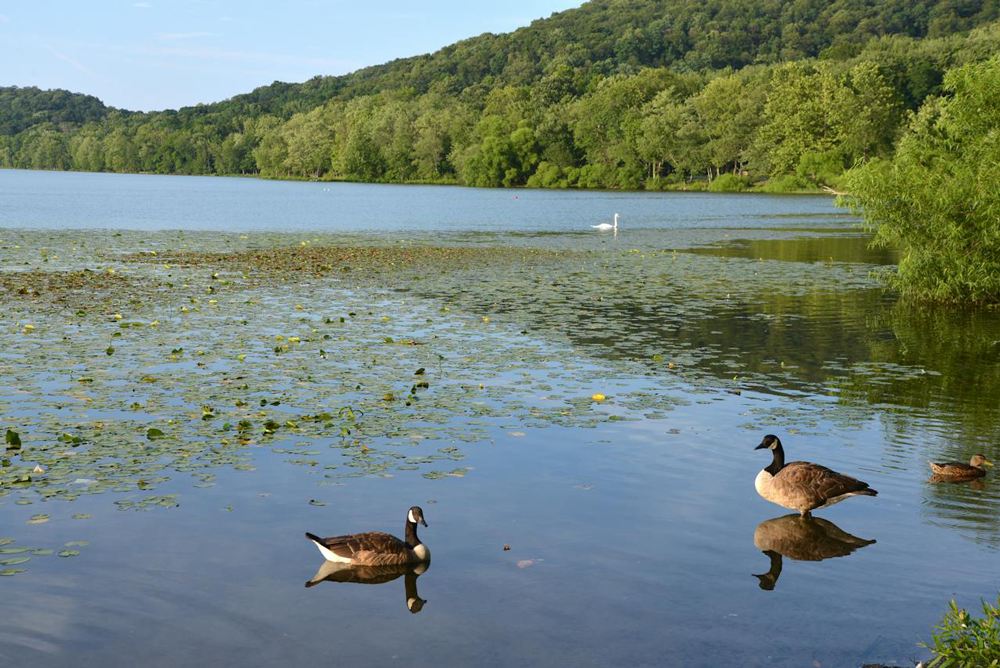
Notable species hunters may encounter at Horicon Marsh include:
- Mallards
- Wood Ducks
- Blue-winged Teal
- Redheads
The marsh’s diverse ecosystems and robust local support, alongside initiatives such as the Adopt a Wildlife Area program, enhance the hunting experience while promoting conservation. According to local DNR wildlife biologist Paul Samerdyke, “We have decent numbers of birds early in the season… As the season progresses, we get our share of diver species.”
Nebraska
In the Central Flyaway, Nebraska’s Rainwater Basin stands out as an often-overlooked yet exceptional duck hunting locale. The basin’s shallow wetlands and over 75 public hunting areas draw thousands of migrating waterfowl each fall. Local biologists like Mark Vrtiska advise that “wetland conditions… will change dramatically from year to year,” urging hunters to stay informed for the best hunting spots.
Duck species in the Rainwater Basin include:
- Blue-winged Teal
- Mallards
- Northern Pintails
- Northern Shovelers
The region exemplifies the spirit of the Central Flyaway, combining ample hunting opportunities with strong conservation practices, ensuring that the skies of Nebraska remain a vibrant thoroughfare for migratory ducks.
In each of these regions, the shared traditions of duck hunting are deeply interwoven with conservation efforts, shaping a culture that reveres the natural world and its variety of waterfowl species.
Best States for Hunting Specific Duck Species
Different states excel in hunting specific duck species. Here are some examples:
- Arkansas and Washington are the top states for mallard harvest.
- California leads in canvasback harvest.
- Maryland tops the black duck harvest list.
- California is the best state for pintail harvest.
- Louisiana leads in bluebill/broadbill (scaup) harvest.
These states have suitable habitats and populations of these specific duck species, making them prime locations for hunters targeting these species. Hunters interested in pursuing specific duck species should consider these states for their hunting adventures.
For instance, if you are particularly interested in hunting canvasbacks, California’s Central Valley would be an excellent choice due to its high canvasback harvest and the availability of suitable habitats for this species.
Tips for a Successful Duck Hunting Trip
To increase your chances of a successful duck hunting trip, consider the following tips:
- Proper equipment and gear selection: Invest in quality decoys, calls, and camouflage clothing to attract and deceive ducks effectively. Having the right equipment can make a significant difference in your success as a hunter. For example, using realistic decoys that mimic the appearance and behavior of live ducks can greatly enhance your chances of luring in your targets.
- Scouting and understanding duck behavior: Spend time scouting potential hunting areas to identify where ducks are feeding, roosting, and flying. Understanding their behavior will help you position yourself strategically and increase your chances of encountering ducks. Pay attention to their preferred food sources and flight patterns to choose the best hunting spots.
- Decoy setup and effective calling techniques: Set up your decoys in a realistic manner, mimicking the natural patterns of ducks. Experiment with different decoy spreads and calling techniques to attract ducks and make them feel comfortable approaching your hunting area. Practice your calling skills to produce accurate and enticing duck calls.
- Consideration of weather and migration patterns: Keep an eye on weather conditions and study migration patterns. Ducks are more active during certain weather conditions and follow specific migration routes. Understanding these patterns will help you plan your hunts and be in the right place at the right time. Pay attention to weather fronts, wind directions, and the timing of migration to maximize your hunting opportunities.
By following these tips, you can enhance your hunting skills and increase your chances of a successful duck hunting trip. Remember, patience, persistence, and adaptability are key qualities for a successful waterfowl hunter.
Conservation and Preservation Efforts
Conservation efforts are crucial for maintaining healthy waterfowl populations and preserving their habitats. Ducks Unlimited, a leading conservation organization, works tirelessly to protect wetlands and other important habitats for waterfowl. The organization’s efforts help ensure the sustainability of waterfowl populations and the future of waterfowl hunting. Through habitat conservation projects, research, and advocacy, Ducks Unlimited plays a vital role in preserving waterfowl habitats across the United States and Canada.
Hunters can contribute to bird habitat conservation through the purchase of Federal Duck Stamps. The funds generated from the sale of Federal Duck Stamps go towards acquiring and protecting wetland habitats, such as coastal marshes and migratory flyways, ensuring the sustainability of waterfowl populations, and supporting the sport of duck hunting for future generations. By purchasing a Federal Duck Stamp, hunters directly contribute to the conservation and preservation of waterfowl habitats.
Additionally, hunters can get involved in local conservation organizations and volunteer for habitat restoration projects to actively contribute to conservation efforts.
Hunting Leases: Why Consider It for Duck Hunting?
Leases offer exclusivity and management control, unlike crowded public access grounds. They provide a serene, undisturbed habitat for ducks, improving the quality of your hunt.
By leasing, you secure a private slice of North America hunting heaven, enhancing your chances of a successful season at a beautiful duck hunting destination.
Leases vs. Public Hunting Grounds
While public grounds are accessible, they often suffer from overuse and hunting pressure on wildlife. Leases, conversely, offer private land as a respite from competition, allowing for a more strategic and peaceful hunting experience.
This controlled environment can lead to better duck populations and more rewarding hunts.
Hunting Lease Agreement Requirements
A hunting lease agreement should clearly outline the terms including duration, cost, and land use rules. It’s imperative to include hunter responsibilities towards conservation and respect for the property. A well-structured agreement ensures a mutual understanding between the landowner and the hunter, protecting the interests of both parties.
How to Find and Secure a Hunting Lease?
To find a lease, start by browsing our website. We’ve done all the hard work for you by collecting information about thousands of acres of hunting lands. Once you’ve located a potential lease, conduct a site visit, discuss the terms with the landowner, and secure the lease with a formal agreement.
Wrapping Up
Choosing the right state and location is key to a successful duck hunting adventure. Factors such as habitat diversity, public land access, and regulations play a significant role in determining the best states for duck hunting. Understanding the factors, regulations, and species-specific hunting opportunities will enhance the overall experience and increase the chances of a successful and enjoyable duck hunting trip. So gear up, pick your state, and embark on an exciting waterfowl hunting adventure!