As avid hunters and outdoor enthusiasts, we understand the allure of seeking untouched wilderness, and we recognize the importance of balancing the thrill of the hunt with fiscal responsibility.
Whether you’re a seasoned hunter on a budget or a newcomer looking to explore the world of hunting without breaking the bank, join us as we delve into the diverse landscapes of these states, each offering its own unique blend of affordability and hunting opportunities.
From the rolling hills of the Midwest to the rugged terrains of the Rocky Mountains, we’ll guide you through the top picks for budget-conscious hunters, highlighting the affordable price, accessibility, and untamed beauty of each region.
So, gear up and get ready to explore the Cheapest Hunting Land in the US, where the thrill of the hunt meets the satisfaction of saving, all against the backdrop of the stunning landscapes that make America a paradise for hunters.
Explore the top states for affordable hunting land in the US in this insightful guide. You’ll learn about:
- The most budget-friendly regions for purchasing hunting land.
- Unique hunting opportunities and terrain features in each state.
- The diversity of wildlife and game available across these regions.
Dive into the world of hunting land investments and discover your perfect hunting haven in America’s best-kept secret spots.
Key Takeaways About Cheapest Hunting Land in the US
| Region | What You Need to Know |
| Southwest: Oklahoma and Texas | – Low price per acre, appealing to budget-conscious buyers. – Diverse range of game including deer, wild turkey, quail, and waterfowl. – Varied climate and terrain, offering unique hunting opportunities. – Potential for land development and enhancement. |
| North: Minnesota and Wisconsin | – Reasonably priced land, accessible to a wide range of buyers. – Known for producing trophy-sized whitetail deer. – Diverse terrain from dense forests to open fields.<br>- Strong conservation programs ensuring sustainable hunting. |
| Southeast: Tennessee, SC, Georgia, Alabama, Mississippi, Louisiana | – Influenced by timber and cropland values, resulting in affordable hunting land. – Rich diversity of game including deer, turkey, and waterfowl. – Deeply ingrained hunting culture with community support. – Timberland often comes at a lower cost than agricultural land. |
| Mideast: Indiana, Kentucky, Ohio | – Competitive pricing offering good value for quality hunting. – Increasing recognition for whitetail deer trophy production. -Potential for land value appreciation over time. – Mix of forested areas, farmland, and rolling hills. |
| Heartland: Kansas, Nebraska | – Reasonably priced land with quality hunting experiences. – Crop production influences land values, making non-cropland affordable. – Unique blend of hunting and farming opportunities.- Home to a wide range of wildlife including pheasants, quail, deer, and turkey. |
Introduction to Buying Hunting Land in the US
Hunting land for sale in the United States symbolizes a rich heritage and a profound connection with nature. It offers a unique blend of recreation, adventure, and a deep connection with the natural world.
The US’s diverse landscapes provide a wide variety of hunting experiences, from the dense forests of the Northeast to the sprawling plains of the Midwest, each region offering unique hunting opportunities.
Factors Influencing Cheap Land Prices
The cost of hunting land in the US is influenced by several factors, and hunting land values depend on land market trends, land types, city limits, as well as property taxes.
To be able to know which is affordable land and which are prime locations for potential properties, you must acquaint yourself with the factors:
- Geographical Location: The specific state and area of the plot of land significantly impact its value. Remote properties might offer lower prices, but accessibility and proximity to urban centers can increase land value.
- Land Features: Terrain, accessibility, water sources, and vegetation type are critical. Rugged or inaccessible terrain might be less expensive but don’t expect to pay the average price for beachfront land (considered premium hunting land).
- State and Local Regulations: Laws and regulations regarding land use, hunting permissions, and wildlife management can also impact the price of land for sale. Areas with ample opportunities for hunting might be an attractive option for hunters, as opposed to cheaper parcels with restrictive hunting laws.
Benefits of Owning Hunting Land
Owning hunting land is not just about having a piece of property; it’s about the myriad benefits that come with it. 64% of U.S. hunters hunt exclusively on private land
- Recreational Opportunities: Unlike public land, it provides a personal retreat for hunting, camping, and other outdoor activities, allowing for a direct connection with nature.
- Investment Potential: Land can appreciate over time, making it a sound long-term investment, especially in developing or increasingly popular areas.
- Wildlife Conservation: Landowners can play a direct role in wildlife preservation and habitat management, contributing to ecosystem conservation.
- Personal Satisfaction: Owning hunting land offers a sense of pride and accomplishment and can be a legacy passed down through generations.
Economic and Environmental Considerations
When purchasing hunting land, it’s important to consider economic and environmental implications to ensure a sustainable and profitable investment.
- Economic Viability: You need to assess the potential for return on investment, including leasing the land for hunting or other activities.
- Environmental Impact: Understanding the land’s ecological value and its role in supporting wildlife, including sustainable hunting and land management practices, is essential for conservation.
The Role of Hunting in Wildlife Management
Hunting plays a crucial role in wildlife management and conservation.
- Population Control: Hunting helps maintain healthy wildlife populations, preventing overpopulation and its negative impacts on ecosystems.
- Funding Conservation Efforts: License fees and taxes on hunting gear contribute significantly to conservation programs and wildlife research, highlighting hunting’s role in environmental stewardship.
Best States for Affordable Hunting Land
Before we jump right into parcels for sale, we divided American land into regions to better understand what constitutes land to be the lowest-priced land.
Southwest Region: Oklahoma and Texas
The Southern region, particularly Oklahoma and Texas, stands out for its affordability in hunting land.
- Price per Acre: Both Oklahoma and Texas offer some of the lowest prices per acre in the country, making them highly attractive for budget-conscious buyers.
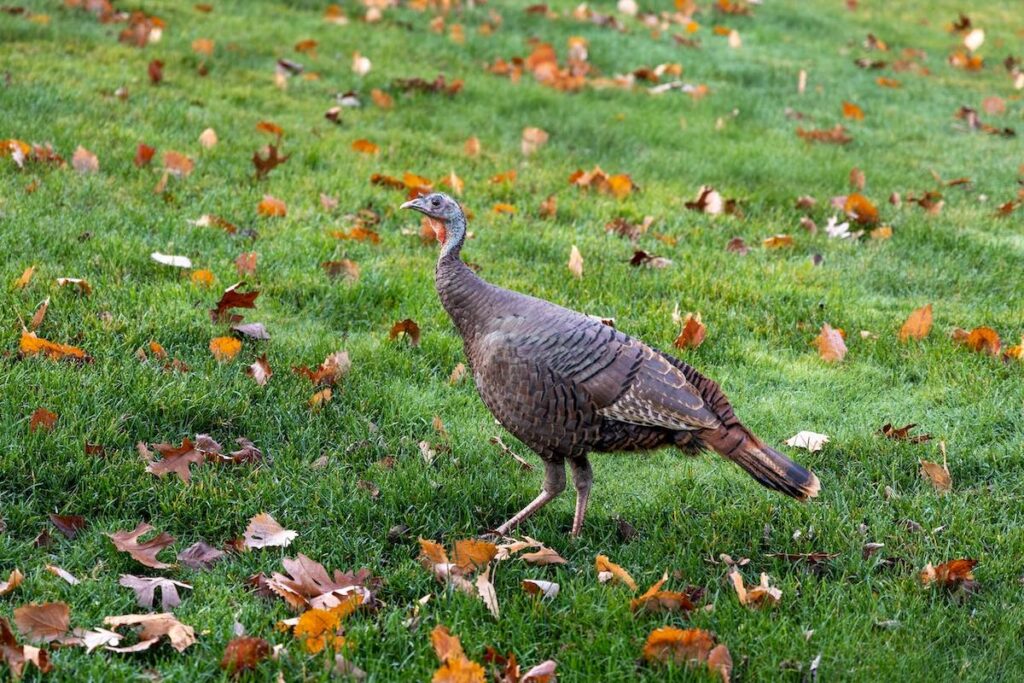
- Types of Game Available: These states boast a rich diversity of game, including deer, wild turkey, quail, and waterfowl, offering hunters a range of experiences.
- Climate and Terrain Features: The varied climates and terrains, from Texas’s deserts to Oklahoma’s grasslands, provide ideal habitats for different types of wildlife, enhancing the hunting potential.
- Land Management Opportunities: The region offers ample land management and development opportunities, allowing owners to enhance the value and appeal of their property.
North Region: Minnesota and Wisconsin
The Northern region, especially Minnesota and Wisconsin, is renowned for its affordable hunting land and the quality of hunting experiences it offers.
- Price per Acre: Prices for land in these states are reasonable, making it accessible for a wide range of buyers, from novice hunters to seasoned investors.
- Trophy Hunting Opportunities: Known for producing record-book entries, especially for whitetail deer, these states are a magnet for big-game hunters.
- Land Characteristics: The diverse terrain, including land with water features, dense forests, and open fields, provides ideal habitats for various game species.
- Conservation and Sustainability: Both states have strong conservation programs, ensuring sustainable hunting and wildlife management.
Southeast Region: Tennessee, South Carolina, Georgia, Alabama, Mississippi, Louisiana
The Southeast region is known for its affordable hunting land, influenced by factors like timber and cropland values.
- Price per Acre: Property prices are influenced by the value of timber and cropland, often resulting in more affordable hunting property.
- Influence of Timber and Cropland Values: Timberland, a significant factor in these states, is usually the reason for affordable properties.
- Variety of Game Species: The region offers a rich diversity of game, including deer, turkey, and waterfowl, presenting many big-game opportunities.
- Cultural Hunting Heritage: Hunting is deeply ingrained in the culture of these states, adding to the appeal and community support for hunting activities.
Mideast Region: Indiana, Kentucky, Ohio
The Eastern portion, including Indiana, Kentucky, and Ohio, has become increasingly popular for its affordable hunting land and quality of game.
- Price per Acre: Competitive land prices offer good value, especially for those looking for quality hunting experiences on a budget.
- Whitetail Trophy Production: These states are gaining recognition for their whitetail deer trophy production, recognized as deer hunting land, great for deer hunters.
- Land Investment Potential: The potential for land value appreciation over time makes this region an attractive investment opportunity.
- Diverse Hunting Environments: The region offers a mix of forested areas, fertile land with high farmland values, and rolling hills, providing diverse environments for different hunting styles.
Heartland: Kansas, Nebraska
Kansas and Nebraska offer hunting land that is both affordable and rich in opportunities.
- Price per Acre: The land for sale in these states is reasonably priced, considering the quality of hunting experiences they offer.
- Crop Production and Land Values: The focus on crop production influences land values, often making non-cropland more affordable for hunters.
- Hunting and Farming Opportunities: The unique blend of hunting and farming opportunities in these states makes them attractive for dual-purpose investments.
- Abundant Wildlife: These states are home to a wide range of wildlife, including pheasants, quail, deer, and turkey, enhancing their appeal to hunters.
Each region offers unique opportunities and advantages for hunters and investors, making them ideal choices for those looking to own a piece of America’s hunting heritage.
Guide to Buying Hunting Land
Purchasing hunting land is a significant and often complex decision that requires careful consideration of various factors.
This guide aims to help potential buyers navigate the intricacies of purchasing hunting land, ensuring a wise investment and fulfilling ownership experience.
Assessing Land Potential
Before making a purchase, it’s crucial to thoroughly evaluate the potential of the land for hunting and other recreational activities.
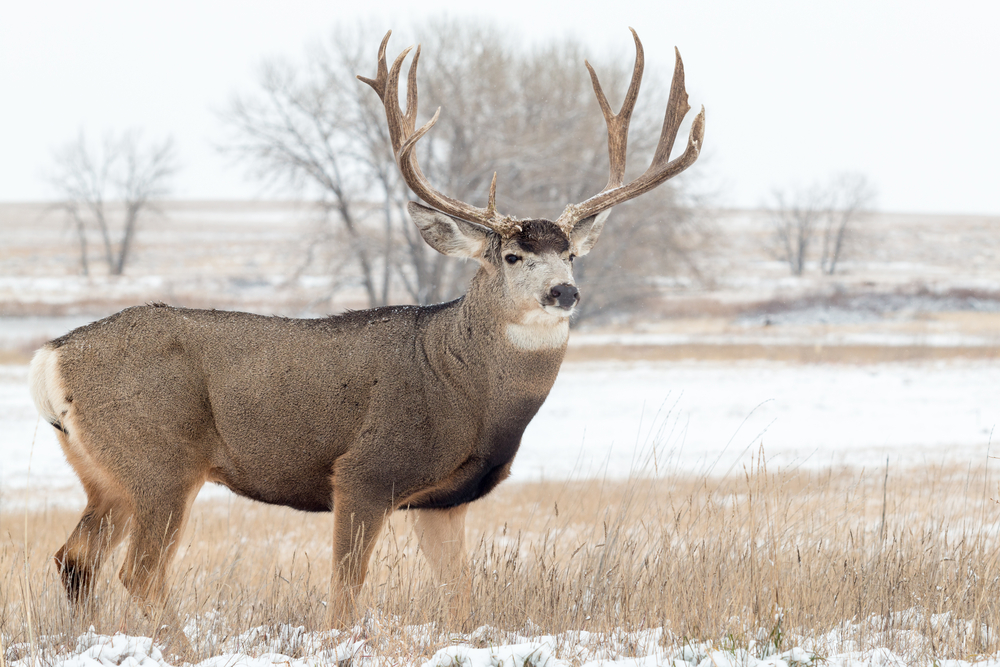
- Game Population and Diversity: Research the types and abundance of game on the property. This includes understanding migration patterns, breeding areas, and food sources.
- Habitat Quality: Assess the quality of the habitat, including the presence of water sources, types of vegetation, and terrain features.
- Accessibility and Location: Consider the ease of access to the property and its proximity to your residence or urban centers. Remote locations might offer better pricing but could pose challenges in accessibility.
Legal Considerations
Understanding the legal aspects is essential to ensure a hassle-free purchase and ownership.
- Zoning Laws and Regulations: Check local zoning laws to ensure the land can be used for hunting and related activities. Some areas may have restrictions on the types of hunting or the construction of structures like hunting cabins.
- Property Rights and Boundaries: Verify property boundaries and ensure there are no disputes or unclear titles. Understanding easements and rights-of-way is also important.
- Hunting Regulations: Familiarize yourself with state and local hunting regulations, including game seasons, bag limits, and licensing requirements.
Financing Options
Exploring various financing options can provide flexibility and affordability in purchasing hunting land.
- Loans and Mortgages: Investigate different types of loans, including those specifically designed for land purchases. Compare interest rates, repayment terms, and down payment requirements.
- Hunting leases: Consider hunting leases, or hunting lease agreements if you do not wish to own land.
- Lease-to-Own Agreements: Consider lease-to-own options, which can be a pathway to ownership without the immediate need for a large down payment.
- Partnerships or Syndicates: Joining a partnership or forming a syndicate with other like-minded individuals can spread the cost and management responsibilities.
Long-Term Management and Development
Owning hunting land involves ongoing management and potential development to enhance its value and utility.
- Habitat Improvement: Implement habitat improvement projects like planting food plots, managing timber, or creating water sources to attract and sustain wildlife.
- Wildlife Management Practices: Engage in responsible wildlife management practices to maintain a healthy and sustainable game population.
- Income Streams: Explore potential income streams, such as leasing the land for hunting or agricultural use, to offset costs and generate revenue.
Conclusion
Buying hunting land is more than a financial transaction; it’s an investment in a lifestyle and a commitment to wildlife conservation and management.
By carefully considering these aspects, prospective buyers can make informed decisions that align with their goals, ensuring a rewarding experience as a landowner.
Whether for personal enjoyment, investment, or conservation, owning hunting land offers a unique opportunity to connect with nature and preserve a cherished tradition.