This guide will explore the key regulations governing dove hunting in South Carolina, including bag limits, licensing requirements, and safety measures. Additionally, we will highlight the anticipated season dates for 2023/2024, allowing hunters to plan their excursions accordingly. We’ll look into:
- The specific dates and regulations governing dove hunting in South Carolina.
- Effective strategies and tips to ensure a successful and enjoyable hunt.
- The significance of ethical hunting practices and the role of hunters in wildlife conservation.
As we dive into the details of dove hunting in South Carolina, prepare to embark on a journey that’s as much about tradition and respect for the environment as it is about the thrill of the hunt.
History and Cultural Significance
Dove hunting in South Carolina is steeped in history and cultural significance, tracing back generations. It’s a practice that has been passed down through families, creating a rich tapestry of stories and experiences that are integral to the state’s outdoor heritage. This tradition is not only about the hunt itself but also about the community and camaraderie that come with it.
Historically, dove hunting in South Carolina has been more than just a recreational activity. It has been a way to manage wildlife populations and an opportunity for people to connect with the land and nature. The season’s opening is often anticipated with communal gatherings, cookouts, and shared experiences, making it a social event as much as a hunting expedition.
The cultural impact of dove hunting is evident in the state’s commitment to conservation and wildlife management. It’s a practice that respects the balance of nature, emphasizing sustainable hunting and the preservation of habitats. This respect for the environment and the spirit of conservation is at the heart of dove hunting’s cultural relevance in South Carolina.
As we explore the nuances of this tradition, it becomes clear that dove hunting in South Carolina is about more than the hunt – it’s a celebration of heritage, an exercise in conservation, and a testament to the bond between humans and the natural world.
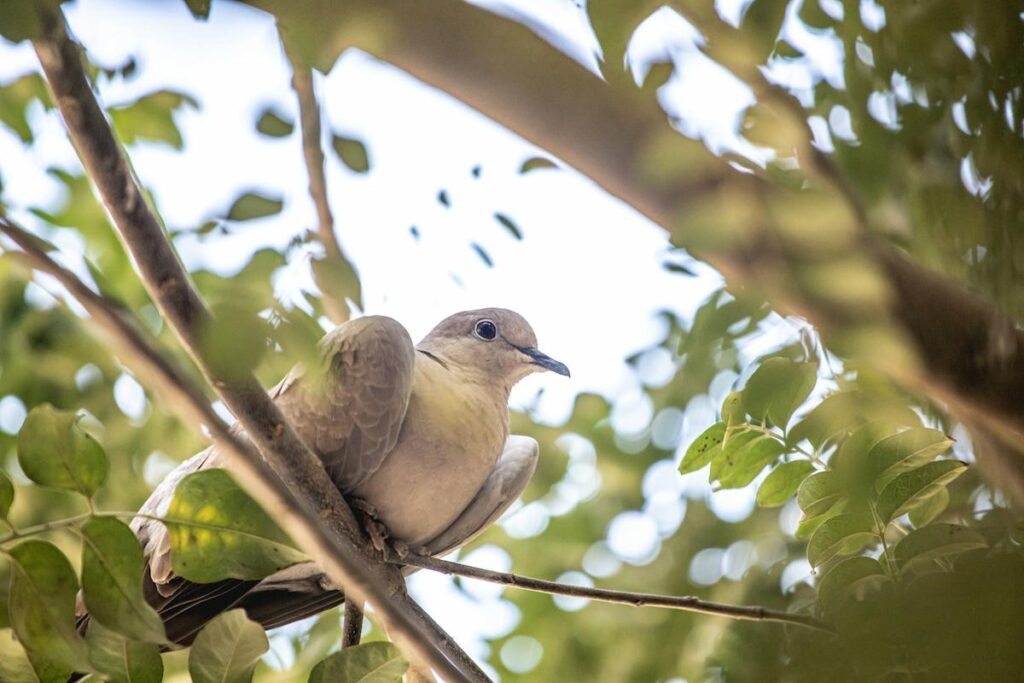
South Carolina’s Dove Hunting Regulations and Season Dates for 2023/2024
In the upcoming dove hunting season for 2023/2024 in South Carolina, hunters can anticipate a series of carefully regulated dates by the South Carolina Department of Natural Resources to engage in this beloved outdoor pursuit. The regular South Carolina hunting season is divided into three distinct periods:
- 1st season – September 2, 2023 – October 7, 2023
- 2nd season – November 11, 2023 – November 25, 2023
- 3rd season – December 24, 2023 – January 31, 2024
As you can see, the 1st season is the longest, lasting over a month, while the 2nd & 3rd seasons last up to two weeks.
To optimize safety and conservation efforts, shooting hours during the initial days of the season, from September 2 to September 4, 2023, are restricted to the period from 12 noon until sunset.
Following this brief adjustment, hunters can enjoy an extended timeframe for the remainder of the season, starting from half an hour before sunrise until sunset.
This carefully crafted schedule enhances the safety of participants and aligns with the broader goal of preserving and sustaining the collared dove population in South Carolina.
Furthermore, hunters must adhere to a daily bag limit of 15 Mourning Doves. This regulation ensures responsible hunting practices, preventing overharvesting and contributing to the conservation of these birds.
All hunters must be well-informed about these regulations, as compliance is key to maintaining a thriving dove population and preserving the integrity of this cherished outdoor tradition in the Palmetto State.
Locating the Finest Dove Hunting Fields
South Carolina’s mild climate and diverse habitats make it an excellent destination for dove hunting, with a selection of designated fields that promise superb hunting experiences. Among these, certain locales stand out for their well-managed environments and high dove populations.
Finding the Best Public Dove Fields
The public hunting land in South Carolina is plenty! The hunt for the finest dove hunting fields in South Carolina often leads enthusiasts to Roblyns Neck, a location celebrated for its meticulously managed sunflower fields along the Great Pee Dee River.
This prime public land parcel is famous for its scenic beauty and the abundance of Mourning doves that flock to the area each fall. Here, hunters can enjoy half-day hunts from 2:00 p.m. to 5:00 p.m., during which the air is thick with the excitement of up to 20 shooters participating in the chase.
Similarly, the Long Cane Ranger District of the Sumter National Forest offers a 60-acre field, known for being meticulously planted with wheat, millet, sesame, and sunflower. The result is an irresistible attraction for doves, providing hunters with a plethora of opportunities.
Gaining Access to Private Land for Dove Hunting
While public lands offer great opportunities, hunting on land that is privately owned can present several advantages. Private land hunts typically mean less competition, better game management, and often a more serene hunting atmosphere. However, to secure hunting rights on private property, you will need a hunting lease agreement.
South Carolina hunting leases, such as Fork Plantation Dove Club, offer excellent dove hunting experiences with periodic sunflower field plantings that attract a large population of doves. Moreover, organizations such as the NWTF South Carolina chapters facilitate access to private lands, even for those with special needs, through their hunting heritage events and initiatives like the NWTF Wheelin Sportsmen program.
For those considering private land over public fields for their next hunting venture, the benefits are clear. With a hunting lease agreement, hunters can enjoy exclusivity, managed habitats, and typically a more controlled hunting environment compared to public lands.
Whether you fancy a single game hunt or prefer a combo package, private landowners and clubs, including Roblyns Neck, offer customizable experiences that cater to different preferences within the rich South Carolina landscape.
Remember to plan your hunts according to official season dates and abide by the daily bag limit regulations to ensure a responsible and sustainable hunting experience.
For the Mourning dove’s hunting seasons, the starting dates feature a daily limit of 15 doves per hunter, with shooting hours varying throughout the season.
Sunrise-to-sunset hunting is standard, though the early season allows for a noon start, giving ample time to those who wish to enjoy the sport while also respecting the ethos of conservation.
Whether you hunt on public fields or private land, South Carolina promises some of the finest dove hunting experiences in the Southeast, attracting novices and seasoned hunters alike to partake in a cherished tradition that marks the start of the fall hunting season.
However, remember that even on private land, you cannot hunt during closed season, or without an annual season license, which can be bought at any license vendor locations or online.
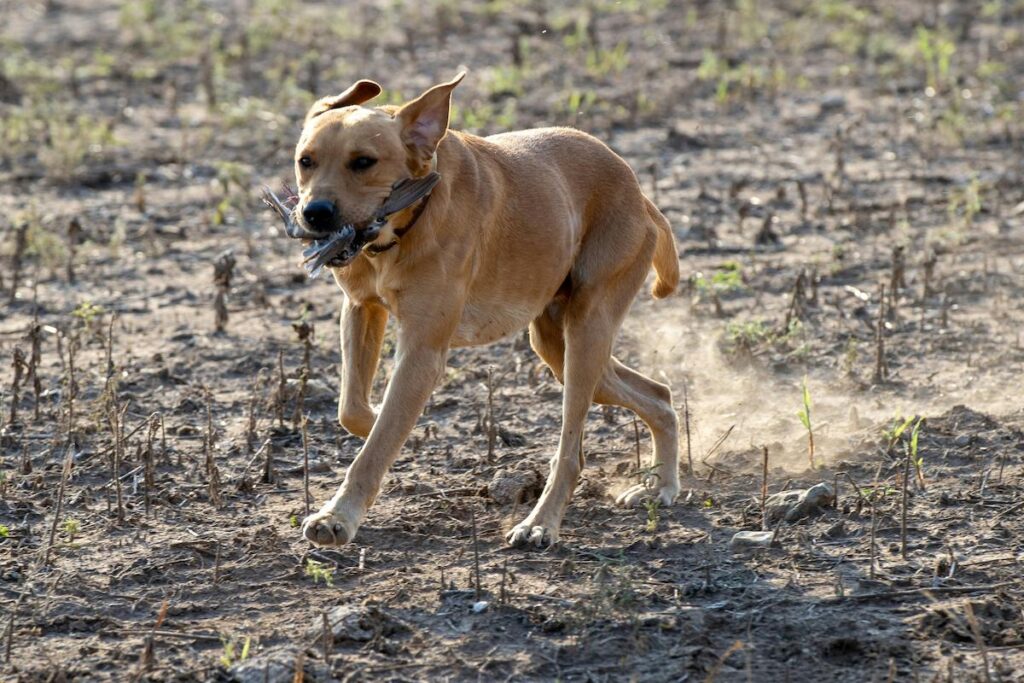
Effective Dove Hunting Strategies
Success in dove hunting in South Carolina often hinges on employing effective strategies. Understanding dove behavior, selecting the right location, and using appropriate techniques can greatly enhance your chances of a fruitful hunt.
Understanding Dove Behavior: Doves are fast and agile birds, making them challenging targets. They are often found near food sources like grain fields and water sources. Understanding their flying patterns, feeding times, and behavior during different times of the day can help in predicting their movements.
Selecting the Right Location: Choosing a spot where doves frequent is crucial. Look for areas with ample food sources and nearby roosting spots. Fields with recently harvested crops or those planted with dove-attracting plants like sunflowers are ideal. Public lands and WMAs in South Carolina often provide excellent opportunities for dove hunting, with fields specifically managed to attract doves.
Shooting Techniques: Doves can fly at high speeds, and successful shooting requires practice and skill. Focus on leading the bird and timing your shots. It’s often recommended to aim about six feet ahead of a flying dove for a successful hit.
Camouflage and Concealment: Doves have sharp eyesight, so effective camouflage is essential. Use camo gear that blends with the surroundings and avoid sudden movements that could startle the birds.
Decoys and Calls: Using decoys can be an effective way to attract doves into shooting range. Place them in visible locations like fence lines or bare tree branches. Although dove calls are less commonly used, they can sometimes be effective in attracting doves, especially early in the season.
Patience and Ethics: Patience is key in dove hunting. Doves may come in waves, and being patient can yield better results. Always adhere to ethical hunting practices, including respecting bag limits and following all hunting regulations.
By applying these strategies and combining them with knowledge of local conditions and dove behavior, hunters can enjoy a successful and responsible dove hunting experience in South Carolina.

Understanding the Daily Limit and Youth Hunter Regulations
In South Carolina, regulations and statewide limits are in place to maintain dove populations and ensure sustainable hunting practices. It is crucial to recognize that the resident bag limit for mourning doves is 15 birds per hunter. This rule is enforced rigorously to prevent over-harvesting.
The state also encourages youth participation in hunting, allowing young hunters to join the sport under the supervision of a licensed adult. Both youths and adults must possess a valid hunting license and adhere to the same daily bag limit.
This structure not only imparts crucial hunting skills to the younger generation but also embeds a sense of responsibility and conservation from an early age.
Making the Most of the Afternoon Hunt
Afternoon hunts, particularly near sunset, hold the promise of success. Doves are known to forage during late afternoons, providing hunters with an ample window of opportunity. To maximize this period, incorporate the use of decoys and maintain a low profile with effective camouflage.
Position yourself strategically near potential roosting spots or water sources that doves frequent during the evening. Twenty minutes before the official sunset, dove activity often peaks, so align your hunt to leverage these moments.
Adjust your shooting approach to accommodate the softer light conditions and remain patient; doves may take time to appear, but a well-scouted location will often pay off with a fruitful hunt.
Remember, ethical hunting includes monitoring your harvest, contributing wings for population studies, and strictly following game regulations to support South Carolina’s wildlife conservation efforts.
Top Public Dove Fields in South Carolina
South Carolina is home to some of the best public dove fields in the region, offering hunters excellent opportunities for successful hunts. Here are some of the top public fields known for their dove-hunting prospects:
- Canal WMA: Located along the Diversion Canal connecting Lakes Marion and Lake Moultrie, Canal WMA is renowned for its outstanding dove hunting. The area features multiple smaller fields, totaling 60 acres, providing ample space and opportunities for hunters.
- Gaffney BPW: This 20-acre field in Cherokee County, managed by the SCDNR, has been a top performer in dove harvests. It offers high-percentage shot opportunities and is a favorite among local hunters.
- Lake Russell USACE: Managed by the SCDNR on U.S. Army Corps of Engineers lands, this area includes the Bordeaux, Parksville, and Plum Branch fields, all known for excellent dove hunting.
- Oak Lea WMA: Situated in Clarendon County, Oak Lea WMA is considered a hidden gem for dove hunting. Its 102-acre field offers a mix of environments that are attractive to doves.
- Botany Bay Plantation WMA: This 70-acre field on Edisto Island is a popular destination for hunters. The field is located in a beautiful setting and provides a great hunting experience.
- Santee Cooper – Santee Dam WMA: Located near Manning, this 75-acre field is part of the Santee Cooper WMA and is known for its quality dove hunting.
- Donnelley WMA: In Colleton County, this 80-acre field is part of the Donnelley WMA, offering fantastic opportunities for dove hunting.
These fields, managed by the South Carolina Department of Natural Resources, are planted and maintained specifically for dove hunting. Hunters should check the specific regulations and available dates for each field to plan their hunts accordingly.
By visiting these top public dove fields, hunters can enjoy some of the best wing-shooting experiences South Carolina has to offer.
Tips for a Safe and Successful Dove Hunting Season
Dove hunting season in South Carolina offers enthusiasts ample opportunities to indulge in the sport from September 2 through January 31. To ensure a safe, successful, and legal hunt, hunters should be keenly aware of the state’s regulations and practice ethical hunting.
Legal hunting hours commence half an hour before sunrise and end at sunset, with variations during different seasons. This is not only a legal requirement but a component of safety and compliance, especially during periods like youth hunts and reserved days for veterans and active-duty military personnel.
For a faultless experience, respect these time frames and verify official sunset times ahead of your outing.
Additionally, staying informed about the daily bag limit, which in South Carolina is 15 birds per day for Mourning Doves, is essential for sustaining the dove population and partaking responsibly in the sport.
As you prepare for the season, securing the mandatory Migratory Bird Stamp and, when necessary, a Wildlife Management Area permit, is crucial, whether hunting on public or private land. This adherence to permit requirements ensures that your practices are lawful and in line with state guidelines.
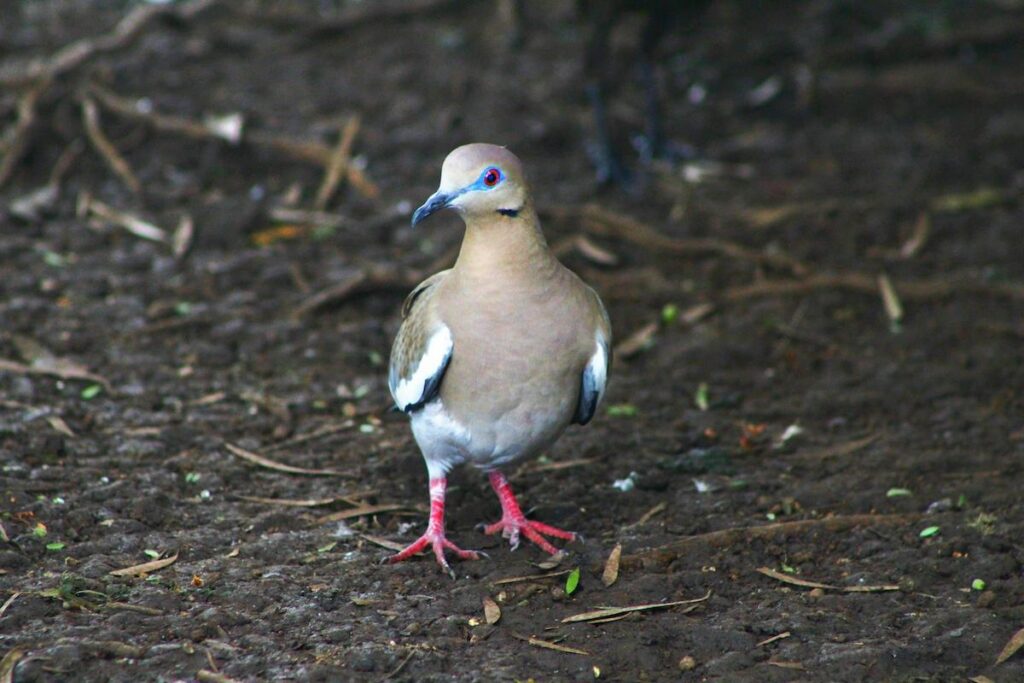
Knowing the Legal Hunting Hours and Sunset Times
For a harmonious balance between an enjoyable hunt and compliance with state regulations, hunters must be precise about the permissible hunting hours.
In South Carolina, these hours are defined as beginning half an hour before sunrise and concluding at sunset. It is advisable to have a reliable source to check the exact sunrise and sunset times on your planned hunting days, as these times can change slightly throughout the season.
Failure to comply might result in night hunting violations, that further bring revoking of your hunting license.
During the extended season, and on specific days allocated for youth, veterans, and active-duty military, the same guidelines apply. Staying informed will prevent legal infractions and enhance your overall hunting experience.
Equipment and Gear Recommendations
Preparation is key when it comes to dove hunting, with appropriate gear significantly enhancing your experience. An effective dove hunt typically entails using a 20 or 12-gauge shotgun with an improved cylinder choke, with No. 7 1/2 or No. 8 shot ammunition for an ideal range and pellet density.
Camouflage clothing suited to the environment will keep you concealed, while a sturdy hunting vest or pouch will organize your ammunition and essentials.
Moreover, a lightweight stool or seat is invaluable for comfort during extended periods of waiting. Keeping these equipment essentials in mind will support a successful and enjoyable hunt.
Staying Safe near Power Lines and Agriculture Fields
Vigilance in the field is paramount, especially when hunting near potent hazards such as power lines and agriculture fields. Doves often perch on these lines, making awareness and caution while shooting essential to avoid accidents.
Familiarizing yourself with the field’s layout is a proactive step to ensure you don’t inadvertently aim toward power lines. Moreover, agriculture fields can harbor hidden perils like irrigation trenches and uneven terrain.
Cooperation with landowners to comprehend local risks and establish safety measures is essential for a safe hunt. By being aware of these potential hazards, you are safeguarding yourself and others around you, promoting a safe hunting environment.
By adhering to these guidelines and safety tips, you can look forward to a successful and secure dove hunting season in South Carolina. Whether hunting on public fields or private land, vigilance, preparedness, and mindful practice of state regulations will lead to an enjoyable and ethically sound hunting experience.
Conclusion
Dove hunting in South Carolina embodies a traditional sport cherished by many. The state’s structured hunting regulations, from the 1st season to the 2nd & 3rd seasons, promise a responsible balance between joy and conservation.
Hunters have the privilege of accessing various terrains on both public fields and private land, delivering one of the finest hunting experiences nationwide.
Adherence to the daily bag limit of 15 Doves per day and the respectful inclusion of youth hunters are key to sustaining the ecosystem. This fosters respectful hunting traditions for future generations to enjoy.
As the season’s dates unfold, from the anticipation of the 1st season in early September to the final days of January, hunters are equipped with knowledge and gear to maximize their outings.
Remember, safety precautions, especially near potential hazards like power lines and agricultural fields, are essential.
By observing the regulations and staying within the ambit of legal hunting hours, from sunrise to sunset, hunters ensure a season that’s not only fruitful but also echoes South Carolina’s commitment to wildlife stewardship.
Enjoy the sport, wear your favorite college team’s colors proudly at the hunt, but always remember to leave the fields as pristine as you found them, ensuring a lasting heritage for dove hunting in South Carolina.