Introduction to Duck Hunting in Louisiana
Southwest Louisiana is perfect for hunting common ducks, offering exceptional duck hunting opportunities. It’s a perfect destination for duck hunting, as it has one of the biggest varieties of duck hunting habitats.
Overview of Duck Hunting in Louisiana
Duck hunting in Louisiana is not just a sport; it’s a deeply ingrained cultural tradition. Known as the “Sportsman’s Paradise,” Louisiana offers a unique blend of rich wetlands and abundant waterfowl species, making it a premier destination for duck hunters.
The state’s geographical diversity, with consistent water supply, ranging from coastal marshes to flooded timber areas, provides an ideal habitat for various species of ducks. Known as one of the best duck-hunting states, Louisiana provides an excellent duck-hunting opportunity for both novice and experienced hunters.
History of Duck Hunting in Louisiana
Louisiana’s duck hunting history is diverse like its habitats. Early settlers and Native Americans relied on duck hunting using basic tools and techniques for generations.
Simple decoys and manual calls evolved into complex gear and advanced plans. Conservation rules and restrictions were introduced in the 20th century to protect Louisiana’s wildlife.
Today, Louisiana duck hunting balances tradition and conservation. It is evidence of the state’s unwavering devotion and dedication to protecting its natural legacy for future generations.
Types of Ducks in Louisiana
Louisiana’s different ecosystems house several common duck species, each with its own traits and habits.
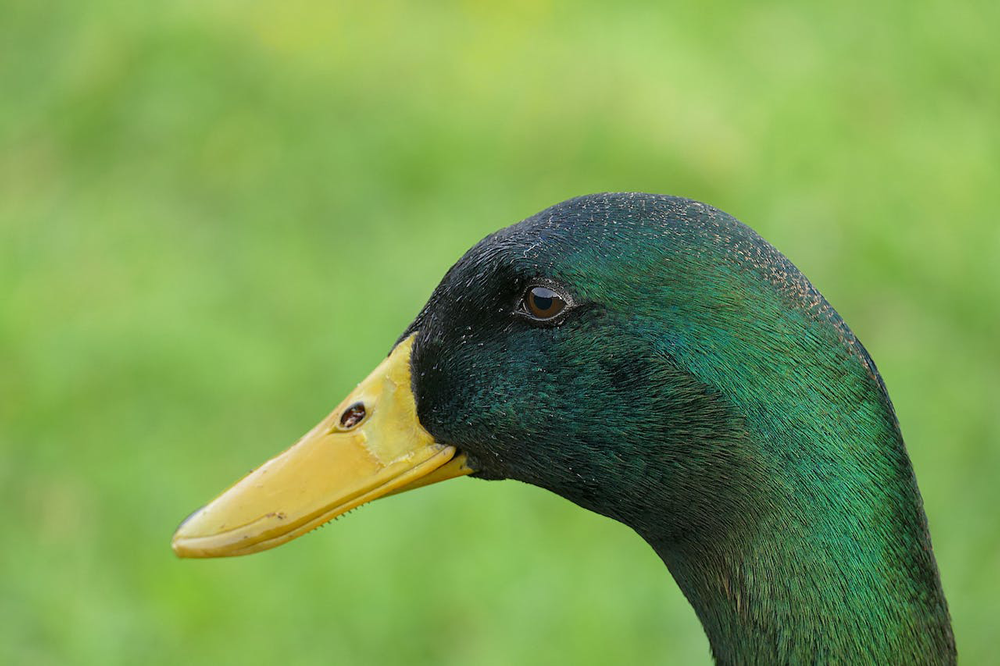
Mallards, with their green heads and friendly attitude, are common in freshwater marshes and agricultural fields. Mallards should not be confused with a black duck.
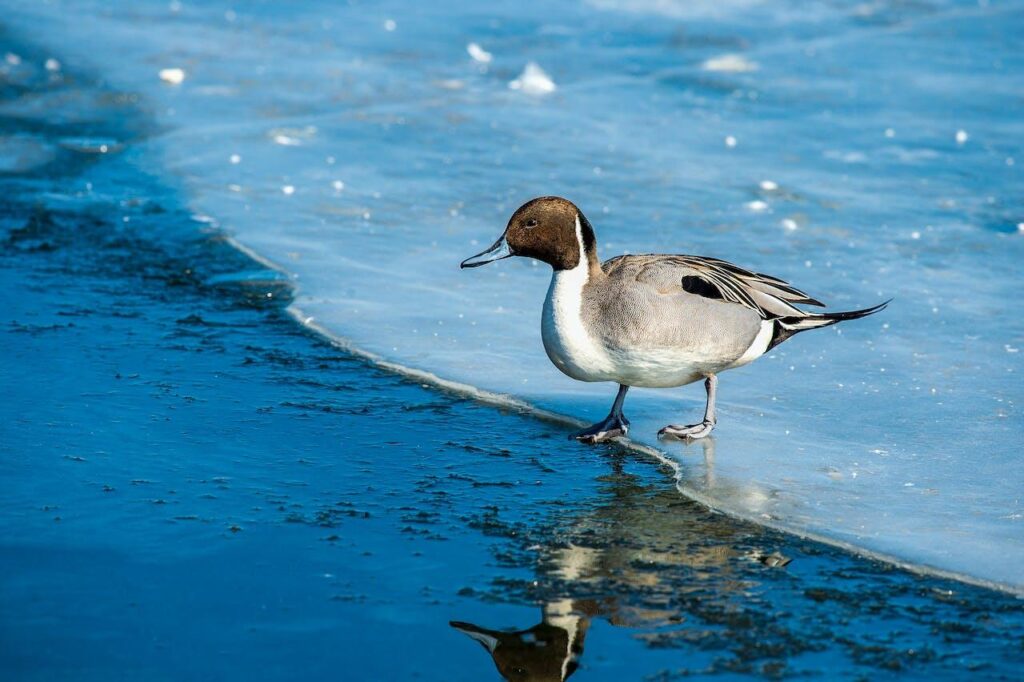
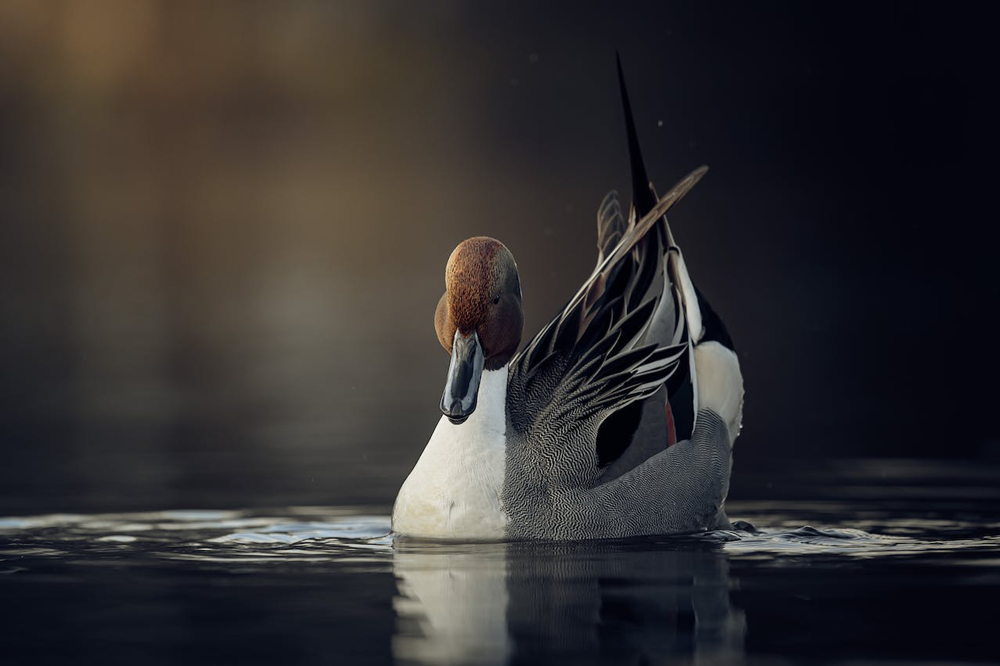
With its graceful long neck and rapid flight, the Northern Pintail frequents coastal wetlands.
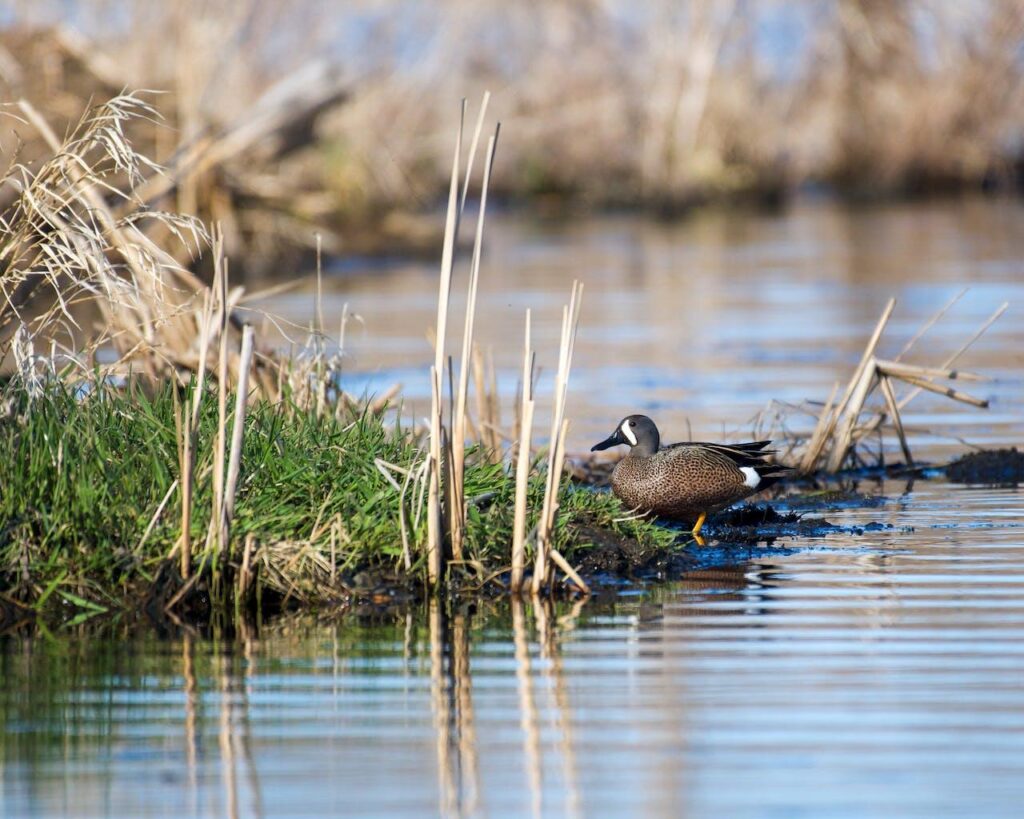
Blue-winged Teal, Green-winged Teal, and Cinnamon Teals are smaller, quicker ducks that are tough yet enjoyable to hunt.
The Gadwall, or “gray duck,” is a versatile freshwater and saltwater bird with a delicate appearance.
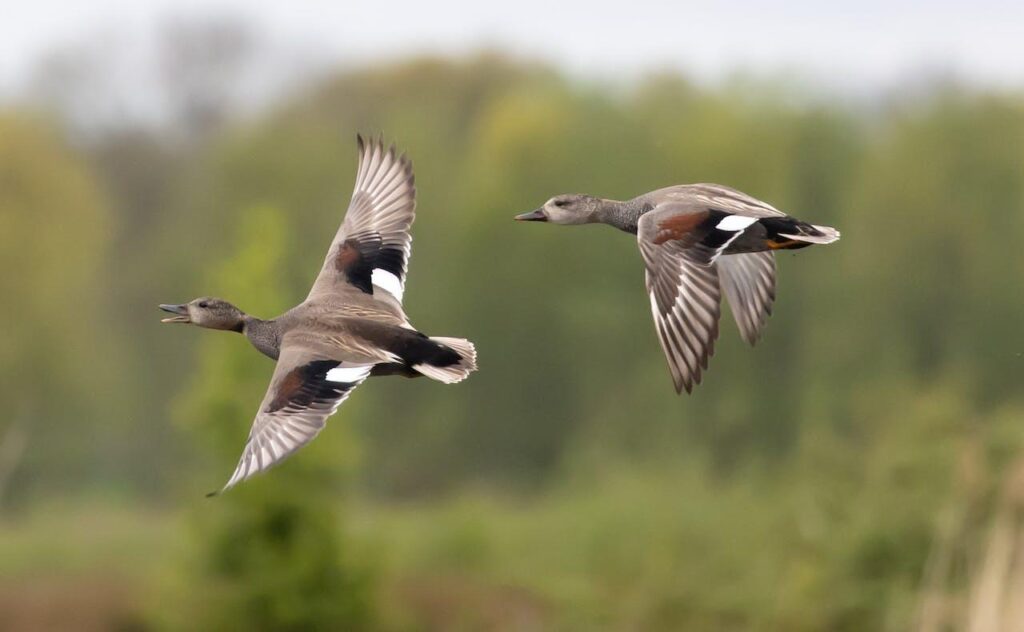
Canvasback and Redhead diving ducks prefer deeper waters, making hunting different.
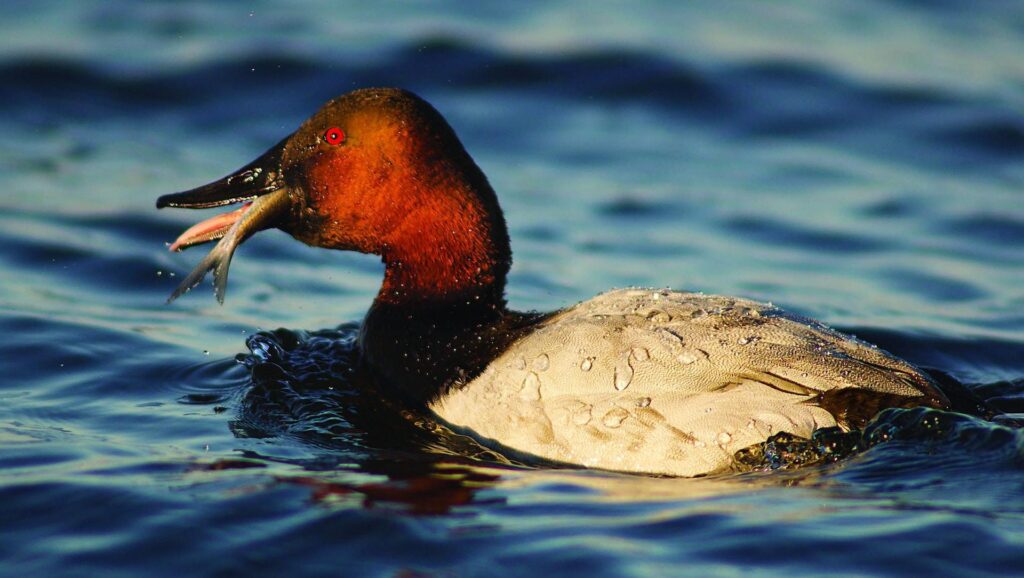
Weather, habitat, and migration affect each species’ presence and behavior. Successful duck hunting in Louisiana requires knowledge of these ducks’ behaviors and habitats.
This wide variety makes hunting thrilling and emphasizes the need to conserve Louisiana’s wetlands for these species.
Regulations and Seasons
The duck season is usually during the winter months, as Louisiana is a warmer state, and ducks are migratory birds. Hunting migratory game birds in Louisiana gives you an exceptional duck hunting opportunity, as hordes of ducks flock here, perfect for your hunt days.
Understanding the Regulations
To be able to hunt legally and morally in Louisiana, you need to understand the laws and regulations. To ensure sustainable hunting practices, the state, together with federal wildlife agencies, established specific laws.
Hunters must have a basic hunting license, the annual state Duck Stamp, and Migratory Bird Treaty Act compliance. These rules encompass hunting, weapons, ammunition, decoys, and calls.
Compliance maintains hunt safety and fairness and helps conserve waterfowl populations and habitats. The Louisiana Wildlife and Fisheries offers comprehensive resources and updates to help hunters remain educated and compliant.

Hunting Seasons and Limits
Louisiana duck hunting season is greatly anticipated each year by waterfowl hunters, with precise dates and bag limitations to preserve waterfowl numbers. Season dates vary by zone and species, but are usually November–January.
Hunters may collect a certain number of ducks each day under statutory daily bag limit. These restrictions and limit on ducks are species-specific, preventing overharvesting of any one species.
When hunting ducks, following these rules serves a purpose to preserve a healthy population of ducks.
| Duck Zones | Hunting Start Date | Hunting End Date | Note |
| West | November 11, 2023 | December 3, 2023 | – |
| West | December 16, 2023 | January 2, 2024 | – |
| West | January 13, 2024 | January 31, 2024 | – |
| East | November 18, 2023 | December 3, 2023 | – |
| East | December 16, 2023 | January 28, 2024 | – |
| East | November 11, 2023 | November 11, 2023 | Youth-only and veterans-only special hunt |
| East | February 3, 2024 | February 3, 2024 | Youth-only and veterans-only special hunt |
| West | November 4, 2023 | November 5, 2023 | Youth-only and veterans-only weekend |
This table provides a clear overview of the duck hunting seasons in Louisiana for both the East and West Zones, including special dates for youth and veteran hunters. Hunters should always ensure they are compliant with all regulations and have the necessary permits and licenses for these dates.
Youth and Veterans Hunting Days
Louisiana offers special hunting days for youth and disabled veterans as a way to honor and encourage these groups’ participation in duck hunting.
Young hunters and veterans can hunt without competing with the general hunting population on these selected days outside the normal hunting season. Besides hunting, these gatherings teach, conserve, and carry on customs.
They allow experienced hunters to teach novice hunters and veterans to appreciate the outdoors. These unique days demonstrate Louisiana’s dedication to promoting hunting and conservation in all communities.
Hunting License
In order for duck hunters to be compliant with ethical and legal hunting, they need to get a hunting license. For those over 18, a basic hunting license is needed, as well as some other special licenses, depending on what you are hunting. Additionally, if you want to hunt waterfowl, you need a Federal Duck Stamp.
Hunting Techniques and Equipment
It takes a mix of expert tactics and specific gear to hunt ducks in Louisiana since the state is home to a variety of expansive water bodies. Popular hunting techniques include decoy spreads, duck calls, duck blinds, duck boats, and shotguns.

Hunting Techniques
Hunters need to know exactly which technique they will use, to be able to attract the exact species they want.
- Decoy Use:
- Purpose: Utilizing realistic duck decoys to attract birds.
- Strategy: Tailoring the arrangement and type of decoys based on the hunting environment – open water, marshes, or flooded timber.
- Effectiveness: The setup’s impact on attracting ducks can be significant, requiring thoughtful placement.
- Duck Callers:
- Skill Requirement: Involves practice and finesse to master.
- Method: Mimicking duck sounds to lure them into the shooting range.
- Adaptability: Matching the type of call and calling pattern with the specific duck species and situation.
- Camouflage and Stealth:
Necessity: Essential due to ducks’ high vigilance and ease of being spooked.- Techniques: Using blinds or natural cover, remaining motionless, and being mindful of wind direction to stay undetected.
- Understanding Duck Behavior and Flight Patterns:
- Importance: Crucial for anticipating duck movements and selecting optimal hunting spots.
- Outcome: Enhances the hunter’s ability to position effectively for a successful hunt.
Essential Equipment for Duck Hunting
In Louisiana’s varied hunting conditions, it’s important to strike a balance between having a well-equipped setup and the need to be flexible and mobile. All the gear is vital to improving the hunting experience and raising the odds of a successful and pleasurable hunt.
- Shotgun:
- Type: 12-gauge shotguns are most popular.
- Selection Criteria: Comfort and ease of handling and shooting.
- Ammunition:
- Requirement: Non-toxic shot, such as steel, bismuth, or tungsten.
- Purpose: Mandatory for waterfowl hunting to protect the environment.
- Hunting Blind:
- Quality: Waterproof and durable.
- Function: Provides concealment and comfort, particularly in wet conditions.
- Waders:
- Necessity: Essential for navigating marshy and wet terrains.
- Functionality: Keeps the hunter dry and mobile in typical Louisiana duck habitats.
- Camouflage Clothing:
- Purpose: Ensures concealment and protection against the elements.
- Importance: Integral for blending into the environment.
- Hunting Vest or Bag:
- Use: To carry ammunition, duck calls, and other necessary gear.
- Duck Call:
- Function: Essential for attracting ducks within shooting range.
- Decoys:
- Role: Used to lure ducks to a specific area.
- Boat Safety Equipment (if hunting from a boat):
Includes: Life jackets and a reliable means of communication.- Importance: Ensures safety on the water.
Best Hunting Locations in Louisiana
Louisiana is considered the country for duck harvest, as it has acres of duck hunting opportunities, let’s explore which are best!
Top Public Duck Hunting Areas
Public hunting land in Louisiana can offer various terrains, and give you the largest selection of hunt location opportunities. Let’s explore it further:
- Catahoula Lake Wildlife Management Area (WMA):
- Habitat: Renowned for its extensive flooded timber and marsh areas, Catahoula Lake offers a unique and challenging hunting environment.
- Popularity: This WMA is a major attraction for both ducks and hunters, known for its high density of waterfowl.
- Hunting Experience: Hunters can expect an immersive experience amidst natural landscapes, with opportunities to hunt a variety of duck species.
- Access and Regulations: While accessible, hunters should be aware of specific area regulations and seasonal variations in water levels that might affect hunting conditions.
- Atchafalaya Delta WMA:
- Habitat: Characterized by its vast coastal marshes, the Atchafalaya Delta offers a distinct wetland hunting experience.
- Diversity of Game: The area is a haven for a wide range of duck species, making it a preferred destination for waterfowl enthusiasts.
- Hunting Challenges: The expansive marshes provide both opportunities and challenges, requiring strategic planning and possibly the use of boats for optimal access.
- Conservation Focus: As with all WMAs, conservation practices are in place to ensure sustainable hunting and preservation of the ecosystem.
- Cameron Prairie National Wildlife Refuge:
- Habitat: This refuge boasts rich wetland habitats, attracting a diverse array of waterfowl species.
- Bird Diversity: Ideal for hunters interested in a variety of ducks, the refuge’s habitats support a broad spectrum of waterfowl.
- Sustainable Hunting: Managed with a focus on conservation, the refuge provides sustainable hunting opportunities in line with wildlife preservation efforts.
- Access and Preparation: Hunters should prepare for varying terrain and check for any specific permits or guidelines required for hunting in this federally managed area.
Private Hunting Opportunities
For those seeking a more exclusive hunting experience, Louisiana offers numerous hunting leases in Louisiana. These often come in the form of guided hunting trips on leased lands or private hunting clubs.
Guided hunts provide the advantage of experienced local knowledge, which can be invaluable, especially for those new to the area or to duck hunting in general. These hunts can offer a range of services, from basic access to land to full-service packages including lodging, meals, and transportation.
Leased lands and private clubs often provide well-maintained habitats specifically managed for duck hunting, increasing the chances of a successful hunt. While these private options can be more costly than public hunting, they often offer a higher degree of convenience, comfort, and success.

It’s important to research and choose reputable outfitters or clubs, ensuring that they adhere to ethical hunting practices and conservation principles.
Conservation and Ethics
When hunting, conservation and ethics are the most important factors in sustaining a healthy population of hunted animals. The rules and legislation are set in place to protect the wildlife.
Conservation Efforts
Conservation plays a pivotal role in ensuring the sustainability of duck hunting in Louisiana. The state, along with various wildlife agencies and organizations, undertakes numerous initiatives to preserve and enhance waterfowl habitats.
These efforts include wetland restoration, controlled burns, and the management of water levels to create optimal conditions for waterfowl. Programs like the Louisiana Waterfowl Project collaborate with private landowners to improve habitats on private lands.
Conservation also involves research and monitoring of duck populations to inform management decisions. Hunters contribute to these efforts by purchasing hunting licenses and duck stamps, with funds directly supporting conservation projects.
By participating in these initiatives, hunters play an active role in sustaining the rich waterfowl heritage of Louisiana, ensuring that future generations can continue to enjoy the tradition of duck hunting.
Ethical Hunting Practices
Ethical hunting is a cornerstone of the duck hunting culture in Louisiana. It encompasses a range of practices aimed at respecting wildlife, the environment, and fellow hunters. This includes adhering to hunting regulations, practicing safe firearm handling, and ensuring humane and quick harvests.
Ethical hunters also strive to minimize their impact on the environment by avoiding disturbance to non-target species and habitats. They participate in and promote conservation efforts, understanding that sustainable hunting is dependent on healthy ecosystems. Respect for the quarry is also fundamental; this means taking only shots that are likely to be effective and making every effort to retrieve all downed birds.
Ethical hunting also involves mentoring new hunters, sharing the traditions and values of the hunting community, and fostering a culture of respect and responsibility.
By upholding these ethical standards, hunters in Louisiana ensure that duck hunting remains a respected and sustainable outdoor activity.
Frequently Asked Questions (FAQs)
What are the legal requirements for duck hunting in Louisiana?
Hunters in Louisiana must have a valid hunting license, a Louisiana Duck Stamp, and a Federal Duck Stamp. Additionally, hunters born after September 1, 1969, must complete a Hunter Education Course. Compliance with the Migratory Bird Treaty Act and state regulations is also required.
When is duck hunting season in Louisiana?
Duck hunting season in Louisiana typically runs from November to January, with exact dates varying by zone. There are also special early seasons for teal in September. It’s important to check the current season dates as they can change annually.
What are the bag limits for duck hunting in Louisiana?
Bag limits in Louisiana vary by species and can change annually. Generally, there’s a daily limit, which is the number of ducks a hunter can harvest in a day, and a possession limit, which is typically three times the daily limit. Hunters should consult the latest regulations for specific limits.
Can non-residents hunt ducks in Louisiana?
Yes, non-residents can hunt ducks in Louisiana but they must obtain a non-resident hunting license, a Louisiana Duck Stamp, and a Federal Duck Stamp. Non-residents should also be aware of any specific regulations that may apply to them.
Are there special hunting opportunities for youth and veterans in Louisiana?
Yes, Louisiana offers special hunting days for youth and veterans. These days are typically outside the regular season and provide exclusive hunting opportunities for these groups. Dates and regulations for these hunts are announced annually
What types of ducks can be hunted in Louisiana?
Louisiana is home to a variety of duck species, including Mallards, Teals (Blue-winged, Green-winged, and Cinnamon), Northern Pintails, Gadwalls, Canvasbacks, and Redheads. The availability of species can vary by area and season.
Is a guide necessary for duck hunting in Louisiana?
While a guide is not legally required, it can be extremely helpful, especially for those new to the area or to duck hunting. Guides offer local knowledge, and access to prime hunting spots, and can assist with understanding regulations and effective hunting techniques.