In this article, you will learn:
- The history of elk in North Carolina.
- Licenses, essential gear, and season information
- Prospects for elk hunting.
For a deeper dive into elk conservation and hunting’s role, continue reading.
History of Elk in North Carolina
North Carolina’s elk population, once a common sight across the eastern United States, faced extinction due to unregulated hunting and habitat loss with European settlement.
By the 1800s, the Eastern Elk was extirpated from the state, and by the mid-1800s, the popular game animal was nearly extinct across its entire range. The last known Eastern Elk was killed in Pennsylvania in 1877, marking a significant loss in biodiversity.
To reverse the loss of the largest land mammals, the National Park Service undertook an ambitious reintroduction project in the early 2000s. They released 52 Manitoban elk into the Cataloochee area of the Great Smoky Mountains National Park.
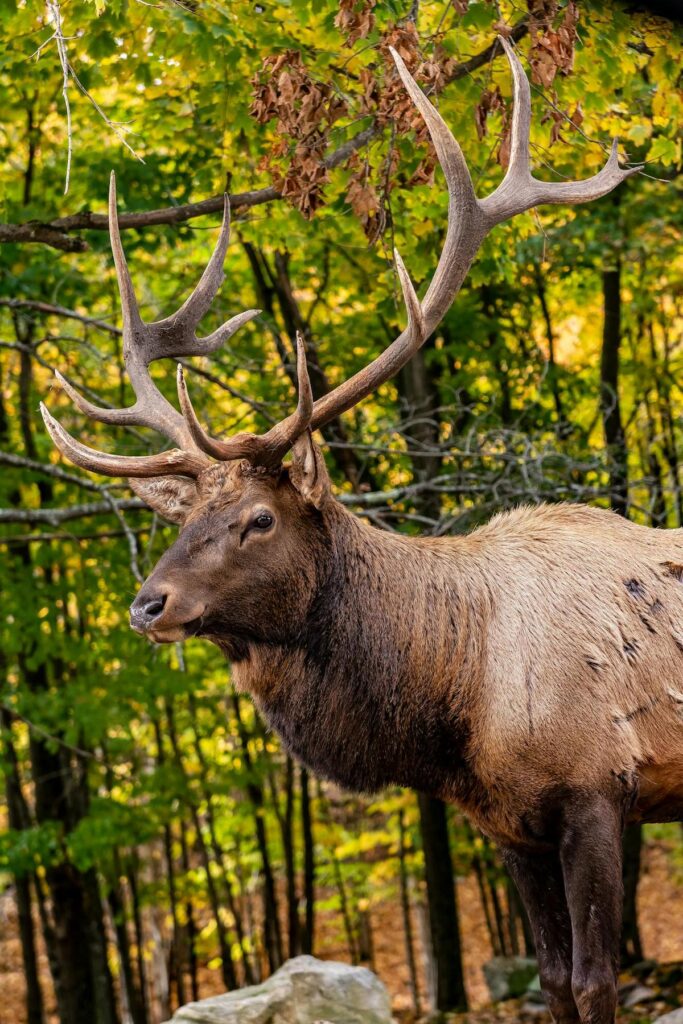
This effort aimed to evaluate the largest animal’s survival and reproduction potential in their former habitats. Over time, these reintroduced elk have ventured beyond park boundaries, establishing populations in adjacent lands.
Today, North Carolina is home to an elk population growth, primarily residing in Haywood, Jackson, and Swain counties. The state estimates the herd size to be between 150 to 200 individuals, living on both public and private lands, including within the Great Smoky Mountains National Park.
This resurgence marks a significant milestone in the state’s conservation efforts, highlighting the success of wildlife management and reintroduction strategies.
The Wildlife Commission, in partnership with local and national organizations, continues to monitor and support the elk population counts. This includes habitat management and research projects to ensure the elk not only survive but thrive in North Carolina.
This story of elk reintroduction in North Carolina is a testament to the dedication of conservationists and the resilience of nature. It offers hope for the recovery of other species facing similar threats and underscores the importance of wildlife management in preserving our natural heritage.
Can You Hunt Elk in North Carolina?
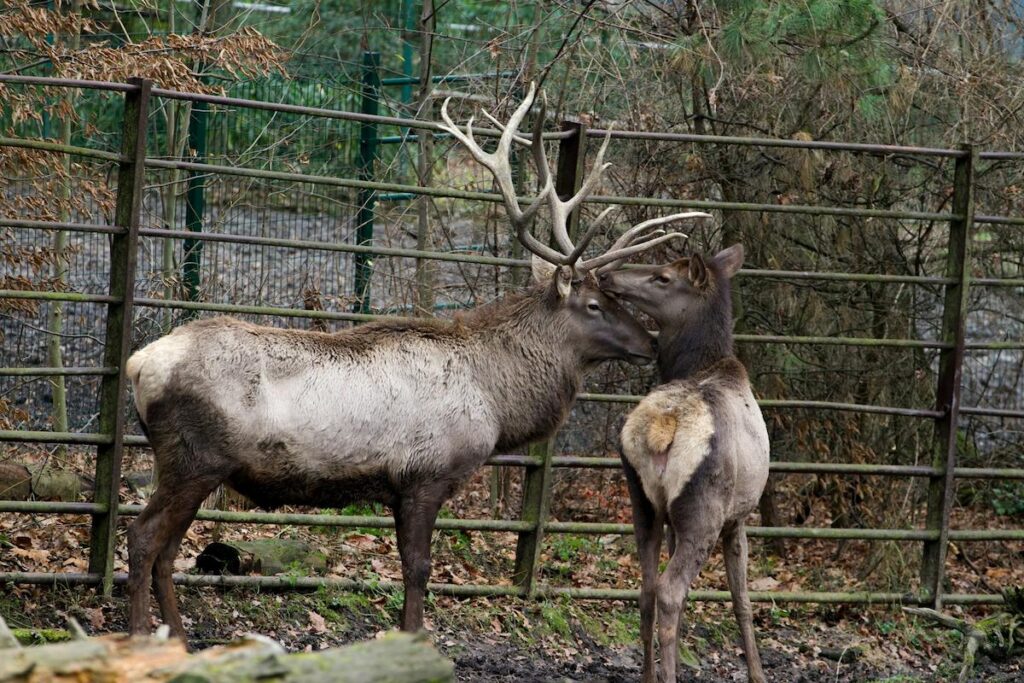
As per the current guidelines and management objectives set by the North Carolina Wildlife Resources Commission, there is no open season for elk hunting in North Carolina.
The state has established a framework for a potential future established elk hunting season, including legislation for resident and nonresident valid hunting licenses, as the wildlife rules now exist.
However, an official elk hunting season in NC will only be implemented when the elk population reaches a level that supports sustainable hunting, ensuring the long-term viability of the species within the state.
The decision to open an elk hunting season will be based on comprehensive population studies, habitat assessments, and consultations with various stakeholders. This approach ensures that any future hunting activities contribute positively to the conservation of elk populations and their habitats in North Carolina.
Where Are Elk in North Carolina?
Elk are primarily found in the western part of North Carolina, with most of the population residing in Haywood, Jackson, and Swain counties. These areas offer the lush, mountainous habitats that elk require for grazing, breeding, and shelter.
The reintroduction of elk to the Great Smoky Mountains National Park in the early 2000s has led to the establishment of a stable and growing population that extends into surrounding public land holdings and private lands.
The private land owners might even start to offer hunting leases in NC once the hunting officially begins. On the other side, a public hunting land in NC will not require a hunting lease agreement but you will be required to brush up on the rules of how to hunt on public land.
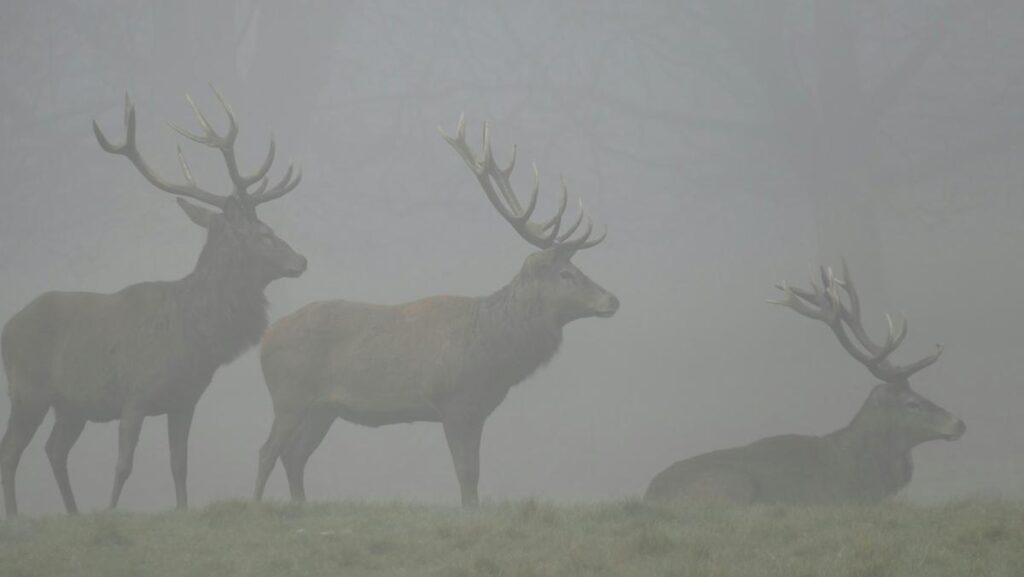
The Cataloochee Valley in the Great Smoky Mountains National Park is particularly notable for elk viewing, attracting visitors who wish to observe these majestic animals in their natural setting.
Outside the park, the NC Wildlife Resources Commission and various conservation partners are working to enhance habitat quality on state-owned game lands to support the elk herd expansion.
Efforts to manage and conserve elk habitats are crucial for the species’ continued recovery and growth. These initiatives not only benefit elk but also a wide range of other wildlife species that depend on similar habitats.
Elk Hunting Regulations in North Carolina
Elk hunting regulations in North Carolina are designed to ensure the sustainability of the elk population while providing hunting opportunities. As the state moves towards establishing a formal elk hunting season in NC, understanding the regulatory framework is essential for all prospective hunters.
- Licenses and Permits: Hunters will need to obtain a valid hunting license, which may include a specific elk hunting permit once the season is established. Both resident and nonresident licenses and permits will likely be offered, with details to be finalized by the North Carolina Wildlife Resources Commission.
- North Carolina elk season The hunting season dates and bag limits will be determined based on ongoing population assessments and management objectives. These regulations will be designed to maintain a healthy elk population and will be subject to change as the elk management plan evolves.
- Hunting Zones: Hunting may be restricted to specific zones where elk populations are deemed sufficient to support hunting. These zones will be identified based on habitat suitability and population density.
- Ethical Considerations: Hunters are expected to adhere to ethical hunting practices, including fair chase principles, respect for the animal, and compliance with all hunting regulations. The use of bait or hunting elk within park boundaries may be prohibited.
Prospective elk hunters in North Carolina should stay informed about the latest regulations and management plans by regularly consulting the North Carolina Wildlife Resources Commission’s website and attending public meetings or information sessions related to elk management and hunting.
Current Elk Population and Management
The elk has become a focal point of wildlife conservation and management efforts. Following the successful reintroduction of the Manitoban subspecies, significant steps have been taken to ensure the elk flourish. This includes habitat management, population monitoring, and collaborative research initiatives.
A cornerstone of these efforts is the partnership between the North Carolina Wildlife Resources Commission and the University of Tennessee. Together, they’re conducting a five-year research project aimed at estimating the elk population’s abundance, survival rates, recruitment, and growth.

In addition to research, the state has been proactive in enhancing elk habitats on public game lands. Projects include daylighting non-paved roads, creating wildlife openings, developing elk meadows, and conducting prescribed burns.
These actions are designed to improve forage quality for elk, particularly benefiting lactating cows and their calves, and support a broader range of species that rely on early successional habitats.
Despite these efforts, the current elk population does not yet support a hunting season as per the management objectives of the Wildlife Resources Commission.
However, the establishment of a regulatory framework for future elk hunting indicates a long-term vision for integrating sustainable hunting practices into elk management. Any future hunting will be conducted responsibly, with the health and stability of the elk population as a primary concern.
The elk management is a testament to the commitment of the Nonprofit Wildlife Conservation Organization and the adaptive strategies necessary to maintain healthy populations. As the state continues to support the elk, it remains a beacon of successful species reintroduction and management.
Preparing for Elk Hunting
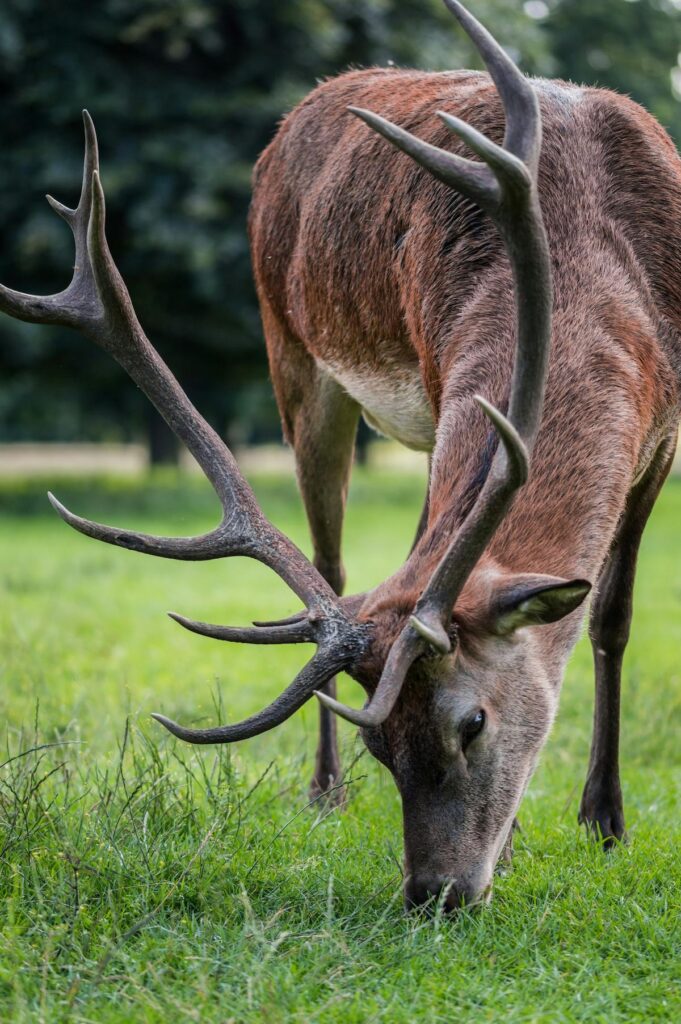
Preparing for elk hunting requires careful planning and understanding of the unique challenges and opportunities this type of hunt presents. Prospective hunters should consider physical preparation, equipment needs, and the acquisition of necessary knowledge about elk behavior and habitat.
- Physical Preparation: Elk hunting often involves navigating rugged terrains in the mountainous regions of NC. Hunters should focus on improving their endurance, strength, and overall fitness to handle the demands of tracking and hauling game in these environments.
- Equipment and Gear: Essential equipment includes a reliable rifle or bow, suitable camouflage clothing for the season, a GPS device or detailed maps of the hunting area, and camping gear for multi-day hunts. Additionally, investing in quality optics, such as binoculars or a spotting scope, can significantly enhance your ability to locate elk from a distance.
- Knowledge and Skills: Understanding elk behavior, such as feeding patterns, rutting behavior, and preferred habitats, can increase your chances of a successful hunt. Hunters should also familiarize themselves with elk vocalizations and consider using calls to attract elk. Safety courses and hunter education are invaluable, focusing on ethical hunting practices and wildlife conservation.
- Scouting the Area: Before the hunting season, scouting potential hunting grounds is crucial. This helps in understanding the lay of the land and in identifying signs of elk presence, such as tracks, droppings, or bedding areas.
Future Prospects of Elk Hunting in North Carolina
The future of elk hunting in North Carolina is on the horizon, yet it’s approached with caution and careful planning to ensure sustainability. With a growing elk population, the state has begun laying the groundwork for potential hunting opportunities. However, the emphasis remains on ensuring any future hunting aligns with broader conservation and management goals.
The North Carolina Wildlife Resources Commission has made strides in preparing for a possible elk hunting season. This includes legislative actions to establish a regulatory framework and ongoing public consultations to gauge stakeholder perspectives.
The introduction of elk, along with other species, to the list of animals that could be hunted during the archery season marks a tentative step towards formalizing elk hunting regulations.
Despite these preparations, the Commission has been clear: these hunting adventures will only commence once the elk population reaches a level that supports both the species’ long-term viability and the state’s management objectives.
This cautious approach reflects a commitment to responsible wildlife management, ensuring that hunting contributes positively to elk conservation efforts.
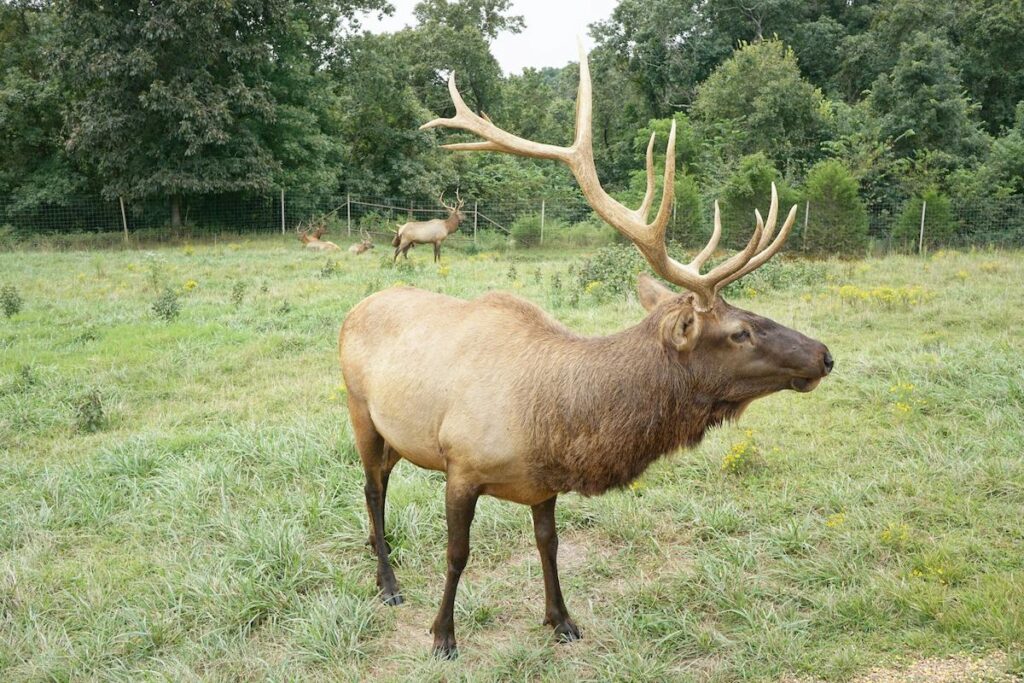
The involvement of organizations like the Rocky Mountain Elk Foundation highlights the collaborative nature of this endeavor. These partnerships are crucial for balancing the ecological needs of elk with the interests of hunters and other stakeholders.
As North Carolina moves towards establishing an elk hunting season, it remains a carefully balanced act of conservation, management, and stakeholder engagement. For hunters and conservation enthusiasts alike, the prospect of elk hunting in North Carolina represents not just a new recreational opportunity but a testament to the state’s dedication to wildlife preservation and sustainable management practices.
The journey from reintroduction to a potential future hunting season underscores the complexities of wildlife management and the importance of a science-based, collaborative approach to conservation.
As the state continues to monitor and support its elk population, the future of elk hunting in North Carolina holds promise for both the species’ conservation and the enrichment of the state’s hunting heritage.
Frequently Asked Questions
Do I need a special permit to hunt elk in North Carolina?
Yes, specific licenses and permits are required for elk hunting in North Carolina. Check the North Carolina Wildlife Resources Commission website for the most current information.
What’s the best time of year to hunt elk in North Carolina?
Elk hunting is typically most successful during the rutting season in the fall when bulls are more active and vocal.
Can I hunt elk on any public land in North Carolina?
Not all public lands are open to elk hunting. It’s important to research and understand where elk hunting is permitted before planning your hunt.
How can I learn elk-calling techniques?
Many resources are available for learning elk-calling techniques, including online tutorials, DVDs, and workshops offered by hunting organizations.
What should I do with the meat after a successful elk hunt?
Processing the meat into steaks, roasts, and ground meat is common. It’s important to field dress the elk promptly and cool the meat quickly to ensure quality.
Conclusion
Elk hunting in North Carolina is an unparalleled experience that offers not just the thrill of the hunt but also the opportunity to connect deeply with nature. By preparing thoroughly, employing effective strategies, and adhering to ethical practices, you can ensure a respectful, rewarding, and sustainable hunting experience.
Embrace the challenge, and carry the spirit of conservation and respect with you into the wilderness.