Montana (often referred to as MT) ranks among the top destinations in the world for big game hunting, thanks to its rugged terrain, thriving wildlife, and extensive public lands. In this guide, you’ll find valuable details on everything from bag limits to special predator hunts, so you can plan a memorable trip that meets your goals.
- Just the Facts: A clear understanding of Montana’s hunting seasons, licenses, and the animals you can target
- Quick Reference Tables: Easy-to-scan tables for quick reference on species, costs, and permit requirements
- Tips for Success: Practical tips on regulations, land access, and outfitter services for a successful hunt
Ready to organize your upcoming Montana adventure? Let’s jump in with some quick-reference tables.
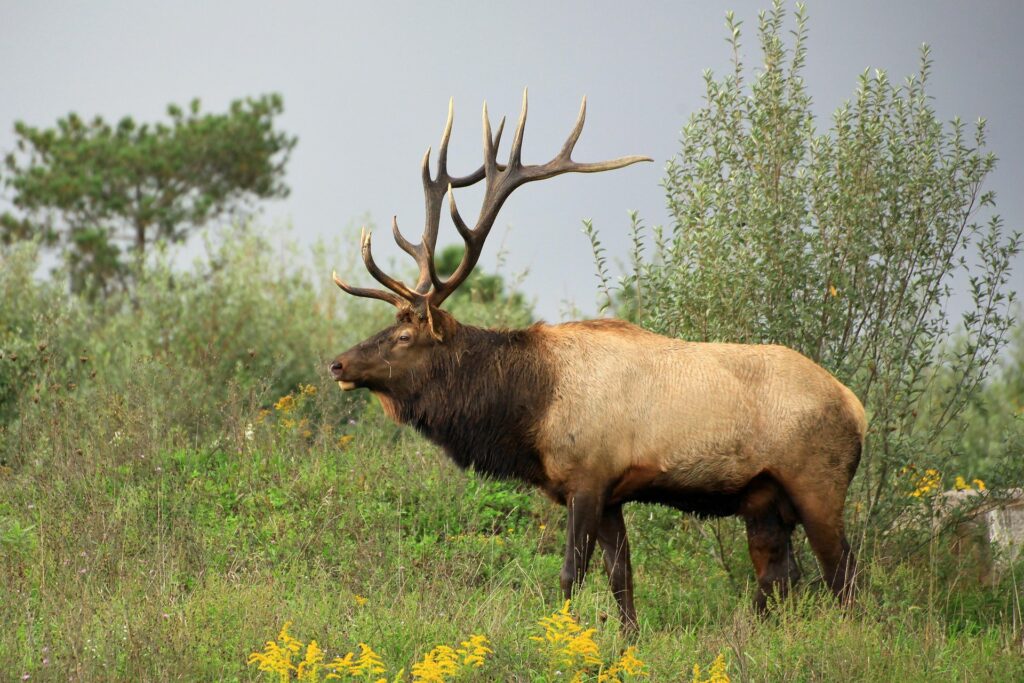
Quick Reference Tables
Before exploring each hunting season or special regulation, take a look at these tables for an overview. The first table covers some of Montana’s most popular game species and what you need to know about bag limits, season timelines, and license requirements. The second table summarizes essential licenses and permits, showing you the price range for residents and non-residents.
Game Species, Season Dates, Bag Limits, and License Requirements
Below is a snapshot of the main game animals. Actual season dates can shift year to year, especially for archery elk hunts, so always verify with Montana Fish, Wildlife & Parks (FWP).
| Species | Approx. Season Dates | Bag Limit | License/Tag Required | Notes |
|---|---|---|---|---|
| Elk (Rocky Mountains) | Archery: Late Aug – Late Sep Rifle: Late Oct – Late Nov | 1 elk (bull or antlerless, depending on tag) | Elk A (Bull/Either) or B (Cow) | Rugged terrain hunts; success rate varies by region. Archery elk success often hinges on bugling and scouting efforts. |
| Mule Deer | Archery: Late Aug – Late Sep Rifle: Late Oct – Late Nov | 1 deer (buck or antlerless with permit) | Deer A (Buck/Either) or B (Doe/Fawn) | Common in open plains, foothills. Some districts require a draw for trophy bucks. |
| Whitetail Deer (White Tailed Deer) | Archery: Late Aug – Late Sep Rifle: Late Oct – Late Nov | 1 deer (buck or antlerless with permit) | Deer A or B | Found near river bottoms, farmland, or timber edges. Overlooked but offers a high success rate in many areas. |
| Pronghorn Antelope | Archery: Early Sep – Early Oct Rifle: Early Oct – Early Nov | 1 pronghorn (buck or doe/fawn, permit-specific) | Antelope Permit | Speedy target species. Spot-and-stalk hunts are popular. Some hunts conducted near water sources in hot weather. |
| Turkey | Spring + Fall seasons vary (Check regs) | 1 or 2 turkeys per year (region-based) | Turkey License | Can participate in spring gobbler hunts or fall either-sex hunts. Region restrictions apply. |
| Bison | Mostly winter hunts, limited entry | 1 bison (draw only) | Bison Permit | Highly restricted hunts near parks like Yellowstone. Price and draw odds can be steep. |
| Bighorn Sheep | Limited entry, date varies | 1 ram or ewe (draw only) | Bighorn Sheep Permit | A once-in-a-lifetime chase in steep mountain terrain. Often very difficult to draw. |
| Black Bears | Spring & Fall hunts (varies) | 1 bear per license | Bear License | Spot-and-stalk in thick forests or near huckleberry patches. Some hunts require a permit, depending on the region. |
| Mountain Lions | Varies (often winter hunts) | 1 lion per license | Mountain Lion License | Often involves hounds to chase tracks. Quota-based; check local closures. |
| Ducks & Geese | Fall–Winter (exact dates vary) | Daily limit depends on species | Federal Duck Stamp + Migratory Bird Permit | Wetlands, rivers, agricultural fields. A great option for mixed-bag hunts. |
Hunting Licenses and Permits: Costs and Notes
Montana’s licensing system requires both a Conservation License and a Base Hunting License before you can purchase any additional permits. Here’s an average overview of what you can expect:
| License or Permit | Resident Price | Non-Resident Price | Notes |
|---|---|---|---|
| Conservation License | ~$8–$10 | ~$10 | Required for all hunters; helps fund wildlife management. |
| Base Hunting License | ~$10–$15 | ~$15–$20 | Required to hunt most species in Montana; must be purchased with conservation license. |
| General Elk (Elk A) | ~$20–$40 | ~$900–$1000 | Allows taking a bull or antlerless elk (depending on district). Some are over-the-counter; others by draw. |
| General Deer (Deer A) | ~$15–$25 | ~$600–$700 | Whitetail deer or mule deer (buck/either-sex, region-specific). Draw required in some districts. |
| Antelope Permit | ~$20–$30 | ~$200–$300 | Usually a draw. Quotas vary by region. |
| Turkey License | ~$6–$10 | ~$50–$60 | Often multiple seasons (spring/fall). Check region for bag limits. |
| Mountain Lion License | ~$20–$30 | ~$320–$400 | Quota-based hunts. Once district quotas are met, hunts close. |
| Bear License | ~$20–$30 | ~$350–$380 | Spring or fall seasons. Non-resident prices can fluctuate depending on the year. |
| Bison Permit | – (Draw Only) | – (Draw Only) | Very limited and tough to draw. Price is higher if successful. |
(All price estimates are subject to change. Always check official Montana Fish and Wildlife details before you purchase.)
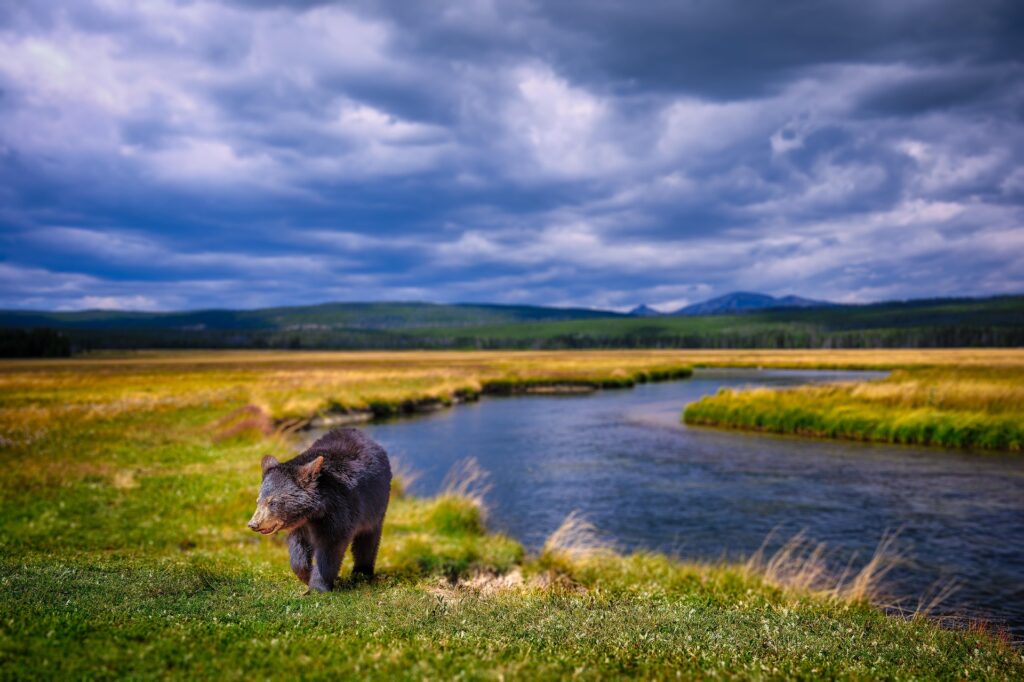
Hunting Seasons
Montana offers a variety of seasons that cater to different skill sets and preferences. Here’s a snapshot of the main hunts you can expect to find across the state.
Elk Hunting Season
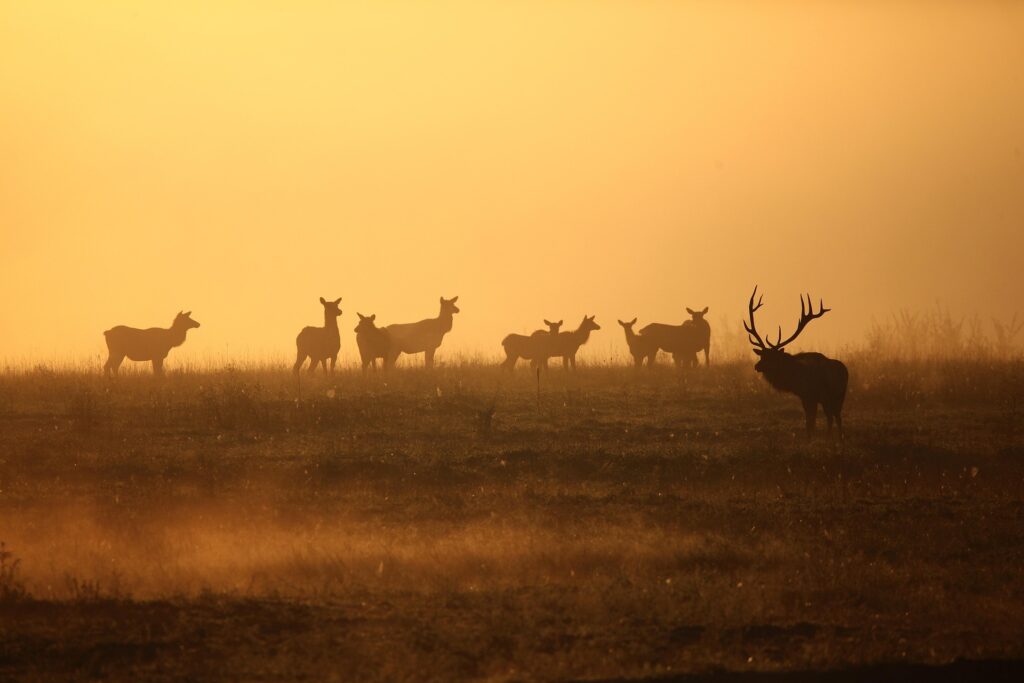
Elk are a marquee species in Montana, dwelling in the majestic Rocky Mountains and lower foothills. Archery elk season (late August to late September) overlaps with the rut, giving bowhunters that thrilling chance to hear bulls bugle at dawn. General rifle season typically begins in late October and extends to late November.
- Success Rate: Varies by hunting district but hovers between 10% and 25%. More rugged terrain often means fewer hunters but also more challenging access.
- Licenses: Many Elk A tags are region-specific, and some come via draw. Archery elk hunts require an additional archery endorsement or bowhunting course.
If you’re committed to a physically demanding chase, Montana elk hunts deliver the free-roaming experience of a lifetime. Read our complete guide to Montana Elk Hunting for more information.
Mule Deer Hunting Season
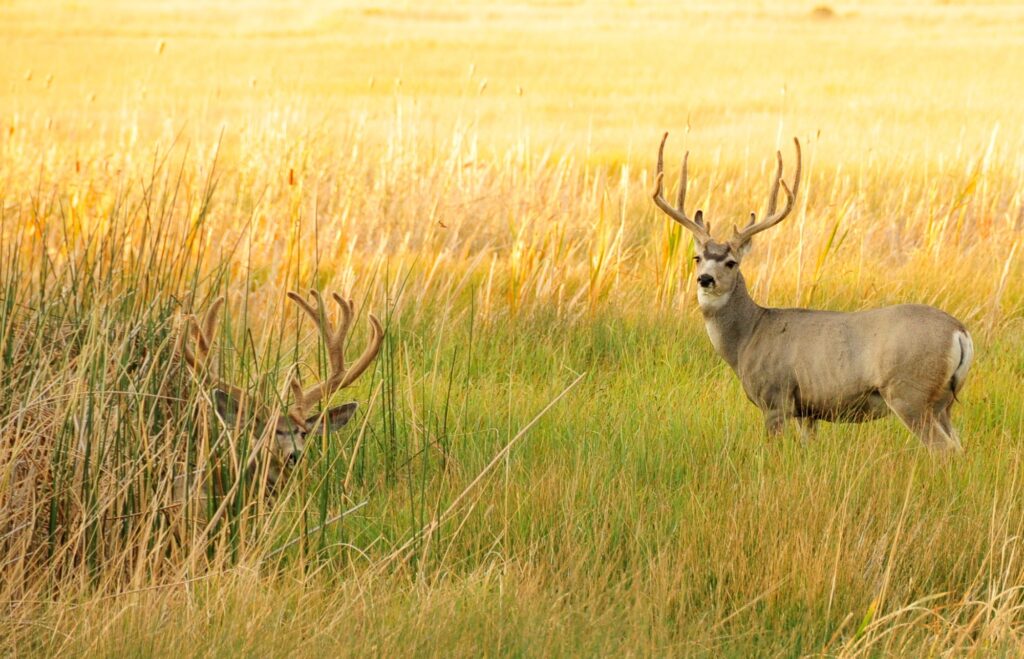
Mule deer favor open landscapes, sagebrush basins, and the edges of forests. Their season mirrors elk timing—archery in late summer, rifle in late fall.
- Notable Traits: Large ears, bounding gait, and impressive antler spreads in mature bucks.
- Key Considerations: Some prime mule deer units use a limited-entry system to manage harvest. A successful hunt often depends on scouting and glassing from a distance.
A person looking for big-antlered bucks should apply for the right permits, knowing the odds can be stiff but the payoff is remarkable.
Whitetail Deer Hunting Season
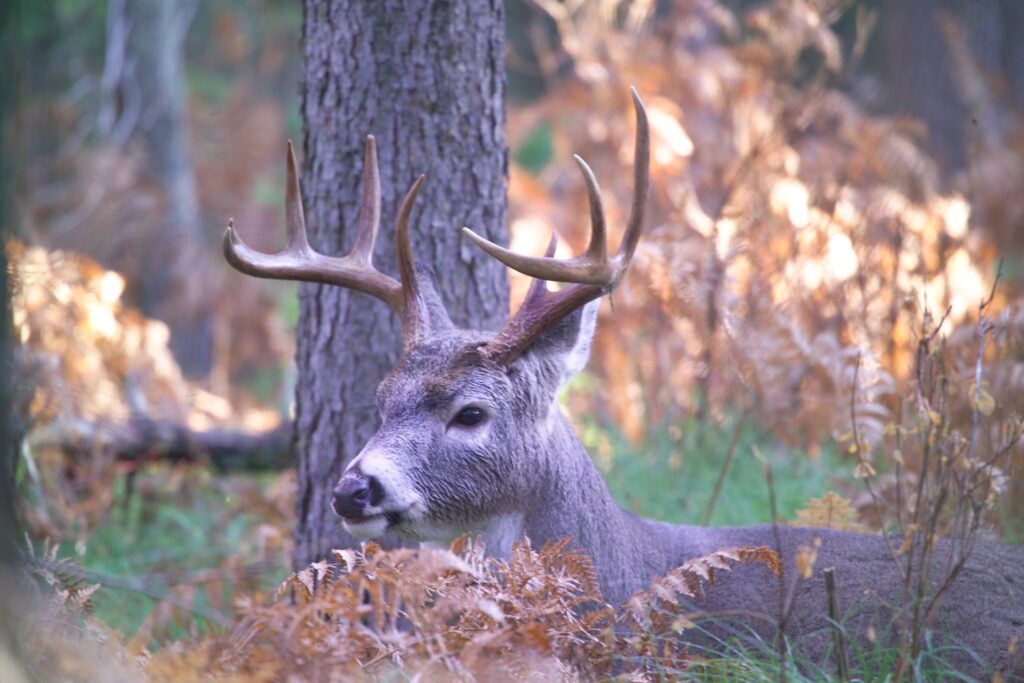
White tailed deer thrive along river bottoms, farmland edges, and in more forested regions. Archery and general rifle dates align with those for mule deer, but whitetails often gather in different habitats.
- Variety of Approaches: Tree stands and ground blinds near feeding areas, or still-hunting in timber.
- Bag Limits: Some districts allow multiple doe tags if populations are high.
- Success Rate: Tends to be higher than mule deer or elk due to whitetails’ adaptability and numbers.
For those who want to bring home quality venison, whitetail deer hunts can be a reliable option.
Pronghorn Antelope Hunting Season
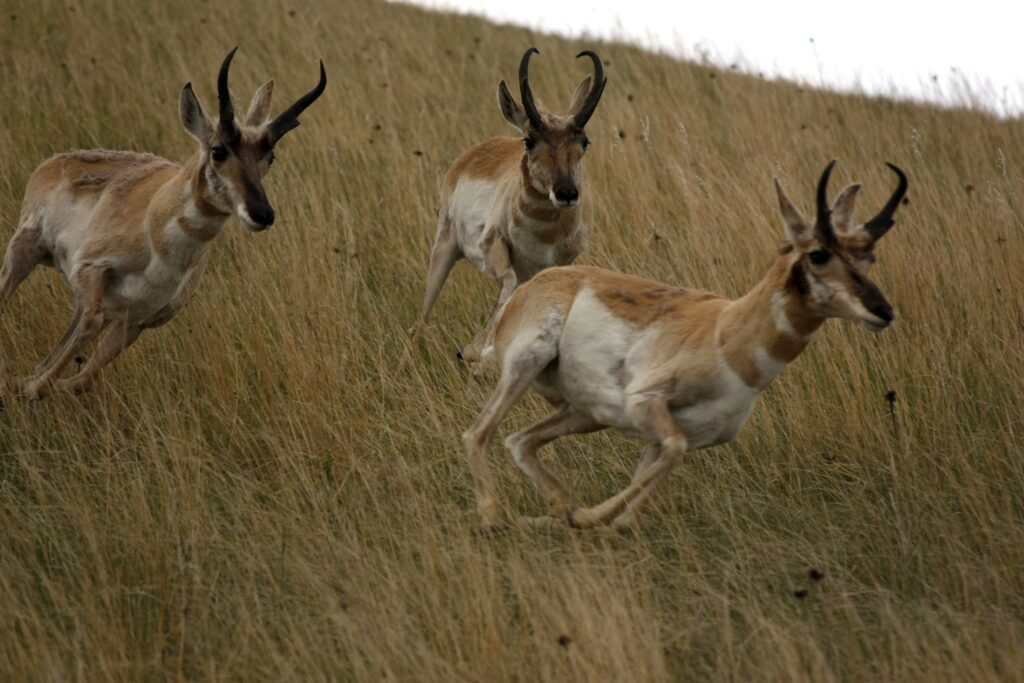
Pronghorn antelope roam the open plains and grasslands of eastern and central Montana. Seasons typically start with archery in early September, followed by rifle in early October.
- Target Species: Pronghorn are famously fast, with keen eyesight and a preference for wide-open spaces.
- Permits: Almost always via a draw. Hunters who apply have to pay close attention to deadlines.
- Hunt Strategy: Spot-and-stalk or setting up near water holes. A pronghorn’s sharp vision demands careful approach tactics.
Given their speed, pronghorn hunts deliver an incredible thrill. Few states match Montana’s combination of pronghorn populations and vast rangeland.
Turkey Hunting Season
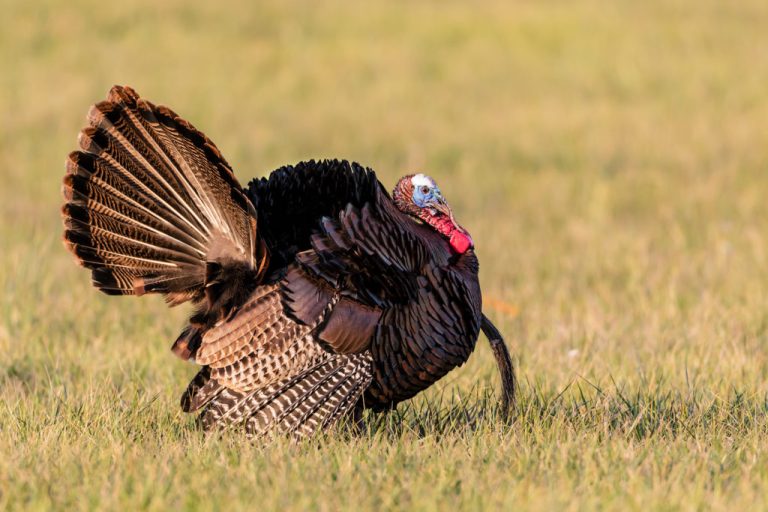
While many flock to Montana for big game, turkey hunts also hold significant appeal. You’ll find both spring and fall opportunities.
- Spring Season: Typically focuses on bearded gobblers. Calling is key.
- Fall Season: Often either-sex, with birds more scattered and foraging in flocks.
- Permits: A Turkey License is required for each bird harvested. Some areas have region-specific rules.
Turkey hunts are a perfect way to extend your seasons beyond traditional big game. With a bit of scouting, you can find pockets of birds that others overlook.
Special Hunting Seasons and Species
Montana’s remarkable variety isn’t limited to the main draws. You’ll also discover predator hunts and special structured opportunities for youth or archery enthusiasts.
Predator Hunting
Mountain lions, black bears, and even wolves (in certain areas) draw dedicated hunters each year. For example:
- Mountain Lions: Some hunts are conducted with trained hounds that chase fresh tracks in the snow. Quota systems close a hunt unit once a specified number of lions are taken.
- Black Bears: Spring and fall hunts exist. Baiting is illegal in Montana, so spot-and-stalk or still-hunting near berry patches is the norm.
- Regulations: Separate licenses typically apply to each predator. Keep an eye on daily or seasonal quotas.
Adding a predator hunt to your plan can diversify your trip and help manage Montana’s overall wildlife balance.
Special Hunting Seasons
Montana also hosts multiple special hunts:
- Youth Seasons: In mid-October, young hunters (ages 12 to 15) get a short window to pursue deer prior to the general rifle opener. This fosters skill-building in a less-crowded environment.
- Veteran or Military Hunts: Some states sponsor special veteran hunts, and Montana occasionally provides additional opportunities on certain dates. Always check official sources.
- Archery-Only Weeks: Some areas have extended archery elk or deer hunts with unique rules about equipment and harvest quotas.
These specialized hunts are designed to increase hunting participation, reduce crowding, and improve the overall success rate for specific groups.
Hunting Regulations
Staying legal and ethical keeps you and Montana’s wildlife resource safe. The state sets rules on bag limits, licensing, and other factors to ensure healthy populations for future years.
Hunting Licenses
Montana requires two foundational credentials from every hunter: the Conservation License and the Base Hunting License. Proceeds from the Conservation License fund critical efforts to maintain healthy wildlife, sustain habitats, and manage populations throughout the state. Meanwhile, the Base Hunting License serves as the gateway for purchasing additional, species-specific tags—whether your target is whitetail deer, pronghorn antelope, or Rocky Mountain elk.
Beyond these core requirements, many hunts necessitate specialized tags or permits. For instance, antlerless (B) tags might be available over the counter, while premium or limited-quota opportunities (like certain bull elk or bighorn sheep hunts) use a draw system. Application deadlines typically fall in spring or early summer, so planning months ahead is essential—particularly if you hope to secure prime dates or districts for archery elk hunts or trophy mule deer.
Costs rise significantly for non-residents, but there are still versatile packages (sometimes called “combination licenses”) that cover both deer and elk. Some hunts remain over-the-counter, but popular units often fill via lottery. If you’re new to Montana or pressed for time, an outfitter can help navigate the application process for these special permits.
Finally, always carry proof of your valid licenses (either physical copies or digital e-licenses) while hunting. Montana Fish, Wildlife & Parks regularly checks for compliance in the field. Having your paperwork on hand prevents misunderstandings and ensures you’re upholding the ethical standards that keep Montana’s wildlife thriving for generations to come.
Hunter Education
Any hunter born after January 1, 1985, must complete a certified hunter education course. It provides vital lessons on firearm safety, wildlife management, and ethics. Some key details:
- Age Minimum: Youth can enroll typically around 10 or 11, depending on the state’s guidelines.
- Price: Usually free or low cost, sometimes offered online with an in-person field day.
- Proof: You’ll receive a certificate or number. This is required before applying for hunts if you fall in that age bracket.
Hunter education ensures that each new generation of hunters is well-informed, safe, and committed to ethical harvest practices.
Hunting Regulations
Montana enforces some notable rules:
- Mandatory Orange: Rifle hunters must wear at least 400 square inches of hunter-orange above the waist. Archery hunters do not.
- Shot Placement & Recovery: Ethical hunts involve quick, humane kills and thorough attempts to recover wounded animals.
- Transport & Tagging: Tag your animal immediately. Keep evidence of sex if required, and properly fill out the tag (date, district, etc.).
- Waste of Game: Knowingly allowing meat to spoil is illegal. You must bring out all edible portions.
- CWD Testing: Some regions with Chronic Wasting Disease require testing. Follow local instructions if you harvest deer or elk from these areas.
By following these regulations, you help maintain Montana’s status as a prime hunting destination.
Where to Hunt
Next comes deciding if you want a guided trip or a do-it-yourself approach on public lands or private land. Each option offers distinct benefits.
Guided Hunts
Outfitters and guides can streamline the entire experience. You pay a set price, and they usually handle details like lodging, field dressing, and, in some cases, cooking.
- Advantages:
- Local insight and scouting mean higher odds of a successful hunt.
- Horses, ATVs, or 4×4 vehicles may be provided.
- Great if you’re short on time or new to Montana’s terrain.
- What to Ask:
- Price: Confirm the total cost—sometimes thousands of dollars.
- Included Services: Meals, tents, or a cabin? Are tags included?
- Client Load: How many other hunters? Will you get personalized attention?
Contact reputable outfitters well before the season. The best ones often book up a year in advance.
Public Land Hunting
Montana’s public lands are massive. You can roam national forests, BLM parcels, and state trust lands, following general regulations.
- Preparation:
- Study maps, invest in GPS or apps that show boundary lines.
- Check designated roads and motor vehicle restrictions (some areas are foot-traffic only).
- Bring sturdy boots and gear. The terrain can be demanding, but the reward is unmatched freedom.
- Pro Tip:
- Some areas have travel restrictions to protect habitats. Reading these carefully can help you find less pressured animals.
- Always stay aware of weather changes; snow in October or November can limit access but also concentrate animals at lower elevations.
We have a list of public hunting lands in Montana. Check it out to find your next adventure.
Hunting Leases in Montana
For hunters seeking private land access without an outfitter, hunting leases offer exclusive permission to hunt in exchange for a fee or agreement:
- Security & Access:
- Fewer hunters on the property, potentially higher success rates.
- Landowners might manage their properties to encourage healthy populations of deer, elk, or pronghorn.
- Lease Details:
- Price varies widely depending on the region and species availability.
- Agreements specify how many hunters can participate, where you can hunt, and any lodging included.
- Many landowners want respectful hunters who follow rules and properly close gates.
A good lease can provide a stress-free environment where you can focus on your hunt rather than competing with crowds.
Ready to find your private land for hunting? Check out these listings:

FAQ
Can I chase multiple animal species in one Montana trip?
Yes. Many hunters combine hunts—such as elk and deer—if the seasons overlap. Always check the permit details to ensure you have valid tags for each species.
What’s the average success rate for elk hunts on public land?
It fluctuates from 10% to 25%, depending on location, weather, and hunter effort. Outfitted or private land hunts often see a higher success rate, but there’s no guarantee.
Are archery elk hunts more challenging than rifle hunts?
They can be, since you rely on close-range shots and stealth. However, elk are more vocal in archery season, and calling can bring them within bow range. Some hunters find that aspect thrilling.
Do I need to apply for all my tags at once?
No. You purchase the conservation license and base hunting license first. Then you apply for specific tags or permits by set deadlines. Some leftover tags may appear later if the quota doesn’t fill.
Is Montana fish and game strict about out-of-state meat transport?
Yes. If traveling home to other states, check your local rules for transporting game. Some states have guidelines limiting bone-in meat from CWD areas. Montana also has inspection stations for certain species.
What’s the best time in October or November for a successful hunt?
Early rifle season (late October) can be mild, but you might see fewer animals at lower elevations. As snow accumulates in November, elk and deer often move downhill, concentrating them—but also drawing more hunters. Choose based on personal preference for comfort vs. possible migration patterns.
The Final Shot
Montana hunting offers a range of experiences, from archery elk in the high country to pronghorn antelope on the plains. Few states match Montana’s combination of challenging terrain, abundant wildlife, and diverse hunts. Whether you opt for a guided trip, plan a private land lease, or take advantage of the free access to millions of acres of public land, the thrill of spotting your target species—and bringing home fresh meat—never fades.
By learning regulations, choosing the right licenses, and preparing for the rugged terrain, you’ll maximize your success rate. Whatever method you choose, Montana remains a world-class hunting destination that calls hunters back year after year. Good luck on your next chase, and enjoy every moment of your time in Big Sky Country!


