This North Carolina hunting guide fixes that problem. Everything’s here: season dates, license costs, bag limits, and where to actually find decent hunting spots in a state where public land gets hammered and private access keeps disappearing.
You’ll get the complete picture on:
- All 2026-2027 season dates for every major species
- Exact license costs (spoiler: non-residents pay through the nose)
- Real solutions for finding places to hunt when everyone else is looking too
Most hunters want the same thing first: when can I hunt, and what’s it going to cost me?
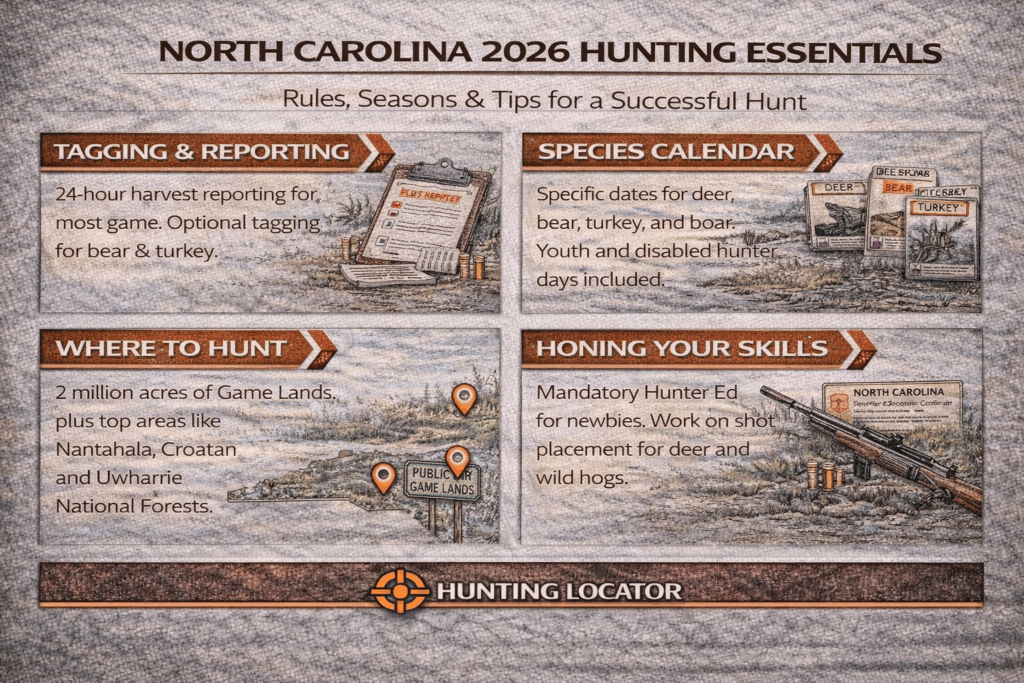
Quick Overview: Season Dates, North Carolina Hunting Licenses, and Regulations
North Carolina splits deer hunting into four zones because deer populations vary wildly from the coast to the mountains. It’s actually smart wildlife management, even if it makes your planning more complicated.
License fees went up again for 2026. Residents still get a decent deal at $30 for the basic license, but non-residents? You’re looking at serious money. Don’t forget HIP certification if you’re chasing ducks—it’s free but you can’t hunt waterfowl without it.
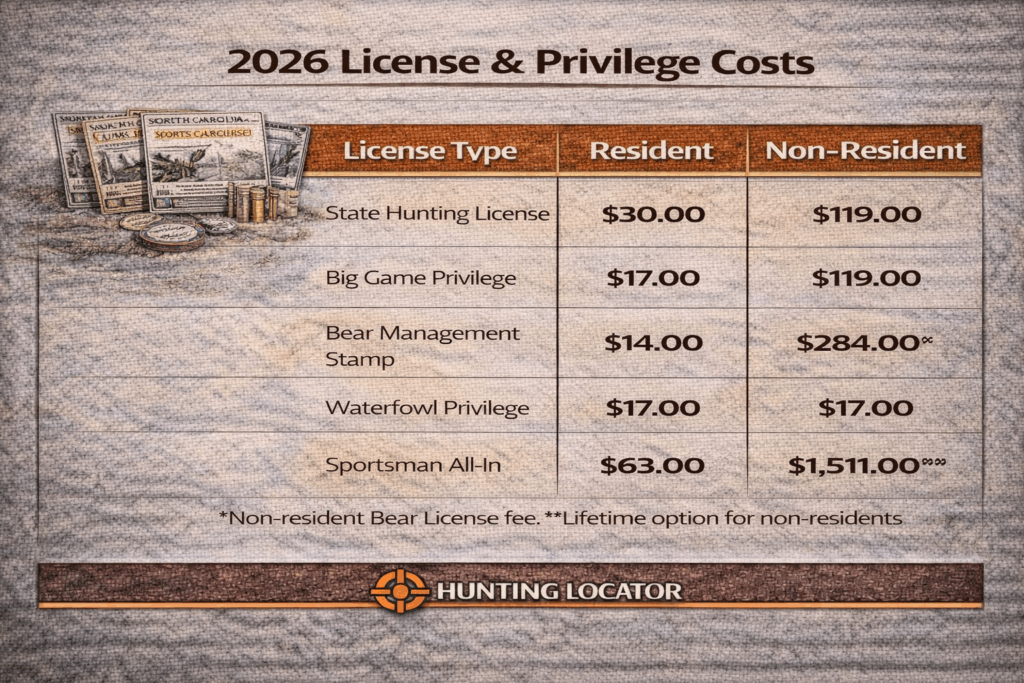
| License Type | Resident Cost | Non-Resident Cost |
|---|---|---|
| State Hunting License | $30.00 | $119.00 (Season) |
| Big Game Privilege | $17.00 | $119.00 |
| Sportsman (All-In) | $63.00 | $1,511.00 (Lifetime) |
| Waterfowl Privilege | $17.00 | $17.00 |
| Bear Management Stamp | $14.00 | $284.00 (Bear License) |
Here’s what you really came for—when everything opens and closes:
| Species | Season Type | Start Date | End Date | Bag Limit |
|---|---|---|---|---|
| Deer – Coastal Zone | Archery | Sept 12 | Oct 2 | 6 deer total |
| Blackpowder | Oct 3 | Oct 16 | (2 antlered, 4 antlerless) | |
| Gun | Oct 17 | Jan 1, 2027 | ||
| Deer – Northeast Zone | Archery | Sept 12 | Oct 30 | 6 deer total |
| Blackpowder | Oct 31 | Nov 13 | (2 antlered, 4 antlerless) | |
| Gun | Nov 14 | Jan 1, 2027 | ||
| Deer – Northwest Zone | Archery | Sept 12 | Nov 6 | 6 deer total |
| Blackpowder | Nov 7 | Nov 20 | (2 antlered, 4 antlerless) | |
| Gun | Nov 21 | Jan 1, 2027 | ||
| Deer – Western Zone | Archery | Sept 12 | Nov 20 | 6 deer total |
| Blackpowder | Nov 21 | Dec 4 | (2 antlered, 4 antlerless) | |
| Gun | Dec 5 | Jan 1, 2027 | ||
| Urban Archery | Antlerless Only | Jan 10 | Feb 15, 2027 | Participating municipalities |
| Bear | Regional Variations | October & December blocks | Varies by region | 1 per season (typical) |
| Turkey (Spring 2027) | Youth (15 & under) | April 4 | April 10 | 2 bearded turkeys |
| Statewide | April 11 | May 9 | (1 daily) | |
| Waterfowl | Split Seasons | Oct, Nov, Dec-Jan | Varies | 6 daily (3 pintails max) |
| Small Game | Squirrel/Rabbit | Oct 13 | Feb 28 | Varies |
| Quail | Nov 21 | Feb 28 | Varies |
Now let’s break down what matters most to NC hunters—deer season.
North Carolina Deer Hunting
Deer hunting drives North Carolina’s hunting economy. Most of those 500,000+ licenses sold each year are for whitetails, and honestly, it shows when you hit the public lands on opening morning. The zone system exists because coastal deer behave differently than mountain deer—different food sources, different breeding patterns, different population pressures.
North Carolina Deer Hunting Seasons
Each zone gets tailored seasons based on local deer biology and hunter access patterns. Here’s how it breaks down:
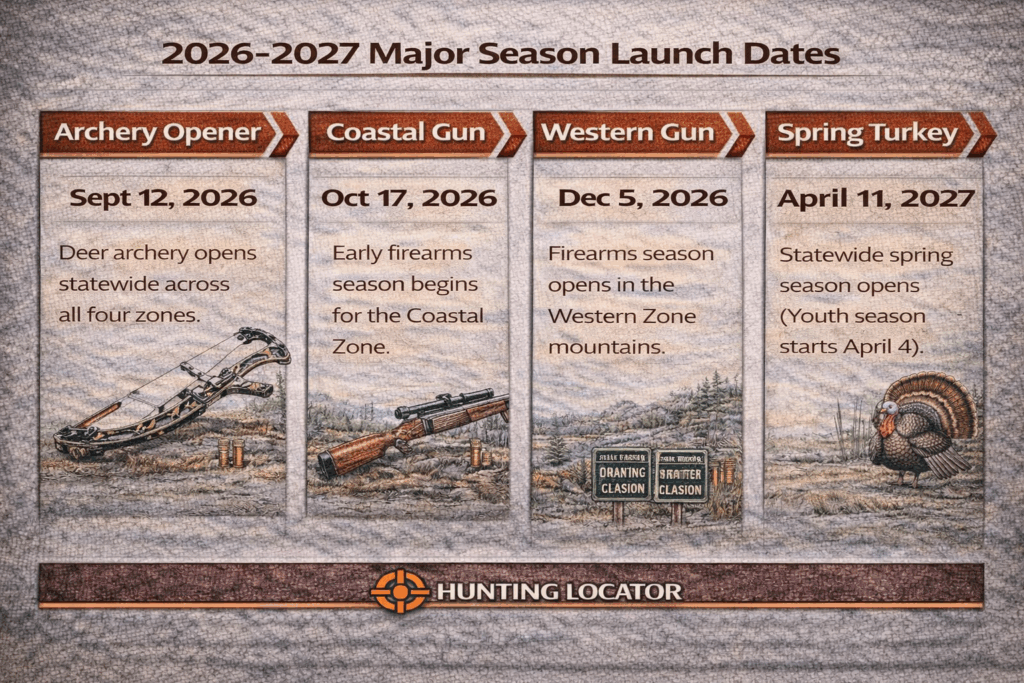
Coastal Zone hunters get the earliest gun season but shortest bow window. Your archery season runs September 12 through October 2, blackpowder takes over October 3-16, then gun season opens October 17 and runs through New Year’s Day.
Northeast Zone extends that archery season significantly—September 12 through October 30. Blackpowder runs October 31 through November 13, with gun season starting November 14 through January 1.
Northwest Zone gives bowhunters nearly two months: September 12 through November 6. Blackpowder season runs November 7-20, gun season November 21 through January 1.
Western Zone offers the longest archery opportunity because mountain terrain naturally limits hunter numbers. Bow season runs September 12 through November 20, blackpowder November 21 through December 4, gun season December 5 through January 1.
Urban Archery provides a bonus opportunity for antlerless deer only, running January 10 through February 15 in participating cities and towns.
For detailed zone maps and advanced hunting strategies, check out our complete North Carolina deer hunting breakdown.
North Carolina Deer Hunting Regulations
These rules will keep you legal and your hunting privileges intact:
Bag limits are generous at 6 deer total per season, but you’re capped at 2 antlered bucks and 4 antlerless deer. Sunday hunting is allowed on private land only, with a firearms restriction from 9:30 AM to 12:30 PM (church hours). No Sunday hunting on public game lands, period.
Tagging requirements are straightforward but mandatory—you need that Big Game Harvest Report Card, and you tag immediately when the deer hits the ground. Legal weapons depend on the season: archery equipment during bow season, muzzleloaders during blackpowder, any legal firearm during gun season.
Antler restrictions vary by county, so verify local rules before you hunt. Some counties have antler point minimums or spread requirements.
North Carolina Black Bear Hunting
Bear hunting in NC is serious business with serious costs, especially for non-residents facing that $284 bear license fee. But the opportunity is legitimate—North Carolina has healthy bear populations in both coastal and mountain regions. Bear seasons get set annually based on population surveys, so exact dates for 2026 won’t be final until closer to season.
North Carolina Black Bear Hunting Seasons
Bear seasons typically follow a pattern of October and December hunting blocks, but specific dates depend on annual population assessments and harvest quotas. Coastal regions often get different timing than mountain areas based on food availability and breeding cycles.
The state manages bears by Bear Management Units, each with specific quotas and season structures. Some areas allow hunting with dogs where legal, others restrict hunters to still-hunting methods.
For comprehensive bear hunting strategies and regional insights, our North Carolina black bear guide covers everything from scouting techniques to processing your harvest.
North Carolina Black Bear Hunting Regulations
Bear hunting comes with additional requirements beyond standard big game rules. You need that Bear Management Stamp ($14 for residents) or the full non-resident bear license ($284). Most Bear Management Units allow one bear per season, though some areas may have different limits.
Mandatory reporting is critical—bears must be checked within 24 hours at designated check stations. Legal hunting methods vary by region and season, with some areas allowing hunting with dogs and others restricting hunters to still-hunting.
Sunday restrictions follow the same pattern as deer hunting—private land only with firearm time restrictions during church hours.
North Carolina Turkey Hunting
Spring turkey season offers some of the most exciting hunting in North Carolina. The youth season gives kids aged 15 and under a week-long head start, which is perfect for getting young hunters hooked on the sport. The statewide season timing coincides with peak gobbling activity, making it ideal for both experienced callers and newcomers.
North Carolina Turkey Hunting Seasons
Youth Season runs April 4-10, 2027, exclusively for hunters 15 and under who must be accompanied by a licensed adult. This gives families a less crowded opportunity to introduce kids to turkey hunting.
Statewide Season opens April 11 and runs through May 9, 2027. Unlike deer hunting, turkey season uses statewide dates rather than zones, which simplifies planning considerably.
The spring timing means you’re hunting during peak breeding season when toms are most vocal and responsive to calling. For detailed calling strategies and prime hunting locations, our NC Turkey Hunting guide covers advanced techniques.
North Carolina Turkey Hunting Regulations
Turkey hunting rules are straightforward but specific. You can harvest 2 bearded turkeys per season with a daily limit of 1. Only bearded birds are legal, which typically means mature males (gobblers) and occasional bearded hens.
Shooting hours are restricted to one-half hour before sunrise until noon during spring season. This protects roosting birds and maintains the traditional nature of spring turkey hunting.
You need a State Hunting License plus Big Game Privilege to hunt turkeys. Youth hunters 15 and under must be accompanied by a licensed adult 21 or older during the youth season.
North Carolina Minor Game Species Hunting
Small game and bird hunting provide excellent opportunities for new hunters and seasoned veterans looking for variety. These seasons often feature generous bag limits, extended seasons, and less hunting pressure than major game species.
North Carolina Waterfowl Hunting Information
Waterfowl seasons in NC typically follow the split-season format with hunting blocks in October, November, and December-January. Daily bag limits are set at 6 birds with special restrictions on certain species like pintails (3 daily maximum).
You’ll need the NC Waterfowl Privilege ($17), free HIP Certification (mandatory for all migratory bird hunters), and a Federal Duck Stamp if you’re 16 or older. Sunday hunting is completely prohibited for migratory birds on both public and private land.
Prime waterfowl hunting occurs along the coast and in eastern NC’s agricultural areas where ducks and geese concentrate during migration. Our NC Waterfowl Hunting guide provides detailed migration timing and location information.
North Carolina Small Game Hunting Information
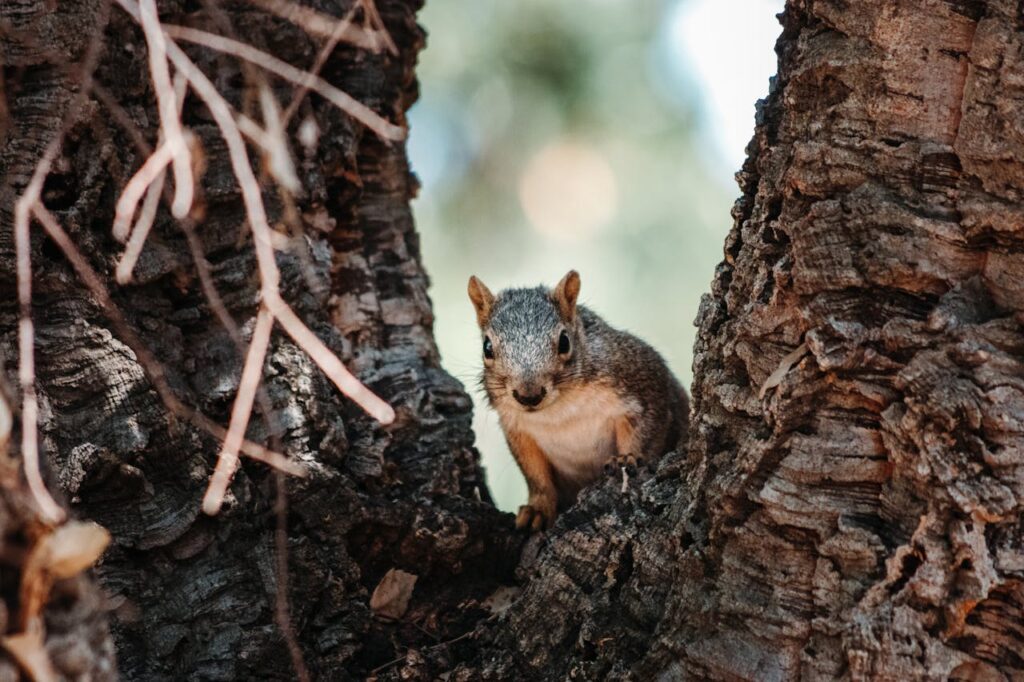
Small game seasons offer extended opportunities from October through February. Squirrel and rabbit season runs October 13 through February 28, while quail season opens November 21 and runs through February 28.
These seasons overlap with deer hunting, allowing you to pursue multiple species during single outings. Small game hunting requires only the basic State Hunting License, making it accessible for budget-conscious hunters.
Winter small game hunting can be incredibly productive, especially after deer season pressure subsides and animals return to normal movement patterns. Check out our North Carolina Small Game guide for species-specific strategies.
North Carolina Game Bird Hunting Information
Beyond waterfowl, NC offers opportunities for upland birds throughout fall and winter. Game bird hunting provides fast-paced action and helps develop shooting skills that transfer to other hunting situations.
Season dates and bag limits vary by species, with most game bird seasons running from late fall through winter months. Our North Carolina Game Bird guide covers species identification and hunting techniques.
Where to Hunt in North Carolina
Here’s the reality: finding good hunting spots in North Carolina gets harder every year. Public lands are crowded, private leases are expensive, and quality hunting property sells fast when it hits the market.
Best Public Lands
NC’s Game Lands system provides free hunting access, but you’ll compete with thousands of other hunters during peak seasons. Here are the standouts:
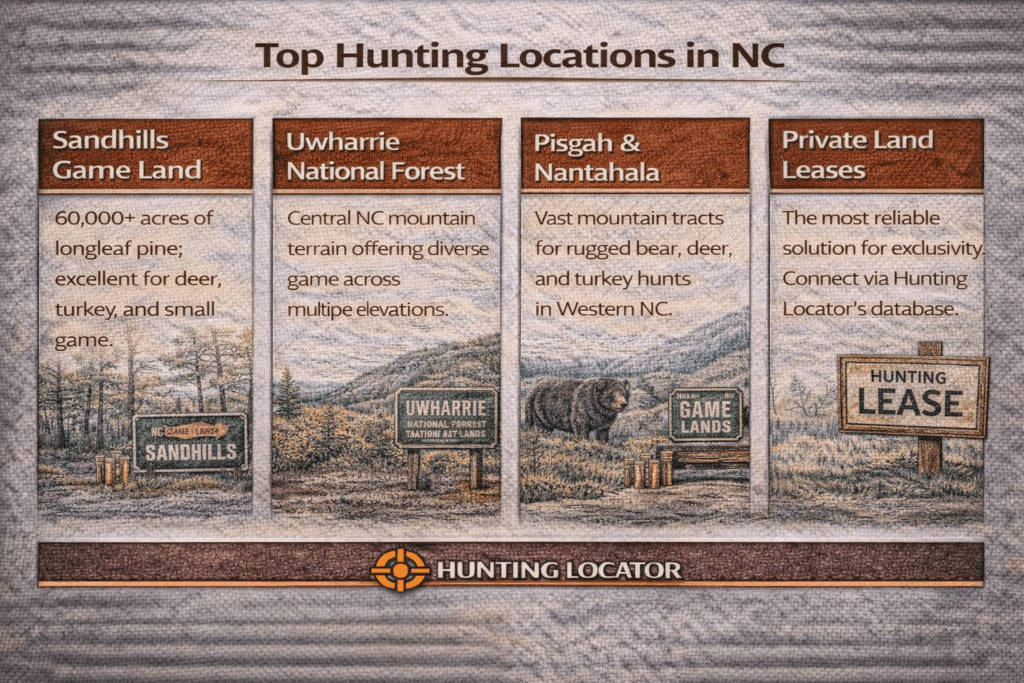
Sandhills Game Land covers over 60,000 acres and offers excellent deer, turkey, and small game hunting. The diverse habitat includes longleaf pine forests, wetlands, and agricultural areas.
Uwharrie National Forest provides mountain hunting opportunities with challenging terrain that can reduce hunting pressure in remote areas. Multiple game species are available across varied elevations.
Croatan National Forest offers unique coastal hunting experiences with swamp and wetland habitats that support different game species than inland areas.
Pisgah and Nantahala National Forests provide mountain hunting for deer, bear, and turkey in some of the most beautiful terrain in the Southeast.
Mattamuskeet National Wildlife Refuge is a premier waterfowl destination during designated hunting seasons, though access is limited and competitive.
Guided Hunts
Professional outfitters solve the access problem while providing local expertise and equipment. NC guides typically offer half-day to multi-day packages, with many specializing in specific species like bear or waterfowl.
Guided hunts make particular sense for non-residents who don’t want to invest in land leases or purchases. Book 6-12 months ahead for prime dates, especially during peak seasons.
Private Land Hunting
Private land hunting offers the best chance for consistent success and trophy opportunities. Leasing costs typically run $3-15 per acre annually depending on location, game populations, and amenities like food plots or stands.
Buying hunting land provides permanent access and potential investment appreciation, but requires significant upfront capital and ongoing management.
The access problem has a solution. Hunting Locator connects you directly with landowners offering lease and purchase opportunities throughout North Carolina. Instead of losing hunting spots to development or family disputes, you can secure quality access through our comprehensive property database.
Whether you need a small tract for weekend hunting or want to organize a hunting club around a larger property, Hunting Locator eliminates the frustration of finding reliable hunting access.
FAQ
What licenses do I need to hunt deer in North Carolina?
State Hunting License ($30 residents, $119 non-residents) plus Big Game Privilege ($17 residents, $119 non-residents). You’ll also need a Big Game Harvest Report Card for tagging your deer.
Can I hunt on Sundays in North Carolina?
Only on private land, and firearms are prohibited 9:30 AM to 12:30 PM. No Sunday hunting allowed on public game lands. Migratory bird hunting is never allowed on Sundays anywhere.
How do I know which deer hunting zone I’m in?
Check the official NC Wildlife Resources Commission deer zone maps on their website. The state divides into Coastal, Northeast, Northwest, and Western zones with different season dates.
Do I need hunter education to hunt in North Carolina?
Yes, first-time hunters must complete hunter education certification. The course takes a minimum of 6 hours and covers safety, ethics, wildlife identification, and regulations. Available online or through in-person classes.
What’s the difference between a hunting license and hunting privileges?
The State Hunting License is your basic permit. Privileges are add-ons for specific species: Big Game Privilege for deer/turkey/bear, Waterfowl Privilege for ducks/geese. Most hunters need both.
How much does it cost for a non-resident to hunt everything in North Carolina?
Non-residents pay $119 for State Hunting License, $119 for Big Game Privilege, $17 for Waterfowl Privilege, and $284 for Bear License if hunting bears. Total cost: $539 for access to all species.
The Final Shot
North Carolina’s 2026-2027 seasons offer incredible hunting opportunities if you can solve the access problem. The regulations are manageable once you understand the zone system, and the wildlife populations support quality hunting experiences.
But let’s be honest—the biggest challenge isn’t learning the rules or buying licenses. It’s finding places to hunt where you’re not competing with hundreds of other hunters for the same deer, turkey, or duck blind.
Public land hunting works, but it’s crowded and competitive. Quality private land access makes the difference between a frustrating season and the kind of hunts you’ll remember for years.
Ready to secure your hunting access for 2026-2027? Browse available hunting properties in North Carolina and connect with landowners who understand what makes a great hunting experience.


