This Oregon hunting guide cuts through all the bureaucratic nonsense and gives you exactly what you need to plan your hunts. No fluff, no corporate speak—just the real information that matters when you’re trying to fill tags and have an amazing season in Oregon’s incredible hunting country.
Here’s everything we’re covering:
- License costs and tag fees (including the price bumps for 2026) broken down for residents and non-residents
- Season dates and bag limits for every major species you want to hunt
- Where to actually hunt, from public land gems to private access through Hunting Locator
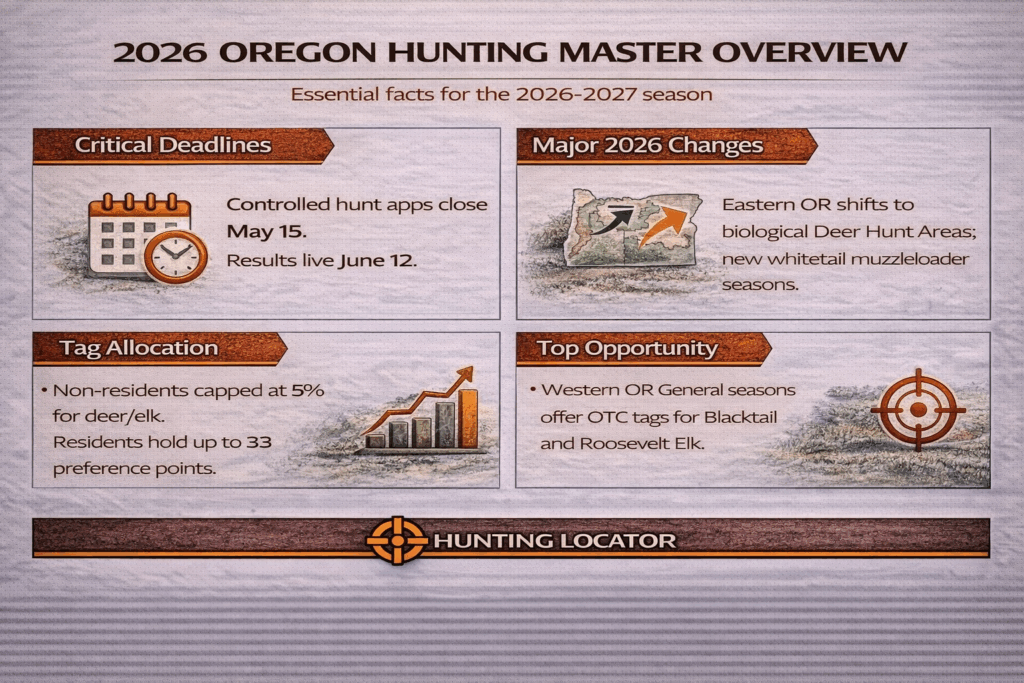
Don’t forget: controlled hunt applications close May 15, and you’ll know if you drew by June 12. Time to start planning.
Quick Overview: Season Dates, Oregon Hunting Licenses, and Regulations
Oregon makes you buy two things to hunt legally: a hunting license AND tags for whatever species you’re after. This trips up tons of hunters, especially when you factor in the controlled hunt system, the massive differences between Western and Eastern Oregon, and the price increases hitting everything in 2026.
If you live in Oregon, you’re golden—it’s still one of the cheapest places to hunt big game in the West. Non-residents? You’re going to feel it in your wallet. Plus, Oregon only gives non-residents 5% of deer and elk tags, which is why you don’t see as many out-of-state plates in Oregon hunting camps compared to Colorado or Montana.
Oregon Hunting License and Tag Fees
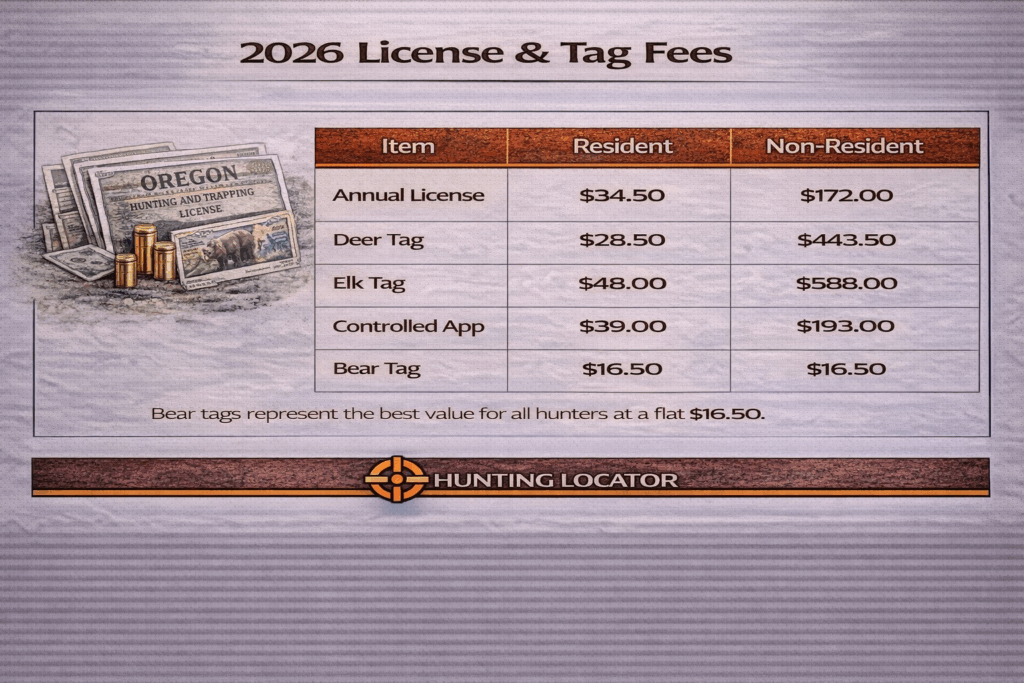
| License | Resident Fee | Non-Resident Fee |
|---|---|---|
| Hunting License | $34.50 | $172.00 |
| Deer Tag | $28.50 | $443.50 |
| Elk Tag | $48.00 | $588.00 |
| Black Bear Tag | $16.50 | $16.50 |
| Turkey Tag | $26.50 | $103.50 |
| Waterfowl Validation | $13.50 | $13.50 |
Here’s the kicker: You need a hunting license just to apply for controlled hunts. Non-residents pay $193 to apply versus $39 for residents. And that May 15 deadline is coming fast.
The whole state basically splits into two different hunting worlds. Western Oregon has general seasons where you can buy tags over the counter. Eastern Oregon? Almost everything’s controlled hunts. The new Deer Hunt Areas starting in 2026 finally make sense because they follow actual deer movement patterns instead of arbitrary lines on a map.
Oregon Hunting Seasons and Bag Limits
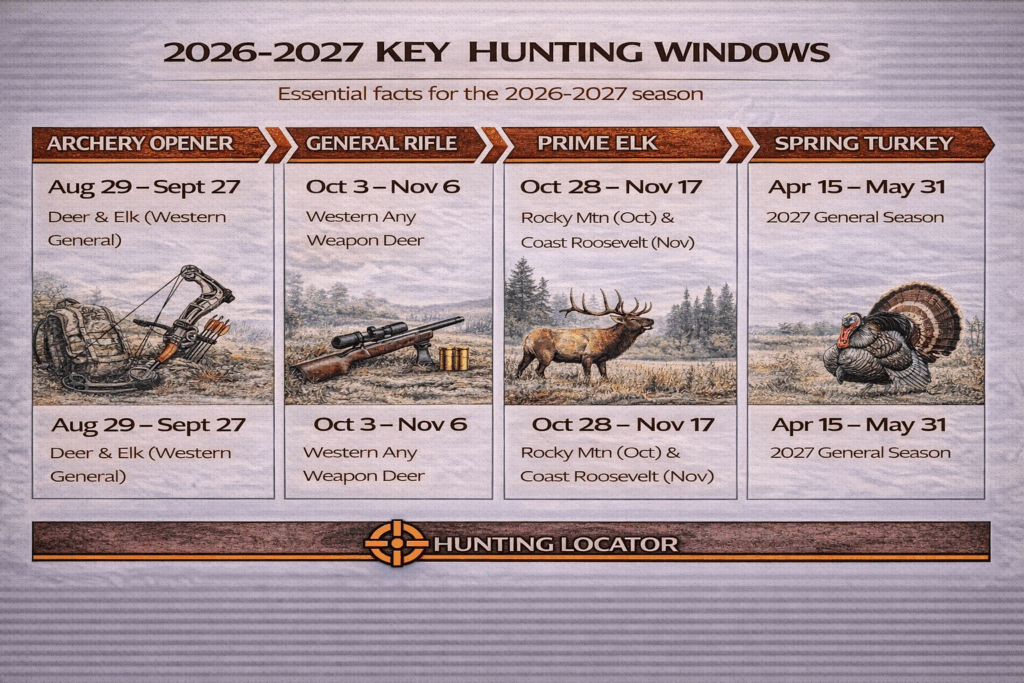
| Species | Season Type | 2026-2027 Dates | Bag Limit |
|---|---|---|---|
| Deer | Western Archery | Aug 29 – Sept 27 | 1 buck per tag |
| Deer | Western Any Weapon | Oct 3 – Nov 6 | 1 buck (visible antler) |
| Deer | Eastern Controlled | Varies by Area | Per Permit |
| Elk | Western Archery | Aug 29 – Sept 27 | 1 elk per tag |
| Elk | Coast (1st Season) | Nov 14 – Nov 17 | 1 spike bull |
| Elk | Rocky Mtn (1st) | Oct 28 – Nov 1 | 1 bull |
| Bear | Fall General (West) | Aug 29 – Dec 27 | 1 bear per season |
| Bear | Spring Controlled | Apr – May 2027 | 1 bear per tag |
| Turkey | Spring General | Apr 15 – May 31, 2027 | Varies by unit |
| Turkey | Fall General | Sept 1 – Jan 31, 2027 | 2 birds (combined) |
Don’t mess this up: Applications close May 15, 2026, and results come out June 12, 2026. Miss that deadline and you’re waiting until next year.
Oregon Deer Hunting
Deer hunting is what gets most Oregon hunters fired up, and for good reason. You’ve got blacktails in the thick coastal forests of Western Oregon and mule deer in the wide-open high desert country out east. The big news for 2026 is Eastern Oregon switching to Deer Hunt Areas that actually make biological sense instead of following random political boundaries.
There’s also something new this year: three white-tailed deer muzzleloader hunts on private land in Chesnimnus, Snake River, and Imnaha units. These hunts target growing whitetail populations that are causing crop damage. For the complete breakdown of every unit and tactical advice, check out our Oregon deer hunting guide.
Oregon Deer Hunting Seasons
Western Oregon Archery (Aug 29 – Sept 27): This is your best bet for a guaranteed deer tag without dealing with the controlled hunt lottery. Tags go on sale until Aug. 28, so you can literally decide last minute. Early season means deer are still in their summer patterns—predictable and often near water sources.
Western Oregon Any Weapon (Oct 3 – Nov 6): The crown jewel of Oregon deer hunting. A full month to chase blacktails with whatever weapon you prefer. The visible antler rule keeps you from accidentally shooting a doe, and the timing hits right during the rut when bucks get stupid and make mistakes.
Eastern Oregon Controlled Hunts (Varies by Area): This is where Oregon’s preference point system gets brutal. 75% of tags go to whoever has the most points, and some residents are sitting on 33 points for deer. That’s three decades of applying. But the new Deer Hunt Area system should create better hunting because the boundaries actually follow deer biology.
Oregon Deer Hunting Regulations
Oregon deer regs change depending on where and when you’re hunting, so double-check the current ODFW rules for your specific area.
- Shooting hours: Half hour before sunrise to half hour after sunset, with weapon restrictions depending on your season
- Visible antler rule: Western Oregon rifle seasons require at least one visible antler point
- Tag and report: Tag your deer immediately and report it online within the required timeframe
- CWD testing: Those new whitetail muzzleloader hunts require mandatory chronic wasting disease testing
- Hunter orange: Required during rifle seasons for safety
Oregon Elk Hunting
Elk hunting in Oregon is as good as it gets. You’ve got massive Roosevelt elk along the coast and Rocky Mountain elk in the eastern mountains. But things are changing: some eastern units now require controlled hunt applications even for archery because of increased pressure and the need for better harvest management.
Non-residents face a tough road here. Oregon caps non-resident elk and deer tags at just 5%, and 2.5% of those go to guides before the regular draw. Add the $588 non-resident elk tag cost and you can see why hunters head to other states instead. For unit-by-unit breakdowns and draw odds, our Oregon elk hunting guide has everything you need.
Oregon Elk Hunting Seasons
Western Archery (Aug 29 – Sept 27): Peak rut, screaming bulls, and some of the best elk hunting you’ll find anywhere. But heads up—some eastern units now require controlled applications even for archery. The popularity of early archery hunting has forced this change.
Coast First Season – Roosevelt Elk (Nov 14 – Nov 17): Four days of intense hunting for spike bulls only in Roosevelt elk country. These are some of the biggest-bodied elk in North America, but the short season creates a zoo. Scout hard and know exactly where you’re going before opening morning.
Rocky Mountain First Season (Oct 28 – Nov 1): The holy grail of Oregon elk hunting. Any bull during prime time, but you’ll need serious preference points. Maximum resident points are at 32 for elk. The timing is perfect—cooler weather, active elk, and the transition from summer to winter range.
Oregon Elk Hunting Regulations
Elk regulations in Oregon are unit-specific and season-specific, so pay attention to the details.
- Spike vs. branch-antlered restrictions: Many units specify exactly what kind of bull you can shoot
- Weapon requirements: Archery seasons mean archery equipment only, rifle seasons have caliber and bullet restrictions
- Immediate tagging and reporting: Tag your elk right away and report within 72 hours online
- Damage hunt opportunities: General Season Antlerless Elk Damage Tags run Aug 1 – Mar 31, 2027 in specific units
- Premium tags: Oregon offers premium tags with longer seasons and any-weapon flexibility
Oregon Bear Hunting
Black bear hunting in Oregon is a sleeper opportunity that more hunters should consider. The $16.50 tag cost is the same for residents and non-residents—probably the best deal in Western hunting. You get both fall seasons that overlap perfectly with deer and elk hunting, plus spring controlled hunts when bears are coming out of dens and easier to pattern.
Here’s what makes Oregon bear hunting different: no dogs allowed statewide. You’re stuck with spot-and-stalk, baiting where legal, or getting lucky during other hunts. It’s more challenging but also more rewarding when you connect. Our Oregon bear hunting guide covers all the regulations and strategies.
Oregon Bear Hunting Seasons
Fall General Season – Western Oregon (Aug 29 – Dec 27): Nearly four months of bear hunting that lines up perfectly with archery seasons. One bear per season across all fall hunting. Different units have different dates—Units 34, 35, 39, 41, 42 run Sept 15 – Oct 31, while Units 10-33, 36-38, 40, 43-77 run Sept 1 – Nov 15.
Spring Controlled Hunts (Apr – May 2027): These target bears coming out of winter dens when they’re focused on green vegetation and easier to predict. You’ll need to apply and have preference points, but spring hunting often offers better visibility and more predictable bear behavior.
Oregon Bear Hunting Regulations
Oregon’s bear regs reflect the state’s fair chase philosophy and safety requirements.
- No dogs: Statewide prohibition on using dogs for bear hunting
- Bait restrictions: Where legal, bait stations have specific rules for placement and materials
- One bear limit: You can only kill one bear per license year, period
- Check-in requirements: All bears must be checked and may need tooth extraction for aging
- Non-resident allocation: Non-residents get 5% of controlled bear tags, but general season tags are available over-the-counter
Oregon Turkey Hunting
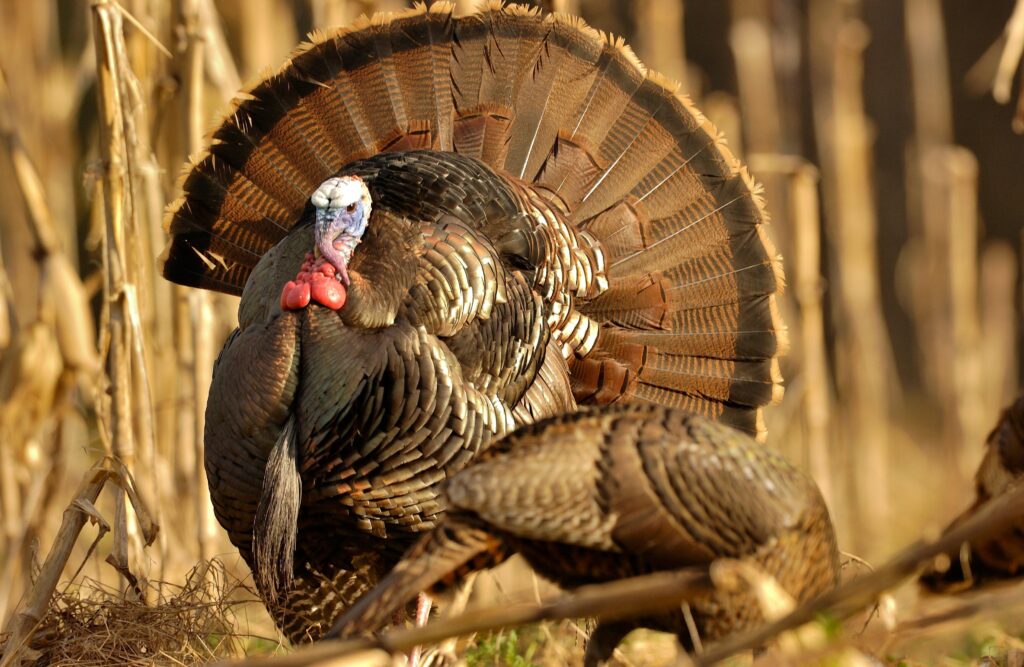
Turkey hunting has exploded in Oregon, and it’s easy to see why. You get both spring seasons when gobblers are fired up and responding to calls, plus fall seasons for both gobblers and hens. At $26.50 for residents and $103.50 for non-residents, turkey tags are an affordable way to extend your hunting season.
Oregon’s turkey populations have come a long way since reintroduction started decades ago. Birds are now established in suitable habitat across most of the state. For unit-specific bag limits and hunting tactics, our Oregon turkey hunting guide has you covered.
Oregon Turkey Hunting Seasons
Spring General Season (Apr 15 – May 31, 2027): Six weeks of prime gobbling action when toms are most responsive to calling. Bag limits vary by unit—some allow multiple birds, others restrict you to one gobbler. Success depends on your calling skills and understanding turkey behavior during breeding season.
Fall General Season (Sept 1 – Jan 31, 2027): Five months of hunting with a two-bird combined limit across participating units. Fall turkeys are tougher because they’re not breeding, but they’re more predictable around food sources.
Oregon Turkey Hunting Regulations
Oregon turkey regs emphasize safety and sustainable harvest.
- Daylight hours only: No hunting before sunrise or after sunset
- Weapon requirements: Shotguns with approved shot, archery equipment meeting draw weight minimums, or approved firearms
- Tag costs: $26.50 residents, $103.50 non-residents, available over-the-counter
- Unit-specific bag limits: Ranges from one to multiple birds depending on the unit
- Reporting required: Report harvested turkeys online within specified timeframes
Oregon Minor Game Species Hunting
Oregon’s small game species are perfect for extending your season, teaching new hunters, or just having fun on easily accessible public land. Most of these only require a hunting license plus validation for waterfowl—no controlled hunt applications or point systems to worry about.
These species typically offer longer seasons with generous bag limits, giving you multiple chances for success and plenty of opportunities to improve your skills.
Oregon Pheasant Hunting Information
Pheasant season runs Oct 12 – Dec 31 with a two roosters per day limit. That’s almost three months of upland bird action. The best hunting is in eastern Oregon’s agricultural areas and the Willamette Valley, where birds use crop stubble, fence rows, and irrigation ditches. Sauvie Island Wildlife Area near Portland offers some of the most accessible pheasant hunting in the state.
No controlled hunt applications needed, and it’s perfect for hunters with pointing dogs or those who like walking up birds. The timing works great with cooler weather and harvested fields that concentrate birds in predictable cover. Check out our Oregon game bird guide for complete regulations.
Oregon Quail Hunting Information
Quail seasons reflect different species across the state. Western Oregon runs Sept 1 – Jan 31 while Eastern Oregon runs Oct 12 – Jan 31. The longer western season takes advantage of milder coastal weather. You’re hunting mountain quail in western Oregon’s steep timber and California quail in eastern Oregon’s sagebrush and agricultural edges.
When you find a covey, the action is fast and furious—perfect for introducing new hunters to wing shooting. The long seasons let you hunt quail during breaks from big game or make it your primary focus during winter.
Oregon Waterfowl Hunting Information
Oregon waterfowl hunting is world-class, with duck seasons generally running Oct 11 – Jan 25, 2027 and a seven birds per day limit. Goose seasons vary by zone and run from October through January or March depending on species and location. The $13.50 waterfowl validation costs the same for everyone and gives you months of hunting.
Sauvie Island Wildlife Area, just 10 miles from downtown Portland, offers some of the country’s best duck hunting. It’s a major stop on the Pacific Flyway with everything from corn field blinds to lake hunting. Our Oregon waterfowl guide covers all the zones and regulations.
Oregon Cougar Hunting Information
Oregon offers year-round cougar hunting Jan 1 – Dec 31 with no bag limit, but dogs are banned statewide. This creates a challenging spot-and-stalk situation where success depends on reading sign, understanding cougar behavior, and being in the right place when opportunity strikes. Most cougar encounters happen during deer and elk hunts.
The year-round season lets you hunt during optimal conditions like fresh snow for tracking, or when deer and elk concentrations attract predators. You can buy up to two cougar tags per year and must report any harvest. Our Oregon cougar guide has complete regulations and strategies.
Where to Hunt in Oregon
Oregon gives you over 34 million acres of hunting country, from coastal rainforests and Cascade peaks to high desert and agricultural valleys. This diversity creates completely different hunting experiences—Western Oregon’s thick forests and consistent rain versus Eastern Oregon’s open country and extreme weather swings.
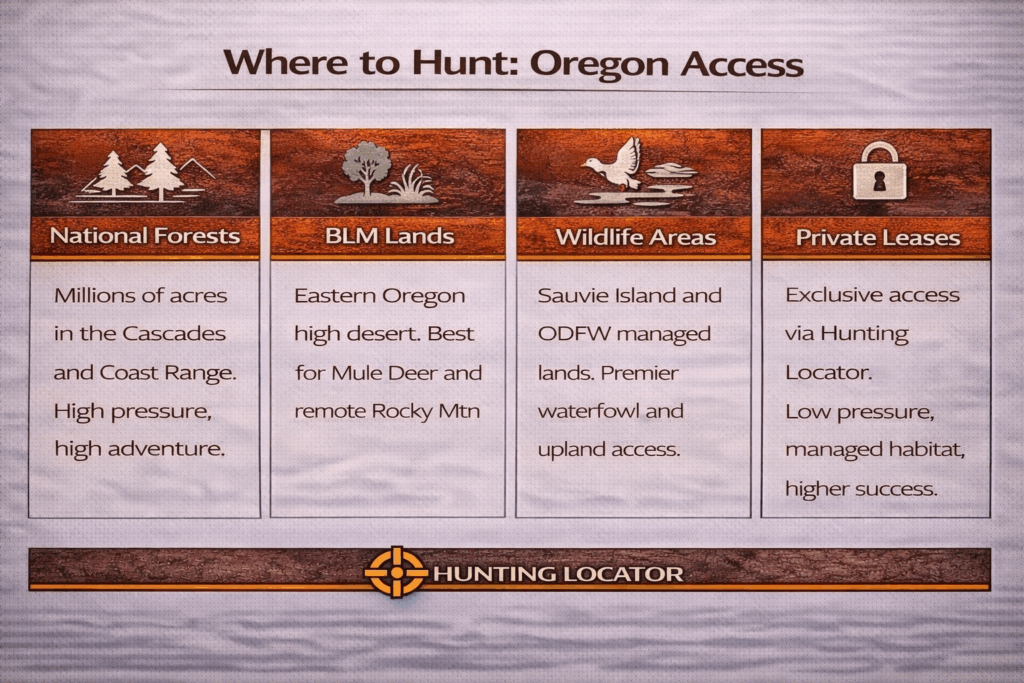
Your hunting access breaks down three ways: tons of public land managed by different agencies, guided operations that handle everything for you, and private land that usually offers the best hunting but requires more effort to access.
Best Public Lands
Oregon’s public land hunting ranks with the best in the country. Multiple agencies manage millions of acres for wildlife habitat and hunting access. It’s free hunting for anyone with proper licenses, though success often takes more work and local knowledge than private land.
- National Forests: The Cascades, Coast Range, and eastern Oregon mountains contain millions of Forest Service acres with established trails, camping, and diverse wildlife
- Bureau of Land Management Areas: Eastern Oregon’s BLM lands offer huge expanses of mule deer and elk habitat with minimal pressure in remote areas
- Oregon Department of Fish & Wildlife Areas: Sauvie Island provides premier waterfowl hunting minutes from Portland, while other ODFW areas focus on specific species management
- State Forests: Western Oregon’s state forests offer blacktail and Roosevelt elk hunting in managed timber with road access and clear-cut opportunities
Guided Hunts
Oregon’s guide industry provides full-service hunting for hunters wanting professional expertise, local knowledge, and higher success rates. Guides especially benefit non-residents unfamiliar with Oregon’s terrain, hunters chasing specific trophies, or anyone with limited scouting time.
Professional outfitters handle everything from licenses to meat care, letting you focus entirely on hunting. A good guide teaches you proper techniques, sign reading, and field skills. Oregon’s Guides and Outfitters Program gets 2.5% of controlled hunt tags before the general draw, giving guided clients better access to premium opportunities.
Private Land Hunting
Private land hunting offers the highest success rates, most exclusive experiences, and greatest control over hunting conditions. Private landowners manage specifically for wildlife habitat and hunting quality, often producing bigger, less pressured animals than public land. But securing access requires personal relationships, lease agreements, or land purchases.
Traditional approaches—knocking on doors, word-of-mouth, classified ads—are time-consuming and unreliable. Many prime properties never hit the open market, while others get grabbed quickly by hunters with existing connections.
Hunting Locator solves the private land problem by connecting hunters directly with landowners who want to lease or sell hunting properties. Our platform provides verified listings, direct landowner contact, and detailed property information that eliminates guesswork. Whether you want a seasonal deer lease or your own hunting property, Hunting Locator’s Oregon listings provide the quality private access that turns good hunters into consistently successful ones.
FAQ
When is the deadline for Oregon controlled hunt applications?
Applications close May 15, 2026, with results available June 12, 2026. This deadline covers all controlled hunts for deer, elk, antelope, bighorn sheep, and mountain goat. Miss it and you’re waiting until next year, though some general season tags stay available over-the-counter.
How much does it cost for non-residents to hunt elk in Oregon?
Non-resident elk hunting requires a $172 hunting license plus $588 elk tag, totaling $760 before other fees. Controlled hunt applications cost another $193 for non-residents versus $39 for residents. These costs, plus Oregon’s 5% non-resident cap, make Oregon less attractive than neighboring Western states.
What are the major changes to Oregon deer hunting for 2026?
Eastern Oregon deer hunts switch to Deer Hunt Areas instead of WMUs to reflect actual mule deer biology. Plus, three new white-tailed deer muzzleloader hunts on private land require mandatory chronic wasting disease sampling. These represent the biggest changes to Oregon deer hunting in decades.
Can non-residents hunt Oregon general seasons?
Yes, non-residents can buy general season tags for deer, elk, bear, and turkey, though costs are significantly higher. However, Oregon caps non-resident allocations at 5% for controlled deer, elk, and bear tags, with 2.5% going to guides before the general draw. General seasons provide guaranteed access without the controlled hunt lottery.
How do Oregon’s preference points work?
Oregon uses a preference point system where 75% of controlled permits go to applicants with the most points. For 2026, maximum resident points are 33 for deer and antelope, 32 for elk. If three or fewer tags are available, all go to highest point holders. The remaining 25% are distributed randomly among all applicants.
What hunting opportunities don’t require controlled hunt applications?
Oregon offers plenty of over-the-counter opportunities: Western Oregon general deer and elk seasons, bear hunting (spring and fall in many units), turkey hunting, all upland birds, waterfowl, and year-round cougar hunting. These provide immediate access without controlled hunt uncertainty and waiting.
The Final Shot
Oregon’s 2026-2027 hunting seasons offer incredible opportunities across diverse species and habitats, from the restructured Eastern Oregon deer hunts to year-round cougar possibilities. Whether you’re planning your annual deer hunt or considering your first Oregon elk adventure, success comes down to understanding regulations, getting proper licenses and tags, and—most importantly—finding quality places to hunt.
The biggest challenge facing Oregon hunters isn’t learning regulations or buying gear—it’s securing access to productive hunting land. Public lands provide free access but often come with crowds, limited success, and extensive scouting requirements. Private land offers the solution: better hunting, fewer people, higher success rates.
Ready to transform your Oregon hunting experience? Explore Hunting Locator’s verified Oregon hunting leases and connect directly with landowners who want to share their prime hunting properties. Your best Oregon hunting season starts with the right place to hunt.


