In this article, you will learn:
- Key factors influencing deer bedding behavior.
- Effective strategies for identifying bedding locations.
- The impact of seasons on deer bedding patterns.
Embark on a journey to uncover the secrets of deer bedding areas, enriching your outdoor adventures and connection with nature.
How to Find Deer Bedding Areas – Key Takeaways
| Section | Key Takeaways |
| Introduction | Understanding deer bedding areas enhances hunting success and wildlife observation. |
| Why It’s Crucial | Bedding areas are essential for deer survival and crucial for effective hunting and observation strategies. |
| Understanding Deer Behavior | Deer choose bedding areas based on safety, comfort, and proximity to resources, utilizing terrain to their advantage. Trail scouting cameras near bedding spots are great to track deer movements, hunters should watch the wind to minimize human scent. Use darkness to aid you in better hunting. |
| How to Locate Bedding Areas | Use landscape features, signs of deer activity, and seasonal variations to find bedding areas. Employ mapping tools and field scouting for precise identification. |
| Tools and Techniques | Utilize digital mapping, trail cameras, GPS, and on-the-ground scouting to locate bedding areas. Adjust strategies based on season and weather, and learn from each scouting expedition. |
| Ethical Considerations | Practice sustainable hunting, minimize environmental disturbance, contribute to conservation efforts, and educate others on ethical wildlife interactions. |
| Conclusion | Identifying deer bedding areas deepens your understanding of deer behavior, improves hunting strategies, and supports conservation. Continue learning and practicing ethical hunting to foster a sustainable connection with wildlife. |
This table encapsulates the essence of each section, providing a concise overview of the article’s content and the valuable insights it offers readers interested in deer hunting and observation.
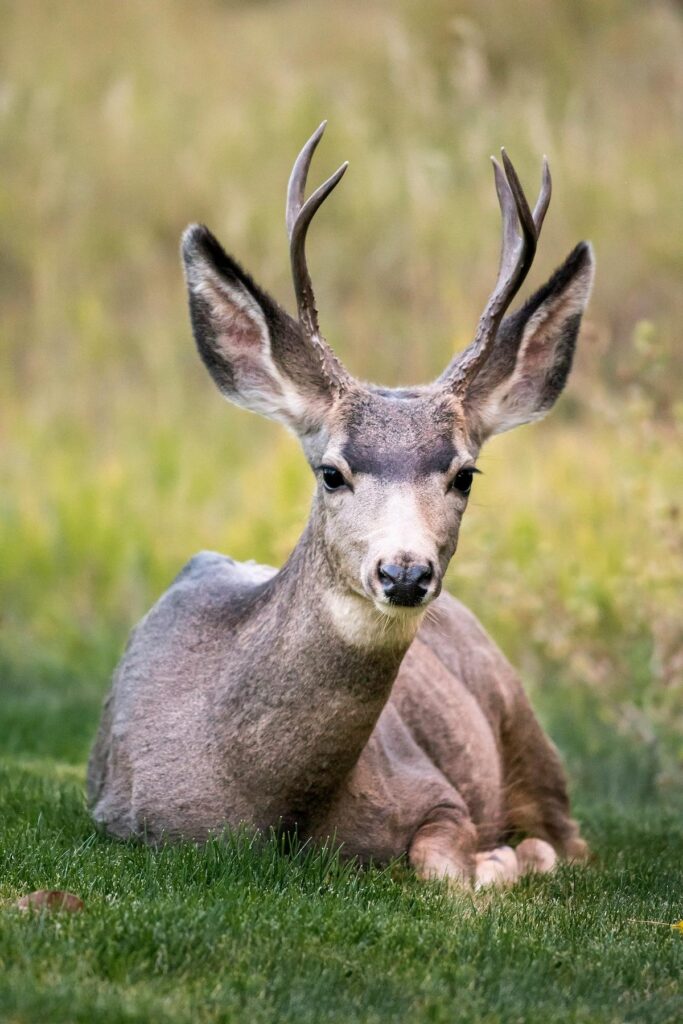
Understanding Deer Bedding Behavior
Locating deer bedding areas is a fundamental skill for the savvy hunter. Mature bucks choose these spots carefully to evade predators and hunters, making knowledge of these sanctuaries essential.
When you pinpoint a potential buck bedding area, observe the following: terrain features that offer elevation and wind advantages, proximity to food sources, and evidence of minimal human intrusion. These key aspects influence where a mature buck decides to bed.
To effectively locate deer bedding areas, it’s essential to understand the behavior that drives deer to choose certain locations over others. Deer carefully select bedding areas to meet several survival needs, including safety, comfort, and proximity to food and water sources.
- Safety First: Deer prioritize safety when choosing their bedding spots. They look for areas that offer good visibility of approaching predators, as well as quick escape routes. Thick cover, such as brush or dense woods, provides the concealment they need to feel secure during vulnerable resting periods.
- Comfort and Shelter: Just like humans, deer seek comfort. Bedding areas are often located in spots that provide shelter from harsh weather conditions. During colder months, deer may bed down in areas that receive direct sunlight for warmth, while in hot weather, they seek out cool, shaded areas.
- Proximity to Resources: Deer also consider the proximity of food and water sources when selecting bedding areas. While they prefer to bed down in secure locations, they need to ensure that food and water are accessible with minimal exposure to danger.
- Terrain Use: Deer use the terrain to their advantage, often bedding on higher ground to survey their surroundings more effectively. Slopes facing the sun are preferred in colder months for the warmth they provide.
Utilizing trail cameras near these bedding spots enhances your ability to monitor buck movements discreetly. This insight is particularly valuable during the deer season, including archery and bow seasons. This way, the mysteries of deer movement will not remain mysteries anymore.
Whether you’re navigating public land or have access to private land, remembering to watch the wind direction and plan entry routes to reduce human scent can greatly improve your morning hunt.
Moreover, bedding area hunting is most effective during the rut when bucks are more active. They’re often on the move throughout the morning and for a short period in the afternoon.
By understanding and respecting the bedding areas and types of habitat, you stand a better chance of targeting mature bucks in their most vulnerable state. Always approach with care, utilizing the cover of darkness and keeping noises to a minimum to prevent spooking the deer.
If you recognize these deer behavior patterns and preferences, as hunters and wildlife enthusiasts, you can better predict where deer are likely to bed down. This understanding is crucial for locating bedding areas and planning successful outdoor activities that involve deer observation.
Identifying Potential Buck Bedding Areas
Finding the elusive bedding areas of mature bucks is akin to discovering hidden treasure for seasoned hunters. These sanctuaries are where deer feel secure, making understanding their preferred terrain and characteristics crucial for successful hunting, especially during archery season and bow season.
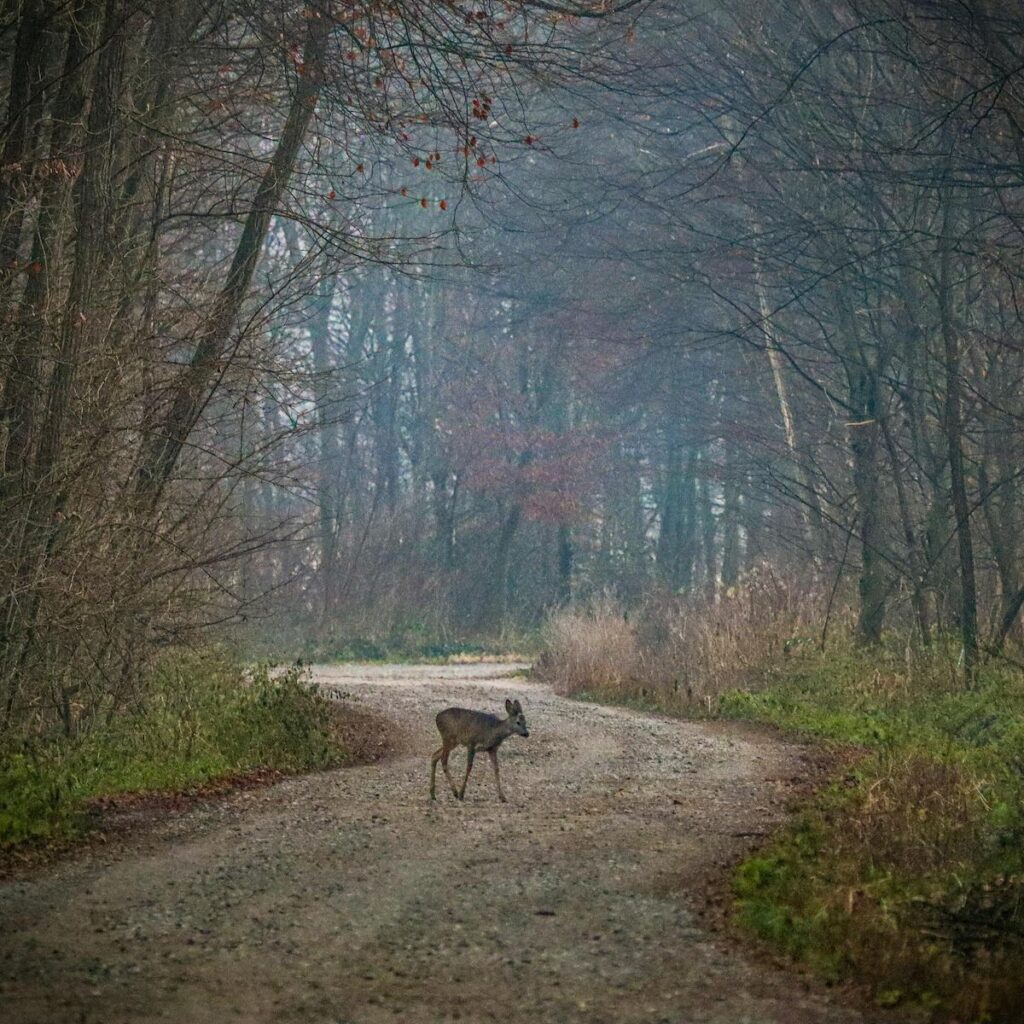
Terrain Features to Look For
Buck bedding areas are often associated with specific terrain features that provide strategic advantages. Here are key elements to look for:
- Ridges and Saddles: Elevated ridges offer deer wide visibility, allowing them to detect approaching threats from afar. Similarly, saddles—a low area between two higher points—can serve as travel corridors for deer, making these areas key spots to check.
- Benches and Creek Drainages: Benches—flat spots on sloping terrain—provide a level resting spot. Creek drainages can supply water, cover, and escape routes for quick retreats when necessary.
- Edge Habitats: Areas where thick cover meets open spaces, such as fields or meadows, can be prime bedding spots. Deer can enjoy both cover and a clear view to watch for any potential dangers.
- Cattail Marshes: These wet areas provide seclusion and a perfect hideout for a buck to bed down, away from the usual spots hunters may search.
- South-facing Slopes: During the colder months, these slopes capture and retain more sunlight, offering warmth to the deer.
Food Sources and Their Influence on Bedding Areas
Deer are creatures of habit and their routines often revolve around food. Here’s how food sources impact buck bedding locations:
- Bed to Feed and Back: Deer typically have linear movements from their bedding areas to their feeding grounds. Buck bedding areas could be a short distance from food sources, allowing bucks to conserve energy while staying close.
- Water Proximity: Bedding areas will be near water sources for hydration, especially in warmer months.
- During the Rut: Bucks may roam more broadly from one doe bedding area to another. Setting up between these can be strategic during hunting season.
- Scouting Cameras: Placing cameras at food sources can reveal consistent paths back to buck bedding areas, offering insight into their daily patterns.
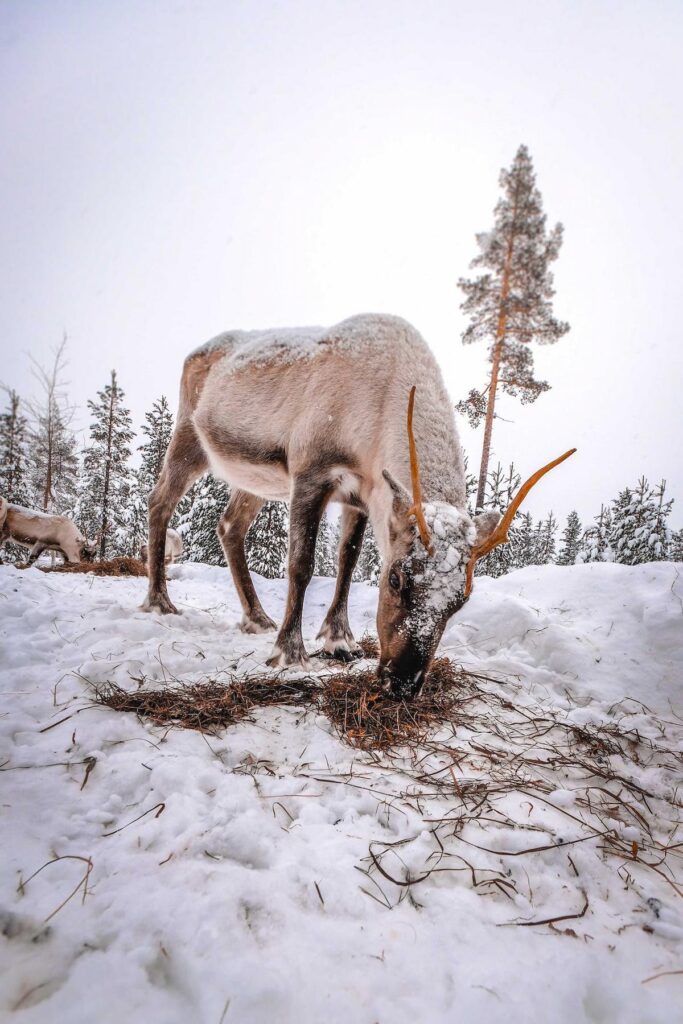
Using Trail Cameras to Locate Bedding Areas
Trail cameras are invaluable for confirming the presence and habits of deer within their bedding areas. You can seek private lands that offer hunting leases and sign a hunting lease agreement that enables you to hunt with an advantage.
Here’s how to use them effectively:
- Minimal Checks: Cameras placed near bedding areas should be disturbed as infrequently as possible, no more than once every two to three weeks, to avoid alerting deer to your presence.
- Post-Summer Placement: Limit camera placement until after mid-summer, when checking will not significantly alter deer behavior.
- Trail Surveillance: Position cameras on trails leading to food sources and water to gather movement data without intruding into the core bedding area.
- Scent Masking: Always consider wind direction when checking cameras to avoid leaving human scent trails near bedding sites.
Tips for Scouting Public Land
Scouting for buck bedding areas on public hunting land poses its own challenges, requiring careful strategy to uncover these hidden gems:
- Low-Pressure Scouting: Walk softly and leave a minimal footprint to avoid alarming the deer, maintaining their natural behavior.
- Season Timing: Late winter and early spring, when human activity is lower, can be ideal times to locate bedding areas without imposing pressure on the deer.
- Unique Spots: Hunt where others aren’t. Sometimes, the best bedding areas on public land are the ones overlooked by other hunters.
- Wind and Thermals: Use the wind and rising thermals to your advantage to keep your scent away from deer. Mastering this can be especially critical on public lands where mature bucks are particularly wary of human intrusion.
- Notable Hunters’ Tactics: Observing strategies used by adept hunters such as Dan Infalt and Aaron Warbritton can provide insight into effective approaches on public land.
Whether scouting on private or public land, patience and attentiveness can significantly increase your chances of encountering mature bucks at their most private enclaves.
Hunting Buck Bedding Areas
Hunting buck bedding areas is nuanced, and requires understanding both the behavior of mature bucks and mastering the art of stealth. Mature bucks, known for their wariness, select bedding areas that afford them multiple advantages.
Primarily, they seek sites providing visual dominance, wind advantage, and auditory alertness to evade predation and hunting pressure.
These sites may vary between daytime and nighttime beds—with daytime beds nestled deep within secure cover and nighttime beds positioned closer to food sources for convenient nighttime feeding.
Successful hunters have recognized that hinge-cutting trees can improve the appeal of bedding areas, offering a sense of security that entices deer.
To locate these areas, hunters can look for isolated terrain features, such as oxbows, swamps, or even islands of cover within agricultural land that can support buck bedding. Mobile hunting apps are a boon, offering satellite imagery and topographic overlays to scout these features carefully.
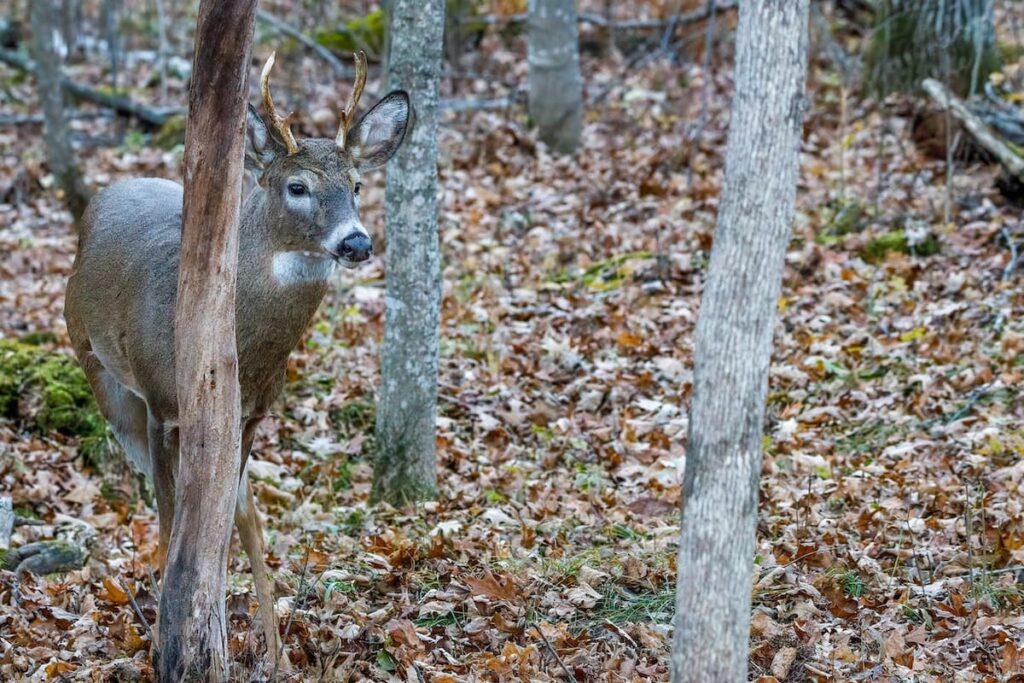
Observation sites are essential to confirm bedding areas, ideally conducted from a distance that does not disturb the deer. These sites help to determine movement patterns, particularly where bucks enter and exit, offering valuable insights for hunting setups.
Additionally, multiple clustered beds typically indicate a doe bedding area, whereas a solitary bed with nearby rubs usually signals a mature buck’s territory.

Strategies for Getting Close to Bedding Areas
One of the main challenges when planning an approach to a bedding area is dealing with swirling winds common in low flat terrain, a favorite for mature bucks.
The wind direction generally dictates the ideal ambush site since Bucks often leave their bedding areas against the wind to catch the scent of danger.
By understanding and utilizing the wind, hunters can position themselves at an optimal vantage point, typically 75-150 yards downwind. This allows them to remain undetected while waiting to intercept a buck on its way to the evening feed.
On ridge tops or hilltops, where bucks can enjoy prevailing winds and a commanding view, hunters must be particularly meticulous. Creating and optimizing edges to slip in undetected is crucial.
Trail management, such as selectively cutting or planting cover, can dramatically improve access routes without alerting deer to human presence.
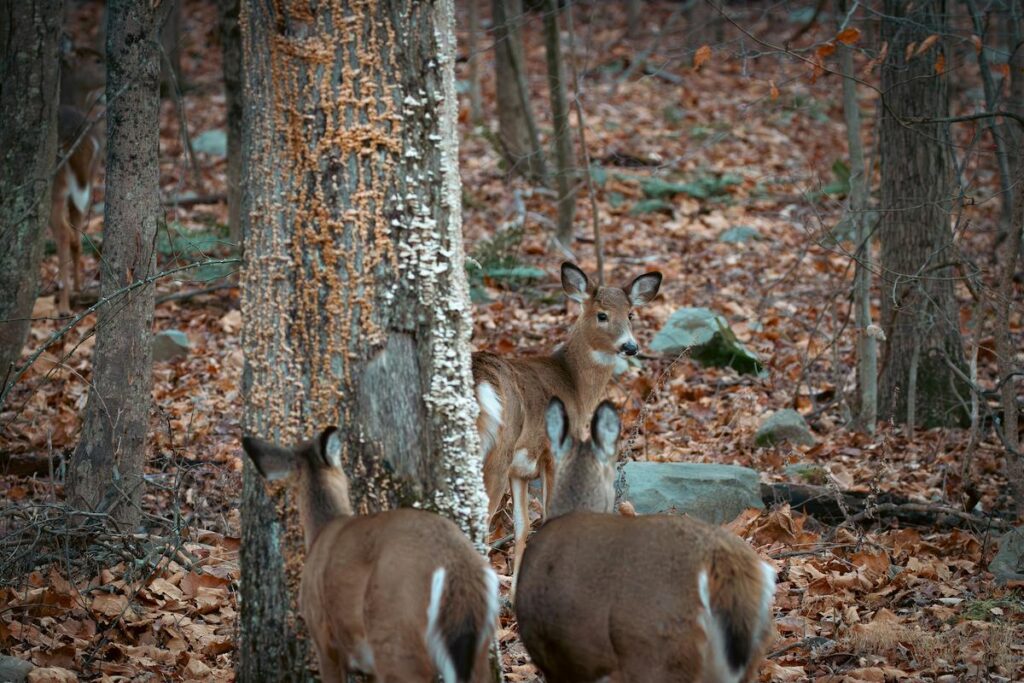
Using Wind Direction to Your Advantage
Wind direction plays a pivotal role in getting close to buck bedding areas. Always approach with the wind blowing from the bedding area towards you, preventing your scent from reaching the deer.
Stalking a morning stand location through areas less attractive to deer, like the backside of an ag rotation, and approaching with the wind toward you can be a successful strategy. During winter months, southern exposures are particularly attractive to bucks, who will bed there to soak up the sun’s warmth.
Hunters who leverage these terrain features and wind patterns enhance their chances of an encounter with a mature buck.
Approaching Bedding Areas During Archery Season
During archery season, the approach to buck bedding areas requires precision and patience. Early-season hunting allows the hunter to capitalize on consistent patterns observed through trail cameras, indicating high-quality movement during shooting hours.
Approaching with the final minutes of light in mind, a hunter must plan meticulous routes to enter and exit without detection.
When the pre-rut and rut roll around, movement patterns can become more unpredictable. Observing from a safe distance is crucial to avoid disrupting the buck’s natural behavior and determining when it is appropriate to move closer to their bedding areas. You also need to be able to aim precisely!
A deer’s “safe zone”—the portion of their bedding area visible to them—is strictly off-limits during the day, emphasizing the importance of undetected entrance.
Archery hunters need to use every tool at their disposal to slip into the vicinity of a bedding area, maintaining the element of surprise to stand a chance of success.
Factors to Consider When Hunting Bedding Areas
Hunting in deer bedding areas requires careful consideration of various factors to ensure a fruitful and ethical hunt.
Understanding the behavior of mature bucks and the subtleties of their habitat helps craft an intelligent approach that respects the animal and its environment.

Utilizing the Cover of Darkness
Whitetail bucks are creatures of caution, often moving under the twilight’s veil to avoid danger. Mature bucks, especially, capitalize on the low visibility of dawn and dusk to safeguard their movements.
Hunters should take cue and plan their hunts around these times when the bucks are likely to be transitioning to and from their bedding sites. Using the cover of darkness to enter hunting areas helps in remaining undetected, ensuring your presence remains unknown to the animals.
This strategy requires hunters to be settled in their positions well before sunrise or to time their exits just after sunset to capitalize on the deer’s natural pattern of movement while maintaining the element of surprise.
Understanding Escape Routes
A key element in buck bedding behavior is their reliance on escape routes. These are predefined paths that allow for a quick retreat in case of a threat. Bucks are known to favor geographical structures such as saddles, ridges, or benches near their bedding sites, providing multiple paths for evasion.
Savvy hunters need to acquaint themselves with these routes by studying topography and reading the land. Recognizing these escape conduits can shape the placement of stands and the approach to the hunt, ideally steering clear of disrupting these paths and thereby spooking the buck.
Navigating Entry Routes and Dealing with Human Scent
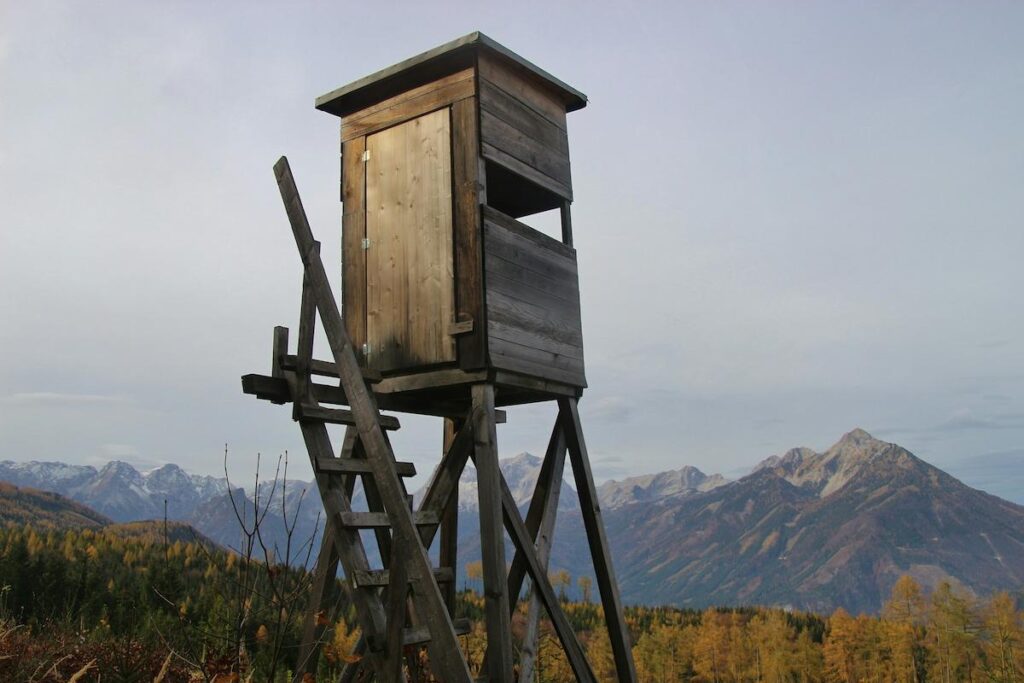
Stealthy entry is vital to successful bedding area hunts. A hunter must meticulously plan the route to minimize noise, sight, and especially scent detection. Pre-built deer stands, set up long before the hunt, can offer strategic vantage points without daily disturbances.
Approaching downwind from the bedding cover helps mask the human scent, an often-overlooked factor that can trigger an alarm for the deer even after the hunter has exited the area.
Finally, exit strategies should always be thought through, ensuring that the end of the hunt does not compromise the site for future attempts.
Conclusion
Any hunter hoping to succeed in the field must learn the subtleties of deer bedding habits. Hunters can greatly increase their odds of coming across mature bucks by learning these subtleties and using tactical strategies like using trail cameras, scouting patiently and attentively, and precisely traversing entrance routes.
Furthermore, hunters can ensure sustainable techniques that aid in the preservation of wildlife habitats by honoring the natural habits of deer and reducing human effects via cautious scent management and covert tactics.
Keeping these guidelines in mind will allow hunters to pursue their goals with assurance, knowing they have the skills and information required to successfully negotiate the complex world of deer sleeping places.


