In 2024 the NC Wildlife Resources Commission issued over 500,000 hunting licenses – a lot of people love to hunt in NC! Whether you’re after deer, turkey, or waterfowl, knowing the rules and season dates is key to a safe and successful season.
What’s in this Guide
- Zones and Season Dates for 2025–2026
- Licenses, Permits, and Lifetime Options
- Bag Limits and Essential Regulations
- Public and Private Land Strategies
Let’s get started by breaking down the season dates and zones for North Carolina’s 2025–2026 hunting seasons.
Quick Reference Tables for NC Hunting Seasons
Since North Carolina (NC) has different landscapes – from the coastal plain to the mountains – statewide seasons vary by region and species. Use these quick reference tables to see when popular game are in season and keep reading to learn the details, licensing requirements and special notes.
Big Game Season Dates, Bag Limits, Licenses and Key Info
| Species | Season Dates (2025–2026) | Bag Limit | Required Licenses/Permits | Key Info |
|---|---|---|---|---|
| Deer | Varies by zone and method (archery, blackpowder, gun) Check below for complete details | 6 total (4 antlered, 2 antlerless max) | – NC Hunting License (Resident or Non Resident) – Big Game Privilege – Additional stamps if needed | Youth Deer Hunting Days: Nov 28–29, 2025. Urban Archery in select municipalities. Critical details apply statewide. |
| Bear | Varies by region (Coastal, Mountain) Check below for complete details | 1 bear per season | – NC Hunting License – Big Game Privilege – Bear Management E Stamp (where required) | Baiting restrictions differ by county. Heavily regulated to manage population. |
People really hunt a few species in North Carolina: deer, hogs, turkey, and elk. Elk hunting in North Carolina is a new thing. The species has been reintroduced to the state and the herds are growing. Deer, hogs, and turkey are all mainstays on the hunting calendar. Here’s more information and resources to help you plan your hunts for each species:
- Deer Season in NC – Read this post to see the season dates, regulations, and hunting strategies for bagging your next trophy buck in the Tar Heel State.
- Hog Hunting in North Carolina – Ready to help tackle the feral hog problem? Read our guide to hog hutning in NC so you know when to hunt, where to hunt, and the right rules to follow.
- North Carolina Elk Hunting – If you want to join the hunt for this big game, then read our blog post to learn how to get started.
Turkey and Waterfowl Season Dates, Bag Limits, Licenses and Key Info
| Species | Season Dates (2025–2026) | Bag Limit | Required Licenses/Permits | Key Info |
|---|---|---|---|---|
| Turkey (Spring) | – Youth: Apr 5–11, 2025 – Regular: Apr 12–May 10, 2025 | 2 (1 daily), 1 turkey max during youth week | – NC Hunting License – Big Game Privilege | Fall turkey season closed except by special permit. No baiting within 300 yards. |
| Ducks | Oct 1, 2025–Jan 31, 2026 (split) | Varies by species | – NC Hunting License – State Waterfowl Privilege + Federal Duck Stamp – HIP certification | Sunday firearm restrictions apply in some areas; see local rules. Youth Waterfowl Days: Feb 7 & 14, 2026. |
| Canada Geese | Oct 15–Nov 29, 2025; Dec 15, 2025–Jan 31, 2026 (split) | Varies by zone/management | – NC Hunting License – State Waterfowl Privilege + Federal Duck Stamp – HIP certification | Zone-based season splits. Verify daily bag limits by subzone. |
Small Game Season Dates, Bag Limits, Licenses and Key Info
| Species | Season Dates (2025–2026) | Bag Limit | Required Licenses/Permits | Key Info |
|---|---|---|---|---|
| Squirrel | Oct 13, 2025–Feb 28, 2026; Spring: May 11–25, 2026 | Varies by species | – NC Hunting License – Trapping Licenses Hunting if trapping | Great chance for new hunters; some local limits apply. |
| Rabbit | Oct 13, 2025–Feb 28, 2026 | Varies by species | – NC Hunting License | Beagles commonly used. Bag limits help maintain stable populations. |
| Quail | Nov 22, 2025–Feb 28, 2026 | Varies by species | – NC Hunting License | Mainly bobwhite quail. Often found in farm edges or brushy habitats. |
| Raccoon/Opossum | Oct 13, 2025–Feb 28, 2026 | Varies (night hunts) | – NC Hunting License – Check local nighttime rules | Night hunting is typical. Rules vary by county for dog pursuit. |
| Crow | Aug 2, 2025–Feb 21, 2026 | No limit | – NC Hunting License | Usually restricted to Wed, Fri, Sat hunts. Confirm with wildlife resources commission for local specifics. |
North Carolina Hunting License Options
North Carolina offers various hunting licenses to fit your age, residency, hunting method and game. Although the state tries to keep it simple, each license has its own privileges, endorsements or stamps. Below is a breakdown of the main licenses, who qualifies and how to buy them:
- Resident Annual Hunting License
- Eligibility: Must meet North Carolina residency requirements (living in NC for at least 6 consecutive months, or establishing permanent residence for 60 days, or on active military duty within the state).
- Included: Basic hunting for small game (squirrels, rabbits, quail, opossum, raccoon, crow)
- Not Included: Big game (deer, bear, turkey) requires additional privilege licenses. State waterfowl privilege and federal duck stamp for waterfowl not included.
- Cost & Renewal: Around $25 for an annual term, renewed every 12 months from purchase date.
- Non-Resident Annual Hunting License
- Eligibility: For non-NC residents or those who don’t meet resident criteria.
- Included: Same as Resident Annual license but at a higher fee (often $100+). Covers basic small game hunting.
- Not Included: Big Game privilege or stamps for waterfowl.
- Short Term License Options: Non-residents can get a short term license (e.g. 10-day license) instead of the full year.
- Big Game Privilege
- Purpose: Required to hunt deer, bear or turkey in North Carolina.
- Who Needs It: Anyone (residents or non-residents) who wants to hunt big game.
- Note: You must already have a basic hunting license (annual, short term or sportsman) before adding big game endorsement.
- Sportsman License (Resident and Nonresident)
- Overview: Comprehensive hunting and inland fishing license that often includes big game privileges, trout fishing and more.
- Cost: More than basic licenses but covers multiple privileges. Renewed annually.
- Why It’s Popular: Perfect for the all-around outdoorsperson who hunts and fishes in NC’s diverse waters and forests.
- Lifetime Licenses
- Options: NC offers different lifetime license packages for various age groups and needs—some cover full “sportsman” privileges (hunting + fishing) while others are limited to hunting only.
- Pros: Pay once and you’re set for life. Can be cost effective if you plan to hunt or fish in NC for many years.
- Residency Requirements: Generally for residents. A few lifetime licenses are available for nonresidents but at higher fees.
- Ongoing Requirements: You may still need to buy a federal duck stamp each year for waterfowl or a bear management e stamp for bear hunting.
- Disability, Senior, and Youth Licenses
- Disability Licenses: For those with permanent disabilities; can be greatly reduced in cost or free depending on the type and severity of disability.
- Senior Licenses: Residents 65 or 70 (depending on birthdate) qualify for reduced or lifetime senior licenses.
- Youth License: Under 16, if accompanied by a licensed adult, a child is often exempt from needing a separate license. But youth who want to hunt without direct supervision must complete hunter education and get the relevant license.
- Trapping Licenses
- Relevance: If your hunting involves furbearer capture you’ll need specialized trapping licenses for furbearers like beaver, fox or coyote.
- Duration & Cost: Annual though lifetime options may exist.
- State Waterfowl Privilege + Federal Duck Stamp
- Purpose: Required for hunting migratory waterfowl. The Federal Duck Stamp is purchased separately (usually $25) and must be signed to be valid. The State Waterfowl Privilege is an additional fee (about $10–$13) that goes toward waterfowl conservation in NC.
- Who Needs It: Anyone hunting ducks, geese or other waterfowl.
As you can see North Carolina’s licensing system balances convenience with many specialized privileges. Make sure you have the right documentation especially if you plan to hunt big game, waterfowl or trap furbearers. Renew or update your license well before the season starts. If you’re hunting near the season boundary (like late December or early January) track your license’s expiration date carefully to stay legal.
Deer Hunting: 2025–2026 Seasons by Zone
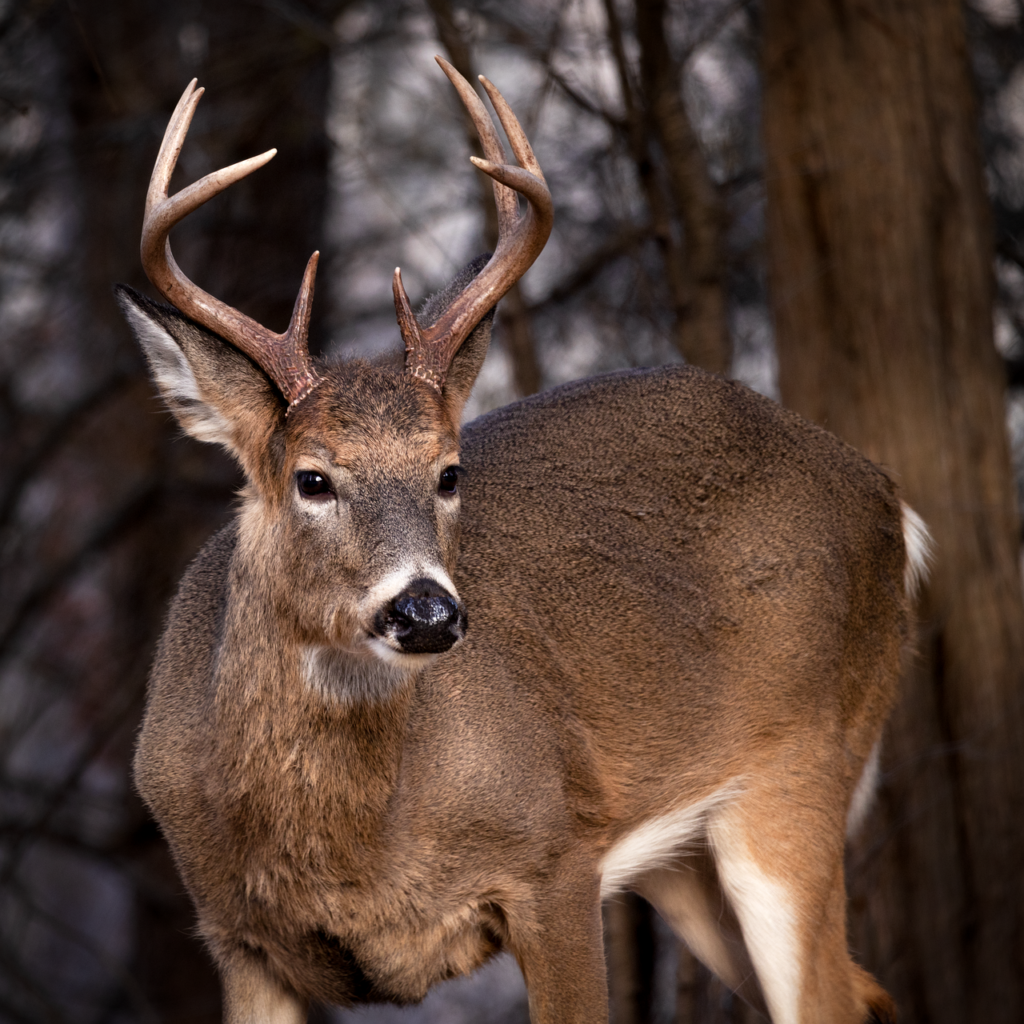
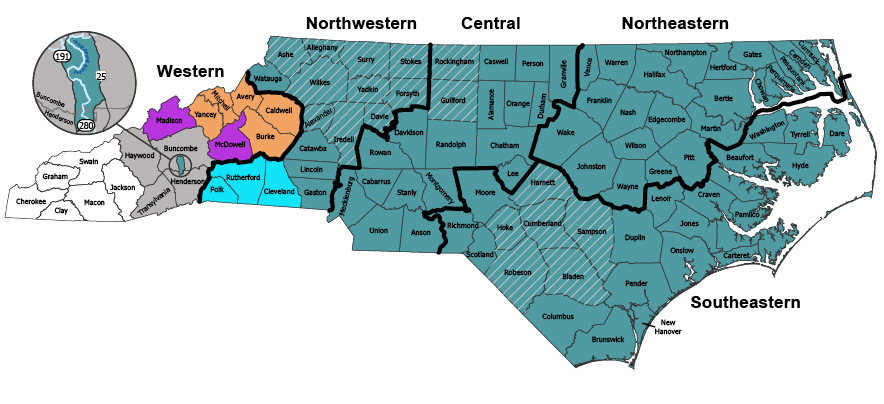
Deer hunting is the crown jewel of NC’s hunting calendar. With the state’s varied habitats, deer seasons are broken into five main zones each with specific start and end dates for archery, blackpowder and gun seasons. This segmentation helps manage local deer populations and hunting pressure.
- Northeastern Zone – A mix of coastal plain and farmland offers good visibility for early season archers. Blackpowder season is short so muzzleloader hunters will see less crowding but must plan carefully. Gun season maximizes harvest opportunity.
- Archery: Sept 6–26, 2025
- Blackpowder: Sept 27–Oct 10, 2025
- Gun: Oct 11, 2025–Jan 1, 2026
- Southeastern Zone – Warmer climates and thicker underbrush can make deer movement more distinctive here. Gun season starts one day later than the Northeastern Zone and runs the same length of time.
- Archery: Sept 6–26, 2025
- Blackpowder: Sept 27–Oct 11, 2025
- Gun: Oct 12, 2025–Jan 1, 2026
- Central Zone – Archery season is much longer here giving bowhunters almost two months to scout and adjust. Blackpowder follows in November then gun season.
- Archery: Sept 6–Oct 31, 2025
- Blackpowder: Nov 1–14, 2025
- Gun: Nov 15, 2025–Jan 1, 2026
- Northwestern Zone – Hillier, more rugged terrain requires climbers to navigate steep hills and swirling winds. Extended archery season rewards those who wait for rut conditions.
- Archery: Sept 6–Nov 7, 2025
- Blackpowder: Nov 8–21, 2025
- Gun: Nov 22, 2025–Jan 1, 2026
- Western Zone – Mountainous region features thick forests and cooler microclimates. Extended archery supports stealthy hunters, blackpowder and gun seasons come later in the year.
- Archery: Sept 6–Nov 14, 2025
- Blackpowder: Nov 15–28, 2025
- Gun: Nov 29, 2025–Jan 1, 2026
Here are two important maps to help you plan your hunts:
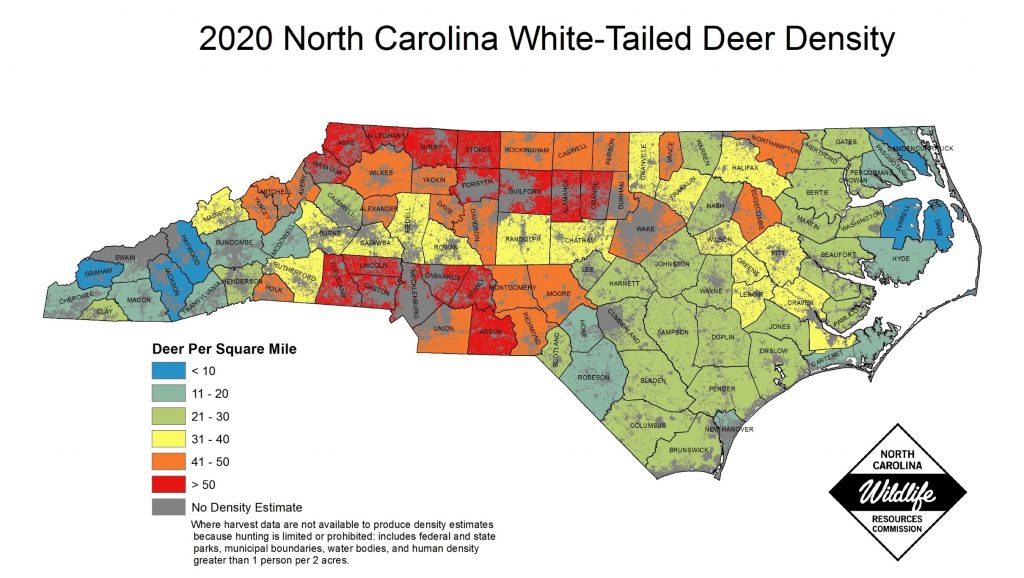
Yes, we know the map says 2020. But we also compared the 2020 map to an earlier deer density map from 2005. There are very little significant changes. While small areas might fluctuate somewhat, the majority of deer are still in the Central, Northwestern, and Northeastern zones.
Key Details and Important Dates
- When is the Last Day of Deer Season: Jan 1, 2026 (statewide).
- Youth Deer Hunting Days: Nov 28–29, 2025. Hunters under 18—especially those under 16—can often hunt deer before the main season.
- Bag Limits: 6 total deer, 4 antlered, 2 antlerless. Proper tagging and reporting required. To exceed antlerless limits you’ll need a special permit or zone-specific authorization.
Turkey Hunting: Spring 2025
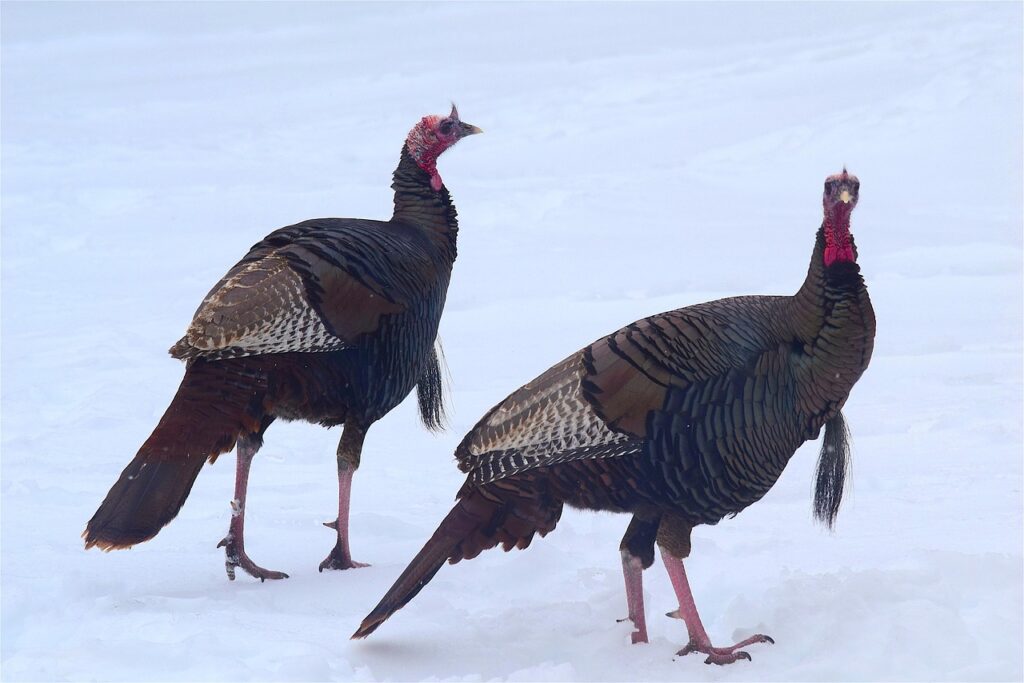
Spring turkey hunting is a hot ticket for local and visiting hunters. NC’s Eastern wild turkey population is healthy but the state has a conservative fall turkey policy—fall turkey hunting is prohibited except in special permit areas.
- Youth Season: April 5–11, 2025
- Perfect for young hunters to practice turkey calling and scouting in low pressure. Adult supervision required but can vary by child’s age and hunting method.
- Regular Season: April 12–May 10, 2025
Classic spring turkey action—gobblers responding to calls, strutting in the morning light, and dawn roost setup.
Regulations
- Bag Limit: 2 turkeys per season (1 per day). Youth can only harvest 1 turkey during youth week.
- Baiting: Placing or using bait within 300 yards of your hunting location is illegal for turkey. This includes corn, seed, or processed attractants.
- Fall Turkey Hunting: Generally off-limits unless you have a special permit from the wildlife resources commission for designated areas.
Small Game & Furbearers
Big game gets the spotlight but North Carolina’s small game and furbearer seasons are important for recreational and management purposes. Here’s a closer look at each major species:
- Squirrel (Oct 13, 2025–Feb 28, 2026; Spring: May 11–25, 2026):
Targeting gray squirrels in hardwood forests, suburban edges and farmland woodlots. Early fall opener to scout acorn crops and dens, short spring season for bushytails feeding on fresh buds or leftover mast. - Rabbit (Oct 13, 2025–Feb 28, 2026):
Eastern cottontail rabbits are widespread where fields and brushy cover meet. Hunting with small gauge shotguns and beagle packs to flush rabbits. Later in the season, rabbits are more wary so plan accordingly. - Quail (Nov 22, 2025–Feb 28, 2026):
Bobwhite quail populations have declined in some areas due to habitat changes, make sure to manage habitat. If you can find healthy coveys quail hunting can be fast paced. Bird dogs used to locate coveys in field edges or recently burned pine stands. - Raccoon/Opossum (Oct 13, 2025–Feb 28, 2026):
Night hunting with hounds is traditional especially in rural areas. Many hunters use coonhounds to chase and tree raccoons. Check local rules on shining lights, dog collars and retrieving animals from private land. - Crow (Aug 2, 2025–Feb 21, 2026):
Unprotected migratory birds, crows can be hunted under federal guidelines. No bag limit in NC but usually only hunted on specific weekdays (Wed, Fri and Sat). They are smart birds so decoys and calls can be fun.
Migratory Birds
Waterfowl (2025–2026 Federal Framework)
North Carolina’s wetlands, sounds and rivers are famous for waterfowl—mallards, pintails, teal, divers and more. Knowing the split season structure is important:
- Ducks: Oct 1, 2025–Jan 31, 2026 (split)
- Usually split into early, mid and late segments. Bag limits vary by species. For example, mallard limit might be 4 total with restrictions on hens, while pintails or canvasbacks are limited to 1 or 2. Check each year’s framework.
- Canada Geese: Oct 15–Nov 29, 2025; Dec 15, 2025–Jan 31, 2026
- Eastern NC can be prime goose country in cut fields and coastal marshes. Migratory geese sometimes appear in large flocks so scouting is key.
- Youth Waterfowl Days: Feb 7 & 14, 2026
- A chance for younger hunters to have exclusive hunts, often with less competition. Same bag limits and shooting hours but must be supervised by an adult.
Other Migratory Birds
- Doves: Sept 6–Oct 4, 2025; Nov 8–29, 2025; Dec 15, 2025–Jan 31, 2026
- Dove fields with managed sunflowers or corn residue can be fast paced. Follow all baiting regulations.
- Woodcock: Dec 18, 2025–Jan 31, 2026
- Found in moist, brushy forests. Often hunted with bird dogs that can handle dense cover.
- Rails & Snipe: Sept 1–Nov 9, 2025
- These species inhabit coastal wetlands or marshy inland areas. Low harvest but high challenge hunts, perfect for waterfowlers looking for variety.
Bear Hunting and Bear Management
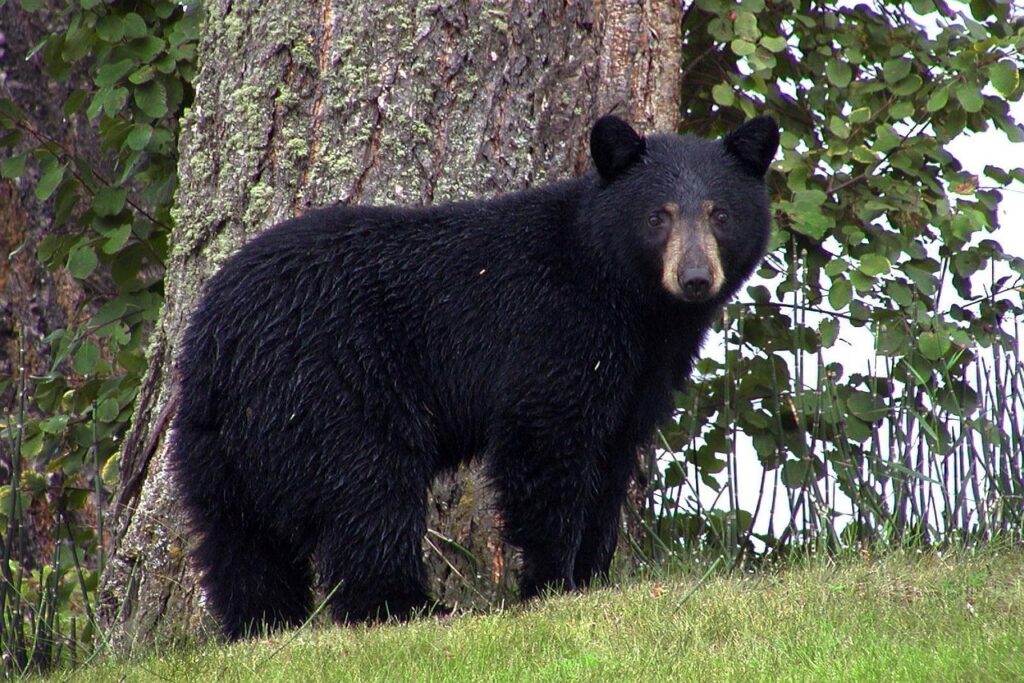
Black bears are thriving in North Carolina, especially in the coastal plain and mountain regions. The state’s bear management program uses specific zones and short seasons to ensure sustainable harvest.
- Coastal Zone: Oct 14–Nov 22, 2025
- Mountain Zone: Oct 14–Nov 23, 2025 and Dec 9–22, 2025
- Bag Limit: 1 bear per season
Key Considerations
- Bear Management E Stamp: In some areas you will need this additional permit.
- Baiting: Regulations vary by county and you must understand rules regarding feeding bears intentionally or unintentionally.
- Dog Hunting: Some counties allow chasing bears with hounds, others do not. This is a traditional method but always check local regulations.
Licenses & Permits (2025–2026 Requirements)
Hunting any species in NC begins with the correct license. From there you may add endorsements or stamps to access more specialized opportunities such as big game, waterfowl or furbearers. Below is a detailed look at each critical credential you will need, how to purchase it and any extra fees or steps.
- Resident Annual Hunting
- Price & Term: Approximately $25, valid for 12 months from the date of purchase.
- Coverage: Allows the holder to hunt small game species like squirrel, rabbit, quail, crow and more. Does not include big game or waterfowl by default.
- Renewal Process: Renew online, by phone or at an authorized agent. Keep track of your license expiration date to avoid lapsed coverage.
- Non-Resident 10-Day or Short Term License
- Why It Exists: Ideal for visitors with a specific hunting trip planned.
- Privileges: Allows basic small game hunting for up to 10 consecutive days (or another short term window).
- Add-Ons: If you want to hunt deer, turkey or bear within those 10 days, add the Big Game privilege. For ducks and geese, add the state waterfowl privilege and federal duck stamp.
- Cost: $140+ for a 10-day version. Cost may vary year to year.
- Big Game Privilege
- Applies To: Deer, bear and turkey.
- Cost: $16
- How to Get It: You must have a base hunting license first. Add this privilege to your base license.
- State Waterfowl Privilege
- Why You Need It: If you hunt ducks, geese or swans you must have this privilege in addition to your base license.
- Cost: $10–$13
- Federal Duck Stamp: Federal law requires waterfowl hunters 16+ to have a federal duck stamp, which is a separate $25 purchase that goes toward national waterfowl conservation.
- Bear Management E Stamp
- Who Needs It: Any hunter hunting bear in areas where bear management measures apply.
- Why It’s Separate: Funds go to the bear management program.
- Cost: $10
- Trapping Licenses
- Relevant to Hunting: Even if you hunt, you may want to trap furbearers during or outside the hunting season.
- Cost: $30–$40 for residents; higher for nonresidents.
- Furbearer Species: Beaver, coyote, fox, muskrat, etc. Additional regulations apply for trap types, check intervals and dispatch methods.
- Lifetime License
- Overview: Pay once and have privileges for life. Can include big game or fishing privileges if you choose the “Sportsman” tier.
- Tiers & Costs: Lower for youth purchasing early, moderate for adults, and senior rates. Nonresidents can be higher but still a good value if you plan to hunt NC long term.
- Why People Like It: Locks in your hunting privileges and protects you from future fee increases. You still need to get your federal duck stamp for waterfowl but the lifetime license covers your base hunting license.
- HIP Certification
- Meaning: “Harvest Information Program” number you must register for if you hunt migratory birds.
- Cost: No charge but required to gather data on bird harvest for conservation planning.
- Pro Tip: Keep digital or printed copies of your license and stamps. NC’s system allows you to show an electronic copy on your phone but having a spare paper copy can be a lifesaver if your device loses battery.
North Carolina Lifetime Licenses
A lifetime license is one of the best investments if you know you’ll be active in NC’s outdoors for life. Here are the main options and what they cover:
- Lifetime Sportsman License (Comprehensive):
All-inclusive: big game, inland fishing, trout fishing, game lands use and more. You may still need the federal duck stamp but most other privileges (state waterfowl privilege) are included. - Lifetime Hunting Only:
Hunting only, no inland fishing. Perfect for dedicated hunters who don’t fish. - Lifetime Unified Sportsman/Coastal Recreational Fishing License:
Freshwater fishing, saltwater fishing and full hunting privileges. Great for coastal residents who switch between fishing saltwater species and hunting waterfowl or big game. - Youth & Infant Lifetime Licenses:
Often available at a lower rate for children under a certain age. Can be purchased by parents or grandparents and remain valid for the individual’s lifetime. - Senior Lifetime License:
Available to residents 65 or 70 depending on birthdate. Recognizes older hunters and encourages them to keep hunting.
When you buy a lifetime license, make sure you know which privileges are included. Some “Basic Lifetime Hunting” may not automatically include big game privileges so add them if you plan to hunt deer, bear or turkey. Also, stay current on new endorsements like the bear management e stamp if requirements change after you’ve bought your lifetime license.
Hunter Education & Key Regulations
Mandatory Certification
NC requires hunter education for those who have never held a hunting license, especially if under a certain age (often 16). Courses teach firearm safety, conservation principles and NC’s wildlife laws.
- Course Types: Online classes with an in-person field day or range day for hands-on training. Traditional classroom sessions are available statewide.
- Lifetime Validity: Once certified you’re good for life (nationwide recognition).
- Recommended for All: Even experienced hunters from other states can benefit from local knowledge about North Carolina’s bag limits and regulations.
Top Regulations
- Sunday Hunting: Firearms use restricted 9:30 AM–12:30 PM, except for waterfowl. Some game lands may not allow Sunday hunting at all.
- CWD Zones: Chronic Wasting Disease (CWD) has led to transport restrictions on deer carcasses in western surveillance areas. If you hunt in a CWD zone, follow guidelines for testing and disposal.
- Baiting: Illegal for turkey and bear statewide. For deer, feeding or baiting can be permitted except on certain public lands or in CWD surveillance areas.
- Firearm Transport: Keep firearms unloaded and cased when in a vehicle or boat.
- Blaze Orange: During gun deer season, anyone hunting or accompanying a hunter (on foot) must wear at least 500 square inches of blaze orange above the waist, visible from all sides.
All hunters should check with the North Carolina Wildlife Resources Commission. Their website has the latest and most authoritative government regulations for hunters.
Where to Hunt in North Carolina
Varied topography—from barrier islands and pine savannas in the east to rolling piedmont farmland and rugged mountain hollows in the west—makes North Carolina a great hunting destination. Knowing your location options helps you find both trophy opportunities and local hunts.
Hunting on Public Lands
NC has over two million acres of game lands managed by the wildlife resources commission, plus national forests like Nantahala, Pisgah, Uwharrie and Croatan. These lands offer a range of hunts:
- Game Lands: Spread throughout the state, each with specific rules. Some only allow archery or muzzleloader hunts on certain days; others require check-in at designated stations. These areas can be crowded on opening weekends but quiet out after initial pressure.
- National Forests: Vast swaths of mountainous or coastal habitat with well-defined roads, trails and campsites. Perfect for multi-day hunts that combine camping with scouting.
- Permit Hunts: Some areas require a special permit to reduce crowding. These hunts can offer great success rates due to lower pressure. Apply early, as deadlines usually come months before the season.
Check out all the North Carolina public hunting lands on our listing page. Filter and sort them to find the perfect spot for your next hunt.
Hunting on Private Lands
Leasing Land:
90% of NC is privately owned, so both opportunities and challenges:
- What It Involves: An agreement with a landowner for exclusive or semi-exclusive hunting rights in exchange for an annual fee.
- Why It’s Popular: Consistent access means you can plant food plots, run trail cameras and manage the area more precisely. The sense of privacy can greatly improve hunt quality.
- Cost Considerations: Leases vary widely by location, acreage and local demand. Coastal farmland might be cheaper than prime whitetail or turkey ground near urban centers.
If you want to lease hunting land, browse our NC hunting leases for the right property. You can filter by price, game species, and county.
Buying Land:
- Long-Term Investment: Some hunters prefer to buy property, which can build equity while also providing guaranteed hunting access.
- Assessing Potential: Evaluate soil quality, water sources, access roads and surrounding habitat. Land near public tracts might hold extra wildlife during pressured seasons.
Permission from Landowners:
- Door-Knocking Approach: In some counties smaller farmland owners are open to granting permission if you’re polite, show respect and possibly offer help around the property.
- Written Permission: Always get written documentation to avoid misunderstandings. Verbal agreements can lead to disputes if an issue arises.
Want to buy your own hunting land? View all the listings on our North Carolina Land for Sale page.
Guided Hunts and Outfitters
For those who want a tailored experience or don’t have time:
- Professional Guides: Offer local knowledge, equipment, lodging and even field dressing. If you’re after a specialty hunt—like black bears in remote mountain areas—guides can greatly improve success odds.
- Outfitters: Larger operations that host multiple clients, often with access to private acreage or exclusive leased tracts. Services can range from “semi-guided” (point you to good stands) to “fully guided” (guides accompany you at all times).
- Selecting a Good Fit: Check references or online reviews. Make sure the outfitter’s style matches your goals—trophy hunts versus meat hunts, or waterfowl hunts with blinds versus pass shooting etc.
FAQ
Is there a fall turkey season?
NC generally prohibits fall turkey hunting. A few special permit hunts may exist in isolated areas, but statewide, turkey is a spring-only pursuit. Always check current regulations or special hunts published by the wildlife resources commission.
When does rifle season start?
Rifle or “gun” season for deer varies by zone. For example, in the Northeastern Zone it’s October 11, 2025. In the Western Zone it’s November 29, 2025. Check your zone’s exact opener.
Can I hunt squirrels in spring?
Yes, NC has a spring squirrel season May 11–25, 2026, in addition to the primary fall/winter season (October 13, 2025–February 28, 2026). Bag limits still apply so stay aware of daily and total harvests.
What’s in season now?
That depends on the date you’re asking. If it’s early September you might be looking at dove or crow. By mid-October squirrel, deer (archery) and early waterfowl splits open in many zones. Check the current year’s season calendar for day-by-day specifics.
The Final Shot
NC’s varied habitats and long history of hunting make it a great place for anyone to get out—whether that means a quiet sunrise in the Piedmont waiting for a trophy buck, a raccoon chase under the moonlit pines, or a drizzly morning in a coastal marsh calling in pintails. By understanding the zones, the licenses and permits required and the rules that protect wildlife resources you’ll be contributing to sustainable harvests and the ongoing success of the state’s hunting heritage.
Keep track of your bag limits, check the regulations before each trip and always treat the land—public or private—as you would your own. Hunting in NC is about tradition, ethical harvest and sharing the outdoors with family, friends and future generations of hunters. Enjoy every moment and enjoy what the Tar Heel State has to offer.


