In this article, you will learn:
- How to navigate the permit application process for elk hunting in Arkansas.
- Important dates and regulations for the upcoming elk hunting season.
- Strategies for increasing your chances of a successful elk hunt in Arkansas.
With the growing elk population and expanding hunting opportunities, there’s never been a better time to explore what elk hunting in Arkansas has to offer.
Let’s dive into the essentials you’ll need to embark on this exciting adventure.
The Appeal of Arkansas Elk Hunting
Arkansas’s elk hunting scene is a testament to successful wildlife conservation and management efforts, transforming the state into a prime destination for elk hunters nationwide.
Once extirpated from the region, the reintroduction of elk in the 1980s has led to a thriving population, primarily centered around the Buffalo National River region. This resurgence offers hunters the opportunity to pursue them in an area known for its stunning natural landscapes and biodiversity.
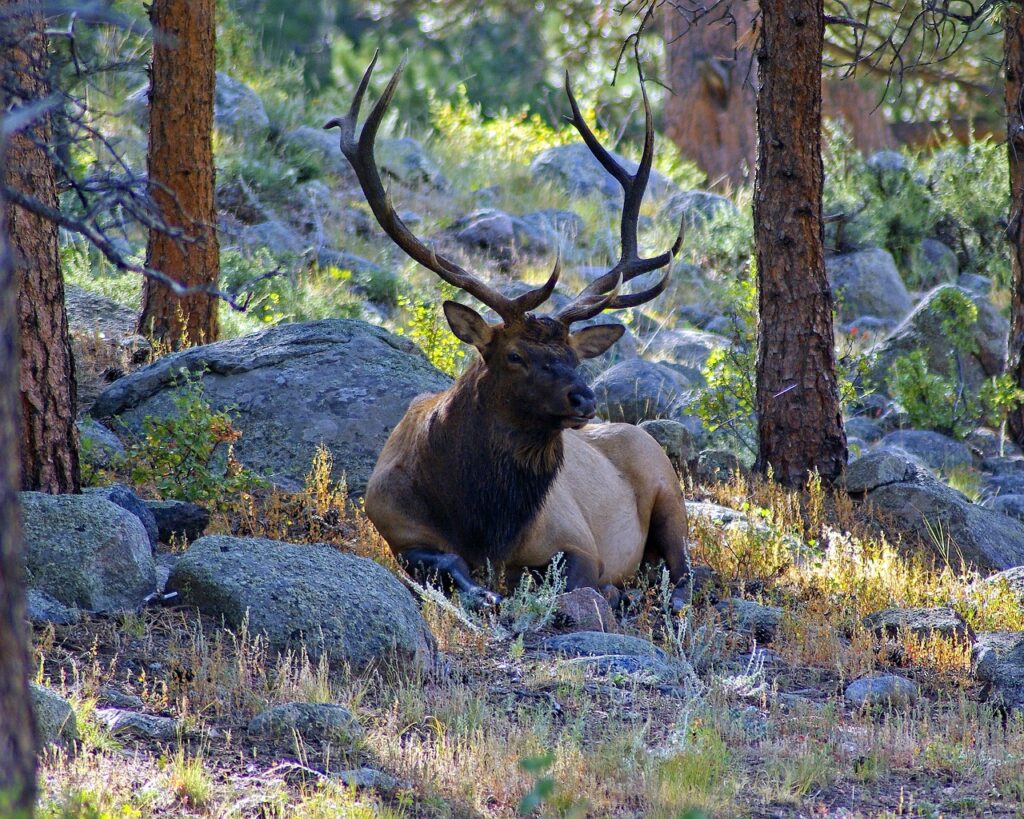
The allure of elk hunting in Arkansas lies in the pursuit of the elk themselves, and in the experience of hunting in some of the most breathtaking and challenging terrains in the Eastern United States.
The designated elk zones, including the Buffalo National River, Gene Rush WMA, and the Richland Valley Sonny Varnell Elk Conservation Area, provide diverse habitats ranging from dense forests to open meadows, offering hunters a variety of hunting experiences.
Key aspects that contribute to the appeal of Arkansas elk hunting include:
- Conservation Success Story: The elk population in Arkansas is a shining example of how targeted conservation efforts can lead to sustainable hunting opportunities.
- Diverse Habitats: The varied landscapes within the elk zones not only support a healthy elk population but also challenge hunters to adapt their strategies and techniques.
- Community and Culture: Elk hunting in Arkansas is supported by a strong community of hunters and conservationists, with events like the Buffalo River Elk Festival celebrating this heritage and offering additional chances for permits through on-site draws.
As elk hunting in Arkansas continues to grow in popularity, it stands as a beacon for conservationists and hunters alike, symbolizing the balance between preserving wildlife and providing recreational opportunities.
Understanding the Permit Process
Securing the Arkansas elk hunting permit is the first step toward embarking on an elk hunting adventure in Arkansas, and it’s a process designed to ensure fair access and conservation of the state’s elk population.
The Arkansas Game and Fish Commission (AGFC) manages the elk hunting permits through a public draw system, with specific application requirements and deadlines that hunters must adhere to.
Public Land Elk Hunting Permit Application
For those looking to hunt elk on public hunting land in Arkansas, the AGFC offers limited hunting licenses and permits via an online application process. This process is open to Arkansas residents who meet certain criteria:
- Residency Requirements: Applicants must be Arkansas residents with a Resident Sportsman Hunting License or holders of a Lifetime Sportsman’s Permit.
- Application Fee: A nonrefundable $5 application fee is required to apply for an elk hunting permit.
- Age and Eligibility: Applicants must be 6 years of age or older by the beginning of the hunt, with applicants harboring 18 or more violation points deemed ineligible.
The limited hunting permit draw occurs annually at the Buffalo River Elk Festival in Jasper, offering both online applicants and festival attendees the chance to secure a land elk permit for the upcoming hunting season.
It’s a community event that serves as the backdrop for the permit drawing and celebrates Arkansas’s elk hunting heritage.
Key Dates for Applicants
Prospective hunters should mark their calendars with the following critical dates:
- Application Period: Opens May 1, with a deadline of May 15, 11:59 p.m. for submissions.
- Permit Draw: This takes place during the Buffalo River Elk Festival, scheduled for June 23-24, where permit winners of the draw are notified shortly after that.
Hunting Zones and Opportunities
Elk hunting in Arkansas on public lands is restricted to designated areas, including the Buffalo National River, Gene Rush WMA, Richland Valley Sonny Varnell Elk Conservation Area, and Bearcat Hollow WMA.
These areas are chosen for their habitat quality and elk population densities, providing hunters with optimal opportunities for a successful hunt, but to be able to have success, you need to know how to hunt public land.
However, as the majority of hunting land in Arkansas is privately owned, you might need to find suitable hunting leases in Arkansas. Hunters can still hunt on privately owned hunting land, the only prerequisite is that they have a hunting lease agreement with the landowner.
2023 Elk Hunting Season Dates
For those who successfully navigate the permit application process, understanding the elk hunting season dates is crucial for planning your hunt.
The Arkansas Game and Fish Commission (AGFC) sets specific dates for elk hunting, separating the season into periods for youth hunters and the general hunting populace, across both public and private lands.
Arkansas hunting season is meticulously structured to offer different opportunities for hunters.
But if your main question is ‘Can you hunt elk in Arkansas?’ the answer is – Yes, but only in the Core Elk Management Zone, which encompasses Boone, Carroll, Madison, Newton, and Searcy counties.
The season is divided based on the type of land (public vs. private) and hunter category (youth vs. general).
Public Land Hunts
- Youth Hunts: October 7-8 and October 28-29, dedicated to younger hunters.
- Regular Elk Hunts in Arkansas (Youth Eligible): October 2-6 and October 30-November 3, open to all hunters, including youth.
Private Land Hunts
- Youth Hunts (Antlerless Elk Only): October 7-8 and October 28-29, specifically for hunting antlerless elk by younger hunters.
- Regular Elk Hunts in Arkansas (Youth Eligible): October 2-6 and October 30-November 3, available to all hunters on private lands within the Core Elk Management Zone.
Legal Considerations
- Hunters are permitted to use legal firearms to hunt elk outside the Core Elk Management Zone during the deer season, aligning with Arkansas’s efforts to manage the elk population sustainably and ethically.
Permit Application Period
- Applications for elk permits are open from May 1 to June 1, encouraging interested hunters to apply within this timeframe to participate in the upcoming elk hunting season.
This structured approach ensures a balanced and regulated hunting season, promoting conservation efforts while offering hunters the chance to engage in this challenging and rewarding activity.

Quotas and Reporting
Particularly for private land hunts, there is a quota system in place to ensure the elk harvest remains within sustainable limits.
The Core Elk Management Zone Private Land Hunt has a set quota, requiring hunters to call in daily to check if the quota has been reached, ensuring the season’s end aligns with conservation goals.
Understanding these dates and adhering to the AGFC’s guidelines are key to a successful and legal elk hunting season in Arkansas. Hunters must plan their trips, prepare their equipment, and familiarize themselves with the specific regulations and requirements for the area they intend to hunt.
Whether on public or private land, these carefully managed seasons aim to provide an equitable hunting experience while ensuring the long-term health and stability of Arkansas’s elk population.
Preparing for the Hunt: Tips and Regulations
Success in Arkansas elk hunting is as much about preparation and understanding the regulations as it is about skill and patience in the field. Whether you’re a seasoned hunter or new to the game, here are essential tips and regulations to consider:
Gear and Preparation
- Appropriate Gear: Ensure you have the right equipment for the rugged terrain and variable weather conditions of Arkansas. This includes durable clothing, a reliable hunting rifle or bow, navigation tools, and camping supplies if you plan to stay overnight.
- Scouting: Spend time scouting the designated hunting areas before the season starts. Familiarize yourself with the landscape, elk habitats, and potential challenges you may face.
Hunting Regulations
- Respect the Quota: Particularly on private lands, adhere to the elk quota and daily call-in requirements to check if the quota has been reached. This is crucial for maintaining the balance of the elk population.
- Legal Hunting Hours: Understand and follow the legal hunting hours set by the AGFC. These are critical for ensuring ethical hunting practices.
- Tagging and Reporting: Successfully harvested elk must be tagged immediately with the hunter’s permit tag. Additionally, hunters are required to report their harvest to the AGFC, which helps in monitoring the population and success of the hunting season.
Conservation and Ethics
- Leave No Trace: Practice the principles of Leave No Trace to minimize your impact on the natural environment. This ensures the preservation of habitats and the well-being of the wildlife.
- Ethical Hunting: Follow ethical hunting practices, including taking clear, humane shots to ensure a quick and ethical harvest. Respect the animal and the opportunity to hunt in such a remarkable setting.
Safety
- Safety First: Always prioritize safety, both for yourself and others. This includes handling firearms safely, being aware of your surroundings, and ensuring you are visible to other hunters.
- Emergency Preparedness: Be prepared for emergencies by carrying a first aid kit, knowing the signs of hypothermia and dehydration, and having a plan for getting help if needed.
By thoroughly preparing and adhering to the regulations and ethical guidelines, hunters can ensure a responsible and rewarding elk hunting experience in Arkansas.
The success of the season lies not only in the harvest but in the conservation of this magnificent species and the preservation of Arkansas’s natural beauty for future generations to enjoy.
Success Stories and Challenges
Arkansas’s elk hunting landscape is dotted with both triumphs and trials, offering a glimpse into the resilience and dedication of hunters as well as the conservation efforts that make these stories possible. These narratives not only inspire but also provide valuable lessons for those preparing to embark on their elk-hunting adventures.
Success Stories
The growth of the elk population in Arkansas, from their reintroduction to the thriving herds now roaming the Ozarks and the Buffalo National River area, is a success story in itself.
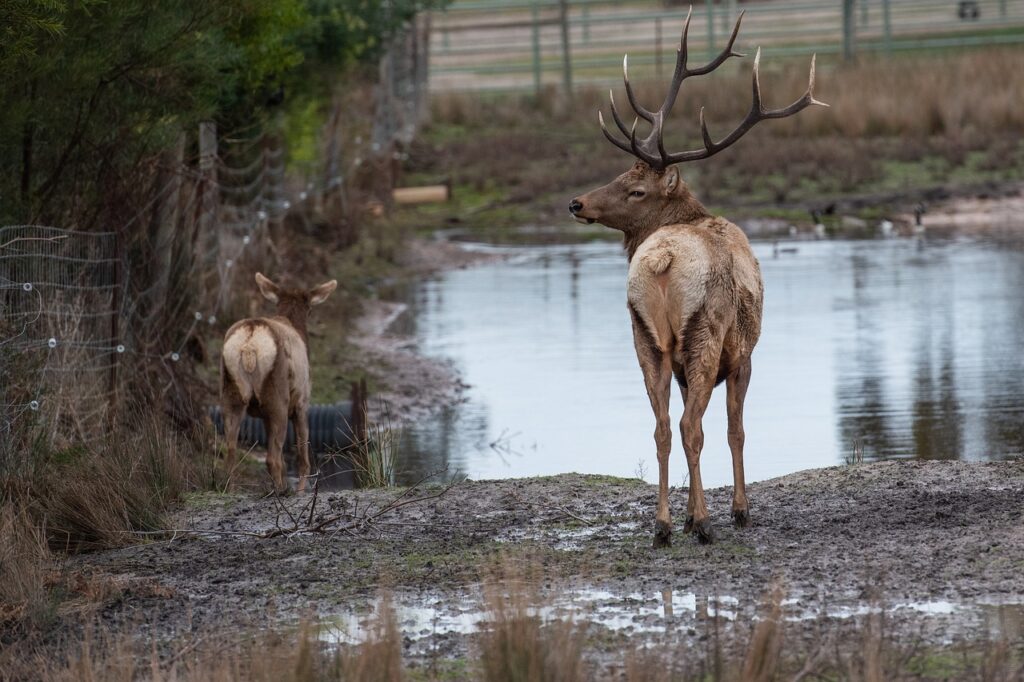
Hunters who draw a coveted elk permit share tales of challenging yet rewarding hunts, where patience and perseverance lead to successful harvests. These stories often highlight the beauty of Arkansas’s wilderness, the thrill of the hunt, and the profound respect hunters have for this majestic game animal.
Overcoming Challenges
Elk hunting in Arkansas is not without its challenges. The rugged terrain of the Ozarks, changing weather conditions, and the elusive nature of elk make each hunt a test of skill and endurance.
Hunters must navigate dense forests, steep hillsides, and sometimes unpredictable weather, all while adhering to ethical hunting practices and regulations.
Conservation Efforts
The backdrop to every success story is the ongoing conservation effort that ensures the elk population remains healthy and sustainable. Hunters play a crucial role in this effort, with permit fees and regulations designed to support wildlife management and habitat preservation.
The AGFC’s careful management of the elk hunting season, including setting quotas and monitoring herd health, ensures that elk hunting in Arkansas remains a sustainable and responsible pursuit.
Lessons Learned
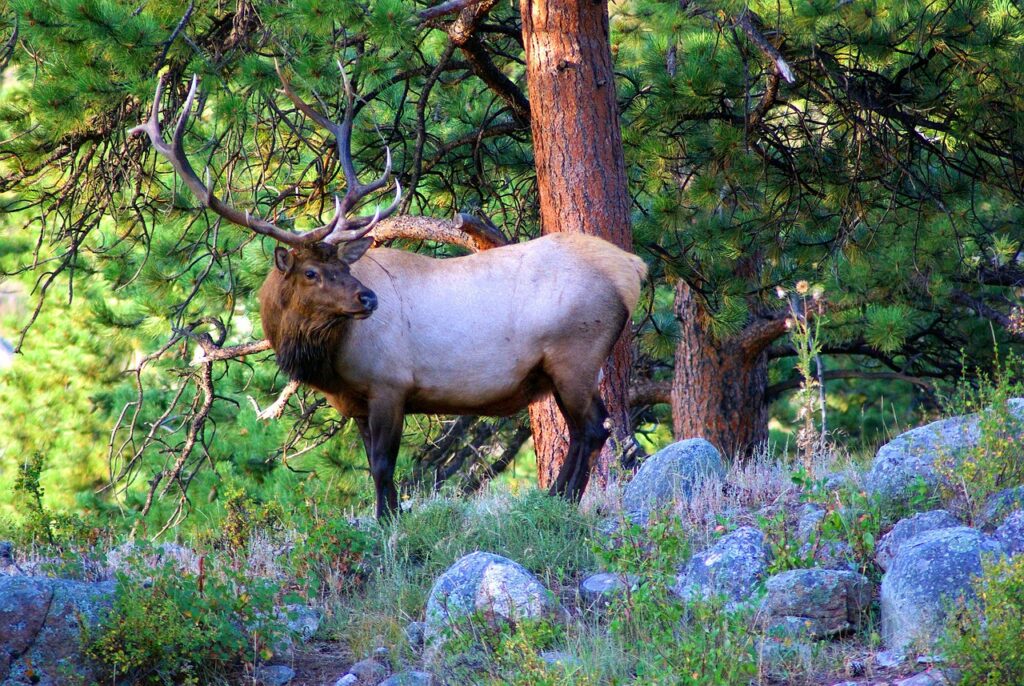
Every hunter’s experience contributes to a larger body of knowledge about elk behavior, effective hunting strategies, and conservation practices.
New hunters can learn from these stories, gaining insights into the best times and places to find elk, the importance of preparation and scouting, and the satisfaction of participating in a hunt that is respectful of the animal and the environment.
Arkansas’s elk hunting season is more than just an opportunity to harvest a trophy; it’s a chance to participate in a tradition that values conservation, community, and the challenge of the hunt.
Whether you’re drawn to the adventure for the sport, the beauty of Arkansas’s natural landscapes, or the camaraderie of the hunting community, elk hunting in Arkansas offers an experience that is rich in stories worth telling.
Want to hunt deer instead? Check out the Arkansas deer season!
Conclusion
Arkansas elk hunting is a journey through some of the most magnificent landscapes the state has to offer, filled with challenges and opportunities that test the mettle of hunters while contributing to conservation efforts.
This blend of adventure, stewardship, and respect for nature defines the elk hunting experience in Arkansas, making it a cherished pursuit for those who partake.