Whether you’re aiming for a trophy buck or planning a youth hunt, knowing the specifics of each zone’s regulations, season dates, and bag limits can significantly impact your success and enjoyment. In this article, you will learn:
- The specific season dates and bag limits for each Arkansas hunting zone.
- Unique regulations and considerations per zone.
- Tips for navigating CWD regulations and special hunting opportunities.
Let’s embark on a detailed exploration of what each Arkansas hunting zone has to offer, ensuring you’re equipped with the knowledge to plan a successful and responsible hunt.
Overview of Arkansas Hunting Zones
Arkansas hunting season is designed to balance the thrill of the hunt with the imperative of wildlife conservation.
The state is divided into numerous hunting zones, each with its unique characteristics, game populations, and management objectives. This zoning system allows for tailored regulations that address local ecological conditions and herd health.
Understanding these zones is the first step in planning a successful hunting season.
Arkansas Hunting Zones Map
There is a detailed map delineating each hunting zone. These zones are defined by natural boundaries such as rivers, roads, and geographical features, making it easier for hunters to identify their preferred hunting areas.
Why Zones Matter
The division into zones allows Arkansas to manage its different animal populations more effectively. By adjusting season dates, and having a specific season for each game animal (like deer season in Arkansas for example), specific hours of harvest, daily bag limits, and specific regulations for each zone, the Arkansas Game and Fish Commission (AGFC) can ensure the health and sustainability of animal populations across the state.
This is the reason why there is a specific deer zone, bear zone, and turkey zone. Additionally, there is a specific set of rules for duck hunting in Arkansas, or for hog hunting in Arkansas.
The zone-specific management approach helps to address overpopulation in some areas while promoting growth in other public lands, ensuring a balanced ecosystem.

Conservation and Wildlife Management
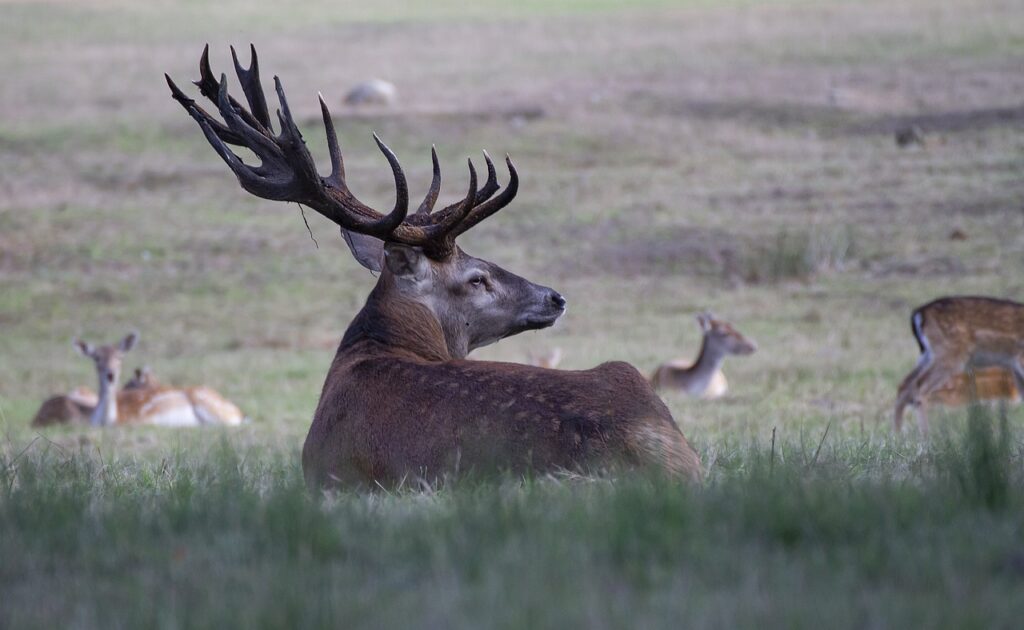
Each zone’s regulations are not arbitrary but are based on extensive research and monitoring of deer populations, habitats, and ecological conditions.
The AGFC works tirelessly to maintain a balance between providing ample opportunities and preserving Arkansas’s rich biodiversity. Hunters play a vital role in this conservation effort, with their adherence to zone regulations directly impacting the success of wildlife management strategies.
Navigating the Zones
For hunters, the key to a rewarding season is understanding the lay of the land and the specific rules that govern each zone. From season dates to bag limits and special regulations, each zone offers a unique set of parameters designed to optimize both the hunting experience and conservation goals.
As we delve deeper into the specifics of each zone, remember that the spirit of hunting in Arkansas is rooted in respect for nature and the principles of conservation.
Whether you’re a local or visiting hunter, your actions contribute to the stewardship of Arkansas’s natural heritage, ensuring that future generations can enjoy the same bountiful and beautiful hunting grounds.
Arkansas Hunting Zones, Dates and Bag Limits
Arkansas offers a wide array of hunting experiences across its zones, each with specific season dates and bag limits. Understanding these is crucial for planning your hunt. Here, we break down these details for a selection of key zones.
This table synthesizes key deer hunting season details across the specified zones, providing a quick reference to season dates, bag limits, and notable regulations. 2
Each zone’s regulations are designed to balance deer population health, hunter opportunity, and disease management, ensuring sustainable hunting practices across Arkansas.
| Zone | Archery Dates | Muzzleloading rifles Dates | Modern Gun Deer Season Dates | Special Hunts | Bag Limit | Special Regulations |
| 1 | Sept. 23, 2023 – Feb. 29, 2024 | Oct. 21-29 & Dec. 9-11, 2023 | Nov. 11-Dec. 3 & Dec. 26-28, 2023 | Youth: Nov. 4-5, 2023 & Jan. 6-7, 2024; Antlerless: Dec. 29-31, 2023 | 5 deer, max 2 bucks | No hunting with dogsNo antler-point restrictionsCWD regulations |
| 2 | Sept. 23, 2023 – Feb. 29, 2024 | Oct. 21-29 & Dec. 9-11, 2023 | Nov. 11-Dec. 3 & Dec. 26-28, 2023 | Youth: Nov. 4-5, 2023 & Jan. 6-7, 2024; Antlerless: Dec. 29-31, 2023 | 5 deer, max 2 bucks | No hunting with dogsNo antler-point restrictionsCWD regulationsResearch deer may be present |
| 3 | Sept. 23, 2023 – Feb. 29, 2024 | Oct. 21-29 & Dec. 9-11, 2023 | Nov. 11-Dec. 3 & Dec. 26-28, 2023 | Youth: Nov. 4-5, 2023 & Jan. 6-7, 2024; Antlerless: Dec. 29-31, 2023 | 5 deer, max 2 bucks | No hunting with dogs;Antler-point restrictions vary by countyCWD regulations in specific counties |
| 4 | Sept. 23, 2023 – Feb. 29, 2024 | Closed | Nov. 11-19 & Dec. 26-28, 2023 | Youth: Nov. 4-5, 2023 & Jan. 6-7, 2024; Antlerless: Dec. 29-31, 2023 | 3 deer, max 2 bucks (varies inside/outside CWD Zone) | No hunting with dogsAntler restrictions vary by CWD ZoneCWD regulations |
| 5A | Sept. 23, 2023 – Feb. 29, 2024 | Oct. 21-29 & Dec. 16-18, 2023 | Nov. 11-Dec. 10 & Dec. 26-28, 2023 | Youth: Nov. 4-5, 2023 & Jan. 6-7, 2024; Antlerless: Dec. 29-31, 2023 | 3 deer, max 2 bucks | No hunting with dogsLegal bucks must have ≥3 points on one sideButton bucks count toward buck limit |
| 6 | Sept. 23, 2023 – Feb. 29, 2024 | Oct. 21-29 & Dec. 9-11, 2023 | Nov. 11-Dec. 3 & Dec. 26-28, 2023 | Youth: Nov. 4-5, 2023 & Jan. 6-7, 2024; Antlerless: Dec. 29-31, 2023 | 5 deer, max 2 bucks | Dogs allowedAntler-point restrictions varyButton bucks count as antlerlessCWD regulations in specific counties |
| 7 | Sept. 23, 2023 – Feb. 29, 2024 | Oct. 21-29 & Dec. 9-11, 2023 | Nov. 11-Dec. 3 & Dec. 26-28, 2023 | Youth: Nov. 4-5, 2023 & Jan. 6-7, 2024; Antlerless: Dec. 29-31, 2023 | 5 deer, max 2 bucks | Dogs allowedNo antler-point restrictions in CWD countiesButton bucks count as antlerlessCWD regulations in specific counties |
| 8 | Sept. 23, 2023 – Feb. 29, 2024 | Oct. 21-29 & Dec. 9-11, 2023 | Nov. 11-Dec. 3 & Dec. 26-28, 2023 | Youth: Nov. 4-5, 2023 & Jan. 6-7, 2024; Antlerless: Dec. 29-31, 2023 | 5 deer, max 2 bucks | Dogs allowedAntler-point restrictions varyButton bucks count as antlerlessCWD regulations in specific counties |
| 9 | Sept. 23, 2023 – Feb. 29, 2024 | Oct. 21-29 | Nov. 11-Dec. 17 & Dec. 26-28, 2023 | Youth: Nov. 4-5, 2023 & Jan. 6-7, 2024; Antlerless: Dec. 29-31, 2023 | 4 deer, max 2 bucks (varies inside/outside CWD Zone) | No hunting with dogsAntler restrictions vary by CWD ZoneButton bucks count differently in/out CWD ZoneCWD regulations |
| 10 | Sept. 23, 2023 – Feb. 29, 2024 | Oct. 21-29 & Dec. 9-11, 2023 | Nov. 11-Dec. 3 & Dec. 26-28, 2023 | Youth: Nov. 4-5, 2023 & Jan. 6-7, 2024; Antlerless: Dec. 29-31, 2023 | 5 deer, max 2 bucks | Dogs allowedLegal bucks must have ≥3 points on one sideButton bucks count as antlerless |
| 11 | Sept. 23, 2023 – Feb. 29, 2024 | Oct. 21-29 & Dec. 9-11, 2023 | Nov. 11-Dec. 3 & Dec. 26-28, 2023 | Youth: Nov. 4-5, 2023 & Jan. 6-7, 2024; Antlerless: Dec. 29-31, 2023 | 5 deer, max 2 bucks | Dogs allowedNo antler-point restrictions in CWD countiesButton bucks count as antlerlessCWD regulations in specific counties |
| 12 | Sept. 23, 2023 – Feb. 29, 2024 | Oct. 21-29 | Nov. 11-Dec. 17 & Dec. 26-28, 2023 | Youth: Nov. 4-5, 2023 & Jan. 6-7, 2024; Antlerless: Dec. 29-31, 2023 | 5 deer, max 2 bucks (varies inside/outside CWD Zone) | Dogs allowedAntler restrictions vary by CWD ZoneButton bucks count differently in/out CWD ZoneCWD regulations |
| 13 | Sept. 23, 2023 – Feb. 29, 2024 | Oct. 21-29, 2023 | Nov. 11-Dec. 17 & Dec. 26-28, 2023 | Youth: Nov. 4-5, 2023 & Jan. 6-7, 2024; Antlerless: Dec. 29-31, 2023 | 5 deer, max 2 bucks | Dogs allowedLegal bucks must have ≥3 points on one sideButton bucks count as antlerless |
| 14 | Sept. 23, 2023 – Feb. 29, 2024 | Oct. 21-29 & Dec. 16-18, 2023 | Nov. 11-Dec. 10 & Dec. 26-28, 2023 | Youth: Nov. 4-5, 2023 & Jan. 6-7, 2024; Antlerless: Dec. 29-31, 2023 | 4 deer, max 2 bucks | Dogs allowedLegal bucks must have ≥3 points on one sideButton bucks count toward buck limit |
| 15 | Sept. 23, 2023 – Feb. 29, 2024 | Oct. 21-29 & Dec. 16-18, 2023 | Nov. 11-Dec. 10 & Dec. 26-28, 2023 | Youth: Nov. 4-5, 2023 & Jan. 6-7, 2024; Antlerless: Dec. 29-31, 2023 | 4 deer, max 2 bucks | Dogs allowedLegal bucks must have ≥3 points on one sideButton bucks count toward buck limit |
| 16 | Sept. 23, 2023 – Feb. 29, 2024 | Oct. 21-29, 2023 | Nov. 11-Dec. 28, 2023 | Youth: Nov. 4-5, 2023 & Jan. 6-7, 2024; Antlerless: Dec. 29-31, 2023 | 4 deer, max 2 bucks | No hunting with dogsLegal bucks must have ≥15-inch inside spread or 18-inch main beamButton bucks count toward buck limit |
| 16A | Sept. 23, 2023 – Feb. 29, 2024 | Oct. 21-29, 2023 | Nov. 11-Dec. 28, 2023 | Youth: Nov. 4-5, 2023 & Jan. 6-7, 2024; Antlerless: Dec. 29-31, 2023 | 4 deer, max 2 bucks (varies inside/outside CWD Zone) | Dogs allowedAntler restrictions vary by CWD ZoneButton bucks count differently in/out CWD Zone |
| 17 | Sept. 23, 2023 – Feb. 29, 2024 | Oct. 21-29, 2023 | Nov. 11-Dec. 28, 2023 | Youth: Nov. 4-5, 2023 & Jan. 6-7, 2024; Antlerless: Dec. 29-31, 2023 | 5 deer, max 2 bucks | Dogs allowedLegal bucks must have ≥15-inch inside spread or 18-inch main beamButton bucks count toward buck limit |
Special Regulations and Notes for Each Zone
Across all zones, certain regulations are consistent, such as the prohibition of dogs for deer hunting in specific zones and the allowance in others during the modern gun season.
Moreover, the impact of CWD regulations cannot be overstated, with specific zones mandating hunters to follow guidelines designed to manage the spread of the disease. Hunters are encouraged to check each zone’s details for restrictions on antler points and the counting of button bucks toward bag limits.
With this detailed breakdown, hunters can start planning their season by marking calendar dates, understanding the legal requirements of their chosen zone, and preparing for the unique challenges and opportunities each zone offers.
Whether you’re hunting in the lush forests of Zone 1 or navigating the specific restrictions of Zone 16, a successful hunt starts with knowledge and preparation.
As we move forward, remember that these regulations are in place to ensure sustainable hunting practices that support wildlife conservation efforts across Arkansas.

Modern Gun Restrictions
In deer zones 4 and 5, modern gun deer hunt has its regulations.
It is illegal for someone to be hunting deer with anything other than weapon legal for those zones, including
- shotguns with slugs,
- legal muzzleloaders that use electronic pulse (some WMAs require muzzleloader permit to hunt),
- handguns with barrels 4 to 10 inches long chambered specifically for straight-walled centerfire cartridges loaded with lead, lead alloy, soft nose and/or hollow point bullets .30 caliber or larger and/or conical bullets, and
- large bore air rifles.
Archery equipment such as longbows, compound bows, and crossbows that can fire or hold ready to fire more than one arrow or in a row without having to re-cock are allowed during modern gun season.
These restrictions are valid only for public land hunters on public hunting land in Arkansas. Privately owned land has no gun restrictions, however, they may require a hunting lease agreement.
It shouldn’t be difficult to find hunting leases in Arkansas, as over 90% of land in Arkansas is privately owned. However, the leeway on gun restrictions does not absolve you from having to own a hunting license.
Navigating CWD Regulations and Special Hunts
Chronic Wasting Disease (CWD) has become a significant concern for wildlife management and hunting practices across many states, including Arkansas.
Understanding CWD Regulations
- CWD Management Zones: Certain areas of Arkansas are designated as CWD Management Zones due to the presence of the disease within local deer populations. These zones often have additional regulations, including restrictions on transporting deer carcasses, mandatory testing during certain seasons, and specific antlerless hunts to manage deer densities.
- Compliance: Hunters in CWD Management Zones are required to comply with all regulations, including the deer bag limit, reporting and testing of harvested deer.
- Impact on Hunting Practices: In zones affected by CWD, hunters may need to adapt their practices, including choosing where to process their game and being mindful of restrictions on baiting and feeding deer.
Special Hunts
Arkansas also offers special hunts to target specific wildlife management goals, such as controlling deer populations in certain areas or providing hunting opportunities for youth and disabled hunters.
- Special Gun Youth Deer Hunts: Modern gun youth deer hunts are designed to encourage young hunters to learn and participate in the tradition of hunting.
- Private Land Antlerless-only Modern Gun Hunts: Aimed at managing deer populations, these hunts allow for the harvest of antlerless deer on private lands, helping to balance sex ratios and control growth of local deer populations.
Tips for Hunters in Each Zone
Hunting in Arkansas’s varied zones means adapting to different landscapes, regulations, and deer behaviors. Here are general tips to help you navigate these differences successfully.
Know Your Zone
Prioritize thorough research, and familiarize yourself with the landscape, common deer routes, and favored feeding spots in your target area.
Additionally, tap into local expertise by connecting with hunting communities or online forums. Seasoned hunters can provide invaluable insights into particular zones and seasonal deer movements.
Gear and Preparation
Tailor your gear to the zone and season. For example, zones with dense foliage may require different camouflage patterns or safety colors.
Scout your hunting area in advance. Identifying signs of deer activity, such as tracks or rubs, can inform your hunting strategy.
Ethical Hunting Practices
Always adhere to the bag limits and reporting requirements in your zone. These regulations are designed to ensure sustainable hunting and conservation.
Aim for a humane, clean kill. Understanding deer anatomy and practicing your marksmanship can help ensure ethical hunting.
Navigating CWD Regulations and Special Hunts
Chronic Wasting Disease (CWD) management and special hunts are critical components of Arkansas’s wildlife conservation efforts. Participating responsibly in these initiatives is part of being a conscientious hunter.
CWD Awareness
- Stay Updated: Regularly check for updates from the Arkansas Game and Fish Commission.
- Participate in Testing: If hunting in a CWD zone, participate in voluntary or mandatory testing programs to help manage the disease’s spread.
- Be a Responsible Hunter: Following CWD regulations and participating in management hunts not only supports deer population health but also contributes to the broader effort to control the spread of this disease.
Special Hunts Participation
- Youth and Novice Hunts: These hunts encourage new hunters. Supporting and participating in these hunts helps foster the next generation of hunters.
- Community Hunts: Some zones offer community or urban hunts to manage deer populations in specific areas.
Conclusion
Arkansas’s diverse hunting zones give plenty of options for everyone. Hunters may have gratifying experiences and help the state conserve wildlife by learning and following each zone’s restrictions, preparing properly, and hunting ethically.
A successful hunt requires preparation and care for the environment, whether you’re a seasoned hunter acquainted with Arkansas’s landscapes or a newbie eager to explore.
As you plan your next hunting trip in Arkansas, remember that your actions contribute not only to your hunting success but also to the conservation of Arkansas’s natural heritage.
Happy hunting!


