Key Takeaways – The 8 Best Mule Deer Hunting States
In the quest for trophy deer, certain states stand out as premier destinations for hunters.
- Colorado remains a trophy hunter’s dream, with a deer population reaching nearly half a million. The state’s rich history of record-breaking bucks, including the largest typical deer ever recorded, underscores its premier status. Colorado’s preference point system is an essential consideration for hunters aiming for those trophy bucks.
- Arizona, despite environmental challenges, continues to be a hotspot for trophy mule deer, thanks to its bonus point system and legendary units like the Arizona Strip. The state’s commitment to managing its deer population ensures its place as a top destination for hunters.
- Alberta stands out not just for its historic record holder but also for consistently producing deer over 200 inches. With a well-managed herd and the potential for giant bucks, Alberta is a must-visit for serious hunters, especially when travel restrictions allow.
- Idaho offers a blend of vast public lands and no point system, making it an accessible state for hunters seeking both adventure and trophy potential. The state’s significant deer population and record of producing top-ranking bucks make it an attractive option.
- Wyoming is renowned for its public lands and trophy potential, with a robust deer population and a point system that occasionally allows for draws without points. Wyoming’s historical significance in deer hunting is bolstered by recent trophy harvests.
- Saskatchewan, with its impressive record of recent giant bucks, including a world-record non-typical with a bow, is an underrated powerhouse for trophy mule deer. The province’s managed herd and potential for massive bucks should not be overlooked.
- Utah is synonymous with big deer, thanks to its careful management and bonus point system. The chance to draw a mule deer tag in one of Utah’s limited units, especially the coveted Henry Mountains tag, offers the opportunity for a once-in-a-lifetime trophy.
- Nevada might be known more for its cities, but its carefully managed deer herd and challenging tag draws make it a hidden gem for trophy deer hunting. Recent years have seen Nevada produce some of the most impressive bucks on record.
Public Land vs. Private Land
For many hunters, the allure of tracking deer across the wide expanses of public hunting land holds a special charm. It’s often said that the true trophy isn’t just the deer, but the pursuit of a mature, 5+-year-old deer in the vastness of public ground.
In Nebraska, for instance, public land is plentiful and offers good hunting, where with the right knowledge and persistence, one can expect to tag out.
However, public land hunting is far from the only game in town. Adjoining tracts of Western private and public lands can create exceptional hunting situations.
Hunting leases are great for quality control, and if you want to know how much is a hunting lease per acre, it mainly depends on the state, and how big the land is. You can negotiate it all in your hunting lease agreement with the landowner.
A little research might reveal great hunting chances in these private areas. Some deer may enter public property during the day after eating on private ranches or agricultural fields at night. This pattern offers hunters an excellent opportunity.
In the South, public lands typically vary from 20,000 to 60,000 acres, while in the West, these lands can be vast stretches, providing hunters with an abundance of space to embark on their hunting adventure.
Public Land vs. Private Land: Hunting Opportunities
| Land Type | Size | Hunting Prospects |
| Public Land | 20,000-60,000+ acres | Potential to tag mature bucks; expansive |
| Private Land | Varies | Controlled access; feeding area patterns |
Both public and private lands offer unique advantages for deer hunts, while the key to success often lies in understanding the movements and habits of these elusive bucks.
Mule Deer Population and Quality of Bucks
As hunters gear up for the deer season, it’s crucial to consider both the population dynamics and the quality of bucks they are likely to encounter in the field.
The mule deer, an iconic species in North America, has been faced with fluctuating population trends in certain areas, affecting their availability to hunters. Recent surveys have indicated a concerning downtrend in numbers in regions like western Wyoming, Nevada, and South Dakota.
This decline has direct implications for hunting opportunities, with fewer mature bucks up for grabs and the potential for stricter regulations and tag limitations.
Despite these challenges, some states stand out for their robust deer populations and the quality of deer they produce.
Colorado is a beacon for deer hunters, boasting an estimated population of 400,000 to 450,000 animals. In addition to its large population, the state produces the most record deer, making it a prime hunting ground for trophy bucks.
Idaho also emerges as a top contender, known for housing significant populations of big bucks. The state cleverly manages hunting pressure by offering both over-the-counter mule deer buck tags and limited, controlled hunts.
This approach allows hunters to plan their trips with the assurance that trophy potential isn’t diminished by overcrowding and over-harvesting.
The deer’s adaptability to various environments, from semi-arid deserts to snow-clad highlands, contributes to their survival and the opportunity for hunters to pursue these majestic creatures across diverse landscapes.
The draw of hunting a large, mature buck lies not just in its inherent challenge—it’s one of the most difficult game animals to hunt in North America—but also in the reward of successfully harvesting an animal that epitomizes survival and adaptability.
Population Trends
When delving into population trends, it becomes evident that not all states experience equal prospects in terms of deer population stability.
While the concern over declining numbers in states such as Wyoming, Nevada, and South Dakota necessitates vigilance in management and conservation efforts, other states continue to uphold strong and sustainable populations.
This diversity in population trends can significantly impact a hunter’s decision when seeking out the best mule deer hunting grounds, making it imperative to stay informed on current statistics and management strategies within the states of interest.
Trophy Potential
The pursuit of trophy deer is fraught with challenges, requiring patience, skill, and sometimes an element of luck. Trophy potential varies widely across states and even within different units of the same state.
Hunters seeking the thrill of bagging a giant buck must recognize the rarity of the opportunity. While Boone and Crocket records offer a benchmark for evaluating trophy potential, with top entries coming from states like Colorado, Utah, Idaho, Wyoming, and Nevada, hunters should also consider other factors, such as recent scoring trends and unit-specific data.
Trophy potential is also influenced by the draw and permit system, with premium units often accessible only to those with a significant number of bonus points.
Drawing into these units suggests higher chances for encountering mature bucks, yet it’s worth noting that the average Boone and Crocket score for these areas still falls below the 170-inch mark. Meanwhile, opportunity units can present more accessible tags but reflect a lower average score range of 120-140 inches.
Ultimately, while trophy potential is an important aspect of a successful hunt, the true measure of success lies in the overall experience and the sustainable practices adhered to by responsible hunters.
| Top Trophy Potential States | Average Boone and Crocket Score | Considerations for Hunters |
| Colorado | Generally above 170 inches | Record-holder for quality bucks |
| Idaho | Varies widely | Over-the-counter tags available |
| Nevada | Below 170 inches | Limited, controlled hunts |
| Utah | Below 170 inches | Quality units available |
| Wyoming | Below 170 inches | Conservation efforts in progress |
Mule Deer Hunting Seasons and Tags
For avid hunters, the allure of the season begins with the anticipation of securing tags and planning around the varied season dates offered across different states.
Each state presents a unique set of opportunities for hunting deer, and understanding the intricacies of each can enhance the experience and success of your hunt.
Archery Season
When it comes to archery season for deer hunting, timing and location are key. In Colorado, one of the nation’s top mule deer destinations, the season typically spans from late August to late September. At this time, the deer in the Rockies can be found at elevations often above the treeline, presenting archers with challenging and rewarding hunts.
Archery seasons can differ significantly across North America, with seasons in some areas starting early in August and extending as far as December. These variations are essential for hunters to consider when preparing for their hunt, as distances and hunting tactics vary greatly with the deer’s seasonal migrations.
Muzzleloader Seasons
For those seeking the challenge and tradition of muzzleloader hunting, seasons generally fall around October or November, though this too can vary by state and province, and even within specific wildlife management areas.
The December muzzleloader season in Nebraska, for instance, allows hunters to track deer statewide, capitalizing on the activity of the rut.
Muzzleloader seasons appeal to those looking for a different kind of hunting pressure and regulations compared to other hunting methods, particularly during the highly anticipated rutting period when bucks are most active.
Season Dates
Season dates for deer hunting can be as diverse as the habitats these animals roam. With archery season potentially beginning in August and possibly lasting until the following year, hunters must meticulously research and plan accordingly.
States like Montana offer a substantial hunting window with a six-week archery season and a five-week rifle season, where hunters can look forward to chasing mule deer across varied terrain.
The deer rut, which peaks in November or December depending on the region, is especially sought after by hunters and should be taken into account when planning a hunt.
Draw Odds
Understanding draw odds is a critical component for hunters dreaming of securing a spot in coveted mule deer hunting areas. Published annually by each state, these odds shed light on the hunter’s chance of being selected for a specific hunt unit.
Hunters should evaluate the draw odds, success rates, and the proportion of public land within units to determine the best locations for acquiring tags.
In states famed for deer hunting, such as Colorado, Utah, and Montana, drawing a tag can be competitive.
Thus, hunters are advised to consider multiple states and consistently engage in research, which may include e-scouting and discussions with local biologists, to navigate the odds favorably and pinpoint the most promising units for their mule deer expeditions.

Key Considerations for Mule Deer Hunting Seasons and Tags:
- Archery Season: Run from late summer into early fall, often in high-elevation areas.
- Muzzleloader Seasons: Usually occur in autumn, offering a more traditional hunting experience.
- Season Dates: Varied across states, with the rut period is a pivotal time for hunting.
- Draw Odds: Integral for choosing hunting units, requiring thorough research and sometimes applying across multiple states for the best chance at a successful draw.
The assorted deer hunting seasons and the process involved in obtaining tags require hunters to be well-informed and adaptable. Each state’s specific regulations, season timings, and natural deer behaviors play a role in crafting an effective hunting strategy and ensuring a rewarding experience.
Success Rates and Trophy Units
When it comes to success rates and locating trophy units, the savvy deer hunter must carefully consider the draw odds and historical data of specific regions. Colorado, with its vast deer population, has garnered a reputation for producing a higher number of giant bucks annually than any other state.
However, securing a coveted tag through the state’s limited draw can be a challenge. For those fortunate hunters who draw premium units, there is an increased likelihood of spotting mature bucks with impressive antlers, but the pursuit of a trophy buck requires both expertise and luck.
Despite the potential for trophy hunts, it’s essential to manage expectations as the average Boone and Crockett score in even the most revered units tends to hover below the 170-inch mark.
In contrast, Arizona has experienced a dip in success rates, compounding with increased hunting pressure. The once remote and solitary pursuit now sees high densities of hunters, making it more difficult to successfully harvest a buck, particularly during rifle seasons.
Despite the tough competition, areas like the Arizona Strip, with units 13A and 13B, continue to yield some of the largest desert mule deer in North America, maintaining Arizona’s allure for those chasing behemoth desert deer.
Hunters need to conduct thorough research into season dates, past success rates, and the quality of bucks harvested within potential trophy units. This diligence is the key to carving out an opportunity within states like Montana, where a sea of public land hosts good numbers of quality deer, or Idaho, where over-the-counter tags offer a shot at a truly massive buck, albeit with no guarantees.
Trophy units, by their very nature, present a coveted and limited resource, and as such, warrant significant effort to secure a tag.
Giant Bucks
For hunters dreaming of giant bucks, regions such as Colorado’s Rocky Mountains and the aforementioned Arizona Strip stand out. Colorado’s robust deer population not only boosts the odds for quantity but also enhances the probability of encountering giant Rocky Mountain Mule Deer.
Similarly, the Arizona Strip has consistently turned out some of the country’s most impressive desert deer trophies.
The pursuit of giant bucks requires an understanding that success is not solely dependent on the hunting grounds but also the hunter’s preparation and aptitude for the sport.
For perspective, while giant buck sightings are possible, the Boone & Crockett record holder—a non-typical mule deer with a stunning score of 355 2/8—was harvested in Alberta back in 1926, setting a high bar for size aspirations.
Mature Bucks
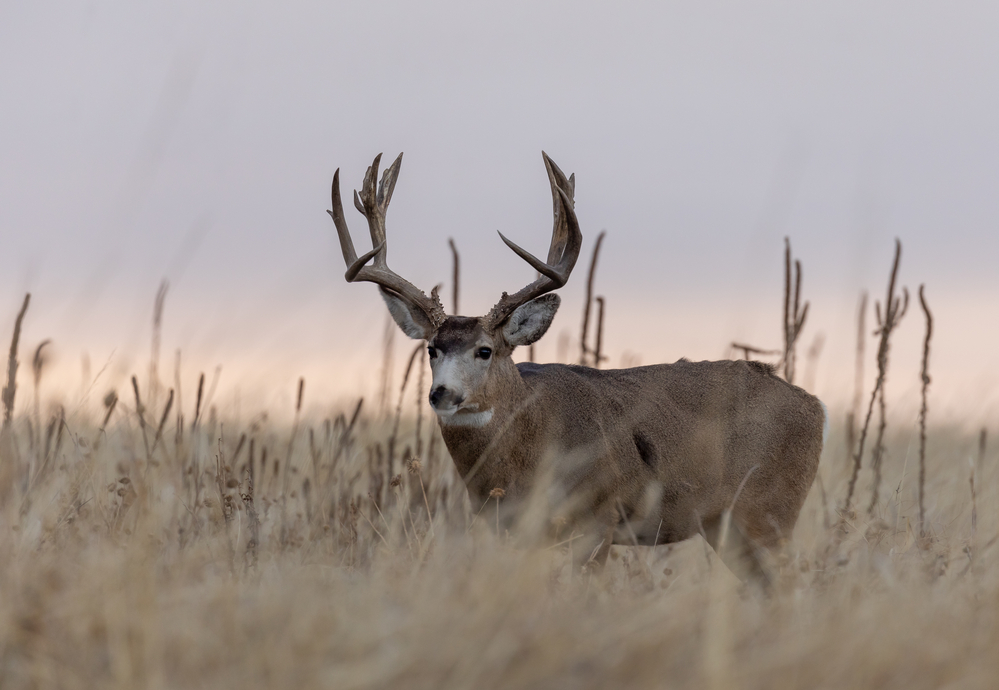
Securing a mature mule deer buck can be a feat of patience and dedication. Mature bucks do not inhabit every terrain indiscriminately; they tend to prefer specific and often elusive habitats.
For example, early-season Kaibab archery hunts in Arizona offer a chance at bucks exceeding the 180-inch mark, enticing those pursuing Crown Jewels beyond the 200-inch boundary.
The development of gear like angle-compensating rangefinders has enhanced the hunter’s ability to make precise shots in the rugged environments these elusive mature bucks inhabit.
Nonetheless, hunters must match technological advancements with relentless practice and in-depth knowledge of deer behavior to maximize the chances of a successful harvest.
Quality Deer Units
Access to quality deer units across North America can be a waiting game, fraught with anticipation and a measure of luck. In some premium units, it can take hunters upwards of 15 years to successfully draw a tag.
For non-residents, states like Arizona can pose a significant draw challenge, whereas Colorado offers a higher number of good units with robust deer numbers that can lend to a more favorable outcome.
Each western state boasts units that have a history of producing large deer. While the potential to encounter deer in the trophy range of 220-240 inches exists, obtaining tags for these areas can be a formidable endeavor.
The downturn in Wyoming’s once-abundant deer population and the odds stacked against non-residents without preference points are indicative of the broader challenges faced by trophy-hunting enthusiasts.
Despite this, the allure of the hunt remains strong, punctuated by the occasional success stories and the commitment of the hunting community to persevere in pursuit of exceptional deer across North America’s diverse and expansive deer country.
Planning Your Hunting Trip
For decent success rates, you need to plan your deer hunting trip. From researching mule deer habitats to getting the biggest bucks, there are ample opportunities for you to be successful. Let’s see what you need!
Licenses and Permits
Securing a hunting license and appropriate permits is the first step in planning your hunt. Each state has its system, with some offering over-the-counter tags and others utilizing a draw or lottery system.
Researching each state’s wildlife department website well in advance is crucial for understanding the application deadlines and requirements.
Gear and Preparation
The right gear can make or break a deer hunt. Essential items include a reliable rifle or bow, appropriate camouflage clothing for the season, and durable hiking boots.
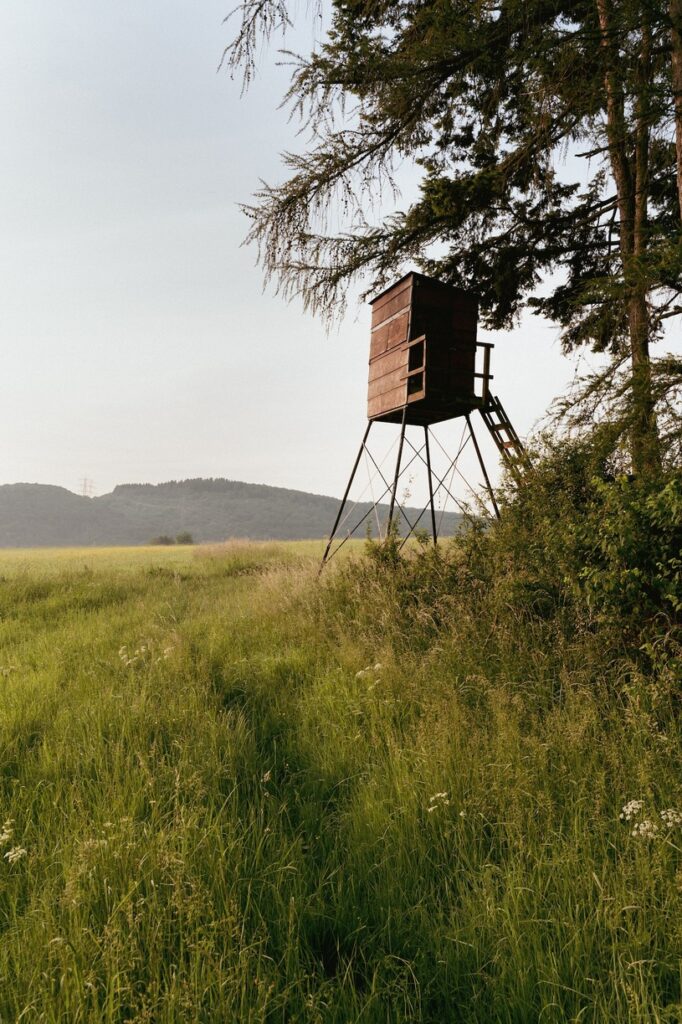
Preparation should also involve physical conditioning, as learning how to build a deer stand, and hunting deer in general often requires traversing difficult terrains at high altitudes. You don’t want to get your feet wet!
Local Guides and Outfitters
For those unfamiliar with the chosen hunting state or looking to increase their chances of success, hiring a local guide or outfitter is a wise investment. They offer invaluable local knowledge, access to prime hunting grounds, and assistance with logistics and regulations.
Choosing a reputable outfitter involves researching reviews and ensuring they are properly licensed and experienced in mule deer hunts.
Conclusion
In wrapping up our journey through the best deer hunting states in North America, it’s vital to remember that the essence of such a hunt is twofold: understanding the interplay between opportunity and preparation, and cherishing the experience itself, whether or not a trophy buck is the end result.
The states outlined—notably Colorado, Arizona, Montana, and Idaho—stand out for their unique combination of deer population, greatness of bucks, public land availability, and differing success rates.
As hunters evaluate their options, it’s key to restate the importance of research to optimize the probability of drawing a tag in quality deer units and to prepare tirelessly for the pursuit of mature, trophy-caliber deer.
Although the path to securing a giant buck is fraught with challenges, from drawing odds to the rugged terrains these elusive animals inhabit, the reward is not solely in the harvest but in the adventure itself.
For those whose passion extends beyond the pursuit, further investigation into the conservation and management of deer populations and habitats would be a worthy endeavor, assuring the legacy of deer hunting for future generations.
The convergence of skill, patience, and a little fortune defines the mule deer hunter’s journey—a compelling and fulfilling tradition that endures across the diverse landscapes of the American West.