Introduction to Deer Hunting in Texas
Welcome to the world of Deer Hunting in Texas, a tradition that pulses in the veins of many Texans. Whether you’re a seasoned deer hunter or a novice looking to bag your first trophy whitetail deer, the Lone Star state promises an unrivaled deer hunting experience! From vast panoramic deer hunting ranches to the thrill of tracking a whitetail in the wild, opportunities for deer hunters are as wide and diverse as the state itself.
But remember, whether it’s your first hunt or a routine venture, never overlook the importance of your deer hunting license. It’s not just about the hunt; it’s also about contributing to the preservation of this cherished tradition.
So, ready to embark on your next Texas deer hunting adventure?
History of Deer Hunting in Texas
Let’s take a walk back in time to the mid-1800s, when Texas deer hunting was more than just fun and games – it was survival. Texans hunted whitetail deer, one of the many game animals they relied on, for their hides and nutritional value. However, by 1921, the state started seeing a distressing drop in deer densities.
The response? Laws that regulated hunting seasons, ensuring the survival of the species. Fast forward to the 1950s. The shift towards recreational hunting began, ramping up the thrill of the hunting experience.
Today, strict rules and regulations keep Texas’s deer populations healthy, as modern hunting strives for wildlife management, not extinction.
The Cultural Significance of Deer Hunting in Texas
The origins of deer hunting in Texas can be traced back as far as the mid-1800s, when settlers relied on it for food and hides. A cultural shift occurred in the 1950s as deer hunting evolved from a matter of subsistence to a regulated recreational activity. Today, many Texans eagerly anticipate the arrival of hunting seasons, with ‘Texas Whitetail Hunts’ being a highlight for many.
This tradition presents an array of hunting opportunities, from pursuing the desirable mature buck on public land to participating in seasonal whitetail buck hunting. With firm regulations, deer hunting continues to flourish in Texas, contributing much to its cultural fabric while providing a sustainable source of alternative protein.
Overview of Deer Species in Texas
Deep in the heart of Texas, fertile green fields, and dense woodlands are home to various deer species, each unique in its own right. The great state of Texas is a wildlife lover’s paradise, hosting a multitude of deer species that rival even the most diverse biospheres in the world. The list includes the majestic Mule Deer, the widely recognized White-Tailed Deer, the exotic Axis Deer, the beautiful Blackbuck Antelope, and the truly enticing Fallow Deer. Each deer species holds its own significance in Texas’s ecological system, attracting scores of hunting and wildlife enthusiasts from across the globe annually. These species differ in size, appetite, and habitat preference, making Texas a vibrant and varied deer kingdom.
White-Tailed Deer
Whitetail Doe and Trophy Whitetail Deer Hunting are popular activities in Texas, thanks to the state’s robust deer population. Home to the largest buck and antlered deer populations, Texas boasts an impressive 5.3 million white-tailed deer spread across 252 of its 254 counties.
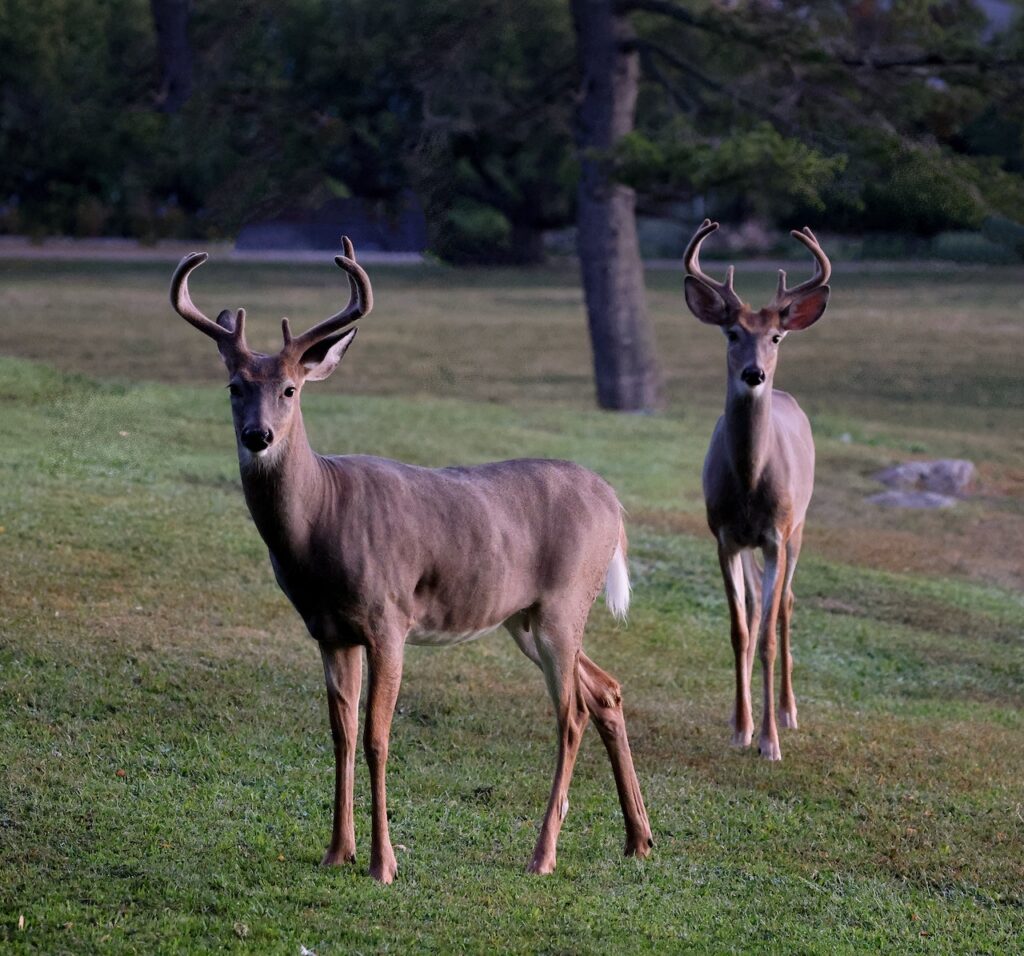
Spotting these creatures is simply a matter of knowing where to look. The habitats of these creatures are diverse, ranging from woods to prairies, coastal areas to grasslands, though they are found mainly in Edwards Plateau. Their reddish-brown coats in summer and grayish-brown colors in winter make them truly beautiful creatures to behold.
Not only is Texas home to the largest white-tailed deer population among the lower 48 states, but these deer are also incredibly versatile, thriving in different habitats. Whether you’re a seasoned hunter or a first-timer, hunting these magnificent creatures promises a thrilling experience.
Mule Deer
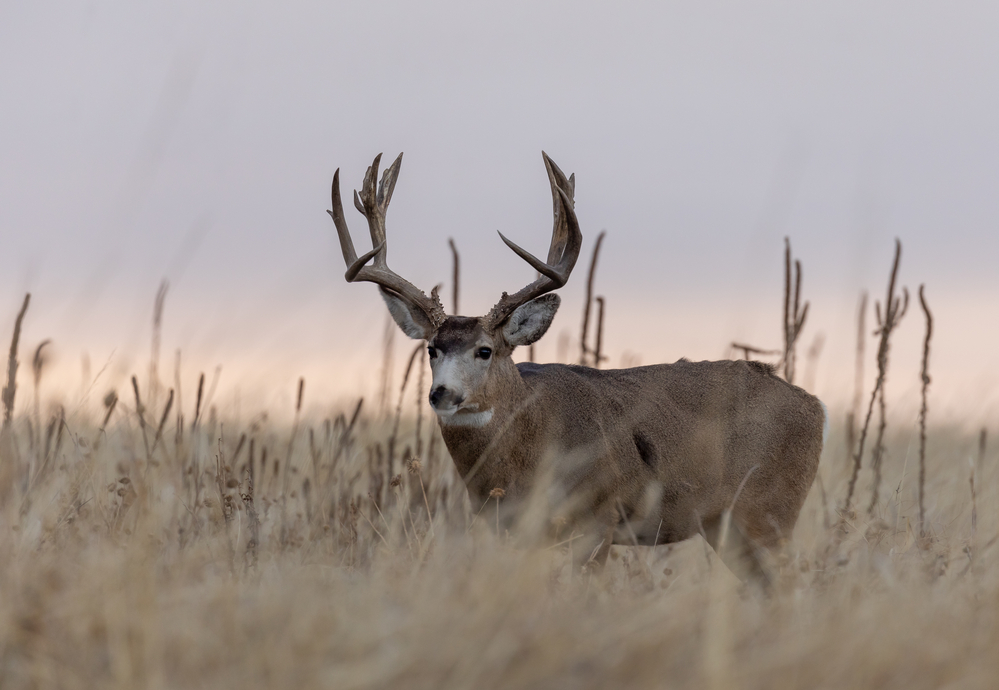
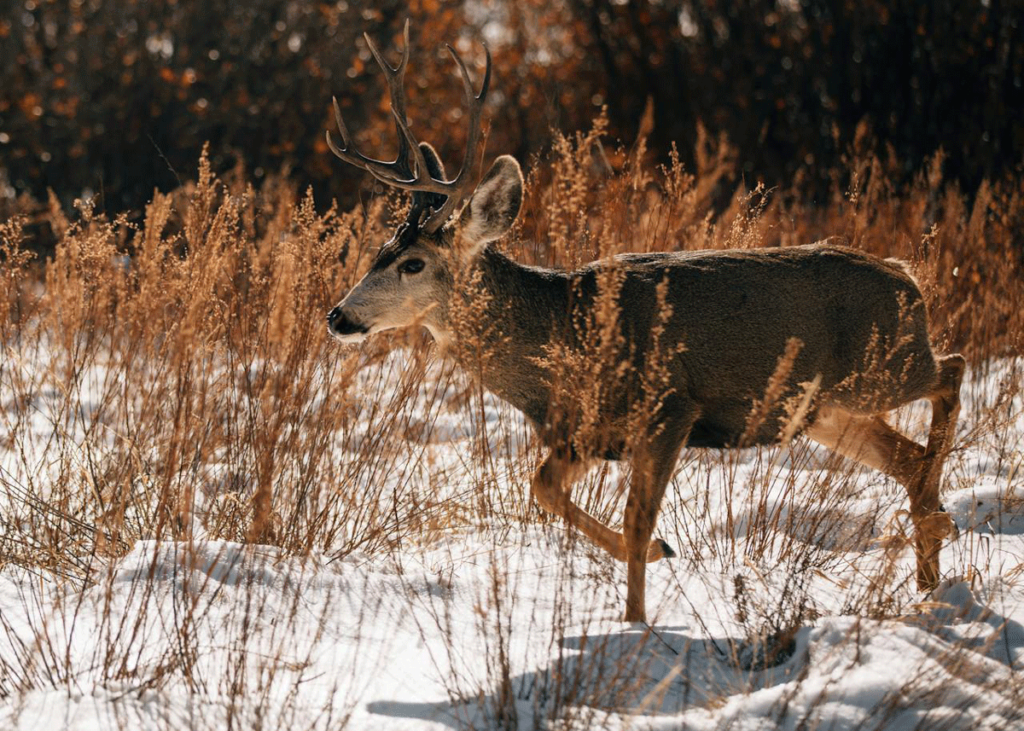
The territory of Texas is home to a robust population of the Mule Deer, variants ranging from 150,000 in dry seasons to 250,000 when the rains bless the area. Their distinctive look, large ears exactly like those of a mule combined with a black-tipped tail and a proudly wide 21-inch ear-tip spread makes them standout. Primarily inhabiting the Trans-Pecos, Panhandle, and the western areas of Edwards Plateau, they are a crucial element of the Texas ecosystem.
Unlike other species, Texas Mule deer prefer to stay put and are non-migratory. Surprisingly, you can also find them in certain private properties as well as deer pens, often under the illusory protection of a deer blind, awaiting a trophy buck or axis buck.
Elk
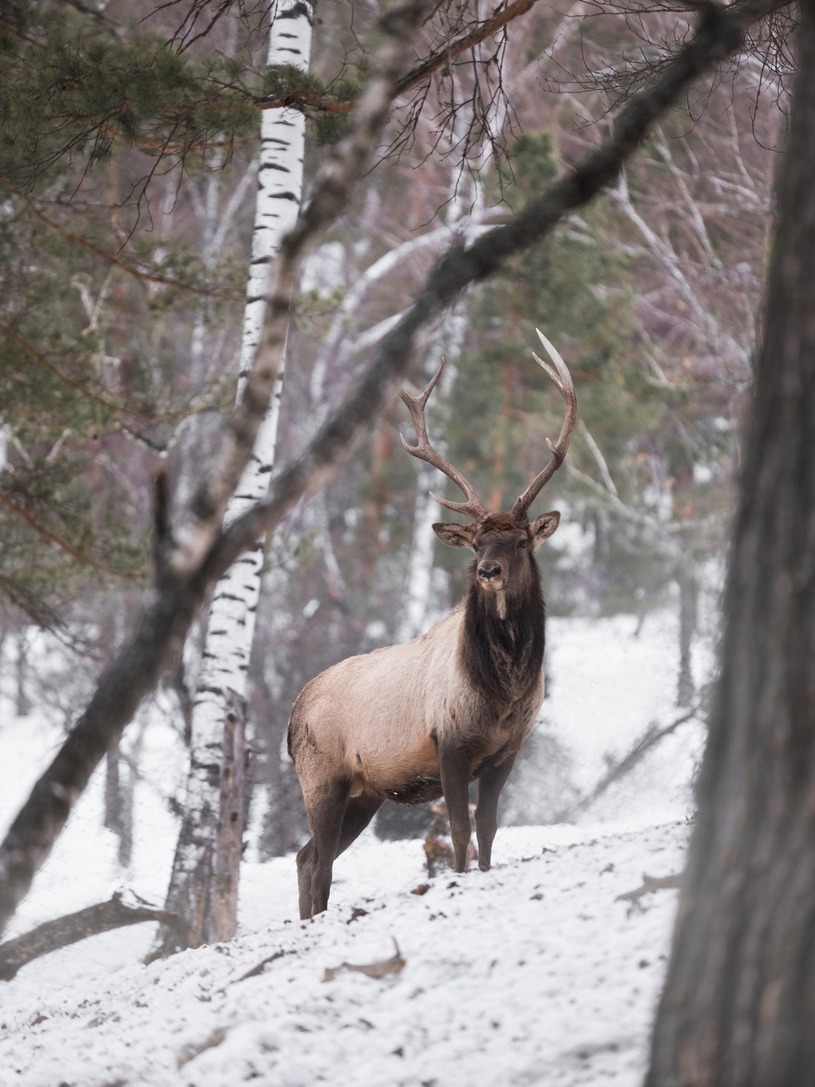
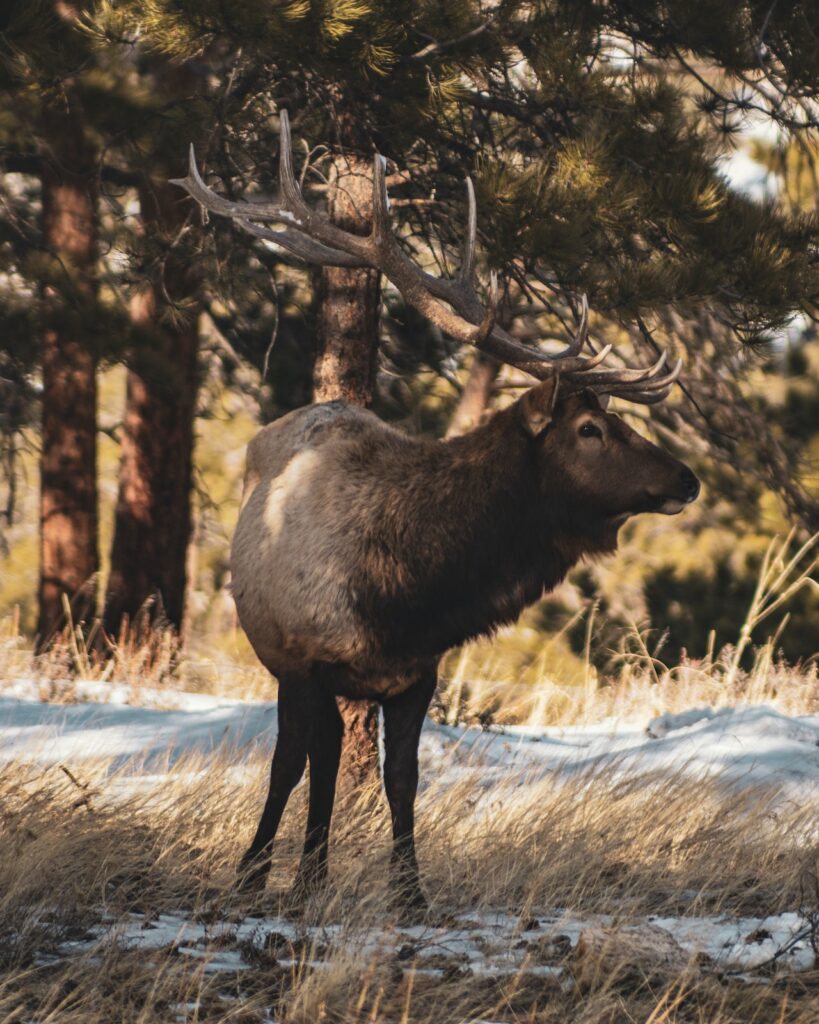
Did you know that Texas is home to a significant population of elk? As of 2014, the Trans-Pecos region alone accounted for approximately 3,500 of these majestic creatures. Characterized by their small tail and buff rump patches, elk bulls are noticeably heavier and taller than the cows. They were historically found all across Texas, but today you’re most likely to spot them in regions like the Pineywoods and South Texas. They also reside in Texas Hill Country, but you will need to purchase Hunt Packages or Hunting Licenses to hunt on these Private Lands. As the largest members of the deer family, elk are truly a sight to behold–one of North America’s biggest land mammals!
Axis Deer
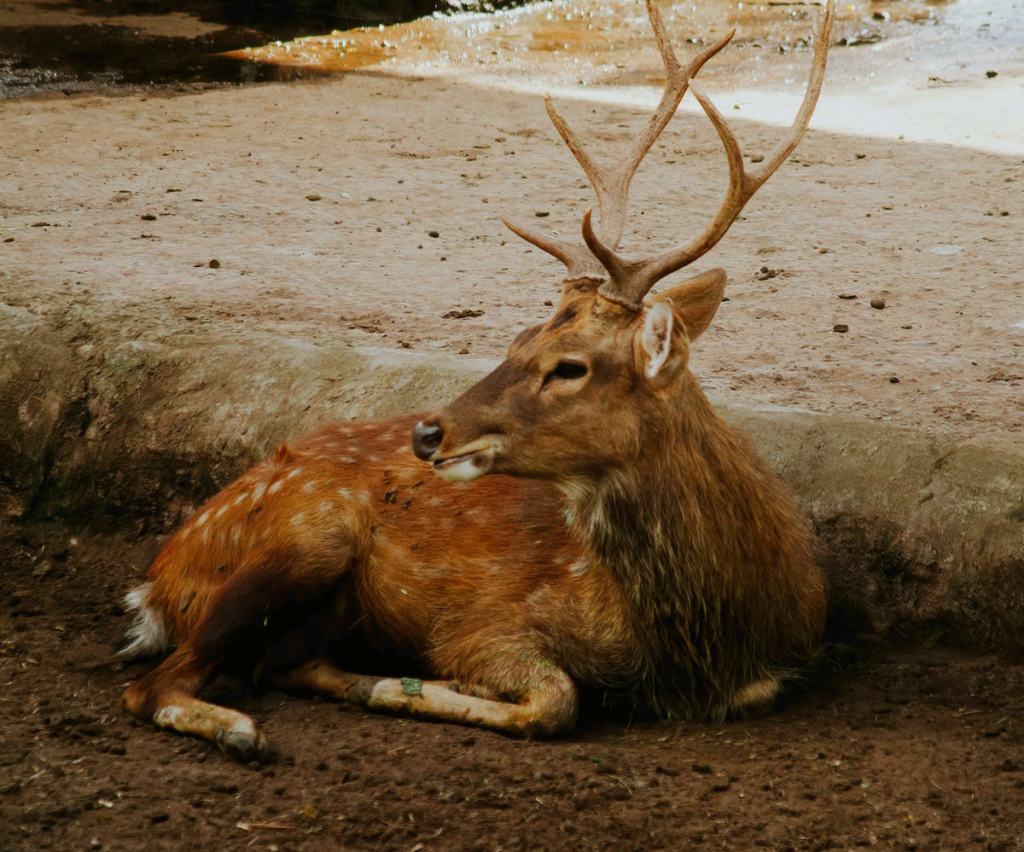
Hunting ranch experiences often include encounters with vividly colored Axis Bucks. The Axis deer, scientifically known as Axis axis, comes with an orange coat adorned with white spots, sharing a resemblance with a Whitetail fawn. Males have an average of 6 point antlers and sport white patches on their throats. On the other hand, females, weighing between 90-150 lbs, stay clear of antler growths.
Their behavior takes a turn towards activity as twilight approaches, making acres of land vibrant with mixed herds. Axis deer show preference for warm climates and enjoy gazing on grass and sedges in Texas fields close to wooded areas. It’s important to note that when part of a management program, the hunting of Axis deer on private landowners’ property requires legal permits. This helps to sustain population control.
An interesting impact of Axis deer on ecology is their competition with native Whitetail deer for resources. Coupled with their increased resistance to local diseases, this can trigger disproportionate population growth and result in agricultural damage.

Barasingha Deer
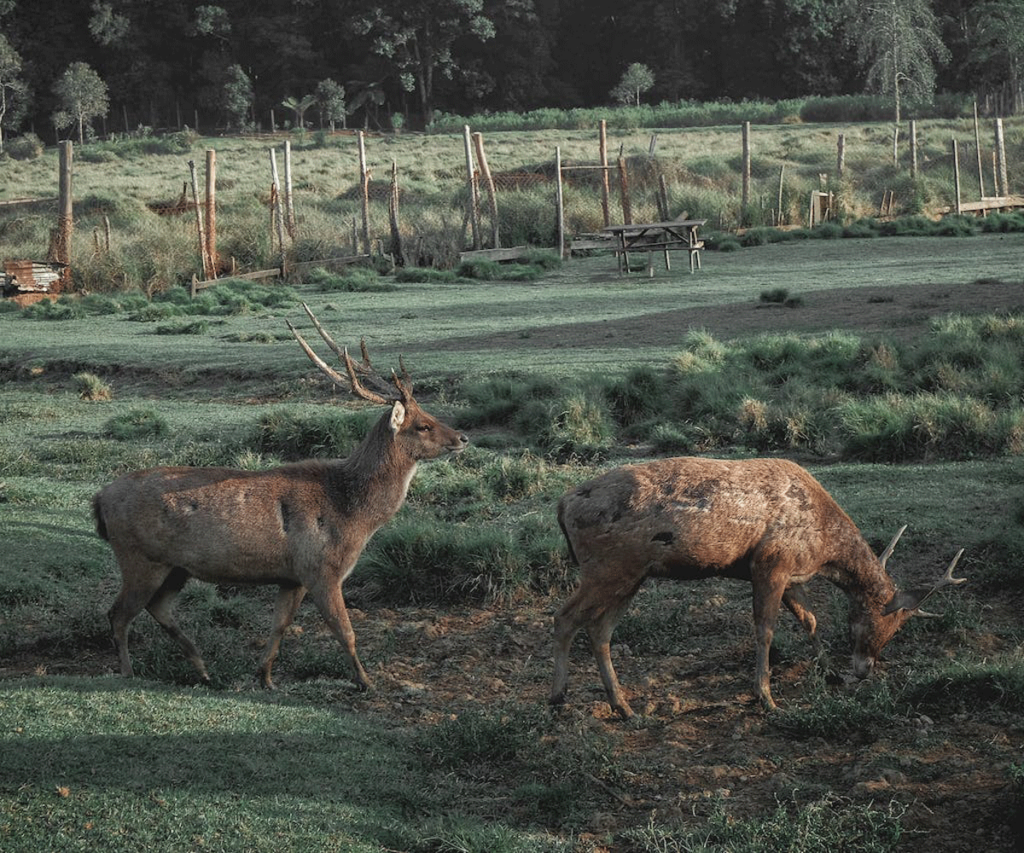
Stepping into Texas’ beautiful ranches, you’ll encounter the exotic Barasingha deer, characterized by its dark dorsal line and golden brown coat. It’s undeniable that these creatures add a different level of grandeur to deer hunting in Texas. This species, which prefers large river floodplains, reeds beds, and tall grasslands, is marked as vulnerable, with the global population hovering around 800.
But don’t worry about participating in a sport that puts them at risk. In fact, about 10% of the trophy fees from hunting Barasingha deer go directly to India to help preserve the species.
Furthermore, to protect these beautiful creatures, Antler restrictions are in place, and to ensure your hunt is comfortable as well as thrilling, you will find well-positioned ground blinds and comfortable blinds. Therefore, your hunt here not only provides you a unique experience but also contributes towards conservation.
Sika Deer
For those hunting enthusiasts keen on an early morning hunt, the Sika Deer provides an exciting target. They are a compact, small to medium-sized deer with an appearance as diverse as a mahogany to black coat color. Introduced originally from areas like southern Siberia and China, they now call the central and southern parts of Texas their home. With the help of Habitat Enhancement and Healthy Deer Herd initiatives, you can find free-ranging groups of Sika Deer in as many as 12 counties within Texas.
The species’ adaptability to various habitats makes them a game species that is thrilling to pursue. Notably, there are no hunting limits for the Sika Deer during specific seasons in Texas, amplifying the excitement for hunters. For additional assistance, Game Guide Services are available, and hunters can enjoy the delectable Game Meat post their successful hunts.
Fallow Deer in Texas
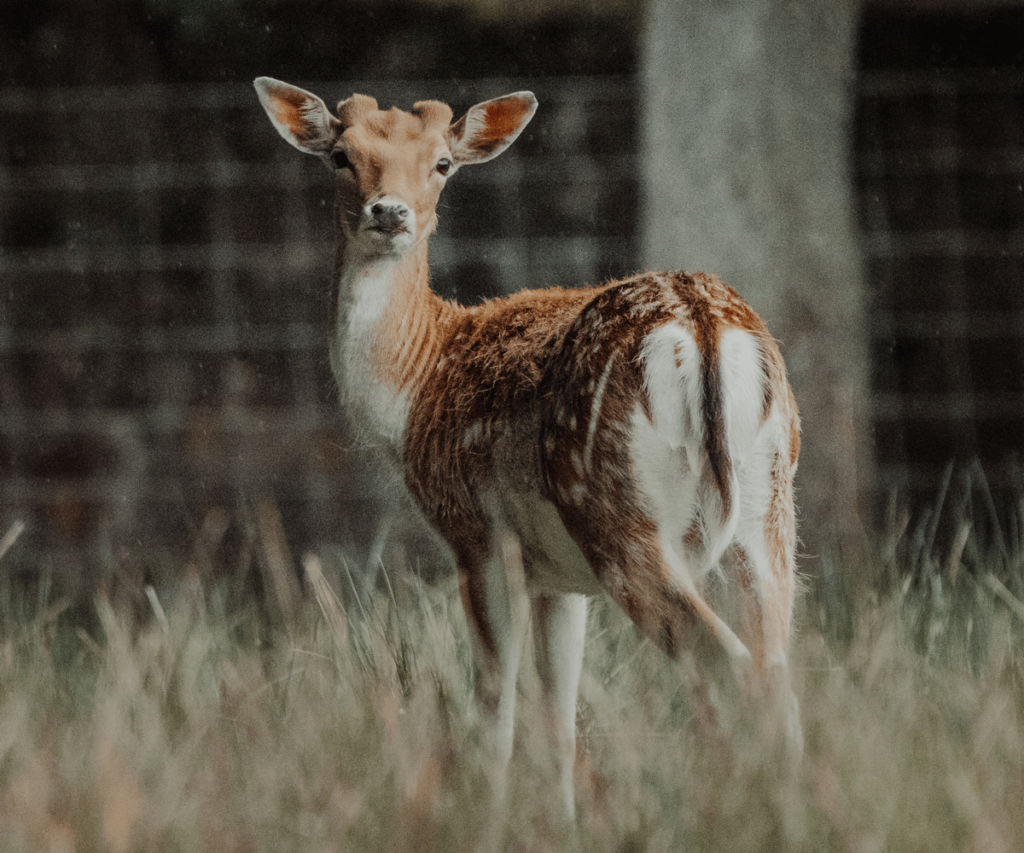
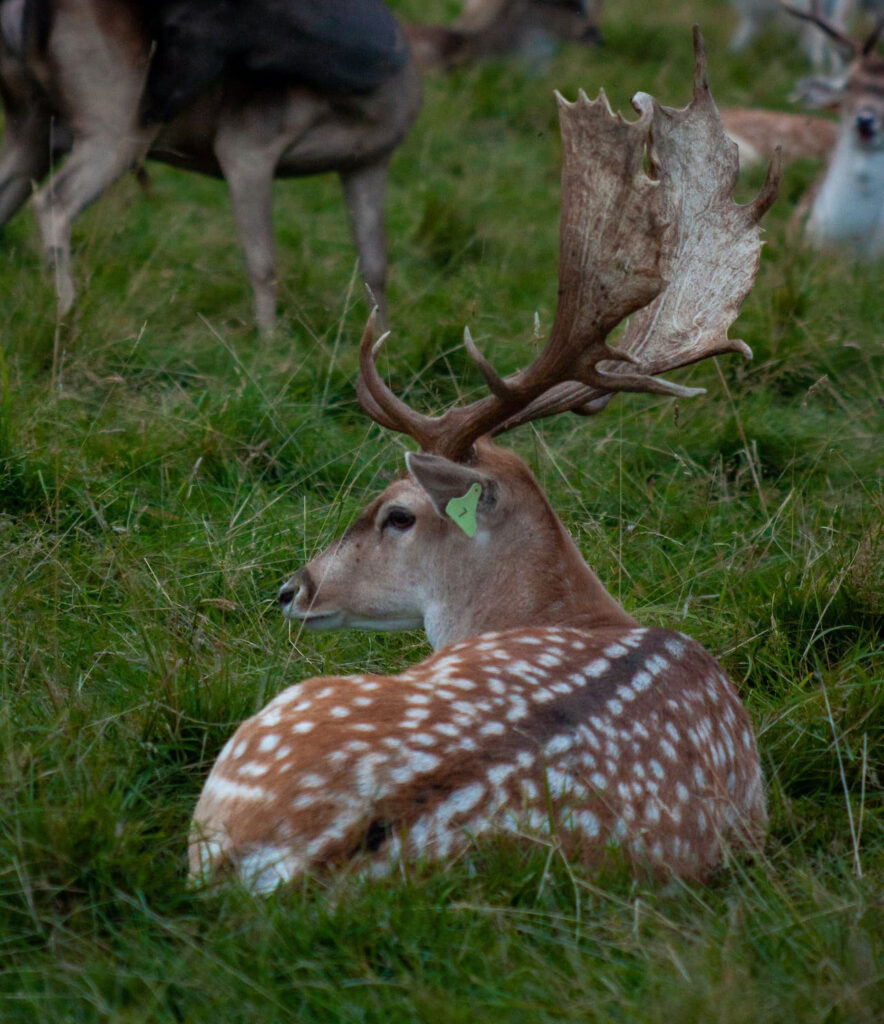
When sighting fallow deer on a Texas hunting adventure, you’re spotting an invasive species and one of the heavyweights of the deer family! Typically weighing up to 200 pounds, adult males boast palmated antlers with multiple tines, offering hunters the challenge of unparalleled antler growth. Their popularity has led to ample antlerless opportunities and tailored offers like custom hunt packages and day hunt packages in over 93 counties. While predominantly seen across the Edwards Plateau region, their prints can also be traced back to South Texas and Hill Country. However, it’s crucial to know that these Eurasian giants disrupt local ecosystems by competing with native species. Despite this, their population in Texas is booming and estimated over 10,000. An added service like game retrieval post-hunt might just sweeten the pot!
When is Deer Hunting Season in Texas?
The thrill of deer hunting season in Texas, an excellent opportunity for sportsmen, fluctuates within various time frames depending on the deer species. Let’s look at White-tailed and Mule Deer hunting slots for 2023-2024:
White-tailed Deer Hunting Season:
- General Season (North Zone: Nov. 4, 2023-Jan. 7, 2024; South Zone: Nov. 4, 2023-Jan. 21, 2024)
- Special Late Season (North Zone: Jan. 8-Jan. 21, 2024; South Zone: Jan. 22-Feb. 4, 2024)
- Youth-Only Season (Both Zones: Oct. 28-29, 2023 & Jan. 8-21, 2024)
- Archery Season (Statewide: Sep. 30-Nov. 3, 2023)
- Muzzleloader Season (90 counties: Jan. 8-21, 2024)
Mule Deer Hunting Season:
- General Season (Panhandle: Nov. 18-Dec. 3, 2023; Trans-Pecos: Nov. 24-Dec. 10, 2023)
- Archery Season (59 counties: Sep. 30-Nov. 3, 2023)

Note: The Antler Restriction Regulation applies. Always confirm specific regulations and county requirements before setting out for your hunt.
5 Best Deer Hunting Regions in Texas
Welcome to the realm of deer hunting in the Lone Star state! Texas is a hunter’s paradise, with different landscapes offering diverse deer species. It’s a thrilling adventurescape for both the novice and experienced hunter. We’ve rounded up five of the best areas for deer hunting in Texas for you.
They include the lush greenery of East Texas, the wide-open plains of Central Texas, a sportsman’s dream – Federal lands, the well-kept secrets of Texas Parks & Wildlife, and the convenience of Non-Residence Texas Hunting License spots. Each offers a unique experience that you won’t forget.
Stay tuned to know more about them!
Pineywoods
One of the premier spots for deer hunting in Texas is none other than the Pineywoods. Nestled in East Texas, it is well-known for its abundant populations of white-tailed deer. The region takes pride in sustainable management of the deer population, obtained through rigorous evaluations of deer population trends and health. This includes spotlight lines, harvested deer data, and browse surveys. These spotlight surveys, conducted each year during July and August, estimate deer density by observing a variety of habitat types. Data collected from hunting clubs and processing facilities provides important insight into the health of the deer herd – something especially noteworthy for those visiting from the Southern
Texas Plains, participating in Hog Hunts, or searching for an accessible land for hunting. There’s a reason why the Acre Ranch has become as popular as it has. The unique Style Of Hunting it offers, largely fashioned by the outstanding management of deer health, makes it a must-visit for hunting enthusiasts.
Southern Texas Plains
Welcome to the Southern Texas Plains, a deer hunting paradise offering a continental breakfast of opportunities for hunting enthusiasts. Renowned for its high white-tailed deer population, this region is nothing short of a haven for hunters. The diverse terrain encompassing brushy areas, woodlands, and river bottoms crafts an experience that’s as challenging as it is exciting. Whether you’re fueling up with breakfast bars or just a typical breakfast of coffee, you’re sure to start a hunt with gusto here.
The Texas Parks and Wildlife Department offers public hunting lands across the plains of Central and South Texas, but remember, permission for hunting on privately owned lands is essential.
And the best part? The hunting season commences in November and stretches till January, although specific dates may vary annually.
Cross Timbers and Post Oak Savannah
Heart-pounding anticipation and thrill welcome you at Cross Timbers and Post Oak Savannah. Touted as a must-visit among hunting enthusiasts, this region’s unique landscape of dense woodlands and open prairies contains both white-tailed and mule deer. This blend of Blackbuck Doe and Blackbuck Antelope Hunts makes for an exciting chase! But remember, it’s critical to seek permission for hunting, whether it’s on privately owned lands or through the Texas Parks and Wildlife Department for public lands.
The hunting season typically commences in October, winding down by the first week of January. And don’t forget to refuel – Delight in delicious home-cooked meals after an exhausting round of Exotic Game Hunts.
Trans Pecos, Mountainous region
Welcome to the Trans Pecos, Mountainous region, a mecca of mule deer and exciting Trophy Buck hunts. With its terrain dotted by rugged mountains and hauntingly beautiful desert landscape, it’s truly a haven for a one-of-a-kind Exotic Game Hunting Experience. But remember, it’s not a free-for-all game. Since a large chunk of land here is privately owned, you’ll need a permit. You can also tread the paths of public lands, made accessible by the Texas Parks and Wildlife Department.
Thinking of timing your visit? Well, the Deer Pen gates open in November and shut in December. Do cross-check the exact dates though – they sometimes play hide and seek!
Edward Plateau
Edwards Plateau, nestled in the heart of Central Texas, delivers an unparalleled deer hunting experience. Not only is this region a hotspot for white-tailed deer, but it also boasts a terrain that’s a challenging mix of towering hills, picturesque canyons, and wildlife-rich springs. Be aware that most lands here operate on an acre basis, with a profusion of private, low-fenced acres and a minority of public hunting properties managed by the Texas Parks and Wildlife Department. As for the hunting season in Edwards Plateau, picture yourself bundled up for those crisp November mornings a stone’s throw away from the festive cheer of January.
Best Deer Hunting Counties in Texas
If you’re searching for the creme de la creme of deer hunting locations, you can’t look past these counties – each renowned for the unique opportunities they present.
- Brooks County – This county is celebrated for its routine production of trophy-worthy bucks, attracting hunters far and wide.
- Dimmit County – If you’re keen on mature bucks, Dimmit County is your paradise. Deer here frequently have scores soaring into the 130s and 140s.
- Maverick County – What sets Maverick County apart is the high probability of encountering some of Texas’ largest deer. Your chances for a trophy are endless.
- Llano County – With the highest deer density in all of Texas, Llano County is an idyllic destination for those seeking a mix of quantity and quality.
- McCulloch County – While there’s a lot of history in McCulloch County, one of its biggest claims to fame is having registered one of the state’s largest non-typical bucks. Quite the achievement, I must say!
So, whether you’re hunting for fun, food, or trophy branched antlers, these Texas counties have you covered. Happy hunting!
Deer Hunting Laws in Texas
If you’re planning to take part in the rich tradition of deer hunting in Texas, you’ll need to ensure you have all the legal requirements met. Whether you’re a resident or a non-resident, there are specific licenses and permits that you’ll need, based on what and where you’re planning to hunt.
We’ve got general guide points below. Here is a comprehensive texas deer hunting regulations list from the Texas government.
General Requirements: In Texas, a hunting license is required for anyone intending to hunt any animal, bird, frog, or turtle. There are exceptions, of course, but generally, a license is necessary.
Resident Hunting Licenses: These are made specifically for Texas residents and include standard resident licenses, senior resident licenses, and youth licenses. The cost ranges from $7 for seniors and youths to $25 for a regular license.
Hunting Lease Licenses: Especially useful for landowners or agents who lease hunting rights on their properties. There are three types of these licenses, based on property size.
Non-resident Licenses: If you’re not a Texas resident but want to partake in the hunting activities, you’ll need a non-resident General Hunting License or Non-resident Special Hunting License.
Remember, some specific licenses may be required based on the animal. For instance, in cities like San Angelo and San Antonio, you might require an MLD permit for hunting certain deer like white-tailed and mule deer.
Remember, acquiring a ‘Deer Permit’ could be essential depending on the nature of the hunting. Also, take note of any exceptions to the license requirements. Hunting in Texas is governed by both state and federal agencies, so ensure you’re compliant with all regulations. Happy hunting in the Lone Star State!
Private Hunting Lands
In the vast expanses of Texas, a staggering 95% of the land is privately owned. As a result, hunters often traverse private territories, navigating a myriad of regulations under the extensive management program. The key to hunting on these lands? Permission. Private landowners hold the power to grant or deny access to their properties. Hunters can gain access through direct permission, or by entering into lease agreements, often inked well in advance. Subsequently, landowners may impose their own rules, including bag limits and harvest regulations. Meanwhile, the Texas Parks and Wildlife Department ensures connections between hunters and landowners with lease opportunities through their Hunt Texas Online Connection.
Hunting on acres game or seeking elusive African game species on private lands, comes with some golden rules. Respect for property, proper disposal of game remnants, and staying on established roads are non-negotiables. Coupled with following gate protocol and a no-trash policy, hunters are encouraged to share a portion of their harvest as a gesture of goodwill. Lastly, a prompt reporting of any issues makes for a seamless hunting experience on private lands.
After all, Good hunting ethics is always in season!
Check out these deer hunting leases in Texas to find the right spot for your next hunting season. Once you find your perfect hunting ground, be sure to sign a correct hunting lease agreement so everyone knows what to expect.
Public Hunting Lands
In the heart of Texas, public hunting lands provide an exceptional opportunity for hunters. These lands governed by Texas Parks and Wildlife Department (TPWD) and U.S. Fish and Wildlife Service offer a range of hunting experiences:
- The Annual Public Hunting Permit provides the chance to hunt on almost one million acres of public land, making it a fantastic resource for those chasing great Whitetail Deer or dove hunting opportunities.
- With the Public Hunt Drawing System, hunters can enter drawings for guided hunts, offering unique experiences tailor-made for both grown-ups and kids.
- The Special Hunt Packages give rise to adventurous hunts for exotic wildlife and distinct native animals, carefully crafted on lands managed by TPWD and specific private properties.
- The National Wildlife Refuges, managed by U.S. Fish and Wildlife Service, adds to the hunting prospects in the state.
Remember, public hunts often involve strict timelines for entry while complying with TPWD’s rules, including bag limits and season dates. Youth engagement through special youth seasons is significant to groom younger hunters with ethical hunting habits.
Hunters need to procure the necessary deer tags while respecting the guidelines set by landowners and public land administration agencies, ensuring hunting practices remain sustainable and respectful. The key is to capitalize on the current rates, making public hunting lands in Texas an enticing proposition for hunters of every level.
To help you, we have a list of public hunting land in Texas so you can find the right place to set up your deer stand for the season.
How much are deer hunts in Texas?
In Texas, the adventure of deer hunting isn’t simply a one-size-fits-all scenario. It varies quite broadly when you take into account hunt packages and strict management guidelines. For instance, a management buck hunt could start from as low as $1,750, while hunts for trophy bucks over 400, as per gross SCI score, could cost up to a whopping $24,500.
Standard 3 to 4-day hunts typically fall within the range of $2,500 to $5,500, adjusting for factors like trophy fees for specific hunts. Additional services such as airport transfers, trophy care, and extra hunting days come with their own charges.
As part of our focus on young hunters, many ranches offer discounts to make hunting more accessible. A consistent phenomenon is the practice of different ranches providing various amenities and services as part of their hunting packages, tailoring each package to the client’s needs and expectations.
It’s worth noting the existence of non-hunting guests who often accompany a hunter for a daily fee. This showcases the broad appeal of these adventures beyond just hunting, appealing to the broader segment of people who simply enjoy the great outdoors.
When evaluating these prices, keep in mind the importance of obtaining the necessary hunting licenses. Please remember that the thrill of the hunt comes with responsibilities, including adherence to estimated deer population and habitat management guidelines. So gear up, be safe, and enjoy the exhilarating adventure of deer hunting in Texas!
FAQ
Does Texas Have Good Deer Hunting?
If you’re asking, “Does Texas have good deer hunting?” you’re in for a treat. From the prized Whitetail deer to the diverse range of game species, Texas is a hunter’s paradise. The state boasts a well-balanced wildlife habitat providing a perfect environment for the continuously booming population of deer.
How many deer can you hunt in a year in Texas?
The number of deer you can hunt in Texas largely depends on the type of deer and specific regulations of the county. For instance, Buck Hunts are typically limited to one or two Antlered Bucks per season in most counties. However, counties have their own rules regarding a Buck In Violation, a term referring to male deer that don’t meet specific Buck Size requirements. Therefore, a hunter might also get permitted to hunt one Buck With Ears visible above antlers. Always verify local laws to ensure compliance.
Can you keep a deer you hit in Texas?
An often-puzzling question for both residents and visitors is: can you keep a deer you hit in Texas? The answer is not as simple as it might seem. If you unintentionally hit and injure a deer during your normal driving, you cannot automatically claim the animal, even if you possess valid Deer Tags or actively partake in Deer Hunts. Officially, the wildlife remains the property of the state.
However, with the help of dedicated Game Guide Services, you can learn about the formal procedures that include reporting the accident and gaining the necessary permissions to retrieve and process the Game Meat.
So, the short answer is yes, but it requires careful adherence to Game Retrieval laws and may involve several steps.
Wrap Up
As we close this comprehensive guide, we hope you’re now well equipped with vital insights about deer hunting in Texas. From understanding the rich history, cultural significance, to knowing the deer species available and the top hunting locations, our aim was to provide practical information. We also shed light on the legal requirements for hunting on both private and public lands and highlighted the cost implications. Equipped with answers to frequently asked questions, we trust you feel more confident about embarking on your deer hunting adventure, whether you’re a seasoned hunter or a beginner. Remember, safe and ethical hunting is key in preserving this treasured Texas tradition.