In this article, you will learn:
- The best locations for wild hog hunting in Arkansas.
- Essential tips and strategies for successful hog hunting.
- How to prepare for a hog hunting trip in Arkansas.
Let’s dive into the world of hog hunting in Arkansas and uncover the secrets to a successful hunt.
Understanding Hog Hunting in Arkansas
Arkansas is renowned for its lush landscapes and diverse ecosystems, making it a prime location for various outdoor activities, including hog hunt.
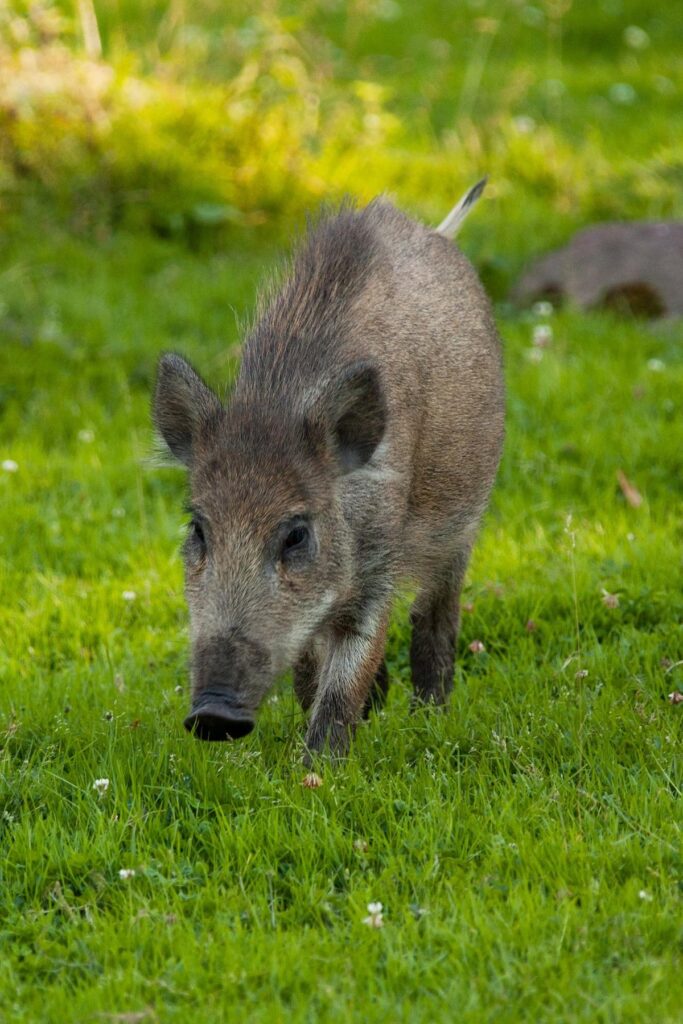
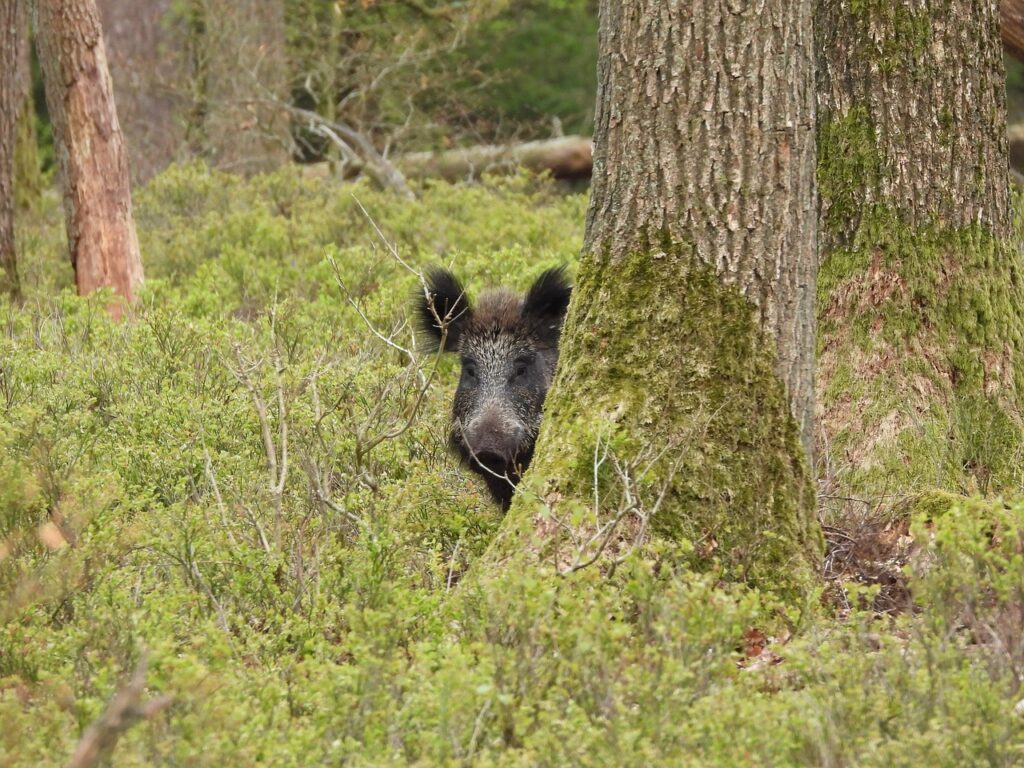
Wild hogs, although not native to the state, have become prevalent across Arkansas, posing significant challenges to local agriculture and natural habitats. These animals are known for their destructive feeding habits, which can lead to substantial damage to crops, wildlife habitats, and property.
As a result, hog hunting in Arkansas isn’t just a sport; it’s a necessary measure to control the booming wild hog population and mitigate its impact on the environment and economy.
The legal framework surrounding hog hunting in Arkansas is designed to encourage the reduction of the wild hog population while ensuring the safety and rights of hunters and property owners.
The state has established specific regulations that hunters must follow, including Arkansas hunting seasons, licensing requirements, and permissible hunting methods. These regulations are subject to change, so hunters must stay informed about the current laws to ensure their hunting practices are legal and ethical.
Hog hunting in Arkansas offers an opportunity to engage in a challenging and rewarding outdoor activity while contributing to conservation efforts.
A successful hunting lease experience depends on proper property management and conservation efforts. As a responsible hunter, you should be committed to maintaining the health of the land and its wildlife populations.
Whether you’re a resident or visiting hunter, understanding the significance of hog hunting and adhering to the state’s regulations will enhance your hunting experience and help preserve Arkansas’s natural beauty and agricultural resources.
Public Land Regulations for Hog Hunting
Arkansas offers numerous public lands where hog hunting is both a sport and a method of controlling the invasive feral animal population. However, navigating the rules and regulations on these lands is crucial for a lawful and ethical public land hog hunting experience.
On public hunting land in Arkansas, specifically Wildlife Management Areas (WMAs), hog hunting is regulated to ensure the safety of both hunters and the environment. One significant rule is the prohibition of using dogs to hunt feral hogs on WMAs, aiming to manage hunting activities and minimize disturbances to wildlife.
Feral hogs can be hunted by individuals who are already hunting bears, deer, or elk during firearm seasons, provided they use weapons legal for those seasons. This regulation ensures that hog hunting coincides with other regulated hunting activities, reducing the impact on the wildlife areas.
Additionally, hunters are allowed to take feral hogs incidentally with archery tackle from November 1 to December 31, during the open seasons for bears, deer, and elk. This period allows for a broader range of hunting techniques while still adhering to the management objectives of the state’s public lands.
Restricted Areas for Feral Hog Hunting
Hunters need to be aware of specific WMAs and National Wildlife Refuges where feral hog hunting is not permitted. These areas include:
| Bayou Des Arc | Bell Slough | Benson Creek Natural Area |
| Big Creek | Brewer Lake/Cypress Creek | Brushy Creek |
| Cattail Marsh | Cedar Creek | Cherokee Prairie Natural Area |
| Cove Creek Natural Area | Cypress Bayou | Dave Donaldson Black River |
| Earl Buss Bayou DeView | Electric Island | Ethel |
| Falcon Bottoms Natural Area | Foushee Cave Natural Area | Frierson |
| Frog Bayou | Garrett Hollow Natural Area | Hall Creek Barrens Natural Area |
| Harris Brake | H.E. Flanagan Prairie Natural Area | Hobbs State Park Conservation Area |
| Holland Bottoms | Howard Hensley – Searcy Co. | Iron Mountain Natural Area |
| Kingsland Prairie Natural Area | Lake Overcup | Lee County |
| Longview Saline Natural Area | Maumelle River | Mike Freeze Wattensaw |
| Nacatoch Ravines Natural Area | Palmetto Flats Natural Area | Pine City Natural Area |
| Prairie Bayou | Railroad Prairie Natural Area | Rex Hancock Black Swamp |
| Rick Evans Grandview Prairie | Ring Slough | River Bend |
| Robert L. Hankins Mud Creek | Roth Prairie Natural Area | Sandhills Natural Area |
| Sheffield Nelson Dagmar | Slippery Hollow Natural Area | Smoke Hole Natural Area |
| Stateline Sand Ponds Natural Area | Stone Prairie | Sweden Creek Natural Area |
| Terre Noire Natural Area | Two Bayou Creek | Warren Prairie Natural Area |
| W.E. Brewer Scatter Creek | White Cliffs Natural Area | Whitehall |
| Wittsburg Natural Area | Big Lake NWR | Holla Bend NWR |
Best Locations for Hog Hunting in Arkansas
Arkansas is dotted with numerous locations famed for their hog hunting opportunities, catering to both seasoned hunters and beginners. The state’s varied terrain, from dense forests to wetlands, provides ample habitat for wild hogs, making it an ideal hunting ground.

Here, we’ll explore some of the top spots across Arkansas where you can embark on your hog-hunting adventure.
Public Lands
- Ozark National Forest – Covering over a million acres, the Ozark National Forest offers vast expanses where wild hogs roam freely. Its rugged terrain makes it a challenging but rewarding location for hunters.
- Buffalo National River – This area is not only scenic but also a hotspot for hog hunting. The surrounding lands of the Buffalo National River provide excellent opportunities for tracking down hogs in their natural habitat.
Private Hunting Grounds
For those seeking a more guided experience or exclusive access, several private hunting reserves in Arkansas cater to hog hunters. These grounds often offer additional amenities, such as a hunting lodge and expert guidance, which can be particularly beneficial for those new to hog hunting.
- Hog Wild USA – Located in central Arkansas, this private reserve specializes in wild hog hunts, offering both day trips and overnight packages.
- Boar Creek Ranch – Offering a unique hunting experience, Boar Creek Ranch in northern Arkansas provides guided hunts on their expansive property, ensuring a memorable adventure.
Seasonal Considerations
The best time for hog hunting in Arkansas generally falls during the cooler months, from late fall to early spring. During this period, hogs are more active throughout the day, increasing your chances of a successful hunt. However, hog hunting is permitted year-round on private lands, providing flexibility for planning your trip.
Choosing the right location for your hog hunting expedition in Arkansas depends on your experience level, preferences, and whether you’re looking for a guided hunt or a more independent adventure. Private lands offer a unique hunting experience, promising the thrill of the hunt and the beauty of Arkansas’s natural landscapes.

Essential Tips and Strategies for Successful Hog Hunting
Hog hunting in Arkansas can be an exhilarating experience, but it requires preparation, skill, and knowledge of the hog’s behavior. Here are some essential tips and strategies that can increase your chances of a successful hunt.
1. Understanding Hog Behavior
- Stay Downwind: Hogs have a keen sense of smell. Always approach from downwind to avoid detection.
- Look for Signs: Keep an eye out for rooting signs, tracks, and wallows. These indicators can lead you to active hog areas.
2. Effective Tracking and Stalking Techniques
- Move Quietly: Hogs can be startled easily. Move silently and use natural cover for concealment as you approach.
- Use Night Vision or Thermal Imaging: Hogs are often more active at night. Using night vision or thermal imaging equipment can give you an advantage in low-light conditions.
3. Choosing the Right Gear
- Firearm Selection: A rifle with a caliber sufficient to ensure a humane kill is crucial. Popular choices include .30-06, .308, and 6.5 Creedmoor for their accuracy and stopping power.
- Camouflage and Scent Control: Wear appropriate camouflage to blend into the environment and use scent control products to mask your human odor.
4. Baiting and Calling
- Use Bait Stations: Setting up bait stations can attract hogs to a specific area, making them easier to target. Corn is a commonly used bait, but be sure to check local regulations regarding baiting.
- Hog Calls: Using hog calls can mimic the sounds of distressed pigs or social grunts, drawing curious hogs into range.
5. Safety and Ethical Considerations
- Identify Your Target: Ensure that you have a clear shot and that there are no people or non-target animals in the line of fire.
- Follow Ethical Hunting Practices: Aim for a clean, humane kill, targeting the vital areas of the hog to avoid unnecessary suffering.
Mastering these strategies requires patience, practice, and respect for the animal and the environment. Hog hunting in Arkansas is not only about the thrill of the hunt but also about contributing to the control of an invasive species in a responsible manner.
Preparing for Your Hog Hunting Trip in Arkansas
Proper preparation is key to ensuring a successful and enjoyable hog hunting trip in Arkansas. From securing the necessary hunting licenses and permits to packing the right gear, here’s a comprehensive guide to get you ready for the hunt.
Necessary Permits and Licenses
Before you set out on your hog hunting adventure, it’s essential to obtain the required permits and licenses.
In Arkansas, residents and non-residents must have a valid hunting license to hunt on public land.
However, hunting feral hogs on private land may have different requirements, so it’s important to check the specific regulations for the area where you plan to hunt. Hunting leases in Arkansas are available on most private hunting lands. Additionally, you might need to have a hunting lease agreement drafted, to outline all the terms of the deal.
Licenses can be purchased online through the Arkansas Game and Fish Commission’s website or at various authorized dealers throughout the state. Make sure that it is a trusted and reputable site, like HuntingLocator.com is.
Safety Tips and Ethical Hunting Practices
Safety should always be your top priority. Here are some key safety tips and ethical practices to follow:
- Inform Someone of Your Plans: Always let someone know where you’ll be hunting and when you expect to return.
- Wear Orange: When hunting on public lands, wearing hunter orange is often required for safety.
- Follow Ethical Hunting Guidelines: Aim for quick, humane kills to minimize suffering. Respect the land and wildlife by following all hunting regulations and practicing leave-no-trace principles.
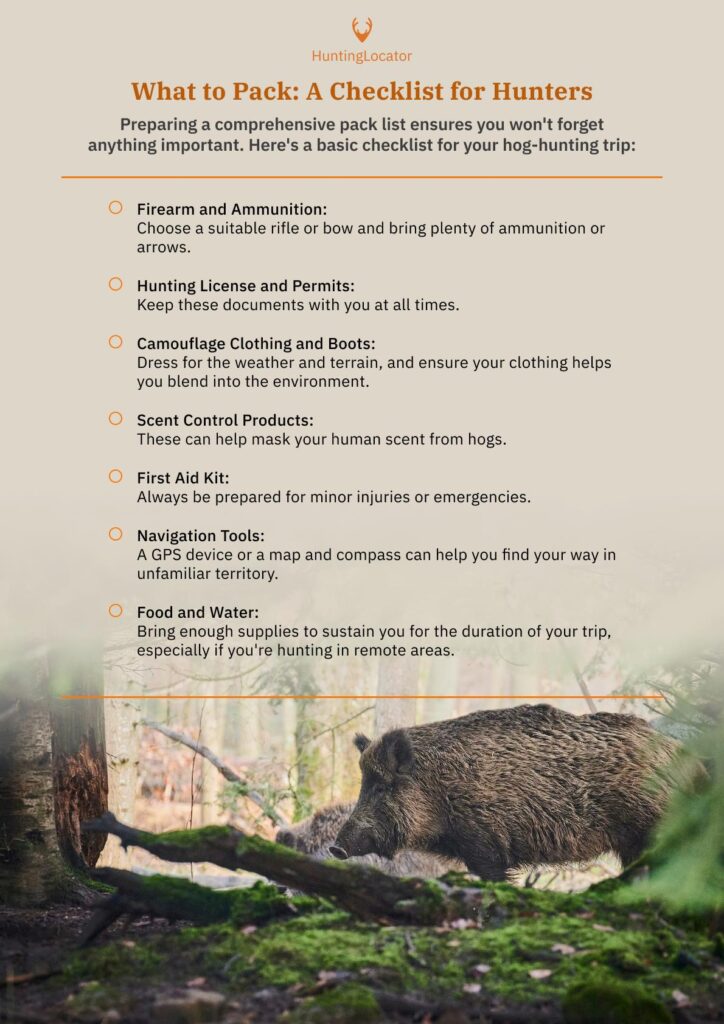
What to Pack: A Checklist for Hunters
Preparing a comprehensive pack list ensures you won’t forget anything important. Here’s a basic checklist for your hog-hunting trip:
- Firearm and Ammunition: Choose a suitable rifle or bow and bring plenty of ammunition or arrows.
- Hunting License and Permits: Keep these documents with you at all times.
- Camouflage Clothing and Boots: Dress for the weather and terrain, and ensure your clothing helps you blend into the environment.
- Scent Control Products: These can help mask your human scent from hogs.
- First Aid Kit: Always be prepared for minor injuries or emergencies.
- Navigation Tools: A GPS device or a map and compass can help you find your way in unfamiliar territory.
- Food and Water: Bring enough supplies to sustain you for the duration of your trip, especially if you’re hunting in remote areas.
Being well-prepared is the first step toward a successful hunt. These preparation steps are only a suggestion, and of course, you do not need to follow them, but they offer a comprehensive insight into what you may need as a hog hunter.
Conclusion
Hog hunting in Arkansas offers an exciting and challenging outdoor activity that not only provides the thrill of the hunt but also contributes to controlling the invasive wild hog population. Throughout this article, we’ve explored the best locations for hog hunting across the state, provided essential tips and strategies for a successful hunt, and outlined how to prepare for your trip, ensuring you have a memorable and responsible hunting experience.
- We delved into the significance of understanding hog behavior and the importance of choosing the right gear.
- We highlighted the necessity of obtaining the appropriate permits and emphasized safety and ethical hunting practices.
- Finally, we provided a comprehensive checklist to help you prepare for your adventure.
As you reflect on the insights shared, consider taking the next step in your hunting journey by exploring advanced hunting techniques or participating in guided hunts. These experiences can further enhance your skills, deepen your appreciation for the sport, and provide opportunities to connect with fellow hunting enthusiasts.
Want to hunt deer instead? Check out the Arkansas deer hunting season!
Whether you’re a seasoned hunter or new to the world of hog hunting, Arkansas offers a wealth of opportunities to explore the great outdoors and engage in an activity that benefits both the environment and local communities.
Happy hunting!