That’s why we at Hunting Locator have brought together every resource you need—from public land maps to private leases and even land for sale. With our help, you can navigate permits, choose the right area for your bag limit goals, and find exclusive opportunities that match your hunting style.
- Public Land Essentials: Discover accessible spots for elk, deer, waterfowl, and more.
- Private Leases: Secure exclusive access to prime hunting locales.
- Land for Sale: Invest in your own Utah retreat for a lifetime of adventures.
Ready to map out your 2025–2026 hunting seasons and make the most of Utah’s vast opportunities? Let’s begin.
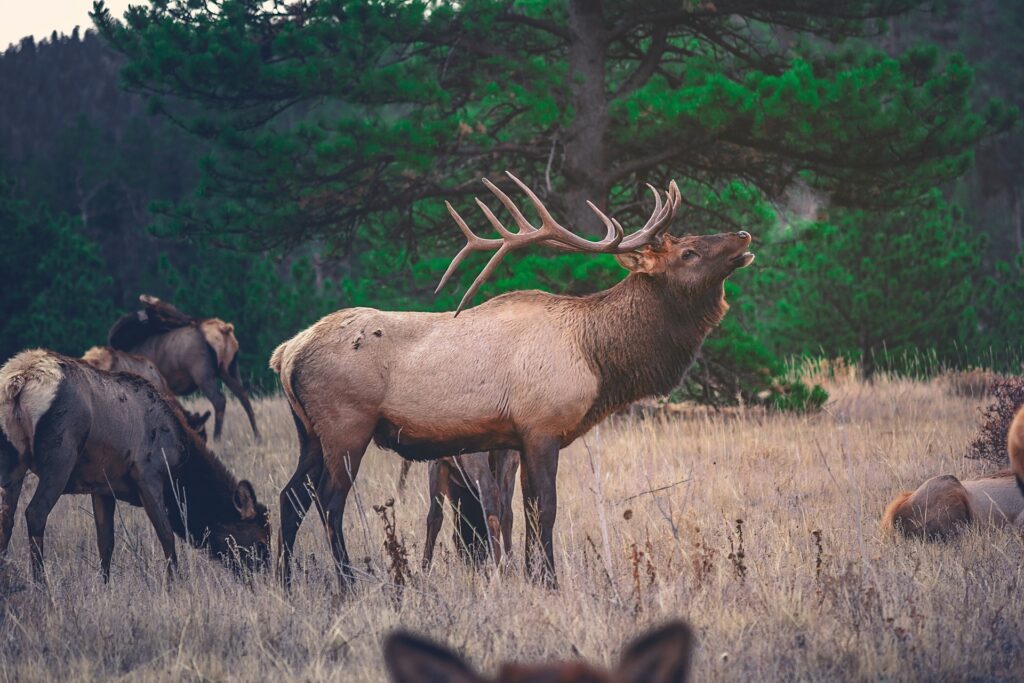
A valid hunting license is the foundation of every legal hunt in Utah. Although many hunts—especially for big game—require additional permits, your baseline license is still essential. You can purchase one online, over the phone, or in person at a wildlife resources office. Each license is valid for 365 days from the purchase date. Use the table below to compare the key license types, the basic bag limit coverage (without extra permits), and any special considerations.
As with all hunting regulations and licenses, check in with the Utah Division of Wildlife Resources for the most up-to-date hunting rules.
| License Type | Who Can Purchase | Bag Limit (License Alone) | Special Notes |
|---|---|---|---|
| Resident License | Utah residents (≥6 consecutive months) | Covers small game (e.g., upland birds); big game requires permits | Lower cost than non-resident. Must show proof of residency (driver’s license, etc.). Build preference points or bonus points for limited hunts. |
| Non-Resident License | Anyone who doesn’t meet residency requirements | Covers small game; big game requires separate permits | Higher fees. Non residents should plan ahead to apply for high-demand hunts or leftover permits. |
| Youth License | Ages 12–17 (turn 12 by Dec. 31 of the license year) | Covers small game; big game allowed with additional permits | Hunters under 16 must be accompanied by a legal guardian or responsible person. Reduced cost fosters early involvement. |
| Combination (Hunt & Fish) | Residents or non residents wanting both privileges | Covers small game & fishing; big game requires separate permits | Often cheaper than separate licenses if you also plan to fish. Pay attention to deadlines for big game draw applications. |
| Dedicated Hunter Program | Residents committing to volunteer service hours | 1 buck deer each season (up to 3 years, specific unit) | Guarantees deer permits for the program’s duration. Missing service hours can affect future eligibility. |
| Small Game License | Residents/non residents focusing on smaller species | Covers rabbits, upland birds, squirrels, etc. | If you decide to hunt big game or turkey, you’ll need to obtain or upgrade to the appropriate permit and license. |
| Year-Round Cougar Harvest | Residents/non residents with valid hunting or combo license | Currently, no annual cougar bag limit stated | No extra cougar permit required under present rules. Always check for “update” bulletins or closures from Utah’s wildlife resources office. |
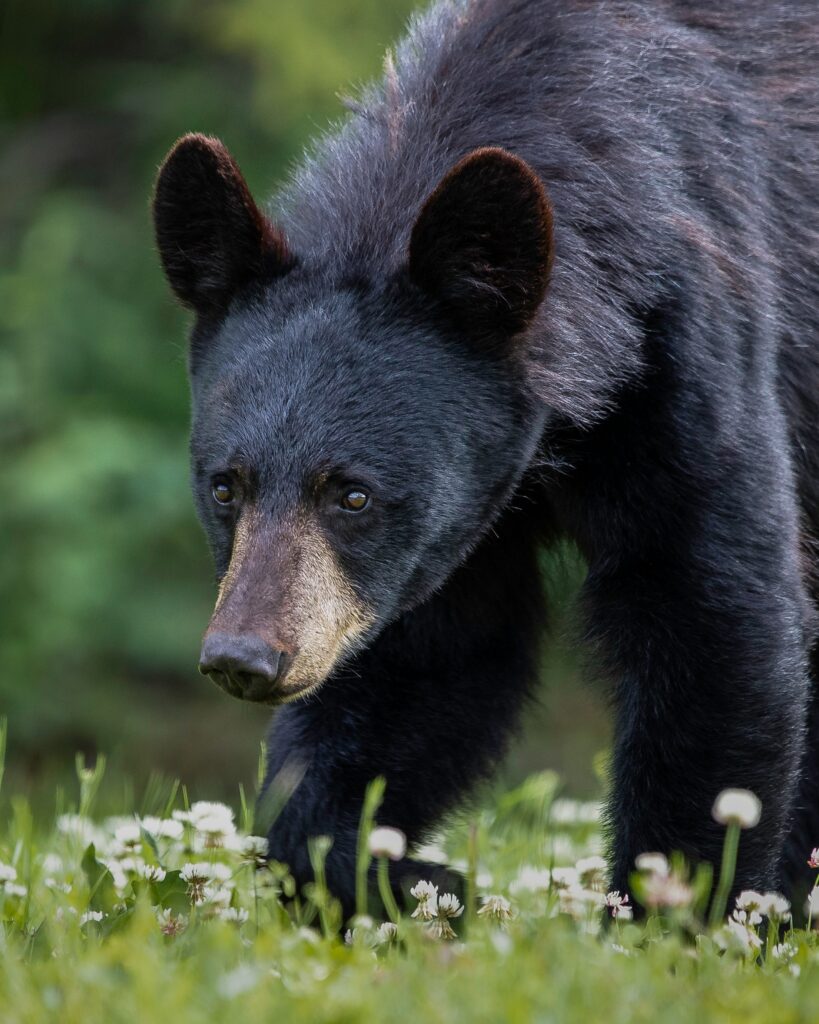
Big Game Species Overview
Some of Utah’s most coveted species include mule deer, elk, and bighorn sheep. Certain hunts are over the counter (OTC), while once-in-a-lifetime species—like bison, moose, or mountain goat—rely on draw systems and bonus points. Below is a table of Utah’s major big game species, including approximate 2025 season dates, bag limits, and permit requirements. After the table, you’ll see bullet points summarizing essential notes for each species.
| Species | 2025 Season Dates (General) | Bag Limit | Permit or Tag Requirements |
|---|---|---|---|
| Mule Deer | Archery: Aug 17–Sept 13 Muzzleloader: Sept 25–Oct 3 Rifle Early: Oct 9–13 Rifle Regular: Oct 19–27 | 1 buck deer | General-season or limited-entry deer permit (draw required for high-demand units). |
| Elk | Archery: Aug 17–Sept 18 Muzzleloader: Oct 30–Nov 7 Rifle hunts vary by unit | 1 bull elk (spike or any-bull, unit dependent) | Some are OTC (spike/any-bull). Trophy bull units require limited-entry permits. |
| Moose | Typically mid-Sept to mid-Oct (exact dates vary by unit) | 1 moose | Once-in-a-lifetime draw for Shiras moose. Often requires many bonus points. |
| Bighorn Sheep | Fall (roughly Sept–Nov) | 1 ram | Limited-entry, once-in-a-lifetime permit for either Rocky Mountain or desert bighorn. |
| Mountain Goat | Usually Aug–Oct at high elevations | 1 goat | Limited-entry; tough draw. High-altitude terrain demands physical preparation. |
| Black Bear | Spring hunts ~Mar 30–May 27 Summer hunts ~May 27–Jun 30 Fall hunts vary by unit | 1 bear | Mostly limited-entry or harvest-objective hunts. Mandatory check-in of hide and skull at a wildlife resources office. |
| Cougar | Year-round, subject to area closures and any new updates | No stated bag limit | Valid hunting or combination license. No additional permit currently required, but must check cougars in within 48 hours of harvest. |
| Bison | Dates vary (previously Aug 1–Jan 31) | 1 bison (bull or cow, depending on permit) | Once-in-a-lifetime limited-entry tag on select units (Henry Mountains, Book Cliffs). Extremely competitive draw. |
Key Points to Note for Big Game
- Mule Deer: Utah provides both general-season hunts (archery, muzzleloader, rifle) and limited-entry units with bigger buck potential. Drawing some units can take multiple years using bonus points.
- Elk: Over-the-counter elk options exist for spike or any-bull hunts, but trophy bull elk tags require a limited-entry draw. Expect high excitement if you hunt during the September rut.
- Moose: Once-in-a-lifetime due to very limited Shiras moose population. Many bonus points are typically needed. Hunts often occur in thick timber or marshy corridors.
- Bighorn Sheep: Desert and Rocky Mountain bighorns live in rugged terrain. Permits are extremely scarce, and physical fitness is key.
- Mountain Goat: Occupy Utah’s highest, steepest peaks. Low draw odds; hunts can be physically grueling.
- Black Bear: The state offers spring, summer, and fall hunts. Bear baiting is allowed in certain units; if you harvest a bear, you must check it in for sealing and data collection.
- Cougar: No extra permit is currently necessary (beyond a valid hunting license), but cougars must be checked in within 48 hours of harvest. Regulations may change if the state issues a new update.
- Bison: Another once-in-a-lifetime species. Drawing success is low, and hunting can be logistically challenging in remote areas with potentially harsh weather.
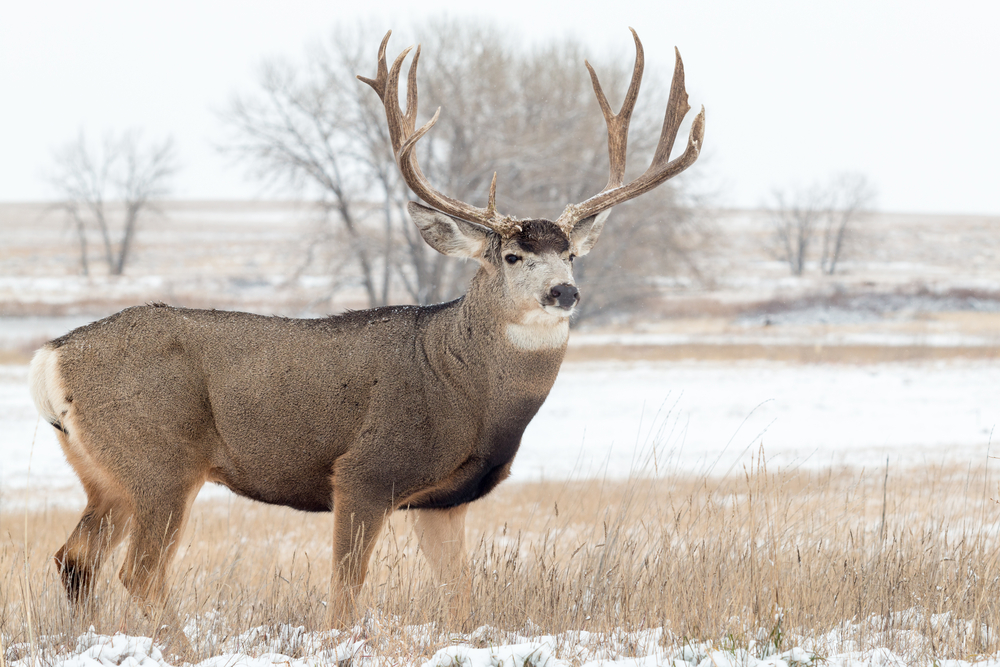
Lesser Game, Waterfowl & Furbearers
Not every hunter focuses on big game. Utah offers extensive waterfowl seasons, small game hunts, and unique furbearer trapping opportunities. Seasons often differ by region (Northern vs. Southern), and federal rules dictate many waterfowl bag limits. The table below provides an overview of key 2025–2026 hunts. After the table, find bullet points with further details.
| Species/Group | 2025–2026 Season Dates (Approx.) | Bag Limit | License/Permit Requirements |
|---|---|---|---|
| Ducks & Geese (Northern Zone) | Ducks: Oct 7–Jan 20 Dark & White-fronted Geese: Oct 7–14, Oct 26–Jan 31 Light Geese: Oct 16–Dec 22 & Feb 1–Mar 10 | Varies by species (federal guidelines) | Small Game license + federal duck stamp (16+), Utah waterfowl stamp, HIP registration. Zone-based opening and closing dates differ, so always view the annual waterfowl guide. |
| Ducks & Geese (Southern Zone) | Ducks: Oct 14–Jan 27 Dark & White-fronted Geese: Oct 14–(approx) Jan 27 Light Geese: Oct 25–Dec 15 & Jan 16–Mar 10 | Varies by species | Same licensing/stamp requirements. Pay attention to the southern zone’s unique opener/closer windows. |
| Tundra Swan | Oct 7–Dec 9 or until quota is reached | 1 swan per permit | Must obtain separate tundra swan permit + valid hunting license. Harvest must be checked in. Identification is vital to avoid trumpeter swans. |
| Upland Game Birds | Generally open in fall/winter (pheasant, chukar, grouse) | 2–4 daily (species dependent) | Small Game or general hunting license. Some grouse (sage-grouse, sharp-tailed) require draw permits. Confirm bag limits and season lengths in the upland turkey guidebook. |
| Wild Turkey | Spring hunts often mid- to late April start, youth hunts a few days earlier Fall hunts focus on private land depredation | 1 bearded turkey in spring; fall hunts allow either sex in many cases | Turkey permit + valid hunting license. Early spring hunts can be limited-entry or general; fall hunts usually reduce nuisance flocks near private land. |
| Cottontail & Squirrel | Often open from fall through late winter or early spring | Approx. 5–10 per day (varies) | Small Game license. Ideal for youth or beginners. Many private land areas also offer small game opportunities if you obtain permission. |
| Bobcat | Mid-Nov–Mar (dates may vary) | Typically up to 6 bobcats per person | Requires a bobcat permit, purchased before the yearly deadline. Bobcat pelts must be tagged, harvest reported. Good “chance” to combine with predator calling in open rangelands. |
| Beaver & Mink | Generally Sept–May (region dependent) | No daily bag limit, trap-check intervals apply | Trapping license + trap registration. Some closures to protect river otters or sensitive habitats. Check furbearer guide for details on legal sets, decontamination, and location-based restrictions. |
Key Points to Note for Lesser Species
- Waterfowl: Federal guidelines dictate bag limits for ducks, geese, and swans. Season splits differ in the Northern and Southern zones. HIP (Harvest Information Program) registration is mandatory.
- Tundra Swan: The hunt closes early if the quota is met. Swans must be physically checked in at a wildlife resources office or designated station. Correct ID is crucial; trumpeter swans are protected.
- Upland Game Birds: Pheasant, chukar, and grouse hunts typically have daily bag limits around 2–4. Sage-grouse and sharp-tailed grouse may require limited-entry permits.
- Wild Turkey: Spring hunts focus on bearded birds; fall hunts often aim at population control (either sex), particularly on private land. Special youth hunts can open early.
- Small Game: Cottontail, snowshoe hare, and squirrel seasons can extend into spring, ideal for new hunters. Must have a valid small game license.
- Bobcat: A separate bobcat permit is needed, limited in quantity. Harvested bobcats require a permanent tag at a wildlife resources office. Purchase deadlines typically fall in October.
- Beaver & Mink: Regulated under furbearer rules with mandated trap-check frequencies. Always check for closures designed to protect species like river otter.
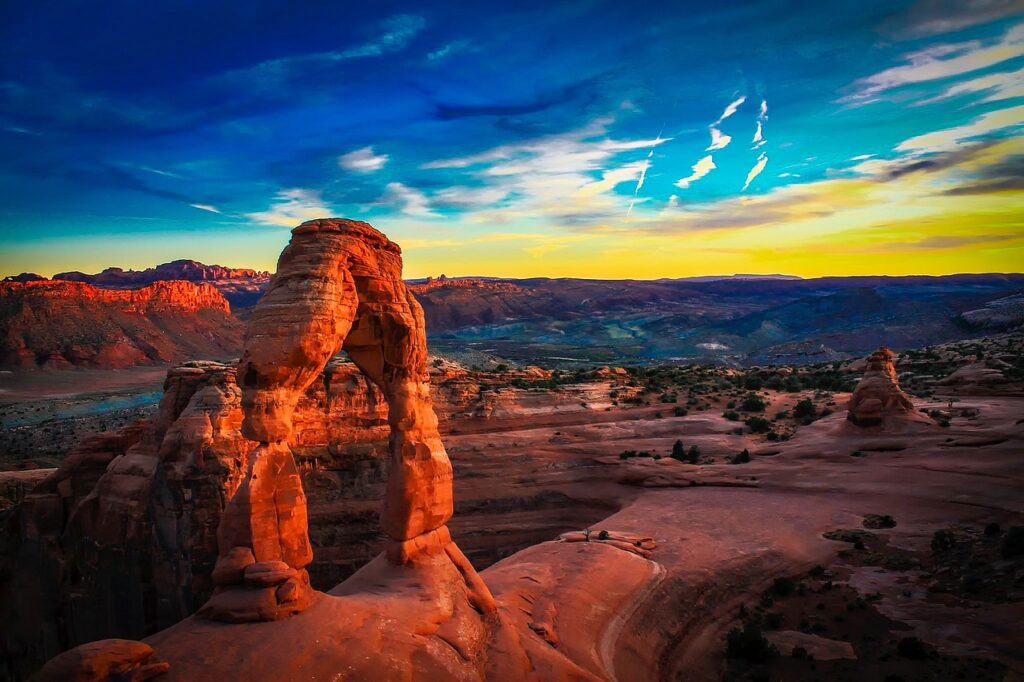
Public Lands, Access, & Key Regulations
Utah’s vast public lands—BLM deserts, national forests (Uinta-Wasatch-Cache, Dixie, Fishlake), and numerous state-managed Wildlife Management Areas—provide ample habitat for elk, mule deer, waterfowl, and small game. If you hunt these areas, be sure to confirm travel regulations, seasonal closures, and campsite restrictions.
When pursuing game on private land, obtain landowner permission to avoid trespassing issues. Some private parcels are enrolled in Utah’s Walk-In Access (WIA) program, allowing public hunting under specific rules. Always carry your hunting license or combination license, attach your permit tag immediately upon harvesting big game, and follow mandatory check-in requirements for species like bear, swan, or bobcat. Youth under 16 must be accompanied by a legal guardian or another responsible person.
Technology restrictions—e.g., no night-vision attachments for big game, certain trail camera bans during the season—reflect Utah’s dedication to fair chase. Baiting big game is generally illegal, and using electronic calls is restricted for certain hunts. Review each year’s regulations for any update or new clarifications.
Where to Hunt in Utah
Choosing the right location is a major key to a great hunting experience, and Utah offers a wealth of options. You can explore scenic public lands, secure access through private leases, or even decide to invest in your own hunting property. Below, we at Hunting Locator will guide you through each approach—and show you how our services can help you find the perfect fit.
Public Land Hunting
Utah’s public lands encompass millions of acres, ranging from alpine national forests to desert rangelands. You have the freedom to roam a variety of terrains in pursuit of elk, mule deer, upland birds, or waterfowl. The sheer size of these areas, however, can make it tough to figure out where to begin. That’s where we come in.
We’ve compiled public hunting land listings for Utah so you can see all your options in one place. Our goal is to help you eliminate guesswork by providing details about each area—habitat features, dominant game species, and links to further regulations. This gives you more time for planning your hunt and less time searching through multiple agency websites.
Private Leases
If you’d prefer the privacy and consistent access that comes with a lease, we’re here to connect you directly with landowners who are ready to discuss terms. Utah’s private parcels can be especially productive for deer, elk, or even waterfowl, depending on location and habitat management.
When you browse our Utah lease listings, you can filter by acreage, cost, target species, and more. We’ve built this system so you can quickly zero in on the properties that fit your goals. Whether you want a short-term arrangement for spring turkey season or an annual lease for the entire big game cycle, we’ll help you find it. Our site also streamlines communication with landowners, making it straightforward to ask questions and finalize agreements.
Land for Sale
Owning land in Utah allows you to shape the habitat long-term, potentially creating a personal haven for yourself, your family, or your hunting partners. By investing in a property, you gain full control over management practices, season access, and who gets to join you in the field.
If that’s something you’re considering, we maintain a dedicated page for hunting land for sale in Utah. Each listing provides an overview of acreage, approximate location, and natural features—so you can see how well it aligns with your species of interest. As you evaluate these properties, our goal is to save you time by having it all in one convenient directory, letting you focus on picking the best land rather than juggling multiple websites.
No matter which route you choose—public lands, private leases, or outright ownership—Utah’s expansive landscapes promise a memorable hunting experience. And if you have any questions or need help narrowing down your options, we’re always here to assist. At Hunting Locator, our mission is simple: connect you to the most suitable land opportunities, so you can concentrate on what truly matters—enjoying a safe, successful hunt.
FAQ
How do I apply for a Utah big game permit?
You must first purchase a valid hunting license (resident or non resident) to enter the draw. During the application window, choose your preferred hunts. If you fail to draw, you typically earn preference points or bonus points for improved future odds.
Can I get leftover or second-draw tags?
Yes. After the main draw, leftover permits may be sold on a first-come, first-served basis. The official wildlife resources website or phone line posts leftover permit availability.
Do I need hunter education?
If you were born after December 31, 1965, you must complete a hunter education course (or enroll in the Trial Hunting Program) before you can purchase a license. The course teaches safe firearm handling and responsible wildlife management.
What is the Dedicated Hunter Program?
This program guarantees Utah residents three consecutive buck deer permits over a three-year cycle on a designated unit. In exchange, you must complete volunteer service hours. It’s popular among avid mule deer hunters who plan ahead for consistent opportunities.
Does the bag limit differ for residents vs. non residents?
No. Bag limits for deer, elk, turkey, or waterfowl are the same for all hunters. However, non residents pay higher license and permit fees, and fewer tags in some hunts may be allotted to non residents.
Conclusion
From iconic elk and mule deer pursuits to late-winter bobcat trapping, Utah presents a remarkable variety of hunting experiences, backed by robust wildlife resources and public land availability. Securing the right hunting license or combination license, applying for limited-entry tags, and respecting each species’ bag limit will help you stay legal and ethical. Remain aware of updates—particularly for cougar harvest or waterfowl quotas—and supervise youth hunters carefully.
By preparing thoroughly, you’ll set yourself up for a safe, successful, and rewarding Utah hunting adventure in 2025–2026, whether that means harvesting your first bull elk, calling in spring turkeys, or exploring desert terrain for a once-in-a-lifetime bison. Enjoy the life-changing adventure and cherish the outdoor heritage that makes the Beehive State so special.


