There are lots of options for hunting in Illinois. In fact, there are hunting seasons open almost continuously from September through May every year. And if you’re a woodchuck hunter, you’ve got all year to practice your skills.
Let’s get started with a table showing you the season names and dates for Illinois.
Illinois Hunting Seasons Key Info Table
| Hunting Season | 2024-2025 Dates | Key Information |
|---|---|---|
| Frog Hunting | Sept 20, 2024 – Mar 31, 2025 | – |
| Coyote/Wolf Hunting | Oct 18, 2024 – Mar 31, 2025 (most zones) Nov 8, 2024 – Mar 31, 2025 (zone 8) Oct 11, 2024 – Apr 15, 2025 (zones 19S, 29) | Firearms, crossbow, and bow permitted |
| Woodchuck Hunting | All year | Firearms, crossbow, and bow permitted in most zones |
| Raccoon Hunting | Oct 25, 2024 – Mar 1, 2025 (zones 4-8) Oct 25 – Dec 15, 2024 (zones 4-8) | Firearms, crossbow, bow .22 rimfire rifle at night with dogs permitted in zones 4-8 |
| Red/Silver/Cross Fox Hunting | Oct 25, 2024 – Mar 1, 2025 (zones 3-7) Nov 8, 2024 – Mar 1, 2025 (zone 8) | Firearms, crossbow, and bow permitted |
| Ruffed/Spruce/Sharp-tailed Grouse | Sept 21, 2024 – Jan 15, 2025 (most zones) Sept 14, 2024 – Jan 15, 2025 (zones 19S, 29) Sept 7, 2024 – Jan 15, 2025 (zones 5, 8, 9, 11, 15, 26) | Firearms, air rifles, crossbow, and bow permitted (crossbow restricted in zone 17) |
| Grey Partridge | Sept 21, 2024 – Nov 15, 2024 (most zones) Sept 7, 2024 – Nov 15, 2024 (zones 5, 9, 11, 15, 26) | Firearms, air rifles, crossbow, and bow permitted (crossbow restricted in some zones) |
| Vermont Duck Hunting | Oct 11, 2024 – Dec 21, 2024 (Lake Champlain Zone) Oct 11, 2024 – Dec 9, 2024 (Interior Vermont Zone) Oct 7, 2024 – Nov 9, 2024 & Nov 26 – Dec 21, 2024 (Connecticut River Zone) | Zoned seasons with varying dates |
| First Firearm Deer Season | November 22-24, 2024 | |
| Second Firearm Deer Season | December 5-8, 2024 | Muzzleloaders permitted |
| Muzzleloader Deer Season | December 13-15, 2024 | Muzzleloader permit required |
| Illinois Archery Deer | October 1, 2024 – November 21, 2024 November 25, 2024 – December 4, 2024 December 9, 2024 – January 19, 2025 | – |
| Illinois Youth Firearm Deer | October 12-14, 2024 | – |
| Illinois Late-Winter Deer | December 26-29, 2024 January 17-19, 2025 | County restrictions |
| Illinois CWD Deer | December 26-29, 2024 January 17-19, 2025 | County restrictions |
| Spring Turkey | April 13 – May 9, 2024 (North Zone) April 20 – May 16, 2024 (South Zone) March 30 – April 4, 2024 (Youth Season) | Hunting permitted 1/2 hour before sunrise to 1pm |
| Fall Archery Turkey | Oct 1, 2024 – Jan 16, 2025 | Statewide archery season |
| Fall Firearm Turkey | Oct 19-27, 2024 (Open Counties Only) | Only allowed in certain open counties |
| Bobcat Hunting | Nov 10, 2024 – Feb 15, 2025 | Closed during firearm deer seasons. Special permit required. |
| Bobcat Trapping | Nov 10, 2024 – Feb 15, 2025 | Same season dates as bobcat hunting |

Hunting Season Details
Now let’s get into a little more detail about each hunting season. We have specific guides for some of these, so we’ll also throw in a link to places you can find more detailed information.
Illinois Deer Seasons
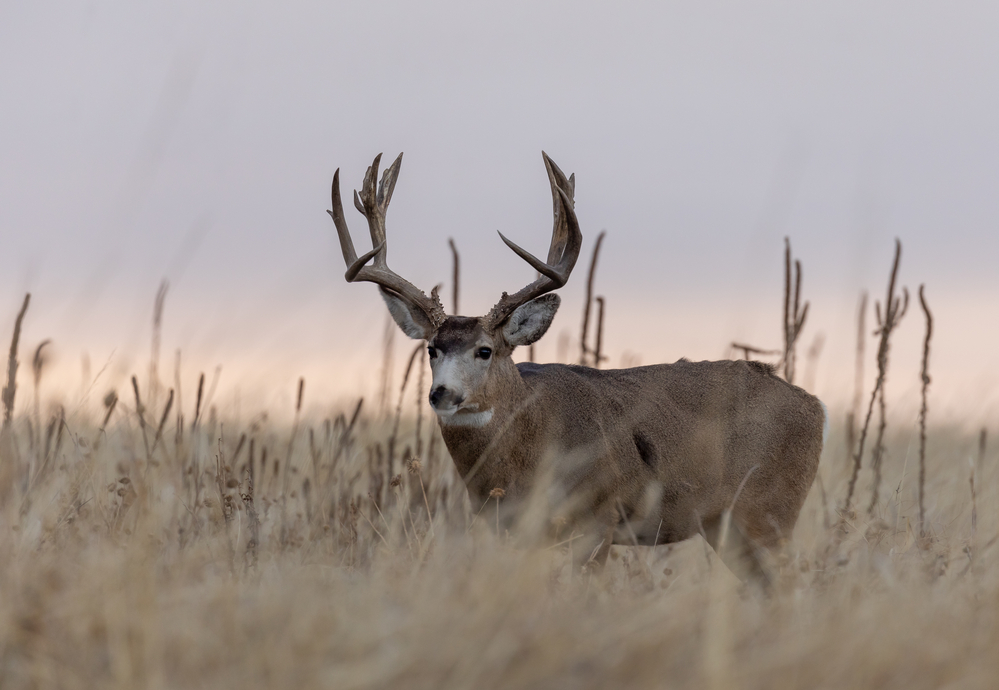
Hunters looking for deer in Illinois have a few different seasons and take methods to choose from. There are two main firearms weekends, one in November and one in December. There are also archery deer seasons, a muzzleloader-only deer season, and youth firearms seasons.
Here are some key points about deer hunting in Illinois:
- As of January 1, 2023, a new Illinois law allows hunters to use certain centerfire, single-shot rifles for deer hunting. Administrative rules are still being developed for this change.
- No hunter can harvest more than two antlered deer during a year across all seasons (youth, archery, muzzleloader, firearm).
- Hunters must report their deer harvest by 10 pm on the same day using the toll-free telephone (1-866-IL-CHECK) or online check-in system.
- Blaze orange or blaze pink clothing requirements apply during firearm seasons – a cap/hat and at least 400 square inches of the blaze color on outer garments.
- Illinois has special late-winter antlerless-only and CWD (Chronic Wasting Disease) deer seasons in select counties for herd management.
For even more information, read our article Illinois Deer Hunting Season for a lot more detail about how to hunt deer successfully.
Illinois Turkey Seasons
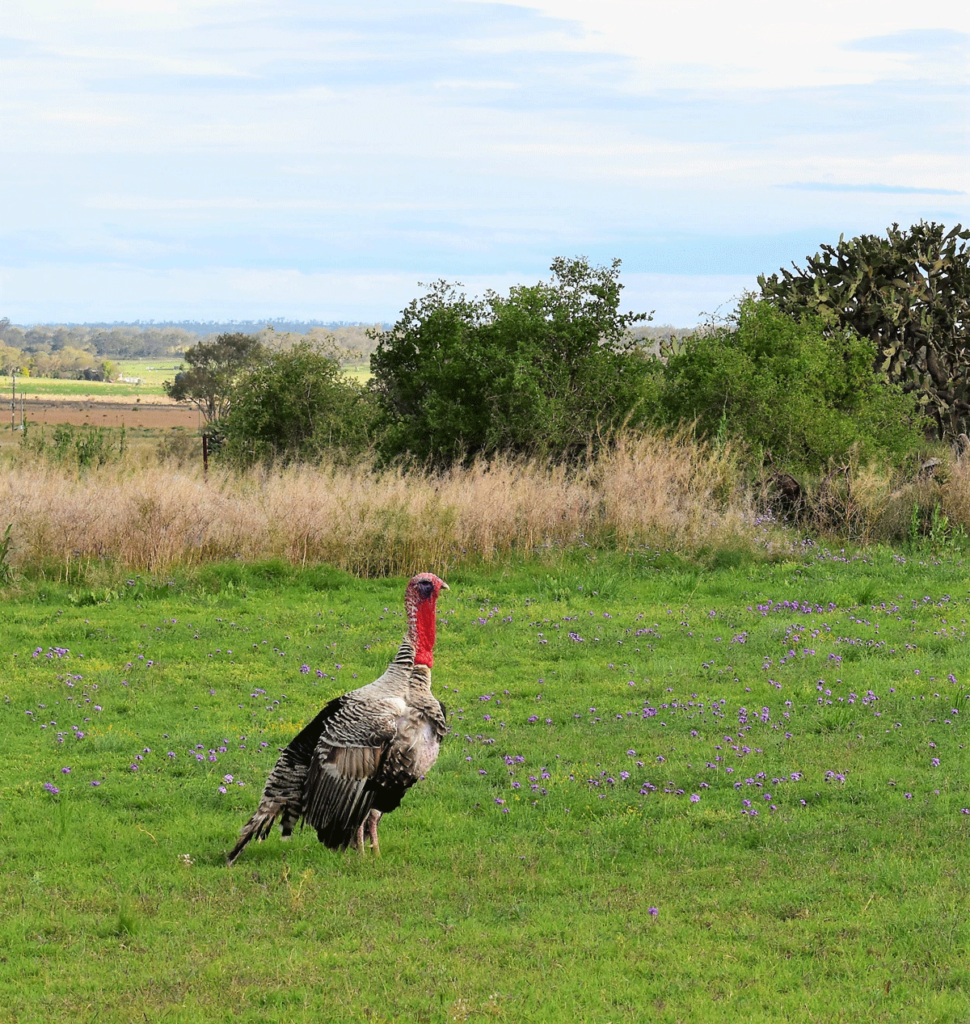
For hunters pursuing wild turkeys in Illinois, there are distinct spring and fall seasons with different regulations. The spring season is the more popular, when male turkeys are actively breeding.Here are some key details about turkey hunting in Illinois:
- Hunting hours during the spring season are 1/2 hour before sunrise until 1pm.
- Hunters must apply for permits during annual application periods to participate in the spring and fall firearm seasons.
- Blaze orange or pink clothing is required during the fall firearm season, but not the archery seasons.
Turkey hunting can be extremely challenging, but also very rewarding. Scouting and using proper calling techniques are critical for success. For more info, check out our guide to Turkey Hunting in Illinois.
Illinois Waterfowl Seasons
Illinois offers excellent opportunities for hunting ducks and geese during the fall and winter months. The state’s location in the Mississippi Flyway makes it a key migration corridor.Here are some key details about waterfowl hunting seasons and regulations in Illinois:
- The 2024-2025 duck season runs October 26, 2024 – December 22, 2024 in the North Zone and November 9, 2024 – January 5, 2025 in the South Zone.
- Goose seasons include the Regular Canada Goose season from November 9, 2024 – January 31, 2025 and various Snow Goose seasons from late October through early March.
- Hunters must purchase an Illinois hunting license, state migratory waterfowl stamp ($16.50), and federal migratory bird stamp ($28).
- Daily duck bag limits are 6 per day, including restrictions on mallards, wood ducks, redheads, and other species.
- Goose limits are 3 Canada geese per day, with higher snow goose limits of 20 per day.
- Illinois has over 100 public waterfowl hunting areas, with some offering quota hunts and drawings for access.
The peak migration for ducks and geese typically occurs from late October through early December in Illinois. Scouting reports and proper decoy spreads are critical for having successful hunts.
Licenses, Permits, and Legal Requirements

In Illinois, hunting licenses and permits are mandatory for all hunters, and the specific requirements vary depending on the hunter’s residency status, age, and the species being targeted. The Illinois Department of Natural Resources (IDNR) administers these licenses to ensure that hunters are knowledgeable about state laws and conservation practices.
Resident Hunting Licenses:
- Regular Hunting License: Required for residents who hunt birds or mammals.
- Sportsmen’s Combination Hunting/Fishing License: Offers a convenient combined license for those who participate in both hunting and fishing.
- Youth, Senior, and Veteran Discounts: Reduced fee licenses are available for youth, seniors, and veterans, acknowledging their contributions and encouraging participation in hunting activities.
Non-Resident Hunting Licenses:
- Non-Resident Hunting License: Allows non-residents to hunt in Illinois. These licenses are available for different durations, such as annual or short-term (five days), depending on the hunter’s needs.
- Non-Resident Deer and Turkey Permits: Specifically for deer or turkey hunting, these permits are required in addition to the general hunting license.
Special Permits and Stamps:
- Habitat Stamp: Required for all hunters aged 16 and older. This stamp funds conservation and habitat restoration projects.
- Migratory Bird Hunting Stamp: Required for anyone hunting waterfowl and other migratory birds, this federal stamp supports the conservation of migratory bird habitats.
- Archery and Firearm Deer Permits: Separate permits required for deer hunting with archery equipment or firearms, available through a lottery system.
Hunting on Leased and Public Lands in Illinois
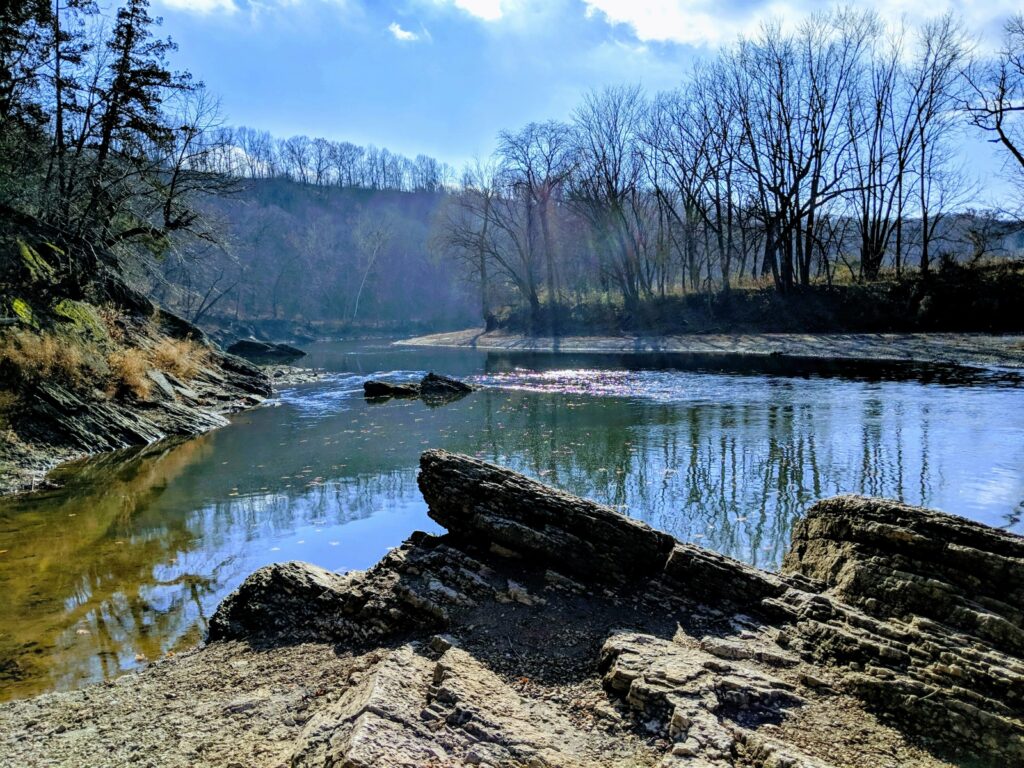
You’ve got a choice to make about where to hunt. You can get out into public lands and national forests at the season opener. Or you can find private land and create a hunting lease. There are some advantages to both approaches. Which one is best for you? It probably depends on your circumstances, how you hunt, and what you want to get done in the field.
Let’s take a look at each one so you can see which is better for you.
Hunting on Public Land in Illinois: Your Ticket to Adventure
Illinois has a large selection of public lands with lots of game for hunters to track and chase. From huge state forests to smaller wildlife management areas, these public hunting grounds have lots of different habitats and tons of game animals.
Why Choose Public Land?
Hunting on public land in Illinois opens doors to countless adventures. It doesn’t cost anything, unlike leasing private property. It’s a great option for all hunters. There’s something thrilling about exploring new lands. And those public lands feature all kinds of game animals.
If you want a little help getting started, you can read our guide on How to Hunt on Public Land.
Top Public Hunting Destinations in Illinois:
- Shawnee National Forest: This massive forest in southern Illinois is full of deer, turkey, squirrel, and other small game. With lots of different terrain and game, Shawnee is a great place to hunt.
- State Forests and Wildlife Management Areas: Illinois has a ton of state forests and wildlife management areas. Each one has a unique feel and different game animals. Pere Marquette State Forest, Trail of Tears State Forest, or Sand Ridge State Forest are just a few of your options.
- Illinois River Valley: The Illinois River Valley is known for its waterfowl hunting. With its many backwaters, marshes, and flooded timber, this region attracts a variety of ducks and geese.
To see even more, check out our listing for public hunting land in Illinois.
Tips for Success on Public Land:
- Do Your Research: Before heading out, research the specific rules for the public land you plan to hunt. Learn about the area. Where are the access points? What kind of animals live there?
- Scout Early and Often: Scouting is important for finding game on public land. Spend time in the woods before the season opens. You’ll be able to find trails, feeding areas, and potential hunting spots.
- Be Prepared for Competition: Public land can get crowded, especially during popular hunting seasons. Get there early to secure your spot. Be prepared to change your plans if other hunters are in the area.
- Respect the Land and Other Hunters: Practice ethical hunting and leave no trace. Be kind to other hunters and follow all safety rules.
Hunting on public land in Illinois offers many choices for hunters. There is sure to be a place for you to find the game you’re looking for.
Regulations and Tips for Hunting on Leased Land in Illinois
When hunting on leased lands, it’s essential to have a clear hunting lease agreement that specifies the terms of the lease, including the duration, cost, permissible hunting methods, and any species-specific regulations. Hunters should ensure that their lease agreements comply with state wildlife management laws and consider the following:
- Respect for Property: Leased lands are private properties, and hunters must respect the landowner’s property by following all agreed-upon rules, using designated access points, and avoiding damage to crops or infrastructure.
- Safety Considerations: Clear communication about when and where hunting will occur is crucial to ensure safety for all parties involved. Establishing safe zones and no-fire areas can help prevent accidents.
- Sustainable Practices: Even on private leases, hunters should practice ethical hunting, including adhering to bag limits and seasonal restrictions to help maintain healthy wildlife populations.
Hunting on Leased Lands – Practical Considerations:
- Scouting and Preparation: Hunters should invest time in scouting leased lands before the season starts to identify game trails, feeding areas, and suitable locations for blinds or stands.
- Community Relations: Maintaining a good relationship with landowners and local communities is vital. This includes regular communication and potentially sharing a portion of the harvest as a goodwill gesture.
- Conservation Efforts: Participate in or initiate wildlife management and habitat conservation efforts on leased lands. This can include planting food plots, maintaining water sources, and controlling invasive species.
Hunting on public and leased lands in Illinois offers diverse and rewarding experiences. Whether choosing the open access of public lands or the exclusivity of private leases, hunters must prioritize safety, respect for the land, and adherence to regulations. By doing so, they contribute positively to Illinois’ hunting heritage and ensure that these lands remain vibrant and productive for future generations.
Hunting Locator can help you. We offer a complete hunting lease service. We’ll find the perfect spot for you, contact the landowner, and then negotiate the lease on your behalf. We can even guarantee a hunting lease secured in the next 48 hours.
To see the land available, check out our listings for hunting leases in Illinois.

FAQ
Can non-residents hunt without a guide in Illinois?
Non-residents can hunt without a guide in Illinois, but they must adhere to all state hunting regulations and possess the appropriate non-resident hunting licenses and permits.
How can I apply for a deer permit in Illinois?
Deer permits can be applied for through the Illinois Department of Natural Resources website or at authorized license vendors. The application periods are typically announced well in advance of the hunting seasons.
Are there specific hunting regulations for wildlife management areas in Illinois?
Yes, wildlife management areas often have specific regulations including but not limited to permit requirements, allowed hunting methods, and restricted zones. Always check the specific area regulations before planning your hunt.
What is the legal equipment for deer hunting in Illinois?
Legal equipment for deer hunting includes shotguns, handguns, and specific types of rifles in designated areas. Archery equipment such as compound bows, recurve bows, and crossbows are also permitted.
Conclusion
Understanding and respecting the hunting regulations, preparing adequately for your hunting trips, and practicing safe and ethical hunting are key to a successful and rewarding hunting experience in Illinois. By adhering to these guidelines and continually seeking to improve your skills and knowledge, you contribute positively to the conservation of wildlife and the sustainability of hunting as a cherished outdoor tradition.


Can you update for 2025 2026 ?
HI! Great to hear from you!
We’re a little busy setting up our new shop but this is on my to do list. Should see an update this month.
Thanks for the reminder!