To help you, we’ve got your guide to:
- Detailed season dates and bag limits
- Best public hunting areas and leasing opportunities
- Essential rules and regulations for a successful hunt
Dive in to get the most out of your Indiana waterfowl hunting experience. Happy hunting!
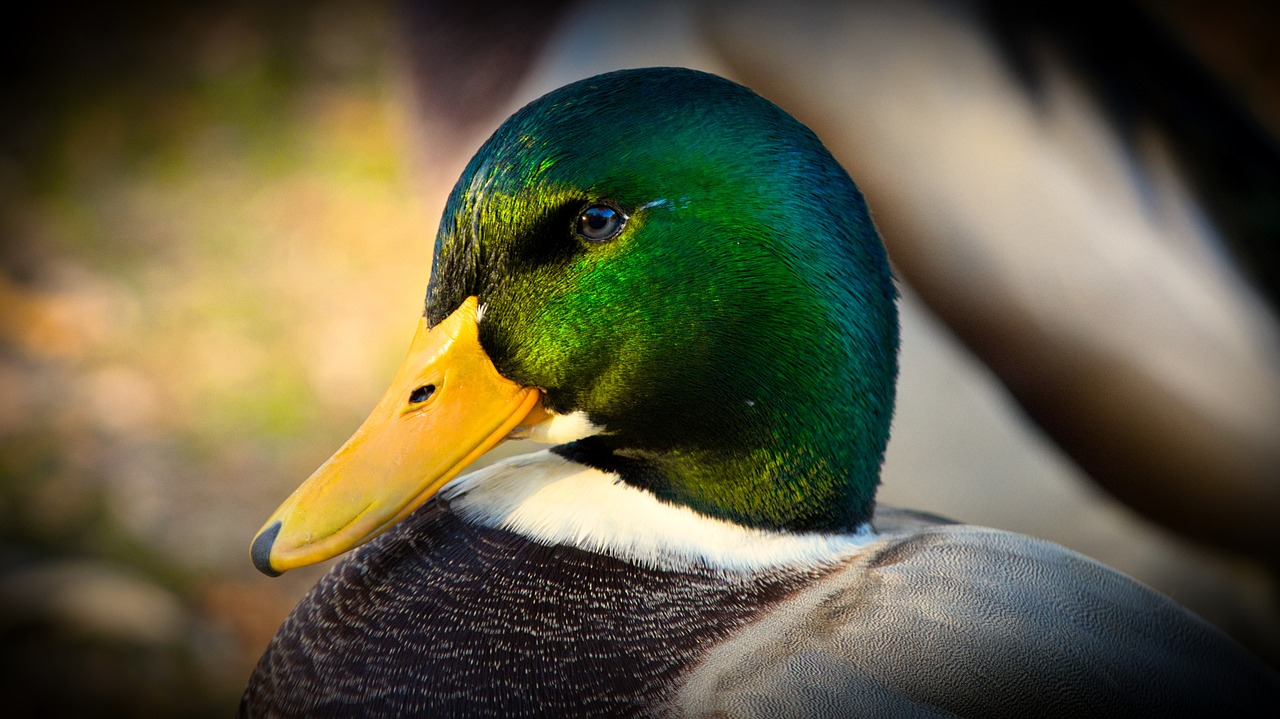
Birds to Shoot in Indiana
Hunters have their own preferences, but there are a few species everyone seems to like. For Indiana sportsmen, here are the top five species to track and shoot:
- Mallards – Large dabbling ducks with a dark green head (male), brown mottled plumage (female). One of the most abundant and recognizable duck species.
- Canada Geese – Large geese with a black head and neck, white cheek patches. Very common and found year-round in many areas.
- Wood Ducks – Striking plumage – males have iridescent green and purple crests, chestnut breast, white stripes. Females are gray-brown with white eye arcs. Nest in tree cavities.
- Blue-winged Teal – Small dabbling ducks. Males have a slate blue head, white facial crescent, and blue wing coverts. Females are mottled brown.
- Green-winged Teal – The smallest North American dabbling duck. Males have a cinnamon head with green ear patch. Both sexes show a green wing speculum in flight.
Hunters also look out for white-fronted geese and mottled ducks. These are popular birds that flock in their thousands across the state.

Indiana Waterfowl Season Dates for 2024-2025
The 2024-25 hunting seasons offers a range of opportunities for hunters to pursue various migratory birds across different zones. The game bird hunting seasons are strategically set to align with the migratory patterns and population dynamics of waterfowl species, ensuring sustainable hunting practices.
Visit the Indiana Department of Natural Resources to buy a hunting license.
Species and Bag Limits
| Species | Daily Bag Limit | Possession Limit |
|---|---|---|
| Ducks | 6 ducks, including: No more than 4 mallards (2 hens) 3 wood ducks 2 redheads 2 black ducks 1 pintail 2 canvasbacks 1 or 2 scaup (depending on the part of the season) | 18 ducks |
| Coots | 15 | 45 |
| Mergansers | 5, including no more than 2 hooded mergansers | 15 |
| Dark Geese | 5 in aggregate (Canada, White-fronted, Brant) | 15 |
| Light Geese | 20 | No possession limit |
Ducks, Coots, and Mergansers Seasons
| Zone | First Segment | Second Segment |
|---|---|---|
| North Zone | October 28 – December 17, 2024 | December 26, 2024 – January 3, 2025 |
| Central Zone | November 4 – 12, 2024 | November 24, 2024 – January 13, 2025 |
| South Zone | November 11 – 12, 2024 | December 2, 2024 – January 28, 2025 |
Geese Seasons
| Zone | Early Season | Regular Season |
|---|---|---|
| North Zone | September 9 – 17, 2024 | October 28 – November 5, 2024; November 18, 2024 – February 11, 2025 |
| Central Zone | September 9 – 17, 2024 | November 4 – 18, 2024; November 24, 2024 – February 11, 2025 |
| South Zone | September 9 – 17, 2024 | November 11, 2024 – February 11, 2025 |
Special Hunting Days for Youth and Veterans
| Zone | Dates |
|---|---|
| North Zone | October 21-22, 2024 |
| Central Zone | October 28-29, 2024 |
| South Zone | November 4-5, 2024 |
Special Seasons
| Species | Dates |
|---|---|
| Teal | September 9 – 24, 2024 (Statewide) |
| Woodcock | October 15 – November 28, 2024 (Statewide) |
| Snipe | September 1 – December 16, 2024 (Statewide) |
Special Considerations:
During youth waterfowl season, the bag limits and possession limits are the same as the regular season limits.
Migratory Game Bird Hunting: Go Public or Lease Private Land?
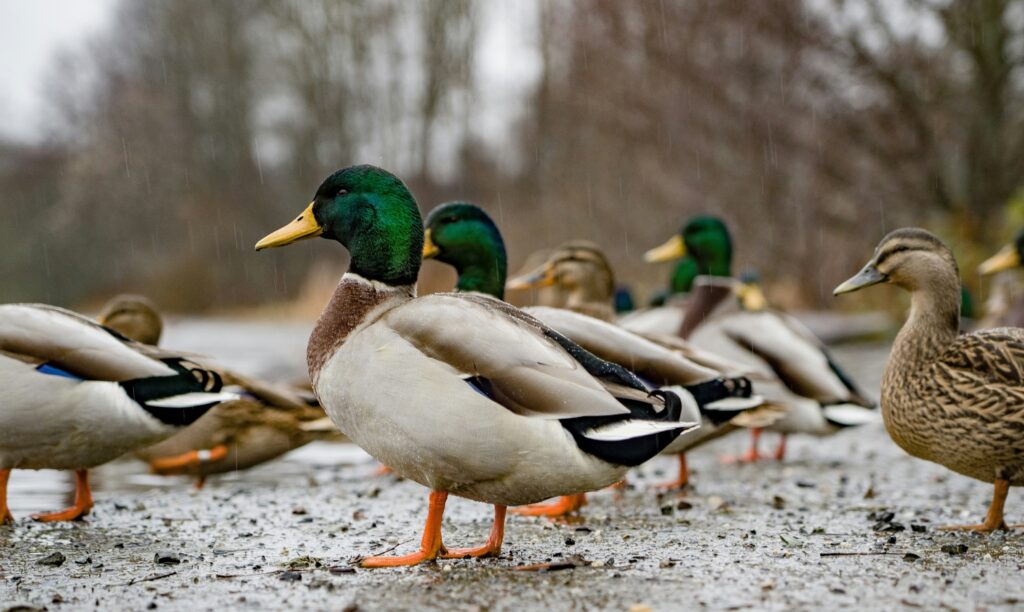
Waterfowl hunting in Indiana offers diverse opportunities across both public and leased lands. Understanding the differences between these two types of hunting grounds is essential for planning successful hunts.
Public Lands
Hunting for waterfowl on public lands can be a rewarding yet challenging experience. While these areas provide access to prime habitats for ducks and geese, they also come with their own set of unique considerations. Here are a few key points about hunting on public lands for waterfowl:
- Proper scouting and preparation are crucial for success. Public hunting areas often see heavy pressure, so it’s important to scout thoroughly to find the areas where birds are congregating. Arriving early on hunt days is also essential, as prime spots tend to fill up quickly. Having a backup plan and being willing to adapt to changing conditions can make a big difference.
- Concealment and minimizing disturbance are paramount. With multiple hunting parties in close proximity, it’s critical to set up well-concealed blinds or pit blinds that break up your outline effectively. Maintaining discipline and keeping movement to a minimum once birds are in the area is also key, as pressured birds on public lands can be extremely wary.
- Hunting ethics and etiquette are vital. Respecting other hunters’ spaces, not skybusting or flagging downed birds, and being mindful of your actions are important considerations. Building a positive reputation in the local waterfowling community can go a long way in fostering a better experience for all.
While hunting on public lands can be more challenging than private lands or clubs, it also provides a unique and accessible opportunity for many waterfowlers. With proper preparation, concealment, and ethical conduct, public land hunting can yield some incredibly rewarding experiences in pursuit of ducks and geese.
If you want to learn mroe, check out our guide: How to Hunt Public Land
Best Public Hunting Areas in Indiana
Indiana offers several excellent public hunting lands for waterfowl enthusiasts. Here are the top five public hunting lands for waterfowl in the state:
- Patoka River National Wildlife Refuge and Management Area: Located in southwestern Indiana, this refuge spans over 10,000 acres and includes diverse habitats such as upland and bottomland forests, wetlands, and prairies. It is known for abundant waterfowl hunting opportunities, especially along the oxbows of the Patoka River and in its floodwaters. The refuge also offers hunting for white-tailed deer, squirrel, and turkey, among other species.
- Goose Pond Fish and Wildlife Area (FWA): Situated near Linton, Goose Pond FWA is an 8,064-acre wetland complex that provides excellent waterfowl hunting opportunities. The area is managed to produce an abundance of smartweed, barnyard grasses, and other plants that attract ducks. Hunters can expect to find a variety of species, including gadwalls, teal, wood ducks, and mallards. Goose Pond FWA operates a lottery system for hunting spots, and hunters can apply online for preseason reservations or participate in a daily draw.
- Kankakee Fish and Wildlife Area (FWA): Located near the junction of U.S. 24 and U.S. 31 near North Judson, Kankakee FWA covers 5,000 acres and features a mix of natural wetlands, flooded timber, and agricultural fields. This diversity in habitat types makes it a popular destination for waterfowl hunters. The area is known for its excellent hunting opportunities for ducks and geese, with hunters able to choose the type of habitat they prefer to hunt in.
- Hovey Lake Fish and Wildlife Area (FWA): This area is located in southwestern Indiana and offers a variety of waterfowl hunting opportunities. Hovey Lake FWA is known for its large lake and surrounding wetlands, which attract a significant number of ducks and geese. The area is popular among hunters and often requires participation in a draw system due to its popularity.
- Pigeon River Fish and Wildlife Area (FWA): Near Mongo, this area provides waterfowl hunting opportunities on its 11,794 acres of land, including 529 acres of lakes and numerous wetlands. Pigeon River FWA is a well-known destination for waterfowl hunters in Indiana, offering a variety of habitats that support a diverse range of waterfowl species.
These locations provide some of the best public hunting opportunities for waterfowl in Indiana, each offering unique habitats and hunting experiences.
Leased Land Opportunities
Finding and securing a hunting lease for waterfowl in Indiana is straightforward with platforms like Hunting Locator. Indiana’s diverse wetlands and abundant waterfowl make it an excellent location for hunters. Here’s how Hunting Locator simplifies the process:
Ease of Finding a Lease
Hunting Locator offers a user-friendly platform to search for leases by state and county, providing detailed listings with property size, game types, and lease terms. This transparency helps hunters make informed decisions without extensive research or site visits. Search filters allow for narrowing options based on proximity, habitat type, and lease duration.
Securing a Lease
Hunting Locator facilitates direct communication with landowners for negotiating terms and understanding property rules. It offers a secure payment system and often includes hunting liability insurance, protecting both hunters and landowners, ensuring a smooth leasing process. Read more about setting up a hunting lease agreement.
Benefits of Using Hunting Locator
The platform’s extensive database provides access to a wide range of properties, from small tracts for solo hunts to larger ones for groups. Direct communication with landowners builds trust and ensures understanding of lease terms. The inclusion of liability insurance and secure payment adds protection and convenience.
Hunting Locator streamlines finding and securing a waterfowl hunting lease in Indiana. Detailed listings, direct landowner communication, and secure transactions make leasing easy and reliable, allowing hunters to enjoy Indiana’s rich waterfowl hunting opportunities confidently.

General Hunting Regulations
Waterfowl hunting in Indiana is governed by a comprehensive set of regulations designed to ensure the sustainability of waterfowl populations and the safety of hunters. It is crucial for hunters to be familiar with these rules to avoid penalties and contribute to conservation efforts.
| Regulation | Details |
|---|---|
| Licenses & Permits Required | – Valid Indiana hunting license – Indiana Waterfowl Stamp Privilege – Federal Duck Stamp (ages 16+) – Harvest Information Program (HIP) registration |
| Hunting Hours | One-half hour before sunrise to sunset |
| Shot Type | Non-toxic shot is required, no lead shot allowed |
| Bag Limits & Seasons | Set annually based on federal frameworks under 50 CFR 20 |
| Identification | Migratory birds must have one fully feathered wing or head attached when transported |
| Baiting Restrictions | Hunting over baited areas is illegal if a reasonable person should know the area was baited within last 10 days |
| State Property Regulations | – Apply for reserved waterfowl hunts on state properties – Additional regulations may apply on specific state lands |
Environmental and Conservation Impact
Hunting regulations play a crucial role in the conservation of waterfowl populations and their habitats. The Indiana Department of Natural Resources (DNR) and the U.S. Fish and Wildlife Service (USFWS) work together to monitor and manage waterfowl populations, ensuring that hunting practices do not negatively impact these species.
Role of Hunting in Conservation:
- Funding for Conservation: Hunting licenses, stamps, and permits generate significant revenue that is used for conservation programs, habitat restoration, and wildlife management.
- Population Control: Regulated hunting helps manage waterfowl populations, preventing overpopulation and maintaining ecological balance.
- Data Collection: Hunters contribute to important data collection efforts through programs like the Harvest Information Program (HIP), providing valuable information on waterfowl populations and hunting trends.
Impact of Regulations: The carefully crafted migratory bird hunting regulations ensure that hunting activities are sustainable, balancing recreational opportunities with the need to protect and preserve waterfowl species. By adhering to these regulations, hunters play a vital role in the ongoing efforts to conserve Indiana’s waterfowl populations and their habitats.
FAQ
Where can I duck hunt in Illinois?
You can duck hunt in various public hunting areas like the Illinois River Valley, Mississippi River Pools, and state wildlife areas such as Carlyle Lake, Rend Lake, and the Sanganois State Fish and Wildlife Area.
Is Illinois good for duck hunting?
Yes, Illinois is known for excellent duck hunting, particularly in areas along the Illinois and Mississippi Rivers, which are major flyways for migrating waterfowl.
What license do I need to waterfowl hunt in Illinois?
You need an Illinois hunting license, a state waterfowl stamp, a Federal Duck Stamp, and a Harvest Information Program (HIP) registration.
What are the dates for duck season in Illinois?
Duck season dates vary by zone, but generally, they fall between late October and early January. Check the Illinois DNR website for specific dates each year.
Where is the best public land duck hunting in Illinois?
Some of the best public lands for duck hunting in Illinois include Carlyle Lake, Rend Lake, and the Illinois River Valley areas like Sanganois State Fish and Wildlife Area.
How many ducks can you hunt in Illinois?
The daily bag limit for ducks in Illinois is generally six, which may include no more than four mallards (two hens), three wood ducks, two redheads, two canvasbacks, one black duck, and one pintail.
Why is it illegal to shoot ducks on the ground water in America?
It is illegal to shoot ducks on the ground or water in America to ensure fair chase ethics and to provide ducks with a chance to escape, which helps maintain sustainable populations.
The Last Shot
As the Indiana 2024-25 migratory bird hunting season approaches, hunters can look forward to an exciting and well-regulated experience. With diverse hunting grounds, detailed regulations ensuring sustainability, and special opportunities for youth and veterans, this season promises to be memorable. By understanding the rules and making the most of both public and leased lands, hunters can enjoy a successful and responsible hunting season. Whether you’re a seasoned hunter or new to the sport, this guide equips you with everything you need for an outstanding waterfowl hunting adventure in Indiana. Get ready, gear up, and enjoy the hunt!


