This guide provides a comprehensive overview of what you need to know for hunting in Kentucky. We’ll cover the essential details to help you plan your hunts effectively and legally. You’ll find information on navigating the license system, key season dates for various game, and insights into where you can pursue your favorite species.
Here’s what you can expect to find in this guide:
- An overview of Kentucky hunting licenses and season dates for major game species.
- Detailed information on hunting Kentucky’s big game, including deer, elk, bear, and turkey.
- Key dates and regulations for small game and waterfowl seasons.
- Options and resources for finding places to hunt, including public land and private opportunities.
Let’s dive into the specifics of licenses and season dates to get you started.
Kentucky Hunting License and Season Dates Overview
Before heading afield, you need the proper licenses and permits, and you must know the specific season dates and bag limits for the game you intend to hunt. Kentucky offers a variety of licenses for residents and non-residents, youths, and seniors. The tables below summarize the essential license information and season dates for the 2025-2026 license year. Remember that hunting regulations and dates can change, so always double-check the official Kentucky Department of Fish and Wildlife Resources (KDFWR) website at fw.ky.gov/Hunt for the most current information before your hunt.
Kentucky Hunting License and Permit Information
Most hunters aged 12 and older need an annual hunting license plus species-specific permits. Here’s a breakdown of common licenses and permits for the 2025-2026 season:
| License/Permit | Description | Resident Cost | Non-Resident Cost | Youth Cost (12-15) | Duration |
|---|---|---|---|---|---|
| Annual Hunting License | Required for most hunters aged 12+ | $27 | $160 | Part of Youth Sportsman’s License | License Year |
| Youth Sportsman’s License | Comprehensive license for youths aged 12-15, includes deer & turkey permits | $30 | $30 | $30 | License Year |
| Resident Sportsman’s License | Ages 16-64. Comprehensive license often includes multiple permits (verify contents annually). | Varies | N/A | N/A | License Year |
| Statewide Deer Permit | Required for deer hunting in addition to hunting license. Allows harvest per regulations. | $35 | $235 | Included in Youth Sportsman’s | License Year |
| Youth Deer Permit | Included in the Youth Sportsman’s License for ages 12-15. | N/A | N/A | Included | License Year |
| Additional Deer Permit | Allows harvest of additional deer beyond the statewide bag limit, often antlerless. | $15 | $15 | N/A | License Year |
| Spring Turkey Permit | Required for spring turkey hunting. | $30 | $110 | Included in Youth Sportsman’s | License Year |
| Fall Turkey Permit | Required for fall turkey hunting. | $30 | $110 | Included in Youth Sportsman’s | License Year |
| Bear Permit | Required for bear hunting. | $30 | $250 | N/A | License Year |
| KY Migratory Game Bird-Waterfowl Permit | Required for hunting migratory birds, including waterfowl. HIP survey completion may be needed. | $15 | $15 | N/A | License Year |
| Federal Duck Stamp | Required for waterfowl hunting for ages 16+. | $25 | $25 | $25 (if 16+) | Federal Season |
| Resident Elk License (Quota Hunt) | Required after being drawn in the quota hunt. | Varies | N/A | N/A | Specific Hunt |
| Annual Youth Hunting License | An alternative for youths needing only the basic license. | Varies | Varies | Varies | License Year |
Note: Prices and included permits are based on 2025-2026 data and subject to change. The license year typically runs from March 1st to the end of February. Youth sportsman’s license ages are 12-15. Resident sportsman’s license ages vary; check KDFWR for details. Some individuals may be license exempt; verify requirements.
Kentucky Big Game Species Seasons (2025-2026)
Kentucky offers exciting hunting for several big game species. Key season dates for the 2025-2026 license year are below. Remember that zone-specific regulations and bag limits apply, especially for deer and bear.
| Species | Season/Method | Zone(s) | Season Dates | Statewide Bag Limit / Notes | License Required |
|---|---|---|---|---|---|
| Deer | Archery | Statewide | Sept 6, 2025 – Jan 19, 2026 | One antlered deer statewide (some exceptions apply). Zone-specific antlerless limits. Check regs for bonus antlered deer opportunities. | Annual hunting license + Statewide Deer Permit |
| Crossbow | Statewide | Sept 20, 2025 – Jan 19, 2026 | See Archery notes. | Annual hunting license + Statewide Deer Permit | |
| Youth/Senior Crossbow | Statewide | Sept 20, 2025 – Jan 19, 2026 | See Archery notes. | Appropriate License/Permit | |
| Early Muzzleloader | Zones 1, 2, 3 | Oct 18 – 19, 2025 | Either sex. | Annual hunting license + Statewide Deer Permit | |
| Early Muzzleloader | Zone 4 | Oct 18 – 19, 2025 | Antlered deer only. | Annual hunting license + Statewide Deer Permit | |
| Modern Gun | Zones 1, 2, 3 | Nov 8 – 23, 2025 | Either sex, subject to zone antlerless limits. | Annual hunting license + Statewide Deer Permit | |
| Modern Gun | Zone 4 | Nov 8 – 23, 2025 | Antlered deer only for entire season. | Annual hunting license + Statewide Deer Permit | |
| Late Muzzleloader | Zones 1, 2, 3 | Dec 13 – 21, 2025 | Either sex, subject to zone antlerless limits. | Annual hunting license + Statewide Deer Permit | |
| Late Muzzleloader | Zone 4 | Dec 13 – 21, 2025 | Antlered deer only Dec 13-19; Either sex Dec 20-21. | Annual hunting license + Statewide Deer Permit | |
| Youth-Only Gun | Statewide | Oct 11 – 12, 2025 | Either sex, subject to zone limits. | Youth License/Permit | |
| Free Youth Weekend | Statewide | Dec 27 – 28, 2025 | Either sex, subject to zone limits. License/Permit may be waived (check regs). | Check KDFWR Regs | |
| Turkey | Fall Archery | Statewide | Sept 6, 2025 – Jan 19, 2026 | Check regs for fall bag limits (often includes hens). | Annual hunting license + Fall Turkey Permit |
| Fall Crossbow | Statewide | Oct 1–19, 2025 & Nov 8–Dec 31, 2025 | See Fall Archery notes. | Annual hunting license + Fall Turkey Permit | |
| Fall Shotgun | Statewide | Oct 25–31, 2025 & Dec 6–12, 2025 | See Fall Archery notes. | Annual hunting license + Fall Turkey Permit | |
| Spring General (Bearded Only) | Statewide | Approx. Apr 12 – May 4, 2026 | Two bearded turkeys statewide limit (check specific regs). One bird per day. | Annual hunting license + Spring Turkey Permit | |
| Spring Youth-Only (Bearded Only) | Statewide | Approx. Apr 5 – 6, 2026 | Part of statewide limit. | Youth License/Permit | |
| Bear | Archery/Crossbow | Zone 1 | Oct 25 – 27, 2025 | Either sex. Strict quotas apply per zone/hunt type; season may close early. One bear per hunter per license year. | Annual hunting license + Bear Permit |
| Archery/Crossbow | Zone 2 | Oct 25 – 29, 2025 | See Zone 1 notes. | Annual hunting license + Bear Permit | |
| Firearm | Zone 1 | Dec 13 – 15, 2025 | See Zone 1 notes. | Annual hunting license + Bear Permit | |
| Firearm | Zone 2 | Dec 13 – 17, 2025 | See Zone 1 notes. | Annual hunting license + Bear Permit | |
| Hunt with Dogs | Zone 1 & 2 | Oct 20 – 24, 2025 | See Zone 1 notes. | Annual hunting license + Bear Permit (+ Dog Permit) | |
| Hunt with Dogs | Zone 2 | Oct 30 – Nov 7, 2025 | See Zone 1 notes. | Annual hunting license + Bear Permit (+ Dog Permit) | |
| Elk | Archery/Crossbow (Early) | Elk Zone | Sept 13 – 26, 2025 | Either sex. Quota hunt permit required (application period Apr 1-30). One elk per hunter per license year. | Annual hunting license + Quota Elk Permit |
| Archery/Crossbow (Late) | Elk Zone | Dec 6 – 12, 2025 | See Early Archery notes. | Annual hunting license + Quota Elk Permit | |
| Firearm Bull Hunt 1 | Elk Zone | Sept 27 – Oct 1, 2025 | Bull only. See Early Archery notes. | Annual hunting license + Quota Elk Permit | |
| Firearm Bull Hunt 2 | Elk Zone | Oct 4 – 8, 2025 | Bull only. See Early Archery notes. | Annual hunting license + Quota Elk Permit | |
| Firearm Cow Hunt 1 | Elk Zone | Nov 29 – Dec 3, 2025 | Cow only. See Early Archery notes. | Annual hunting license + Quota Elk Permit | |
| Firearm Cow Hunt 2 | Elk Zone | Dec 27 – 31, 2025 | Cow only. See Early Archery notes. | Annual hunting license + Quota Elk Permit |
Spring 2026 Turkey dates are estimated based on the 2025 pattern; confirm with official KDFWR guides when available. Harvest restrictions apply to many species. Antlerless deer harvest is managed by zone. Visible antlers are typically required for a deer to count as antlered, excluding male fawns (button bucks).
Kentucky Small Game and Waterfowl Seasons (2025-2026)
Kentucky also offers abundant opportunities for small game and waterfowl hunting. Below are key dates and limits for the 2025-2026 seasons. Waterfowl hunters need state and federal permits.
| Species/Group | Season Dates | Daily Bag Limit | Possession Limit | Notes |
|---|---|---|---|---|
| Squirrel | Spring: May 17 – June 15, 2025. Fall: Aug 16–Nov 7, 2025 & Nov 10–Feb 28, 2026. | 6 | 12 | Check regs for specific species (gray/fox). |
| Rabbit | Nov 1 – Feb 10 (approx.) | 4 | 8 | Check KDFWR guide for exact 2025-26 dates. |
| Quail | Nov 1 – Feb 10 (approx.) | 8 | 16 | Check KDFWR guide for exact 2025-26 dates. West of I-65 zone may differ. |
| Grouse | Nov 1 – Feb 28 (approx.) | 4 | 8 | Check KDFWR guide for exact 2025-26 dates. Specific zones apply. |
| Crow | Sept 1 – Nov 7 & Jan 1 – Feb 28 (approx.) | None | None | Check KDFWR guide for exact 2025-26 dates. Can be hunted outside these dates if depredating. |
| Coyote | Year-round | None | None | Night hunting allowed with restrictions; specific calls permitted. Can be hunted year round. |
| Groundhog | Year-round | None | None | |
| Furbearers (various) | Mid-Nov – Feb 28 (approx.) | Varies by species | Varies | Includes Raccoon, Opossum, Fox, Bobcat, Mink, Muskrat, Beaver, etc. Trapping seasons also apply. Check specific regs. |
| Early Teal | Sept 20 – 24, 2025 | 6 | 18 | Teal species only. |
| Early Wood Duck | Sept 20 – 24, 2025 | Included in Teal limit (max 2 wood ducks). | Included in Teal limit (max 6 wood ducks). | |
| September Canada Goose | Western Zone: Sept 1–15, 2025. Eastern Zone: Sept 16–30, 2025. | 5 | 15 | Specific zone boundaries apply. |
| Duck (general) | Nov 27–30, 2025 & Dec 7, 2025–Jan 31, 2026 | 6 (species restrictions apply, e.g., mallard, wood duck, canvasback). | Triple daily limit | Scaup limit varies during season. Requires state/federal permits. |
| Coot | Nov 27–30, 2025 & Dec 7, 2025–Jan 31, 2026 | 15 | 45 | |
| Merganser | Nov 27–30, 2025 & Dec 7, 2025–Jan 26, 2026 | 5 (only 2 hooded) | Triple daily limit | |
| Canada/White-Fronted Goose & Brant | Nov 25, 2025 – Feb 15, 2026 | 5 combined (specific limits per species) | Triple daily limit | |
| Snow Goose | Nov 27, 2025 – Feb 15, 2026 | 20 | None | Includes Ross’ Goose. |
| Light Goose Conservation Order | Feb 16 – March 31, 2026 (Note: This date likely refers to spring 2026) | None | None | Special regulations apply (e.g., electronic calls, extended hours). Check KDFWR guide. Original source had 2025, likely typo. |
| Sandhill Cranes | Dec 7, 2025 – Jan 31, 2026 | 1 or 2 (permit dependent) | 3 | Requires separate quota permit. |
| Dove | Sept 1 – Late Oct, Mid-Nov – Late Nov, Mid-Dec – Mid-Jan (approx.) | 15 | 45 | Three-segment season. Check KDFWR guide for exact 2025-26 dates. |
| Woodcock | Mid-Oct – Late Nov (approx.) | 3 | 9 | Check KDFWR guide for exact 2025-26 dates. |
| Snipe | Sept – Mid Dec (approx.) | 8 | 24 | Check KDFWR guide for exact 2025-26 dates. |
Small game dates for rabbit, quail, grouse, crow, furbearers, dove, woodcock, and snipe are approximate based on typical patterns and require confirmation from the official 2025-2026 KDFWR Hunting Guide when released. Always check the guide for precise dates, bag limits, and specific regulations for small game and waterfowl. Waterfowl hunters often need to complete a HIP survey .
Again, all hunters should verify regulations and season dates on the official KDFWR website before hunting: https://fw.ky.gov/Hunt.
Kentucky Deer Hunting
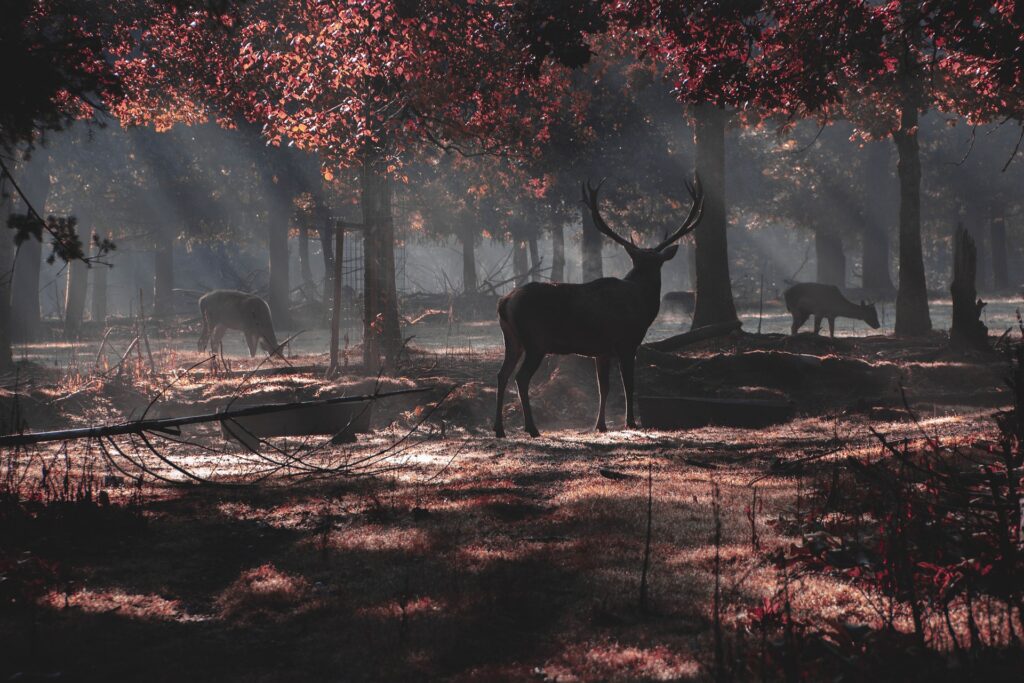
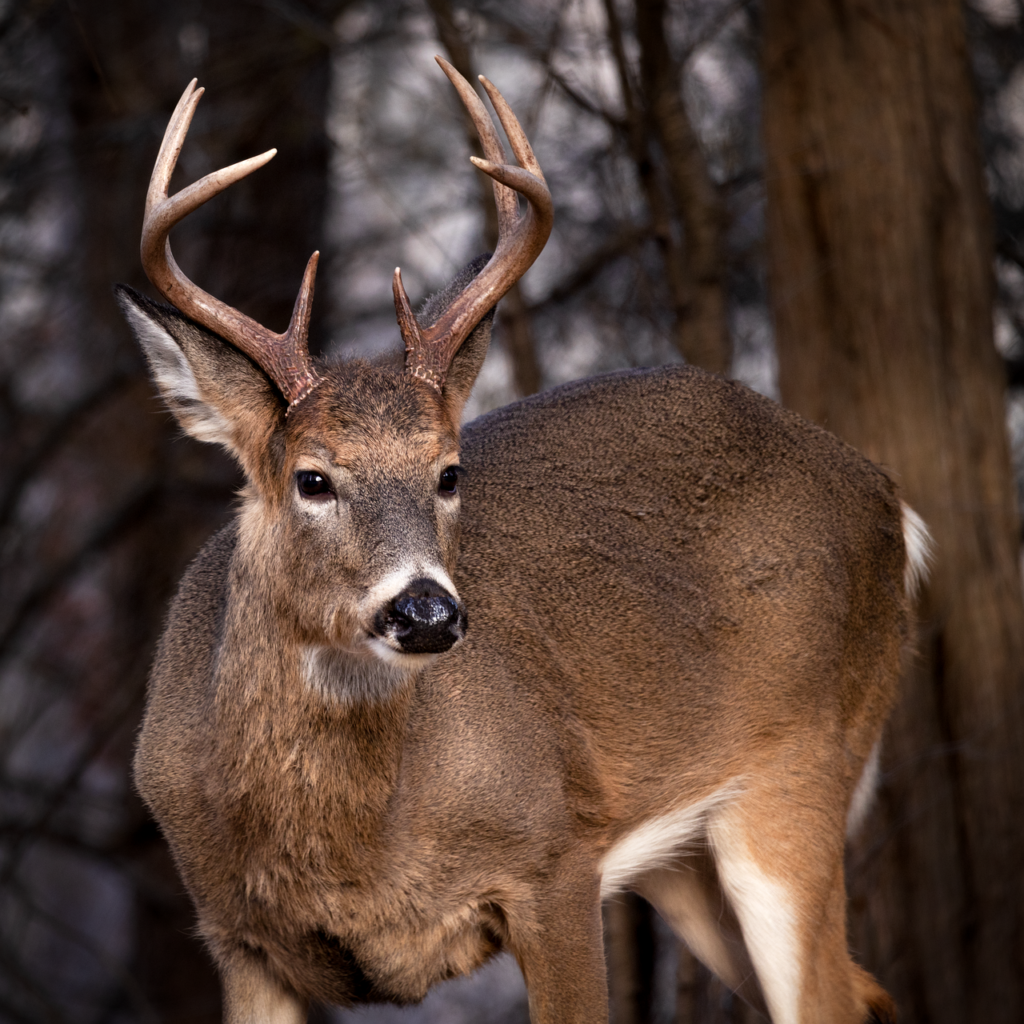
Deer hunting is arguably the most popular hunting activity in Kentucky, offering generous seasons and a healthy whitetail population across the state. Kentucky is divided into four deer management zones, which dictate antlerless harvest opportunities and some season specifics. The state boasts excellent genetics and habitat, providing opportunities to harvest mature bucks, including the potential for a true trophy buck.
Deer Season Dates and Regulations (2025-2026)
Kentucky provides diverse opportunities for deer hunting with archery, crossbow, muzzleloader, and modern firearms. The statewide archery season offers the longest timeframe, while the modern gun season provides a focused, high-participation period. Youth hunters also have dedicated weekends.
Here’s a summary of the primary deer season dates for 2025-2026:
- Archery: September 6, 2025 – January 19, 2026
- Crossbow: September 20, 2025 – January 19, 2026 (Youth/Senior runs concurrently)
- Youth-Only Gun: October 11 – 12, 2025
- Early Muzzleloader: October 18 – 19, 2025
- Modern Gun: November 8 – 23, 2025
- Late Muzzleloader: December 13 – 21, 2025
- Free Youth Weekend: December 27 – 28, 2025
Understanding the zone system is critical for antlerless deer harvest. Zones 1, 2, and 3 generally offer more liberal antlerless opportunities compared to Zone 4, particularly during modern gun and muzzleloader seasons.
Key Deer Hunting Regulations to Remember:
- Bag Limits: The statewide bag limit allows hunters to harvest only one antlered deer per license year (some exceptions may apply, check for bonus antlered deer rules). Antlerless deer limits vary significantly by zone.
- Hunter Orange: All deer hunters (and companions) must wear solid hunter orange (hat and vest/jacket) visible from all directions during firearm seasons (modern gun, muzzleloader, youth). Hunter orange requirements may apply even on private land.
- Tagging & Checking: All harvested deer must be properly tagged immediately and reported via Telecheck (online or phone) before midnight on the day of harvest. Keep confirmation numbers.
- Legal Equipment: Specific regulations govern legal firearms (centerfire rifle/handgun, shotgun, air gun), muzzleloaders (including pioneer weapons), archery equipment, and crossbows. Check caliber restrictions and other equipment rules. A firearm or air gun must meet minimum energy/caliber requirements.
- Baiting: Baiting is prohibited statewide on all Wildlife Management Areas (WMAs). On private land, baiting is legal, but an area is considered baited for 30 days after bait removal. Grain or food plots are not considered bait.
- Shooting Hours: Hunting is permitted during daylight hours only, from 30 minutes before sunrise to 30 minutes after sunset. Night hunting for deer is illegal.
Deer Hunting Tips and Tactics
Kentucky’s varied landscape, from the agricultural lands of the west to the mountains of the east, offers diverse deer hunting experiences. Success often comes from understanding deer behavior in these specific habitats.
- Scout Early and Often: Whitetails pattern differently based on food sources (acorns, crops), pressure, and the rut. Use trail cameras and boots-on-the-ground scouting to locate travel corridors, bedding areas, and feeding zones before the opening day.
- Hunt the Rut: The modern gun season often coincides with the peak rut in Kentucky (early to mid-November). This is prime time to encounter bucks cruising for does. Use rattling antlers, grunt calls (mouth operated calls or others), and doe bleats to attract cruising bucks.
- Understand Zone Differences: Hunting pressure and deer density vary by zone. Zone 1 typically has the highest density and antlerless harvest quotas, while Zone 4 is more restrictive. Tailor your expectations and strategies accordingly. The early season western zone might offer different opportunities than the eastern zone mountains.
- Play the Wind: Kentucky’s terrain can create swirling winds. Always hunt with the wind in your favor, using wind checkers frequently, especially in hilly or mountainous areas like the Daniel Boone National Forest.
- Utilize Public Land Wisely: Kentucky has extensive public land. Use online mapping tools (like those on Hunting Locator ) to identify less accessible areas away from parking lots and access trails. Look for terrain funnels, saddles, and thick cover adjacent to food sources.
Read our full Kentucky deer hunting guide for even more information, such as the best spots to hunt, top gear for Kentucky, and more.
Kentucky Elk Hunting
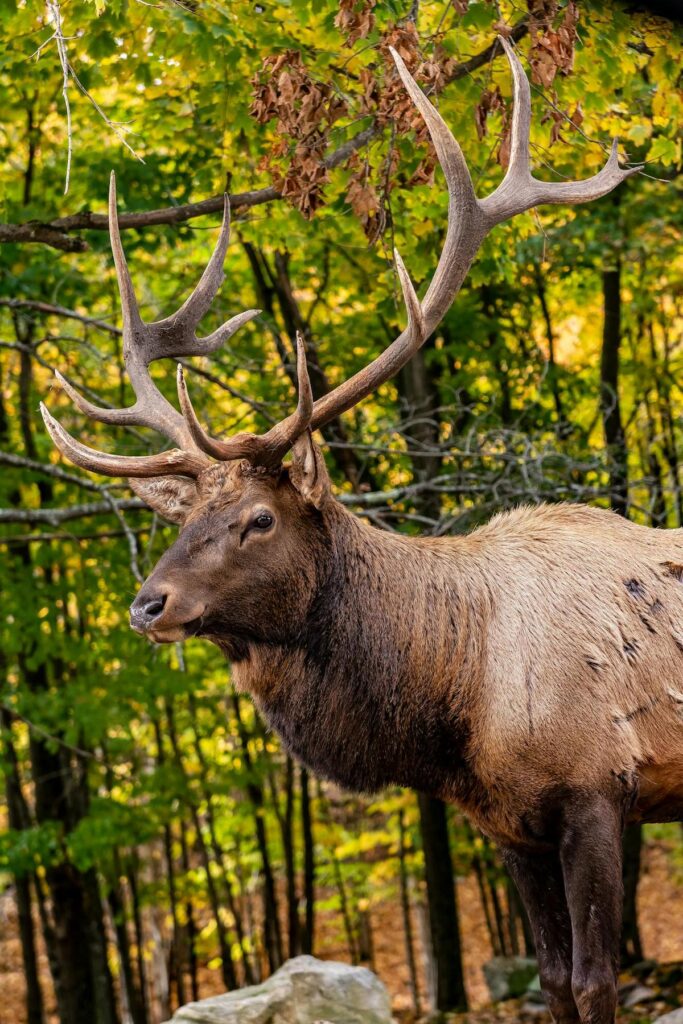
Kentucky is home to the largest elk herd east of the Mississippi River, primarily residing in the southeastern part of the state. Hunting these magnificent animals is a coveted opportunity, managed through a stringent quota hunt system. Thousands apply each year for a limited number of permits.
Elk Season Dates and Regulations (2025)
Elk hunting in Kentucky is restricted to specific permit holders drawn in the annual quota lottery. The application period typically runs from January 1st to April 30th. If drawn, hunters are assigned a specific hunt unit within the elk zone and a season type (archery/crossbow or firearm) and tag type (bull or cow).
Elk hunting season dates for 2025 are:
- Archery/Crossbow (Early, Either-sex): September 13 – 26, 2025
- Archery/Crossbow (Late, Either-sex): December 6 – 12, 2025
- Firearm Bull Hunt 1: September 27 – October 1, 2025
- Firearm Bull Hunt 2: October 4 – 8, 2025
- Firearm Cow Hunt 1: November 29 – December 3, 2025
- Firearm Cow Hunt 2: December 27 – 31, 2025
Elk hunting regulations are strict. Hunters must possess their quota permit and appropriate licenses, adhere to designated hunt units, and follow all tagging and checking requirements. Hunter orange is required during firearm elk seasons. Given the limited nature of permits and the rugged terrain, consulting the official KDFWR Elk Hunting Information is essential.
Key Elk Hunting Regulations:
- Quota Permit: A valid quota elk permit is required; this is the permit needed.
- Hunt Unit: Hunters must hunt within their assigned unit.
- Bag Limit: One elk per hunter per license year.
- Tagging & Checking: Similar to deer, elk must be tagged immediately and Telechecked. Additional biological samples may be required.
- Hunter Orange: Required during firearm elk seasons.
Elk Hunting Tips and Tactics
Hunting elk in Kentucky’s mountainous terrain is physically demanding but incredibly rewarding. The early season often coincides with the rut, offering bugling action.
- Know Your Unit: Thoroughly scout your assigned hunt unit using topographic maps, aerial imagery, and pre-season visits if possible. Identify access points, potential glassing locations, water sources, and feeding areas.
- Be Prepared for Rugged Terrain: The elk zone is steep and challenging. Ensure you are physically fit and have appropriate gear for navigating difficult terrain, including good boots, layers, and potentially trekking poles.
- Glassing is Key: Use quality optics (binoculars and spotting scope) to locate elk from vantage points, especially during early morning and late evening hours. Cover ground visually before covering it on foot.
- Calling Strategies: During the September rut hunts, bugling and cow calls can be effective for locating and drawing in bulls. Use calls strategically and be prepared for responses. Mouth operated calls or electronic calls may have specific restrictions; check regulations.
- Plan for Recovery: Harvesting an elk is only half the battle. Have a solid plan for field dressing, quartering, and packing out the meat, which can be a significant undertaking in steep country. Consider enlistening help or hiring a packer if needed. Remember regulations regarding animal carcasses.
Kentucky Bear Hunting
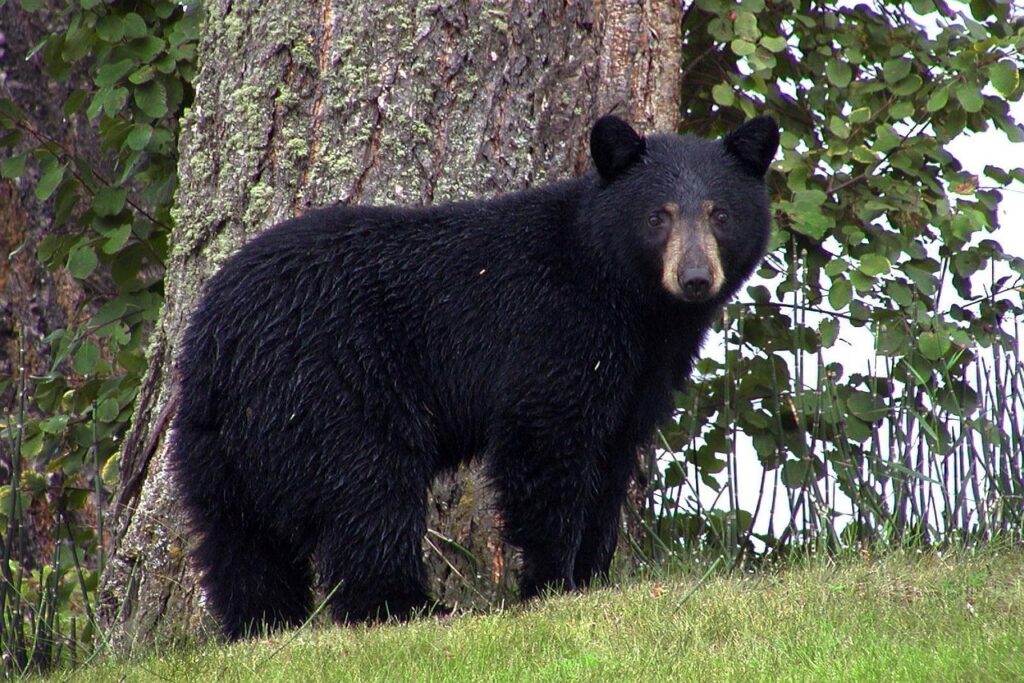
Kentucky’s black bear population has been growing, primarily in the eastern mountainous regions, leading to regulated hunting opportunities in designated bear zones. Like elk, bear hunting is managed carefully with specific seasons and quotas.
Bear Season Dates and Regulations (2025-2026)
Bear hunting is permitted only within designated bear zones (currently Zones 1 and 2) during specific seasons. A separate bear permit is required in addition to the annual hunting license. Strict quotas are in place, and seasons can close early once quotas are met.
Bear hunting season dates for 2025-2026 are:
- Archery/Crossbow (Zone 1): October 25 – 27, 2025
- Archery/Crossbow (Zone 2): October 25 – 29, 2025
- Firearm (Zone 1): December 13 – 15, 2025
- Firearm (Zone 2): December 13 – 17, 2025
- Hunt with Dogs (Zone 1 & 2): October 20 – 24, 2025
- Hunt with Dogs (Zone 2): October 30 – November 7, 2025
- (Note: Chase-Only seasons also exist outside of harvest seasons )
It is critical to check the KDFWR website or call the hotline before and during your hunt to confirm if the season in your zone remains open. All harvested bears must be Telechecked, and further physical checks and sample submissions are required. For complete regulations, visit the KDFWR Bear Hunting page.
Key Bear Hunting Regulations:
- Bear Permit & License: Required. Dog permit needed for hound hunting.
- Bear Zones: Hunting restricted to designated zones.
- Quotas: Seasons close upon reaching zone/hunt type quotas. Verify season status.
- Bag Limit: One bear per hunter per license year.
- Checking: Telecheck plus mandatory physical check required.
- Hunter Orange: Required during firearm bear seasons.
- Prohibitions: Taking bears with cubs or bears in dens is illegal. Baiting is prohibited.
Bear Hunting Tips and Tactics
Bear hunting in Kentucky typically involves spot-and-stalk methods, stand hunting near natural food sources, or hunting with hounds during designated seasons.
- Focus on Food Sources: Bears are driven by food. In the fall, focus on areas with abundant acorns (oak flats), beech nuts, or other mast crops. Berries and remnants of agricultural crops can also attract bears.
- Identify Bear Sign: Look for tracks, scat, claw marks on trees, and trails used by bears. Fresh sign indicates recent activity and potential hunting areas.
- Hunt Thick Cover: Bears often utilize dense thickets and laurel patches for bedding and security cover, especially during daylight hours. Hunt the edges or trails leading into these areas.
- Wind is Critical: Bears have an exceptional sense of smell. Always hunt with the wind in your favor and be mindful of thermal currents in mountainous terrain.
- Be Patient and Persistent: Bear hunting often requires patience. Spend time glassing, sitting in promising locations, or covering ground quietly. Success rates can be lower than for deer, so persistence pays off.
Kentucky Turkey Hunting

Wild turkey populations thrive across Kentucky, offering excellent spring and fall KY turkey hunting opportunities. Spring season focuses on calling in gobbling toms, while fall seasons allow for harvesting birds of either sex.
Turkey Season Dates and Regulations (2025-2026)
Kentucky offers archery, crossbow, and shotgun seasons for turkey in both spring and fall. A specific turkey permit (Spring or Fall) is required along with the annual hunting license.
Turkey hunting season dates are:
- Fall Archery: September 6, 2025 – January 19, 2026
- Fall Crossbow: October 1 – 19, 2025 & November 8 – December 31, 2025
- Fall Shotgun: October 25 – 31, 2025 & December 6 – 12, 2025
- Spring Youth-Only: Approx. April 5 – 6, 2026 (Bearded turkeys only)
- Spring General: Approx. April 12 – May 4, 2026 (Bearded turkeys only)
(Spring 2026 dates are estimated; confirm with KDFWR.)
The statewide bag limit for the spring season is typically two bearded turkeys, with a one-bird-per-day limit. Fall bag limits usually include birds of either sex and may vary; check regulations. All harvested turkeys must be tagged and Telechecked. Visit the KDFWR Turkey Hunting page for full details.
Key Turkey Hunting Regulations:
- Permits: Appropriate season permit required.
- Bag Limits: Spring: Two bearded birds max (one per day). Fall: Check current guide.
- Tagging & Checking: Required for all harvested turkeys.
- Legal Equipment: Shotguns (10 gauge or smaller, specific shot sizes), archery, crossbows. Check regulations for specifics.
- Shooting Hours: Daylight hours apply.
Turkey Hunting Tips and Tactics
Spring turkey hunting is an interactive pursuit involving calling and strategy, while fall hunting often focuses more on locating flocks.
- Pre-Season Scouting: Locate roosting areas, feeding zones (fields, pastures, oak flats), and strutting zones before the season opens. Listening for gobbles at dawn is crucial in spring.
- Master Calling: Learn basic turkey vocalizations (yelps, clucks, purrs, cuts). Use calls sparingly and realistically. Mouth operated calls offer versatility. In spring, try to imitate a receptive hen. In fall, kee-kee runs or assembly yelps can locate scattered flocks.
- Setup is Everything: When you get a response in spring, quickly find a good setup location with a wide field of view, good back cover, and clear shooting lanes. Minimize movement.
- Use Decoys Wisely: Decoys can attract gobblers but also draw attention to your location. Use realistic decoys (hen, jake, or combination) placed strategically within shooting range (15-25 yards).
- Pattern Flocks in Fall: Fall turkey hunting often involves locating flocks, scattering them, and then calling them back together using assembly calls or kee-kees. Alternatively, ambush flocks moving between roosting and feeding areas.
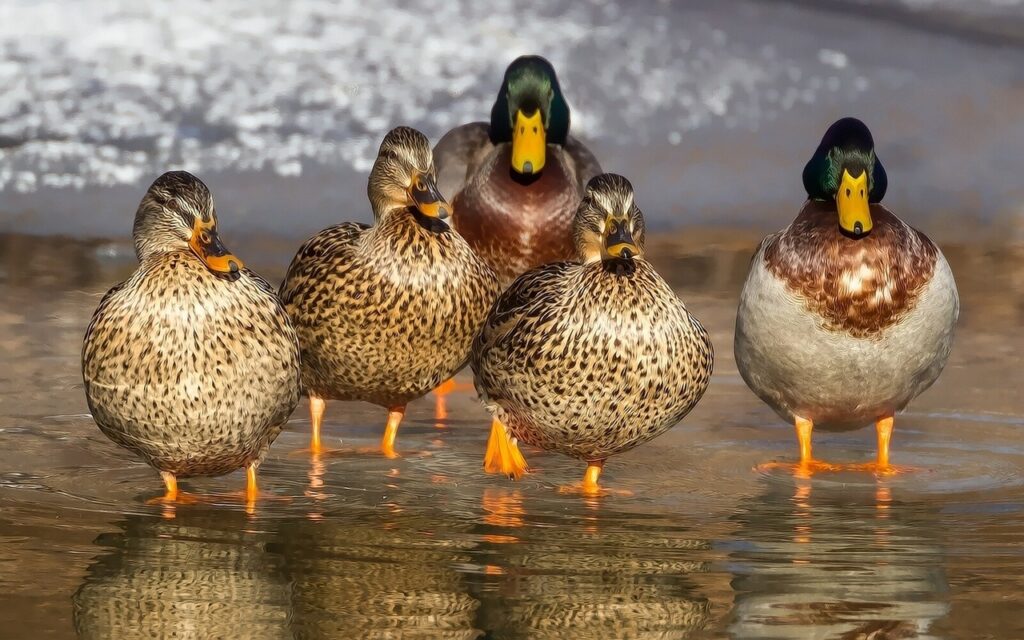
Kentucky Small Game and Waterfowl Seasons
Beyond big game, Kentucky provides ample opportunities for hunting small game like squirrels, rabbits, quail, and grouse, as well as various waterfowl species during their migrations. These seasons offer additional time afield and different hunting challenges.
Species Overview
- Squirrel: Kentucky has long squirrel seasons in both spring and fall. Hunt hardwood forests, focusing on trees producing mast (oak, hickory). Early mornings and late afternoons are peak activity times.
- Rabbit: Hunted typically from November through early February. Focus on areas with thick cover like brush piles, briar patches, and overgrown fields, often using beagles to flush them.
- Quail: Once abundant, quail populations are more localized now. Target areas with good grassland habitat, field borders, and shrubby cover, primarily west of I-65. Season runs typically November to early February.
- Grouse: Found in the eastern mountains, grouse prefer young forests and areas with thick undergrowth. Season typically runs November through February. Be prepared for fast, challenging shots.
- Waterfowl: Kentucky lies within the Mississippi Flyway, offering hunting for ducks (mallards, wood ducks, etc.) and geese (Canada, snow, white-fronted). Seasons run from early teal in September through late goose seasons into February. Key areas include western Kentucky refuges and major river systems. Requires state and federal permits. Sandhill cranes are huntable via a special quota permit.
- Other Small Game: Seasons also exist for dove, woodcock, snipe, crow, and furbearers (raccoon, opossum, fox, coyote, bobcat etc.). Coyotes and groundhogs can be hunted year round. Night hunting for coyotes is permitted with restrictions. Coyote calls are often used.
Small Game and Waterfowl Regulations
Regulations for small game and waterfowl vary by species, including specific season dates, daily and possession bag limits, and legal hunting methods. Always consult the official KDFWR Hunting and Trapping Guide for the specific species you plan to hunt. The guide is available online at fw.ky.gov/Hunt/Pages/Guides.aspx.
Key Small Game & Waterfowl Regulations:
- Licenses & Permits: An annual hunting license is generally required. Waterfowl hunters need the Kentucky Migratory Game Bird-Waterfowl Permit and a Federal Duck Stamp (if 16+). A HIP survey may be required. Sandhill crane hunting requires a separate quota permit.
- Bag Limits: Daily and possession limits apply to most species. Some, like coyote and groundhog, have no limit.
- Legal Equipment: Regulations specify legal firearms (shotgun gauges, shot types/sizes – non-toxic shot for waterfowl), archery gear, and methods. Air gun use may be permitted for some small game.
- Shooting Hours: Generally daylight hours, except for specific night hunting allowances (e.g., coyotes, furbearers). Artificial light use is restricted.
- WMAs & Federal Areas: Special regulations often apply on Wildlife Management Areas (WMAs), state parks (where allowed), national forests (Daniel Boone National Forest, Jefferson National Forest), national wildlife refuges (Reelfoot National Wildlife Refuge), military reservations (Fort Knox, Blue Grass Army Depot), and other federally controlled areas or Kentucky lands managed by KDFWR. Baiting is typically prohibited on public lands. Check area-specific rules. Places like Land Between the Lakes National Recreation Area have their own regulations. Areas like Beaver Creek, Cane Creek, Mill Creek, and Redbird Wildlife Management Areas fall under WMA rules.
- Hunter Education: Hunter education requirements apply to many hunters born on or after January 1, 1975. Check exemptions.
KY Hunting Seasons: Where to Hunt?
Finding a place to hunt is a common challenge. Kentucky offers several options, each with its own benefits and drawbacks, from vast public lands to private opportunities.
| Hunting Option | Pros | Cons | Best For |
|---|---|---|---|
| Public Land | Abundant acreage, diverse habitats, accessible to everyone. Often free or low-cost access. | Can experience high hunting pressure, requires more scouting, regulations can be complex. | Budget-conscious hunters, DIY hunters, those exploring new areas. |
| Private Land (Leased) | Exclusive access, potentially less pressure, ability to manage habitat/herd. | Can be expensive, requires finding landowners/leases, lease terms can vary. | Hunters seeking consistent access, control over hunting area, group hunting. |
| Private Land (Owned) | Full control, long-term investment, legacy building, hunt anytime within season. | Significant financial investment, property taxes/upkeep, responsibility of land management. | Hunters seeking ultimate control, long-term security, investment opportunity. |
| Guided Hunts | Access to prime private land, expert guidance, increased success odds, logistical support. | Most expensive option, limited personal freedom during hunt, reliance on guide’s expertise/ethics. | Hunters short on time, new hunters, those targeting specific trophies/species. |
Public Hunting Land
Kentucky offers millions of acres of public land open to hunting, managed by various state and federal agencies. This includes Wildlife Management Areas (WMAs), the Daniel Boone National Forest, portions of the Jefferson National Forest, Land Between the Lakes National Recreation Area, and certain state forests and parks. These Kentucky lands provide diverse habitats for nearly all game species.
Finding the right public spot requires research and effort. Using online resources can significantly help. Hunting Locator provides a comprehensive directory of public hunting lands in Kentucky, complete with descriptions and interactive maps. You can filter by county or target species to discover potential areas. Exploring these resources can save time and reveal hidden gems. Find Kentucky public hunting land information here: Hunting Locator – Kentucky Public Hunting Land.
Top Public Hunting Lands/Areas in Kentucky (Examples):
- Daniel Boone National Forest: Sprawling forest in eastern KY offering remote hunting for deer, bear, turkey, and grouse.
- Land Between the Lakes NRA: Large recreation area with extensive opportunities for deer, turkey, and waterfowl hunting. Special regulations apply.
- Peabody WMA: One of the largest WMAs, known for deer, turkey, and small game in western KY.
- Kleber WMA: Located in central KY, offering deer, turkey, and small game opportunities closer to major population centers.
- Big Rivers WMA & State Forest: Situated along the Ohio River, providing waterfowl, deer, and turkey hunting.
Kentucky has numerous WMAs scattered across the state, managed specifically for wildlife and hunting access. Examples include Higginson-Henry WMA, Yellowbank WMA, Green River Lake WMA, Taylorsville Lake WMA, Beaver Creek WMA, Cane Creek WMA, Mill Creek WMA, and Redbird WMA.
Kentucky Hunting Leases
Leasing private land provides exclusive access and often better hunting quality due to controlled pressure and potential habitat management. Finding a good lease can be challenging, often relying on word-of-mouth or local connections.
Online platforms like Hunting Locator simplify the search for hunting leases. Hunting Locator connects hunters directly with landowners offering leases across Kentucky and the nation. You can filter listings by location, acreage, price, and game species to find leases matching your needs. The platform offers detailed listings and allows subscribers to contact landowners directly. They even offer a Lease Locator service where their team finds a lease for you, guaranteed. Explore available Kentucky hunting leases here: Hunting Locator – Kentucky Hunting Land for Lease.
Kentucky Hunting Land for Sale
Owning your own hunting land offers the ultimate freedom and control. It’s a significant investment but provides a lasting legacy and the ability to manage the property exactly how you want for optimal wildlife habitat and hunting success.
Finding the right piece of hunting property requires careful consideration of location, habitat, accessibility, and price. Hunting Locator also serves as a valuable resource for finding hunting land for sale in Kentucky. The platform aggregates listings from various sources, allowing prospective buyers to easily browse and compare properties tailored for hunting value. You can filter by price, size, and features, making the search more efficient than scanning general real estate sites. Discover Kentucky hunting properties for sale here: Hunting Locator – Kentucky Hunting Land for Sale.
The Final Shot
Kentucky truly is a hunter’s paradise, offering diverse species, generous seasons, and varied landscapes. From the bugle of an elk in the eastern mountains to the flush of a covey of quail in the western fields, the opportunities are immense. Success hinges on understanding the regulations, obtaining the correct licenses, scouting diligently, and respecting the land and wildlife. Whether you choose public land adventures or invest in private access, ethical and informed hunting ensures these traditions continue for generations. Plan your Kentucky hunting season carefully, hunt safely, and enjoy the rich outdoor heritage the Bluegrass State provides.
FAQ
Can you hunt on your own property without a license in KY?
Yes, resident landowners, their spouses, and dependent children can hunt on their own property without a hunting license or permits for most species, with some exceptions (like elk, bear, turkey – permits still required). Tenant farmers have similar exemptions. Always verify specific exemptions with KDFWR.
What is the smallest caliber you can hunt deer with in Kentucky?
For centerfire rifles or handguns, there isn’t a specific minimum caliber listed, but the ammunition must be designed to expand upon impact. Muzzleloaders must be .40 caliber or larger. Air guns must be .35 caliber or larger. Check KDFWR regulations for specifics.
Is KY a one-buck state?
Yes, Kentucky has a statewide bag limit of one antlered deer per hunter per license year. Some exceptions or bonus tags might exist under specific circumstances (e.g., certain quota hunts or management programs), but the general rule is one antlered buck.
Can you hunt on Sunday in KY?
Yes, hunting is generally permitted on Sundays in Kentucky during open seasons, following all other regulations like shooting hours and license requirements. There are no statewide prohibitions against Sunday hunting like in some other states.
What are the dates for deer season in KY?
For 2025-2026: Archery runs Sept 6 – Jan 19; Crossbow Sept 20 – Jan 19; Early Muzzleloader Oct 18-19; Modern Gun Nov 8-23; Late Muzzleloader Dec 13-21; plus youth seasons. Always check the official KDFWR guide for exact dates and zone specifics.
Can Amish hunt year round in Kentucky?
No group, including the Amish, can hunt game animals year-round outside of established season dates and regulations. Some animals like coyotes and groundhogs have year-round seasons for everyone. Exemptions might apply to licenses, but not seasons.
What can a felon hunt with in KY?
Kentucky law generally prohibits convicted felons from possessing firearms. This typically restricts them to using archery equipment or crossbows for hunting, where legally permitted. Regulations regarding specific convictions and restoration of rights can vary; legal counsel is advised.
What are the rules for deer hunting in Kentucky?
Key rules include: proper license/permit, respecting season dates and bag limits (one antlered deer statewide), adhering to zone rules for antlerless harvest, wearing hunter orange during firearms seasons, proper tagging/checking of harvest, legal equipment use, and hunting during daylight hours.
How many acres do you have to have to hunt in Kentucky?
There is no statewide minimum acreage requirement to hunt on private land in Kentucky, provided you have permission from the landowner. However, safety considerations (safe backstop, distance from dwellings) and local ordinances might apply. Landowner license exemptions apply to their owned property regardless of size.
Is there good hunting in Kentucky?
Yes, Kentucky offers excellent hunting opportunities. It has a robust deer herd with trophy potential, the largest elk herd east of the Mississippi, growing bear populations, strong turkey numbers, and diverse small game and waterfowl options. Public land access is also extensive.
Can non-residents hunt in Kentucky?
Absolutely. Non-residents are welcome to hunt in Kentucky but must purchase non-resident licenses and permits, which generally cost more than resident licenses. All season dates and regulations apply equally to residents and non-residents.
Does Kentucky have elk?
Yes, Kentucky has a large, free-ranging elk herd, the result of a successful restoration effort. They are primarily located in the southeastern part of the state, and hunting is tightly controlled through a competitive quota lottery system.
What can you hunt year round in Kentucky?
Coyotes and groundhogs (woodchucks) can be hunted year-round in Kentucky. There are no closed seasons or bag limits for these species, although certain restrictions on night hunting or methods may apply.
What is modern gun season in Kentucky?
Modern gun season refers to the specific period when hunters can use modern centerfire rifles, handguns, and shotguns (meeting legal requirements) for deer hunting. For 2025, it runs November 8-23. It’s typically the most popular deer season.
Is it legal to hunt on your own property in Kentucky?
Yes, it is legal to hunt on your own property in Kentucky during established seasons and following all regulations. Resident landowners may also be exempt from needing certain licenses and permits while hunting on their own land. Safety and local ordinances must still be observed.
Can you bait deer during hunting season in Kentucky?
On private land, yes, baiting deer is legal during hunting season, but the area remains considered baited for 30 days after all bait is removed. Baiting is illegal on all Wildlife Management Areas (WMAs) and most other public lands. Normal agricultural practices (food plots) are not considered bait.
How much does it cost to hunt elk in Kentucky?
First, you must apply for the quota hunt lottery (typically $10 per application). If drawn, a resident pays for their annual license and elk permit (costs vary, check KDFWR). Non-residents cannot currently apply for Kentucky elk permits. Costs can increase with guide fees if hiring one.
What can you hunt in Kentucky?
Kentucky offers a wide variety of game, including whitetail deer, elk (quota), black bear (quota/zone), wild turkey, squirrels, rabbits, quail, grouse, numerous furbearers (coyote, fox, bobcat, raccoon), waterfowl (ducks, geese, sandhill crane-quota), doves, and more.
Can you shoot a deer eating your garden Kentucky?
Generally, no, you cannot shoot a deer simply for eating your garden outside of legal hunting seasons and without the proper licenses/permits. KDFWR may issue depredation permits in specific cases of significant agricultural damage, but this requires official approval. Check with KDFWR about nuisance wildlife options.
Can I shoot a deer on my property in Kentucky?
Yes, provided it is during the legal hunting season, you possess the necessary licenses/permits (or are license-exempt as the landowner), and you adhere to all bag limits, tagging/checking rules, weapon restrictions, and safety regulations.
Can you get a KY hunting license online?
Yes, Kentucky hunting licenses and permits can be conveniently purchased online through the official KDFWR website (fw.ky.gov). They can also be bought via phone or at various license vendor locations throughout the state.
How much does it cost to get a hunting license in Kentucky?
For the 2025-2026 season, a resident annual hunting license is $27, while a non-resident annual license is $160. Additional permits (deer, turkey, etc.) have separate costs, which also differ for residents and non-residents. Youth licenses offer bundled options.
Who is not required to purchase a hunting license in Kentucky?
Resident landowners hunting on their own property, their spouses, and dependent children are typically license-exempt for many species. Tenants farming the land may also qualify. Children under 12 do not need a license but must be accompanied by a licensed adult. Military personnel on furlough may have exemptions. Always verify specific exemptions.
What do I need to hunt deer in Kentucky as a non-resident?
A non-resident needs to purchase a non-resident annual hunting license ($160 for 2025-26) and a non-resident statewide deer permit ($235 for 2025-26). If born after Jan 1, 1975, proof of hunter education is likely required. All season dates, bag limits, and regulations must be followed.


