Key Squirrel Season Information
Hunting squirrels is a great sport for beginner hunters and veterans alike. Since it’s the first season to open the fall hunting calendar every year, it’s also a good chance to get out and test some of your gear before the big game seasons begin.
Here are the key facts you should know:
- Season Dates: Squirrel season in Kentucky in 2024 runs from the third Saturday in August through the last day of February. Specifically, the 2024 squirrel season in Kentucky will be open from August 17, 2024 through February 29, 2025.
- Bag Limits: The daily bag limit for squirrel hunting in Kentucky is 6 squirrels.The possession limit is 12 squirrels.
- Licenses and Permits: You’ll need a valid hunting license for Kentucky, whether a normal license, youth license, or non-resident license. You’ll also need a hunter education card unless you’re exempt.
You can always check the latest hunting regulations to make sure you don’t fall foul of any rules.
Permitted Weapons and Take Methods
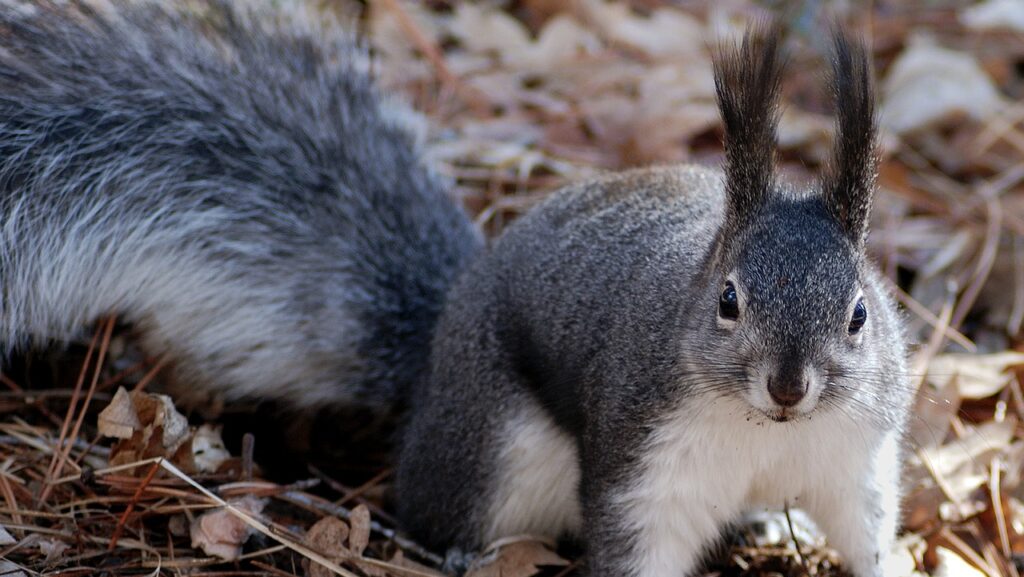
There are a variety of weapons you can use when hunting squirrels. Here is a pretty thorough list from the Kentucky Department of Wildlife:
The legally permitted types of guns and calibers for squirrel hunting in Kentucky include:
- Rimfire rifle or rimfire handgun, with the most popular rimfire rifle being a .22 caliber.
- .410 gauge handgun, which uses a shotgun shell.
- Muzzleloading or breech-loading shotgun that is no larger than a 10 gauge. Breech-loading shotguns must be plugged to not hold more than three shells.
- Muzzleloading rifle.
- Archery and crossbow equipment.
- Air guns with pellets from a .177, .20, .22, or .25 caliber.
- Slingshots with manufactured hunting ammunition specifically designed for slingshots.
It’s important for hunters to comply with any additional regulations, especially concerning the use of non-toxic shot in some public lands, and ensure their equipment meets the state’s legal requirements for hunting squirrel.
Kentucky Squirrel: Public vs. Leased Lands
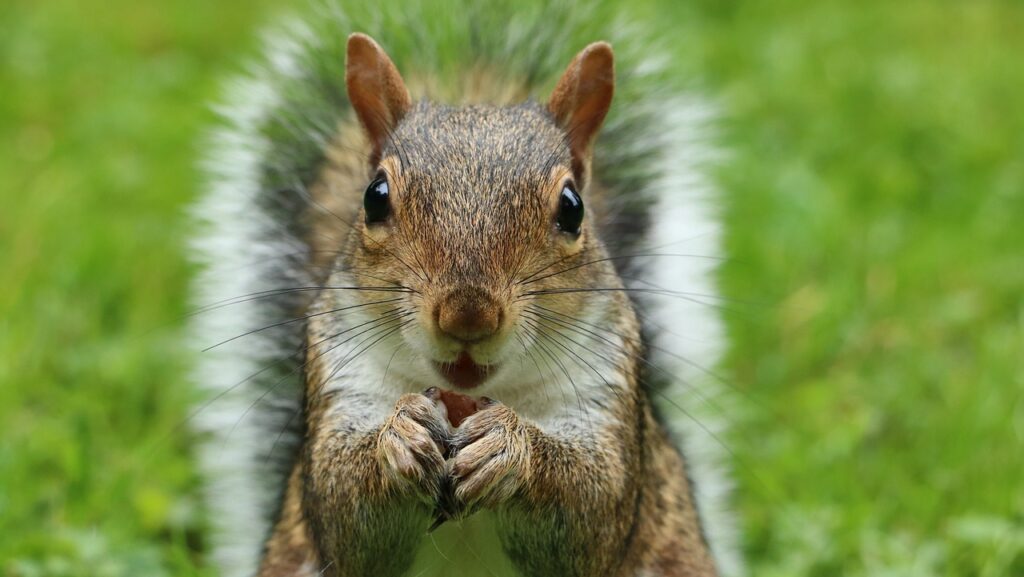
Kentucky’s got squirrels aplenty, and whether you hunt public land or snag a lease, there’s a bushytail with your name on it. Each type of land has its plusses and minuses. Knowing what to expect helps you choose the right spot and get the most out of your hunt.
Public Lands: The Pros and Cons
Kentucky’s full of public spots for squirrel hunters – think National Forests, Wildlife Management Areas, you name it. These are managed by the state or Feds, and anyone with a license can hunt, as long as you follow the rules.
- Easy Access: No extra fees beyond your license and any permits you might need.
- Variety: Public land’s got it all, from thick woods to swampy bottoms – squirrel paradise!
- Rules to Know: Season dates, how many squirrels you can bag, that kind of thing. Do your homework before you head out!
- The Crowds: Public land can get busy, especially opening weekend. Hunt early or mid-week for fewer hunters.
If you’re interested in hunting public lands, we have two resources for you:
- How to Hunt Public Land – a guide to help you be successful hunting with everyone else.
- Public Hunting Land in Kentucky – a thorough list of all the public hunting places in Kentucky.
Leased Lands: Control and Quality
Hunting leases offer exclusive access to private land, often with specific benefits for squirrel hunters. Squirrels could be fed during the off-season so they are plentiful when the hunt begins. While you will cooperate with the property owner, you’re less likely to have to deal with game wardens.
- Reduced Pressure: Leased land sees fewer hunters, offering greater tranquility and potentially better success rates.
- Managed Habitat: Property owners often manage leased properties to improve wildlife habitat, which can boost squirrel populations.
- Privacy: Enjoy a more private experience, ideal for solo hunters or those looking for a family-friendly environment.
- Cost and Commitment: Leasing requires additional fees and often long-term commitments or club memberships.
If you’re most interested in hunting private land, here are a couple helpful spots to get started:
- Hunting Leases in Kentucky – A thorough list of all the different private hunting lands we can find in the Bluegrass State.
- Hunting Lease Agreement – A helpful post to guide you through the process of creating a lease agreement for hunting private land.
The Right Choice for You
The decision between public or leased land depends on your individual needs and approach to hunting. You could even do both in a single hunting season. Here are a few things to help you decide:
- Hunting Style: For solo hunters seeking a controlled environment, leases offer advantages. Public land provides flexibility and greater variety.
- Budget: Public land is a budget-friendly option, while leasing requires more investment. Consider your finances and hunting frequency.
- Research: Do your homework! Investigate public areas and potential leases. Contact wildlife agencies or hunting clubs for details on habitat and success rates.
- Ethics First: No matter where you hunt, respect the land, the wildlife, and other hunters. Ethical practices are essential.
Preparing for the Hunt
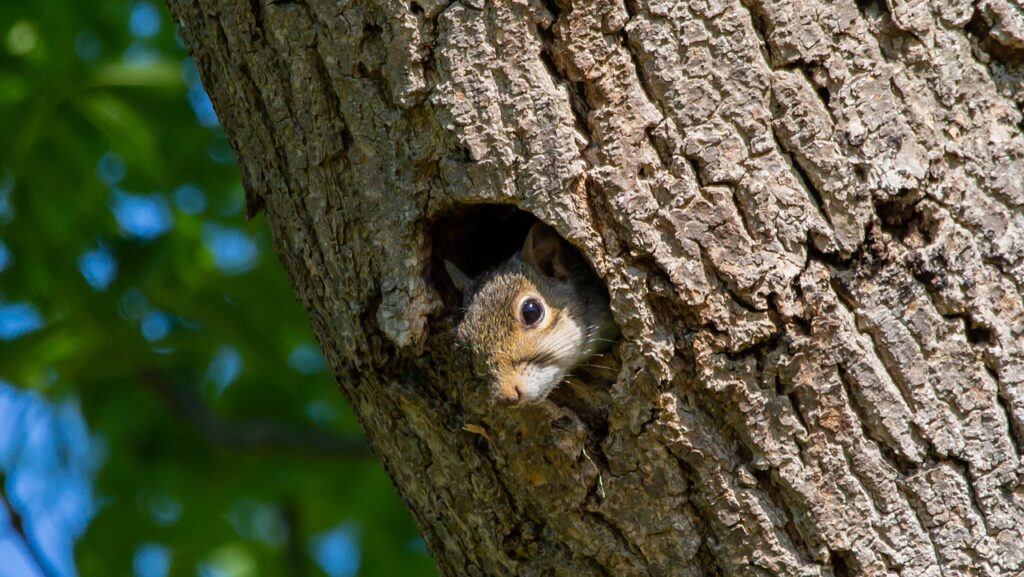
Let’s get you ready to get out amongst the trees and find a few squirrels. We’ll cover the gear you need, weapons to hunt with, and drop a few tips along the way.
Rifle or Shotgun: Choosing Your Squirrel Hunting Weapon
Selecting the ideal firearm for squirrel hunting is an important consideration for Kentucky hunters. Let’s analyze the pros and cons of rifles and shotguns:
Rifles
- Precision: Rifles offer superior accuracy, allowing for well-placed shots with minimal meat damage.
- Range: A rifle’s effective range often exceeds that of a shotgun, valuable in open terrain.
- Tradition: Rifles hold a special place in the tradition of Kentucky squirrel hunting.
Shotguns
- Ease of use: The wider shot pattern can be more forgiving, particularly for less experienced hunters.
- Close-range effectiveness: Shotguns excel in dense cover where targets are close.
- Versatility: Different shotgun loads and shot sizes offer adaptability for various hunting scenarios.
The Verdict
Both rifles and shotguns are effective tools for squirrel hunting in Kentucky. Skill, personal preference, and hunting conditions all play a role in the optimal choice.
Gearing Up: Tools of the Trade
Success in the squirrel woods hinges on having the right equipment. Fox squirrels and the dominant gray squirrel are clever and quick. So you’re going to need the best gear to bag your limit. Let’s break down your options:
Ammo
- Rifles: Hollow-point .22LR rounds are the standard. They deliver accuracy and stopping power while minimizing the risk of ricochets.
- Shotguns: #4 to #6 shot sizes strike a balance, ensuring a clean harvest without excessive damage to the meat.
Alternative Methods
- Air Rifles: These are gaining popularity for their precision and quiet operation, making them ideal in some situations.
- Falconry: For the truly adventurous, falconry offers a unique and challenging way to take part in the squirrel hunting tradition (Remember, permits are required!).
Beyond the Bang: Stealth Essentials
Squirrels see well, so blend in and move slow!
- Camo: Pick a pattern that matches the woods where you’ll be hunting.
- Slow and Steady: Quiet movements are key. Ditch the crunch and take your time – you’ll spot more squirrels!
Where the Squirrels Roam: Kentucky’s Top Spots
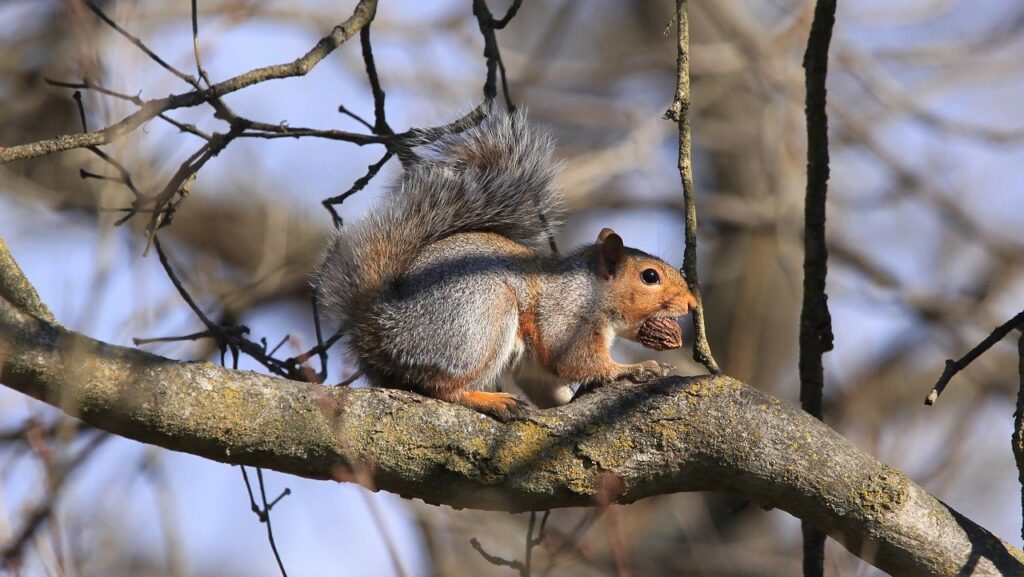
Kentucky is a squirrel hunter’s paradise, but where should you go? Let’s break down some prime locations:
- Daniel Boone National Forest: This massive forest, spanning over 700,000 acres across multiple counties, is a squirrel stronghold. Seek out those oak and hickory groves within its borders for the best action. Head towards Red River Gorge or Cave Run Lake and you won’t be disappointed!
- Land Between the Lakes National Recreation Area: Straddling the border with Tennessee, LBL offers over 170,000 acres of woods and fields crawling with squirrels. Check out the areas near Kentucky Lake and Lake Barkley for a mix of mature forest and open areas – perfect squirrel territory.
- Jefferson Memorial Forest: Need a quick squirrel fix near Louisville? This 6,000+ acre forest is the answer! Don’t let its location fool you, there are plenty of bushytails within its borders.
- Big South Fork National River and Recreation Area: Feel like a challenge? This spot near the Tennessee border offers stunning scenery and rugged terrain. Look for squirrels along the cliffs, deep gorges, and thick forests – those tough squirrels will test your skills!
Pro Tip: Squirrels Love Nuts! When choosing a spot within these areas, follow their food. Oaks, hickories, and beech trees are squirrel magnets. Early season? Hunt where those leaves are still thick – squirrels don’t like being out in the open until the forest floor is covered in tasty treats.
Squirrel Hunting Guide
Kentucky’s woods are teeming with squirrels, but these bushy-tailed bandits are crafty creatures. Here are some key tactics to outsmart them and bag your dinner:
- Become One with the Woods: Ditch the noisy stomping – squirrels have excellent hearing. Move slowly, stop frequently, and use natural cover to conceal yourself. Think quiet steps, hushed clothing, and strategically placed branches.
- Listen Like a Fox: While sight is important, a keen ear is a squirrel hunter’s secret weapon. Their tiny claws cause tell-tale scratches on bark as they climb, and their chatter can reveal their location. Focus on these sounds to pinpoint where the squirrels are hiding.
- Patience is a Virtue: Don’t expect squirrels to come bounding out the moment you arrive. Find an area rich in squirrel sign, like chewed nuts or feeding trails, then settle in quietly against a tree. Squirrels are creatures of routine, and they’ll likely return to these spots eventually, offering a perfect shot opportunity.
- Speak the Squirrel Language: Curious by nature, squirrels can be lured in with specialized calls. Master the “distress call” that mimics a frightened squirrel – it can bring them closer for a clean shot. Just remember, practice makes perfect – you don’t want to scare them off with an awkward squawk!
- Timing is Everything: Squirrels are most active during the first and last light of the day, known as the “golden hours.” These twilight periods offer the best chance to spot them moving between their dens and food sources. Additionally, after the first frost hits, squirrels become more active throughout the day in search of food before winter arrives. Adapt your hunting times accordingly.
- Gear Up for Success: The right equipment enhances your experience and chances of success. Wear camouflage that blends into the local environment. A comfortable stool or seat allows for patient waiting without unnecessary fatigue. And of course, don’t forget a sturdy game bag to properly store your harvest.
- A Shot for the Books: For clean kills and minimal meat damage, a well-placed shot from a rimfire rifle like a .22 LR is ideal. Expert hunters recommend aiming for the head – a headshot ensures a quick harvest and allows you to utilize more of the meat.
- Adapt Your Tactics: Seasonality plays a big role. In dense woods with leaves still on the trees, use binoculars to scan for movement. Once the leaves fall, squirrels become more visible but also more cautious. This is when the accuracy and range of your rimfire rifle become crucial.
By mastering these squirrel-specific strategies and using the right gear, you’ll be well on your way to a successful and enjoyable Kentucky squirrel hunting adventure.
Beyond the Hunt
After you’ve bagged a squirrel – or hit your season count, it’s time to do something with them. Squirrel is tasty. People have eaten them for hundreds or thousands of years. So, with a little knowledge of how to process one, you’ll be ready to drop a squirrel into your pan in no time.
Skinning and Gutting a Squirrel
- Start with a sharp knife, utility snippers, and a clean work surface. It’s also helpful to have a container of water nearby.
- Cut off the squirrel’s feet, tail, and head using the snippers or a heavy knife. This creates an opening to begin removing the skin.
- Make an incision through the skin around the center of the squirrel’s back. Use your fingers to grip the loose skin and pull it down, separating the skin from the meat.
- Continue pulling the skin down, working it off the legs and body. The skin will be tightly attached in some areas, so you may need to use the knife to carefully cut it free.
- Once the skin is removed, make a shallow incision down the center of the belly to expose the internal organs. Reach in and remove the guts, being careful not to puncture the intestines.
- Remove the rib cage and any remaining internal organs or connective tissue. The squirrel can now be cut into 5 pieces – the 4 legs and the ribless back.
Tips for Cleaning the Meat
- Soaking the squirrel in water before skinning helps keep the hair off the meat.
- Using a small butane torch to singe off any remaining hair can also help clean the meat.
- Rinsing the meat under cold water and wiping with a damp towel can further remove any residual hair or debris.
Want to see the process? Check out this video:
Cooking the Squirrel
With the squirrel cleaned and portioned, it is now ready to be cooked. Popular recipe ideas include:
- Cider Braised Squirrel
- Braised Squirrel with Bacon, Mushrooms, and Pinot Noir
- Instant Pot Squirrel
- Buttermilk Fried Squirrel
The key is to treat squirrel meat similarly to rabbit, as it is a lean, flavorful small game meat that benefits from moist cooking methods like braising or frying to keep it tender and juicy.
Frequently Asked Questions
Is squirrel hunting season popular in Kentucky?
Yes, squirrel hunting is one of the most popular small game hunting activities in Kentucky, offering accessible, challenging, and rewarding experiences for hunters of all ages.
Can you eat squirrel meat?
Absolutely. Squirrel meat is lean, tasty, and versatile. It can be used in various recipes, from stews and soups to fried dishes, and provides an excellent source of wild game protein.
What are the main threats to squirrels in Kentucky?
Habitat loss, disease, and predation are the primary threats to squirrel populations. However, careful management and conservation efforts help to mitigate these threats and maintain healthy populations.
Do I need a special license to hunt squirrels in Kentucky?
Hunters need a valid Kentucky annual hunting license to hunt squirrels. There are specific licenses for residents and non-residents, and youth hunters may get an annual youth hunting license. Always check the latest regulations before the season starts.
Conclusion
Kentucky’s got squirrels, Kentucky’s got land – that’s a recipe for hunting success! Whether public forests or a managed lease are your style, you’ll find the perfect spot to test your aim, connect with nature, and maybe even snag dinner. Need more guidance? Visit the pros at Hunting Locator. They’ll help you find prime squirrel territory and make the most of your Kentucky hunting adventures.


I am a wildlife rehabber and find it appalling that there is so much excitement around the murdering of squirrels! Please note these creatures were urbanized by us humans, as we were much closer to nature in past times. Also note that squirrels are extremely humanistic and surprisingly intelligent! If it were not for speeding cars and hunters, they could live for many many years!
When you kill a female squirrel starting in August, you are also killing its young. These guys are amazing mothers. In captivity they can live for up to 20 years!
Please consider loving nature instead of killing, eating or using as some sort of trophy. Much love 💚🐿️💚
Hi Amy,
Thanks for the comment! We’re huge fans of hunting, obviously, but we also really believe in ethical hunting. So we encourage hunters to follow all the regulations and practices of ethical hunting. This includes maintaining bag limits, following season dates, and killing animals humanely.
I know this won’t change your mind or ease your concerns. But I want you to know we’re not in favor of reckless hunting that destroys habitat or damages game populations. We follow the recommendations of the Kentucky Department of Fish & Wildlife.
“Specifically, the 2024 squirrel season in Kentucky will be open from August 17, 2024 through February 29, 2024.”
I think it’s neat that time runs backwards in Kentucky! And if you don’t understand the joke, you’re probably from Kentucky
Hi! Thanks for the lighthearted correction. I’ve updated the dates now.
I’m not from Kentucky but did live in London and Lexington for about six years. 🙂