- Season Dates & Licensing: Essential information on hunting periods and necessary licenses.
- Legal Hunting Practices: Guidelines for ethical and lawful hunting in Louisiana.
- Species-Specific Regulations: Detailed rules for popular game like white-tailed deer and waterfowl.
As we navigate these regulations, you’ll gain valuable insights to ensure your Louisiana hunting experience is both enjoyable and compliant with state laws. Let’s dive into the specifics and prepare you for a successful hunting season.
Introduction to Louisiana Hunting
Louisiana, with its rich ecosystems ranging from dense forests to expansive wetlands, offers a diverse hunting experience for enthusiasts. The state is particularly renowned for its abundance of migratory game birds, attracting hunters from across the country. Species such as ducks, geese, and doves provide thrilling hunting opportunities, especially during their peak migratory seasons. These birds, governed by both state and federal regulations, require hunters to be mindful of specific guidelines, including bag limits and designated hunting zones.
When it comes to game animals, Louisiana’s regular season is a time of excitement and anticipation for hunters. The state boasts a variety of game animals including white-tailed deer, wild turkeys, and feral hogs, each offering a unique hunting experience. The regular season, organized by the Louisiana Department of Wildlife and Fisheries, ensures sustainable hunting practices while maximizing the enjoyment and success of hunters.
General Louisiana Hunting Regulations
Louisiana’s hunting scene, celebrated for its rich variety and tradition, demands a keen understanding of its comprehensive regulations. You’ll need more than just a gun and a hunting license, though. These guidelines not only ensure sustainable wildlife populations but also guarantee a safe and fair hunting experience. Here’s a concise overview of some general regulations:
- Daily Bag Limits: For many species, including game birds and animals, Louisiana enforces daily bag limits to promote sustainable hunting practices. These limits vary by species and are critical to maintaining healthy wildlife populations.
- Transporting Deer: Hunters must follow the regulations to transport deer. In Louisiana these are stringent to prevent the spread of diseases like Chronic Wasting Disease. Hunters must follow specific guidelines for processing and transporting deer carcasses.
- Wild Bird Protection: Hunting of non-game wild birds is strictly prohibited, ensuring the preservation of Louisiana’s diverse bird populations outside of designated hunting species.
- Closed Seasons: To protect wildlife during critical periods of their life cycles, closed seasons are enforced for various species. Adhering to these closed periods is vital for conservation efforts.
- Duck Seasons: While migratory game birds like mottled duck have specific seasons set to align with their migration patterns, larger game species also have well-defined regular seasons to balance hunting opportunities with wildlife conservation.
In the following sections, we will explore more detailed regulations surrounding specific species, hunting methods, and safety protocols. This deeper dive will equip hunters with the knowledge necessary for a successful and responsible hunt in Louisiana’s unique wilderness.
Hunter Education Certification Requirements
Louisiana places a strong emphasis on mandatory hunter education and safety. Anyone born on or after September 1, 1969, is required to complete a hunter education program before they can legally hunt in the state.
Every approved hunter education course covers a range of topics, including firearm safety, wildlife management, ethics, and survival skills. The course aims to reduce hunting accidents and violations, promote safe hunting practices, and enhance the understanding of Louisiana’s hunting heritage. Upon completion, hunters receive a certification that is recognized across many states, facilitating hunting activities beyond Louisiana’s borders. The hunter education program is a testament to Louisiana’s commitment to responsible and sustainable hunting practices.
Specific Hunting Information, Compliance, and Land Access
Now we’ll cover some more specific information about the different seasons, bag limits, and how to hunt lawfully in Louisiana.
Hunting Seasons and Game Limits
Louisiana carefully balances wildlife conservation with hunting interests through well-structured hunting seasons. Each game species has specific dates that may vary by region and hunting method. For enhanced clarity, consider these points:
- Deer Seasons: Divided into archery, primitive firearms, and regular firearms seasons, with each having distinct dates.
- Waterfowl, Turkey, and Small Game: Each has unique seasons, reflecting their ecological patterns.
- Regional Variations: Hunters should be aware of differences in season dates across various Louisiana regions.
- Bag Limits: These are crucial to prevent overharvesting. For example, deer have a different seasonal limit compared to ducks. There are limits for antlerless per season, buck seasons, and other bag limits for deer hunters.
Adhering to these dates and limits is not only legal but also an ethical responsibility. Understanding the reasoning behind these regulations, like protecting species during breeding or migration, helps in appreciating their importance.
Always check for the latest updates to ensure compliant and successful hunting ventures in Louisiana.
We’ve got a post covering all the important dates for the Louisiana Hunting Season. Want something other than deer? Check out these resources:
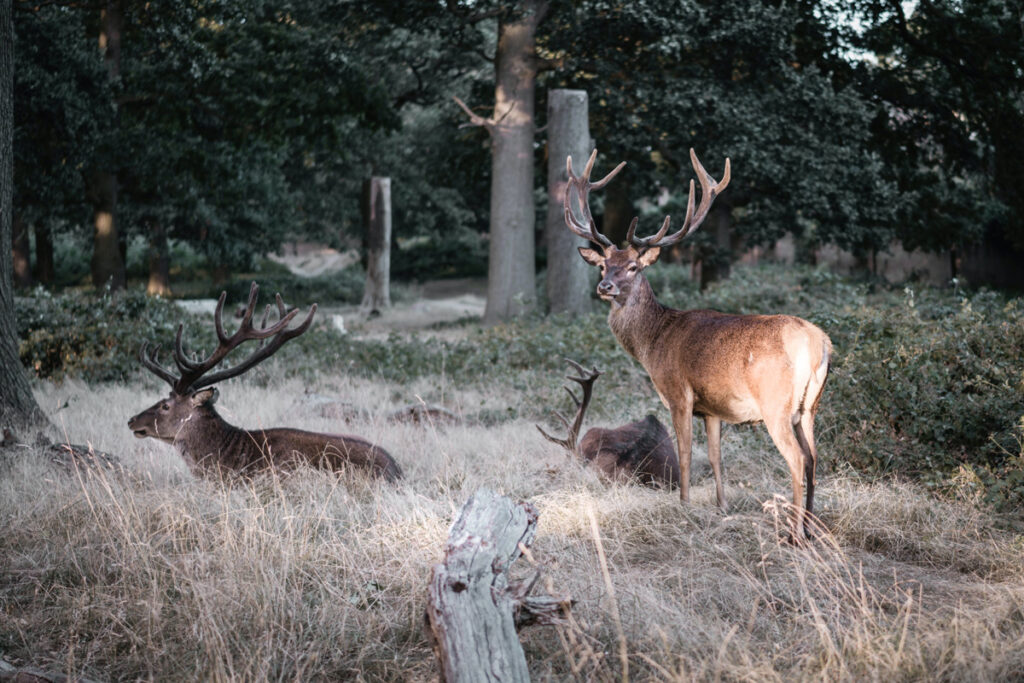
Deer are the most popular animals to hunt. Here are the significant dates for deer hunting in Louisiana:
| Area | Archery Hunters | Primitive Firearms | Firearms Deer Season (Still-Hunt only) | Firearms (With or WIthout Dogs) | Youth and HonorablyDischarged Veterans Season |
| 1 | Either Sex:October 1 – January 31 | Either Sex:November 11-17January 22-31 | Either Sex:November 18 – December 8January 8-21 | Either Sex:December 9 – January 7 | Either Sex:October 28 – November 3 |
| 2 | Either Sex:October 1 – January 31 | Either Sex:October 21-27January 15-21 | Either Sex:October 28 – December 5 | Either Sex:December 6- January 14 | Either Sex:October 14-20 |
| 3 | Either Sex:September 16 – January 15 | Either Sex:October 14-20January 1-7 | Either Sex:October 21 – November 26 | Either Sex:November 27 – December 31 | Either Sex:September 23-29 |
| 4 | Either Sex:October 1 – January 31 | Either Sex:November 11-17January 22-31 | Either Sex:November 18 – December 8January 8-21 | Either Sex:December 9 – January 7 | Either Sex:October 28 – November 3 |
| 5 | Either Sex: (unless a Bucks Only Firearms Season is in progress) October 16 – February 15Bucks Only: October 1-15 | Either Sex: November 11-17 Bucks Only: January 22-31 | Either Sex: November 18-19 November 24-26 Bucks Only: November 20-23 November 27 – December 8 | Either Sex:December 9-10December 16-17 Bucks Only:December 11-15December 18 – January 21 | Either Sex:October 28 – November 3 |
| 6 | Bucks Only:October 1-15 Either Sex:October 16 – February 15 | Either Sex:November 11-17January 22-31 | Either Sex:November 18 – December 8 | Either Sex:December 9 – January 21 | Either Sex:October 28 – November 3 |
| 7 | Either Sex:September 16 – January 15 | Either Sex:October 14-20January 1-7 | Either Sex:October 21 – November 26 | Either Sex:November 27 – December 31 | Either Sex:September 23-29 |
| 8 | Either Sex:September 16- January 15 | Either Sex:October 14-20January 1-7 | Either Sex:October 21 – November 26 | Either Sex:November 27 – December 31 | Either Sex:September 23-29 |
| 9 | Either Sex:(unless a Bucks Only FirearmsSeason is in progress)October 16 – February 15 Bucks Only:October 1 – 15 | Either Sex:November 11-17 Bucks Only:January 22-31 | Either Sex:November 18-19November 24-26 Bucks Only:November 20-23November 27 – December 8 | Either Sex:December 9-10December 16-17 Bucks Only:December 11-15December 18 – January 21 | Either Sex:October 28 – November 3 |
| 10 | Either Sex:September 16 – January 15 | Either Sex:October 14-20January 1-7 | Either Sex:October 21 – December 31 | Either Sex:September 23-29 |
DAILY BAG LIMITS: 1 antlered and1 antlerless (when legal)
POSSESSION LIMIT: 6 per season, not to exceed 3 antlered OR 4 antlerless per season EXCEPT Deer Area 4 limit 3/season (not to exceed 2 antlered or 2 antlerless deer), and Deer Area 10 limit 3/season (not to exceed 2 antlered or 2 antlerless deer).
Wildlife Management Areas (WMAs)
Wildlife Management Areas (WMAs) in Louisiana offer diverse hunting opportunities, each with specific regulations that hunters need to be aware of. Here are some details on a few notable WMAs:
- Sherburne WMA:
- Location: Spanning St. Martin, Iberville, and Pointe Coupee parishes, this WMA is part of the Atchafalaya Basin.
- Regulations: Specific deer hunting seasons, including archery, primitive firearms, and modern firearms seasons. Mandatory check-ins for harvested deer. Waterfowl hunting is popular here, with specific zones and dates.
- Maurepas Swamp WMA:
- Location: Covers Ascension, Livingston, St. John the Baptist, and St. James parishes.
- Regulations: Notable for its waterfowl hunting opportunities. Deer and small game hunting are also available. Special regulations for boat usage and water levels often apply, given its swampy terrain.
- Tunica Hills WMA:
- Location: Located in West Feliciana Parish near the Mississippi border.
- Regulations: Known for its challenging terrain, it’s popular for deer and squirrel hunting. Special regulations for ATV use. Hunters should be aware of specific zones where hunting is allowed.
- Peason Ridge WMA:
- Location: Situated in Sabine, Natchitoches, and Vernon parishes.
- Regulations: This area is known for deer, turkey, and small game hunting. Seasonal access restrictions due to military training exercises on adjacent land.
- Russell Sage WMA:
- Location: Spans Ouachita, Richland, and Morehouse parishes.
- Regulations: Offers deer, waterfowl, and small game hunting. Special rules for waterfowl hunting, including restricted access areas and specific season dates.
General Regulations for Hunting in WMAs:
- Permits: Hunters may require specific WMA permits in addition to their regular hunting licenses.
- Check Stations: Some WMAs require hunters to check in and out at designated stations.
- Bag Limits: Each WMA may have specific bag limits for different game species.
- Season Dates: WMAs often have unique season dates that can differ from statewide seasons.
- Legal Weapons: Restrictions on the types of weapons that can be used during certain seasons.
- Safety Requirements: Including mandatory hunter orange clothing during certain seasons.
Hunters should always check the latest regulations and updates from the Louisiana Department of Wildlife and Fisheries (LDWF) before planning their hunting trips to these areas.

Public Access Lands for Hunting in Louisiana
Louisiana offers a variety of public lands for hunting, including National Forests, Wildlife Management Areas (WMAs), and other public hunting areas. These lands provide excellent opportunities for hunters to pursue a range of game species. However, it’s important to be aware of the specific regulations that govern hunting in these areas.
Key Types of Public Access Lands
- National Forests:
- Louisiana has several National Forests, like Kisatchie National Forest, offering diverse ecosystems for hunting.
- Regulations: Follow both state and federal regulations. Specific zones within the forests may have different hunting season dates and bag limits.
- Wildlife Management Areas (WMAs):
- Managed by the Louisiana Department of Wildlife and Fisheries (LDWF), these areas have specific rules for hunting different game species.
- Regulations: May include special permits, check-in requirements, and specific WMA season schedule dates.
- State Public Hunting Areas:
- These include state parks and reserves where hunting is permitted.
- Regulations: Often have specific rules about the types of game that can be hunted, hunting methods allowed, and hunter capacity limits.
General Regulations for Public Land Hunting
- Licensing: Hunters must have the appropriate Louisiana hunting license and any required permits or stamps for the specific game they are pursuing.
- Hunter Education: Hunters born after September 1, 1969, must complete a Hunter Education Course to hunt on public lands.
- Bag Limits and Seasons: Adherence to specified bag limits and season dates is mandatory. These can vary significantly across different public lands.
- Safety Regulations: In many areas, especially during firearm seasons, hunters are required to wear hunter orange for safety.
- Firearm and Equipment Regulations: Some areas restrict the use of certain types of firearms or hunting equipment.
- Access Restrictions: Some areas may have access restrictions due to wildlife preservation efforts or for safety reasons during specific times of the year.
- Respect for Land and Wildlife: Hunters are expected to follow ethical hunting practices, including respecting the land, not littering, and adhering to fair chase principles.
Importance of Staying Informed
- Regulations can change, and areas may have temporary closures or restrictions.
- Hunters should consult the LDWF website or contact local LDWF offices for the latest information on public hunting lands and regulations.
- It’s also advisable to check local weather conditions and terrain challenges before planning a hunt.
By understanding and adhering to these regulations, hunters can enjoy a safe and successful hunting experience on public hunting land in Louisiana.
Hunting on Private Land in Louisiana
Hunting on private land in Louisiana offers distinct advantages compared to public lands, and services like Hunting Locator can play a pivotal role in enhancing this experience. Here’s an overview of why hunters might prefer private land and how Hunting Locator can assist in securing leases for these lands.
Advantages of Hunting on Private Land
- Reduced Crowding: Unlike public lands, private hunting areas often see less hunting pressure. This can lead to a more serene and solitary hunting experience.
- Quality Game Management: Private lands often have more controlled game management practices, leading to healthier and more abundant wildlife populations.
- Flexibility in Hunting: Private lands may offer more flexible hunting dates and fewer restrictions on hunting methods, allowing for a customized hunting experience.
- Enhanced Safety: With fewer hunters in the area, private lands can offer a safer hunting environment, particularly in densely wooded or challenging terrains.
- Conservation Benefits: Hunting on private land often supports land conservation efforts, as landowners use the income from leases to maintain and preserve the wildlife habitat.
How Hunting Locator Can Help
Hunting Locator specializes in connecting hunters with private land leases. Their platform offers several benefits:
- Wide Selection: Access to a variety of hunting leases in Louisiana, tailored to different hunting preferences and budgets. Check out the hunting leases in Louisiana for more information.
- Ease of Use: Their service simplifies the process of finding and securing a hunting lease, making it accessible even for those new to private land hunting.
- Legal Assistance: Hunting Locator provides resources like a hunting lease agreement template, which is crucial for legally binding arrangements between landowners and hunters.
- Community and Support: They offer a community platform where hunters can share experiences, tips, and advice about hunting on private lands.
While public lands are a great resource for hunters, private lands offer unique advantages that can greatly enhance the hunting experience. Services like Hunting Locator streamline the process of finding and leasing these private lands, ensuring a more enjoyable and successful hunt. Whether you’re a seasoned hunter or new to the sport, considering private land hunting in Louisiana is definitely worth exploring.
Hunting Licenses, Permits, and Tags in Louisiana
Navigating the licensing and permitting requirements for hunting in Louisiana can be complex. Below is a more detailed breakdown to help hunters understand what is needed for a lawful and successful hunting experience:
| License/Permit Type | Required For | Who Needs It | Includes/Additional Info |
| Basic Hunting License | General hunting | Hunters aged 16 to 59 | Hunting of small game and waterfowl |
| Senior Hunt/Fish License | Senior residents | Louisiana residents aged 60+ | Basic hunting privileges |
| Youth Hunting License | Young hunters | Hunters aged 15 and under | Basic hunting privileges |
| Big Game License | Hunting big game | All hunters (in addition to Basic License) | Required for hunting deer, turkey, bear |
| Deer Tags | Deer hunting | Deer hunters | Required for each deer harvested; issued with Big Game License |
| Turkey Tags | Turkey hunting | Turkey hunters | Required for each turkey harvested |
| WMA Permit | Hunting in WMAs | Hunters aged 16 and older | Required for hunting on Wildlife Management Areas |
| Federal Duck Stamp | Waterfowl hunting | Hunters aged 16 and older | Required for hunting waterfowl; available at post offices |
Additional Information:
- Purchase Options: Licenses and permits can be purchased online via the LDWF website or in-person at authorized local vendors.
- Carrying Requirement: Must be carried at all times while hunting (digital format allowed).
- Penalties for Non-Compliance: Fines and legal consequences.
- Contribution to Conservation: Fees contribute to wildlife conservation and habitat preservation.
- Renewal: Most licenses and permits require annual renewal. Check expiry dates to ensure validity.
These can be daunting to keep track of, but a simple checklist will help you ensure you’re covered for every license and regulation.
Ethical Hunting Practices
Ethical hunting practices are at the core of Louisiana’s hunting culture. These practices include respecting wildlife, following fair chase principles, and adhering to all hunting regulations. Hunters are encouraged to take only shots that ensure a quick and humane harvest and to make every effort to retrieve and use all game taken. Ethical hunters also respect private property, leave no trace while in the field, and share their knowledge and skills with new hunters.
By practicing ethical hunting, individuals contribute to the positive image of hunting and ensure its future for generations to come.
Frequently Asked Questions
What are the age requirements for hunting in Louisiana?
Hunters of all ages can participate, but those under 17 need a Youth Hunting License. Additionally, hunters born on or after September 1, 1969, must complete a hunter education course.
Can I use electronic calls while hunting in Louisiana?
The use of electronic calls is allowed for hunting deer, turkey, quail, dove, and other legal game species. The use of electronic calls is prohibited in certain areas, including National Wildlife Refuges, state parks, and some WMAs. Hunters must have a valid hunting license and be in compliance with all other hunting regulations.
Are there any restrictions on hunting methods in Louisiana?
Yes, certain hunting methods, like baiting or the use of artificial lights, are restricted or prohibited for some species. Always check the latest regulations for details.
What should I do if I harvest a deer?
Certified hunters must tag the deer immediately after harvest and report it through the Louisiana Department of Wildlife and Fisheries’ harvest reporting system.
Is blaze orange clothing required while hunting in Louisiana?
Here are the hunter orange regulations for Louisiana:
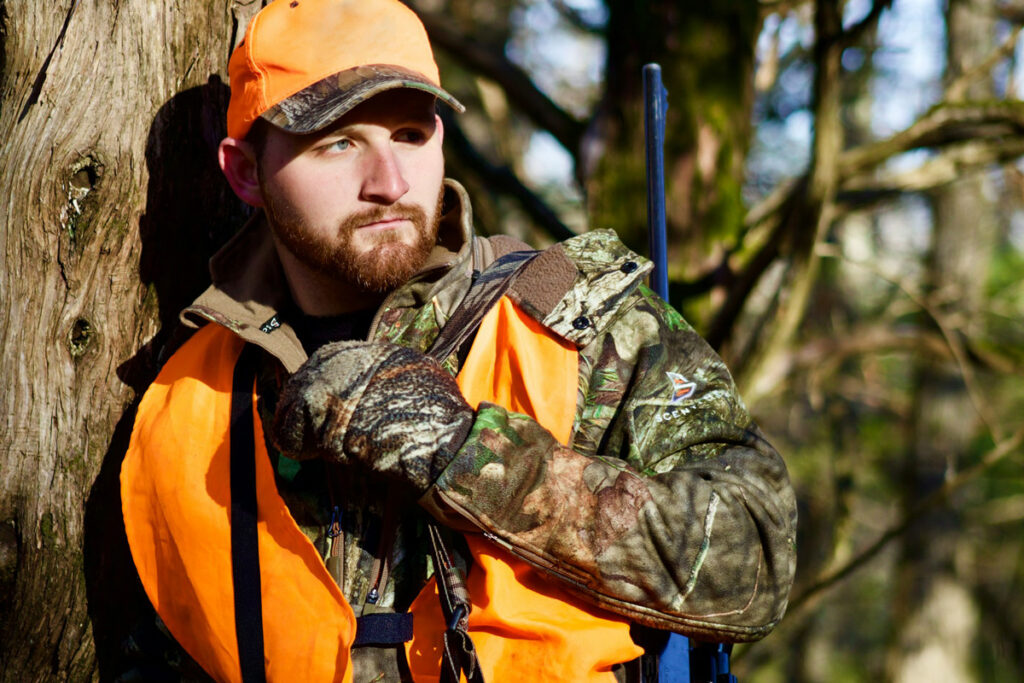
All hunters (including archers and small game hunters), except waterfowl hunters and mourning dove hunters on Wildlife Management Areas (WMAs), must display 400 square inches of “Hunter Orange” or “Blaze Pink.”
Additionally, they are required to wear a “Hunter Orange” or “Blaze Pink” hat or cap during open firearms seasons for deer.
This requirement also extends to quail and woodcock hunters and those participating in special dog seasons for rabbit, squirrel, and feral hogs, who must wear at least a “Hunter Orange” or “Blaze Pink” hat or cap.
Conclusion and Responsible Hunting
In conclusion, understanding and adhering to Louisiana’s hunting regulations is crucial for the sustainability of wildlife populations and the safety of all involved. These regulations, designed by wildlife experts, help ensure that hunting remains a responsible and ethical activity that can be enjoyed by future generations. As a hunter in Louisiana, you play a vital role in wildlife conservation and the stewardship of natural resources.
Remember, responsible hunting goes beyond following the law. It encompasses a respect for nature, ethical behavior in the field, and a commitment to wildlife management and conservation. By embodying these principles, hunters contribute positively to the environment and the rich hunting heritage of Louisiana.
By staying informed, practicing safe and ethical hunting, and sharing your knowledge with others, you help preserve the tradition of hunting in Louisiana for years to come.