
Introduction to Turkey Hunting in Texas
Turkey hunting in Texas is just one of the many types of hunting that the state is famous for. You can find many turkey species in the Lone Star State, but in the Texas Hill Country, the Rio Grande turkey is the most well-known. A typical day turkey hunting will have hunters go on wild Rio Grande turkey hunts.
The Tradition and Thrill of Turkey Hunting in Texas
Turkey hunting in Texas is more than a mere sport; it’s a cherished tradition echoing across generations. It’s not just tracking a bird; it’s a connection to Texan hunting history, a ritual blending skill and reverence for wild spaces. The excitement of these turkey hunting trips isn’t solely in the hunt’s success but in being part of a timeless legacy. Texas turkey hunting intertwines tradition and exhilaration, resonating through rugged terrains and endless skies.
Understanding Texas’s Turkey Population
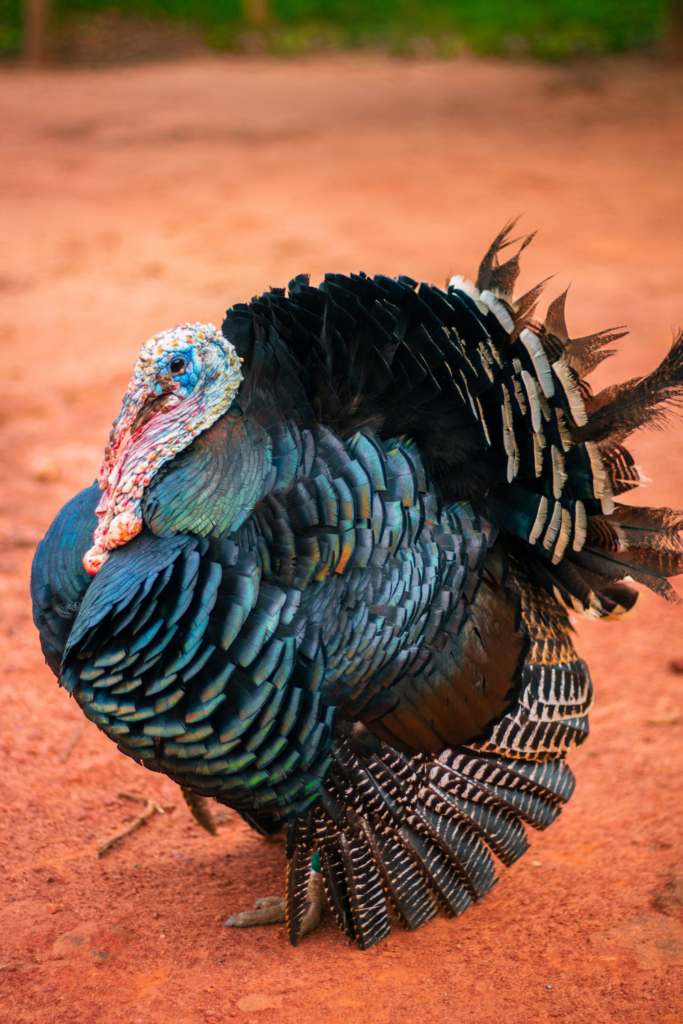
In Texas, the Rio Grande Turkey is a prominent player in the wild turkey scene, matching the size of its Osceola counterpart. Big toms stand tall at 36 inches and weigh around 20-23 lbs, while hens are 28-30 inches in height and tip the scales at 12 lbs.
Sporting copper-colored tail feathers with yellowish-tan tips, these turkeys are a sight to behold. With an impressive wild turkey population exceeding 600,000, Texas is a prime spot for turkey hunts.
Navigating Texas Turkey Hunting Regulations
Navigating Texas turkey hunt regulations involves understanding various rules and guidelines. Hunters must be aware of specific bag limits in different counties and use the designated turkey tags while hunting.
Depending on the season and location, there might be restrictions on the type of turkey that can be harvested, requiring hunters to note the kill date on the tag without using ink. For responsible and compliant turkey hunting in Texas, it is mandatory to understand the regulations.
Special Regulations
In certain Texas counties called the Western One-Gobbler Zone, hunters are allowed to harvest only one male turkey (gobbler) per county each year. These counties include Bastrop, Caldwell, Colorado, Fayette, Jackson, Lavaca, Lee, Matagorda, Milam, and Wharton.
Tagging a Wild Turkey
When tagging a wild turkey in Texas, hunters need to follow a very specific set of rules.
Those include:
- using the designated tag and notching the month and date of the kill without using ink.
- reporting the harvest using the My Texas Hunt Harvest app.
- attaching tag securely to the turkey, ensuring it stays undamaged during transport and processing.
- proof of sex needs to stay with the bird until it’s processed.
Proof of Sex
If a hunting season specifies that only gobblers or both gobblers and bearded hens can be taken, hunters need to keep proof of sex for turkeys until it reaches the processor’s home or a processing facility.
For gobblers, proof can be one leg with the spur or a patch of skin with breast feathers and the beard. Bearded hens require a patch of skin with breast feathers and the beard attached.
Mandatory Harvest Reporting
Mandatory turkey harvest reporting in Texas is a crucial step in responsible hunting practices. This is done by using the My Texas Hunt Harvest app. Through this app, hunters log their turkey harvest, ensuring compliance with regulations.
The process involves detailing the date of the kill and, in certain counties, the property name. This way, hunters contribute to valuable wildlife management data, aiding conservation efforts and maintaining sustainable turkey populations.
Turkey Hunting Zones in Texas
There are two primary turkey hunting zones in Texas – the Fall and the Spring hunting zones, in which the rules and regulations of which turkeys hunters can hunt are different. These regulations are put in place to contribute to the sustainable management of the turkey population in Texas.
Fall Turkey Hunting Zones
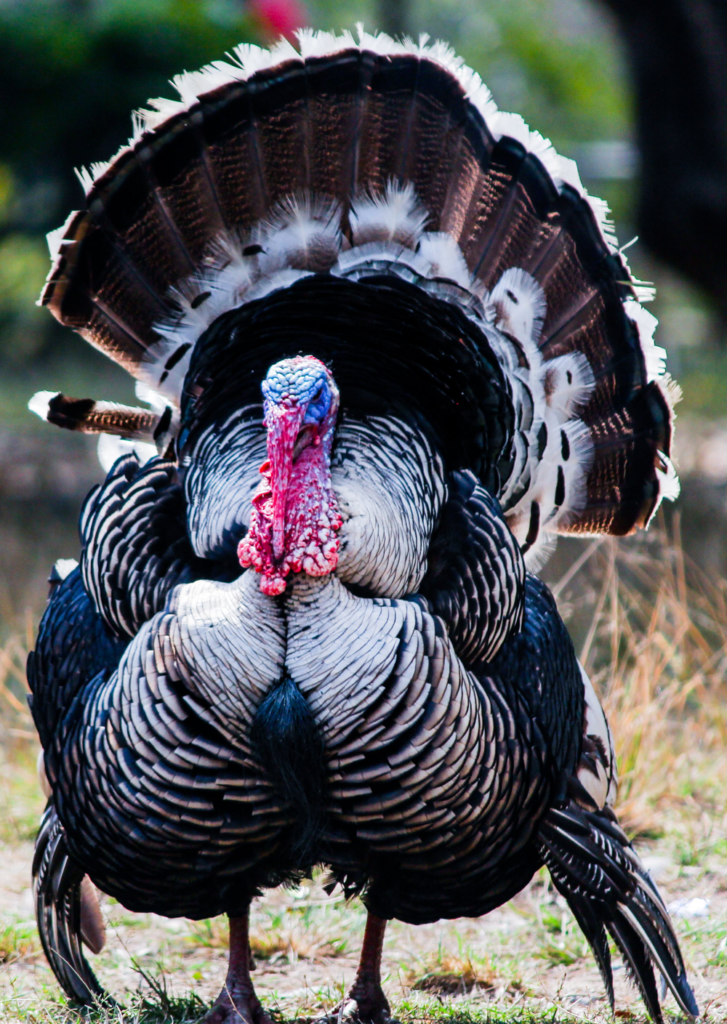
Fall turkey hunting zones in Texas differ from spring hunting zones due to variations in hunting seasons and strategies. Fall hunting zones allow the hunting of both gobblers and hens, while spring zones may have restrictions.
The benefit of fall hunting lies in the opportunity to target both genders, aiding in population control and ensuring a balanced ratio of male and female turkeys. Hunters in these zones can use different strategies, such as calling and scouting for flocks as turkeys prepare for the winter months.
Spring Turkey Hunting Zones
Spring turkey hunting zones are primarily aimed at hunting male gobblers while safeguarding female hens to maintain a healthy turkey population. These zones enforce rules to prevent hunting hens and ensure the turkeys’ long-term sustainability.
This approach benefits by protecting hens during their nesting and breeding seasons, which is essential for the future turkey population.

Texas Turkey Hunting Prices You Need to Consider
Turkey hunting leases in Texas offer a range of lease options.
Short-term leases, like the 1,900-acre Coleman County or 2,200-acre Val Verde County properties, suit weekly turkey hunts for groups.
Annual leases cover larger areas, such as the 10,000-acre Tom Green County property at $16/acre plus feed cost or the 8,300-acre Nolan County at $8,500 per year for the entire ranch.
Shorter hunting lease agreements are available too, with day hunts on a 300-acre Runnels County property for $300 and weekend hunts on a 600-acre San Saba County property.
You can also book as a non-hunting guest.
Not included in the package is the Texas Hunting License (Non-resident Spring Turkey – Type 118 – $126), as well as transportation to ranch.
Texas Turkey Season 2023/2024
As we approach the next hunting season, here are the dates of the specific regions and types of hunters you need to know, before you embark on your hunting journey!
Archery Only Season
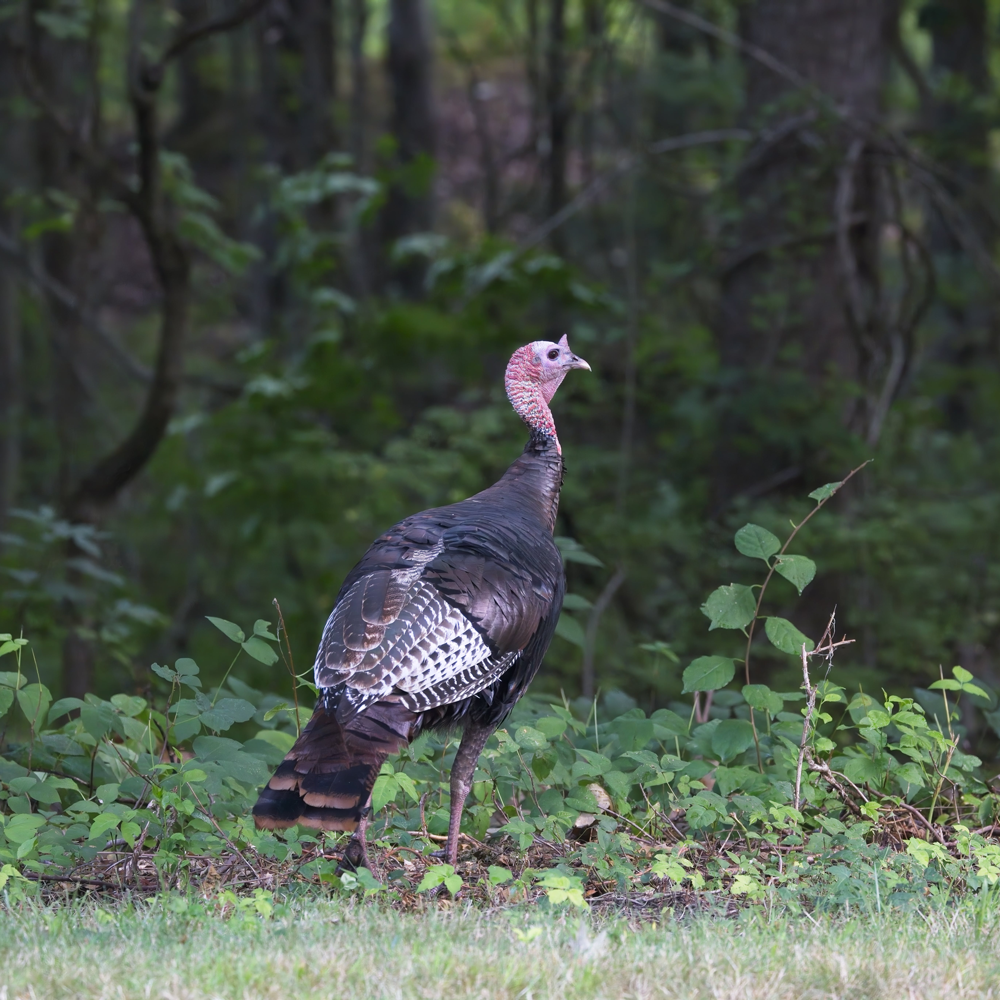
The Archery Only season lasts from September 30 to November 3, 2023. This special season is designated for archery enthusiasts and spans across all counties with an open fall season. It offers a unique opportunity for those skilled in archery to engage in turkey hunting, providing a focused and challenging experience within the specified timeframe and locations.
Youth Only Season
Texas offers exclusive ‘Youth-Only’ turkey hunting seasons in different zones.
Fall season: In both North and South Zones: October 28-29, 2023
For spring season
- North Zone: January 8-21 2024
- South Zone: January 22 to February 4, 2024
For Rio Grande turkeys
- North Zone: March 23-24 and May 18-19, 2024
- South Zone: March 9-10 and May 4-5, 2024
Fall General Season
For late-season turkey hunting in Texas, different zones offer varied hunting periods.
- North Zone: November 4, 2023 – January 7, 2024
- South Zone: November 4, 2023 – January 21, 2024
- Brooks, Kenedy, Kleberg, and Willacy Counties: November 4, 2023 – February 25, 2024
Spring Season
During the spring turkey hunts, distinct zones offer specific hunting periods catering to varied turkey species.
- Rio Grande – North Zone: March 30 – May 12, 2024
- Rio Grande – South Zone: March 16 – Apr. 28, 2024
- Rio Grande – Special 1 Turkey Bag Limit: April 1 – 30, 2024
- Eastern Wild Turkey: April 22 – May 14, 2024
Best Texas Turkey Hunts
Some of the best hunting areas in Texas include the Edwards Plateau, Texas Hill Country, and parts of South Texas. These areas often draw hunters due to their diverse turkey populations and varying landscapes, providing ample opportunities for fall turkey hunting. Let’s see what the differences are!
The Texas Hill Country and Edwards Plateau
The Texas Hill Country and Edwards Plateau serve as prime homes for the Rio Grande Turkey, the largest population found in Texas. These areas, filled with sprawling landscapes, are where these turkeys thrive. Located in central and southern Texas, these regions boast the largest populations of wild turkeys within the state, providing ideal hunting grounds for those seeking the turkey hunting experience.
Cross Timbers and North Texas Regions
The Cross Timbers and North Texas regions in Texas also offer habitats for the Rio Grande Turkey, though in smaller numbers compared to the Hill Country and Edwards Plateau. Spread across parts of central and northern Texas, these areas provide alternative spots for encountering these turkeys, albeit in fewer concentrations.
Conclusion
For those starting out in Texas turkey hunting, this guide is your beginner’s map. It helps you understand the seasons, zones, and different terrains where turkeys roam. From the open fields to the rough landscapes, each spot in Texas holds both tradition and adventure. Following these guidelines sets the stage for an exciting dive into the classic art of turkey hunting in Texas.