Here, you’ll discover:
- Season Dates and Bag Limits: Essential details on hunting periods and limits for various game.
- Zone-Specific Guidelines: Insights into the distinct rules for Alabama’s diverse hunting zones.
- Special Hunting Seasons: Opportunities for youth hunts and unique species seasons.
Let’s dive in!

Overview of Alabama’s Hunting Landscape
Alabama is a hunter’s paradise, known for its abundant animals and great biodiversity. Different types of ecosystems in the state are home to many different kinds of game.
These ecosystems range from the thick woods of the Appalachian mountains to the lush land of the Black Belt region.
Because of this range, Alabama’s shooting seasons are exciting and much-anticipated events. Hunters from all over the country come to Alabama every year because they know they can have a good hunting experience.
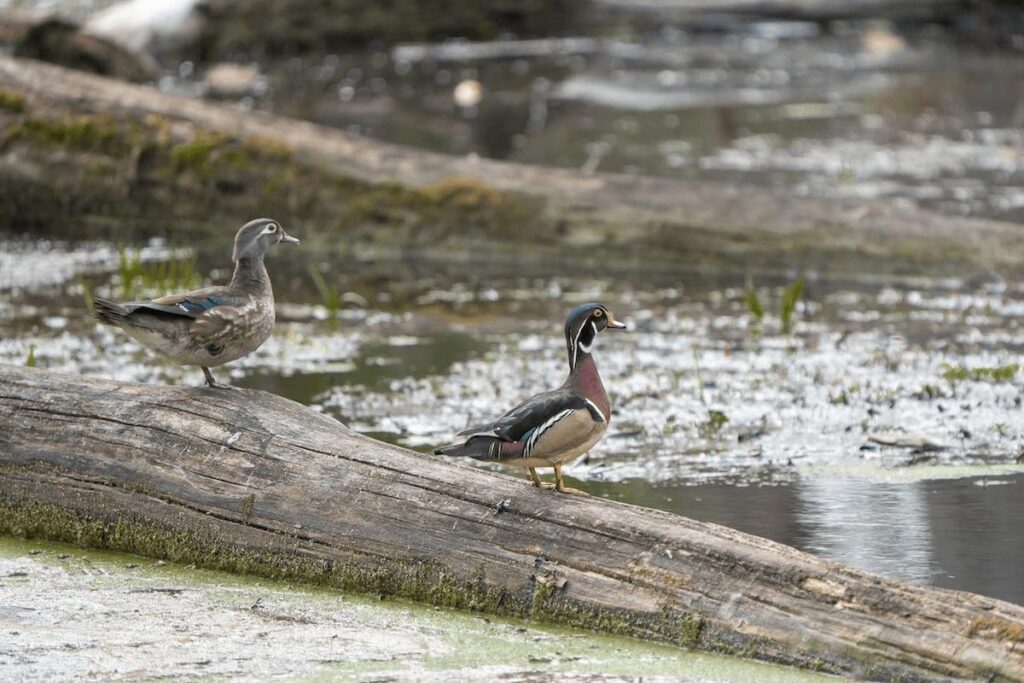
Whether they’re after the hard-to-find white-tailed deer, the feral swine, the tricky Eastern wild turkey, or any of the many small game and birds (like wood ducks) that live in the state, they always come back.
Deer Hunting Season
Deer hunting season is a regulated period when hunters are permitted to pursue and harvest deer in designated areas. The timing and duration of Alabama Whitetail deer hunting seasons vary by region and are typically determined by deer management units.
Season Dates and Zones
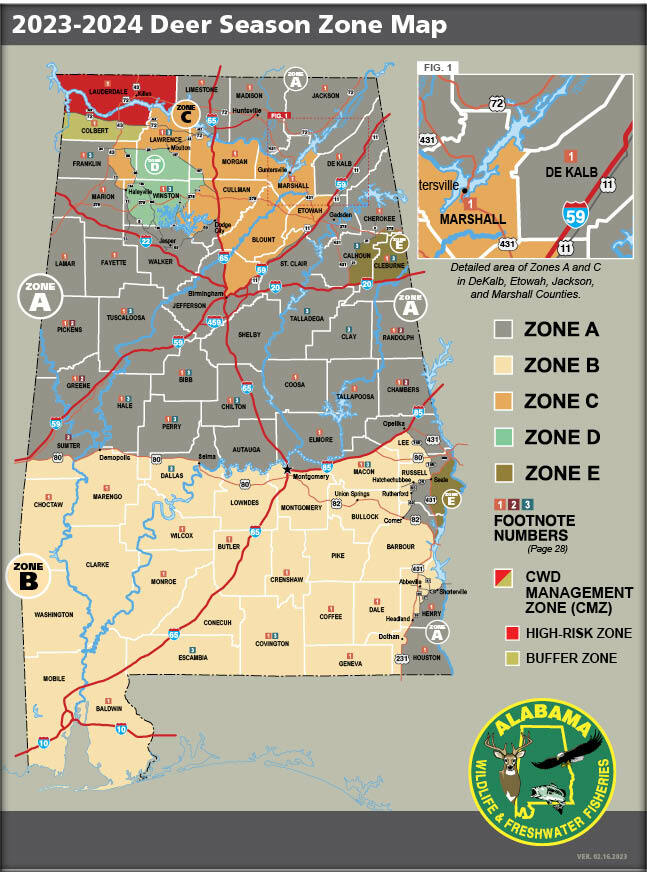
Deer hunting season in Alabama is a highlight for many hunters, with zone-specific dates.
Each hunting zone in the state has season dates. Deer season runs from mid-October until February.
However, zone-specific dates vary greatly. The North Zone may start the season early. Hunters must verify zone dates to guarantee legal compliance and optimize hunting chances.
Bag Limits and Legal Hunting Methods
The bag limits for deer hunting in Alabama are set to ensure sustainable management of the deer population. Typically, hunters can harvest a certain number of deer, including antlered and unantlered deer, but this can vary by zone.
Additionally, Alabama permits various hunting methods, such as bows, muzzle-loading firearms, and modern automatic firearms. Each method has its specific season within the broader deer season. However, archery deer season starts almost a month before gun deer season.
You should always be aware of the legal hunting methods allowed in the chosen zone and during your planned hunting dates. These regulations are designed to maintain a balanced deer population.
| Zone | Archery-Stalk Hunting | Special Youth Gun | Special Muzzleloader and Air Rifle | Gun Deer-Stalk Hunting | Gun / Dog Deer Hunting |
| A | Oct 14, 2023 – Feb 10, 2024 | Nov 10 – 13, 2023 | Nov 13 – 17, 2023 | Nov 18, 2023 – Feb 10, 2024 | Nov 18, 2023 – Jan 15, 2024 |
| B | Oct 14 – 24, 2023 (Antlered Bucks Only), Oct 25, 2023 – Feb 10, 2024 (Either Sex) | Nov 10 – 13, 2023 | Nov 13 – 17, 2023 | Nov 18, 2023 – Feb 10, 2024 | Nov 18, 2023 – Jan 15, 2024 |
| C | Oct 14, 2023 – Feb 10, 2024 | Nov 10 – 13, 2023 | Nov 13 – 17, 2023 | Nov 18 – 26, 2023 (Either Sex), Nov 27 – Dec 15, 2023 (Antlered Bucks Only), Dec 16 – 31, 2023 (Either Sex), Jan 1 – Feb 10, 2024 (Antlered Bucks Only) | Nov 18 – 26, 2023 (Either Sex), Nov 27 – Dec 15, 2023 (Antlered Bucks Only), Dec 16 – 31, 2023 (Either Sex), Jan 1 – 15, 2024 (Antlered Bucks Only) |
| D | Sep 30, 2023 – Jan 15, 2024 (Either Sex), Jan 16 – 27, 2024 (Antlered Bucks Only) | Oct 27 – 30, 2023 | Oct 30 – Nov 3, 2023 | Nov 4 – 17, 2023 (Antlered Bucks Only), Nov 18 – 26, 2023 (Either Sex), Nov 27 – Dec 15, 2023 (Antlered Bucks Only), Dec 16 – 31, 2023 (Either Sex), Jan 1 – 27, 2024 (Antlered Bucks Only) | Nov 4 – 17, 2023 (Antlered Bucks Only), Nov 18 – 26, 2023 (Either Sex), Nov 27 – Dec 15, 2023 (Antlered Bucks Only), Dec 16 – 31, 2023 (Either Sex) |
| E | Sep 30, 2023 – Jan 15, 2024 (Either Sex), Jan 16 – 27, 2024 (Antlered Bucks Only) | Oct 27 – 30, 2023 | Oct 30 – Nov 3, 2023 | Nov 4, 2023 – Jan 15, 2024 (Either Sex), Jan 16 – 27, 2024 (Antlered Bucks Only) | Nov 4, 2023 – Jan 1, 2024 (Either Sex) |
| CMZ | Oct 14, 2023 – Feb 10, 2024 | Nov 10 – 13, 2023 | Nov 13 – 17, 2023 | Nov 18, 2023 – Feb 10, 2024 | Nov 18, 2023 – Jan 15, 2024 |
Turkey Hunting Season
Wildlife officials carefully control Alabama’s turkey hunting season, which gives hunters a chance to enjoy the rich tradition of hunting. At the same time, hunters can enjoy the unique difficulties that the state’s varied terrain brings.
Spring and Fall Seasons
Turkey hunting in Alabama offers two distinct seasons: spring and fall.
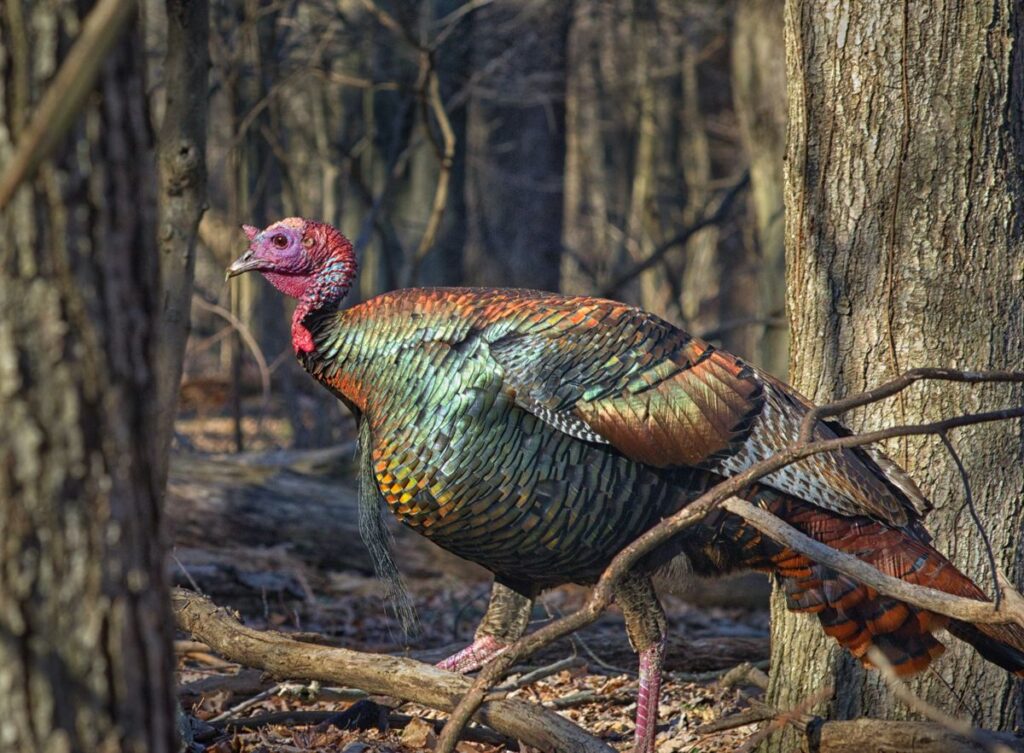
The spring season is particularly popular, typically running from late March to early May. This season is when male turkeys, or gobblers, actively seek mates, making them more responsive to calls.
The fall season, which is shorter and not available in all counties, provides a different hunting experience, focusing on both male and female turkeys. The fall season usually occurs from November to December.
Zone-wise Variations and Bag Limits
Alabama’s turkey hunting is divided into several zones, each with its own set of regulations and dates.
These zones are established based on turkey populations and habitat conditions. The gobbler bag limits are typically set at one gobbler per day with a season limit, which may vary by zone.
For example, some zones may have a limit of four gobblers per season, while others may have different limits. Hunters need to know the gobbler bag limits and other specific regulations of the zone they are hunting in to ensure a responsible and legal hunting experience.
| Zone | Season Dates | Decoys Allowed | Gobbler Bag Limit |
| 1 | Mar 25 – May 8 | Apr 4 – May 8 | 1 gobbler per day, 4 gobblers per season |
| 2 | Apr 1 – May 8 | Apr 11 – May 8 | 1 gobbler per day, 4 gobblers per season |
| 3 | Nov 18-26, Dec 9-31, Mar 25 – May 8 | No Decoys in Fall, Apr 4 – May 8 in Spring | 1 gobbler per day, 4 gobblers per season |
Small Game Hunting
Hunting small game is the practice of pursuing animals that are smaller in size. Popular game species include rabbits, squirrels, grouse, quail, and various types of waterfowl.
Due to the number and dispersion of small game species, small game hunting is popular and accessible. Beginners may also try small game hunting in woods, farms, and wetlands, which takes less equipment and is more versatile.
Squirrel, Rabbit, Quail, and Other Small Game
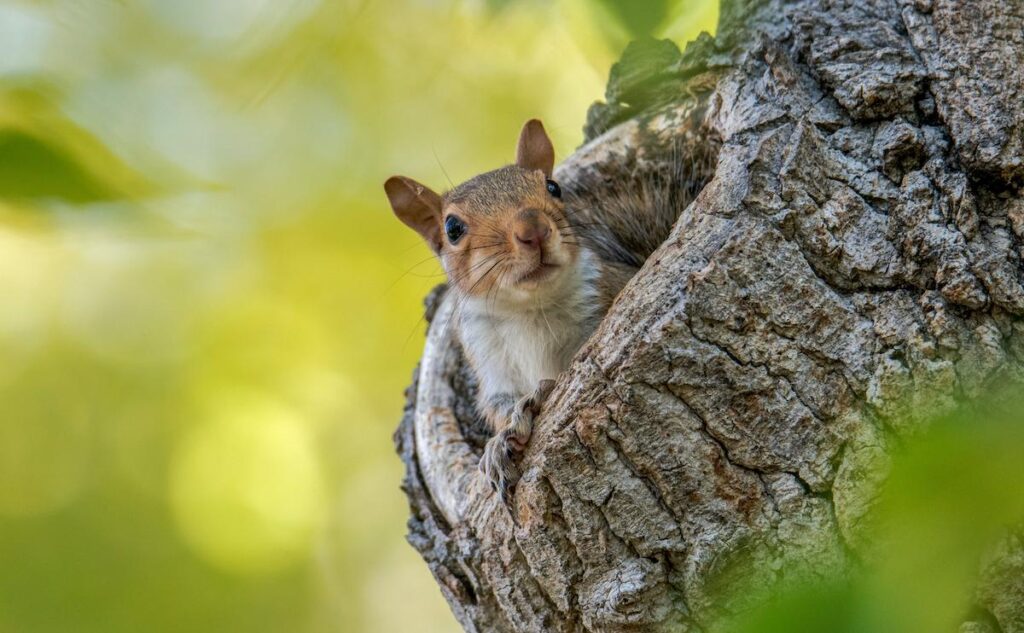
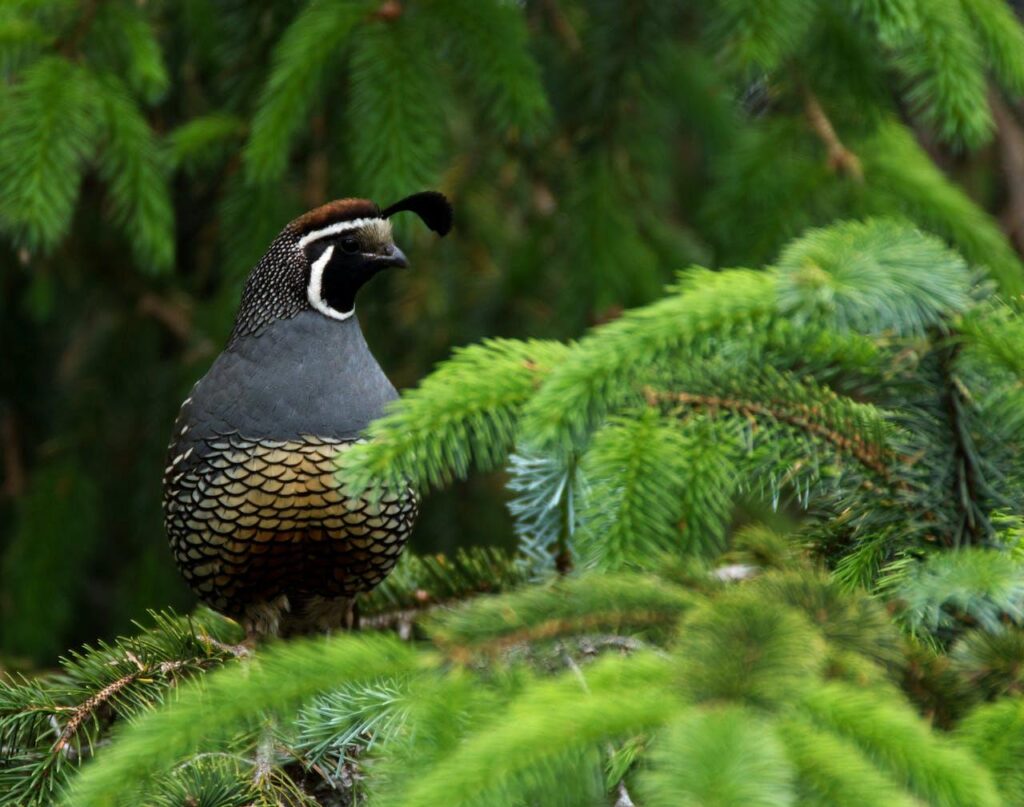
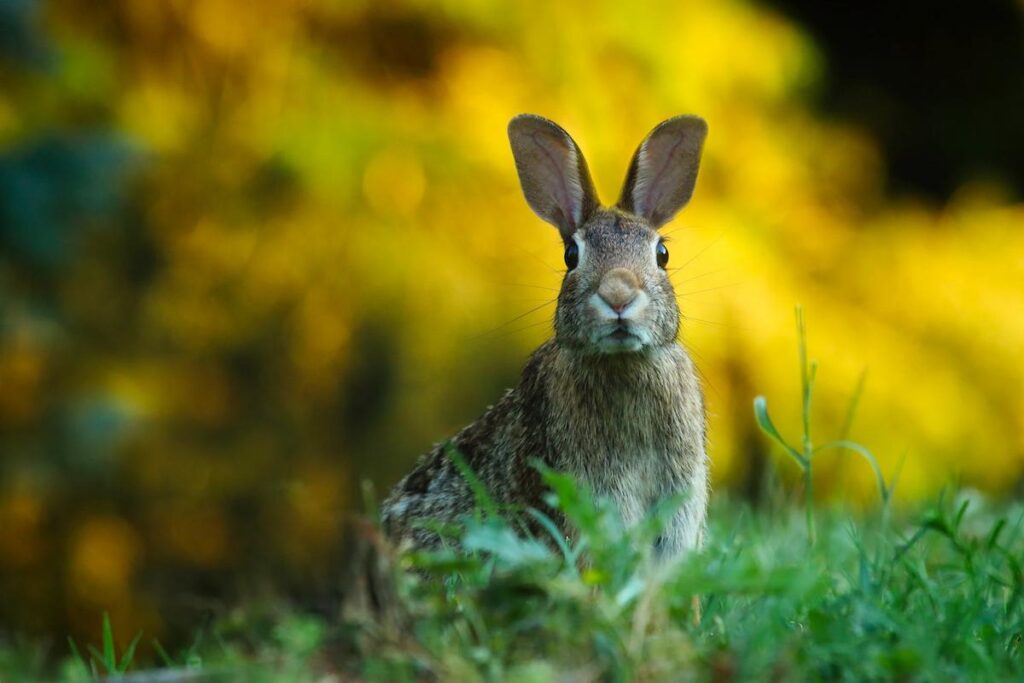
Small game hunting in Alabama includes squirrel, rabbit, and quail. Hunters have considerable opportunity to pursue these species from fall to early spring hunting season.
For instance, squirrel and rabbit seasons run from September to March, providing considerable opportunities for hunting. Quail season runs from November–February.
Small game are considered conventional game species as they are great for beginner hunters.
Season Dates and Regulations
The specific season dates for small game in Alabama can vary slightly from year to year. Hunters need to check the current season dates before planning their hunts.
Additionally, there are regulations regarding the hunting methods and bag limits for each species. For instance, there may be daily and season bag limits for species like squirrels and rabbits.
These regulations are designed to ensure sustainable hunting practices and to maintain healthy populations of these small game species.
Hunters should also be aware of any specific area restrictions, especially when hunting in Wildlife Management Areas or on public lands.
Waterfowl and Bird Hunting
Waterfowl and bird hunting season is exciting. The majority of game birds include ducks, geese, and other upland birds.
Waterfowl and bird hunting season provides exciting experiences and helps preserve healthy bird populations and our rich outdoor traditions by following conservation standards and ethics.
Duck, Dove, and Geese Seasons
Waterfowl and bird hunting in Alabama include ducks, doves, and geese, each with its season and regulations.
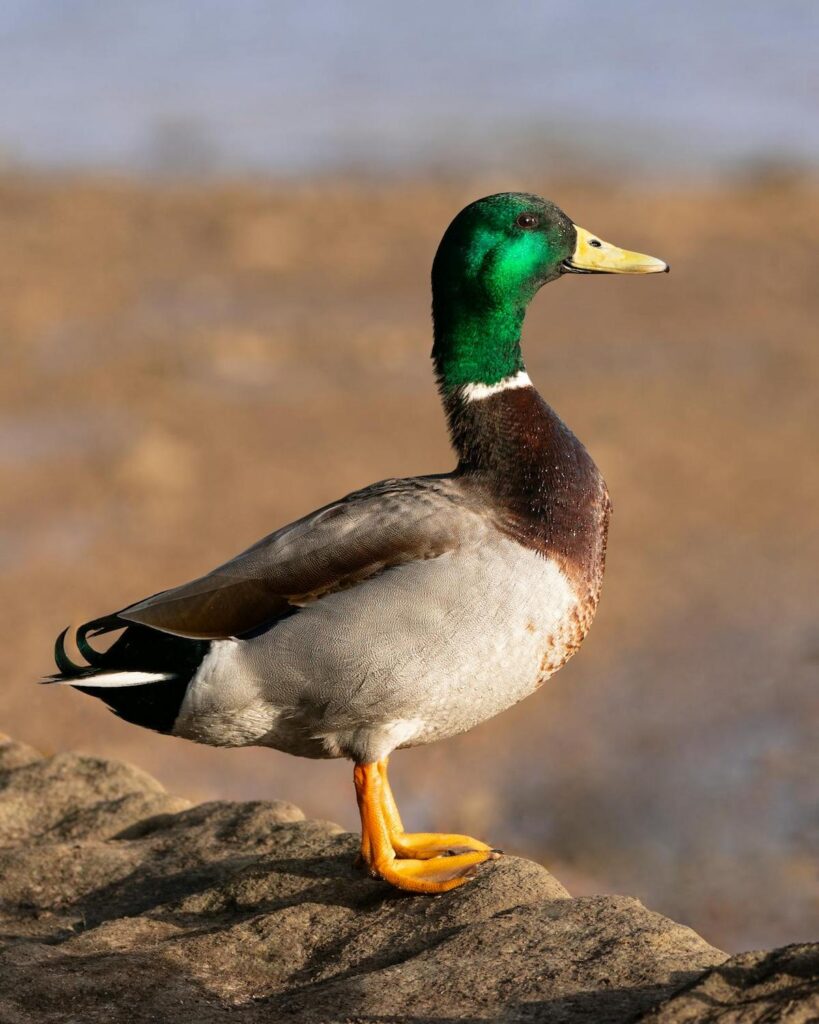
Duck hunting season typically spans from November to January, attracting hunters to the state’s lakes and wetlands.
Dove season, signaling the start of the fall hunting season usually begins in early September and is divided into several phases extending into January.
Geese hunting often coincides with duck season dates.
These are all migratory birds and the seasons are set by their migratory patterns. Hunters must adhere to specific bag limits and hunting methods prescribed for each bird species.
| Zone | Dove Hunting Season Dates | Shooting Hours | Bag Limit |
| North | Sep 2 (Afternoon Only), Sep 3 – Oct 22, Nov 18-26, Dec 16 – Jan 14 | Noon – Sunset (Sep 2), Sunrise – Sunset (Other Dates) | 15/day |
| South | Sep 9 (Afternoon Only), Sep 10 – Oct 29, Nov 18-26, Dec 16 – Jan 14 | Noon – Sunset (Sep 9), Sunrise – Sunset (Other Dates) | 15/day |
| Species | Waterfowl Season Dates | Bag Limit | Notes |
| Special Youth, Active Military, and Veterans | Nov 18, Feb 3 | Same as Regular Season | – |
| Clapper Rail, King Rail, Virginia Rail, Sora, Gallinule | Sep 9-24, Nov 25 – Jan 17 | 15/day | – |
| Special Teal | Sep 9-24 | 6/day | – |
| Duck, Coot, Merganser | Nov 24-25, Dec 2 – Jan 28 | Ducks: 6/day, Coot: 15/day, Merganser: 5/day (only 2 Hooden Merganser) | – |
| Geese | Sep 2 – Oct 1, Oct 14-28, Nov 24-25, Dec 2 – Jan 28 | Dark Geese: 5/day, Light Geese: 5/day | – |
| Sandhill Crane | Dec 2 – Jan 7, Jan 15-30 | 3/season | Limited Quota Permit Required |
Bag Limits and Hunting Zones
The bag restrictions for ducks and birds ensure healthy populations and sustainable hunting.
Duck hunters may have a daily aggregate bag limit with species limitations. Dove hunters have a zone-specific daily bag restriction.
Alabama has many waterfowl and bird hunting zones with varying dates and rules. To hunt legally and ethically, hunters need to know zone-specific restrictions and bag limitations.
Waterfowl hunters need permits and stamps.
Feral Hog and Alligator Hunting Season
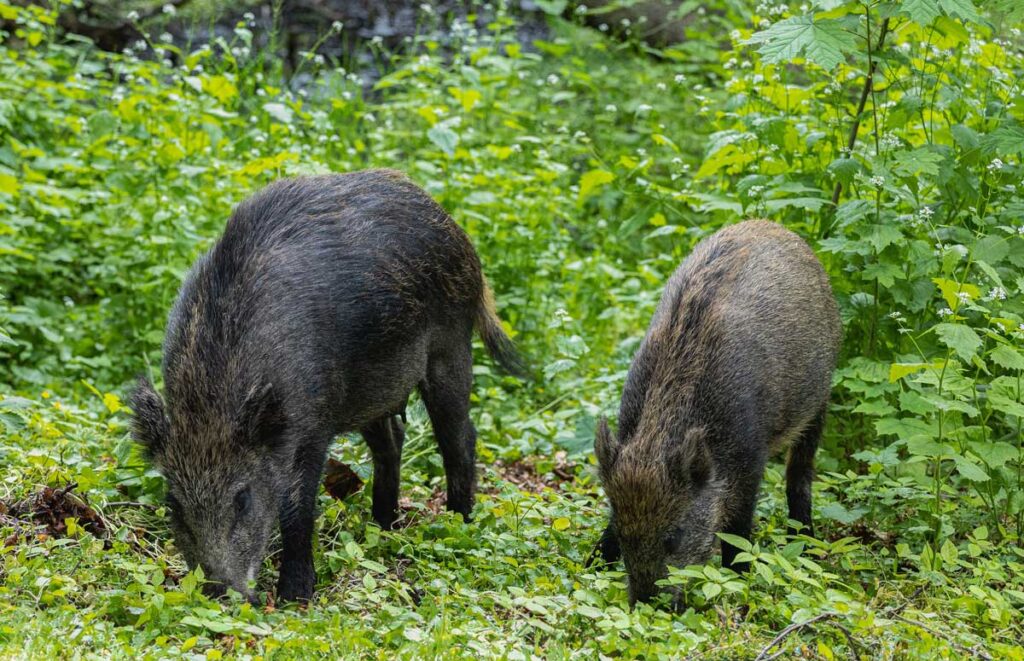
Feral swine and alligator hunts are permitted in Alabama. However, hunting feral swine has no closed season and hunters can enjoy hunting with dogs, provided they are licensed hunters holding the necessary hunting permits.
Open Season for Feral Hogs
Feral hogs are an invasive species in Alabama, causing significant ecological damage. As a result, the state has an open season for hunting feral hogs, allowing hunters to pursue them year-round.
There are no bag limits for feral hog hunting, providing an opportunity for hunters to contribute to the control of this invasive population.
While hunting hogs is permitted on both private and public lands, specific regulations may apply in Wildlife Management Areas. Hunters are encouraged to check local rules and obtain necessary permits, especially when hunting in public areas, to ensure compliance with state regulations.
Alligator Hunting Regulations and Tags
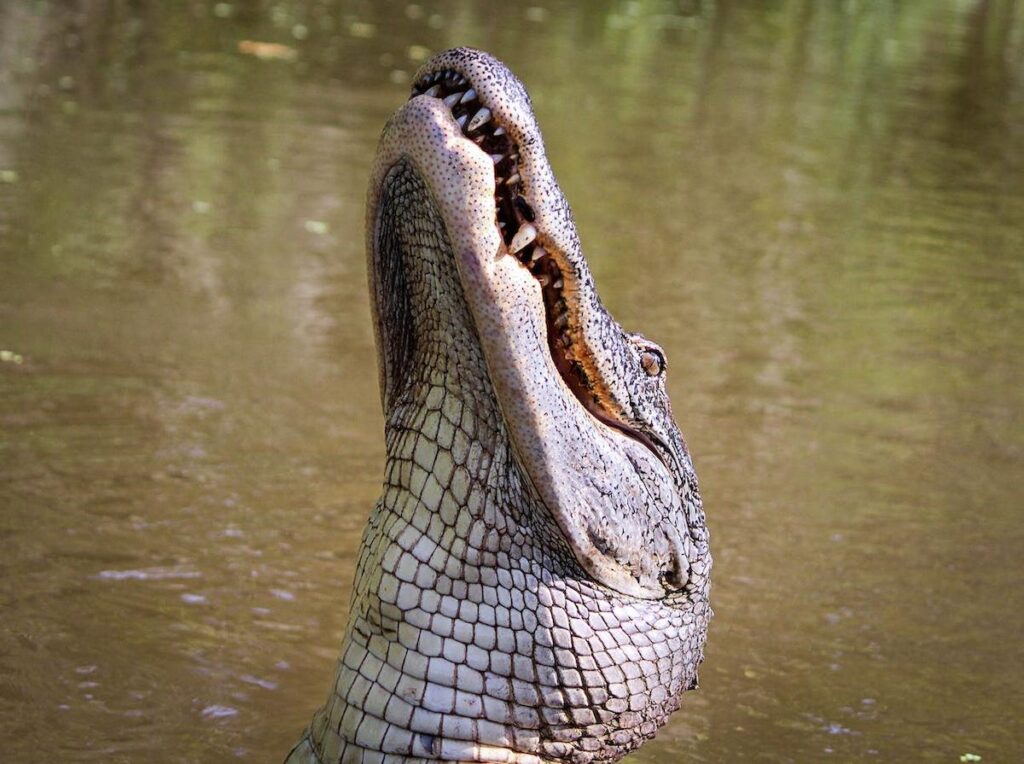
Alligator hunting in Alabama is a unique and regulated activity, typically occurring in late summer. Unlike other game species, alligator hunting is controlled through a limited number of tags issued by the Alabama Department of Conservation and Natural Resources.
Hunters must apply for these tags, and successful applicants are chosen through a random draw. This regulated approach helps manage Alabama’s alligator population sustainably while providing a challenging hunting experience for those drawn in the tag lottery.
Special Hunting Opportunities
Apart from all the regular hunting requirements, there is a combination of hunting opportunities for some groups of hunters.
Sandhill Crane Season
Alabama offers a special hunting season for sandhill cranes, a species that has seen a stable population growth in recent years. This season is relatively new and managed through a limited number of tags distributed via a random draw.
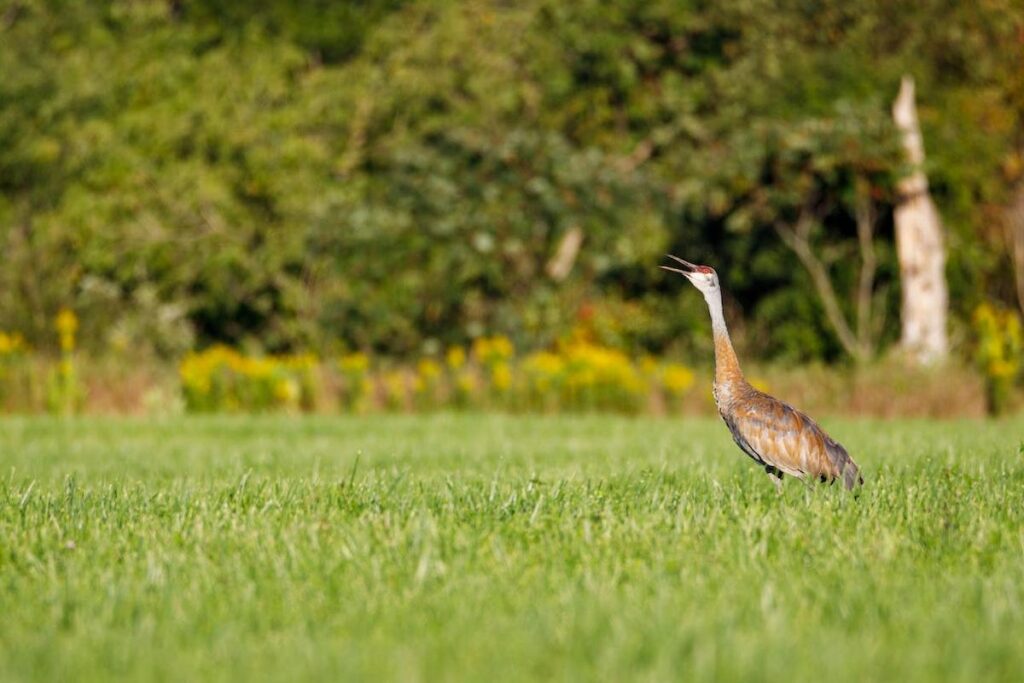
The sandhill crane season typically occurs in the winter months, with specific dates and bag limits (3 cranes per person) set annually. This hunt is subject to strict regulations to ensure the continued health of the sandhill crane population.
Youth and Disabled Hunts
Alabama provides special hunting opportunities for youth and disabled hunters, emphasizing inclusivity in the sport.
Youth hunts, for example, are scheduled before the opening of the regular season for various game species, including deer and turkey.
Similarly, designated hunting areas and events are available for disabled hunters, ensuring accessible hunting experiences. These special hunts not only foster a love for hunting in the next generation but also ensure that hunting remains an activity everyone can enjoy.
Hunting on Public vs Private Lands
Hunting in Alabama can take place on both public and private lands, each offering unique experiences and regulations. Public hunting on public hunting land in Alabama such as Wildlife Management Areas and National Forests, provides accessible hunting grounds but often comes with specific rules, permit requirements, and limited quotas.
You can find hunting leases in Alabama for cheap. Private lands offer more flexibility and potentially less competition than public hunting, but hunters must obtain permission from landowners, known as a hunting lease agreement.
Hunters should know the season dates, bag restrictions, and hunting tactics in public and private areas. Respecting these rules promotes a safe and enjoyable hunt while keeping good relations with landowners and commercial hunting preserves.
Hunting Licenses and Permits
Hunting times are not the only thing you need to be aware of when planning your hunting trip. Licenses, permits, as well as limited hunting quotas and harvest permits are also something to bear in mind.
Types of Licenses
To legally hunt in Alabama, you must obtain the appropriate hunting licenses and permits. The state offers various types of licenses, including annual all-game licenses, small-game licenses, and specific permits for activities like waterfowl hunting.
There are also licenses for youth, seniors, and disabled hunters.
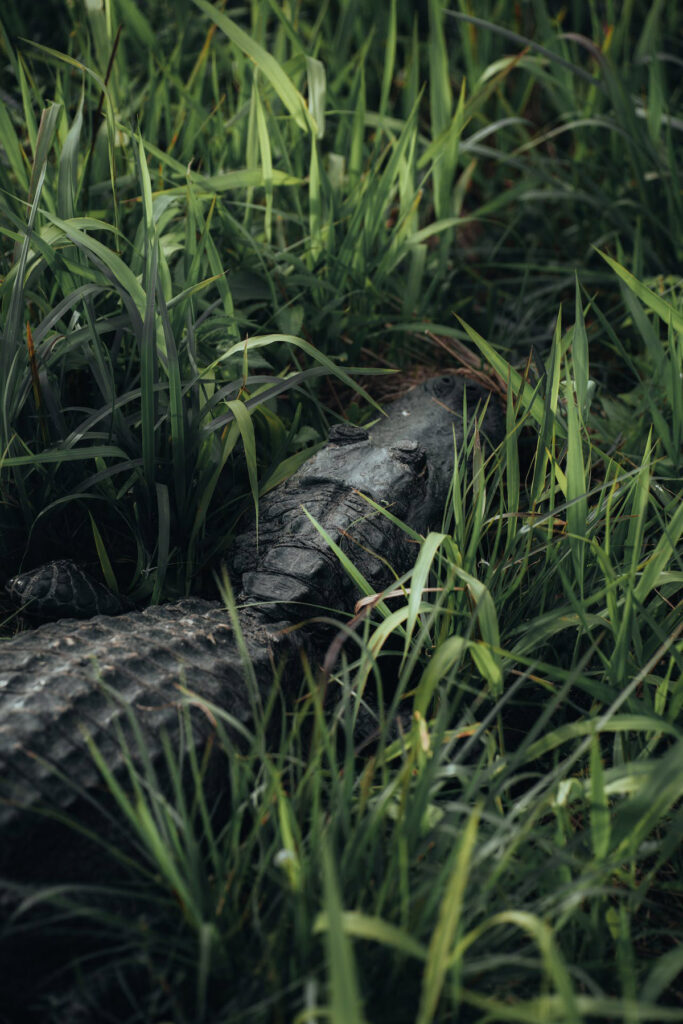
Additionally, special permits may be required for hunting in Wildlife Management Areas or for specific game species like alligators.
Where and How to Obtain
Hunting licenses and permits in Alabama can be obtained through several channels. The most convenient method is online through the Alabama Department of Conservation and Natural Resources website. You can also buy your license on Outdoor Alabama.
Licenses are also available at various authorized license agents, including sporting goods stores, probate offices, and county license commissioners.
For special permits, such as those for alligator hunting or Wildlife Management Area access, hunters may need to apply directly through the department’s website or participate in a draw. Hunters should obtain their licenses and permits well in advance of their hunting trip to avoid any last-minute complications.
To assist you in planning your hunting trips effectively, here’s a table of some key hunting seasons in Alabama:
| Game Animal | Season Dates | Special Regulations |
| Whitetail Deer | Bow: Oct 15 – Jan 31 | Various zones and bag limits |
| Gun: Nov 19 – Feb 10 | ||
| Turkey (Fall) | Nov 19 – Jan 1 | Check specific zones and bag limits |
| Turkey (Spring) | Mar 15 – Apr 30 | Hunting hours and bag limits vary by zone |
| Alligator | Aug 12 – Oct 2 | By permit only, specific zones |
| Bobwhite Quail | Nov 17 – Feb 28 | Daily bag limit applies |
| Feral Hogs | Year-round | No bag limit, private land regulations apply |
| Waterfowl | Varies by species and zones | Federal regulations apply |
| Small Game (Doves, | Varies by species | Hunting hours and bag limits vary by species |
| Rabbits, Squirrels, | ||
| Mourning Doves |
Importance of Safe and Ethical Hunting Practices
Safe and ethical hunting practices are paramount in Alabama. Hunters are encouraged to always prioritize safety, including wearing appropriate gear like a hunter orange cap during deer season and using tree stands safely.
Ethical hunting involves respecting wildlife, following bag limits and season dates, and obtaining proper permissions for hunting on private land. It’s also crucial to respect other hunters and landowners, ensuring a positive experience for everyone involved.
Remember, hunting is not just a sport; it’s a responsibility towards nature and fellow enthusiasts. By practicing safe and ethical hunting, you help preserve Alabama’s rich hunting heritage for future generations.
FAQs on Alabama Hunting Seasons
Can I hunt deer all season long in Alabama?
Deer hunting seasons vary by zone in Alabama. It’s important to check the specific dates for the zone you plan to hunt in.
Do I need a special license for turkey hunting?
You need a standard hunting license for turkey hunting in Alabama. However, ensure you’re aware of the specific season dates and bag limits for the zone you’re hunting in.
Are there any restrictions on hunting feral hogs in Alabama?
In Alabama, there’s an open season for hunting feral hogs, meaning you can hunt them year-round. However, regulations may differ on public lands.
What are the regulations for hunting waterfowl in Alabama?
For waterfowl hunting, you need both a state hunting license and a federal duck stamp. Be sure to follow the specific season dates and bag limits.
Can youth participate in hunting in Alabama?
Yes, Alabama offers special youth hunting days and seasons. Youth hunters must be accompanied by a licensed adult.
Is hunter education required in Alabama?
Hunter education is required for hunters born on or after August 1, 1977. It’s available online and in person.
Can I hunt on private land in Alabama?
Yes, you can hunt on private land, but you must have permission from the landowner.
Are there any special hunts for disabled hunters?
Alabama provides designated hunting areas and opportunities for disabled hunters, ensuring accessible hunting experiences.
Conclusion
Alabama offers diverse hunting opportunities, each with specific seasons, regulations, and bag limits. Understanding these regulations, obtaining the correct licenses, and practicing safe and ethical hunting is crucial for a successful and legal hunting experience.
Whether you’re pursuing deer, turkey, waterfowl, or small game, Alabama’s rich landscapes provide an ideal backdrop for hunters of all levels.
For more detailed information on hunting in Alabama, visit the Alabama Department of Conservation and Natural Resources website.
Additionally, local hunting clubs and conservation groups can be valuable resources for both novice and experienced hunters seeking to deepen their knowledge and involvement in Alabama’s hunting community.