In this post, we’ll explore the four major U.S. geographic regions—Northeast, Midwest, South, and West—and how their diverse biomes shape deer bedding habits. You’ll gain insights into where deer rest, the best hunting strategies for these habitats, and how landowners can encourage bedding areas to support healthy deer populations.
Here’s what you’ll learn:
- The top climates and habitats in each of the four U.S. regions
- Typical deer bedding areas in forests, grasslands, wetlands, and more
- Hunting tips tailored to each biome’s unique features
- Strategies landowners can use to encourage and protect deer bedding
If you’re ready to spot more deer, tag smarter stand locations, or create a property they’ll never want to leave, this Hunting Locator guide is exactly what you need.
Deer Bedding Behavior: A Strategic Retreat
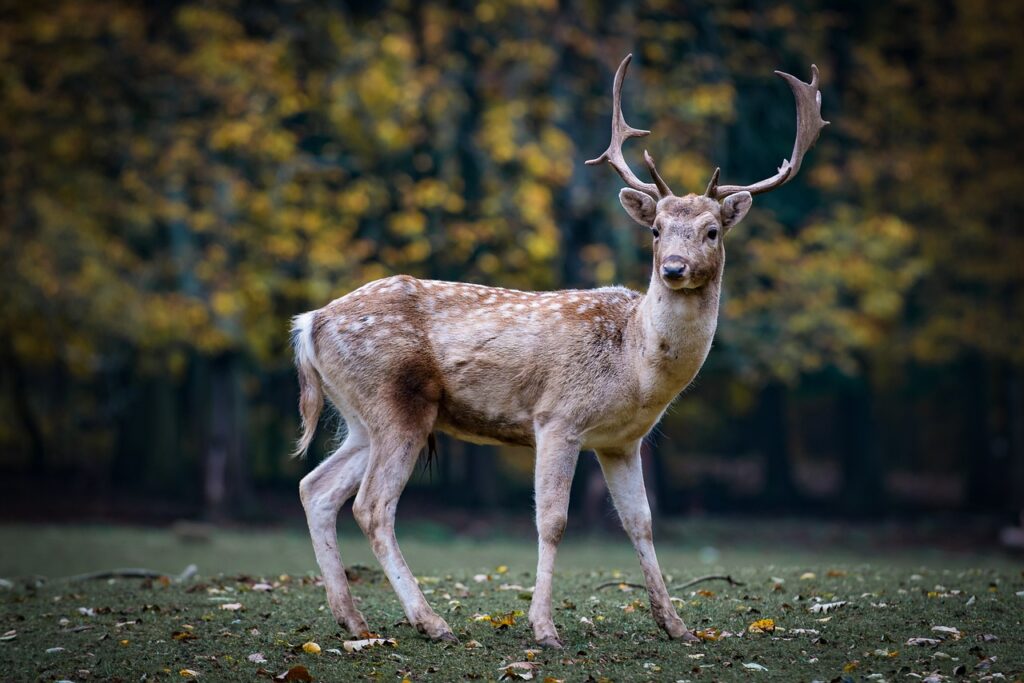
Deer don’t bed down just anywhere—they are incredibly strategic in choosing spots that prioritise safety, comfort, and access to resources. Bedding behavior reflects their need to avoid predators while staying close to food and water. These decisions are influenced by environmental factors such as vegetation density, wind patterns, and seasonal changes. Knowing how deer choose their bedding areas can help hunters and landowners predict their movements more effectively.
Thick Cover
Dense vegetation like brush piles, tall grasses, and coniferous thickets hides deer from predators and human activity. These spots provide both concealment and security.
Proximity to Food and Water
Deer often bed within a short distance of feeding sources and water to minimise energy expenditure. This strategy is especially important during seasons when resources are limited.
Wind Awareness
Bucks frequently bed with the wind at their backs, a position that allows them to smell danger approaching from behind while visually monitoring the area ahead.
These choices ensure deer can rest without sacrificing their ability to detect predators.
Deer Sleeping Patterns: Light Sleep, High Alert
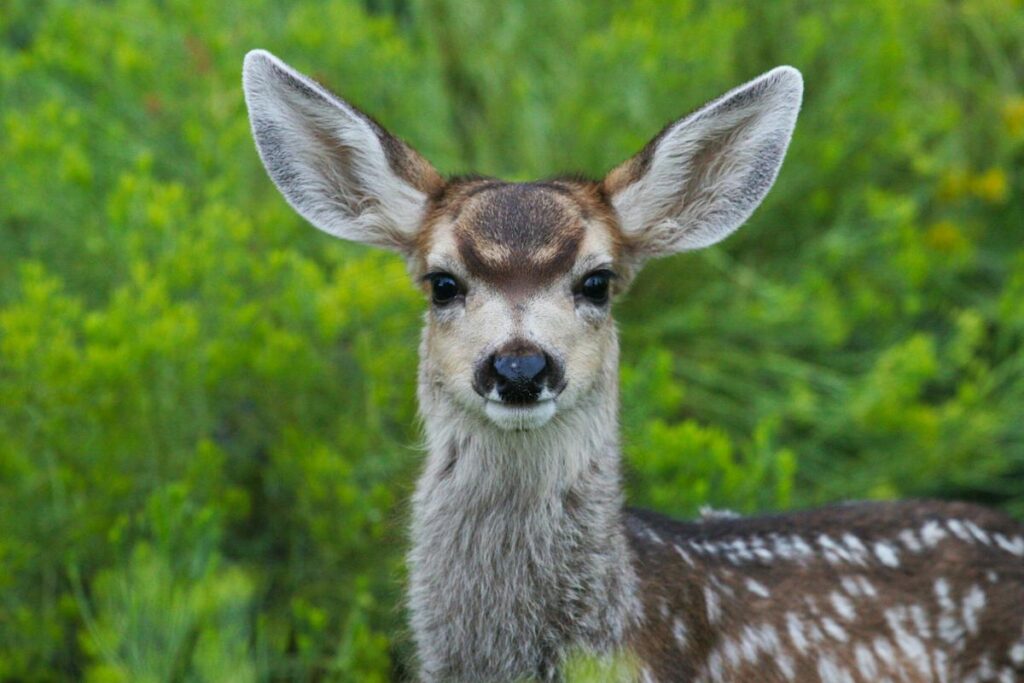
Deer don’t sleep like humans, with long, uninterrupted periods of rest. Instead, their sleeping patterns are defined by short cycles of dozing, often lasting just 30 seconds to a few minutes. Over a 24-hour period, they may accumulate around 4–5 hours of sleep, scattered throughout the day and night.
Key Traits of Deer Sleep
| Trait | Description |
|---|---|
| Crepuscular Rhythms | Deer are most active at dawn and dusk, making late morning and early afternoon their prime rest times. |
| Alert Resting | Even while lying down, deer’s ears stay upright and rotate to detect sounds. |
| Positions | Deer may tuck their noses under their legs in cold weather or rest their heads on the ground. |
| Group vs. Solitary | Does often bed in groups, while mature bucks prefer isolated bedding spots. |
These adaptive traits highlight deer’s ability to balance rest with vigilance, a necessity for survival in predator-rich environments.
Differences in Bedding Areas Between Bucks and Does
Bucks and does share similar needs for safety and shelter, but their bedding preferences and behavior differ in key ways. Bucks typically prioritise isolation and strategic terrain that offers advantages like visibility and escape routes. Does, on the other hand, often bed in groups for safety in numbers, especially when fawns are present. Recognising these distinctions can help hunters identify which deer are likely using a particular bedding area.
Bucks: The Solitary Strategist
Bucks tend to seek out elevated terrain, such as ridge points or benches, where they can observe their surroundings. These areas are often surrounded by thick cover, offering visual advantages and multiple escape routes. Bucks also use rubs and scrapes to mark their bedding territories.
Does: Group Comfort and Safety
Does often bed in flatter, open areas where they can rest with their fawns or other family members. Proximity to food is a higher priority for does, as they must conserve energy for nursing and raising young.
By understanding these distinctions, hunters and wildlife enthusiasts can better predict deer movement and activity.
Seasonal Bedding Patterns
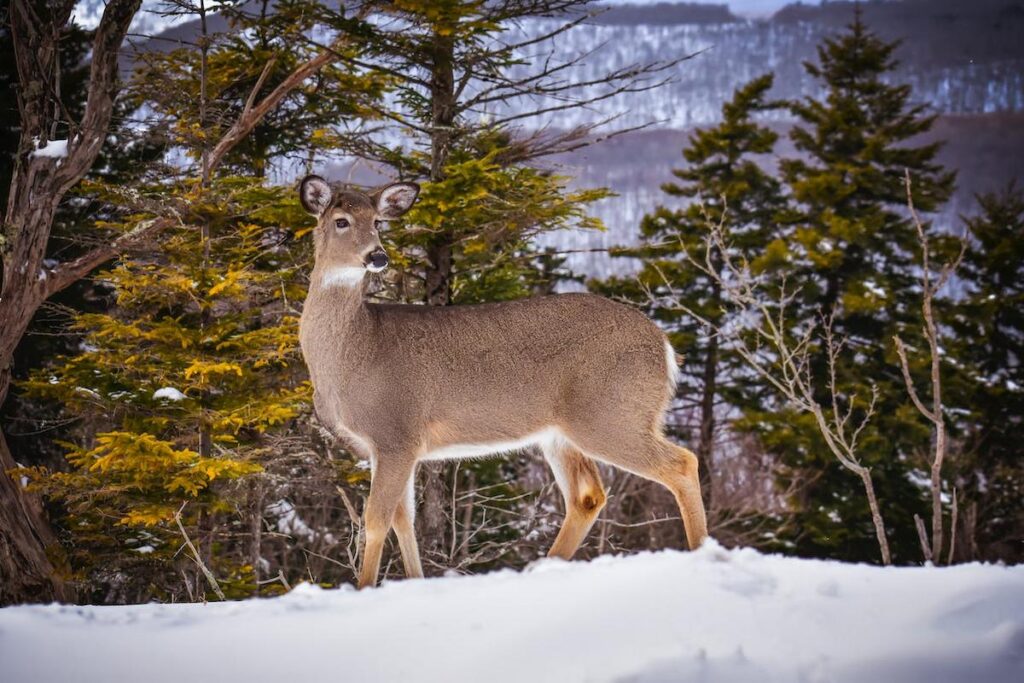
Deer adapt their bedding behavior to the changing seasons, reflecting their ability to survive in diverse environments. In winter, they seek warmth and protection from the elements, while in summer, shade and cooling take priority. Understanding these shifts can help hunters and landowners anticipate where deer are likely to bed based on the time of year.
Winter
- Thermal Cover: Thick evergreen forests and conifer stands provide protection from harsh winds and snow.
- South-Facing Slopes: These areas offer maximum sunlight, making them preferred bedding spots during cold weather.
- Energy Conservation: During extreme cold, deer may stay bedded for extended periods to conserve energy.
Summer
- Shade and Cooling: Deer gravitate toward shady spots near water to stay cool and avoid heat stress.
- Frequent Movement: Abundant food allows deer to move more between bedding areas, making their habits less predictable.
Rutting Season
During the rut, bucks bed irregularly, often choosing secluded sanctuaries to recover from the intense energy demands of pursuing does. These shifts highlight deer’s remarkable ability to adapt to seasonal challenges.
Types of Bedding Areas
Deer bedding areas vary widely depending on the habitat and surrounding landscape. From ridge points to dense thickets, these locations offer a mix of concealment, safety, and convenience. Understanding the types of bedding areas can help you locate deer more effectively, whether you’re scouting for hunting or simply observing wildlife.
| Type of Bedding Area | Description | When Used |
|---|---|---|
| Hillside Benches | Flat spots along slopes, providing good visibility and protection. | Year-round, especially for bucks. |
| Ridge Ends | Elevated terrain offering a vantage point and wind advantages. | Preferred in winter for warmth. |
| Dense Thickets | Overgrown vegetation that offers concealment from predators. | Common during hunting season. |
| Creek Bottoms | Brushy, low-lying areas with access to water and dense cover. | Popular in summer for cooling. |
| Rock Escarpments | Natural barriers providing both back cover and strategic escape routes. | Ideal for both bucks and does year-round. |
Each type of bedding area reflects the deer’s need to blend safety with resource access.
Managing and Understanding Deer Bedding Areas
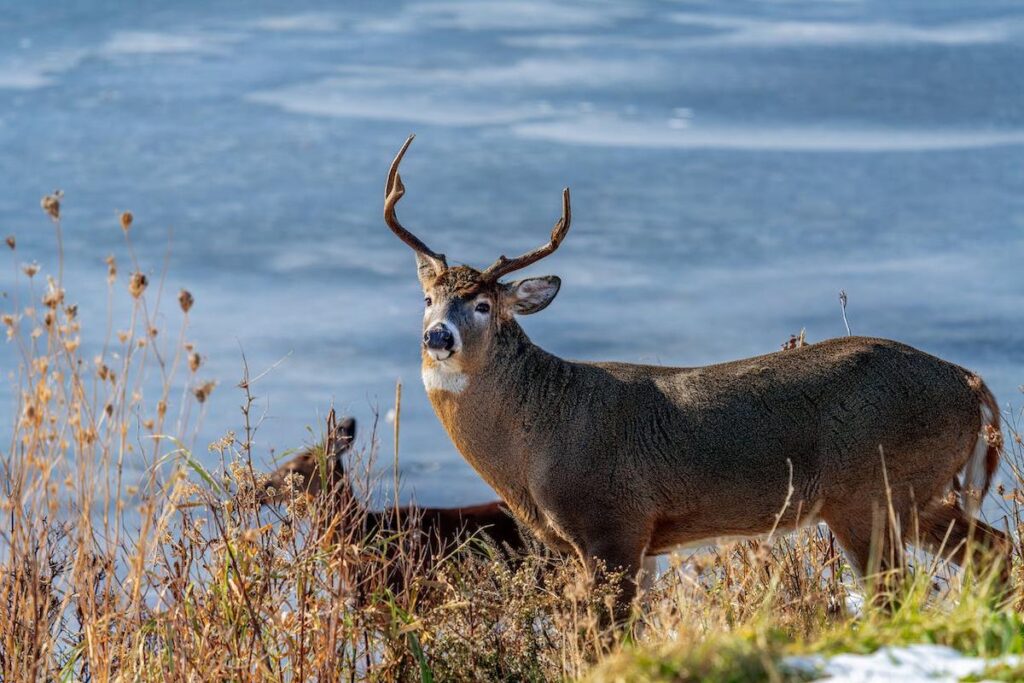
Deer are sensitive to human activity, and how we interact with their bedding areas can significantly affect their behavior. Whether you’re a hunter looking to capitalise on deer movement or a landowner aiming to support wildlife, understanding how to approach, manage, and preserve bedding zones is crucial. By respecting these habitats and making informed decisions, you can create conditions that benefit both deer and your goals.
Scouting for Bedding Areas
Look for signs like oval depressions in tall grass, nearby rubs, and tracks leading to feeding sources. Trail cameras are invaluable for tracking bedding activity without disturbing the area.
Creating Bedding Sanctuaries
Landowners can establish deer sanctuaries by planting dense cover or managing brush piles. Fresh-cut cornfields, wildlife orchards, and oak flats are excellent attractants for deer seeking new bedding spots.
Minimising Disturbance
Avoid frequent activity near known bedding areas. Deer are highly sensitive to human presence and will abandon disturbed spots, especially during hunting season.
How to Spot Sleeping Deer
Finding a sleeping deer requires patience and a sharp eye. Here’s how you can increase your chances:
- Scout Known Bedding Grounds: Look for terrain features like ridges, creek bottoms, or brushy thickets where deer are likely to bed.
- Check During Daylight: Late morning to early afternoon is the best time to observe resting deer.
- Look for Bedding Signs: Flattened vegetation, droppings, and rubs are telltale signs of active bedding areas.
- Use Technology: Trail cameras can identify patterns without disrupting deer behavior.
How Can Hunting Locator Help?
Looking for more ways to level up your hunting game? Check out these pages on Hunting Locator:
- How to Scout for Deer – Get tips and tricks for spotting deer and tracking their movements.
- Where to Aim on a Deer – Learn how to take the perfect ethical shot every time.
- How to Build a Deer Stand – Build a reliable stand with this step-by-step guide.
- How to Find Deer Bedding Areas – Master the art of finding where deer sleep and rest.
- Hunting Lease Benefits – Explore the perks of hunting leases for both hunters and landowners.
These pages are packed with useful insights to help you become a better hunter and make the most of your time in the field!
Deer Bedding and Hunting Insights Across Major U.S. Regions
The United States boasts diverse climates and habitats that influence where deer bed down and how hunters and landowners can approach them. Each of the four major geographic regions—the Northeast, Midwest, South, and West—presents unique biomes with specific bedding behaviors. Understanding these nuances can help hunters adapt their strategies and landowners enhance bedding areas for deer conservation.
Northeast
The Northeast features deciduous forests, agricultural lands, and mixed woodlands, providing varied bedding options for deer.
Deciduous Forests
Characterised by a mix of hardwood trees such as oak, maple, and birch, deciduous forests display dense foliage in spring and summer and shed their leaves in autumn. These forests often have a thick understory of shrubs, saplings, and leaf litter. Hillsides, ridges, and fallen logs are common visual features in these environments.
- Typical Bedding Areas: Deer bed in dense undergrowth, fallen logs, or leaf-littered areas near hillsides, using natural cover for concealment.
- Hunting Tips: Scout ridge lines and south-facing slopes, particularly in winter, where deer seek thermal benefits from sunlight. Midday hunts can be effective when deer are bedded down.
- Landowner Strategies: Allow native shrubs and saplings to regenerate, and limit logging or disturbance near bedding grounds to create safe sanctuaries.
Agricultural Lands
Agricultural lands in the Northeast feature open fields of corn, soybeans, and hay interspersed with hedgerows of wild shrubs, young trees, and tall grasses. The landscape often includes patches of unharvested crops and thickets along field edges. Look for transitional zones where fields meet wooded areas for prime deer habitat.
- Typical Bedding Areas: Deer seek shelter along hedgerows, in cornfields, or near thickets bordering open fields.
- Hunting Tips: Focus on edges of fields in the late afternoon when deer transition from bedding to feeding. Trail cameras can help pinpoint active bedding near crop fields.
- Landowner Strategies: Plant cover crops or leave unharvested rows to provide bedding and feeding opportunities near agricultural fields.
Mixed Woodlands
These woodlands combine deciduous and evergreen trees, including pines, hemlocks, and beeches. The understory consists of ferns, young saplings, and brush, providing ample cover for deer. The terrain may include small clearings, blowdowns, and shaded, leaf-covered ground.
- Typical Bedding Areas: Deer bed in understory growth beneath tree canopies, using downed timber and brush for concealment.
- Hunting Tips: Look for bedding areas on benches or flat sections of slopes where deer find cover and visibility. Hunt near these spots at dawn or dusk.
- Landowner Strategies: Maintain forest diversity by thinning canopy trees to encourage understory growth and planting native shrubs for dense bedding cover.
Midwest
The Midwest is characterised by grasslands, river bottomlands, and agricultural fields, each offering different bedding opportunities for deer.
Grasslands
Midwestern grasslands are dominated by tall grasses like big bluestem, switchgrass, and Indian grass, often forming thick, waving fields. Wildflowers such as goldenrod and milkweed punctuate the landscape. Rolling hills and shallow depressions provide natural windbreaks, while scattered clusters of shrubs or trees may dot the horizon.
- Typical Bedding Areas: Deer bed in tall grass stands or low-lying areas with natural depressions that provide windbreaks.
- Hunting Tips: Focus on areas near prairie edges or patches of grassland with adjacent woodlands for transition zones. Spot-and-stalk hunting can be effective.
- Landowner Strategies: Plant native grasses like big bluestem or switchgrass to create bedding cover. Avoid mowing large sections of grassland during peak bedding times.
River Bottomlands
Found along rivers and streams, bottomlands feature dense vegetation, including willows, cottonwoods, and sycamores, along with shrubs like buttonbush. The ground is often muddy or sandy, with abundant vines and grasses. Visual cues include shaded areas, overhanging branches, and water-worn paths.
- Typical Bedding Areas: Deer seek cover in dense vegetation along riverbanks or within floodplain forests.
- Hunting Tips: Set up near trails leading from riverbank bedding areas to feeding zones in the early morning. Water sources often make midday activity more likely.
- Landowner Strategies: Preserve riparian zones by allowing brush to grow along water edges. Plant native wetland shrubs for year-round bedding opportunities.
Agricultural Fields
These expansive fields are planted with crops like corn, soybeans, and alfalfa. Shelterbelts, which are rows of trees or tall shrubs, separate fields and act as windbreaks. Small woodlots or fencerows may mark boundaries, providing excellent bedding and feeding opportunities for deer.
- Typical Bedding Areas: Deer bed in shelterbelts, uncut crop fields, or wooded edges surrounding large fields.
- Hunting Tips: Scout field edges and observe bedding movements near fencerows or isolated woodlots. Late afternoon hunts can be especially productive.
- Landowner Strategies: Leave standing corn or soybeans in isolated strips and create brushy borders around fields for dual-purpose bedding and feeding zones.
South
The South features pine forests, swamplands, and open pastures, offering deer ample bedding opportunities across diverse terrains.
Pine Forests
Southern pine forests are defined by towering longleaf, loblolly, and slash pines, often growing in uniform rows. The ground is carpeted with pine needles and scattered grasses or shrubs in areas with understory growth. Logging cuts and fire-maintained areas often create open patches that contrast with the dense stands of pines.
- Typical Bedding Areas: Deer bed in dense pine stands with understory cover, often near logging cuts or natural thickets.
- Hunting Tips: Focus on transition zones between older pine growth and younger plantations where deer bed. Early morning hunts are effective near these zones.
- Landowner Strategies: Use controlled burns to stimulate understory growth for bedding, and establish clearings with native vegetation to create diverse habitat.
Swamplands
Swamplands are wetlands filled with cypress, tupelo, and other water-tolerant trees, often draped with Spanish moss. These areas feature standing water, lily pads, and marsh grasses. Elevated dry spots like cypress knees or small islands are key visual markers within the otherwise waterlogged terrain.
- Typical Bedding Areas: Deer bed on higher ground within swampy regions, often near cypress knees or other elevated terrain.
- Hunting Tips: Scout for bedding areas near water’s edge or isolated dry spots. Approach carefully, as swampy terrain amplifies sound.
- Landowner Strategies: Protect swamp habitats by limiting development and maintaining higher-ground islands for bedding security.
Open Pastures
Open pastures include grassy fields with a mix of Bermuda grass, ryegrass, or fescue, bordered by treelines or occasional hedges. Scattered oaks or other shade trees often punctuate these areas, offering shelter for deer. Drainage ditches and overgrown fence lines are additional cues.
- Typical Bedding Areas: Deer bed in tall grasses, ditch lines, or under isolated stands of trees for shade and concealment.
- Hunting Tips: Spot bedding areas in pastures during midday by glassing from a distance. Plan afternoon hunts as deer transition toward feeding areas.
- Landowner Strategies: Allow pastures to grow longer in sections and plant shrubs or trees in clumps to provide shaded bedding cover.
West
The West includes mountainous terrain, sagebrush flats, and arid deserts, where deer rely on strategic bedding locations.
Mountainous Terrain
The western mountains feature diverse vegetation, from coniferous forests with fir, spruce, and pine at higher elevations to aspen groves and scrub oak in lower areas. Rock outcroppings and steep slopes dominate the terrain, with scattered alpine meadows and rugged cliffs providing visual landmarks.
- Typical Bedding Areas: Deer bed on benches, ridge points, or under rock outcroppings for wind protection and escape routes.
- Hunting Tips: Look for bedding areas above treeline or along leeward slopes. Stalk-and-glass techniques work well in open terrain.
- Landowner Strategies: Preserve forested patches near ridges and avoid overharvesting timber to maintain bedding options.
Sagebrush Flats
These flatlands are covered with low-growing sagebrush, rabbitbrush, and greasewood, creating an open, silvery-green landscape. The ground is typically rocky or sandy, with occasional bunchgrasses and wildflowers. Water sources, such as springs or seasonal streams, stand out in this otherwise arid habitat.
- Typical Bedding Areas: Deer bed in sagebrush stands, using the low-lying vegetation for concealment from predators.
- Hunting Tips: Target bedding zones near water sources and hunt early morning when deer leave feeding grounds.
- Landowner Strategies: Maintain large sagebrush patches and plant native shrubs to enhance bedding cover. Limit grazing that damages sagebrush ecosystems.
Arid Deserts
Arid deserts showcase sparse vegetation, including mesquite, creosote bush, and cacti like prickly pear. Washes and canyons are common features, with scattered desert shrubs and grasses providing limited cover. The landscape is dominated by dry, rocky soil and striking geological formations.
- Typical Bedding Areas: Deer bed in washes, canyon walls, or under desert shrubs where they can find shade and cooling.
- Hunting Tips: Focus on bedding areas near rare water sources, especially during midday. Approach carefully to avoid spooking deer in open terrain.
- Landowner Strategies: Protect water sources by fencing off springs or planting drought-tolerant shrubs to provide bedding cover in arid zones.
Summary Table
| Region | Biome | Typical Deer Bedding Areas | Hunting Tips | Landowner Strategies |
|---|---|---|---|---|
| Northeast | ||||
| Deciduous Forests | Dense undergrowth, fallen logs, leaf-littered hillsides | Scout ridges and south-facing slopes for midday hunts | Allow native shrubs to regenerate; limit logging | |
| Agricultural Lands | Hedgerows, cornfields, thickets | Focus on field edges at dusk | Plant cover crops; leave unharvested rows | |
| Mixed Woodlands | Understory growth beneath tree canopies | Hunt benches or slopes at dawn/dusk | Thin canopy trees; plant native shrubs for cover | |
| Midwest | ||||
| Grasslands | Tall grass stands, low-lying windbreak areas | Target prairie edges and transition zones | Plant big bluestem/switchgrass; avoid mowing large areas | |
| River Bottomlands | Dense vegetation along riverbanks, floodplain forests | Set up near trails from riverbanks to feeding zones | Preserve riparian zones; plant wetland shrubs | |
| Agricultural Fields | Shelterbelts, uncut crop fields, wooded edges | Scout field edges near fencerows for evening hunts | Leave standing crops; create brushy borders | |
| South | ||||
| Pine Forests | Dense pine stands, logging cuts, natural thickets | Hunt early mornings in transition zones | Use controlled burns; establish clearings with shrubs | |
| Swamplands | Higher ground near cypress knees or elevated terrain | Scout near water’s edge or isolated dry spots | Maintain swamp habitats; protect higher-ground bedding | |
| Open Pastures | Tall grasses, ditch lines, shaded tree stands | Glass midday bedding areas; hunt afternoon movements | Grow tall grasses in sections; plant shaded bedding spots | |
| West | ||||
| Mountainous Terrain | Benches, ridge points, rock outcroppings | Stalk above treeline or along leeward slopes | Preserve forested ridges; limit timber harvesting | |
| Sagebrush Flats | Sagebrush stands, low vegetation | Focus near water sources at dawn | Maintain sagebrush patches; limit grazing | |
| Arid Deserts | Washes, canyon walls, desert shrubs | Target bedding near water sources during midday | Protect springs; plant drought-tolerant shrubs |
Conclusion
Deer choose bedding areas with precision, factoring in safety, comfort, and seasonal needs. By understanding their habits, you can gain deeper insights into their behavior—whether you’re a hunter, conservationist, or simply a wildlife enthusiast.


