This Wisconsin hunting guide cuts through the noise. We’ve pulled together everything you actually need to know about Wisconsin’s 2026-2027 hunting seasons, from when you can start slinging arrows at trophy bucks to navigating that brutal bear lottery system. Before we dive in, make sure your gear’s ready for the season at the Hunting Locator Store.
Here’s what we’re covering:
- Season dates and license costs that won’t break the bank (mostly)
- The regulations that actually matter in the field
- Where to find huntable land without selling a kidney
Let’s get you ready for Wisconsin hunting season.
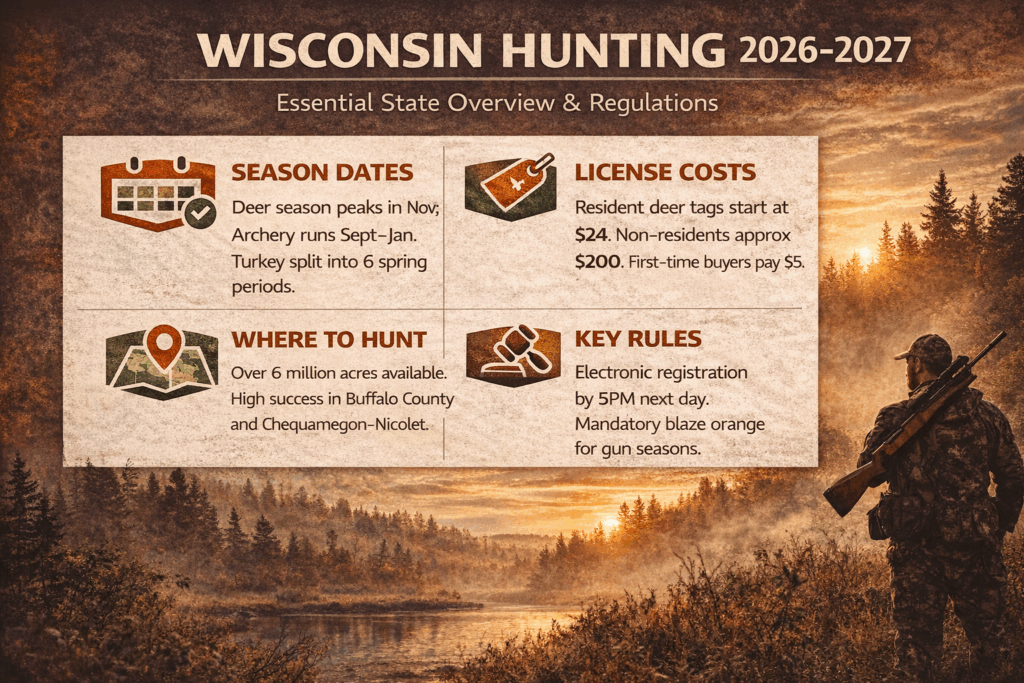
Quick Overview: Season Dates, Wisconsin Hunting Licenses, and Regulations
Wisconsin runs their licensing through the Go Wild system, and here’s something that trips up a lot of hunters: if you were born after January 1, 1973, you need hunter education. Unless you’re hunting with a mentor—then you can skip the classroom and get straight to the woods.
The state’s got options for everyone. First-time hunters get massive discounts, and if you’re serious about supporting conservation (and want to hunt everything), the Conservation Patron license is worth every penny.
Wisconsin Hunting License Costs
| License Type | Resident Cost | Non-Resident Cost |
|---|---|---|
| Gun Deer | $24.00 | $200.00 |
| Archery or Crossbow | $24.00 | $165.00 |
| Small Game | $19.00 | $90.00 |
| Turkey (Spring or Fall) | $15.00 | $60.00 |
| First-Time Buyer | $5.00 | $5.00 – $99.00 |
| Conservation Patron | $165.00 | $600.00 |
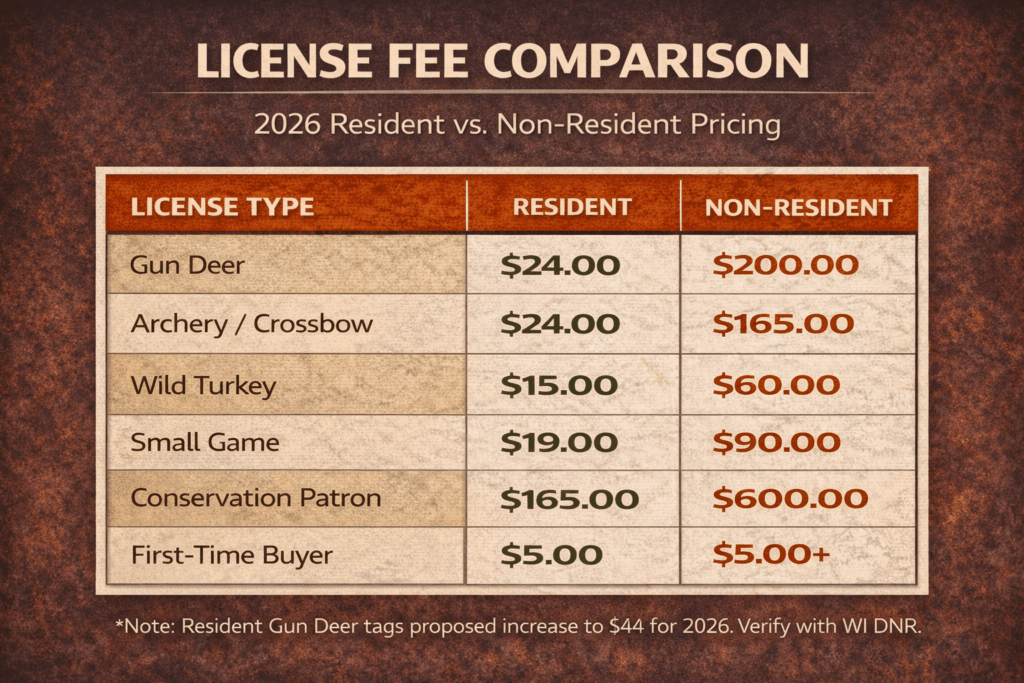
Heads up: They’re talking about bumping resident deer tags to $44 for 2026. Check the Wisconsin DNR before you buy. Bonus antlerless tags run $12 for residents, $20 for non-residents, and just $5 for kids under 12.
Wisconsin’s seasons run September through February, structured around Deer Management Units (DMUs) that determine your harvest tags. They recently reshuffled the DMUs in Central and Northern Forest Zones, so double-check your boundaries.
Wisconsin Hunting Seasons Overview
| Species | Season Type | Start Date | End Date | Bag Limit |
|---|---|---|---|---|
| White-Tailed Deer | Archery & Crossbow | Sept 12, 2026 | Jan 3, 2027 | 1 buck per license |
| White-Tailed Deer | Youth Hunt | Oct 10, 2026 | Oct 11, 2026 | 1 buck per license |
| White-Tailed Deer | Gun (Disabled) | Oct 3, 2026 | Oct 11, 2026 | 1 buck per license |
| White-Tailed Deer | Gun (9-Day Season) | Nov 21, 2026 | Nov 29, 2026 | 1 buck per license |
| White-Tailed Deer | Muzzleloader | Nov 30, 2026 | Dec 9, 2026 | 1 buck per license |
| White-Tailed Deer | Statewide Antlerless | Dec 10, 2026 | Dec 13, 2026 | Antlerless only |
| White-Tailed Deer | Holiday Hunt | Dec 24, 2026 | Jan 1, 2027 | Select Farmland units |
| Wild Turkey | Youth Hunt | April 11, 2026 | April 12, 2026 | 1 bearded bird |
| Wild Turkey | Spring Periods A-F | April 15, 2026 | May 26 | 1 bearded bird |
| Wild Turkey | Fall | Sept 12, 2026 | Jan 3, 2027 | Check authorization |
| Black Bear | Zones A, B, D | Sept 9, 2026 | Oct 13, 2026 | 1 bear |
| Black Bear | Zones C, E, F | Sept 9, 2026 | Oct 13, 2026 | 1 bear |
| Ducks | North Zone | Late Sept 2026 | — | Check regulations |
| Ducks | South Zone | Early Oct 2026 | — | Check regulations |
| Early Goose | Statewide | Sept 1, 2026 | Sept 15, 2026 | Check regulations |
| Teal | Statewide | Sept 1, 2026 | Sept 9, 2026 | Check regulations |
| Squirrel (Gray/Fox) | Statewide | Sept 12, 2026 | Feb 28, 2027 | 5 daily |
| Cottontail Rabbit | North Zone | Sept 12, 2026 | Feb 28, 2027 | 3 daily |
| Cottontail Rabbit | South Zone | Oct 17, 2026 | Feb 28 | 3 daily |
| Pheasant | Statewide | Oct 17, 2026 (9 AM) | Jan 3 | 2 daily |
Pro tip: Archery season runs until January 31 in Metro areas and some DMUs. Always verify your specific unit dates.
Wisconsin White-Tailed Deer Hunting
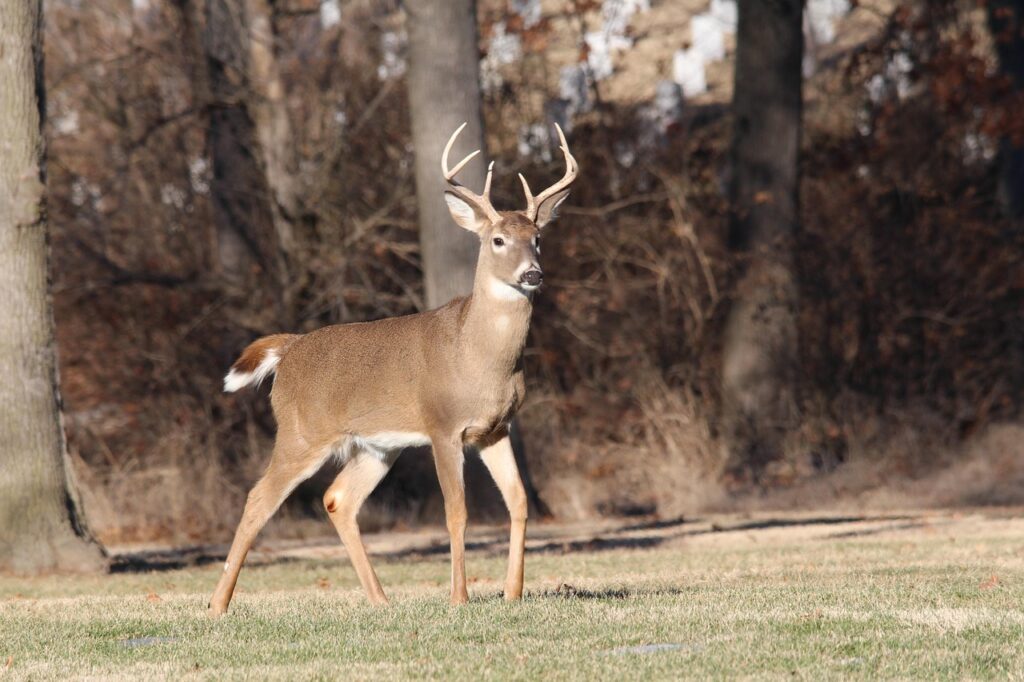
Wisconsin whitetails are legendary for good reason. Buffalo County alone has produced more Boone & Crockett bucks than most states see in a decade. The state gives you multiple shots at success—archery season runs nearly five months, gun season hits during peak rut, and muzzleloader extends your opportunities into December.
Want the full breakdown on Wisconsin’s best deer counties and hunting strategies? Check out our Wisconsin whitetail hunting guide.
Wisconsin White-Tailed Deer Hunting Seasons
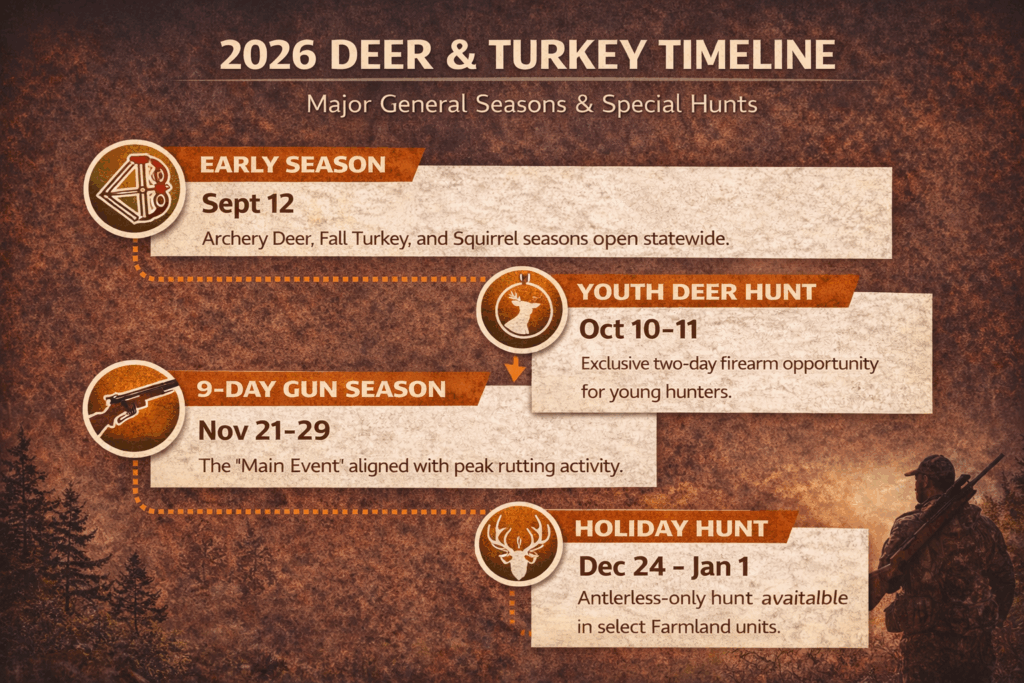
Archery & Crossbow (Sept 12 – Jan 3, 2027): This is your marathon season. Nearly five months to pattern deer, hunt the rut, and capitalize on post-season movement. In Metro areas and select DMUs, you get until January 31. Perfect for hunters who like to play the long game and avoid the orange army.
Youth Hunt (Oct 10-11, 2026): Two days dedicated to getting kids hooked on deer hunting. Youth hunters can use firearms in all DMUs except state parks, but they need a gun deer license if they’re carrying a firearm.
Gun Season – Disabled Hunters (Oct 3-11, 2026): Nine days of exclusive access for hunters with disabilities. Check the DNR’s disability hunting page for eligibility requirements.
9-Day Gun Season (Nov 21-29, 2026): The main event. This is when Wisconsin goes deer crazy, and for good reason—it typically lines up perfectly with peak rut. Blaze orange is mandatory: at least 50% of your upper body needs to be screaming orange or pink.
Muzzleloader (Nov 30 – Dec 9, 2026): Right after gun season ends, muzzleloader hunters get their shot at bucks that survived the chaos. Deer patterns are different post-rut, but the hunting can be fantastic.
Statewide Antlerless (Dec 10-13, 2026): No bucks allowed. This is pure population management, but it’s also your chance to fill the freezer with quality venison.
Holiday Hunt (Dec 24 – Jan 1, 2027): Only in select Farmland units. Hunting between Christmas and New Year’s? That’s dedication.
Wisconsin White-Tailed Deer Hunting Regulations
Wisconsin’s DMU system looks complicated, but it’s actually pretty smart. They restructured the Central and Northern Forest zones, so use the DNR’s mapping tool to verify your boundaries.
Here’s what matters:
- Buck tags: One per license type. Got both gun and bow licenses? You can tag two bucks total
- Antlerless tags: Each deer license includes 1-5 farmland antlerless tags depending on your unit
- Registration: Register your deer electronically by 5 PM the day after you recover it
- Blaze orange: 50% of upper body clothing during any gun season
- CWD areas: Check baiting restrictions and carcass movement rules if you’re hunting affected zones
Wisconsin Wild Turkey Hunting
Wisconsin’s turkey population is thriving, and their spring season setup is unique. Instead of just opening day and closing day, they use periods A through F to spread out hunting pressure. Smart system, though it means you need to plan ahead.
For zone breakdowns and calling strategies, see our Wisconsin turkey hunting guide.
Wisconsin Wild Turkey Hunting Seasons
Spring 2026 Periods: Wisconsin splits spring season into six periods:
- Youth Hunt: April 11-12
- Period A: April 15-21
- Period B: April 22-28
- Period C: April 29 – May 5
- Period D: May 6-12
- Period E: May 13-19
- Period F: May 20-26
Early periods mean less pressure but birds might still be henned up. Later periods? That’s when toms are fired up and looking for a fight.
Fall Season: September 12 – January 3, 2027. Overlaps with archery deer season, so you can chase both species. Fall birds are trickier—they’re in flocks, not breeding mode.
Wisconsin Wild Turkey Hunting Regulations
Turkey hunting requires harvest authorizations for specific periods. Non-residents pay $14.75 for additional authorizations.
Key rules:
- Spring limit: One bearded bird per authorization
- Authorization required: Apply for your preferred period; extras available for purchase
- Hunting hours: Half hour before sunrise to sunset
- Fall season: Different bag limits—verify current requirements
- Youth hunt: Great way to get kids started without the pressure
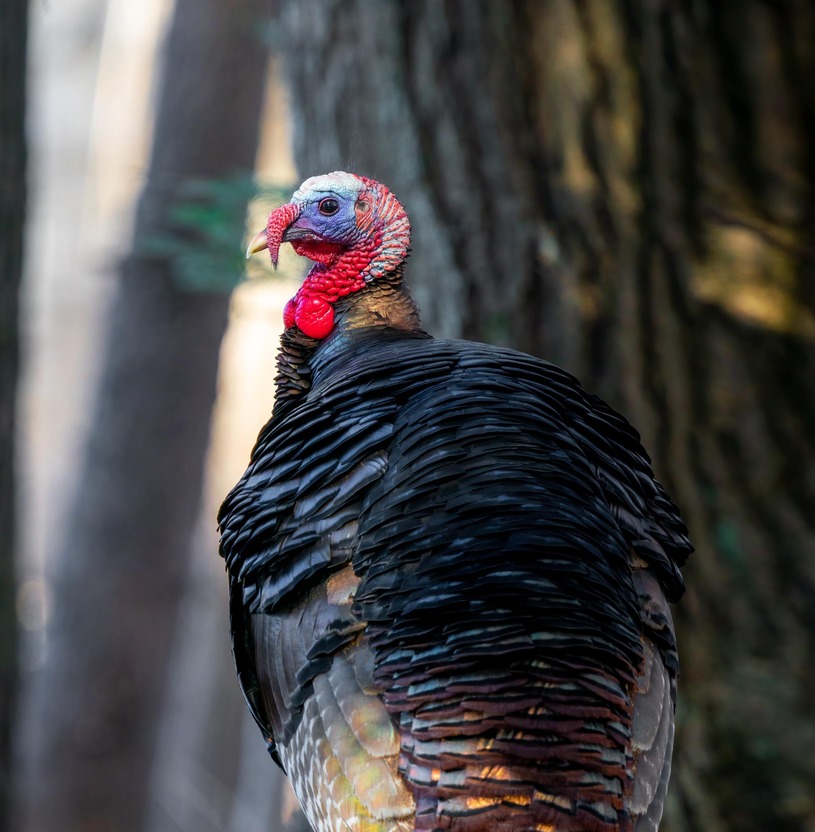
Wisconsin Black Bear Hunting
Wisconsin bear hunting is a waiting game. The preference point lottery means you’re looking at 7+ years before drawing a Class A license in most zones. But if you’re patient, Wisconsin’s northern forests hold excellent bear populations.
For zone analysis and point strategies, check our Wisconsin bear hunting guide.
Wisconsin Black Bear Hunting Seasons
Zones A, B, D (Dogs allowed):
- Bait/No dogs: Sept 9-15
- Dogs/Bait/All methods: Sept 16 – Oct 6
- Dogs only: Oct 7-13
Zones C, E, F (No dogs):
- Bait and legal methods: Sept 9 – Oct 13
Zone choice affects everything: wait times, hunting methods, bear density. Choose wisely because you’re committed for the long haul.
Wisconsin Black Bear Hunting Regulations
The preference point system requires strategy. Class A licenses go through the lottery, and you accumulate points until your number comes up.
What you need to know:
- Preference points: Accumulate annually until drawn
- Bag limit: One bear per license
- Zone selection: Affects wait time and hunting methods
- Baiting: Legal in all zones with specific rules
- Dog hunting: Only Zones A, B, D during designated periods
Wisconsin Minor Game Species Hunting
Small game hunting in Wisconsin is underrated. Long seasons, liberal bag limits, and you can hunt most species on a basic small game license. Perfect for beginners or anyone wanting to extend their hunting season.
Wisconsin Small Game Hunting Information
Squirrel: September 12 – February 28, 2027. Nearly six months of hunting with a 5-daily bag limit. Great for beginners and anyone who wants to keep hunting after deer season ends.
Cottontail Rabbit: North Zone opens September 12, South Zone waits until October 17. Both run through February 28, 2027. Three rabbits daily gives you plenty of action and table fare.
Pheasant: October 17 (9 AM start) through January 3, 2027. Farm country birds are more predictable than their wild cousins, and the 2-daily limit keeps harvest sustainable.
Wisconsin Waterfowl Hunting Information
Wisconsin sits right in the Mississippi Flyway, which means excellent waterfowl hunting. The North/South zone system accounts for different migration timing.
Early seasons: Geese September 1-15 statewide, teal September 1-9. Regular duck seasons typically start late September up north, early October down south.
Don’t forget the paperwork: Federal Duck Stamp for hunters 16+, Wisconsin Waterfowl Stamp, and steel shot only.
Where to Hunt in Wisconsin
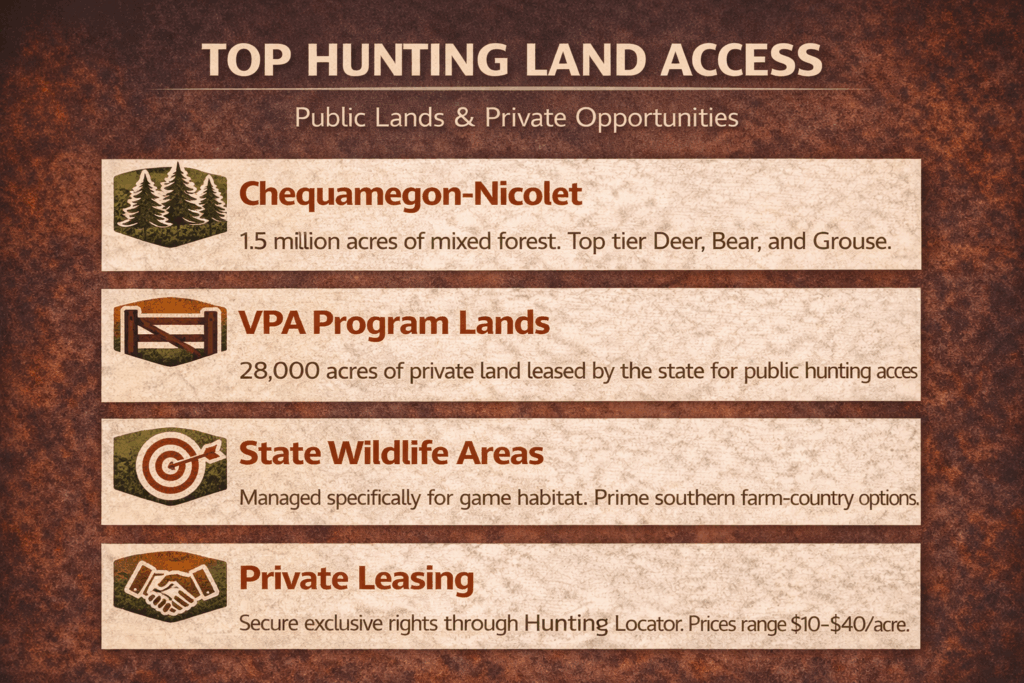
Wisconsin doesn’t mess around with public access—over 6 million acres of huntable land. From the massive Chequamegon-Nicolet National Forest to productive southern farmland, there’s terrain for every hunting style.
Best Public Lands
Wisconsin’s public land system is impressive:
- Chequamegon-Nicolet National Forest: 1.5 million acres of mixed forest perfect for deer, bear, and grouse
- State Wildlife Areas: Managed specifically for hunting and habitat
- State Forests: Multiple forests statewide with diverse opportunities
- County Forests: Often less crowded than state lands
- VPA Lands: 28,000 acres of private land open to public hunting
Guided Hunts
Guides solve the access problem and know the local patterns. Especially valuable for out-of-state hunters. Multi-day deer hunts run $2,000-$5,000, turkey hunts $1,500-$2,500.
Wisconsin’s guide industry is strongest in trophy deer counties, offering everything from full-service experiences to semi-guided hunts where you get land access and basic guidance.
Private Land Hunting
Private land means exclusive access and better game management. Lease prices range $10-40 per acre, with prime whitetail ground hitting $40. Worth it for consistent access and reduced pressure.
Thinking about buying? Hunting land averages $6,000 per acre. That’s serious money, so do your homework on location, habitat, and management potential.
Hunting Locator connects you directly with Wisconsin landowners offering leases and land sales. Search by location, acreage, target species, and budget. Find your Wisconsin hunting lease without the runaround.
FAQ
When do Wisconsin hunting licenses go on sale for 2026-2027?
Licenses typically go on sale in early spring through Go Wild. Deer licenses usually drop in April, other species closer to their seasons. First-time buyers get big discounts to get new hunters started.
Do I need hunter education to hunt in Wisconsin?
Born on or after January 1, 1973? You need hunter education. But you can hunt under the Mentorship program with a qualified mentor while you’re learning.
How do Wisconsin’s Deer Management Units affect my hunting?
DMUs determine your harvest tags and season dates. They changed the Central and Northern Forest zones, so verify your boundaries with the DNR’s mapping tools.
What are the blaze orange requirements in Wisconsin?
50% of upper body clothing must be blaze orange or pink during gun seasons. That includes archery hunters when gun seasons overlap. Waterfowl hunters get a pass while hunting ducks and geese.
How do I register my harvested deer in Wisconsin?
Register electronically by 5 PM the day after recovery through GameReg. You’ll need your harvest authorization number and answer a series of questions.
Can non-residents hunt in Wisconsin without a guide?
Absolutely. Wisconsin doesn’t require guides for non-residents, though they’re helpful for unfamiliar territory. Just buy your licenses and follow state regulations.
The Final Shot
Wisconsin’s 2026-2027 seasons offer something for every hunter, from legendary whitetails to northern forest bears. Success comes down to understanding the management systems—DMUs, preference points, zone boundaries—and securing reliable access to quality hunting ground.
Whether you’re a Wisconsin local planning your multi-species season or a non-resident chasing that wall-hanger buck, preparation and land access make the difference between stories and photos. Ready to lock down your Wisconsin hunting access? Browse quality hunting leases and connect with landowners to make your 2026-2027 season one for the books.


