Really, we enjoy a few simple things:
- The Thrill of the Hunt: The excitement of spotting a flock, the challenge of calling them in, and the satisfaction of a successful shot.
- Family Traditions: Memories of early mornings spent with family, learning the ropes, and creating lasting bonds.
- Connection with Nature: The serenity of the wetlands, the crisp fall air, and the beauty of the sunrise over the water.
- Camaraderie: The jokes, stories, and shared experiences in the blind that make each outing special.
- The Taste of Wild Game: Enjoying delicious, wild-caught duck that you can’t find in any store.
Duck hunting is more than just a sport—it’s a way of life that connects us to our past and brings joy in the present. If you’re looking forward to this year’s duck deason, let’s be sure you’ve got all the right info you need to be successful.

2024-25 Michigan Duck Seasons
The Michigan Department of Natural Resources has announced the following duck hunting season dates for the 2024 and 2025 seasons:
| Zone | 2024 Season Dates | 2025 Season Dates |
| North | Sept. 28 – Nov. 24 and Nov. 30 – Dec. 1 | Sept. 27 – Nov. 23 and Nov. 29 – 30 |
| Middle | Oct. 5 – Dec. 1 and Dec. 14-15 | Oct. 4 – Nov. 30 and Dec. 13-14 |
| South | Oct. 12 – Dec. 8 and Dec. 28-29 | Oct. 11 – Dec. 7 and Dec. 27-28 |
The daily bag limit will remain at 6 ducks, but hunters should be aware of species-specific restrictions. These include a limit of no more than 4 mallards (of which only 2 can be hens), 3 wood ducks, 2 redheads, 2 canvasbacks, 2 black ducks, 3 scaup, and 1 pintail.
In addition to the regular duck bag limit, hunters can take up to 5 mergansers per day, with a maximum of 2 hooded mergansers allowed. Coot limits are the same as the duck limits for each zone.
The Michigan DNR sets these waterfowl hunting regulations based on recommendations from the Citizens Waterfowl Advisory Committee (CWAC). These two work together to ensure there are always exceptional waterfowl hunting opportunities to be found in the state.

Huntable Michigan Duck Species
You can pick from a huge variety of duck species available to hunt. Some of the most common ducks found in Michigan include:
- Mallards – The most abundant duck in Michigan, mallards are found throughout the state in marshes, rivers, lakes and agricultural fields.
- Wood Ducks – These colorful ducks inhabit wooded wetlands and nest in tree cavities. They are the second most common duck harvested in Michigan.
- Blue-winged Teal – Fast-flying early migrants, blue-winged teal are popular targets during the early teal season in September.
- Green-winged Teal – The smallest North American duck, green-wings are common in shallow wetlands during migration.
- Gadwall – Sometimes called gray ducks, gadwalls prefer open marshes and lakes with abundant aquatic vegetation.
- American Wigeon – Also known as baldpates, wigeons often congregate in large flocks to feed on aquatic plants.
- Northern Pintail – These sleek, long-necked ducks are prized by hunters but have a restricted bag limit due to population concerns.
- Northern Shoveler – Nicknamed spoonbills, shovelers have a distinctive spatula-shaped bill for filter feeding.
- Diving ducks – Greater and lesser scaup (bluebills), redheads, canvasbacks, and ring-necked ducks are common diving duck species found on deeper lakes and rivers, especially later in the season.
- Sea ducks – Long-tailed ducks, white-winged scoters, and common goldeneyes can be hunted on the Great Lakes and connecting waters.
Bag limits and season dates vary by species, so hunters should consult the Michigan DNR waterfowl hunting digest for specific regulations each year. If you brush up on your identification of each species, you can choose which ducks you target. Otherwise, take the first ones to sit still amongst your decoys.
Requisite Licenses and Regulations
To hunt ducks in Michigan, hunters must follow specific licensing requirements and regulations set by the Michigan Department of Natural Resources (DNR). The key licenses and rules include:
| Requirement | Details |
| Base License | All hunters, including those pursuing waterfowl, must have a valid base license to hunt in Michigan. |
| State Waterfowl License | Duck hunters 16 years and older are required to purchase a Michigan waterfowl hunting license ($12 fee) in addition to their base license. |
| Federal Migratory Bird Hunting Stamp | Also known as a “duck stamp”, this $25 federal stamp is required for hunters 16 and older. It can be purchased at license agents, post offices, or online. The physical stamp must be signed in ink across the face. |
| HIP Endorsement | All migratory bird hunters, including those under 16, must register for the Harvest Information Program (HIP) endorsement. This free endorsement is automatically included with the purchase of a waterfowl license for those 16 and up. |
Hunters born on or after January 1, 1960 must have proof of successfully completing a hunter safety course or obtain an apprentice license to hunt waterfowl in Michigan. Apprentice licenses are available for both residents and non-residents, but are limited to two license years before requiring completion of a hunter safety course.
When in the field, whether on public land or private lands, duck hunters must adhere to season dates, bag limits, shooting hours, and other regulations. This includes using non-toxic shot, following species-specific bag limits, and properly tagging harvested birds.
Certain special hunt opportunities, such as the Youth Waterfowl Weekend, managed area hunts, and veteran/active-duty military hunts may have additional licensing or registration requirements.
Don’t have a license? Follow this link to buy a license.
Also Want to Hunt Geese? Info About the Goose Hunting Season
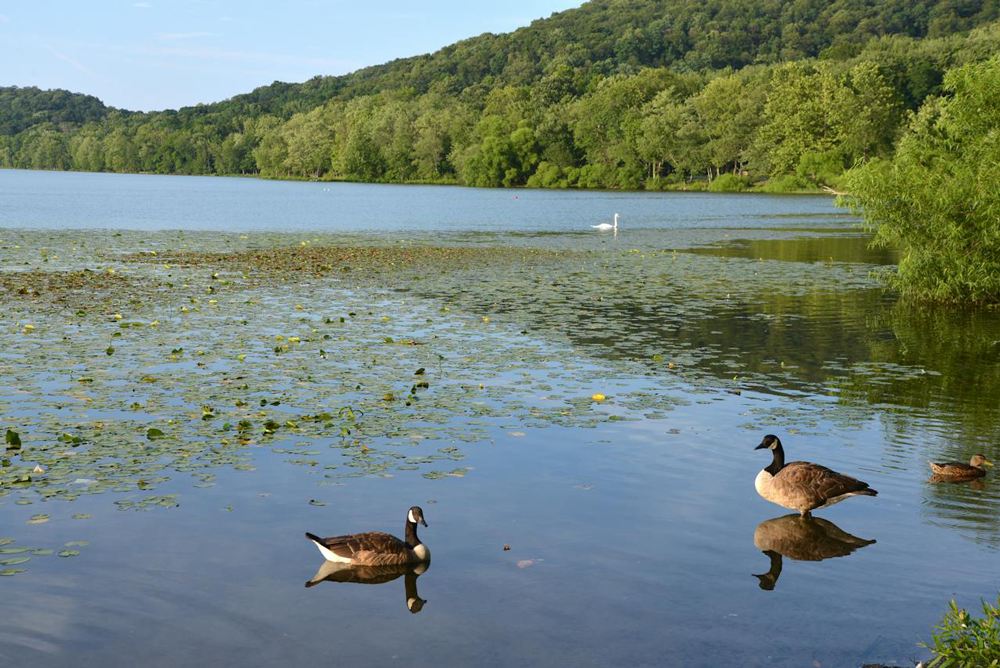
Michigan offers first-class waterfowl hunting for geese. Canada geese, white-fronted geese, and brant have a combined daily bag limit of 5 dark geese, but with some restrictions.
| Zone/GMU | Species | Season Dates |
|---|---|---|
| North Zone | Dark Goose (Canada, brant, white-fronted) | Sept. 1 – Dec. 16 |
| Light Goose (snow, blue, Ross’s) | Sept. 1 – Dec. 16 | |
| Middle Zone | Dark Goose (Canada, brant, white-fronted) | Sept. 1-30, Oct. 7 – Dec. 22 |
| Light Goose (snow, blue, Ross’s) | Sept. 1-30, Oct. 7 – Dec. 22 | |
| South Zone | Dark Goose (Canada, brant, white-fronted) | Sept. 1-30, Oct. 14 – Dec. 10, Dec. 30 – Jan. 7, Feb. 3-12 |
| Light Goose (snow, blue, Ross’s) | Sept. 1-30, Oct. 14 – Dec. 10, Dec. 30 – Jan. 7, Feb. 3-12 | |
| Allegan County GMU | Dark Goose (Canada, brant, white-fronted) | Sept. 1-30, Nov. 4-12, Nov. 25 – Dec. 3, Dec. 16 – Feb. 12 |
| Light Goose (snow, blue, Ross’s) | Sept. 1-30, Nov. 4-12, Nov. 25 – Dec. 3, Dec. 16 – Feb. 12 | |
| Muskegon County Wastewater GMU | Dark Goose (Canada, brant, white-fronted) | Oct. 17 – Dec. 23 |
| Light Goose (snow, blue, Ross’s) | Oct. 17 – Dec. 23 |
Notes:
- Dark Goose includes Canada geese, brant, and white-fronted geese.
- Light Goose includes snow geese, blue-phase snow geese, and Ross’s geese.
To hunt geese, you need a base license, a state waterfowl hunting license, and a federal migratory bird hunting stamp (duck stamp). Non-toxic shot is required, and harvested birds must be properly tagged.
Youth Waterfowl Hunting Weekend
Youth Waterfowl Hunting Weekend in Michigan is a special event for young hunters to experience waterfowl hunting. In 2023, this event will be on September 16-17 for youth 16 years old and younger with the proper licenses.
To participate, young hunters need a base license, apprentice license, or mentored youth license. Hunters aged 16 also need a state waterfowl license and a federal duck stamp.
Young hunters under 16 must have an adult with them. Those aged 10-16 can hunt with a parent, guardian, or someone 18 or older. Hunters under 10 must be with an adult 21 or older who meets the Mentored Youth Hunting Program requirements.
If using an apprentice license, the accompanying adult must be 21 or older and have a non-apprentice base license and waterfowl license.
During the event, youth hunters can hunt ducks, mergansers, geese, coots, and gallinules. Bag limits and species restrictions are the same as in the regular season. Adults can’t hunt these species during the youth hunt unless it’s the September Canada goose season.
There’s also a special hunting weekend for veterans and active-duty military on September 16-17, 2023. They must carry proof of their status and show it if asked by law enforcement.

Best Duck Hunting Spots on Public Land in Michigan
Lake Michigan and Lake Heron are prime duck waters. The Great Lakes see more than 3 million ducks fly past in their annual migration. These huge numbers make it really possible for any hunter to bag their daily limit for ducks.
But where to start? If you’re looking for land designated for public hunting, here are five great spots to check out.
- Saginaw Bay – As the largest freshwater coastal wetland system in the United States, Saginaw Bay is widely considered the top duck hunting destination in Michigan. The bay’s extensive marshes, open water, and agricultural fields attract a wide variety of dabbling and diving ducks throughout the season.
- Munuscong Bay – Located in the eastern Upper Peninsula, Munuscong Bay is a large, shallow bay of the St. Marys River that provides outstanding hunting for divers and puddle ducks. The bay and its associated state game area offer a mix of open water, emergent marsh, and wild rice beds that draw in waterfowl during migration.
- Fish Point State Wildlife Area – Situated at the tip of Michigan’s “Thumb” along Saginaw Bay, Fish Point is one of the state’s premier managed waterfowl hunt areas. Its coastal wetlands and flooded croplands are magnets for mallards, black ducks, pintails, and Canada geese. Hunters can participate in the daily drawing for reserved hunt zones or try their luck in the open hunting areas.
- Harsens Island – Part of the St. Clair Flats State Wildlife Area in Lake St. Clair, Harsens Island is a world-renowned waterfowl hunting spot. The island’s abundant marsh and shallow-water habitats host impressive numbers of puddle ducks, diving ducks, and geese from October through December. Like Fish Point, Harsens Island offers both managed and open hunting opportunities.
- Shiawassee River State Game Area – Known as the “Everglades of Michigan,” the Shiawassee River SGA encompasses over 10,000 acres of prime waterfowl habitat in the Saginaw Bay watershed. Its expansive floodplain attracts huge flocks of dabbling ducks, especially mallards and wood ducks. The area is divided into five units, each with its own hunting rules and access points.
While these five locations stand out, Michigan offers countless other excellent public hunting lands across the state, from the managed areas at Nayanquing Point and Pointe Mouillee to the open waters of Lake Erie and the St. Marys River. With diverse habitats ranging from coastal marshes to inland swamps and rivers, the Great Lakes State provides abundant opportunities for waterfowlers to pursue their passion.
Want to know how to hunt on public land? Read our simple guide.
How to Get Into a Private Hunting Lease in Michigan
Hunting on public land can be more difficult than on private land. More hunters, more decoys, and more pressure mean the ducks and geese know what’s up. They become harder to call in. Instead of dealing with all that, go private.
Setting up a hunting lease for duck hunting in Michigan involves several key steps to ensure a successful and legal arrangement between the landowner and hunters. Here is a guide to the process:
- Determine the lease terms – Decide on the duration of the lease (e.g., annual, seasonal, multi-year), the specific hunting rights granted, any restrictions on hunting methods or bag limits, and the lease price. Hunting leases in Michigan typically range from $10-$25 per acre depending on the quality of the habitat and hunting opportunities.
- Draft a written lease agreement – A written contract protects both the landowner and hunters by clearly defining the terms of the lease. Include details like the property description, lease duration, payment terms, liability waivers, and any special provisions related to duck hunting (e.g., blind construction, habitat management).
- Obtain liability insurance – Landowners should require hunters to provide proof of liability insurance coverage, often through a sportsman’s policy or hunting lease insurance. This protects the landowner in case of accidents or property damage. General liability policies with $1 million coverage are recommended.
- Follow state and federal waterfowl regulations – All duck hunting on the leased property must adhere to Michigan DNR and U.S. Fish & Wildlife Service rules for season dates, bag limits, hunting methods, and required licenses and stamps. The lease should stipulate that hunters are responsible for knowing and following these regulations.
- Consider additional lease provisions – Depending on the property and preferences of the landowner and hunters, the lease agreement may address issues such as:
- Guest policies and hunting party size limits
- Vehicle access and parking restrictions
- Construction and use of permanent or temporary blinds
- Game retrieval and dog training permissions
- Habitat manipulation or supplemental feeding of waterfowl
- Farming activities and crop harvest schedules
- Use of facilities like cabins, boat launches, or campgrounds
- Maintain open communication – Ongoing communication between the landowner and hunters is essential for a positive leasing experience. Schedule pre-season and post-season meetings to review expectations, discuss any issues that arise, and make plans for habitat improvements or lease renewal.
Hunting Locator is here to help. We can give you access to dozens of great lease properties to hunt ducks, geese, and other game. Whether you’re on the inland lakes or somewhere else, we can help you find the right hunting lease. Here are a few resources to help you:
- List of available Michigan private hunting leases for ducks.
- Tips on how to write a hunting lease agreement.

5 Top Tips for the Best Decoy Deployment
Here are 5 expert tips for setting up duck hunting decoys in Michigan:
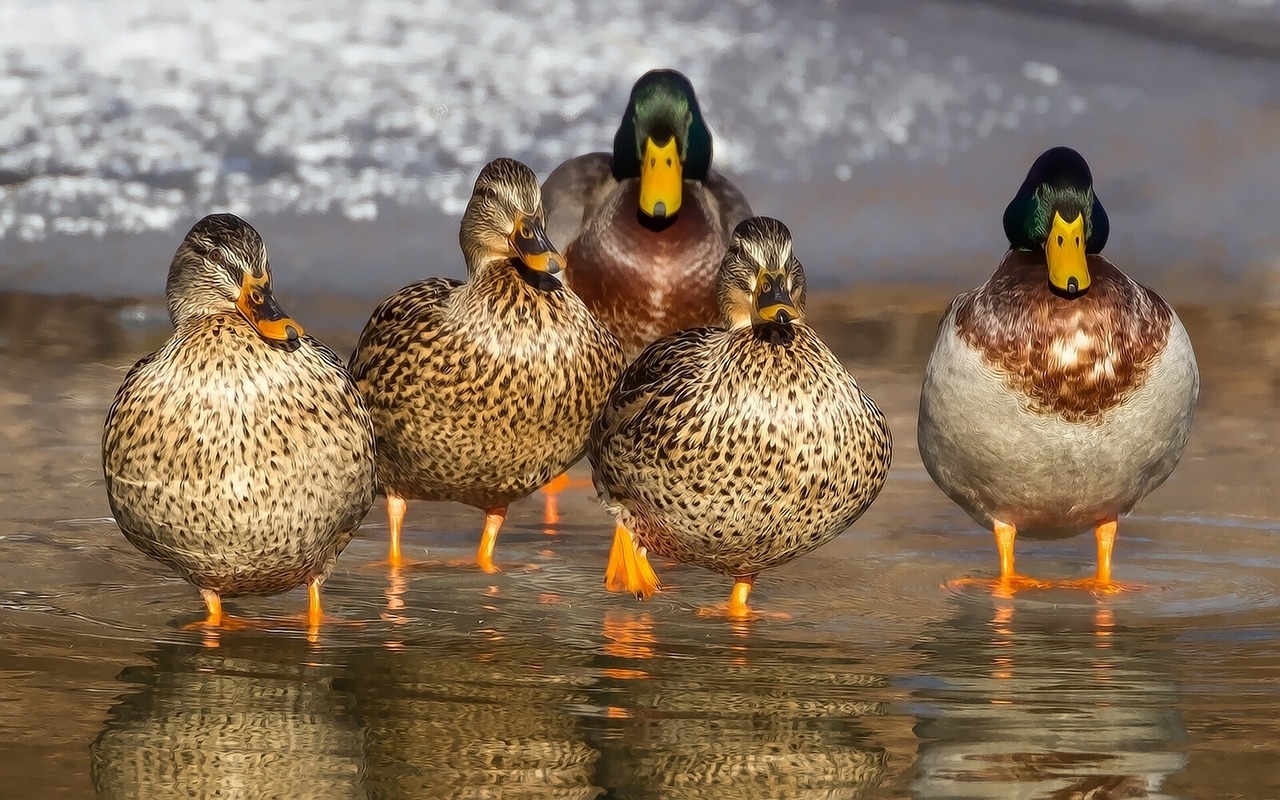
- Use a variety of decoy species and postures – Incorporate multiple duck species like mallards, wood ducks, teal, and pintails in your spread to mimic natural flocks. Include a mix of feeding, resting, and swimming postures to create a realistic look.
- Adjust your spread based on the season and weather – Early season ducks are less decoy-shy, so smaller spreads of 1-2 dozen decoys can be effective. Later in the season, increase your decoy numbers and add motion with spinning wing decoys, splashing feeders, and swimming decoys. On calm days, use more active decoys; in wind and waves, long lines of resting decoys work well.
- Pay attention to decoy placement patterns – Arrange your decoys in a J, U, or V-shaped pattern with landing zones that give incoming ducks a clear visual path into the spread. Leave gaps of 10-15 yards between decoy clusters to avoid overcrowding the spread. Set your landing zone within easy shooting range, typically 20-40 yards from your blind.
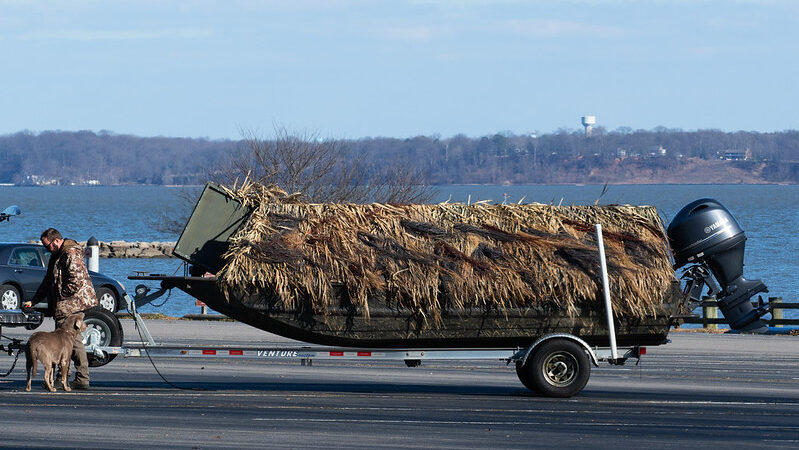
- Conceal your blind and hide movement – Ducks have keen eyesight, so it’s critical to blend your blind into natural cover like cattails, brush, or marsh grass. Wear camouflage that matches your surroundings, keep your face covered, and minimize movement until you’re ready to shoot. If hunting fields, dig pit blinds or use layout blinds hidden in corn stubble or other crop residue.
- Adapt to changing bird behavior – If ducks are flaring away from your spread, make adjustments like repositioning decoys, changing the landing zone angle, or reducing decoy numbers. Use a jerk string to add ripples and motion to the water. Vary your calling and shot timing to keep pressured ducks guessing. Being flexible and making small changes can turn wary ducks into decoy-committed birds.
By following these expert decoy strategies and adapting to the conditions, Michigan duck hunters can create highly effective decoy spreads that bring more birds into shooting range throughout the season. Remember that experimentation, attention to detail, and quick adjustments are key to consistent decoy success.
FAQ
What are the key dates for the 2024-2025 duck hunting season in Michigan?
For the 2024-2025 season, the dates are as follows:
- North Zone: Sept. 28 – Nov. 24 and Nov. 30 – Dec. 1, 2024
- Middle Zone: Oct. 5 – Dec. 1 and Dec. 14-15, 2024
- South Zone: Oct. 12 – Dec. 8 and Dec. 28-29, 2024
What licenses do I need for duck hunting in Michigan?
To hunt ducks in Michigan, hunters need a base license, a state waterfowl license, and a federal migratory bird hunting stamp (duck stamp). Additionally, hunters must register for the Harvest Information Program (HIP) endorsement. Hunters born after January 1, 1960, must also have proof of completing a hunter safety course or obtain an apprentice license.
What are the daily and possession limits for ducks and geese?
The daily bag limit for ducks in Michigan is six, with species-specific restrictions such as four mallards (only two hens), three wood ducks, and one pintail. The possession limit is three times the daily limit. For geese, the daily limit is five dark geese (Canada geese, white-fronted geese, brant) and 20 light geese (snow, blue, Ross’s).
Are there any specific regulations for hunting on public lands?
Hunting on public lands in Michigan requires adherence to state and federal regulations, including using non-toxic shot and following species-specific bag limits. Hunters must also respect designated hunting zones and times, use portable blinds or temporary setups, and follow any additional rules specific to wildlife management areas and state game areas.
What are the best hunting spots in Michigan?
Top hunting spots in Michigan include Saginaw Bay, Munuscong Bay, Fish Point State Wildlife Area, Harsens Island, and Shiawassee River State Game Area. These locations are renowned for their excellent waterfowl habitat, attracting a variety of duck species and providing diverse hunting opportunities throughout the season.
How do I prepare my equipment for the season?
Preparing for the season involves checking and maintaining all gear. Ensure your shotgun is clean and functioning, stock up on the right ammunition, and inspect your decoys for wear and tear. Practice your calls, repair any damaged blinds, and ensure your waders and camouflage are in good condition. Regularly update your hunting licenses and stamps.
What are the safety guidelines for duck hunting?
Key safety guidelines include always handling firearms with care, wearing proper safety gear like life jackets when hunting near water, and being aware of your surroundings. Hunters should also use safe shooting practices, such as ensuring a clear line of sight and knowing the location of fellow hunters. Always follow state and federal hunting regulations.
How can hunters contribute to waterfowl conservation?
Hunters can support waterfowl conservation by purchasing duck stamps, which fund habitat protection, and following sustainable hunting practices. Participating in local conservation programs and respecting bag limits helps maintain healthy waterfowl populations. Additionally, hunters can volunteer for habitat restoration projects and educate others about the importance of conservation efforts.


