Elk hunting Utah? Whether you’re a seasoned hunter or new to the pursuit of elk, understanding the intricacies of Utah’s hunting regulations, discovering the prime locations, and equipping yourself with the right knowledge and gear are crucial steps towards making your elk hunting dreams a reality.
- Navigate Utah’s elk hunting regulations and secure the necessary permits and tags.
- Explore the top elk hunting locations across Utah, including public and private land options.
- Master effective hunting techniques and the essential gear for a successful elk hunt.
Let’s delve into the essential details that will guide you through planning your unforgettable elk hunting experience in the state of Utah.
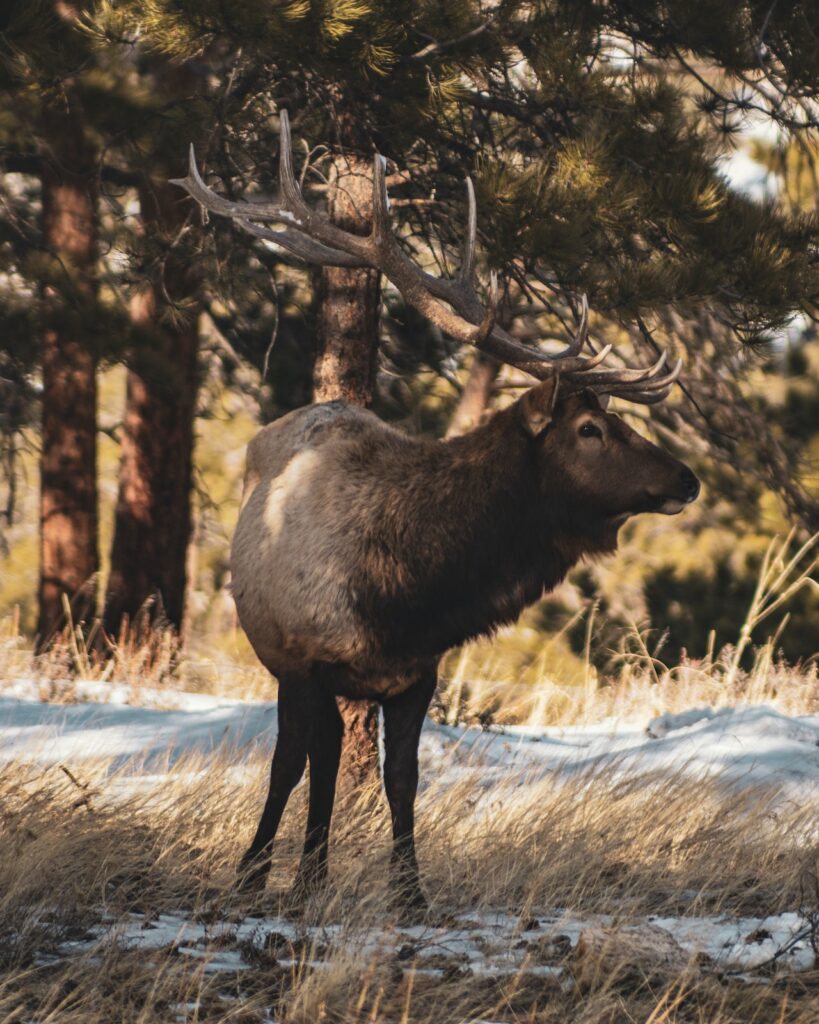
Navigating Utah’s Elk Hunting Regulations and Permits
To embark on your elk hunt in Utah, understanding and adhering to the state’s regulations is paramount. The Utah Division of Wildlife Resources (DWR) sets the guidelines for elk hunting, including season dates, permit requirements, and legal hunting methods. Obtaining the correct permits and elk tag is the first crucial step in planning your successful hunt. Utah utilizes a draw system for many of its coveted limited entry units, offering the chance for hunters to pursue mature bull elk in areas with lower hunter density and higher success rates.
Interested in more than just elk? Check out our guide to Hunting in Utah for information about bear hunting, bighorn sheep, pronghorn antelope, and all the small furbearers you can trap.
Understanding General and Limited Entry Permits
Utah offers both general elk permits and limited entry elk permits. General permits are typically over-the-counter and allow hunting in designated general season units. These hunts can still be incredibly rewarding and offer ample opportunities for hunters. Limited entry units, on the other hand, are managed for higher quality hunting experiences and require applying through a random draw system. The draw process usually takes place several months before the hunting season, so it’s essential to check the Utah DWR website for application deadlines and details. For those who may miss the draw or prefer a more controlled environment, exploring options for a guided elk hunt on private land can be a viable alternative.
Season Dates and Weapon Choices
The elk hunting season in Utah typically spans from mid-August through early December, offering opportunities for archery, any legal weapon (rifle hunts), and muzzleloader hunts. The specific dates for the 2025 season are as follows:
| Weapon Type | Season Dates (2025) | Permit Type |
|---|---|---|
| Archery (Spike Elk) | August 16 – September 5, 2025 | General & Limited |
| Archery (Any Bull Elk) | August 16 – September 17, 2025 | General & Limited |
| Any Legal Weapon (Rifle) (Spike Elk) | October 4 – October 10, 2025 | General |
| Any Legal Weapon (Rifle) (Any Bull Elk – Early Season) | October 4 – October 10, 2025 | General |
| Muzzleloader | October 30 – November 7, 2025 | General & Limited |
| Youth Rifle (Any Bull Elk) | September 14 – September 22, 2024 (Note: 2025 dates not specified) | General |
Multi-season hunts are also available, combining archery, any legal weapon, and muzzleloader seasons for both spike-only and any bull units.
It’s important to note that these dates are subject to change, and hunters should always verify the most current information with the Utah Division of Wildlife Resources before planning their hunt.
Obtaining Your Elk Tag
Once you have secured your elk permit, you will also need to obtain the corresponding elk tag. This tag must be properly attached to a harvested elk immediately after the kill. Ensure you understand the specific tagging requirements outlined in the Utah hunting regulations. For those considering a guided elk hunt, outfitters often assist with ensuring all necessary tags and permits are in order.
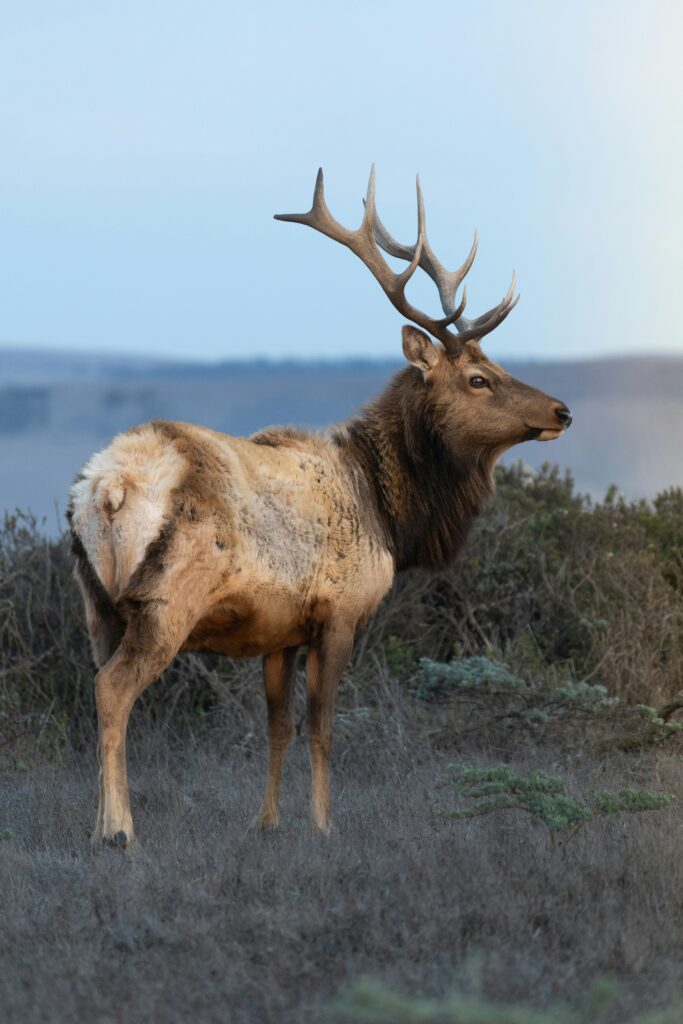
Where to Hunt in Utah
Choosing the right location is a major key to a great hunting experience, and Utah offers a wealth of options. You can explore scenic public lands, secure access through private leases, or even decide to invest in your own hunting property. Below, we at Hunting Locator will guide you through each approach—and show you how our services can help you find the perfect fit.
Public Land Hunting
Utah’s public lands encompass millions of acres, ranging from alpine national forests to desert rangelands. You have the freedom to roam a variety of terrains in pursuit of elk, mule deer, upland birds, or waterfowl. The sheer size of these areas, however, can make it tough to figure out where to begin. That’s where we come in.
We’ve compiled public hunting land listings for Utah so you can see all your options in one place. Our goal is to help you eliminate guesswork by providing details about each area—habitat features, dominant game species, and links to further regulations. This gives you more time for planning your hunt and less time searching through multiple agency websites.
Private Leases
If you’d prefer the privacy and consistent access that comes with a lease, we’re here to connect you directly with landowners who are ready to discuss terms. Utah’s private parcels can be especially productive for deer, elk, or even waterfowl, depending on location and habitat management.
When you browse our Utah lease listings, you can filter by acreage, cost, target species, and more. We’ve built this system so you can quickly zero in on the properties that fit your goals. Whether you want a short-term arrangement for spring turkey season or an annual lease for the entire big game cycle, we’ll help you find it. Our site also streamlines communication with landowners, making it straightforward to ask questions and finalize agreements.
Land for Sale
Owning land in Utah allows you to shape the habitat long-term, potentially creating a personal haven for yourself, your family, or your hunting partners. By investing in a property, you gain full control over management practices, season access, and who gets to join you in the field.
If that’s something you’re considering, we maintain a dedicated page for hunting land for sale in Utah. Each listing provides an overview of acreage, approximate location, and natural features—so you can see how well it aligns with your species of interest. As you evaluate these properties, our goal is to save you time by having it all in one convenient directory, letting you focus on picking the best land rather than juggling multiple websites.
No matter which route you choose—public lands, private leases, or outright ownership—Utah’s expansive landscapes promise a memorable hunting experience. And if you have any questions or need help narrowing down your options, we’re always here to assist. At Hunting Locator, our mission is simple: connect you to the most suitable land opportunities, so you can concentrate on what truly matters—enjoying a safe, successful hunt.
Mastering Elk Hunting Techniques and Essential Gear
A successful hunt hinges on employing effective hunting strategies and having the right gear. Elk are intelligent and wary animals, so understanding their behavior and being well-prepared is essential.
Effective Elk Hunting Strategies
- Calling During the Rut: The rut, typically occurring in September, is a prime time for elk hunting. Using bugles to imitate bull elk and cow calls to mimic females can be incredibly effective in drawing elk within range.
- Tracking and Stalking: Learning to identify and follow elk sign, such as tracks, droppings, and rubs, can lead you to their location. Stalking requires patience, stealth, and careful attention to wind direction.
- Setting Up on Travel Corridors: Identifying natural travel routes that elk frequently use between feeding and bedding areas can provide excellent ambush opportunities.
- Glassing: Utilizing high-quality binoculars and spotting scopes to locate elk from a distance can save time and energy, especially in vast terrain.
Essential Gear for Your Elk Hunt
- Weapon of Choice: Ensure your rifle, muzzleloader, or bow is well-maintained and you are proficient with it. Choose ammunition or arrows appropriate for elk.
- Optics: High-powered binoculars (10×42 or higher) and a spotting scope are invaluable for locating and evaluating elk at long distances.
- Clothing: Layered, moisture-wicking clothing is crucial for adapting to changing weather conditions in the mountains. Include waterproof and windproof outer layers.
- Footwear: Sturdy, comfortable hiking boots are essential for navigating challenging terrain.
- Backpack: A durable backpack with sufficient capacity to carry your gear, food, water, and harvested game.
- Game Bags: Breathable game bags are necessary to properly cool and transport elk meat.
- Elk Calls: Bugle tubes and various cow calls are essential tools for attracting elk during the rut.
- Rangefinder: Accurately determining the distance to your target is critical for ethical shots.
- Navigation: A GPS device or smartphone with offline maps, along with a traditional compass, is crucial for navigating in the wilderness.
- First-Aid Kit: A well-stocked first-aid kit is a necessity for any backcountry hunting trip.
- Water and Food: Carry an ample supply of water and high-energy food for the duration of your hunt.
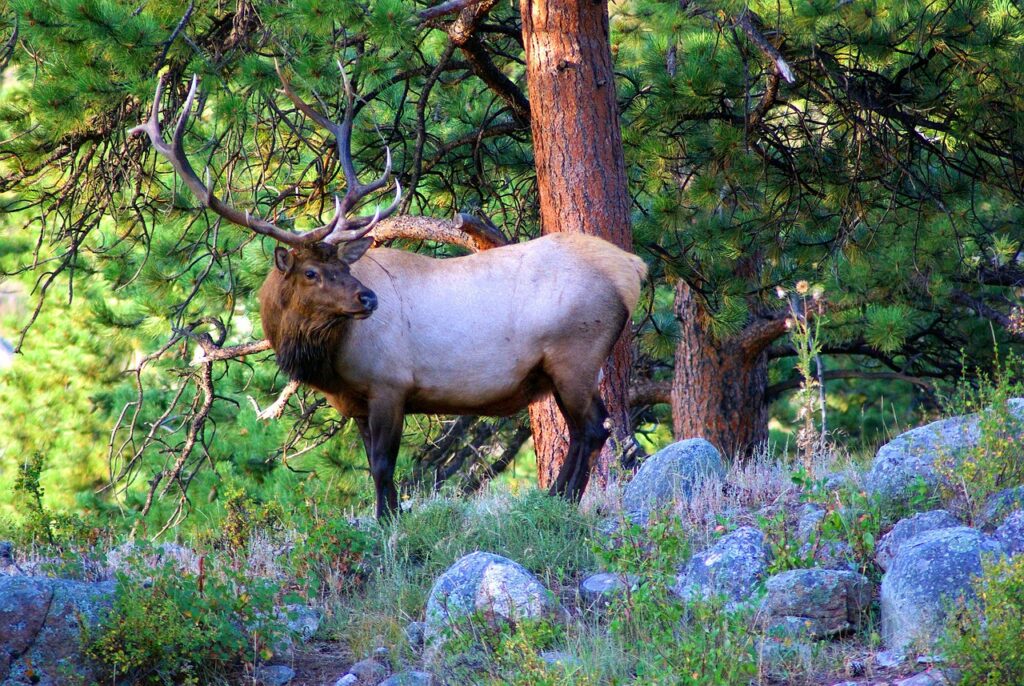
Prioritizing Safety and Ethical Hunting Practices
Safety and ethical behavior are paramount during any hunting endeavor. Being a responsible hunter ensures the sustainability of wildlife populations and maintains a positive image for the sport.
Essential Safety Precautions
- Firearm Safety: Always treat every firearm as if it were loaded. Keep your finger off the trigger until you are ready to shoot and be absolutely sure of your target and what lies beyond it.
- Hunter Orange: Wear hunter orange clothing during rifle seasons to increase your visibility to other hunters.
- Weather Awareness: Be prepared for rapidly changing weather conditions in the mountains. Check the forecast before heading out and pack accordingly.
- Navigation and Communication: Always know your location and carry a means of communication, such as a satellite communicator or personal locator beacon (PLB), especially when hunting in remote areas.
- Physical Conditioning: Elk hunting often involves hiking in steep and rugged terrain. Ensure you are physically fit enough for the challenge.
Ethical Hunting Principles
- Fair Chase: Hunt in a manner that does not give you an unfair advantage over the animal.
- Clean Kills: Strive for quick and humane kills by knowing your weapon’s capabilities and shot placement.
- Respect for Wildlife: Appreciate the animals you hunt and their role in the ecosystem.
- Proper Game Care: Field dress and care for harvested game promptly and properly to ensure the meat is preserved.
- Adherence to Regulations: Always follow all hunting laws and regulations set forth by the Utah DWR.
- Respect for Private Property: Obtain permission before entering private land and always leave it as you found it.
FAQ
When is the best time to elk hunt in Utah?
The best time for elk hunting in Utah is generally during the rut, which typically occurs in September and early October. This is when bull elk are most vocal and responsive to calls.
How difficult is it to draw a limited entry elk permit in Utah?
Drawing a limited entry elk permit in Utah can be quite difficult, as demand often exceeds the number of available permits. The odds vary depending on the specific unit and your residency status. Applying as a team can sometimes slightly improve your chance in the random draw.
What is the cost of an elk hunting license and permit in Utah?
The cost of elk hunting licenses and permits in Utah varies for residents and non-residents. You will need to purchase a general hunting license in addition to an elk permit. Limited entry permits may have additional fees. Check the Utah DWR website for the most current pricing.
Can non-residents hunt elk in Utah?
Yes, non-residents can hunt elk in Utah, but they are subject to different license and permit fees and may have different draw odds for limited entry units.
Where can I find an experienced elk hunting guide or outfitter in Utah?
You can find a list of licensed outfitters and guides on the Utah Outfitters and Guides Association website or through recommendations from other hunters. Be sure to check references and ensure they are reputable and experienced in providing guided hunts for elk in the specific area you are interested in.
What are the antler restrictions for general season elk hunting in Utah?
During the general rifle season, the harvest of spike bull elk (bulls with at least one antler having no branching above the ears) is typically allowed. Specific regulations can vary by unit, so always check the current Utah DWR guidebook.
What other hunting opportunities are available in Utah?
Utah offers a variety of other hunting opportunities, including deer, moose, mountain goat, antelope hunts, turkeys, and more. Each species has its own specific seasons, regulations, and permit requirements.
The Final Shot
Utah stands as a world-class destination for elk hunting, offering a challenging and rewarding experience amidst breathtaking scenery. Whether you choose to pursue a general season elk on vast public lands or seek the expertise of seasoned guides for a limited entry unit hunt on private land, the memories created during your elk hunt in Utah will last a lifetime. Remember to prepare thoroughly, respect the land and wildlife, and always prioritize safety and ethical hunting practices. Start planning your elk hunting utah adventure today and experience the thrill of the hunt in the heart of the American West.


