In this guide, we’ll explore everything you need to know to make the most of the upcoming hunting seasons. We’ll walk through license requirements, highlight big and small game opportunities, compare public land spots to private leases, and show you exactly how to plan a safe, successful hunt in Virginia.
- Learn which licenses and permits you’ll need (and how to get them)
- Discover key species, season dates, and bag limits for big and small game
- Explore prime hunting locations, from state forests to private lease listings
Before you head into the woods or marsh, let’s begin with a look at how to secure the right hunting licenses and permits.
Hunting Licenses and Permits
Virginia’s hunting regulations require anyone who does not qualify for an exemption (e.g., certain landowners, age-related exemptions, or disabled veterans) to hold a valid hunting license. In many cases, you’ll need additional tags or endorsements—like a Deer/Turkey License or Bear License—to hunt certain game species. If you plan to use specific methods (archery or muzzleloader), you must add an Archery License or a Muzzleloader License, respectively. Waterfowlers 16 and older will also need a Federal Duck Stamp and a Virginia Migratory Waterfowl Conservation Stamp, in addition to registering with HIP (Harvest Information Program).
Once you’re certain of the species (big game, small game, waterfowl, etc.) and the method (rifle, archery, muzzleloader), review the available license types below to see which combination applies to your circumstances. Note that resident and nonresident fees differ, and costs may change year to year. The process to buy licenses includes online (GoOutdoorsVirginia.com), by phone, through authorized retailers (sporting goods stores, Walmart, etc.), or in person at select Virginia Department of Wildlife Resources (DWR) offices.
The table below combines each major license type with a brief description and approximate fees for residents and nonresidents:
| License Name | Description | Resident Fee | Nonresident Fee |
|---|---|---|---|
| Resident Annual Hunting | Basic credential that lets Virginia residents hunt small game (like squirrels, rabbits, certain birds) statewide. Does not cover big game or special methods. | $23 | N/A |
| Nonresident Annual Hunting | Equivalent to the Resident Annual Hunting License, but priced for nonresidents. Lets you hunt small game only. | N/A | $111 |
| Deer/Turkey License | Required if you plan either sex deer hunting (antlered or antlerless) or turkey. Often purchased alongside the Annual Hunting License. | $23 | $86 |
| Bear License | Needed if you intend to pursue black bear, whether during archery, muzzleloader, or firearms seasons. | $20 | $151 |
| Archery License | Allows bow or crossbow hunting during any open archery season (e.g., early archery for deer, fall turkey archery, etc.). Must be accompanied by a valid base license (e.g., Annual Hunting License). | $18 | $31 |
| Muzzleloader License | Grants the ability to participate in designated muzzleloader (black powder) hunts for deer, bear, or turkey. Requires the appropriate base license (e.g., Annual Hunting License + Deer/Turkey License). | $18 | $31 |
| Virginia Migratory Waterfowl | A stamp for all waterfowl hunters in the Commonwealth (ducks, geese, swans). Required alongside HIP registration; helps fund wetland conservation and waterfowl programs. | $10 | $10 |
| Federal Duck Stamp | Mandatory (for ages 16+) if you hunt migratory waterfowl; funds nationwide habitat projects under the U.S. Fish & Wildlife Service. | $25 (set by USFWS) | $25 (set by USFWS) |
| Apprentice License | One-year entry option for new hunters who have not completed a hunter education course. Must hunt under direct supervision of a licensed adult. | $23 | $23 |
The Youth and Apprentice Antlerless Deer Regulation allows apprentice hunters to hunt one antlerless deer in addition to designated either-sex hunting days. This regulation applies across all lands statewide during specified seasons, ensuring that these hunters have opportunities to participate in deer hunting beyond standard regulations.
How to Obtain a Virginia Hunting License
- Online: Visit GoOutdoorsVirginia.com to purchase licenses instantly; you can print most credentials at home.
- By Phone: Call the DWR licensing line, pay via credit card, and note your confirmation number until the official license arrives.
- Retailers: Many big-box stores (Walmart, etc.), local sporting goods shops, and county treasurers can issue or renew Virginia hunting licenses on the spot.
- In Person at DWR Offices: Ideal if you have special questions or need help with unique licensing scenarios (e.g., disability exemptions or landowner discount programs).
Always verify fees and any recent changes by checking the latest DWR Hunting & Trapping Regulations Digest. If you plan to harvest big game, ensure you also obtain the correct tags (e.g., Deer/Turkey or Bear License). Waterfowlers 16+ should not forget their Federal Duck Stamp, and those interested in archery or muzzleloader methods must purchase the corresponding additional license.
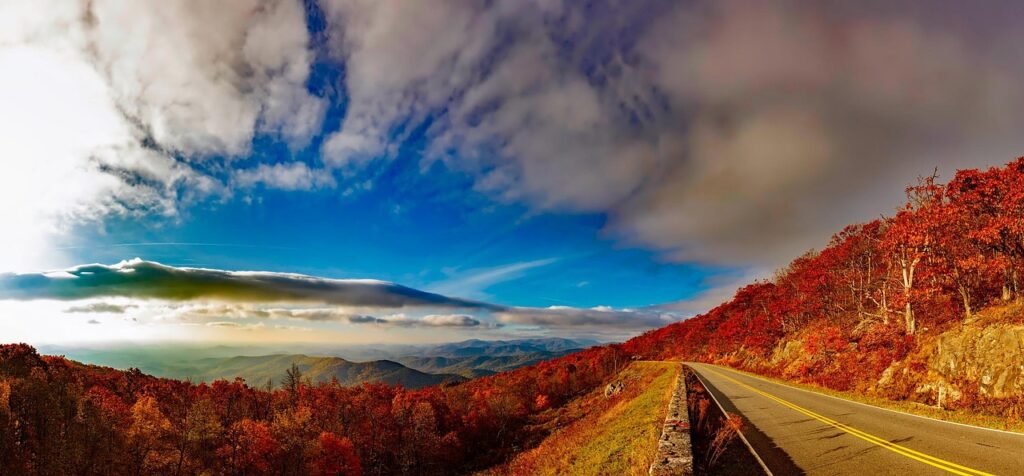
Big Game Species in Virginia
Big game hunting in Virginia centers on four primary species: white-tailed deer, black bear, wild turkey, and elk. Each species has multiple season segments (e.g., archery, muzzleloader, general firearms) and unique rules about bag limits, weapons, youth/mentor opportunities, and location-specific restrictions. Below is an overview table capturing key details—season dates, daily or seasonal bag limits, license requirements, and noteworthy regulations or tips.
Big Game Overview Table
| Species | Season Segment | Approx. Dates | Bag Limit / Permits | Required Licenses | Special Notes |
|---|---|---|---|---|---|
| White-tailed Deer | Early Archery | Early Oct. – Mid-Nov. (varies by county) | Usually up to 2 per day (see local rules); total deer per year often 5–6 in eastern counties, 5 west of Blue Ridge. Bonus permits for antlerless possible in high-density areas. Either-sex days vary. | Base Hunting License + Deer/Turkey License + Archery License (if bowhunting) | Urban archery seasons may start earlier in certain cities/towns. “Youth/Apprentice Deer Hunting Weekend” offers early opportunities. “Earn a Buck” rules in some counties. Must abide by either-sex day schedules and location-based firearms ordinances. |
| White-tailed Deer | Early Muzzleloader Season | Late Oct. / Early Nov. – mid-Nov. | Typically 2 per day, but local restrictions apply. Some days antlered-only or antlerless-only. Overall annual deer count remains part of total. | Base License + Deer/Turkey + Muzzleloader License | West vs. East of Blue Ridge dates can differ; some counties allow only one deer/day on public lands. Apprentice hunters can still participate if accompanied. |
| White-tailed Deer | General Firearms | Mid-Nov. – late Dec. / early Jan. | Typically 2 per day; certain counties allow more. Max seasonal total often 5–6. Either sex days widely vary. | Base License + Deer/Turkey License | Some municipalities restrict centerfire rifles. Sunday hunting permitted on private land (with distance rules for places of worship); consult WMAs or national forest sites for local firearms restrictions. |
| White-tailed Deer | Late Muzzleloader (East/West) | Mid-Dec. – early Jan. (varies) | Similar daily/seasonal bag limits as early muzzleloader. Typically covers final weeks of deer season. | Base License + Deer/Turkey + Muzzleloader License | Often includes short windows for either sex. In southwestern counties, or high elevations, seasons may differ. Nova late archery or special extended hunts can overlap. |
| Black Bear | Archery / Early Muzzleloader | Early Oct. – mid-Nov. | 1 bear per license year (any sex), with some weight/size restrictions in certain counties. | Base License + Bear License (+ Archery or Muzzleloader License if using those methods) | Dogs allowed in some firearm segments but not archery/muzzleloader. Bear populations expanding in mountain counties, also present east of Blue Ridge. Some areas require tooth submission for research. |
| Black Bear | General Firearms | Late Sep. (in some counties) – early Jan. | 1 bear per license year. Region-specific opening dates and dog rules. | Base License + Bear License | Certain “Early Firearms Bear Season” exist in selected western counties. Check national forest or WMA guidelines for any special management hunts or closure zones. |
| Wild Turkey | Fall Archery | Early Oct. – mid-Nov. | 1 turkey per day; total 3 per year (max 2 in fall). | Base License + Deer/Turkey + Archery License (if archery) | Fall turkey may overlap with deer archery. Either sex in fall. Dogs are legal only in fall firearms turkey hunts, not archery. |
| Wild Turkey | Fall Firearms | Late Oct. – varying closures by county | 1 per day; counts toward 3 annual max. Some counties open partial weeks (e.g., Mon.–Sat.) rotating each week. | Base License + Deer/Turkey License | Certain localities allow use of dogs. Keep track of “no Sunday hunt” exceptions. In heavily populated counties, muzzleloading turkey might align with muzzleloading deer if you have both licenses. |
| Wild Turkey | Spring Firearms | Mid-Apr. – mid-May | 1 bearded bird per day, up to 3 total in license year (only 2 may be from fall). | Base License + Deer/Turkey License | Shooting hours often end at noon for first half of season, then extended to sunset for the remainder. No dogs permitted in spring. Youth/Apprentice days usually occur 1 week prior. |
| Elk | Lottery Hunt (in EMZ) | Mid-Oct. (1-week approx.) | 1 elk per permit holder (antlered or antlerless). Outside EMZ, any elk counts toward deer limit. | Base License + Elk Lottery License (if within EMZ) | Elk present in Buchanan, Dickenson, Wise counties. Limited tags drawn each spring. Outside EMZ, harvest is legal during open deer season but must be reported as elk. |
White-tailed Deer
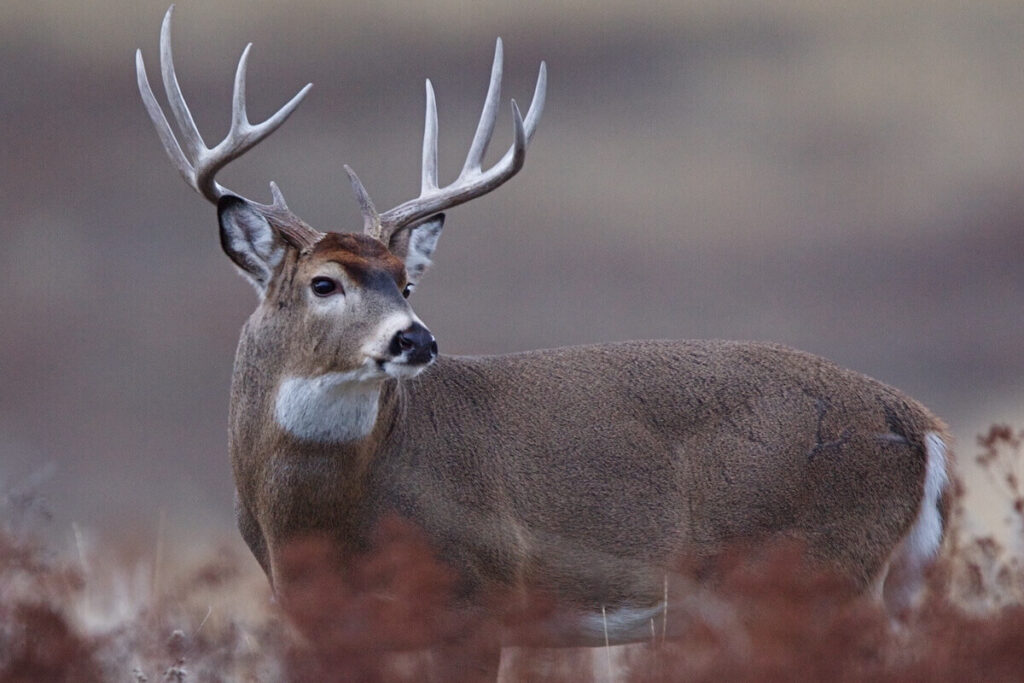
Virginia’s white-tailed deer population is thriving, thanks to habitat diversity and focused management by the Department of Wildlife Resources. You can hunt deer during four distinct periods—early archery, muzzleloader (early and late), and general firearms—plus specialized frameworks like urban archery or youth/apprentice weekends. The firearms deer season is the most anticipated time for hunters, with specific dates and regulations allowing for antlered deer and either-sex hunting, varying by county.
- Population Note: Estimates suggest over 850,000 to 1 million whitetails statewide, with higher densities east of the Blue Ridge.
- Hunting Tips: Scout farm edges, acorn-rich hardwood stands, and the edges of cutovers for prime feeding areas. In suburban zones, deer often gather around unharvested ornamental shrubs. Understanding local firearm ordinances is crucial to ensure compliance, as restrictions on discharging firearms, such as in Arlington County, still apply to legal hunting weapons.
- Important: Watch for “Earn a Buck” counties or city ordinances banning rifles. Sunday hunting is widely permitted on private land, but confirm local restrictions near places of worship.
Check out out complete guide to deer hunting in Virginia. We’ve got season dates, bag limits, hunting zones, and more.
Black Bear
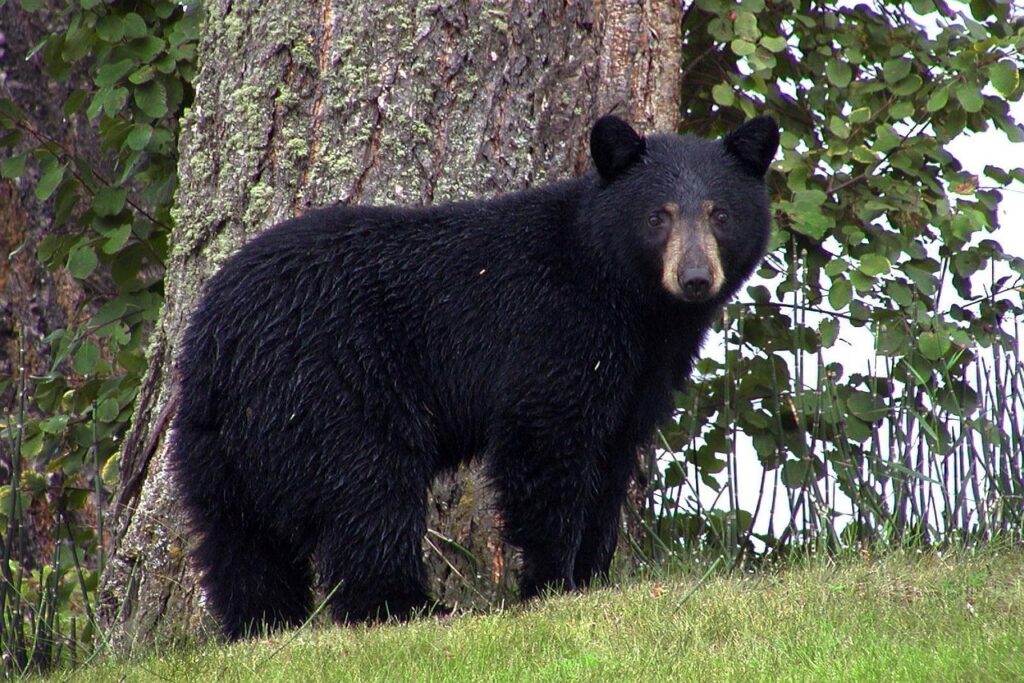
Black bears are no longer confined to the mountainous west; populations have increased in the Piedmont and even some coastal regions.
- Population Note: Bears now inhabit almost every Virginia county, with densities greatest in the national forest and mountainous southwestern counties.
- Hunting Tips: Look for mast-bearing trees (oaks, hickories) where bears feed in autumn. Early season archery hunts can be highly productive in years with strong acorn crops.
- Important: Certain harvest reporting rules require a tooth sample for biological data. Using dogs is an integral tradition for some bear hunters, but dog regulations differ by county and season segment.
Wild Turkey
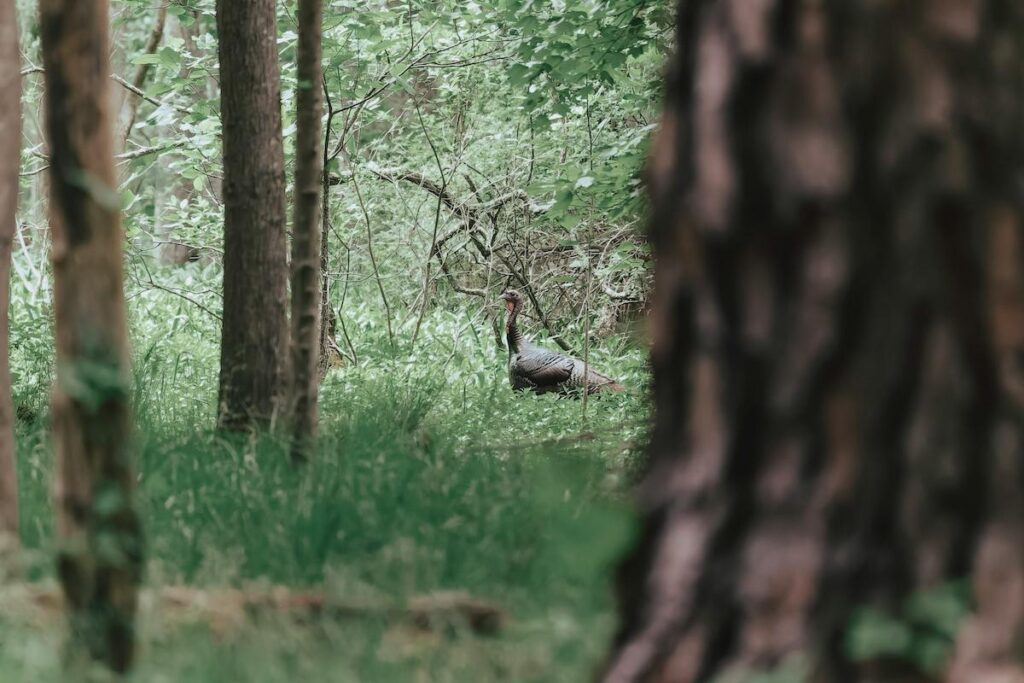
Wild turkey flocks have rebounded substantially since the 1980s, though populations can fluctuate with disease outbreaks and predator numbers.
- Population Note: Concentrated in hardwood ridges and riverbottoms, turkeys are found statewide. Some southwestern counties have robust densities, while more urbanized areas can see sporadic sightings.
- Hunting Tips: Fall hunts focus on busting flocks and calling them back, while spring hunts require stealth calling to lure gobblers off the roost. Hunters should be aware of the regulations and guidelines for hunting on national forest and department-owned lands to ensure sustainable practices.
- Important: Decoys and blinds are permitted, but electronic calls remain illegal. Fall bag counts as either sex; spring focuses on bearded birds.
Elk
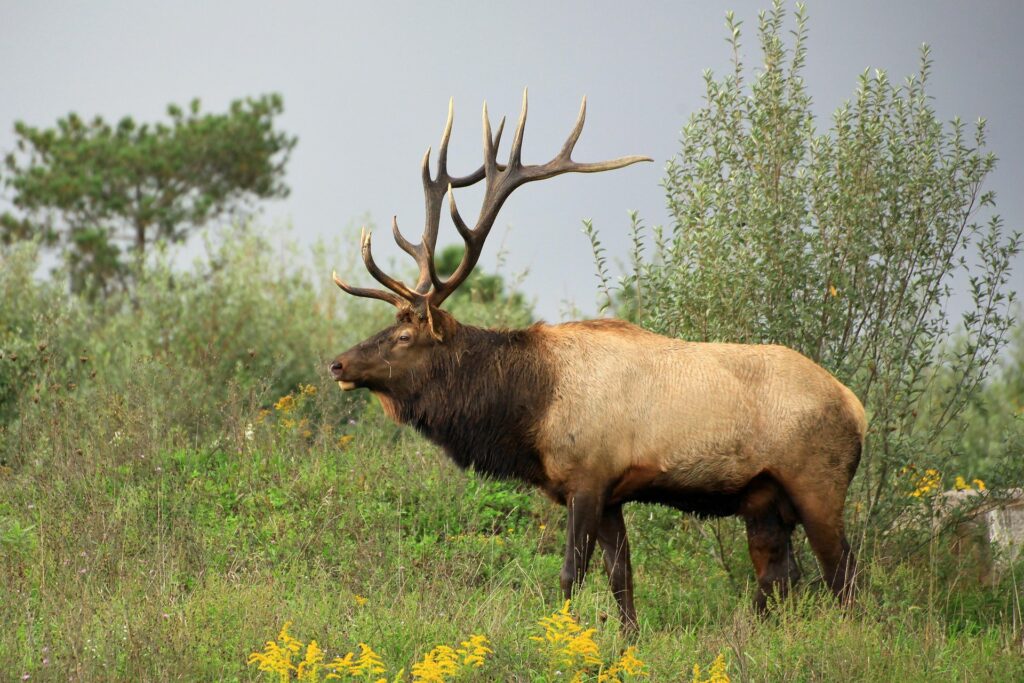
Reintroduced to Virginia’s southwest corner, elk represent a budding opportunity for hunters.
- Population Note: The Elk Management Zone (EMZ) in Buchanan, Dickenson, and Wise counties contains a growing herd of several hundred animals. Elk hunting regulations apply specifically to these counties including the cities within them.
- Hunting Tips: For those lucky enough to draw a permit, glass open reclaimed mine lands at dawn/dusk. Bulls can travel miles daily, so real-time scouting is helpful.
- Important: Outside the EMZ, elk are legally classified like deer—harvest counts against your deer bag limit if taken during open deer season. Report it as elk, not deer.
These four species exemplify Virginia’s remarkable big game diversity. While the table above captures core data—season windows, bag limits, license requirements—each local jurisdiction can impose further nuances (e.g., either-sex days for deer, late archery turkey hunts, or mandatory bear tooth checks). For maximum success, stay current on local bulletins, and remember to secure your valid Virginia hunting license and matching tags for whichever big game you choose to pursue.
Small Game Species in Virginia
Virginia’s small game seasons attract many hunters each year, offering less gear-intensive and more fast-paced hunts than big game often entails. Though regulations vary by region—particularly west of the Blue Ridge vs. east—these species typically require only the base hunting license (plus the proper firearm or archery setup). Some do have special constraints, such as restricted Sunday hunting on certain public lands or county-by-county limits on fox squirrels. Groundhog and crow regulations can also differ because of their “nuisance” or migratory statuses, respectively. Additionally, urban archery deer seasons allow for hunting antlerless deer in urban areas, with specific regulations to ensure safety and manage deer populations.
Below is a table summarizing each major small game species, covering season windows, bag limits, license requirements, and key notes:
Small Game Overview Table
| Species | Approx. Season Dates | Daily Bag Limit | Required License | Special Notes |
|---|---|---|---|---|
| Squirrel | Early Sept. – Late Feb. (fox squirrels may differ by county); Some areas also have a short June season (closed on National Forest lands) | 6 (combined) | Base Hunting License | Gray, red, and fox squirrels. Fox squirrel seasons restricted in certain counties. The June “spring squirrel” season excludes National Forest areas. Be sure to check local rules for county-specific differences. |
| Rabbit | Early Nov. – Late Feb. | 6 | Base Hunting License | Comprises mostly eastern cottontails; snowshoe hares are rare in VA. Look near brushy edges, thickets, and field borders for consistent action. |
| Quail | Early Nov. – Late Jan. | 6 | Base Hunting License | Populations have declined due to habitat loss; closed on most public lands west of the Blue Ridge and the Flippo-Gentry WMA. Managing suitable farmland or brushy cover is key to quail success. |
| Ruffed Grouse | Late Oct. – Early Feb. (west of I-95 only; closed east) | 3 | Base Hunting License | Found primarily in mountainous hardwoods and early successional habitats. Numbers vary year to year based on predator cycles and mast availability. Closed east of I-95 to protect fragile populations. |
| Pheasant | Varies (mostly private preserve releases; no standard statewide wild pheasant population) | Determined by preserve | Base Hunting License | True wild pheasants are scarce. Most hunts occur on private “put-and-take” preserves—call ahead for rules and season schedules. |
| Crow | Early Aug. – Late Mar. (Mon., Wed., Fri., Sat. only); On some public lands, from early Sep. – early Mar. | No limit | Base Hunting License | Federally regulated migratory species but no HIP registration required. Electronic calls and unplugged shotguns are legal for crow hunting on both private and public lands unless posted otherwise. |
| Groundhog | Generally no closed season; typically unprotected species | No limit | Base Hunting License | Considered a nuisance animal in many counties. Check local ordinances regarding firearm discharge. May be hunted on private land or certain public areas where legal. |
Squirrel
Squirrels—gray, red, and sometimes fox—are abundant throughout the state. You’ll find them in mature hardwood forests, oak stands, even urban woodlots. Most hunters rely on small-caliber rifles or shotguns with low brass loads. Watch for fox squirrel constraints: many western counties permit them only until January 31, while some eastern counties do not allow any fox squirrel harvest at all.
Key Tip: The spring squirrel season (June) appeals to those who like chasing bushytails in early summer, but it remains closed on national forest lands and may have smaller daily windows.
Rabbit
Eastern cottontails are the primary rabbit species in Virginia, favoring brambly fence rows, brush piles, and cutover fields. Dogs (beagles, for instance) excel at flushing rabbits from dense cover.
Key Tip: Look for thick tangles near farmland, especially those that haven’t been mowed. Early morning hunts on mild winter days can produce multiple sightings.
Quail
Northern bobwhite quail are a classic Southeastern game bird, but populations have struggled with habitat loss. Public-land quail hunts can be challenging, especially west of the Blue Ridge. Private leases or well-managed farmland often provide better success.
Key Tip: Restoration efforts focus on creating or maintaining brushy field edges and open pine stands. Hunters can assist by advocating for habitat improvements on both private and public lands.
Ruffed Grouse
The highland forests and regenerating clear-cuts of western Virginia once held robust grouse numbers, but sightings can be sporadic today. These birds thrive in cool, damp areas with thick understory growth.
Key Tip: Grouse flush quickly and unpredictably. Consider using a lightweight shotgun loaded with #7.5 or #8 shot, and approach dog-handling carefully—steady pointing or flushing breeds can help track these elusive birds.
Pheasant
Truly wild pheasants are scarce in Virginia, so most hunting opportunities occur on commercial or privately run preserves releasing pen-raised birds. Each preserve sets its own bag limits and release schedules, and some require reservations or membership.
Key Tip: If you crave the iconic ring-necked pheasant experience without traveling to the Midwest, a put-and-take preserve is your best bet. Bring a good retrieving dog; birds can be surprisingly mobile after release.
Crow
Crows stand apart from other migratory birds in that they have no HIP requirement and no daily bag limit. Virginia’s approach allows crow hunting on specific days of the week—usually Mondays, Wednesdays, Fridays, and Saturdays—primarily to reduce potential agricultural damage.
Key Tip: Crow calls (including electronic) can be highly effective. Setting up decoys near fields, over newly sprouted crops, or along flight paths to roosting sites can yield exciting pass-shooting action.
Groundhog
A constant presence in farmland and suburban edges, groundhogs (also called woodchucks) typically have no official closed season or bag limit. While not often considered a “sporting” species in the traditional sense, many hunters chase them to reduce crop damage and practice long-range shooting.
Key Tip: Scouting means looking for fresh burrow mounds near fields or roadsides. Groundhogs are diurnal, sunning themselves at burrow entrances in mid- to late morning or midafternoon.
Small game hunts in Virginia require fewer add-on licenses (usually the Annual Hunting License alone), can be pursued with minimal gear, and often hold wide season windows. Take note of property-line differences—National Forest areas might limit season lengths or Sunday hunting, while WMAs can stipulate check-in or additional permitting. Each species suits a different style of hunting—beagle-led rabbit chases, carefully calling in crows, or slip-stalking fox squirrels with a .22 rifle. Above all, watch your daily bag limits, comply with local firearms ordinances, and enjoy some of the best small game diversity the Commonwealth has to offer.
Migratory Game Birds in Virginia
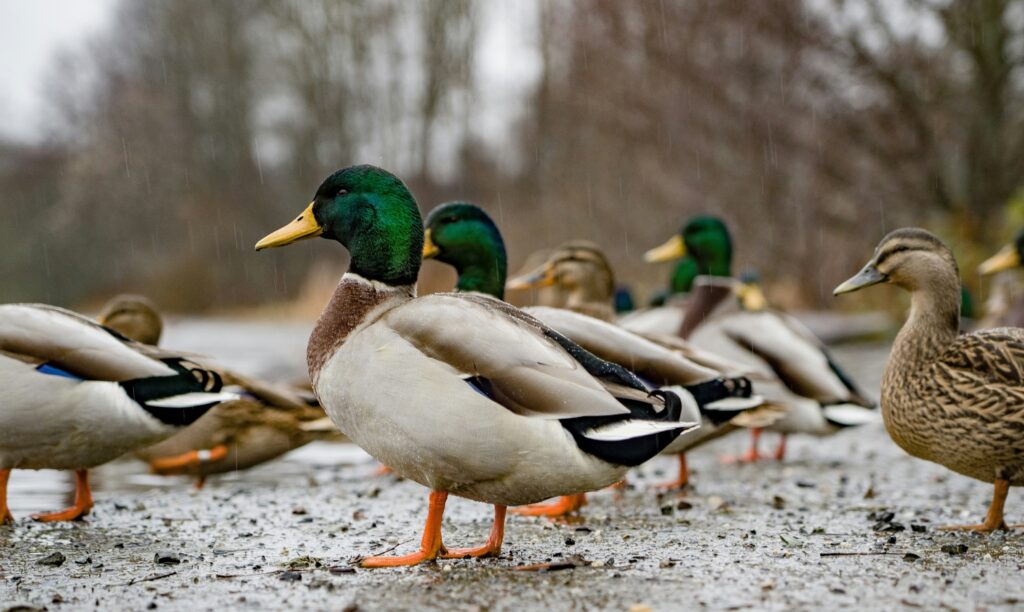
From doves in early September to the varied duck and goose splits in late fall, Virginia presents multiple opportunities for migratory bird hunting. However, these species typically carry more federal oversight—hunters must use non-toxic shot (steel, bismuth, or approved alloys) for waterfowl, rails, snipe, gallinules, and must register annually with HIP (Harvest Information Program). Some require a Federal Duck Stamp and a Virginia Migratory Waterfowl Conservation Stamp if you’re 16 or older.
Migratory Bird Overview Table
| Species/Group | Approx. Season Dates | Daily Bag Limit | Required License | Special Notes |
|---|---|---|---|---|
| Dove | Early Sept. – mid-Oct., late Nov., late Dec. – late Jan. (3 splits) | 15 (mourning & white-winged combined) | Base Hunting License + HIP registration | Typically does not require non-toxic shot, except on some federal lands. Shooting hours usually begin half-hour before sunrise (noon on opening day in some areas). Multiple short segments; be mindful of start/stop dates. |
| Woodcock | Mid-Nov. – late Nov. & late Dec. – late Jan. (2 segments) | 3 per day | Base Hunting License + HIP registration | Non-toxic shot required. One fully feathered wing must remain attached for transport. Prefers wet woodlands with thick undergrowth. |
| Snipe | Late Sept. – early Dec. & mid-Dec. – late Jan. | 8 per day | Base Hunting License + HIP registration | Non-toxic shot required. Often found in marshy edges or flooded fields. Swift flushes. |
| Rails & Gallinules | Early/mid-Sept. – early Nov., plus short late-Nov. window | Up to 15–25 (species-specific) | Base Hunting License + HIP registration | Includes Clapper, King, Sora, Virginia rails, plus common & purple gallinules. Non-toxic shot required. Bag limits vary based on species grouping; check local zone splits. |
| Waterfowl | Multiple splits from Oct. – Jan. (species-specific), plus September Teal or early goose, and Feb.–Apr. Light Goose Conservation Order | Ducks: 6 total daily (species restrictions). Geese (Canada): 2–5 depending on zone. Tundra swan: 1/permit. Light geese: 25 or no limit in Conservation Order. | Base Hunting License + HIP + Federal Duck Stamp (16+) + VA Migratory Stamp | Non-toxic shot and plugged shotguns required (except during Light Goose Conservation Order). Canada geese have AP/RP zones with different daily limits. Tundra swan hunts require a special permit (lottery-based). Teal season can begin in early or mid-Sept. |
Dove
Identifying Doves: Mourning doves are small, slender birds with a grayish-brown body, pointed tail, and black spots on the wings. White-winged doves are bulkier with a bold white bar on the upper wing, visible in flight.
Field Note: Early-season hunts often focus on cut fields (sunflowers, wheat stubble). Expect fast-moving flocks, so bring lots of shells. On opening day, shooting might begin at noon in some areas, with the rest of the season starting at sunrise.
Woodcock
Identifying Woodcock: Sometimes called the “timberdoodle,” woodcock sport a plump, brownish body, a very long bill, and large eyes set high and back on the head. They blend with leaf litter.
Field Note: Seek moist, brushy woodlands where earthworms abound. Their erratic flush pattern can challenge even experienced wing-shooters. Make sure you use non-toxic shot and maintain one wing attached until home.
Snipe
Identifying Snipe: Smaller, slimmer, and lighter than a woodcock, with a very long, straight bill. The snipe’s back is intricately patterned in browns and gold. Flushes typically produce a staccato “scaip” call.
Field Note: Found around shallow wetlands and muddy fields. Snipe decoying is possible but not as common; many hunters opt for jump-shooting them in areas where they feed and loaf.
Rails & Gallinules
Identifying Rails: Clapper and King rails are bigger, often in brackish marshes, with a long, slightly curved bill. Sora and Virginia rails are smaller, found in freshwater wetlands.
Identifying Gallinules: Common gallinules have a red frontal shield and white flank stripe, while purple gallinules have iridescent plumage with a light blue frontal shield.
Field Note: All these species prefer dense marsh vegetation. Hunting often involves stealthily poling a small boat through the marsh or wading quietly in shallow water. Non-toxic shot is mandatory.
Waterfowl (Ducks & Geese)
Waterfowl hunting in Virginia can be split into multiple segments and zones, especially for geese (Atlantic Population vs. Resident Population). Ducks have separate daily species limits (like maximum 2 hen mallards, 1 pintail, etc.). Late winter sees the Light Goose Conservation Order, allowing unplugged shotguns and electronic calls to manage overabundant snow geese.
Identifying Ducks: Drake mallards have a green head, chestnut breast, and curly tail feathers; hen mallards sport a mottled brown. Look for unique speculum colors, head shapes, or calling patterns to differentiate species like wood duck (colorful crest, squealing call) vs. black duck (dark body, lighter gray face).
Identifying Geese:
- Canada Goose: Large, gray-brown, black neck with a white chinstrap.
- Snow/Blue Goose: White or bluish-gray with pinkish bill.
- Ross’s Goose: Smaller version of the snow goose, with a stubbier bill.
Field Note: Always verify the zone (AP or RP) for Canada goose, as daily limits vary. Swans (tundra swans) require a special permit, and only one can be harvested per authorized hunter. Remember to keep guns plugged to 3 rounds, unless participating in the Light Goose Order.
Hunting migratory game birds requires careful planning around short season splits, daily bag limitations, and specialized gear (e.g., decoys, waders, blinds). Whether you’re pass-shooting doves over a field edge or setting out decoys for mallards, a valid Virginia hunting license, HIP registration, and in many cases the Federal Duck Stamp and Virginia Waterfowl Stamp are essential. Keep a close eye on species identification in the field—bag limits can differ drastically even among closely related waterfowl, and misidentification can lead to unintended violations.
Regulations for Hunting Season in Virginia
Virginia enforces a comprehensive set of rules to keep hunts safe and sustainable.
General Safety Rules
- Shooting hours typically run from half an hour before sunrise until sunset (except for designated species like some raccoon hunts).
- Wounded or dead deer must be retrieved, but get landowner permission if it crosses property lines.
- Sunday hunting is allowed statewide on private land (with permission), except within 200 yards of a place of worship. Public lands vary.
Blaze Orange Requirements
- Anyone hunting during firearm deer seasons, or accompanying those who are, must wear blaze orange or blaze pink (hat, vest, or jacket) unless lawfully hunting waterfowl or certain other exceptions.
Baiting and Feeding Restrictions
- Baiting deer is prohibited from September 1 through the first Saturday in January statewide, plus during any open deer or elk season.
- Feeding is generally banned year-round for bears. Check local guidelines for other species.
Weapon Restrictions and Firearms Deer Season
- Rifle or muzzleloading firearm usage can be restricted in some cities and towns.
- Muzzleloading firearms designed to load from the muzzle (or muzzleloading pistols) have separate seasons.
- Modern rifles, shotguns, crossbows, and archery tackle are acceptable if local law permits. Some areas ban centerfire rifles near subdivisions.
Tagging and Reporting Requirements
- Immediately attach a field tag upon harvest (even if handwritten).
- Use phone, online, or check stations to report your kill, providing location and parcel size details.
- “Normal deer regulations apply” for determining how and when to check deer, bears, or turkeys.
Where to Hunt: Public Hunting Land vs Private Hunting Leases
Virginia’s diverse geography opens countless opportunities for hunters—whether you prefer wide-open state forests, carefully managed wildlife management areas, or the exclusivity of private hunting leases. Finding the perfect location is a matter of balancing convenience, game abundance, budgets, and personal preference. Below is a quick comparison of public land versus private leases, followed by a closer look at each option and how you can secure your spot in the field.
| Option | Pros | Cons |
|---|---|---|
| Public Hunting Land | – Typically lower cost (or free, beyond license/permit fees) – Large areas of unfragmented habitat – Accessible to all hunters | – Can be crowded during peak season – Strict regulations or lottery hunts (some WMAs) – Limited management control for better habitat |
| Private Hunting Leases | – Lower hunting pressure; often better trophy potential – Ability to manage land (food plots, habitat improvements) – Consistent access over lease duration | – Can be expensive, especially large tracts – Requires negotiation with landowners or lease managers – Might need additional liability insurance or contract |
Virginia Public Hunting Land and National Forest Lands
Virginia’s public hunting lands range from coastal wetlands to mountainous forests. They include Wildlife Management Areas (WMAs), national forests, state forests, and even some military bases open under special permit. If you’d like a more extensive directory of these spots, visit the Virginia Public Hunting Land page. Note that each property might enforce different rules on bag limits, season dates, check stations, or camping.
Five Top Spots for Public Hunting
- Powhatan Wildlife Management Area (Powhatan, VA): 4,400+ acres of woodlands, fields, ponds, and lakes. Known for deer, turkey, and small game.
- C.F. Phelps Wildlife Management Area (Sumerduck, VA): Over 4,500 acres near the Rappahannock River, offering deer, turkey, doves, and small game.
- Big Woods Wildlife Management Area (Wakefield, VA): 2,200+ acres of pine-forested wilderness. Excellent for turkey, deer, and general small game.
- James River Wildlife Management Area (Wingina, VA): Rivers, fields, and wooded hillsides make this a versatile site for deer, turkey, and occasional waterfowl.
- G. Richard Thompson Wildlife Management Area (Markham, VA): Encompasses rugged mountain terrain popular for turkey and deer; also offers excellent hiking and fishing in nearby streams.
Virginia Hunting Leases
Access to private land through leasing grants you more flexibility and less competition afield. Leases typically involve paying a fee (annual or seasonal) to secure exclusive (or semi-exclusive) rights to hunt a given parcel. Many people form hunt clubs with friends or family to share costs, while landowners benefit from habitat management and income.
If you’re new to the leasing process, it helps to understand the legal elements and responsibilities. For guidance on contracts and liability considerations, read Hunting Lease Agreement Basics.
Once you’re ready to look for private property, check out the Virginia Hunting Lease Listings. You can filter by county, acreage, budget, and target species to find the ideal match—whether it’s a small farmland tract for deer or a large forested lease for a diverse game harvest.
If you’re considering an investment in your own land, visit Virginia Hunting Properties for Sale. Buying outright can be a rewarding long-term strategy, letting you manage game populations and habitat directly while building equity in real estate.

Guided Hunts
Some hunters prefer hiring a guide or outfitter—especially for challenging species like black bear or specialized hunts like waterfowl in tidal marshes. Guides often supply local expertise, scouting insights, and equipment (boats, blinds, decoys, or dogs), leading to a higher chance of success. Though pricier than DIY hunts on public or leased land, guided hunts can be a valuable shortcut to learning a new region or technique, and many outfitters tailor their offerings to novices and youth hunters alike.
FAQ
When does the Virginia deer season begin, and how long does it run?
Virginia deer season typically begins with the early archery season in early October. The season extends through firearms deer seasons into late December or early January, depending on the county. Some areas have special late runs (like nova late archery season continuing into March).
How many deer can I harvest in one season?
Bag limits differ by region. East of the Blue Ridge, you might harvest up to 6 deer per year, whereas only 5 are allowed in some western areas. Additional bonus deer permits for antlerless deer may be purchased in high-density spots.
Do I need separate licenses for archery vs. muzzleloading?
Yes. Archery deer hunting calls for an Archery License, while muzzleloading deer hunting requires a Muzzleloader License. Each license complements your base hunting license and, if needed, a Deer/Turkey License.
Are crossbow deer hunters subject to different rules than vertical bowhunters?
Typically, crossbow deer hunters hunting follow the same timeframe and tagging rules as other archers, though local ordinances about crossbow discharge in populated areas can apply.
Where can I hunt turkey, bear, and elk?
Turkey is statewide, with distinct fall and spring seasons. Bear are found mostly west of the Blue Ridge mountains but also in some eastern counties. Elk hunts occur mainly in Wise and Washington counties’ vicinity (the EMZ includes wise, Buchanan, and Dickenson), using a lottery system for tags.
Can I hunt on Sunday?
Generally yes on private lands (outside 200 yards of a place of worship). Public lands vary. Some WMAs, national forests, or military bases allow it, while others do not.
How do I handle a wounded or dead deer that crosses property lines?
Always get permission from the landowner before retrieving. Failing to do so can be considered trespassing. The law requires a good-faith effort to recover the animal.
Conclusion
Hunting in Virginia is a deeply rewarding pursuit, offering robust opportunities for muzzleloader deer hunters, archers, small-game enthusiasts, and waterfowlers alike. Adherence to local rules—whether for late archery deer seasons or specialized hunts on national forest property—ensures sustainable harvests and a future for hunting traditions. With the details above, you’re ready to begin planning your next trip, whether you roam the rugged slopes of alleghany and highland counties or prefer a private land west lease.
Whatever your path, stay safe, respect normal deer regulations apply guidelines, and remember: a valid virginia hunting license is your ticket to exploring the Commonwealth’s diverse hunting seasons. Grab your gear, check your local firearms ordinances, and get ready for a memorable Virginia hunting adventure.


