We want to help you get out in the fields and forests. Whether you’re looking for antlered deer – a trophy buck – or trying to hone your skills on any deer that moves, here’s what we’ll show you:
- Key dates and special seasons for 2024-2025
- Important regulations and safety measures
- Tips for hunting on public and leased lands
Let’s get into it with a look at the hunting season dates.

Overview of the 2024 and 2025 Deer Hunting Seasons
| Season | Dates | Bag Limits | Relevant Information |
|---|---|---|---|
| Liberty Hunt | Sept. 14 – 15, 2024 | 1 deer | For youth hunters (16 and under) and hunters with disabilities. |
| Early Antlerless Firearm | Sept. 21 – 22, 2024 | 1 antlerless | Open on private lands in select DMUs. |
| Independence Hunt | Oct. 17 – 20, 2024 | 1 deer | For hunters with disabilities. |
| Archery | Oct. 1 – Nov. 14, 2024 and | 1 deer/day | Statewide. |
| Dec. 1, 2024 – Jan. 1, 2025 | |||
| Regular Firearm | Nov. 15 – 30, 2024 | 1 deer/day | Statewide. |
| Muzzleloading | Dec. 6 – 15, 2024 | 1 deer/day | Zones 1, 2, and 3. |
| Late Antlerless Firearm | Dec. 16, 2024 – Jan. 1, 2025 | 1 antlerless | Open on private lands in select DMUs. |
| Extended Urban Archery | Dec. 1, 2024 – Jan. 31, 2025 | 1 deer/day | Macomb, Oakland, and Wayne counties. A deer license, deer combo license, or antlerless deer license is valid. All rules and regulations for the archery season apply. |
Even though there is a limit of one deer per day, you can bag a much higher number of deer. A hunter can take up to 12 deer in an entire season. This includes a combination of antlered and antlerless deer, with specific regulations on the types of licenses and tags required:
- Antlered Deer: A hunter can take up to two antlered deer statewide, except in Deer Management Unit (DMU) 117, where the limit is one antlered deer.
- Antlerless Deer: Hunters can purchase up to 10 universal antlerless deer licenses, allowing them to take additional antlerless deer.
This means the total possible number of deer a hunter can take in a season is 12, combining the two antlered deer (with the appropriate licenses) and up to 10 antlerless deer using universal antlerless licenses.
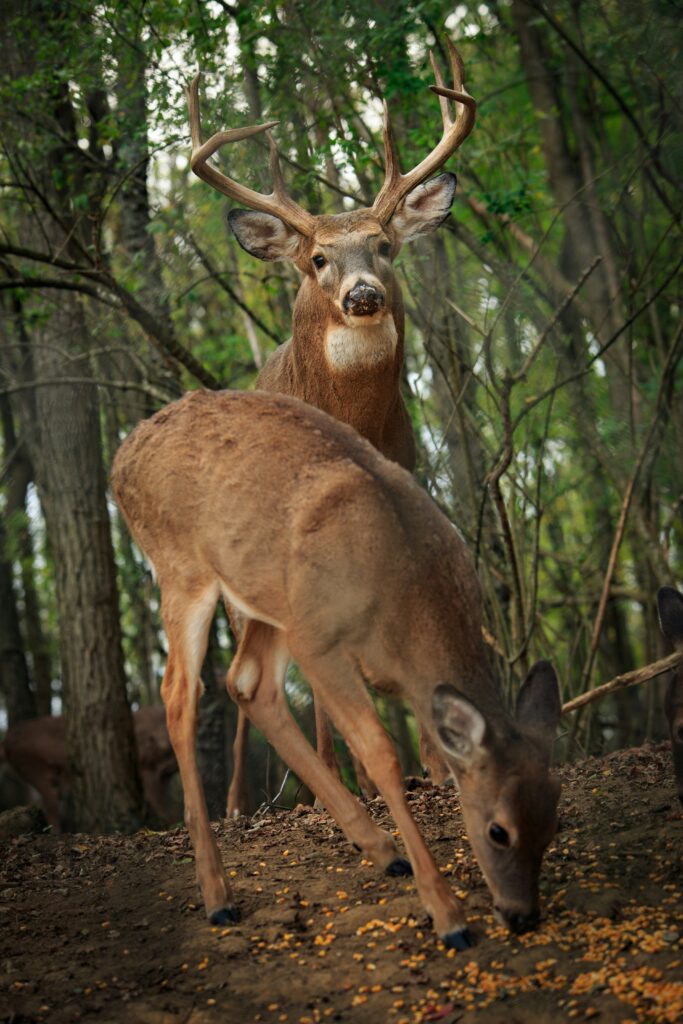
Deer Hunting Licenses
To hunt deer in Michigan, hunters need to obtain specific permits and licenses. Here are the key permits required:
- Base License: All hunters, both residents and non-residents, must first purchase a base license. This license allows hunters to hunt small game and is a prerequisite for purchasing additional hunting licenses.
- Deer License: Hunters must purchase a deer license, which can be either a single deer license or a deer combo license. The deer combo license includes two kill tags and allows the harvest of two antlered deer.
- Antlerless Deer License: To hunt antlerless deer, hunters need to purchase an antlerless deer license. This is available to both residents and non-residents.
- Deer Management Assistance Permit: These permits are used to take antlerless deer on specific properties and adjacent private lands with permission. They do not count against the hunter’s license purchase limit and must be used in conjunction with an appropriate deer license for the season.
- Reserved Deer Hunt Access Permit: For certain state and federal public lands, hunters may need a reserved deer hunting access permit, which is available by lottery. This permit is for access only; hunters still need a valid deer license for the season.
Additionally, hunters born after January 1, 1960, must complete a hunter safety course before purchasing any hunting licenses. Hunters are also required to report their deer harvest within 72 hours or before transferring possession of the deer.
To get your license sorted, click here to buy a license.
Key Regulations for Deer Hunters in Michigan
Effective deer management and hunting opportunities in Michigan are governed by a series of regulations. These rules are designed to maintain a balanced deer population, prevent the spread of diseases, and ensure a safe and ethical hunting environment. Here are the key regulations every deer hunter in Michigan should be aware of:
Chronic Wasting Disease (CWD) Regulations
To prevent the spread of Chronic Wasting Disease, hunters must adhere to strict rules. There are restrictions on bringing certain deer parts into Michigan from other states. Hunters in CWD-affected areas are required to report their deer within 72 hours of harvest. Additionally, specific transportation rules mandate that deer harvested in these counties must be deboned or quartered before being moved outside the area.
Baiting Regulations
Baiting regulations differ across regions in Michigan. In the Upper Peninsula, baiting is allowed from September 15 to January 1. However, the bait volume at any hunting site cannot exceed two gallons and must be scattered over a minimum 10-foot by 10-foot area. In contrast, baiting and feeding are banned in the Lower Peninsula, with exceptions for hunters with disabilities during specific hunts.
Antler Point Restrictions (APRs)
Antler Point Restrictions are in place to encourage the harvest of older bucks. In 19 specific Lower Peninsula counties, the restricted tag of the deer combo license requires a four-point antler restriction. In the Upper Peninsula, the deer combo license imposes a three-point restriction on the regular tag and a four-point restriction on the restricted tag.
Crossbow Restrictions
Crossbow usage is subject to seasonal restrictions. In the Upper Peninsula, crossbows are prohibited during the late archery season. This restriction remains in effect even in areas where crossbow use was previously permitted.
Special Hunts
Michigan offers special hunting opportunities to youth and hunters with disabilities. The Liberty Hunt and Independence Hunt cater to these groups, allowing for multiple antlerless deer harvests during the Liberty Hunt. These hunts provide greater accessibility and opportunity for diverse hunting experiences.
Extended Urban Archery Season
The Extended Urban Archery Season aims to manage deer populations in urban areas. Running from December 1, 2024, to January 31, 2025, this season applies to Macomb, Oakland, and Wayne counties, with proposals to include additional counties such as Kent. This extended annual deer season helps address urban deer population challenges while providing hunters with additional opportunities.
Public Land or Private Land for Deer Hunting in Michigan?
Michigan offers excellent opportunities for deer hunters, with a mix of public and private lands available across the state. Whether you’re a seasoned hunter or new to the sport, understanding your options can help you plan a successful hunt.
Public Land Hunting Opportunities
Michigan boasts an abundance of state-owned lands managed by the Michigan Department of Natural Resources (DNR) to ensure sustainable hunting practices and habitat conservation. Here are some top public hunting lands for deer in Michigan:
- Huron-Manistee National Forests – Spanning over 978,000 acres across the northern Lower Peninsula, these forests offer diverse habitats and ample opportunities for deer hunting. The mix of hardwood forests, swamps, and open areas provides ideal deer habitat.
- Pigeon River Country State Forest – Known as the “Big Wild,” this 105,000-acre forest in the northeastern Lower Peninsula is famous for its elk herd but also offers excellent deer hunting. Its remote location means less hunting pressure than some other public lands.
- Allegan State Game Area – Located in southwest Michigan, this 50,000-acre area features a mix of hardwood forests, pine plantations, and agricultural fields, providing diverse deer habitat and hunting opportunities.
- Escanaba River State Forest – This Upper Peninsula gem spans over 500,000 acres and is known for its trophy-class bucks. The varied terrain and habitat types make it a challenging but rewarding hunting destination.
- Holly Recreation Area – Situated in southeast Michigan, this 8,000-acre area offers good deer hunting opportunities close to major population centers. It features a mix of woodlands, wetlands, and old fields.
When planning a deer hunt on public land in Michigan, be sure to check specific regulations and any special hunts or quotas that may apply. Scouting is crucial for success on public land, as is being prepared to venture away from easy access points to find less pressured areas.
Want to improve your chances of success? Read our guide on how to hunt deer on public land.
Private Land Hunting Leases
For those seeking a more controlled hunting experience, leasing private land can be an excellent option. Here’s how to find and secure a private hunting lease in Michigan:
- Use Hunting Locator – Our platform connects hunters with landowners offering hunting leases. Browse our Michigan Deer Hunting Leases to find properties that match your preferences.
- Evaluate Properties – Look for leases that offer good deer habitat, such as a mix of woodlands and agricultural fields. Consider factors like property size, lease duration, and any amenities offered.
- Contact Landowners – Once you find a promising lease, reach out to the landowner through our platform to discuss terms and arrange a property visit if possible.
- Establish a Lease Agreement – Work with the landowner to create a written hunting lease agreement that clearly outlines terms, including duration, price, hunting rights, and any restrictions or expectations.
- Consider Liability Insurance – Many landowners require hunters to have liability insurance. This protects both parties in case of accidents or property damage.
Benefits of hunting on leased land often include less competition, better-managed deer populations, and the ability to implement your own management strategies (with landowner approval).
Top 5 Tips for Deer Hunting Success in Michigan
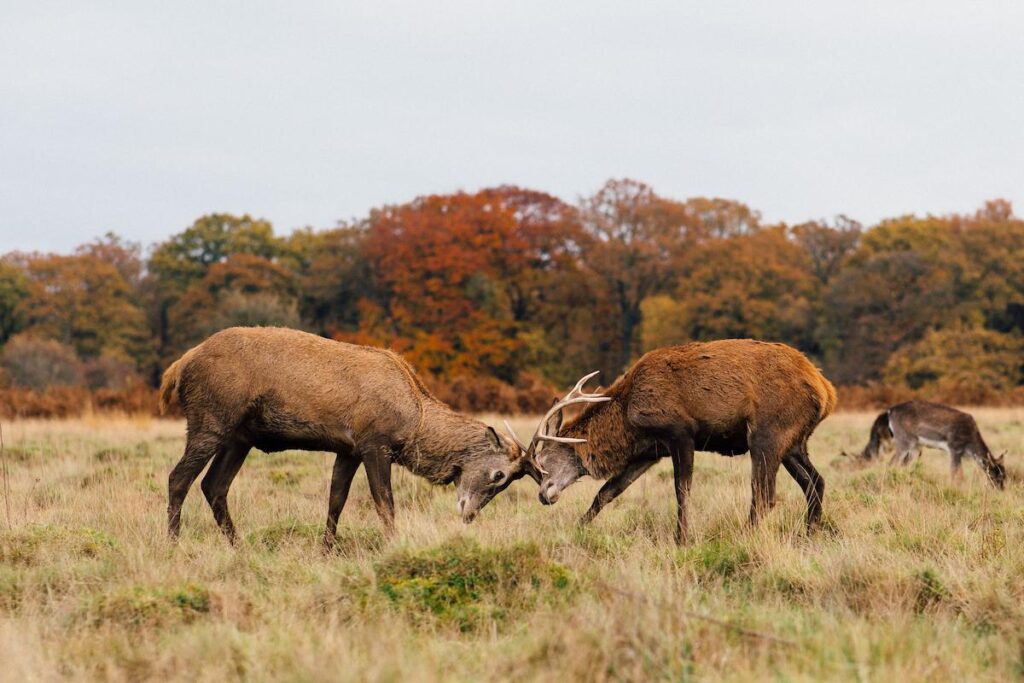
Michigan offers diverse and challenging deer hunting opportunities. Whether you’re hunting public or private land, these five tips can help improve your chances of a successful hunt in the Great Lakes State.
- Focus on swamp and wetland areas: Michigan’s extensive swamps and wetlands often serve as sanctuaries for mature bucks. Learn to navigate these challenging terrains using chest waders and portable GPS units. Scout for slightly elevated dry ground within swamps where bucks may bed down.
- Adapt to high hunting pressure: Michigan deer tend to be more nervous and wary due to years of hunting pressure. Use extra scent control measures, minimize your movements in the stand, and consider hunting during midday hours when other hunters are less active.
- Utilize the “hang and hunt” method: Given Michigan’s large public land areas (over 8 million acres), employ the “hang and hunt” strategy. Scout multiple potential hunting spots and be prepared to set up quickly in a new area if your initial location isn’t productive.
- Pay attention to mast crops: Michigan’s oak forests produce significant acorn crops. During early season, focus on finding and hunting near white oak acorns, which deer prefer over other food sources. Scout for active acorn drops and adjust your hunting locations accordingly.
- Hunt the weather changes: Michigan’s weather can be unpredictable. Pay close attention to weather forecasts and plan your hunts around cold fronts or slight temperature drops, especially during the October lull. These weather changes can trigger increased deer movement and visibility.
FAQ
Can you hunt deer out of season on your own land?
No, hunting deer out of season on your own land is illegal in Michigan. The state enforces strict regulations to protect the deer population. Hunting out of season can result in fines ranging from $50 to $500, up to 90 days in jail, and suspension of hunting licenses. Always check the current season dates and obtain the necessary permits.
What is the “quiet period” before the firearm season?
The “quiet period” refers to the days leading up to the regular firearm season, specifically November 10-14. During this time, it is illegal to carry or transport firearms in the field unless they are properly encased and unloaded. This regulation helps to reduce pre-season hunting pressure and gives deer a respite before the season opens.
Can I bait deer in Michigan?
No, baiting and feeding deer are banned in the entire Lower Peninsula and parts of the Upper Peninsula. This ban is in place to reduce the spread of diseases like Chronic Wasting Disease (CWD) and Bovine Tuberculosis (TB). Exceptions are made only for hunters with disabilities who meet specific requirements during the Liberty and Independence Hunts.
What are the rules for transporting deer after harvest?
The rules for transporting deer after harvest vary depending on the region. Generally, hunters must follow specific guidelines to prevent the spread of diseases. For instance, in CWD management zones, transporting whole carcasses is restricted, and only specific parts may be moved. Always check the current regulations for the area where you hunt.
How can I get my deer tested for CWD or Bovine Tuberculosis?
Hunters can have their deer tested for CWD and Bovine Tuberculosis by submitting samples to the Michigan Department of Natural Resources (DNR). The DNR provides testing facilities and guidelines on how to submit samples. Testing is crucial in managing and monitoring these diseases within the deer population.


