Here’s what we’ll show you in this article:
- Key dates and regulations for 2024 and 2025.
- Top spots on public and leased lands.
- Expert tips on gear, safety, and ethical hunting.
Let’s get started by checking out the dates so you can circle opening day on your calendar.
Michigan Turkey Seasons and Bag Limits for 2024
| Season | Dates | Bag Limit |
|---|---|---|
| Spring | April 20 – June 7, 2024 | One bearded turkey per licensed hunter |
| Fall | September 15 – November 14, 2024 | One turkey of either sex per licensed hunter |
The spring turkey season in Michigan is divided into multiple hunt periods, each with specific dates for different wildlife management units.
Hunters can only purchase one spring turkey license per year. Applications for the spring season licenses must be submitted between January 1 and February 1, 2024, with drawing results announced on March 11, 2024. Additionally, there is a guaranteed statewide spring turkey license (Hunt 0234) that is available without a quota and does not require an application.
For the fall season, the dates are the same across the state. The aim of the spring season is to provide maximum hunting opportunities while ensuring a satisfactory hunting experience. Hunters should always check the most current regulations for specific management unit rules before heading out.

The History of Turkeys in Michigan: A Conservation Success Story
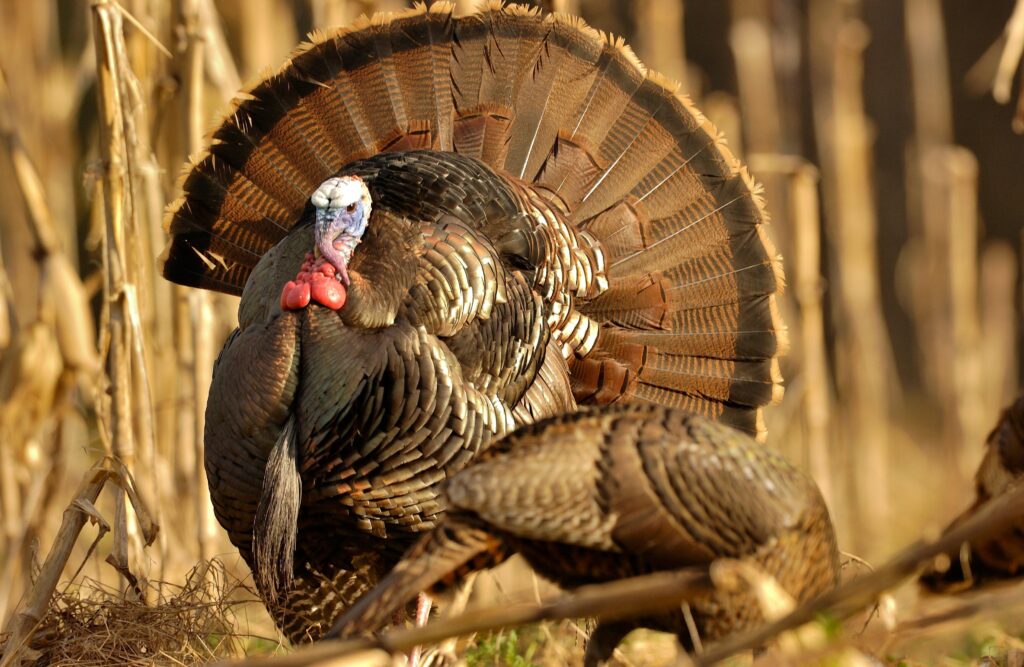
The recent history of the wild turkey population in Michigan is a remarkable conservation success story, marked by significant efforts to restore and manage this iconic species.
Historical Decline and Extermination
In the early 1900s, wild turkeys were hunted to extinction from Michigan due to habitat loss and unregulated hunting. The last recorded wild turkey in the state was taken in 1897 in Van Buren County, signaling a dire need for conservation action.
Reintroduction Efforts
In the 1950s, the Michigan Department of Natural Resources (DNR) initiated reintroduction efforts by purchasing 50 wild turkeys from Pennsylvania and releasing them in Allegan County. This effort was further bolstered in the 1980s with additional birds brought in from Iowa and Missouri.
Population Growth
By the 2000s, these efforts had paid off, with the wild turkey population growing to an estimated 200,000 birds. These turkeys now inhabit every county in the Lower Peninsula and parts of the Upper Peninsula.
Current Status
As of the 2020s, the wild turkey population in Michigan remains stable at around 200,000 birds. The state ranks sixth in the nation for the number of turkey hunters, who report high levels of success and satisfaction.
Conservation and Management
The DNR, in collaboration with organizations like the National Wild Turkey Federation (NWTF), continues to manage and monitor the turkey population. Their efforts include habitat restoration, food plot establishment, and public engagement through surveys and counts.
Challenges and Monitoring
The DNR closely monitors the wild turkey population to ensure its stability, especially given declines in other states. Public reporting of turkey sightings is an essential part of these monitoring efforts.
Turkey Hunting Licenses and Permits in Michigan
Turkey hunting in Michigan requires obtaining the appropriate licenses and permits. Here’s an overview of the process for both the spring and fall hunting seasons.
Spring Turkey Season Permits and Licenses
Hunters interested in the spring turkey season must apply between January 1 and February 1, 2024, for a limited-quota license valid for a specific hunt unit and season dates. The application fee is $5 and can be purchased online, at license agents, or through the Michigan DNR Hunt Fish app. Applicants must be at least 10 years old or possess a mentored youth hunting license. Drawing results will be announced on March 11, 2024. Those successful in the drawing must then purchase their awarded license. Unsuccessful applicants, as well as non-applicants, can purchase leftover licenses on a first-come, first-served basis starting March 18 and March 25, respectively. There is also a guaranteed statewide spring turkey license (Hunt 0234) that does not require an application.
Fall Turkey Season Permits and Licenses
For the fall turkey season, the application period runs from July 1 to August 1. Hunters can apply for a limited-quota license specific to a fall turkey hunt unit. The $5 application fee can be paid online, at license agents, or through the Michigan DNR Hunt Fish app. Drawing results are typically available in mid-August. Successful applicants must purchase their awarded license, and any leftover licenses will be available for purchase after the drawing.
Other Licenses, Permits, and Information
Hunters can only purchase one spring turkey license per year. For the fall season, hunters are allowed to purchase one license per day until quotas are met. A Base License is required for all hunters, and additional licenses may be needed for specific game species. Resident and non-resident licenses are available, with discounts or special licenses for youth, seniors, and military/veterans. Waterfowl hunters need additional stamps and permits. It’s crucial to note that regulations, dates, and processes may change annually. Always refer to the most current Michigan DNR hunting digests and website for up-to-date information before applying for or purchasing licenses.
Click here to buy a license.
Turkey Hunting Regulations in Michigan
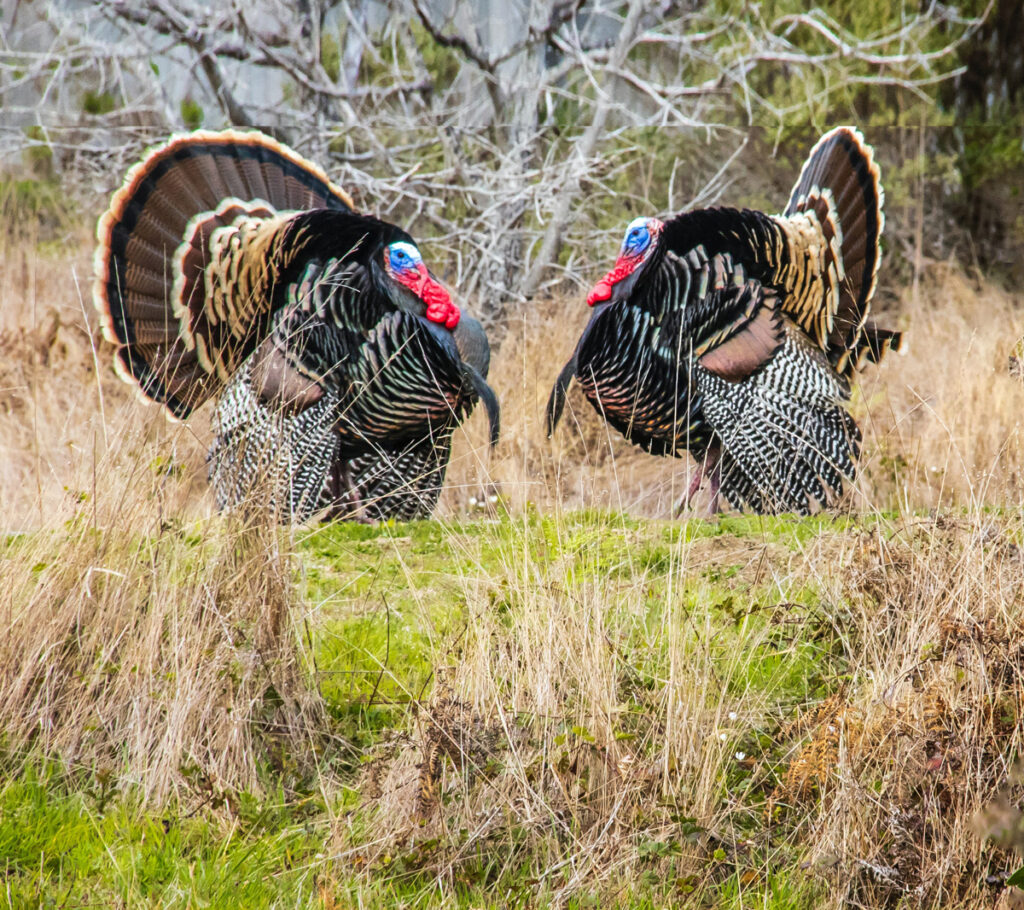
In addition to the season dates, bag limits, and licensing procedures, there are several important regulations pertaining to turkey hunting in Michigan.
Baiting: It is illegal to use bait to aid in the taking of a wild turkey. Baiting includes placing, depositing, tending, or scattering of bait to lure or attract wild turkeys.
Hunting Hours: Turkey hunting is only allowed from a half-hour before sunrise to a half-hour after sunset.
Decoys and Calls: The use of turkey decoys and calls is permitted. However, electronic devices that imitate turkey calls are prohibited.
Weapon Restrictions: Turkeys may be hunted with shotguns and muzzleloading shotguns (including black powder handguns) with shot size BB or smaller, crossbows, and bows and arrows.
Hunter Orange: Unlike some other hunting seasons, turkey hunters are not required to wear hunter orange.
Tagging and Reporting: Immediately after killing a turkey, hunters must validate their kill tag and attach it to the leg of the bird. The harvest must be reported within 72 hours.
Public Land Restrictions: Some public lands may have additional restrictions or regulations for turkey hunting. Hunters should check specific area regulations before hunting.
Apprentice Hunting: Individuals who have never held a hunting license can purchase an apprentice hunting license, which allows them to hunt under the supervision of a licensed hunter.
Hunter Safety Certification: First-time hunters born on or after January 1, 1960, must have completed a hunter safety course to purchase a hunting license, unless they opt for an apprentice license.
These regulations are essential for ensuring a safe and legal turkey hunting experience in Michigan. Always review the most current official Michigan DNR regulations before hunting, as rules can change from year to year.
Hunting on Public and Private Land for Turkey in Michigan
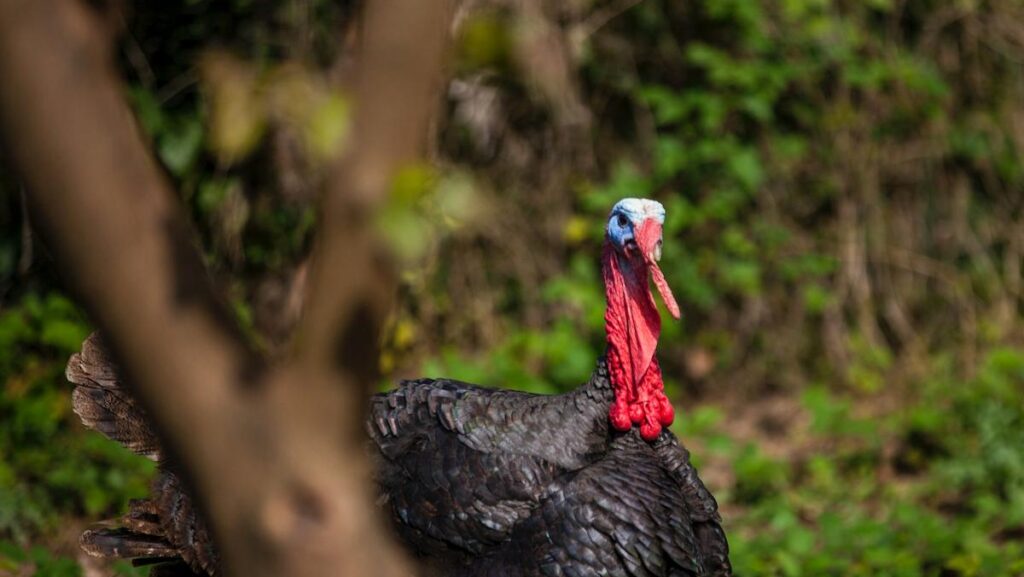
Deciding where to hunt is a big part of getting ready for the season. You can choose whether you hunt on public land, which is cheaper, or hunting on private land, which could be more successful. Let’s take a look at these two options.
Public Land Hunting
Hunting for turkeys on public lands in Michigan offers a challenging yet rewarding experience for hunters. These lands include state forests, wildlife management areas (WMAs), and national forests, all managed to support sustainable wildlife populations and recreational opportunities.
Key Points:
- Preparation and Scouting: Successful turkey hunting on public land requires thorough scouting and preparation. Public hunting areas often see high pressure from hunters, so identifying turkey roosts and travel routes beforehand is crucial. Arriving early to secure a prime hunting spot and having a backup plan can significantly improve your chances.
- Concealment and Minimizing Disturbance: Effective use of camouflage and setting up well-concealed blinds or pit blinds is essential. Turkeys on public lands are often more wary due to the increased hunting pressure, so minimizing movement and noise is critical once you are in your hunting spot.
- Ethics and Etiquette: Respecting other hunters’ space and adhering to ethical hunting practices is vital. Avoiding practices like skybusting (shooting at birds out of range) and ensuring proper conduct helps maintain a positive hunting environment for everyone. Learn more in our guide on how to hunt public land.
Private Land Hunting
Private land hunting for turkeys in Michigan can provide a more controlled and less crowded environment, enhancing the hunting experience.
Key Points:
- Securing a Lease: Finding a private land lease for turkey hunting can be straightforward with platforms like Hunting Locator, which offer detailed listings by state and county. These platforms provide information on property size, game types, and lease terms, facilitating informed decisions.
- Benefits of Leased Land: Hunting on leased private land often means reduced competition and less pressure on the turkeys, leading to better hunting opportunities. Landowners typically manage these properties to improve wildlife habitats, further enhancing the quality of the hunt.
- Lease Agreements: Establishing clear terms in a written hunting lease agreement is crucial. This should include the duration of the lease, hunting rights, any restrictions, and lease fees. Liability insurance is also recommended to protect both the hunter and the landowner.

Essential Tips for Turkey Hunting in Michigan
Turkey hunting in Michigan requires a combination of the right gear, effective techniques, and awareness of common mistakes. Here are some key tips to enhance your turkey hunting success.
Best Turkey Hunting Gear
Camouflage Clothing Choosing the right camouflage can make a significant difference in your hunting success. For early season hunts, patterns like Mossy Oak Bottomland are ideal as they blend well with the bare, wooded environment. As the season progresses and more greenery appears, switch to patterns such as Realtree EDGE to remain concealed among the foliage. Always ensure your clothing matches the environment to avoid detection by keen-eyed turkeys.
Turkey Calls Investing in quality turkey calls is crucial. A combination of box calls, slate calls, and diaphragm calls allows you to mimic various turkey vocalizations effectively. Each type of call has its advantages: box calls are great for loud, long-distance calls, slate calls offer versatility, and diaphragm calls keep your hands free. Mastering these calls can help you attract turkeys from different ranges and situations.
Shotgun with Appropriate Choke Using a shotgun with the right choke is essential for successful turkey hunting. A full choke or specialized turkey choke ensures tight shot patterns at longer distances, increasing your chances of a clean hit. It’s important to pattern your shotgun before the season starts to understand its range and accuracy, adjusting your setup as needed for optimal performance.
Top Tips for Turkey Hunting Success
Scout Thoroughly Thorough scouting is the foundation of a successful turkey hunt. Spend time before the season locating where turkeys roost, feed, and travel. Use trail cameras and look for signs such as tracks, droppings, and feathers. By understanding their habits and movements, you can strategically place yourself in the right spot when the season opens.
Be Patient Patience is key in turkey hunting. Turkeys can approach silently, so avoid moving too quickly or abandoning your setup prematurely. Stay still and be prepared to wait, as turkeys might take their time responding to your calls. Patience combined with keen observation can lead to rewarding hunting experiences.
Master Calling Techniques Effective calling can make or break your hunt. Learn the nuances of when and how much to call. Overcalling can spook turkeys, making them wary. Instead, use calls sparingly and try to mimic natural turkey sounds. Experiment with different calls and sequences to find what works best in your hunting area.
Beginner Mistakes to Avoid
Setting Up Too Close Avoid the temptation to set up too close to roosted turkeys. Being too near can spook them and ruin your chances. Set up within a few hundred yards of their roosting area, allowing you to call them in without causing alarm. Distance gives you the advantage of observing their movements without being detected.
Calling Too Soon or Too Much Timing and moderation in calling are critical. Wait until turkeys are on the ground before calling aggressively. Overcalling can make turkeys suspicious and less likely to approach. Start with soft calls and increase intensity only if necessary, gauging the birds’ responses to adjust your strategy.
Moving at the Wrong Time Movement can easily alert turkeys to your presence. Resist the urge to stand up or reposition when you think nothing is happening. Turkeys often approach silently, and premature movement can scare them away. Stay still and alert, ready to act when the opportunity arises.
FAQ
How many licenses can I apply for?
In Michigan, you can apply for one spring turkey hunting license during the application period from January 1 to February 1. This application allows you to participate in the limited-quota drawing for a specific hunting unit and dates. If you are unsuccessful in the drawing, you can still purchase leftover licenses.
What if I miss the application period?
If you miss the application period for the spring turkey hunting license, you can purchase a leftover license starting on March 18. Additionally, you can buy a Hunt 234 license, which does not require an application and allows you to hunt throughout the spring season.
How can I check my drawing results?
Drawing results for the spring turkey hunting license are available online on March 11. You can check your results on the Michigan DNR website, through the Michigan DNR Hunt Fish app, or by calling the DNR office.
Can I use a hunting dog or bait for turkey hunting?
No, the use of hunting dogs and bait is prohibited during the spring turkey hunting season in Michigan. These restrictions are in place to ensure ethical hunting practices and to avoid giving hunters an unfair advantage over the turkeys.
What is the Hunt 234 license?
The Hunt 234 license is a special statewide turkey license that does not require an application through the drawing process. It is available for purchase starting March 25 and allows hunters to hunt turkeys throughout the entire spring season, providing greater flexibility.
What equipment can I use to hunt a spring turkey?
You can use specific types of firearms such as shotguns that fire fixed shells, bows, and crossbows. It is illegal to use electronic or mechanical decoys, live decoys, or bait for hunting turkeys in the spring.
Do I need to wear blaze orange while spring turkey hunting?
No, blaze orange clothing is not required for spring turkey hunting in Michigan. However, wearing blaze orange while moving through the woods can help alert other hunters to your presence and enhance safety.
Can I hunt from a vehicle?
No, hunting from a vehicle is prohibited in Michigan. This includes cars, snowmobiles, aircraft, drones, motorboats, personal watercraft, and ORVs. Hunters must pursue turkeys on foot to comply with state regulations.


