Texas hunting seasons boast some of the best deer hunting opportunities in the country, thanks to its varied ecosystems and rich wildlife populations. From the sprawling Hill Country to the dense Pineywoods, each region offers unique hunting challenges and rewards. This guide provides all the essential details to help you plan your hunt for deer and other species successfully.
- ✅ Updated Season Dates – Get the latest hunting season information
- ✅ License & Permit Insights – Understand what you need to hunt legally
- ✅ Bag Limits & Regulations – Avoid fines and hunt responsibly
- ✅ Public & Private Hunting Details – Find the best locations
- ✅ Expert Hunting Tips – Maximize your success in the field
Let’s dive into the most important hunting information for Texas in 2025-2026.
Quick Reference: Key Texas Hunting Information
Navigating Texas hunting laws and seasons can be overwhelming, but this section provides a streamlined overview to get you started. Below, you’ll find quick-reference tables for season dates, licensing requirements, and critical regulations. Whether you’re planning your first hunt or are a seasoned hunter, this guide will ensure you’re well-prepared for the 2025-2026 season.
Texas Hunting Season Dates Overview (Quick Table)
| Species | Season Type | 2025-2026 Dates |
|---|---|---|
| White-tailed Deer | General Season (North) | Nov. 1 – Jan. 5 |
| General Season (South) | Nov. 1 – Jan. 19 | |
| Archery-Only | Sept. 28 – Nov. 1 | |
| Muzzleloader | Jan. 6 – Jan. 19 | |
| Mule Deer | General Season (Panhandle) | Nov. 23 – Dec. 8 |
| General Season (Trans-Pecos) | Nov. 30 – Dec. 15 | |
| Archery-Only | Sept. 28 – Nov. 1 | |
| Pronghorn | Permit-Only | Sept. 28 – Oct. 13 |
| Wild Turkey | Fall Season (North) | Nov. 1 – Jan. 5 |
| Fall Season (South) | Nov. 1 – Jan. 19 | |
| Spring Season (North) | Mar. 29 – May 10 | |
| Spring Season (South) | Mar. 15 – Apr. 27 | |
| Javelina | North Zone | Oct. 1 – Feb. 23 |
| South Zone | Sept. 1 – Aug. 31 | |
| Feral Hog | Year-Round | No Closed Season |
| Waterfowl | Duck Season (North) | Nov. 9 – Dec. 8, Dec. 14 – Jan. 26 |
| Duck Season (South) | Nov. 2 – Dec. 8, Dec. 14 – Jan. 26 | |
| Goose Season (West) | Nov. 2 – Feb. 2 | |
| Dove | North Zone | Sept. 1 – Nov. 12, Dec. 20 – Jan. 5 |
| Central Zone | Sept. 1 – Oct. 30, Dec. 20 – Jan. 14 | |
| South Zone | Sept. 14 – Oct. 30, Dec. 20 – Jan. 21 | |
| Alligator | Core Counties | Sept. 10 – Sept. 30 |
| Non-Core Counties | Apr. 1 – June 30 |
Texas Hunting Licenses & Costs (Quick Table)
| License Type | Resident Cost | Non-Resident Cost |
| General Hunting License | $25 | $315 |
| Super Combo License | $68 | N/A |
| Youth Hunting License | $7 | $7 |
| Senior License | $7 | N/A |
| Migratory Bird Endorsement | $7 | $7 |
| Archery Endorsement | $7 | $7 |

Texas Hunting Regulations
Bag Limits and Tagging Rules
Proper tagging of deer, turkey, and migratory birds is required in Texas. Hunters must immediately tag harvested game upon kill and ensure that they remain within daily and seasonal bag limits. The annual bag limit dictates the maximum number of a species a hunter can harvest within a license year, while the daily bag limit specifies how many can be taken in a single hunting trip. Possession limits, which are usually set at twice the daily bag limit, regulate the total amount of game a hunter can legally possess at any time.
Texas enforces strict regulations to protect wildlife populations. For example, light geese have a higher bag limit due to their growing numbers, whereas species like common snipe and pheasant have stricter controls to maintain healthy population levels. Hunters born after a certain date must also complete a hunter education course to ensure they understand state laws and ethical hunting practices. These rules help property owners and state agencies manage game populations effectively while preventing overharvesting.
Weapon Restrictions
Firearms, archery, crossbows, and air guns have specific regulations depending on the hunting season and game species. Some areas may have caliber restrictions or require the use of non-toxic shot for certain migratory birds. It is crucial to review local laws before heading into the field.
Baiting and Trapping Laws
Baiting regulations vary by species and region. While baiting is allowed for feral hogs and deer on private land, it is prohibited for migratory birds under federal law. Trapping regulations also apply to species such as coyotes and bobcats, requiring specific permits in certain cases.
Public vs. Private Land Hunting
Texas offers both public hunting lands and private hunting leases. Hunters must be aware of land access rules, as some public areas require special permits. Private land hunting typically requires landowner permission, and many prime hunting spots operate on a lease basis.
Wildlife Management Areas in Texas
Wildlife Management Areas (WMAs) play a crucial role in conserving Texas’ natural habitats while providing public hunting opportunities. Managed by the Texas Parks and Wildlife Department (TPWD), these areas offer diverse hunting experiences for species such as deer, waterfowl, turkey, and small game. Each WMA has specific rules and permit requirements, ensuring sustainable hunting practices.
Hunters must obtain an Annual Public Hunting Permit to access WMAs. These permits allow for walk-in hunting, fishing, and other outdoor recreational activities across nearly a million acres of public land. Some WMAs also require drawn permits for highly sought-after hunting opportunities, such as special white-tailed deer hunts.
Key WMAs in Texas include the Black Gap WMA, which provides excellent mule deer hunting in the Trans-Pecos region, and the Mad Island WMA, a prime location for waterfowl hunting on the Gulf Coast. Each WMA is designed to balance conservation efforts with public access, making them a valuable resource for Texas hunters.
Texas Hunting by Species
Hunting adventures in Texas are as diverse as its landscape. Whether you are stalking a mature whitetail buck in the Hill Country, calling in a Rio Grande turkey in South Texas, or setting up decoys for migrating waterfowl, each species presents a unique challenge. This section provides in-depth details on season dates, hunting zones, best locations, necessary permits, and expert strategies to maximize your success in the field.
Whitetail Deer Hunting in Texas
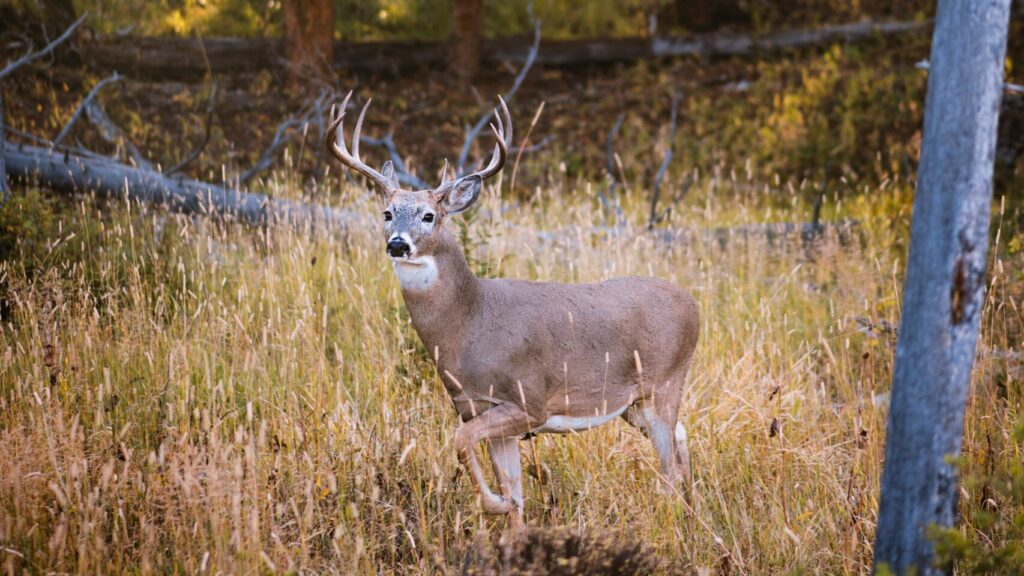
White-tailed deer are the most popular game species in Texas, offering abundant hunting opportunities. Hunters can find them in various habitats, including forests, brushlands, and open fields.
- Best Hunting Locations: Hill Country, Pineywoods, South Texas Brush Country
- Special Regulations: Antler restrictions in some counties, chronic wasting disease (CWD) testing in designated zones
- Licenses Required: General Hunting License, Managed Lands Deer Program (MLDP) Permits for certain properties and Texas parks.
Mule Deer Hunting in Texas
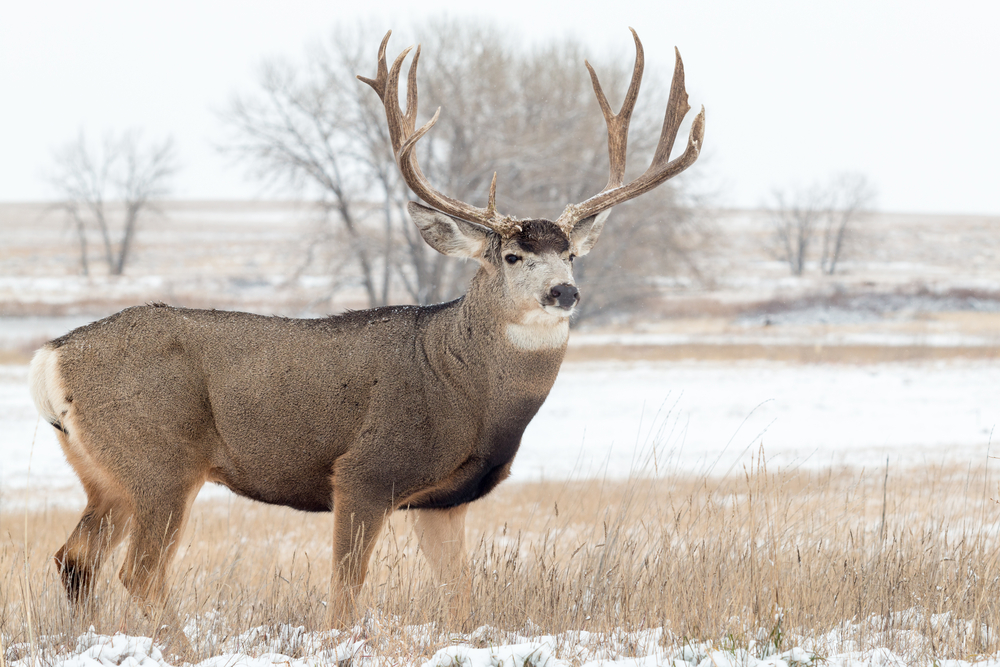
Mule deer are primarily found in the western regions of Texas, where they inhabit rugged terrain and desert landscapes. Hunting mule deer requires understanding their movement patterns and adapting to the open country.
- Best Hunting Locations: Panhandle, Trans-Pecos, West Texas
- Special Regulations: Bag limits vary by region, archery-only seasons available
- Licenses Required: General Hunting License, MLDP Permits for managed lands
Pronghorn Hunting in Texas
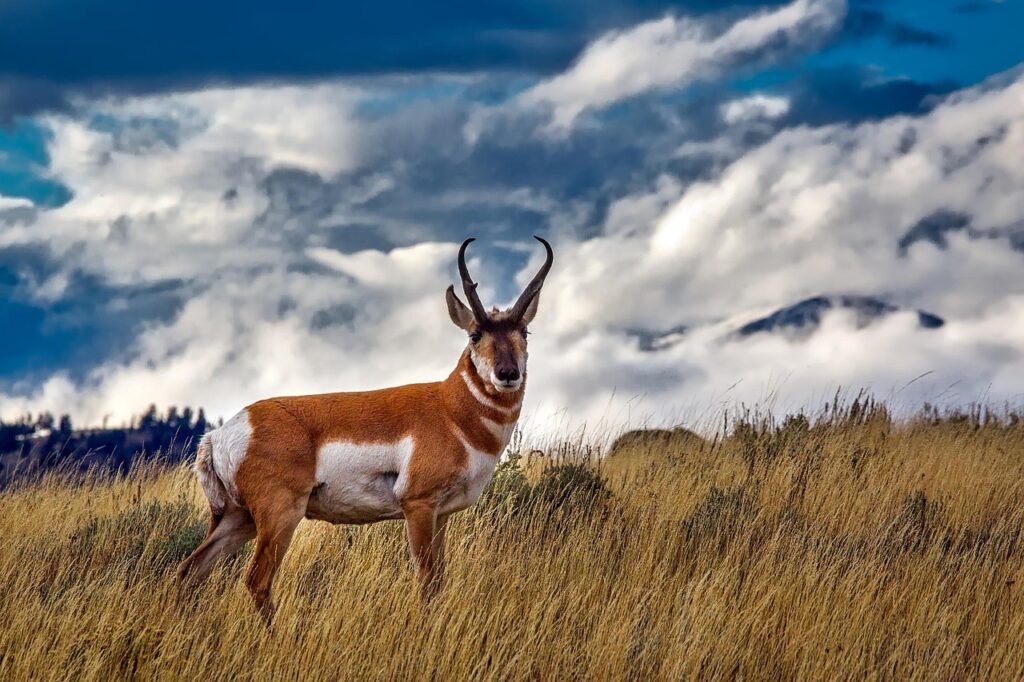
Pronghorn antelope hunting in Texas is strictly regulated, with a permit-only system that ensures sustainable population management. These fast-moving animals are a challenging target for hunters.
- Best Hunting Locations: Panhandle, High Plains
- Special Regulations: Hunting is by permit only, with specific quotas per region
- Licenses Required: General Hunting License, Pronghorn Permit
Hog Hunting in Texas
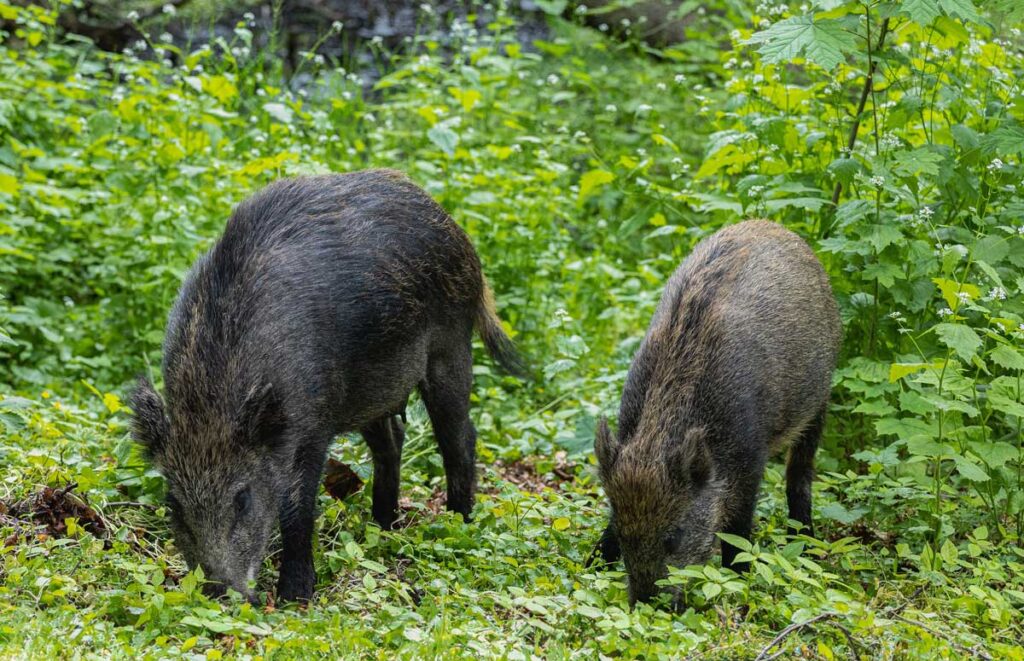
Feral hogs are considered invasive and cause significant ecological damage, making them a year-round hunting opportunity with few restrictions. Texas offers numerous hog hunting outfitters and guided hunts.
- Best Hunting Locations: Central Texas, East Texas, Gulf Coast
- Special Regulations: No bag limits, night hunting allowed in many areas
- Licenses Required: Hunting License required for non-residents, but not for residents on private land
Waterfowl Hunting in Texas
Texas is a major flyway for migratory waterfowl, offering some of the best duck and goose hunting in the country. Waterfowl seasons vary by zone, and hunters must comply with federal and state regulations.
- Best Hunting Locations: Coastal Marshes, East Texas Wetlands, Panhandle
- Special Regulations: Requires a Federal Duck Stamp, non-toxic shot required
- Licenses Required: General Hunting License, Migratory Bird Endorsement
Turkey Hunting in Texas
Turkey hunting in Texas is a thrilling experience, with both Rio Grande and Eastern turkey populations available for pursuit. Spring turkey seasons are especially popular for calling in gobblers.
- Best Hunting Locations: South Texas, Edwards Plateau, East Texas (Eastern subspecies)
- Special Regulations: Spring and fall seasons, mandatory harvest reporting in some counties
- Licenses Required: General Hunting License, Turkey Tags, MLDP Permits for certain properties
High Plains Mallard Management Unit & Waterfowl Zones
The High Plains Mallard Management Unit is a prime waterfowl hunting area in Texas, covering the westernmost portion of the state. This unit has extended hunting seasons compared to other zones, offering better opportunities for late-season mallard hunts. The combination of playa lakes, reservoirs, and agricultural fields provides the perfect habitat for migratory waterfowl, including dark geese and various duck species.
Special White-winged Dove Days
Texas has designated hunting days for white-winged doves, particularly in South Texas and Willacy Counties. These special hunting days typically fall in early September, before the regular dove season opens, allowing hunters to target large migratory flocks. Bag limits and specific shooting hours apply, so hunters must check local regulations before participating.
Upland Game & Other Species
In addition to major game animals, Texas offers excellent opportunities for upland game bird hunting, including quail, pheasants, and rails gallinules. Quail populations vary across the state, with the Rolling Plains and South Texas providing the best hunting conditions. Ring-tailed cats, foxes, and other small predators can also be hunted year-round, offering additional options for hunters looking to explore different game species.
Statewide Hunting Regulations & Participation
Texas has a mix of public and private property hunting regulations, with many hunters opting for leases or guided hunts. Hunters must be aware of specific statewide regulations, such as seasonal shifts in hunting schedules (September, October, November, March, and August) and special participation requirements. For example, certain white-tailed deer counties require additional tagging and harvest reporting to maintain sustainable wildlife populations.
Predator & Small Game Hunting
Texas allows year-round hunting for certain predator species, including foxes and ring-tailed cats, making them a popular target for off-season hunts. Hunters looking to participate in predator management programs can explore opportunities on private land where landowners encourage predator control to protect livestock and native wildlife. Various trigger methods, including electronic calls, are permitted for certain species, enhancing success rates.
People also hunt desert bighorn sheep, alligators, coyotes, sandhill cranes, and more. For all these exotic game animals, you can check with the Texas wildlife department for details. Most species have an anual bag limit, legal shooting hours, and a designated hunting area.
Of course, the Texas Parks & Wildlife department is where to go for the latest news from the government. We keep our stuff up to date, but you might want to check in with them, too.
Hunting Locator Resources & Related Guides
At Hunting Locator, we provide everything you need to plan and enjoy your hunting trips. Whether you’re looking for specific hunting regulations, tips for bagging big game, or searching for a hunting lease, our detailed guides can help.
Deer Hunting in Texas
For those looking to explore more about whitetail and mule deer hunting, we have dedicated resources detailing strategies, best hunting locations, and licensing requirements.
- Read more about Deer Season Texas for up-to-date hunting dates and regulations.
- Our Deer Hunting Texas guide covers tactics and best regions for successful hunts.
- If you’re targeting mule deer, check out Mule Deer Hunting Texas for region-specific insights and regulations.
Turkey & Hog Hunting
Texas offers fantastic opportunities for turkey and feral hog hunting, each requiring different tactics and preparation.
- Learn about season dates and hunting techniques in our Turkey Hunting Texas guide.
- Feral hogs are a year-round challenge. Get insights on locations, baiting techniques, and night hunting in Hog Hunting in Texas.
Public & Private Hunting Lands
Understanding where to hunt is as crucial as knowing what to hunt. We provide detailed listings on public and private hunting opportunities.
- Browse available Texas Hunting Leases to find private land access.
- For those preferring public lands, our Public Hunting Land Texas guide offers locations and access details.
- If you’re interested in purchasing land, check out our Texas Hunting Land for Sale listings.
Statewide Hunting Information & Regulations
Staying informed about hunting regulations and education requirements is key to ensuring a successful and legal hunt.
- Our Texas Hunting Season by County guide breaks down local regulations and dates.
- If you’re new to hunting or need certification, visit Texas Hunting Education Requirements for details on hunter safety courses.
- Landowners and hunters should also familiarize themselves with Hunting Lease Legal Essentials to ensure compliance with Texas hunting laws.
Exotic & Specialty Hunts
Texas is home to a variety of exotic species, including axis deer and other non-native game animals.
- Learn about hunting opportunities and regulations in our Axis Deer Texas guide.


